
Last updated: Apr 19, 2026
Dover sits in the York County weather pattern where spring hail and wind events are a major trigger for roof damage inspections and replacement demand. The quick transitions from warm days to cold snaps in late spring mean shingles, underlayment, and flashing face repeated stress. A single strong gust or hail shower can punch through already stressed layers, turning small concerns into urgent repair needs. Knowing this pattern helps you spot risk before it becomes a full-blown leak or interior damage.
In Dover, winter freeze-thaw stress often weakens shingles and underlayment before spring storms arrive, so damage can be a combination of seasonal wear and a single storm event. Shingle tabs may lift, granules shed, or edges crack, while ice dams from the prior season push water under the roof line. When a spring storm hits, that layered vulnerability means you might see leaks around chimneys, vents, or along the eaves that didn't appear during the winter. This isn't just a cosmetic issue-water intrusion accelerates deck rot and attic mold if left unchecked.
Post-storm scheduling pressure matters locally because claim activity in Pennsylvania can quickly tighten contractor availability during the late spring through early fall roofing window. When a storm hits, multiple neighbors and housing associations in the area start calling for the same crews, and reputable roofers run schedules weeks out. If your area experiences a flurry of claims, you could find yourself waiting longer for a steady response, a thorough inspection, and the necessary replacements. Acting quickly helps you secure a dependable date for assessment and prevents moisture from silently spreading into ceilings and insulation.
Begin with a careful exterior inspection from ground level: check for lifted or curled shingles, missing granules, and dented or cracked panels, especially on the southern and western exposures that bear the brunt of afternoon sun and wind-driven impact. Inside the attic, look for signs of moisture: dark spots, damp insulation, or stained rafters. If you notice any fresh staining or a musty odor, assume water has penetrated and schedule a professional inspection without delay. Even in cases where you don't see obvious damage, a windy hail event can create micro-damage that undermines roof performance once heat or additional moisture arrives.
Document the damage with dated photos from multiple angles-high enough to show the roof line, vents, and valleys, and interior photos showing any ceiling or wall staining. Gather basic information for your insurer: policy number, the date of the storm, and a concise description of what you observed. Contact your insurer promptly to start a claim, then secure a licensed roofer for an inspection as soon as a window opens in the schedule. If you must coordinate with neighbors, align your inspection dates to avoid overlapping driveways and ensure safe access for equipment. In Dover, a well-timed inspection can protect against secondary damage caused by continued rain or heat during the peak replacing season. Prioritize early assessment to preserve your home's structure and keep the restoration on track.
Reach out to a roofer who specializes in storm damage and has experience navigating dense spring demand. Ask about their process for documenting hail or wind damage, their ability to work with insurers, and their estimated timeline from inspection to replacement. If replacement becomes necessary, expect a coordinated approach that addresses shingles, underlayment, flashing, and ventilation. Use the interim period between inspection and replacement to mitigate interior damage: tarping exposed areas, cleaning gutters, and ensuring attic exhausts remain unobstructed. By staying proactive and organized, you can reduce the risk of long-term leakage and get your home back to full protection as the spring weather continues to test every roof edge in town.
Caliber Roofing & Exterior Solutions
(717) 542-8456 www.caliberroofingpa.com
2730 Willapa Dr, Dover, Pennsylvania
4.9 from 59 reviews
Caliber Roofing & Exterior Solutions is a locally owned roofing and siding contractor serving Dover, York, Hanover, and surrounding areas. We specialize in roof replacements, roof repairs, siding installation, wind damage repairs, and exterior home improvements. Whether you’re dealing with missing shingles, leaks, storm damage, or aging siding, we provide honest inspections and clear options — no pressure. We work with insurance claims, offer repair solutions when replacement isn’t necessary, and take pride in clean, professional workmanship. 📍 Serving York & Adams Counties 📞 Call today for a free inspection
TC Backer Construction
(717) 949-7673 321gutterdone.com
1550 E Canal Rd, Dover, Pennsylvania
4.7 from 241 reviews
TC Backer Construction is your trusted local expert in York, PA, offering top-quality roofing, siding, windows, gutters, solar roofing, doors, and decks. We use high-quality materials and skilled craftsmanship to boost your home's beauty, energy efficiency, and safety. Whether you need a new roof, updated siding, or a fresh deck design, our dedicated team delivers affordable, reliable solutions tailored to your needs. Choose TC Backer Construction for lasting results that elevate your home's value and curb appeal.
R. L. Addlesberger Roofing
(717) 659-7067 rladdlesbergerroofing.com
30 W Canal St, Dover, Pennsylvania
5.0 from 14 reviews
Resonable pricing and a reliable, friendly staff of knowledgable team members are just some of the things you can expect when you partner with R. L. Addlesberger Roofing. Our mission isn't just great service, it's to make sure you are 100% satisfied with the final results we provide in order to protect your roof and keep it as healthy as possible for years to come. Plus, the lifetime limited warranties that you will have access to with your GAF certified status will give you just that bit more confidence in hiring us for your next roofing project.
Maverick Roofing
(717) 324-0678 www.maverickroofingllc.com
16 S Main St, Dover, Pennsylvania
5.0 from 12 reviews
We are your expert Roofing Contractor for your home. We are locally owned and operated and the owner does all of his own work. ... Call today for an estimate!!
GO Construction Services
5340 Pine Hill Rd, Dover, Pennsylvania
4.4 from 7 reviews
GO Construction Services, LLC was founded in 2007. GO Construction provides professional roofing and home improvement services to Dover, York, Lancaster and surrounding Pennsylvania Communites.
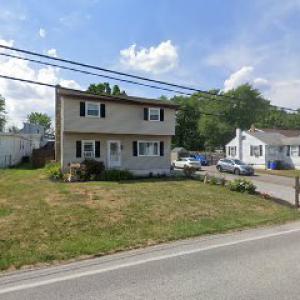
Betts Contracting
(717) 968-1345 bettscontracting.com
2596 Oakland Rd, Dover, Pennsylvania
3.7 from 6 reviews
Serving york/adams/cumberland/lebanon/lancaster. Roofing, siding, fascia, soffit and gutter install. Free estimates.
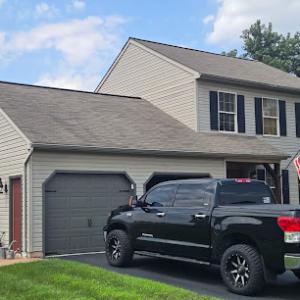
American Remodeling Enterprises
(717) 268-9020 americanremodeling.net
Serving
4.9 from 83 reviews
Top local roofing company in York, PA. We offer high-quality roofing services throughout York County, Lancaster County, Adams County, Carlisle, Harrisburg, and nearby areas. As a top-rated roofer in York, PA, we specialize in residential roof replacements and installations, utilizing materials such as premium metal, asphalt shingles, rubber, and stone-coated steel, all backed by lifetime warranties. Our commitment to “Quality Roofing and Home Improvement, Done Right!” extends beyond roofs. We offer additional services like window replacement, siding, tub-to-shower conversion, cabinet refacing, and epoxy flooring. Contact us today to schedule your free estimate!
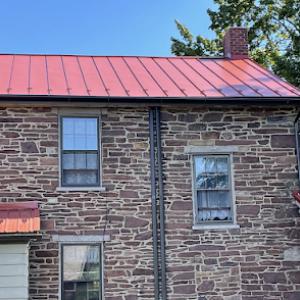
Triple R Roofing & Siding
(717) 516-0002 www.tripleroofing.com
Serving
4.9 from 39 reviews
Triple R Roofing is a top Pennsylvania roofing company serving York, PA and all surrounding areas. As an Atlas Platinum Level roofer specializing in residential shingle roofing systems as well as metal roofs and flat roofs. Our roofing company in York, PA is proficient at dealing with storm damage repairs as well as the installation, replacement and repairs of any roof, siding, or gutters including commercial projects. Triple R Roofing is also a certified Roof Maxx dealer for Pennsylvania and Maryland.
York County Roofing
2879 Carlisle Rd, Dover, Pennsylvania
3.4 from 5 reviews
When purchasing something as vital as a roof, you want to put the job in the hands of a qualified professional.Our dedicated team of professionals are roofing experts and are adept at completing all projects correctly and on time.
Shiloh Roofing
(717) 764-1269 www.shilohroofing.com
Serving
4.6 from 22 reviews
A family-owned business. Serving the community since 1957.
Running Gutter
Serving
5.0 from 3 reviews
We are locally-owned, and can service all your exterior home needs with over 18 years experience
Miller's Roofing
(717) 432-7947 millersroofinginc.com
Serving
4.9 from 230 reviews
Miller’s Roofing offers top-of-the-line shingle, metal, and rubber roofs, as well as vinyl siding, seamless gutters, and window/skylight repairs and replacements, with free estimates, financing options, and a warranty on all products. Enjoy unparalleled customer service from a second-generation, family-owned and operated roofing company, since 1971 with 4.9 star rating across 530 different reviews. We are a Master Elite contractor for GAF Roofing installation and Master Shingle Applicator for CertainTeed Roofing installation. Each project uses the highest quality products, including, GAF shingles, reinforced EPDM rubber and ABSeam panel metal roofs guaranteed to last a lifetime. Serving York, Cumberland, Dauphin, and Adams Counties.
Pennsylvania homeowners commonly file roof claims after storms, and Dover homeowners should expect insurers to require photos, estimates, and documentation before approving scope. In this market, the chain of evidence matters as much as the damage itself. Start gathering the obvious: dated photos showing roof surface, flashing, and any visible interior signs like ceiling staining or attic water marks. The goal is to establish not only that damage occurred, but that it aligns with the storm event and the timing you're reporting. Your file should include interior notes from any pre-existing conditions that might affect the claim, and a simple diagram of where you notice damage from ground level or attic access. When you contact the insurer, be prepared with a written summary of the storm date, wind or hail intensity (if known), and a concise description of all affected areas. This foundation helps prevent back-and-forth requests that delay the scope approval, especially after a winter that's prone to freeze-thaw wear.
Adjusters in this market typically verify whether visible shingle, flashing, or accessory damage matches the claimed storm event rather than relying only on contractor reports. That means your evidence needs to show a plausible link between what you claim and what a storm could cause. Expect an on-site inspection where the adjuster looks for aligned evidence: granule loss on shingles, lifted or curled tabs, damaged step flashings, sump or valley concerns, and any displaced coverings around vents or chimney details. If the adjuster finds gaps between the claimed damage and the storm narrative, they may request additional documentation or an engineer's note. A contractor's estimate is useful for showing scope, but the adjuster carries final say on scope alignment with the event, so make sure your own photos clearly depict damaged components in their current state, not just general wear. For best results, schedule the inspection promptly after the storm window and keep a log of any related interior signs that surface, such as attic moisture after a heavy rain. The goal is to present a coherent, event-grounded picture, not a compilation of unrelated issues.
There is no known statewide insurer pullback pattern in Pennsylvania affecting Dover, but carrier-specific coverage rules can change what portion of a roof replacement is approved. That nuance means even if a claim is approved for certain components, the insurer may cap or tier coverage based on policy language and the documented cause of damage. It pays to understand that approvals can vary by carrier and by dwelling features, so what one neighbor receives in scope may differ from another, even with similar damage. Because timing is critical in this town's environmental cycle, coordinating the claim timeline with the storm's date, the ensuing documentation, and the eventual replacement schedule requires careful tracking. If an insurer requests additional documentation or a supplemental inspection, respond promptly with organized files. A delayed response can push a full replacement into a more congested window, complicating scheduling with contractors and any required signatures. In practice, maintain a steady line of communication with the adjuster, provide requested evidence in a clear, labeled format, and keep copies of all correspondence for future reference. This approach helps preserve the eligibility window for scope adjustments and supports a smoother transition from claim approval to actual replacement.
Connect with contractors who help homeowners navigate the claims process from damage assessment to final approval.
Caliber Roofing & Exterior Solutions
(717) 542-8456 www.caliberroofingpa.com
2730 Willapa Dr, Dover, Pennsylvania
4.9 from 59 reviews
TC Backer Construction
(717) 949-7673 321gutterdone.com
1550 E Canal Rd, Dover, Pennsylvania
4.7 from 241 reviews
Maverick Roofing
(717) 324-0678 www.maverickroofingllc.com
16 S Main St, Dover, Pennsylvania
5.0 from 12 reviews
Late spring through early fall is the best replacement window for a roof in this area. The longer days and milder temperatures help sealants cure properly and give crews the ventilation they need without the disruption that cold weather brings. In Dover, the transition from spring storm season into the heat of summer often aligns with fewer sudden temperature swings, reducing the risk of rapid material contraction and expansion during installation. Plan a replacement during this window when possible, and coordinate with the roofing team to target a block of dry days so crews can complete the job without weekend weather interruptions.
Winter in Dover introduces a set of challenges that complicate repairs. Cold weather can make asphalt materials brittle and sealants less reliable, and persistent freeze-thaw cycles can take a toll on newly installed components if a project spans through a thaw. In contrast, summer heat can accelerate aging on already-worn roofs and push insulation and underlayment beyond their comfort zone if ventilation isn't adequate. If a replacement must occur in shoulder seasons, ensure crews have a plan for heat protection in the attic and a way to manage condensation. A thoughtful schedule minimizes the risk of moisture-related issues after the install.
Autumn debris and storm exposure matter locally because damage left untreated before winter can worsen once repeated freezing and thawing begins. Leaves, wind-borne grit, and fallen branches can infiltrate gutters and ventilation paths, hindering proper airflow and drainage. Before the first hard freeze, take time to have the system inspected for wind-driven damage, lifted shingles, and damaged flashing. If a replacement is needed, aligning the project to finish before the late-fall storms reduces the chance of in-progress work being interrupted by snow or sleet. Clearing debris and finalizing sealant cures ahead of winter helps protect the new roof's performance when temperatures drop.
Start by reviewing any spring storm damage promptly and document every impacted area with photos, focusing on visible shingle lift, flashing gaps, and signs of water intrusion. Use this documentation to guide conversations with a trusted local contractor about the most effective sequence-whether a full roof replacement or a targeted repair first, followed by a full replacement if needed. Schedule inspections during late spring to early summer when conditions are stable and field crews can access the roof without weather-induced delays. Confirm that the chosen window aligns with anticipated dry spells and that the crew can complete the project within a continuous block to avoid fragmenting the sealants and underlayment. Finally, establish a clear plan for protecting landscaping and outdoor structures during the installation to prevent incidental damage.
Get a clear picture of your project costs upfront - no commitment required.
TC Backer Construction
(717) 949-7673 321gutterdone.com
1550 E Canal Rd, Dover, Pennsylvania
4.7 from 241 reviews
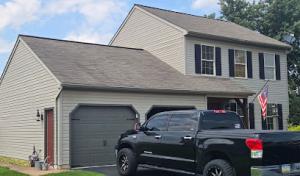
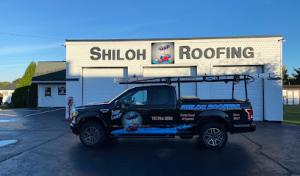
Asphalt shingles remain the dominant practical choice for most homes in this area. Their straightforward installation, available color options, and broad repair familiarity among local contractors make them the go-to for many homeowners. The real story is how freeze-thaw cycles, summer heat, and storm exposure shape their performance. In winter, fluctuating temperatures can cause minor granule loss and edge delamination, while rapid warming after a late snow can stress the material. With spring storms bringing hail and heavy rain, it helps to choose a shingle with good impact resistance and a stout underlayment system. A well-sealed, correctly flashed roof reduces the risk of leaks during those temperamental spring transitions. If asphalt is your choice, pairing it with a durable underlayment and a thoughtful attic ventilation plan will help ride out the seasonal extremes.
Metal roofing offers a meaningful niche in the local contractor pool and is often considered by homeowners seeking improved snow shedding and reduced maintenance after repeated storm seasons. A metal roof can shed accumulating snow more quickly, which lessens the chance of ice dams and a heavy snow load lingering on the eaves. For homes facing frequent wind-driven rain or hail, metal's toughness translates into fewer rapid repair events compared to some other materials. The key practical consideration is compatibility with existing roof structure and insulation-metal panels are heavier than asphalt but lighter than concrete tile, and they require proper support and detailing at joints. A durable finish and correct sealing around penetrations help minimize maintenance needs over time, especially after a busy spring.
Tile options-clay and concrete-offer long lifespans and distinctive aesthetics, but their viability hinges on roof slope and structural support. Clay and heavier concrete tiles demand a solid, reinforced deck and careful weight distribution; otherwise, the retrofit or new installation can become a project beyond a typical home's reach. On the other hand, wood shingles or shakes bring a traditional look and good insulation when installed on appropriately pitched roofs. They require careful maintenance against moisture, rot, and insect activity, which can be more pronounced after wet springs. Synthetic or composite shingles provide a lighter, more forgiving alternative that can mimic natural materials while offering enhanced resistance to weather wear. The choice among these options hinges on how well the structure can bear heavier systems, how the roof slope handles steep lines, and the likelihood of storm-driven debris impacting the surface.
In this climate, the best approach balances local storm exposure with structural realities and long-term maintenance. Start by evaluating your roof's slope, attic ventilation, and existing deck condition. If spring storms are a regular stressor, a material with solid wind resistance and reliable flashing details will save you trouble over time. For many homes, asphalt shingles represent a practical, well-supported choice, while selective properties may benefit from metal for superior snow shedding. If the home has ample slope and sturdy framing, tile or synthetic options can be considered, but verify the structure can handle the weight and that installation aligns with typical Dover weather cycles. Each path benefits from a reputable local contractor who understands how spring moisture, freeze-thaw cycles, and storm loads interact with the preferred material.
Typical Dover pricing follows the provided ranges. Asphalt shingles run roughly from 350 to 650 USD per square, while metal roofing sits between 500 and 900 USD per square. Tile systems - clay or concrete - are substantially higher, reflecting both material weight and installation complexity. In practice, a straightforward asphalt replacement often remains the most economical choice for a standard 2,000-square-foot home, but the exact square count and roof pitch can push prices up quickly. If a project requires heavier options, expect the math to shift toward the higher end of the metal or tile range, especially on steeper or multi-gable roofs.
Costs in Dover can rise after spring storm waves when insurance-funded demand increases and local crews are booked heavily during the preferred warm-weather season. A calm late spring window can yield better access to crews and steadier material supply, while a sudden influx of claims pushes prices up and can slow timelines. If weather patterns lean toward frequent wind and hail, be prepared for quick evaluation needs and potential supplemental charges for temporary protections, debris removal, and extended workdays to finish before the next round of weather.
The tear-off complexity of an existing roof directly affects final pricing, and heavier materials like clay and concrete tile amplify that effect. Clay and concrete tile demand careful structural assessment, subroof work, and precise fastening, all of which add to the total. Synthetic or composite shingles offer a middle ground, while metal can require specialized installation but often provides longer-term performance that may offset upfront cost in durability-focused plans. In Dover, where freeze-thaw cycles stress roofs, choosing a durable system that resists wind-driven moisture and ice damming can influence long-term cost-effectiveness as much as initial price.
Begin with a documented inspection that notes prior storm damage and any attic condensation or roof deck concerns. When requesting quotes, specify a preferred window outside peak spring demand to improve scheduling and pricing leverage. Ask for a breakdown that separates materials, tear-off, disposal, and any added protective or weather-related contingencies. For heavier systems, request a structural assessment to confirm framing and deck adequacy, since that assessment can materially change final project pricing in this township market.
Don't let upfront costs delay a critical repair - these contractors offer payment plans to fit your budget.
Caliber Roofing & Exterior Solutions
(717) 542-8456 www.caliberroofingpa.com
2730 Willapa Dr, Dover, Pennsylvania
4.9 from 59 reviews
TC Backer Construction
(717) 949-7673 321gutterdone.com
1550 E Canal Rd, Dover, Pennsylvania
4.7 from 241 reviews
A full roof replacement is not a "no-paperwork" job in this area. The township building department handles the permit for a full replacement, and the project will be reviewed from start to finish. This isn't a formality you can skip, especially with the way spring storms and freeze-thaw cycles test roofs. Expect the permit to outline a clear scope, required materials, and inspection milestones that must be documented before work begins and along the way.
Inspections happen at key milestones to verify that work is advancing correctly and safely. Typical checkpoints include the framing and underlayment stages, followed by the shingle or roofing system installation, and, finally, a last inspection to close the permit. Each milestone is an opportunity to catch code issues early, which helps avoid costly rework later. Scheduling around weather windows is essential, given Dover's variable spring conditions and the priority placed on staying compliant with township expectations.
Confirm that the contractor is properly licensed and accountable to current codes. In this township, permit closure is tied to actual compliance, not merely completing the installation. Missing inspections or noncompliant work can stall or derail permit finalization, which can delay your project and complicate insurance documentation after storm damage. Do not assume the work meets code just because the roof looks finished.
Coordinate closely with the contractor to track permit status, inspection dates, and any required corrections promptly. Keep copies of all permits, inspection reports, and official paperwork in a safe place. If your project is delayed, revisit the township portal or office to confirm next steps and schedule. This proactive approach helps you avoid surprises when building ownership and insurance needs align after a spring storm.
In this climate, freeze-thaw cycling stresses shingles, flashing transitions, and underlayment, especially on older roofs already carrying moisture intrusion. You'll notice hairline cracks, lifted edges, or small granule loss after a cold snap followed by a warm day. Those micro-failures compound over seasons and quietly invite leaks, rot, and further deck damage. The risk is higher on roofs with valley intersections or where flashing has seen years of weather, leaving sealants brittle and joints vulnerable. Inspection cadence matters: after every severe cold spell and again after the first spring thaw, check for soft spots in the attic, damp insulation, and daylight where roofing should be solid. If you spot staining on ceilings or musty attic air, treat it as a potential flood gate rather than a cosmetic issue. Delayed attention here can turn a small patch into a full replacement sooner than expected, with ripple effects through the resale timeline and overall protection of interior spaces.
Spring hail and wind events in this area often create damage that is easy to miss from the ground, leading to delayed leaks or denied claims if not documented early. Granule loss, bruised shingles, lifted edges, and dented metal components can hide under an overhang or behind vent stacks. Slow leaks might start weeks after a storm, so an interior inspection after storms is critical, especially in rooms adjacent to the roof where moisture travels along sheathing. Photograph all damaged areas before any roof work begins, and keep a storm log with dates and observed symptoms. If a claim is pursued, the documentation should be thorough and timely to avoid disputes over when the damage occurred or what weather event caused it.
Summer heat in Dover can accelerate wear in asphalt shingles and sealants, compounding damage that began during winter or spring. Heat accelerates granule shedding, softens asphalt, and can cause sealant joints at vents and skylights to fail sooner. Persistent heat exposure also worsens curling edges and reduces adhesive strength, increasing chances of wind uplift during a thunderstorm. Regular inspections focusing on exposed edges, ridge lines, and transitions to metal or vent penetrations help catch failures before they compound. Addressing marginal flashings promptly can prevent concealed leaks that creep into attic space and complicate repairs when the next season arrives.
Find contractors experienced in skylight installation, flashing, and leak repairs to bring natural light into your home.
TC Backer Construction
(717) 949-7673 321gutterdone.com
1550 E Canal Rd, Dover, Pennsylvania
4.7 from 241 reviews
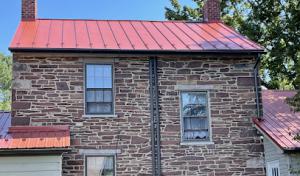
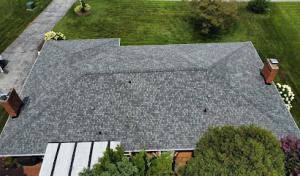
Although pitched residential re-roofing dominates Dover, the local contractor market shows meaningful support for flat and low-slope sections on additions, porches, and mixed-roof homes. When you plan an add-on or a porch roof, treat the low-slope area as a separate project within the overall roof system. Start with a clear plan for drainage and ensure the underlying deck and flashing are designed to handle surface moisture without creating a new leak path. If you're tying new work into an existing roof, get the transitions right so the joints don't trap water at any angle.
Low-slope areas in Dover are especially vulnerable to moisture problems because winter snow and repeated thawing can keep water on the roof surface longer. Pay attention to how snow and ice shed near valleys, edges, and penetrations. Use proper insulation and ventilation to minimize warm-spot melt and avoid prolonged ponding. In practice, confirm that your drip edge, underlayment, and edge detail are rated for continuous exposure to cold and thaw cycles. A dedicated moisture barrier beneath the membrane can prevent capillary wicking from the deck into the interior.
Accessory penetrations and transitions around skylights or similar roof features need close inspection in Dover because leak paths often appear after seasonal expansion, contraction, and storm exposure. Inspect around every pipe boot, vent stack, and skylight curb for wrinkling, punctures, or gap openings after temperature swings. Use continuous detailing with compatible sealants and flashing tapes, and keep a close eye on any sealant joints that show hairline cracks after freeze-thaw cycles.
Plan the installation with careful sequencing: seal all penetrations first, then install the membrane or flashing at edges, then lay the main covering. Avoid long dry spells between steps that could let moisture intrude behind starter layers. For renovations, ensure new low-slope sections tie seamlessly to the existing roof surface, with a shared drainage plane and coordinated flashing that resists wind-driven infiltration. In Dover, precise alignment of expansion joints and fastener patterns matters as a line of defense against seasonal movement.
Find specialists in TPO, EPDM, and built-up flat roofing systems for residential and commercial properties.
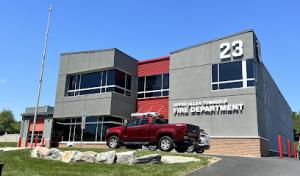
Roofs here endure repeated seasonal stress from snow and freeze-thaw cycles, persistent moisture, summer heat, and the quick jolt of spring storms. That mix can reveal flaws over time that a warranty should address, not just a one-time fix. Talk-throughs with the contractor help you align expectations about what is covered if damage shows up after a storm or after a few seasons of wear. In practice, clear discussions early prevent surprises when the weather flips again and a replacement decision lands near the busiest seasonal window.
The local market includes contractors actively advertising warranties, which matters when storm-driven replacements are squeezed into tight scheduling. If a company offers a workmanship warranty, confirm exactly what events qualify (wind, impact, curling, leaks) and how long the guarantee lasts in Dover's climate. Ask for written language that ties the warranty to actual product performance and labor quality, not expired symbols or vague promises. Compare two or three bids with noted warranty terms side by side, focusing on what each covers and for how long.
Before permit closeout and final payment, it is critical to distinguish between manufacturer material coverage and contractor workmanship promises. Manufacturer warranties typically cover defects in shingles, underlayment, and other components, with specific exclusions for improper installation. Contractor workmanship warranties cover the installation itself and any related leaks or failures due to their labor. Ensure the contract clearly assigns both covers, lists claim procedures, and spells out maintenance duties that could affect validity. Keep a file with product model numbers, serials, and dates of installation to support any future claims.