
Last updated: Apr 19, 2026
In this climate, cold winters and warm summers push shingles to crack, curl, and loosen at the edges as water expands and freezes again. The result is accelerated wear around roof penetrations like vents, chimneys, and skylights, where flashing can shift just enough to invite slow leaks. If you've noticed granule loss on shingles or dark, damp stains along rake edges after a thaw, the pattern is classic freeze-thaw damage taking hold. This isn't something to tolerate; it's a warning that the next freeze could push a small issue into a real leak.
Winter ice damming is a recurring seasonal danger around the eaves, where melting snow refreezes as the temperature dips, backing water up under shingles and flashing. Add in storm-driven winds and sudden temperature swings, and you've got a recipe for moisture intrusion that travels along rafter tails and into attic spaces. Eave protection needs to be robust, not cosmetic. If eaves look damp in late winter or you see icicles forming heavily at the gutter line, take action now before a heavy thaw tests the roof's edge integrity.
A common Lititz problem is insufficient attic ventilation paired with inadequate insulation, leaving a warm, moist attic that pushes condensation into roof assemblies. When moisture migrates to colder zones, you get faster ice dam development and more frequent leaks around vents and flashing. The fix is twofold: create a clear pathway for airflow from soffit to ridge vents, and tighten insulation to keep the attic closer to exterior temperatures. If attic access reveals visible moisture, frost on sheathing, or a noticeably damp ceiling in upper rooms during cold snaps, you're looking at insufficient ventilation or insulation performance.
Many replacement projects in this area are scheduled from late spring through early fall because winter conditions delay tear-offs and complicate diagnosing moisture pathways. If outdoor moisture patterns and interior signs point to a leaking roof, delaying a repair until warmer weather can allow moisture to migrate and mask the true path of the leak. Planning ahead for a spring-to-fall window helps ensure diagnostics aren't muddied by snow or ice and that flashing, underlayment, and vent details are correctly addressed before another harsh season begins.
Flashing can creep or separate after repeated freeze-thaw cycles, especially at chimneys, skylights, and vent stacks. Small gaps become big leaks over time. Look for any rusted, lifted, or compressed flashing, and don't assume sealant alone will hold. Properly designed flashing with solid fasteners and compatible materials is essential in this climate to keep moisture from riding into the attic through those vulnerable seams.
Inspect after a thaw or during a milder spell: look for damp spots on ceilings, staining along exterior walls near the roofline, and any new sticky patches on attic rafters. If the attic shows signs of warmth loss or condensation buildup, address ventilation and insulation first, then assess whether the roof's edge, flashing, or penetrations need professional attention. In Lititz, proactive upkeep and timely repair save more than just a few headache-causing leaks when winter returns.
Spring storms and hail events are a defined local risk in Lititz, increasing wind-driven damage, shingle bruising, and insurance claim activity. The mix of older borough homes with steep roofs and mature-tree debris means hail can leave both cosmetic bruising and hidden, structural concerns. When a storm hits, shingles may look intact but shoulder joints and valleys can suffer wind-driven lift or moisture intrusion. After a hail event, don't assume a quick assessment by a passing contractor is enough-look for the telltale bruised granules, dented vent pipes, and soft spots that could harbor leaks weeks later.
Pennsylvania homeowners in this market typically rely on standard wind and hail coverage, and carriers often want photo documentation, detailed damage notes, and adjuster reports for larger losses. You should expect a request for a storm diary: dates, wind speeds if known, trees or debris impacted structures, and a visual catalog of roofing flaws from multiple angles. The claims process tends to move faster when the roof has clearly documented evidence of both wind damage and hail impact on multiple roof planes. Missing this documentation can slow an adjuster's assessment and push toward an under-evaluated repair or replacement decision.
Roofing decisions in Lititz are influenced by recent storm activity rather than a statewide insurer pullback pattern, so post-storm contractor availability and documentation quality can affect claim outcomes. After a hail event, crews surge, but that rush can lead to variable workmanship. The most reliable route is to schedule a thorough, photo-supported inspection within days of the storm, preferably before any temporary tarps come off or before a first night's rain tests weak seams. If a contractor arrives with minimal documentation or hesitates to put measurements and photos in writing, that should raise a red flag. A contractor who can provide a detailed damage map, dated photos, and a professional scope of repairs will strengthen a claim and prevent small issues from becoming costly later.
In the wake of a storm, prioritize documenting all surfaces-sunlit and shaded-to capture bruising on dark shingles and granule loss. Photograph flashing, valleys, and any signs of moisture around chimneys or dormers. Maintain a weather-aware plan: avoid initiating a full replacement until an adjuster has visited, unless temporary mitigation is prudent to prevent leaks. When talking to insurers, present a concise, organized package: incident date, a storm diary, and clear imagery tied to specific roof areas. This local pattern-fast, well-documented reporting and choice of a qualified, communication-focused contractor-has the strongest track record for timely, fair outcomes in Lititz.
Find local contractors experienced in assessing and restoring roofs after hail, wind, and severe weather events.
Superior Roofing Solutions
(717) 575-5233 www.superiorroofingpa.com
126 W Newport Rd, Lititz, Pennsylvania
5.0 from 33 reviews
Superior Roofing Solutions is a roofing company located in Lancaster, PA and serves nearby counties. We perform residential and commercial roofing services, along with siding and gutter installations. We are CertainTeed Certified, offering you top quality service with manufacturer's warranties. Contact us now for an estimate!
Lititz Roofing
(717) 723-7580 www.lititzmetalroofing.com
823 Disston View Dr, Lititz, Pennsylvania
5.0 from 22 reviews
The roofers at Lititz Home Improvement are experts in metal and asphalt shingle roofing. When it comes to roof installations and repairs, our Amish roofing company can take care of everything from start to finish — from the initial inspection to the final cleanup. We are proud to offer top-rated brands for all our roofing services like GAF, so you can trust that your new roof will be built to last. No project is too big or too small for our team to handle. If you need a new roof for your home, contact our metal roofing contractors today for a free quote!
DK Contracting
(717) 826-4122 dk-contractors.com
Lititz, Pennsylvania
5.0 from 11 reviews
You want: To maximize your building value The right roof system for your building specifics A contractor who does the work right without the typical contractor hassles That’s what we are known for! Delivering value. Helping you win. With a background as a painting contractor, we understand the value of quality workmanship, attention to detail, and reliability. We serve a steadily growing clientele of commercial building owners and managers, and we have a strong reputation for completing commercial roof repair jobs of outstanding quality, with minimal interruption to your day-to-day business operations. We look forward to serving you!
Shed Roof Repair
(717) 821-7392 www.shedroofrepairs.com
Serving
5.0 from 16 reviews
At Shed Roof Repair we specialize in replacing your shed roof and improving the value of your shed.
Zooks Roofing & Beyond
Serving
4.9 from 16 reviews
Zooks Roofing and Beyond, LLC is a reputable and customer-focused roofing and construction company based in Denver. With a strong commitment to quality, craftsmanship, and customer satisfaction, Zooks Roofing and Beyond, LLC has established itself as a trusted partner for residential and commercial property owners in need of roofing, remodeling, and construction services.
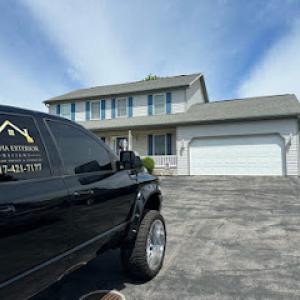
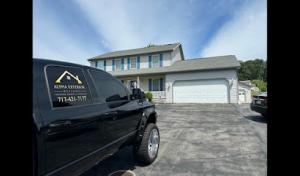
Alpha Exterior Designs
(717) 421-7177 alphaexteriordesigns.com
Serving
4.8 from 31 reviews
Welcome to Alpha Exterior Designs, where we combine our military background with our roofing expertise to deliver exceptional results. As a Marine Corps veteran, our owner understands the importance of precision, reliability, and commitment to our community, which is why after nearly a decade of management experience in this industry, our owner decided to create an honest, hardworking team to service your roofing and exterior needs. With our attention to detail and commitment to excellence, we'll ensure that your roof is built to withstand anything. Trust our team to provide top-notch roofing services that go above and beyond. Contact us today for a roof you can count on!
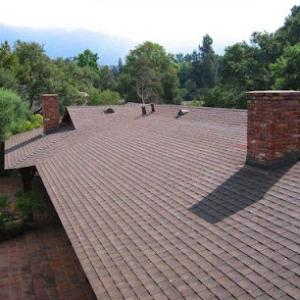
Graystone Roofing & Siding
(717) 964-4870 lancasterparoofing.com
Serving
5.0 from 21 reviews
We are a Lancaster Pa Roofing & siding contractor
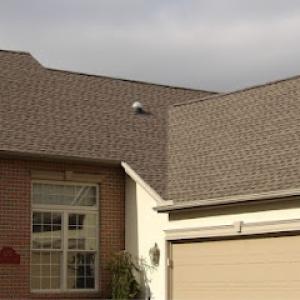
Scenic View Roofing
(717) 875-4192 www.scenicviewroofing.com
Serving
5.0 from 142 reviews
Nobody likes a leaky roof or old siding. Here at Scenic View Roofing, we lay these problems to rest! We offer several different services, such as roofing and gutter installation, among others. Our installations and repairs are both thorough and timely, meaning you get top-notch quality in a short amount of time! Ready to get started? Check out our site today!
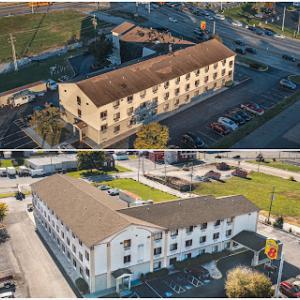
Topflight Roofing
Serving
5.0 from 27 reviews
TopFlight Roofing is Lancaster, PA's premier roofing contractor, specializing in both commercial and residential roofing solutions. With an unwavering commitment to quality, precision, and reliability, we deliver top-tier roof replacements, installations, repairs, and maintenance services. Our experienced and certified roofing experts handle projects of all sizes, from large-scale commercial flat roofs to residential shingle installations, ensuring each job is completed to the highest industry standards. Locally owned and operated, we pride ourselves on exceptional customer service, integrity, and professionalism. At TopFlight Roofing, we elevate roofing standards—protecting your property with unmatched craftsmanship and peace of...
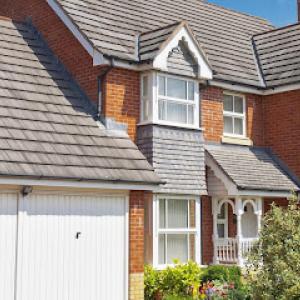
Glick Brothers Roofing
(717) 449-8612 www.glickbrothersroof.com
Serving
4.7 from 25 reviews
Glick Brothers Roofing is an experienced roofing contractor located in Manheim, PA that serves homeowners and businesses throughout Central Pennsylvania and the Main Line. Glick Brothers Roofing boasts an impressive track record of customer satisfaction due to their high-quality work and second to none customer service. Glick Brothers Roofing provides free quotes for all roofing jobs and offers a 15 year warranty. The team at Glick Brothers takes pride in what they do and look forward to serving you!
Mullens Construction
(717) 875-3511 www.mullensconstruction.com
Serving
4.9 from 85 reviews
We all know the roof of our home is important but it’s also easy to forget just how important it is until something goes wrong. There are many factors that might cause you to need a new roof. Some of these things are age, fire, wind, storms, hail damage, and more. If you have experienced any of these with your home, trust the experts at Mullens Construction to get the job done right. Since 1982, we have serviced Roseville Road, and the surrounding areas. We are licensed and insured and offer discounts for seniors and military members.
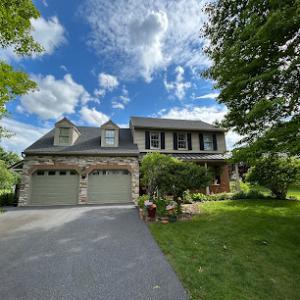
MKS Construction
(717) 324-4497 mksconstructionllc.com
Serving
5.0 from 34 reviews
Looking for a reliable roofer in Stevens, PA, or nearby? We’re an Ephrata-based roofing and home improvement contractor serving Berks County, northern Lancaster suburbs, and southern Lebanon County. Our services include roof repair & replacement, home remodeling, additions, vinyl siding, and new construction. Call 717-324-4497 or visit our website for a free quote.
Asphalt shingles are a dominant local choice, matching the large re-roofing market and typical residential budgets in this area. If your home sits among older borough houses with steep pitches or newer suburbs with standardized layouts, asphalt's quick install and broad dealer support make it the most predictable option. In freeze-thaw winters, the key question is performance over time: choose dimensional or architectural shingles with a good warranty and a thick, water-shedding tear-off edge to better resist ice damming. You'll want a contractor who understands how to seal valleys and edge details to minimize meltwater backing up under shingles during spring thaw. For trees nearby, ensure a proper gutter and downspout plan so debris doesn't trap moisture at the eave line. If a re-roof is needed after storm season, asphalt can usually be installed over existing layers when local conditions and building codes allow, speeding up the repair window in a storm-prone year.
Metal roofing has meaningful local contractor support and is often considered by Lititz homeowners looking for better snow shedding and long-term performance through freeze-thaw seasons. If your home faces heavy drifts or long stretches of winter wind-driven snow, metal can reduce ice dam risk by promoting rapid shed-off. Look for profiles that provide a tight, interlocking seam and a protective underlayment designed for freeze-thaw cycles. Metal panels require precise roof geometry, especially on steep pitches or complex rooflines common in older borough houses. Structural checks are worthwhile because metal's weight and fasteners demand a solid deck. If you expect frequent storms or want lifecycle durability, metal can be a strong fit, but be mindful of roof color and heat absorption in summer, which affects attic temperatures and comfort downstairs.
Clay tile, concrete tile, wood shakes, and synthetic shingles are present in the market but require attention to structural load, repair matching, and installer familiarity because they are less prevalent than asphalt and metal locally. Clay and concrete tiles are heavy; a full assessment of attic structure and curb appeal is essential before committing. They excel in aesthetics and long-term weather resistance, but replacements or repairs must be matched to the nearby roof's pitch and compass orientation to avoid uneven wear. Wood shakes bring authentic texture to older homes but demand meticulous maintenance and proper ventilation to resist moisture and freeze-thaw cycling. Synthetic shingles can mimic other materials with easier installation and sometimes lighter weight, but installation details matter: ensure your chosen product is rated for freeze-thaw exposure and compatible with repairs when individual shingles need replacement.
The best choice balances roof geometry, tree debris exposure, and local storm history. In boroughs with steep lines, asphalt remains the most forgiving option for cost, availability, and repair familiarity, while metal offers standout performance in snow-prone spots and on newer, larger homes. For distinctive architecture or a preference for a particular look, the other materials can work-but they require an installer experienced with local conditions and capable of accurate load calculations, repair matching, and long-term maintenance planning.
Local cost expectations run about $350 to $550 per square for asphalt shingles, $700 to $1100 for metal, $900 to $1500 for clay tile, $800 to $1400 for concrete tile, $500 to $900 for wood shingles or shakes, and $450 to $900 for synthetic or composite shingles. In practice, asphalt remains the baseline choice for most Lititz homes, especially in borough neighborhoods with older, steep rooflines. If a project leans toward clay or concrete tiles, expect a noticeable jump in both material and labor, largely due to weight, structural considerations, and specialized installation crews. The synthetic option can bridge some price gaps while delivering longer wear life, but color and texture choices can influence final cost once a project is scoped for a particular look.
Pricing can also shift when storm activity compresses contractor schedules in the late spring through early fall replacement window. In Lititz, that window tends to tighten as crews swing from one storm-damaged roof to the next, which can push per-square rates upward and shorten the negotiation period with suppliers. If a roof replacement is scheduled during a busy stretch, you may see higher mobilization fees or expedited labor charges, especially on steeper roofs or where temporary protections are needed after a hail event or high-wind day. Plan for potential delays in delivery of specialty materials, and be prepared to adjust timelines if the weather turns suddenly.
Steep geometry is common on older borough homes, and that geometry directly influences cost. More complex or multiple roof planes increase labor hours, safety measures, and scaffolding requirements. When choosing between mainstream asphalt and specialty systems, the decision often hinges on long-term value versus initial investment. Metal can offer durability and a leaner maintenance profile in exposure-heavy Lititz climates, while clay or concrete tiles provide aesthetic appeal and longevity but demand a robust structural assessment and compatible underlayment. Wood shingles or shakes bring a historic look but can elevate maintenance needs and fire ratings, particularly in areas with dense tree coverage.
When estimating, add a contingency for required underlayment replacement and venting improvements if the age of the roof suggests degraded sheathing or insulation. Steep roofs and older homes may need additional safety equipment, which slightly raises labor costs. If a remodel package bundles gutters, skylights, or attic ventilation, it can provide more accurate overall pricing and reduce the risk of surprise line items. In Lititz, a careful scope that documents material grades, underlayment type, and the number of penetrations helps keep pricing aligned with the actual project needs.
Get a clear picture of your project costs upfront - no commitment required.
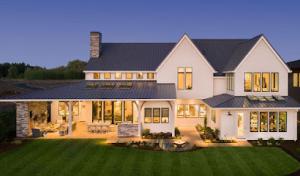
Lititz Roofing
(717) 723-7580 www.lititzmetalroofing.com
823 Disston View Dr, Lititz, Pennsylvania
5.0 from 22 reviews
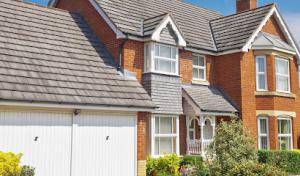
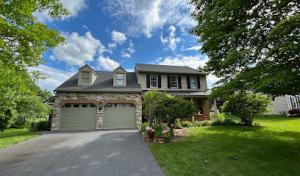
In the Lititz area, roof replacement generally requires a permit rather than being treated as a no-paperwork maintenance item. This reflects the town's careful approach to storm and freeze-thaw durability, where proper flashing, ventilation, and underlayment choices directly impact long-term performance. When a contractor outlines the project scope, the permit application should clearly describe the roofing material, the approximate square footage, any structural or attic alterations, and ventilation details. Since Lititz homes range from older borough houses with steep rooflines to newer suburban builds, the permit packet should note any attic access changes, chimney work, or vent stack relocations that could affect wind uplift and moisture management. If the project involves upgrading insulation or upgrading soffit vents, those items should be included in the plan because they influence how the roof system will perform through freeze-thaw cycles and spring storms.
Contractors typically submit permit applications describing project scope and roofing materials before work begins. In practice, this means a careful siting of the new roof layout, including eave overhangs and ridge line considerations that influence drainage on steeper Lititz rooftops. A thorough application also covers underlayment type, starter strip choices, and details on ventilation components such as soffit intakes and ridge vents. Because the local climate can amplify ice dam risk during freeze-thaw periods, expect the plan to address attic ventilation strategy, aiming for balanced airflow to keep roof decks closer to the interior temperature and minimize condensation. For properties with unique features-gable windows, dormers, or historic elements-the permit package should include notes on preserving these details while meeting modern ventilation and weatherproofing standards. If the home uses metal, clay, concrete, or synthetic shingles, the description should explain compatibility with existing gutters and drainage outlets to prevent ice damming and water backing up near fasteners.
Inspections are scheduled through the local code office during and after the job to verify installation compliance and ventilation where required. Expect a pre-work check to confirm existing structural integrity and compliance with setback, attic access, and vent placement. During construction, inspectors will verify proper nailing patterns, flashing around chimneys and skylights, and the adequacy of roof-penetration seals to combat moisture intrusion. Post-installation inspections focus on confirming that ventilation paths remain clear and that soffit-to-ridge airflow is not obstructed by new decking or insulation changes. In areas prone to spring storms and heavy debris, these inspections help ensure the roof's edge details, drip edges, and gutter alignments are weather-ready to resist ice dam formation and wind-driven displacement. Keeping detailed records of permits and inspection approvals can simplify future maintenance or mid-life roof refreshes, especially as climate patterns shift and older borough homes age.
Autumn in this borough brings a defined seasonal risk: leaves accumulate faster than you expect, clogging gutters and downspouts. When debris blocks the flow, water backs up at roof edges and overhangs, increasing the chance of moisture penetrating under shingles and into the attic. In this climate, a partly blocked gutter system acts like a dam, turning routine rain into a more persistent moisture problem that stresses flashing and joints at valleys and transitions.
The older, tree-lined residential character found around the borough makes debris management more important than in newer open subdivisions. Mature oaks, maples, and elms shed more aggressively, and bark bits find their way into valleys and along the eaves. Regular seasonal attention-clearing leaves from gutters, brushing debris from under overhanging branches, and keeping roof zones accessible-helps prevent moisture intrusion before it starts. Neglected debris tends to trap moisture against fascia, and that scenario invites rot at vulnerable edges.
Moisture problems in this setting often show up first at gutters, valleys, and roof-to-wall transitions rather than as obvious field shingle failure. Look for staining on trim, spalling paint at eave lines, and subtle ripples in interior ceilings near exterior walls after a heavy rain or thaw. Ice dam potential isn't limited to edge icing; backed-up water at a roof edge can creep into joints and around flashing, especially where debris has disrupted the drainage path.
Develop a seasonal routine that targets leaf litter, twig clusters, and pine needles before they accumulate in significant volumes. Inspect valleys and flashing after storms or heavy wind, and pay attention to areas where branches shade the roof, inviting moisture retention. By keeping drainage channels clear and transitions well-sealed, you reduce the chance that ordinary weather magnifies into longer-lasting moisture damage.
Find contractors experienced in skylight installation, flashing, and leak repairs to bring natural light into your home.
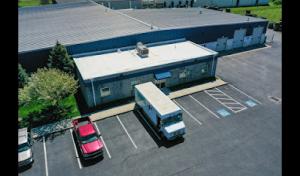
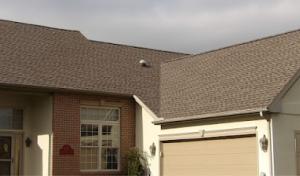
While Lititz is primarily a pitched-roof market, seen signals show meaningful demand for flat and low-slope work, especially on additions, porches, and mixed residential-commercial structures. That blend of roof types means the low-slope section must perform well without compromising the main steep roof's integrity.
Freeze-thaw conditions in this region make drainage details and seam integrity especially important on low-slope sections attached to otherwise steep-roof homes. Pay attention to how gutters tie into downspouts, the pitch of the addition, and the transition flashing where the low-slope meets the main roof. Proper slope and drainage reduce ice dam risk at the interface.
These roof areas often age differently from the main roof, so Lititz homeowners may face partial replacement or coating decisions rather than a single whole-roof solution. Inspect low-slope areas for membrane wear, seam delamination, and edge detailing first, then address surrounding skylights, vents, and parapet walls to prevent water ingress.
Choose a material with proven low-slope performance and compatible flashing details. In additions, careful detailing around fasteners, seam tapes, and edge membranes is essential. If a retrofit is needed, consider a layered approach: a reliable low-slope membrane over a solid substrate, plus reinforced seams where the addition meets the main roof.
Schedule seasonal inspections for the transition zones and any exposed edges. In Lititz, post-winter checks should focus on ice dam remnants and gutter blockages, while spring inspections should verify flashing integrity after wind and storm events. Regular maintenance helps catch issues before they affect the main roof.
Find specialists in TPO, EPDM, and built-up flat roofing systems for residential and commercial properties.
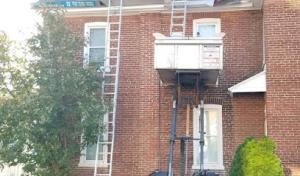
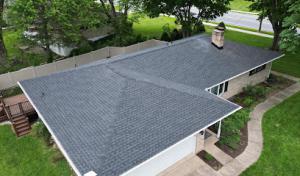
In Lititz, insurance-related roofing decisions are commonly tied to wind and hail events rather than chronic-catastrophe underwriting conditions. That nuance shapes how homeowners approach a claim after a storm: the goal is to demonstrate what happened, when it happened, and how the damage affects the roof's ability to protect the home during freeze-thaw cycles. When a storm rattles shingles on a steep roof, insurers are usually looking for clear evidence of wind-driven lift, hail pitting, or rapidly accelerated aging from moisture infiltration. Understanding this focus helps you frame conversations with adjusters and contractors so the claim stays on track toward relief that matches the actual damage observed.
Because quick-response contractors are common in this market, early documentation after a storm can matter when separating fresh storm damage from older freeze-thaw wear. Start with date-stamped photos taken the day after the event: wide-angle shots of the entire roof to show overall condition, then close-ups of damaged slopes, edge flashing, vents, and any visible fascia or gutter damage. Include context shots that show surrounding trees and debris patterns, which helps illustrate debris impact and shingle wear from seasonal buildup. Collect contractor or adjuster documentation that notes why a specific area is considered damaged, especially when a single panel or section shows wind uplift or hail impact. Keep copies of any receipts, work orders, or prior inspection notes for comparison. If you can, obtain a second opinion from a reputable local roofer within a few days of the storm to corroborate your photos and timeline. That independent input can help prevent disputes about whether damage existed before the event or is unique to the storm.
When a storm season hits and your roof shows new marks or lift, initiate documentation promptly and keep a running file of everything your insurer requests. In practical terms, aim to provide a concise narrative of the event date, local weather conditions, and observed damage, paired with the photo set and any contractor notes. If the claim involves multiple roof areas or accessories-such as vents, flashing, or skylights-request a line-item inspection so the adjuster can track which components are weather-related versus preexisting wear. Communicate clearly about access points for inspectors and contractors, especially on steeper slopes and in tree-dappled yards, where debris and ice dam precursors can complicate timely inspections. A well-documented, coordinated approach helps align insurance outcomes with the realities of Lititz's winter freeze-thaw cycles and spring storm exposures.