Last updated: Apr 19, 2026
In this area, the humid continental climate brings winter freeze-thaw stress and spring storm exposure, so roofs age from repeated seasonal expansion, contraction, and wind-driven rain rather than from one climate extreme alone. That means shingles and flashing in older steep-slope homes and farm-adjacent properties grit away a little at a time, while newer suburban roofs still face the same basic risk from shifting moisture and wind. When the temperatures swing, you can see curled edges, lifted tabs, and granule loss that quietly undermines waterproofing until a heavy rain event reveals the damage.
Periodic hail in central Pennsylvania is important locally because insurers commonly support replacement claims after hail and wind events, making storm documentation a practical first step for many Manheim homeowners. Even a relatively small hail event can nick shingles, ding metal edges, or dent flashing, and those marks become leak paths once a stronger wind arrives or a quick freeze follows. The practical move is to document any hail impact as soon as you notice it, store the photos with weather dates, and compare what you see against your last inspection notes. When spring storms arrive, focus on gutters, valleys, and any intersections where wind-driven rain can funnel toward the roof deck.
Autumn debris and wind matter in this part of Lancaster County because leaf buildup and branch impact can worsen drainage and create leak entry points before winter weather arrives. Clogged eaves and clogged kickout flashing force water toward joints and underlayment, especially on older roofs with shallow pitches or worn shingles. Leaves decaying in the gutters add weight and moisture, encouraging ice dams once temperatures drop. Even a well-maintained roof can succumb to the cumulative effect of seasonal debris if the drainage paths are blocked long enough to back up into the roof edge.
If you suspect storm or freeze-thaw damage, start with a careful, rider-friendly walkthrough after any significant weather event. Check for missing granules in asphalt shingles, cracked or peeled edges, and any loose or curled tabs. Inspect metal roofing for softened seams or dented panels, and pay special attention to flashing around chimneys, skylights, and vent pipes-these are common trouble spots when wind gusts drive moisture under the protective layers. Look at the gutters and downspouts for sagging, signs of leakage at joints, and any staining or damp spots on interior ceilings that align with exterior roof corners.
Documentation is a practical first step you can take tonight. Photograph all visible issues from multiple angles, note the date and time, and compare with prior photos. Keep a running log of weather events that coincide with new concerns. If you spot recurring or widespread problems, arrange a professional inspection promptly so that a local roofer can identify seasonal wear versus isolated damage, and map out the next steps before winter stress intensifies. In Manheim, a proactive approach to storm and freeze-thaw wear helps protect the roof deck, attic insulation, and interior comfort when the next temperature swing or hail volley hits.
Asphalt shingles remain the dominant choice for the area's steep-slope homes and the large re-roofing market that Lancaster County experiences. For a typical Manheim roof, asphalt shingles offer solid performance against spring wind-driven rain and the freeze-thaw cycles that stress fasteners and underlayment. They're easy to install on most existing roof decks and align well with local contractor familiarity. When selecting asphalt, prioritize a higher-fire rating and longer warranty, since you'll encounter the seasonal temperature swings that can stress hail and wind exposure. In this market, you'll find a wide range of colors that blend with older homes while still delivering reliable curb appeal.
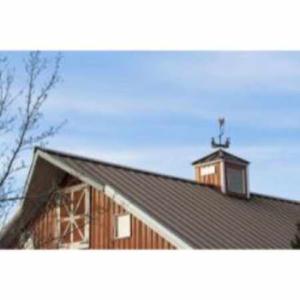
Metal roofing has strong local traction, reflecting both residential demand and the broader regional familiarity with metal roofs on agricultural and outbuilding structures. For homes that endure harsh weather, metal offers excellent wind resistance and fast shedding of hail impacts. It also holds up better to the seasonal freeze-thaw cycles than some lighter coverings. On newer or recently updated homes, metal can be a pragmatic upgrade that reduces long-term maintenance because of its durability and longer service life. Consider panel profiles that minimize noise in wet weather and ensure adequate attic ventilation, as ventilation becomes more critical when thicker, heavier panels are used. Metal works especially well on mid- to large-volume roof areas and can give a distinctly sturdy, country-meets-suburban look that fits Manheim's mixed housing stock.
Tile, wood shake, and synthetic products appear in the market but require closer review here because local permit approval can be affected by structural weight-bearing and venting requirements. Clay and concrete tiles bring exceptional longevity and a classic appearance, yet their substantial weight can necessitate a full structural assessment before installation. That assessment should verify attic framing, decking, and truss capacity to handle the load without overtaxing the structure. Wood shakes offer a distinctive texture that many older homes still carry, but they demand consistent maintenance and a careful response to moisture intrusion and hail. Synthetic shingles provide a middle ground: they mimic the look of heavier materials while aiming for better impact resistance and lighter weight, though they still require attention to underlayment and ventilation specifics. In all three cases, ensure the roof system is designed to accommodate venting for moisture control and to prevent ice damming along eaves in winter.
The climate profile-humid continental with freeze-thaw winters, spring rain, and periodic hail-shapes material choice in practical ways. If a roof is expected to endure frequent wind-driven storms or hail events, prioritizing a roof system with robust impact resistance and secure fasteners helps minimize recurrent damage. For homes closer to agricultural settings or with larger roof footprints, metal or tile may deliver long-term resilience, while asphalt remains a sensible, widely available option for many existing structures. In any case, compatibility with existing venting, attic space, and roof deck condition matters more in Manheim than in many other markets. When evaluating options, consider how the roof will handle rapid temperature changes, moisture movement, and the potential need for re-roofing in the future.
In this part of Lancaster County, the combination of freeze-thaw cycles, spring wind-rain events, and occasional hail hits roofs hard. You'll see faster wear on steep-slope older homes and farm-adjacent properties, where decking and ventilation may need extra attention. When you price a full replacement, expect the larger labor component to reflect local crew availability after a storm, plus the base roof material cost. Typical per-square costs range from asphalt shingles at 350-650 USD per square to metal at 700-1100 USD per square, with clay tile 1100-1800, concrete tile 900-1500, wood 600-1000, and synthetic/composite 500-900. In real neighborhoods, the variance often comes from deck condition, attic ventilation needs, and whether hidden sheathing damage is discovered once the old roof is opened.
When a weather event rolls through, crews can become scarce and prices spike quickly. In Manheim, storm work and emergency repairs are common enough that a contractor may queue appointments or prioritize urgent needs, which nudges labor costs upward for a full replacement if the project timeline compresses. If your project coincides with a regional surge, you might see a short-term bump in both materials and labor lines. Planning with a contractor for a shoulder season start can help keep the quote closer to the lower end of the range and reduce the risk of weather-driven delays that push your timeline out.
Older houses in this area often carry compromised decking or ventilation that isn't obvious until the old roofing is stripped. If hidden damage appears, tear-off and decking costs rise because workers must remove and replace more material and potentially add new vents or baffles. In practice, plan for extra scope if the attic or roof deck shows signs of sagging, moisture intrusion, or prior substandard repairs. The resulting increase may push the project toward the higher end of the listed ranges, particularly with heavier tile options or when decking reinforcement is needed to restore proper drainage and ventilation.
Start with a line-item estimate that includes material cost per square, estimated labor, and a conservative allowance for decking and ventilation fixes. Compare several local crews to gauge how much the storm-demand premium affects quotes in your timeline. If you expect a full replacement on an average suburban or farm-adjacent roof, total square footage will directly scale the project tallies. For budgeting, allocate a buffer for potential decking repair and for any additional underlayment or ventilation upgrades that a thorough inspection reveals after tear-off. This approach helps you navigate Manheim's climate realities without being surprised by hidden work or short-notice labor shifts.
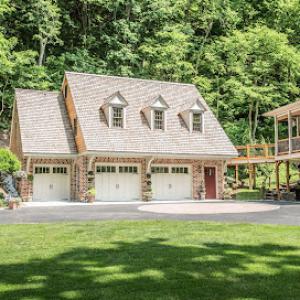
Brubaker Bros.
(717) 361-9967 www.brubakerroofing.com
1996 Auction Rd, Manheim, Pennsylvania
5.0 from 113 reviews
Brubaker Bros. is a family-owned roofing contractor based in Elizabethtown, PA, specializing in professional roofing services throughout Lancaster County. We provide expert roof repair, roof replacement, and new roof installation for homeowners across Central Pennsylvania, along with gutter installation, window replacement, and more. As trusted Lancaster County roofers, our experienced team works closely with homeowners to understand their specific needs, providing honest recommendations and quality craftsmanship on every project. Since our founding, we have proudly served Lancaster, York, Harrisburg, Lebanon, and Hershey communities with reliable roofing services. Contact us today for a no obligation consultation!
MR Roofing
1805 Mountain Rd, Manheim, Pennsylvania
5.0 from 120 reviews
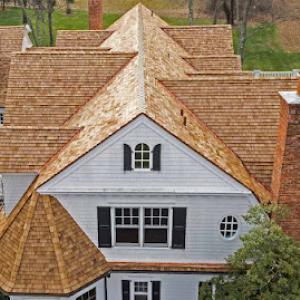
MR Roofing was founded in 1994 in East Petersburg, Pennsylvania. MR Roofing has experience in many facets of the construction industry, but is a specialist in standing seam copper, standing seam steel, cedar shake, and asphalt shingle roofs. Our crews love their job, and have good character and work ethic. Many of our customers get to know us on a first name basis while we work on their home. We love our jobs, and we want you to love your roof!
Eclipse Roofing
(717) 665-9559 eclipseroofing.net
1909 Valley Rd, Manheim, Pennsylvania
5.0 from 20 reviews
Eclipse Roofing is your local roofing contractor specialize in the professional installation of asphalt shingles, cedar shakes, metal panels, and rubber roofs. We provide workmanship guarantees of 10 years on metal roofs and 5 years on shingle roofs. We serve clients within a one hour radius of Manheim, PA. Our service area reaches west to Mechanicsburg and Carlisle, east to Pottstown and West Chester, north to Hegins and south to the Maryland line. Other cities within our area include Lancaster, Lebanon, Harrisburg, York, Hanover, and Reading. All the Eclipse crew workers are from the Amish church. Their faith informs their business vision and work ethic. “Our motto is ‘Quality With a Passion,’” relates Sam Stoltzfus, Eclipse’s owner.
Zimmerman's Construction
(717) 653-8218 www.zimmermansconstruction.biz
3155 Elm Tree Rd, Manheim, Pennsylvania
4.9 from 17 reviews
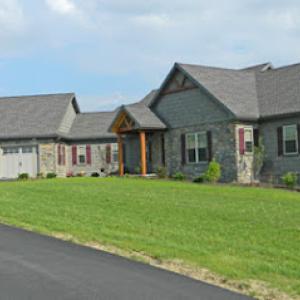
The crew at Zimmerman's Construction specializes in asphalt shingle installation and repair but has many years of experience in the installation and repair of metal and standing seam, cedar shake, and rubber roofing. The experienced technicians at ZC can repair roof leaks, emergency roof damage, hail damage, blown-off shingles, worn or insufficient insulation, and even problems with roof underlayment.
Superior Roofing Solutions
(717) 575-5233 www.superiorroofingpa.com
Serving
5.0 from 33 reviews
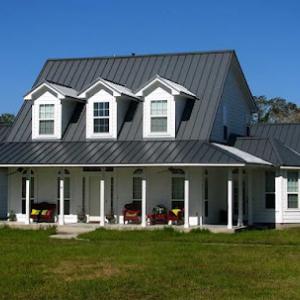
Superior Roofing Solutions is a roofing company located in Lancaster, PA and serves nearby counties. We perform residential and commercial roofing services, along with siding and gutter installations. We are CertainTeed Certified, offering you top quality service with manufacturer's warranties. Contact us now for an estimate!
DK Contracting
(717) 826-4122 dk-contractors.com
Serving
5.0 from 11 reviews
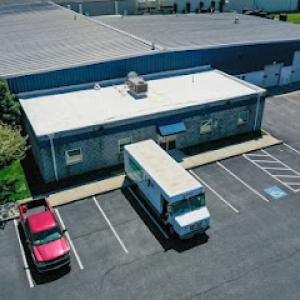
You want: To maximize your building value The right roof system for your building specifics A contractor who does the work right without the typical contractor hassles That’s what we are known for! Delivering value. Helping you win. With a background as a painting contractor, we understand the value of quality workmanship, attention to detail, and reliability. We serve a steadily growing clientele of commercial building owners and managers, and we have a strong reputation for completing commercial roof repair jobs of outstanding quality, with minimal interruption to your day-to-day business operations. We look forward to serving you!
Glick Brothers Roofing
(717) 449-8612 www.glickbrothersroof.com
Serving
4.7 from 25 reviews
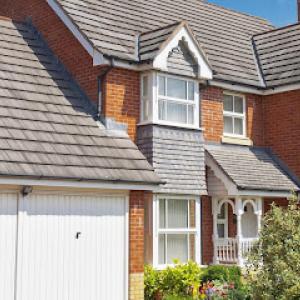
Glick Brothers Roofing is an experienced roofing contractor located in Manheim, PA that serves homeowners and businesses throughout Central Pennsylvania and the Main Line. Glick Brothers Roofing boasts an impressive track record of customer satisfaction due to their high-quality work and second to none customer service. Glick Brothers Roofing provides free quotes for all roofing jobs and offers a 15 year warranty. The team at Glick Brothers takes pride in what they do and look forward to serving you!
Graystone Roofing & Siding
(717) 964-4870 lancasterparoofing.com
Serving
5.0 from 21 reviews
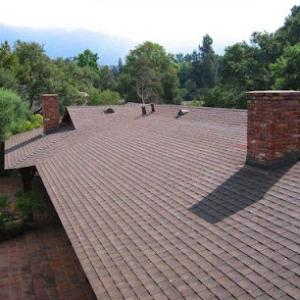
We are a Lancaster Pa Roofing & siding contractor
ServiceWoRx Exterior Building Repairs
Serving
5.0 from 9 reviews
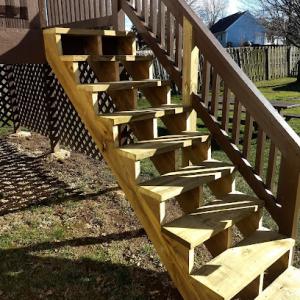
Repairs to, & inspections of: Roofing (EPDM, PVC, TPO, Modified Bitumen/BUR, Coatings, Shingle, Slate, Metal) Siding, Spouting (including gutter cleaning), Fascia, Soffit, Decks, Sheds, Fencing, & Gazebos.
Zooks Roofing & Beyond
Serving
4.9 from 16 reviews
Zooks Roofing and Beyond, LLC is a reputable and customer-focused roofing and construction company based in Denver. With a strong commitment to quality, craftsmanship, and customer satisfaction, Zooks Roofing and Beyond, LLC has established itself as a trusted partner for residential and commercial property owners in need of roofing, remodeling, and construction services.
Greenawalt Roofing Company
(717) 283-4721 www.greenawaltroofing.com
Serving
4.9 from 542 reviews
Established in 2004 by Travis Greenawalt in Lancaster County, Pennsylvania, Greenawalt Roofing now has offices throughout New Jersey and Pennsylvania, Greenawalt Roofing's Central PA's branch is located in Lancaster, PA. From this location, we will serve Lancaster, York, Harrisburg, Lebanon, Adams, Dauphin, Reading, Chester, Delaware, Bucks, Montgomery and surrounding counties throughout Pennsylvania. With over 20 years of experience, we have earned a strong reputation as an ethical and reliable roofing and exterior company, providing outstanding service and craftsmanship to both residential and commercial clients.
Anderson Roofing & Exteriors
(717) 553-2759 www.andersonroofingpa.com
Serving
4.9 from 85 reviews
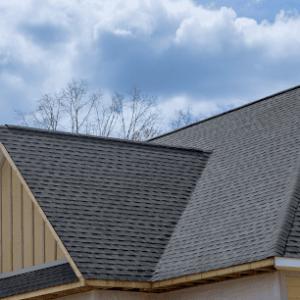
Anderson Roofing and Exteriors is a second-generation family-owned business, servicing residential and commercial clients in Lancaster County and the surrounding areas for 19 years. We pride ourselves on delivering unparalleled craftsmanship and durability. Our comprehensive services extend to roofing installation and repair, gutter installation, high-quality siding solutions, and professional painting services, designed to enhance and protect your property. With a steadfast commitment to excellence and customer satisfaction, our skilled team ensures your exteriors are not only aesthetically pleasing but also resilient and long-lasting. Choose Anderson Roofing and Exteriors for a seamless, superior service experience. Call us today!
In this area, a full re-roof project typically needs a permit, and the application is handled by the contractor or homeowner through the local building department serving Manheim Township or Lancaster County. The process is designed to confirm the work meets code and to align with the region's humid continental climate, where freeze-thaw cycles and spring wind-driven rain can stress both shingles and underlayment. When you start a re-roof, verify that the contractor is submitting the correct documentation for the exact roof type, slope, and any seasonal considerations that might affect scheduling.
Approval can be slowed locally by municipal plan review timing, so it's wise to anticipate a few extra days to a couple of weeks before work can begin. In practice, plan reviews often focus on roof deck condition, underlayment choices, attic ventilation, and drainage details. If the project involves heavier materials or changes to ventilation, expect extra scrutiny before work proceeds. This is especially relevant in older homes with steeper slopes or mixed roof lines, where venting and insulation details carry greater importance for long-term performance in cold winters and hot, humid summers.
Inspection staging is a meaningful local issue because deck, underlayment, and final inspections are commonly part of the approval process rather than a single sign-off at the end. The deck inspection ensures the structural surface is sound and prepared for the new roofing system, while the underlayment inspection verifies that moisture barriers are properly installed to withstand freezing nights and spring rains. A final inspection confirms everything is sealed, venting is functioning, and that flashing around chimneys, skylights, and transitions adheres to code requirements. Expect inspectors to check for proper attic intake and exhaust ventilation, as poor ventilation can shorten the life of a roof in this climate.
Coordinate with the contractor to align permit submissions with your municipality's review timeline and to schedule staging inspections in advance. If your home has a mixed set of roof pitches or an adjoining structure, discuss how access will be managed to minimize disruption while ensuring every deck and underlayment seam is properly inspected. For properties with heavier material selections, confirm that the chosen product and installation method meet local wind and load requirements, and that any structural reinforcement, if needed, is accounted for in the permit package.
In this market, hail and wind events are common enough that carriers expect more than a casual photo or a quick note from you. A dense set of pictures showing damage from multiple angles, close-ups of dented metal, cracked shingles, and granular loss helps. An adjuster visit is often part of the process before replacement is approved. If you're able, keep a dated record of the roof's condition after a storm and before any contractor work begins. This isn't about drama; it's about building a credible timeline that stands up to scrutiny when the claim is reviewed.
A roof that has already endured years of freeze-thaw cycles and gradual weathering tends to complicate claims. Insurers in this region may weigh storm-caused damage against the pre-existing wear your roof accumulated over time. If your shingles are already faded, curling, or showing uneven granules, a claim may be scrutinized more carefully. You'll want to document any new impact marks or wind-driven damage separately from the existing wear so the adjuster can clearly see what is new versus what was already aging.
Some carriers may limit coverage for nontraditional materials or require wind-rated shingles as a baseline. That matters in a market where metal, tile, wood shake, and synthetic options are actively installed. If your roof uses one of these materials, be prepared for questions about wind resistance, installation quality, and compatibility with the storm damage being claimed. Photograph both the existing roof's material and any mismatches or mismatched flashing, as these details can influence whether the claim moves forward.
Start with a calm, thorough assessment after a storm, then contact your insurer promptly to report the damage. Ask for a detailed scope from the adjuster and request a written timeline for the claim, including the anticipated replacement or repair steps. If a contractor is involved early, ensure all communications with the insurer go through you or your representative to keep the record clear. In Manheim and the surrounding central Pennsylvania market, meticulous documentation isn't just helpful-it's often essential for turning a storm claim into a legitimate repair outcome.
Connect with contractors who help homeowners navigate the claims process from damage assessment to final approval.
Shirk Brothers
(717) 664-7663 shirkbrothersroofing.com
212 E High St, Manheim, Pennsylvania
5.0 from 190 reviews
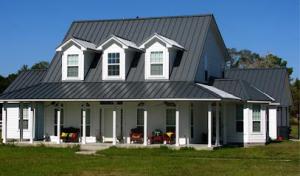
Older rooflines in this market often pair masonry chimneys with steep slopes, which makes flashing the decisive detail during re-roofing. When you're planning a replacement, start by inspecting the chimney flashings from the attic and the roof deck before any shingles are removed. Look for rusted or split step flashing, gaps where the chimney meets the roof, and any prior "banded" or cracked sealant lines. In Manheim-area homes, freeze-thaw cycles stress those seams, so plan for upgrading to continuous sheet metal or integrated counter-flashing where feasible. On a typical re-roof, ensure the base flashing sits firmly against the chimney ID brick or stone and that the flashing transitions smoothly into the roofing system without any hard corner traps for ice dams.
Skylight work is notably active in this market, suggesting that leak complaints around curb-mounted or aging skylight assemblies are a real local service need rather than a niche add-on. Start with a careful seal check around the curb's perimeter, especially where the curb meets the roof deck. If the skylight is older, consider upgrading to a reinforced curb and a vinyl or aluminum flashing boot that tolerates seasonal expansion. In curb-mounted units, pay attention to the flashing drip edge and the alignment of the skylight flange with surrounding shingles, ensuring no shingle undersides are exposed to sun or moisture. For aging skylights, a reseal of the interior glass bead and the outer sealant every two to three years can prevent hidden water intrusion.
On older Lancaster County homes, replacement projects may uncover decking or ventilation issues that were hidden beneath previous roofing layers and need correction before final inspection. When shingles come off, inspect the decking for soft spots, cupping, or mold, especially near valleys and along the eaves where thawing water can sit. If you find ventilation gaps or damp insulation, address them before installing new roofing. Replacing damaged decking or upgrading to more breathable insulation helps the system dry out properly after storms and freeze-thaw cycles. After repairs, recheck the attic for proper baffles and condensation control to reduce future leaks.
Find contractors experienced in skylight installation, flashing, and leak repairs to bring natural light into your home.
Brubaker Bros.
(717) 361-9967 www.brubakerroofing.com
1996 Auction Rd, Manheim, Pennsylvania
5.0 from 113 reviews
MR Roofing
1805 Mountain Rd, Manheim, Pennsylvania
5.0 from 120 reviews
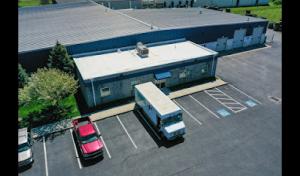
While steep-slope residential roofs are by far the common sight across Manheim, there is a meaningful subset of flat-roof work that serves low-slope porches, additions, and commercial-adjacent structures. Local contractors routinely encounter low-slope assemblies that require careful attention to seam integrity, edge detailing, and ballast or insulation compatibility. This reality means preparedness matters: if a structure includes a flat or nearly flat roof, plan for regular inspections that focus on edge flashing, penetrations, and membrane seams, especially after seasonal transitions.
Spring rainfall and winter freeze-thaw cycles place a premium on drainage performance for low-slope roofs. Standing water can accelerate membrane wear, lead to edge ponding, and heighten the risk of hail-induced micro-damage. A practical approach is to verify proper roof deck slope where feasible, ensure internal drains are clear, and confirm that scuppers and perimeter gutters remain free of debris. For homes with low-slope porches or additions, consider a dedicated drainage plan that channels water away from transitions to steeper sections and into approved overflow routes. In smaller flat-roof pockets, prioritize clear, unobstructed drainage paths over cosmetic changes.
Roof coatings have a smaller but active presence locally, making restoration a relevant option for certain low-slope assemblies where full replacement may not be the first recommendation. Coatings can seal minor surface wear, extend service life between larger projects, and provide a reflective layer to reduce heat buildup on attic-adjacent spaces. When evaluating coatings, focus on compatibility with existing membrane materials, surface preparation requirements, and understanding cure times before the next heavy rainfall. Coatings tend to be most effective on sound substrates with intact seams and limited delamination; if the substrate shows significant blistering or punctures, a more comprehensive repair strategy may be needed.
Because Manheim experiences freeze-thaw cycles and spring deluges, proactive maintenance matters. Schedule midseason inspections after harsh winter months and again after spring storms to catch edge leaks, damaged flashing, or accumulated debris that can impede drainage. Pay attention to roof penetrations-vents, skylights, and HVAC curbs-as these are common failure points on low-slope systems. Clean and reseal fasteners and flashing as part of an annual or biannual routine, and track any changes in ponding areas that may warrant attention sooner rather than later.
When selecting materials for low-slope roofs near barns, porches, or small commercial-adjacent spaces, consider membranes known for durability in humid continental climates and compatibility with local maintenance practices. A thoughtful pairing of a robust base membrane with a compatible coating strategy can deliver meaningful longevity without compromising performance during freeze-thaw seasons or spring storms. In practice, this means aligning system components with the expected service life, maintenance plan, and local exposure risks unique to the area.
Find specialists in TPO, EPDM, and built-up flat roofing systems for residential and commercial properties.