
Last updated: Apr 19, 2026
Hanover homeowners face both winter ice-dam conditions and warm-season hail and wind events, so roofs are stressed by two different damage cycles in the same year. That double exposure means the most minor-seeming flaw in late fall can become a full-blown leak come spring. The ice damming carries its own brutal path, backing water up under shingles and flashing, then spring storms take advantage of those compromised areas, turning tucked-away vulnerabilities into active leaks. This is not a year-to-year risk; it is a seasonal pattern you can count on, and it demands a proactive, staged response.
South Central Pennsylvania winters bring repeated freeze-thaw cycles that widen micro-cracks in shingles, lift flashing at vent penetrations, and exploit masonry-adjacent gaps around chimneys and parapet walls. As temperatures dip and rise, moisture trapped under surfaces expands and contracts, gradually loosening fasteners and creating plays for water intrusion. Then, once the calendar flips to spring, those same weak points are exposed to wind-driven rain and hail that can punch through aged or marginal installations. The result is a relentless cycle: freeze-thaw preps vulnerabilities; storms reveal and exploit them. In practical terms, a roof with small gaps can deteriorate from a cosmetic problem to a serious leak in a single season.
If ice dams formed late in the season, inspect attic and ceiling spaces for dark streaks, wet spots that don't fully dry out, or damp insulation along the rafter bays. Exterior tells a story too: loose or curling shingles, exposed nail heads, rust on flashings, and discolored or spalling masonry around chimneys or dormers. After a spring storm, check along the eaves, near vent flashings, and at wall-to-roof intersections for moisture that appears or expands after rain. In homes with visible brick, stone, or masonry ties, look for hairline cracks that widen after wet months; moisture can travel along mortar joints and into the attic if flashing has weakened.
Time is of the essence. When you notice suspected damage, arrange a prompt, thorough roof inspection-preferably by a local contractor who understands Hanover's climate and the local housing mix. If a leak is active, tarp or cover the affected area to limit additional water intrusion while awaiting a professional evaluation. Be conservative in the temporary fix: avoid heavy loads or DIY patchwork that could trap moisture or damage attic ventilation. Document every sign of damage with photos and notes, including dates of observed leaks and the progression of any stains or dampness. This documentation becomes vital when scheduling follow-up checks and coordinating timely repairs with a contractor who understands how storms and freeze-thaw cycles aggravate underlying vulnerabilities.
Because the area sustains a robust re-roofing and emergency-repair market, post-storm scheduling pressure can affect how quickly tarping, inspections, and replacement slots are available. Plan ahead by prioritizing roofs with visible damage or recurring leaks, particularly in homes with older shingles, metal penetrations, or clay and concrete tiles that show signs of cracking or delamination. If a roof section is compromised but not actively leaking, arrange staged assessments that map a path from temporary containment to permanent repair. You can reduce risk by staging repairs in the order of severity: address active leaks first, then secure the most stressed flashing details, and finally complete a full replacement or a targeted retrofit when weather windows permit. Early triage helps avoid cascading damage during spring storms and minimizes the likelihood that a small problem becomes a large repair.
Establish a reliably timed inspection routine that anchors itself to seasonal transitions. Before the first freeze settles in, have a local roofer verify flashing integrity, shingle condition, and the security of masonry joints around chimneys and dormers. After heavy spring rains, schedule a follow-up check to confirm that patches have held and that no new intrusion paths have formed. By aligning inspections with Hanover's unique rhythm-ice-dam risks in winter and hail-driven stress in warmer months-you gain control over a cyclical problem that otherwise works against you each year.
Hanover's local material mix is broader than a simple shingle market, with asphalt, metal, slate, clay tile, concrete tile, and copper all relevant enough to compare directly. For asphalt shingles, expect roughly 350 to 600 USD per square, a clear, practical option for move-in ready roofs on mid-20th-century homes. Metal roofing sits higher, typically 650 to 1000 USD per square, and often wins favor for longer lifespans and better ice dam resistance. Clay tile runs 900 to 1300 USD per square, with concrete tile at 750 to 1100 USD per square, delivering strong curb appeal and durability on sun-facing slopes. Slate, prized for longevity, sits in a broad 1100 to 1800 USD per square range, while copper roofing commands a premium of 1800 to 3200 USD per square. In Hanover, these numbers reflect not just material cost but installation realities tied to the city's mix of aging homes and newer upgrades.
Costs in Hanover can rise on older homes where heavier materials like slate or tile require specialized tear-off, deck repair, and flashing work rather than straightforward overlay-style replacement. If the structure hasn't been upgraded to handle extra weight, or if the existing sheathing shows moisture damage, expect labor to include more carpentry and stabilization. This is the practical reality: heavier options demand a more thorough package of assessment and prep, which translates to higher total project price and longer timelines. For slate or tile, plan for meticulous underlayment and potential ventilation adjustments to keep attic spaces dry and winter-safe.
Storm-driven demand spikes and seasonal winter delays in South Central Pennsylvania can affect labor availability and replacement timing, which in turn influences pricing. After a heavy storm, local crews may be booked weeks out, and that snag can push material delivery windows as well. If a hail event touches down, expect supply rushes on premium materials like slate or copper, with corresponding price bumps. Conversely, a mild shoulder season might offer tighter crew availability but more favorable precipitation windows for safer, faster work. In practical terms, plan for a window rather than a single date: book early, and build a contingency for weather-induced delays, especially when coordinating tear-offs on older homes with heavier systems.
When choosing material, weigh the long-term value against upfront cost and winter maintenance realities. Asphalt shingles deliver the lowest upfront expense and quicker installs, but may require more frequent replacements and careful flare management around ice-dam risks. Metal roofing offers excellent durability and ice dam resistance with a mid-to-high price tag. Tile options (clay or concrete) and slate bring longevity and distinctive character but demand robust structure support and careful flashing work. Copper provides unmatched durability and a premium look but requires the highest initial investment and precise detailing. In Hanover, the best choice often balances architectural compatibility, weight considerations, and the seasonal rhythm of storm activity and winter freezes.
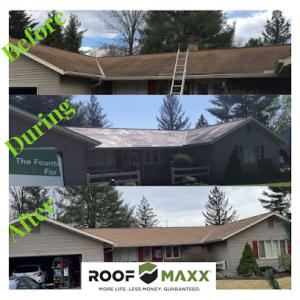
Triple R Roofing
(717) 752-0281 www.tripleroofing.com
10 Baugher Dr, Hanover, Pennsylvania
5.0 from 92 reviews
Triple R Roofing is a top Pennsylvania roofing company serving Hanover, PA, Gettysburg, PA, York, PA and Mechanicsburg, PA markets as well as Westminster, MD. As an Atlas Platinum Level roofer specializing in residential shingle roofing systems as well as metal roofs and flat roofs. Our roofing company is proficient at dealing with storm damage repairs as well as the installation, replacement and repairs of any roof, siding, or gutters including commercial projects. We are licensed and insured in PA, MD, and WV. Triple R Roofing offers the very best roof and siding warranties and the best customer service around. We are also one of the few roofers that offer great financing options. We're your go-to roofer in Hanover, Pennsylvania!
Bealing Roofing & Exteriors
(717) 744-9388 bealingroofing.com
440 Black Rock Rd, Hanover, Pennsylvania
4.9 from 433 reviews
Bealing Roofing & Exteriors, Inc., based in Hanover, Pennsylvania, is the trusted choice for roofing and exterior services in south-central Pennsylvania and northern Maryland. We offer 24/7 roof repair, replacement and installation, asphalt and metal roofing, siding installation, attic and roof insulation, chimney and masonry repair, gutter installation and repair, flashing repair and ventilation solutions. As a Platinum Preferred Contractor with Owens Corning, we deliver honest, high-quality service using top-tier materials and uphold the highest standards of craftsmanship with every project.
CR3 American Exteriors
1446 Baltimore St Suite E, Hanover, Pennsylvania
4.8 from 660 reviews
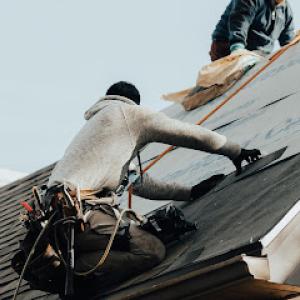
CR3 American Exteriors, located at 1446 Baltimore Street Suite E, is your go-to local roofing expert offering top-notch roof repair, replacement, and installation services. As one of the best roofing companies, our expertise spans residential and commercial roofing, including emergency roof repair, flat roofing solutions, and metal roof installations. We provide comprehensive roof inspections and cost-effective solutions tailored to your needs. With a reputation built on quality and customer satisfaction, trust CR3 American Exteriors for your next roofing project. Contact us for reliable, professional service and discover why we're a preferred roofing contractor in your area.
Hometown Custom Exteriors
3322 Grandview Rd, Hanover, Pennsylvania
5.0 from 37 reviews
Roofing-Shingles-Metal-Rubber, siding, windows, and gutters. Commercial and residential!
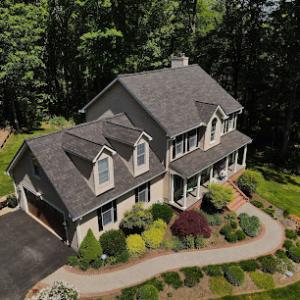
WF Schmidt Construction Company
(717) 476-9995 wfsroofingcompany.com
872 Frogtown Rd, Hanover, Pennsylvania
4.9 from 48 reviews
WF Schmidt Construction Company has served Pennsylvania & Maryland with the best Home Exterior Services since 1998. Now we have more to show! Visit our Roofing, Gutters & Siding showroom on Baltimore Pike in Hanover PA. Chat with our licensed Home Services pros about a new roof, gutter repair, downspout cleaning or siding installation on your home! Quality matters most. We're more than professional roofers, gutter installers & siding repair/replacement experts. We're Hanover homeowners & businessowners too, so we do our best on every job. Call for a FREE consultation & estimate. In MD & PA, when in need of a new roof or roofing repairs, replacement siding or unclogged gutters, make your exterior superior: WF Schmidt Construction Company
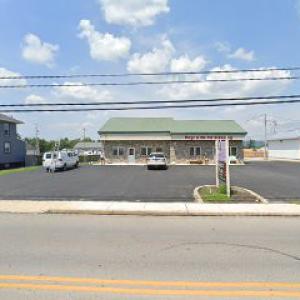
M&M Exteriors
(717) 398-1779 mmroofingandsiding.com
918 York St, Hanover, Pennsylvania
4.9 from 30 reviews
M&M Roofing & Siding is a roofing contractor in Hanover, PA that services York County, Gettysburg, Hanover and nearby areas. Our roofing company offers residential roofing, commercial roofing, asphalt shingle roofing, metal roofing, and many more. Customers love us because of our reputation, word of mouth referrals and quality of services provided. We also have industry affiliations and certifications like GAF. If you want to experience your most trusted Hanover roofing company’s excellent services, call us now for free estimate!
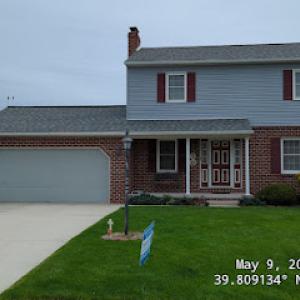
Blue Collar Services
(717) 628-3030 bluecollarrestoration.com
398 York St Suite 12, Hanover, Pennsylvania
4.6 from 44 reviews
Blue Collar Restoration Services Is York Counties Top Roof, Siding, Gutters & Down Spout Replacement Contractor. We Have Numerous Financing Options Available To Make Any Project Fit Your Monthly Budget. Senior And Military Discounts Available
Superior Services of PA & MD
(443) 821-1473 superiorservicespa.com
539 Baltimore St, Hanover, Pennsylvania
4.6 from 18 reviews
Superior Services of PA & MD, LLC is Hanover, PA's only roofing contractor and public adjuster that specializes in home damage insurance claims including roofs, siding, water, flood, hail and storm damage. We are experts at getting roof repairs and new roofs approved and paid for by insurance companies and negotiating with insurance adjusters on your behalf in order to reach a claims settlement. Then we employ our expert roofing contractors to execute high quality roof repairs and new roof installations, siding repairs and installations, new gutters, basement flood and water damage, etc. We are a licensed and insured contractor and public adjuster proudly serving south-central PA and northern MD.
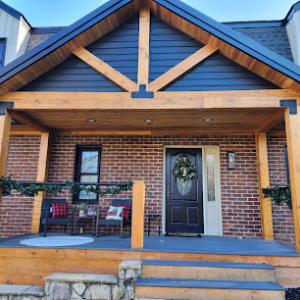
Neiderer's Exteriors
390 Linden Ave Suite #1, Hanover, Pennsylvania
5.0 from 7 reviews
Your local roofing, siding, and deck expert for Hanover, PA and surrounding areas. We have experience with all roof types from roof replacements to roof repairs. We find roof leaks that others can't. We stand behind our products and services offering warranties on all our jobs. We also do custom decks, screen porches, and covered patios. We will go over all products and options to help assist you in selecting the right materials and colors to stay within your budget. Give us a call today to schedule your free estimate!
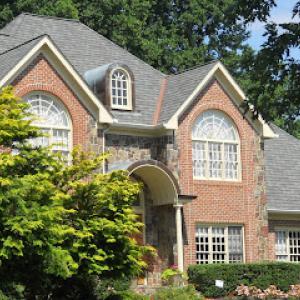
The Thomas Roofing Company
(410) 876-3602 www.thomasroofing.net
432 Penn St, Hanover, Pennsylvania
4.0 from 21 reviews
The Thomas Roofing Company is a family of dedicated and qualified employees, many of whom have worked for us for over 10 years. We are proud to be among only 2 percent of roofing contractors who have earned GAF Master Elite Certification.We specialize in roof replacements, roof repairs, storm damage & insurance claims, siding, gutters & skylights. Request a quote today.
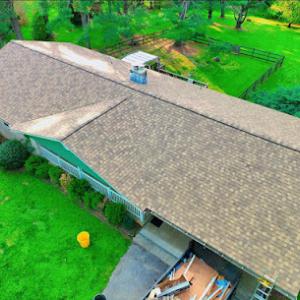
Rise High Roofing & Siding
(717) 634-4757 risehighroofing.com
170 Old Westminster Rd, Hanover, Pennsylvania
5.0 from 2 reviews
Roofing and siding contractor throughout central Pennsylvania and northern Maryland as we serve our customers and their exterior needs with integrity, transparency, and passion. Also specialize in rubber roofing, metal roofing and gutters.
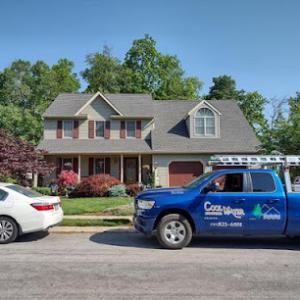
CoolWater
(717) 823-6501 coolwaterllc.com
Serving
5.0 from 64 reviews
Whether it’s a new installation, a complete re-roof or a repair to your existing roof, we try our absolute best to keep you satisfied.
Hanover's roofing stock reflects a long, mixed history of construction, where legacy materials like slate and tile sit beside modern asphalt shingles and metal. That combination means failure patterns can vary dramatically from block to block or even across a single street. Slate retains its beauty when well-supported, but its brittle edges and hidden fasteners can fail with freeze-thaw cycles or improper flashing. Clay and concrete tiles, common on mid-century homes, are lightweight but brittle in sudden temperature swings and can crack from hail or heavy branches. Asphalt shingles, while common in newer sections, are not immune to wind uplift or sun-induced deteriorations along roof edges and penetration points. In Hanover, a homeowner with an older roof may see several materials coexisting, each with its own maintenance schedule and replacement indicators.
On older Hanover-area homes, replacement planning often hinges on flashing transitions at chimneys and wall intersections rather than field shingle wear alone. Chimney-to-roof transitions, vent stacks, and sidewall flashings tend to degrade first after decades of freeze-thaw exposure. Ice dam formation can drive water under shingles where flashing has weakened, creating interior damage that is not immediately visible from the attic. When slate or tile exists, underlayment deterioration beneath the visible surface compounds the risk, because the stone or ceramic layer can shift or crack and reveal gaps that let moisture migrate inward. Pay attention to any staining, staining at ceilings, or musty attic odors following winter thaws; these are often the first hints of flashing-related issues rather than pure shingle wear.
Metal roofing is locally prevalent enough that homeowners need guidance on when it is a replacement upgrade versus when preserving slate or tile better fits the structure. If a roof primarily uses slate or tile because of its historic or architectural value, the goal becomes preserving the original roof system while upgrading the supporting elements. In Hanover, roofs with well-set slate or sturdy clay tile can sometimes be retrofit with modern underlayment and improved flashing without ripping out the entire surface, especially in areas where weight concerns or historic restoration requirements apply. However, widespread deterioration of the substrate, failed fasteners, or extensive flashing decay may justify replacing with a metal roof, particularly when the existing structure can support a lighter, more durable profile that resists ice damming and wind uplift. A hybrid approach-retaining historically valuable tile or slate in prominent sections while upgrading to metal in exposed facades or high-wall intersections-often yields a practical balance between performance and preservation.
Spring and summer storms in this region bring branches, hail, and wind that test vulnerable edges and penetrations. The freeze-thaw cycle then exposes any latent vulnerabilities as water seeps, freezes, and expands around flashing, fasteners, and transitions. On homes with mixed materials, a storm can reveal a patched corner of slate that was "good enough" for years but now shows mortar gaps, or it can uncover a seam where metal panels meet a tile valley. Regular inspections after major storms are essential, focusing on chimney returns, wall intersections, and the transitions between different roof surfaces. Identifying and addressing these high-risk zones promptly helps prevent more extensive interior damage and aligns with the long-term performance expectations of Hanover's distinctive climate.
Explore specialists in steel, aluminum, and standing seam metal roofs built to last 50 years or more.
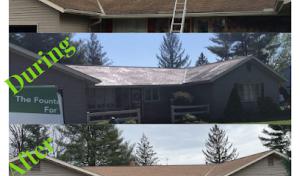
Triple R Roofing
(717) 752-0281 www.tripleroofing.com
10 Baugher Dr, Hanover, Pennsylvania
5.0 from 92 reviews
Bealing Roofing & Exteriors
(717) 744-9388 bealingroofing.com
440 Black Rock Rd, Hanover, Pennsylvania
4.9 from 433 reviews
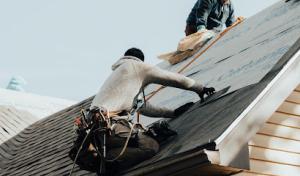
CR3 American Exteriors
1446 Baltimore St Suite E, Hanover, Pennsylvania
4.8 from 660 reviews
A full re-roof in Hanover typically requires a permit through the Hanover Borough or county building department rather than being treated as purely informal maintenance. Work that involves removing and replacing the roof deck, modifying flashing, or changing the roof's slope or ventilation usually triggers permit review. Before any shingle tear-off starts, you should confirm whether a permit is required for your street address and ensure the contractor pulls it. Missing or expired permits can complicate future sales, insurance claims, or city inspections after a storm event.
Hanover-area inspections commonly verify underlayment, nailing pattern, ventilation, flashing, and final roof condition, so homeowners should expect more than a single end-of-job signoff. The inspector will typically walk the roof and the attic to confirm the underlayment type and alignment, the spacing and nailing pattern for each course, and that soffit vents and ridge vents are functioning as intended. Flashing around chimneys, dormers, skylights, and vent pipes is checked for proper seal and metal coping. The final inspection gauges overall roof integrity, confirming everything is sealed and weather-tight. Be prepared for potential follow-up items if any part of the installation doesn't meet code or manufacturer requirements.
Because inspection checkpoints include ventilation and flashing, Hanover re-roof projects can uncover code-compliance upgrades that were not obvious from the old roof surface alone. A common scenario is upgrading attic ventilation to address freeze-thaw and humidity cycles that stress older homes. If the attic space previously relied on passive or insufficient ventilation, the project may require adding soffit or ridge vents, or adjusting baffles and intake diameters to achieve balanced airflow. Flashing upgrades might also be advised where the old flashings have degraded or where roof-to-wall transitions don't meet current standards. Expect the permit process to surface these items, and coordinate with your contractor to budget, time, and repairs accordingly.
In Pennsylvania, Hanover homeowners generally rely on coverage for hail and wind losses, making storm documentation especially important after spring and summer events. After a hailstorm or fast-moving thundershowers, you should review your roof with a critical eye and start gathering evidence while the memory is fresh. Take clear exterior photos from multiple angles, focusing on shingles that are cracked, blistered, or dented, and on metal edges or flashing that shows impact. Note the date of the storm and any nearby properties that suffered visible damage. The goal is to build a concise narrative that ties the damage to a specific event, not to long-term wear.
Insurers in this market may scrutinize roof age and condition on older roofs, which matters in Hanover because the local housing stock includes many roofs beyond simple recent-construction shingle systems. If your roof is not a recent installation, document prior maintenance, any visible sagging, or known leaks. Keep records of contractor inspections and any previous patches. When an adjuster arrives, being able to distinguish a sudden storm impact from ongoing deterioration can materially affect the claim outcome.
Hanover homeowners should document storm dates, exterior damage photos, interior leak evidence, and any emergency tarping because claim outcomes can hinge on proving sudden storm damage rather than long-term wear. If water enters through a damaged vent, flashing, or compromised decking, capture interior photos of stains, warped ceilings, or damaged drywall. Save receipts for tarps or temporary protections placed to prevent further damage. This concrete trail helps the adjuster see the sequence of events rather than guessing.
Timelines matter because spring and summer storms in this area often arrive with fast-moving damage. Do not wait beyond a reasonable window to report damage, and coordinate temporary measures quickly. If you must delay, document reasons and keep all safety precautions in place. Clear, dated documentation supports a faster, fairer evaluation when the claim is finally reviewed. Storms can shift quickly; your readiness shapes the outcome and recovery timeline here.
Connect with contractors who help homeowners navigate the claims process from damage assessment to final approval.
Bealing Roofing & Exteriors
(717) 744-9388 bealingroofing.com
440 Black Rock Rd, Hanover, Pennsylvania
4.9 from 433 reviews
CR3 American Exteriors
1446 Baltimore St Suite E, Hanover, Pennsylvania
4.8 from 660 reviews
Hometown Custom Exteriors
3322 Grandview Rd, Hanover, Pennsylvania
5.0 from 37 reviews
Even in a pitched-roof market like Hanover, low-slope sections over porches, additions, and commercial-style transitions are common enough locally to support a meaningful flat-roof specialty segment. These areas often sit at the edge of the house where drainage is less straightforward, or where an added structure ties into the main roof. Understanding where these sections live on your house is the first practical step, because they behave differently in snow, ice, and spring rain.
These low-slope portions are especially vulnerable in Hanover's freeze-thaw pattern because standing water and snowmelt can stress seams, edges, and drainage details. Take a careful look at seam tapes, edge metal, and any flashing that ties into a steeper main roof. Note transitions where different materials meet, such as a flat section joining asphalt shingles to a metal kick-out or to a tile roof. Small failures here can seed bigger leaks after a heavy thaw or a late-spring storm.
Homeowners replacing the main roof in Hanover often need separate scope decisions for low-slope tie-ins instead of assuming one material system fits every roof plane. Before choosing a single plan for the whole house, map the low-slope areas with a contractor and discuss two questions: Can the same flashing and drainage details be reused, or do they require a dedicated flat-roof assembly? Will the low-slope tie-in have its own ventilated insulation strategy, or can it piggyback on the main roof's system without creating cold spots? Getting these answers up front avoids a patchwork that can fail when the next freeze-thaw cycle hits.
For low-slope add-ons, prioritize a durable, seam-focused system designed for water ponding and seasonal shifts. Expect higher edge-detail attention than on steep planes, including robust edge flashing, secure seam sealing, and reliable drainage paths. If a flat or near-flat section exists only as a secondary feature, work with the installer to simplify where possible while preserving long-term performance. In short, treat the low-slope tie-in as its own little roof within the larger job, with careful attention to seams, drainage, and transitions.
Find specialists in TPO, EPDM, and built-up flat roofing systems for residential and commercial properties.
Triple R Roofing
(717) 752-0281 www.tripleroofing.com
10 Baugher Dr, Hanover, Pennsylvania
5.0 from 92 reviews
CR3 American Exteriors
1446 Baltimore St Suite E, Hanover, Pennsylvania
4.8 from 660 reviews

Hanover's contractor market shows notable demand for skylight work, suggesting leak tracing often involves penetrations and transitions rather than only open-field shingle damage. When a leak surfaces around a skylight, the culprit is frequently a compromised flashing transition or a stucco-to-roof intersection rather than a simple shingle failure. Inspect skylight curb flashing, sealant joints, and counter-flashing where the skylight meets the roof plane. In late winter or early spring, marginal flashing details that seemed fine during fall can leak after repeated freeze-thaw cycles. If a skylight is old or the curb shows signs of corrosion, plan for a targeted flashing rebuild rather than a cosmetic reseal.
Chimney-adjacent flashing deserves special attention in Hanover because older homes and mixed-material roofs increase the chance of leak-prone intersections. Look for rusted step flashing, failed saddle flashing, and gaps where mortar joints meet the roof deck. The chimney stack itself can shift with temperature swings, stressing the metal components and allowing water to bypass sealants. When inspecting, check around any venting or storm collars as well as the chase wall where bricks or siding meet the roof. A careful reseal or flashing upgrade at the chimney can prevent cascading water damage to ceilings and attics.
Winter expansion and contraction in this region can turn marginal flashing details around skylights and chimneys into recurring leak sources by late winter or spring. Do not wait for a visible drip to decide on flashing repairs. Proactively address marginal seams, replace brittle sealants, and upgrade aging metal pieces before the thaw and thaw-spike storms intensify. A proactive approach reduces the risk of interior damage and keeps attic spaces drier when temperatures swing between freezing nights and warm sunny days.
Find contractors experienced in skylight installation, flashing, and leak repairs to bring natural light into your home.
Bealing Roofing & Exteriors
(717) 744-9388 bealingroofing.com
440 Black Rock Rd, Hanover, Pennsylvania
4.9 from 433 reviews
WF Schmidt Construction Company
(717) 476-9995 wfsroofingcompany.com
872 Frogtown Rd, Hanover, Pennsylvania
4.9 from 48 reviews
The Thomas Roofing Company
(410) 876-3602 www.thomasroofing.net
432 Penn St, Hanover, Pennsylvania
4.0 from 21 reviews
You are dealing with a market where re-roofing, quick response, and cleanup speak louder than luxury flair. In Hanover, the job often blends storm response with long-term repair, so your contractor should balance speed with durable workmanship. Look for firms that advertise both emergency tarp service and full replacement crews, and ask how they separate those teams on busy storm days.
Established, family-owned and locally owned firms are easy to spot in town, with trucks, yard signs, and crews you can recognize. Your goal is follow-through on repairs, punch-list items, and warranty callbacks. Check how recently the company completed similar projects on aging homes with asphalt, metal, slate, or tile roofs, and whether they stood by the work through the next season's weather.
Because storm response is a large part of the Hanover market, don't confuse tarping with full replacement. Ask about the crew's scope: do they bring weatherproof underlayment, proper ventilation checks, and code-consistent flashing? Verify that the team can perform a thorough attic inspection after a hail or wind event, and that they can close out the project with a designed, written warranty and a complete cleanup.
Request written proof of insurance and a local address you can visit. Favor contractors who assign a single point of contact for the duration of the project. In this climate, timely communication during freeze-thaw cycles and thunderstorm pressure is essential, so note how quickly they respond to questions and how they document progress.
Narrow choices to firms with visible local references, clear timelines, and predictable scheduling around forecast windows. Plan a pre-storm visit to review current roof conditions and to discuss what a proper re-roof entails, including material compatibility for the common Hanover mix. Your goal is a contractor who can handle both emergency needs and a complete, code-compliant finish.
Get a clear picture of your project costs upfront - no commitment required.
WF Schmidt Construction Company
(717) 476-9995 wfsroofingcompany.com
872 Frogtown Rd, Hanover, Pennsylvania
4.9 from 48 reviews
M&M Exteriors
(717) 398-1779 mmroofingandsiding.com
918 York St, Hanover, Pennsylvania
4.9 from 30 reviews
Neiderer's Exteriors
390 Linden Ave Suite #1, Hanover, Pennsylvania
5.0 from 7 reviews