Last updated: Apr 19, 2026
Crowders Mountain's foothill backdrop means summers bring high-intensity thunderstorms that batter shingles, loosen edges, and stress flashing. The heat of a long North Carolina day softens sealants and accelerates wear on attic vents, soffits, and ridge lines. The result is a roof that looks fine at a glance but leaks or blows out under the next gust or hail event. Homes in this area often feature asphalt shingles or metal roofs, both of which endure unique vulnerabilities in this corridor: fast-acting heat-and-rain cycles, wind-driven debris, and the need for precise attic ventilation to prevent moisture buildup when storm currents cool down.
After a thunderstorm rolls through, inspect for popped nails, lifted shingles, and granule loss along gutters and downspouts. In the foothills, a burst of wind can peel back edges that seem intact from the curb. Look for dented flashing around chimneys, vents, and skylights, and note any musty odors or damp spots in the attic that appear after a storm. Kings Mountain homes often show subtle wind-induced damage on the windward slope, where the storm lines hit hardest. If moisture appears in ceilings or walls after a storm, treat it as an urgent red flag rather than a cosmetic issue.
Document the storm impact with clear photos that show the date, the extent of wind-driven debris, and any interior leaks. Make a simple garden-spot checklist: damaged shingles or flashing, sagging gutters, and signs of concealed moisture behind ceilings. Move valuables away from affected areas to reduce secondary damage, and avoid making large DIY repairs that could compromise ventilation or attic balance. If you notice active leaks, place a temporary tarp or plywood on the roof with sturdy fasteners to limit further water intrusion while you arrange professional help. In this climate, timely action matters because insurers scrutinize wind and hail claims, so the sooner you show documented evidence, the stronger your case for coverage.
Insurers in this state consistently examine wind and hail aspects of a claim, so precise storm-date records matter. Gather contemporaneous photos from the day of the event, supplemented by post-storm shots that clearly reveal the condition of shingles, flashing, and vents. Keep a dated log noting weather conditions, wind speeds if known, and any temporary repairs you perform. Preserve receipts for any emergency materials you purchase-tarps, sealants, or minor fasteners-so you can demonstrate proactive mitigation. If a contractor provides an assessment, request a written report that details observed damage and a staged plan for repair that respects the home's ventilation balance, especially in areas with vaulted ceilings or attic fans that can influence moisture dynamics.
Select a contractor who understands the foothill environment and the inspection standards typical to this city. Look for experience with attic ventilation calibration, flashing integrity, and wind- and hail-resilient installation practices. Ask for before-and-after photos of comparable homes in the Crowders Mountain corridor, and verify reference checks with neighbors who had recent roof work after storms. Clarify that your project includes a thorough attic inspection for signs of moisture intrusion and proper venting, so the final installation maintains the home's balance under the seasonal heat and storm cycles. A reputable team will coordinate on the storm documentation, repairs, and a transparent timeline aligned with the two- to four-day roof cycle common after major events here.
Spring and fall bring the most reliable dry spells for a roof project in this foothill corridor. The air is cooler and moisture tends to stay lower than the peak heat of summer storms. That means shingles lay flat, nails seat properly, and vents align without fighting a rising wind or sudden downpour. In practice, these seasons let you complete a full replacement with fewer weather-related delays and less risk of moisture creeping under exposed underlayment mid-install. For a homeowner with a roof in need of immediate attention after a thunderstorm, the shoulder seasons are the most predictable path to a solid, code-respecting, long-lasting result.
Early fall and spring rain showers are a known local scheduling risk, so crews often need flexible start dates even in the preferred seasons. The rule of thumb is to line up an installer when a window of several sunny, dry days appears, but be prepared to adapt if a few warm afternoons turn into a quick shower. In practice, that means coordinating with a contractor who can stagger tasks-tear-off one section while waiting for a dry day to re-nail and seal another-so the project doesn't stall. If a storm is forecast, you'll want a plan for tarping and temporary protection to minimize water intrusion while waiting for the next clear stretch.
Winter moisture and occasional ice in this part of North Carolina can affect material handling and roof access even though winters are relatively mild. Frozen decking or icy slopes slow progress and complicate shingle nailing and underlayment installation. Ice accumulation on the roof can also create slip hazards for workers and complicate clearance around chimneys, vents, and skylights. When a repair or replacement is unavoidable in winter, choose a crew experienced with cold-weather methods, including appropriate storage of materials so they don't become brittle or glaze over, and a plan to keep access routes clear of ice and snow.
Thundering spring storms can strike with short notice, so plan protective steps regardless of season. Clear the gutters and downspouts beforehand to prevent water backing up into the eaves during removal. Move outdoor furniture and decorations away from the work area to avoid project debris. If your attic has visible signs of moisture after a storm, address this with the crew immediately to prevent interior damage during teardown. A temporary roof tarp or quick-seal membrane can buy time if a sudden shower interrupts progress and keeps interior spaces drier.
Storm-driven damage requires precise documentation to support a claim. Take clear photos from multiple angles, including close-ups of damaged flashing, gutters, and roof edges, as soon as safe access is possible. Map your roof with dates and storm details (time, duration, hail size if known). Keep a written log of every observed issue and when it was first noticed, especially after a thunderstorm. When a contractor inspects, ask for a written assessment that flags all compromised components-underlayment, ventilation, flashing, drip edge-and notes any attic moisture or staining. This thorough record helps ensure the severity of the damage is understood by the insurer and aligns with the inspection standards of a small-city, code-conscious replacement.
Get a clear picture of your project costs upfront - no commitment required.
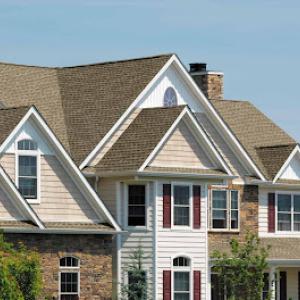
Victory Roofing & Restoration
830 Church St Suite D, Kings Mountain, North Carolina
5.0 from 5 reviews
Victory Roofing provides exceptional quality and reliable services for all roofing needs. Our team of experienced professionals are dedicated to ensuring customer satisfaction and are driven to deliver the best results.
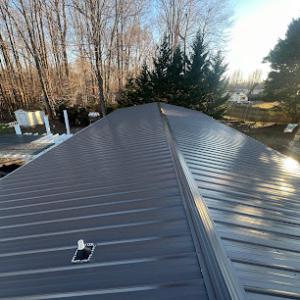
Express Roofing Carolinas
(704) 741-1449 expressroofingcarolinas.com
Serving
5.0 from 11 reviews
Express Roofing Carolinas is your #1 premiere roofing company, based out of Charlotte, North Carolina. We service all of the Carolinas. We offer various services such as new roof installs, roof replacements, residential roofing, and commercial roofing. We provide quality roofing at affordable pricing.
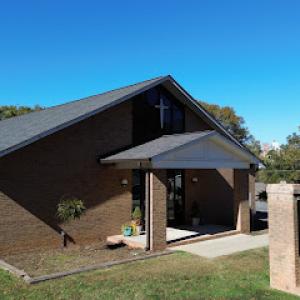
Gaston Roofing
(704) 861-8166 gastonroofing.com
Serving
4.8 from 486 reviews
Established in 1990, we specialize in high-quality roofing, siding, gutter, window, and door installations, as well as impeccable repair and maintenance services in Gastonia, North Carolina, and the surrounding communities. We also offer General Contracting & Electrical Services. We are committed to employing skilled professionals who strive to provide exceptional craftsmanship and utilize top-of-the-line materials to enhance the curb appeal and overall protection of homes and businesses. Schedule your free consultation online or obtain a personalized quote in under a minute through our website.
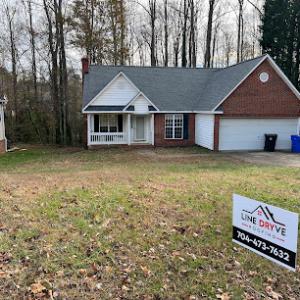
Line Dryve Roofing
Serving
5.0 from 40 reviews
Line Dryve Roofing is a local family-owned company for all of your roofing needs. We have the knowledge and experience to handle a wide array of roofing projects. We have you covered to weather the storm and protect your home.
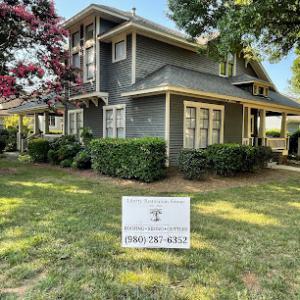
Liberty Roof Group
(980) 287-6352 libertyroofgroup.com
Serving
5.0 from 64 reviews
Whether you need a local roofing contractor to patch a tiny part of your roof or replace the roof entirely, you can count on us. We offer: Residential roof replacement Commercial roof replacement Residential roof repairs Commercial roof repairs Roof insurance claims Roof damage claims Residential storm damage roof repair Commercial storm damage roof repair Plus, we can provide specialized roofing services after a storm or a hurricane. Call 980-287-6352 now to get a free estimate on professional roofing services. You can also use the form on the Contact Us page to email us.
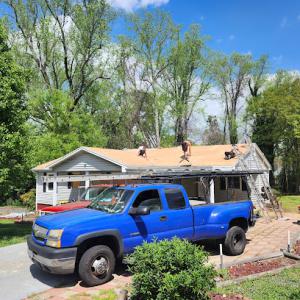
JW Roofing & Associates
Serving
4.6 from 14 reviews
3rd Generation Roofing crew that takes pride and doing the job right we are your local choice for roofing siding and windows serving the Gaston Lincoln Cleveland area since 1999 JW Roofing has become Gaston County's Top Choice for all your home improvement needs
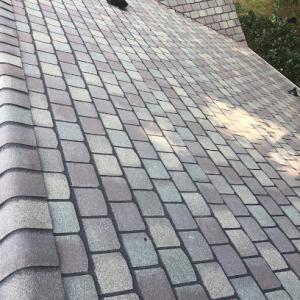
Cathey Roofing
(704) 460-4885 www.catheyroofing.com
Serving
4.9 from 141 reviews
Cathey Roofing has been serving customers in NC and SC since 1981. We strive to satisfy our customers. Our knowledgeable and experienced crew of roofers are the best at what they do. We have an A+ Rating with the Better Business Bureau. You can trust us to do commercial and residential roofing the right way each time.
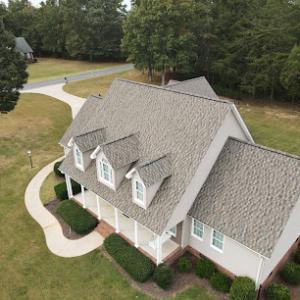
CPS Construction Services
(704) 448-5966 cpsconstruction.com
Serving
4.9 from 165 reviews
CPS Construction is a trusted, full-service construction company based in Shelby, NC, specializing in roofing, windows, siding, and gutter installation. We offer competitive pricing, quality materials, and expert craftsmanship, making us a reliable one-stop shop for exterior home renovations. We’re proud to be voted Best Home Repair/Remodeling Company in Cleveland County, a reflection of our commitment to excellent customer service and high-quality work. From small repairs to full exterior renovations, our team delivers dependable results you can trust. CPS Construction proudly serves homeowners throughout North Carolina and South Carolina. Contact us today to schedule a consultation and start your exterior home project today!
Paradise Roofing
(980) 320-1864 www.paradiseroofingllc.com
Serving
4.9 from 138 reviews
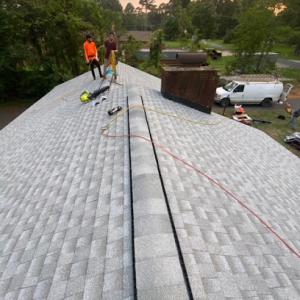
Locally Owned & Operated, Fully Licensed & Insured Serving Gaston County & Surrounding Areas. Specializing In Residential & Commercial Roofing Free Inspections & Estimates Storm Restoration Specialist & Insurance Claims.
Infinity Roofing
(704) 703-2746 infinityroofing-nc.com
Serving
5.0 from 31 reviews
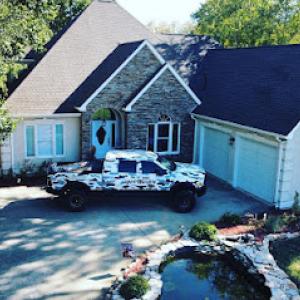
Infinity Roofing is your trusted local roofing company serving Shelby and Gastonia, NC. Specializing in roof replacement, roof repair, and roof installation, we handle both residential and commercial roofing projects with precision and care. Our experienced team provides expert storm damage repair, shingle roofs, metal roofing, flat roofing, and roof leak repair. As a fully licensed and insured roofing contractor, we prioritize customer satisfaction with honest, reliable service and competitive roofing estimates. From roof inspections and maintenance to emergency roofing services, Infinity Roofing ensures your home or business is protected year-round. Contact us today for a free estimate from your friendly local roofer!
Sage Roofing Solutions
(704) 675-2256 www.sageroofs.com
Serving
5.0 from 11 reviews
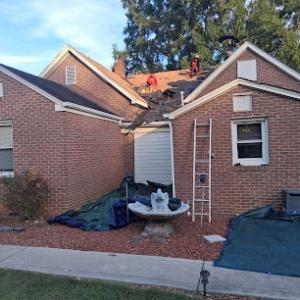
Sage Roofing Solutions is your premier local roofing contractor and roof repair specialist serving Cherryville, Shelby, Kings Mountain, Lincolnton, Hickory, Gastonia, Charlotte, Lake Norman, Mooresville, Denver, Huntersville, and surrounding areas of North Carolina. As a fully licensed and insured team, we provide top-quality roof replacement, roof repair, storm damage restoration, and new roof installations. Our expertise covers residential & commercial properties using premium materials like asphalt shingles and metal roofing. Searching for "roofing companies near me", "roof repair", "emergency roof repair" or "roofers near me"? We are your trusted local solution. Contact us today for a free roof inspection and no-obligation estimate!
Reisch Roofing & Construction NC
Serving
5.0 from 20 reviews
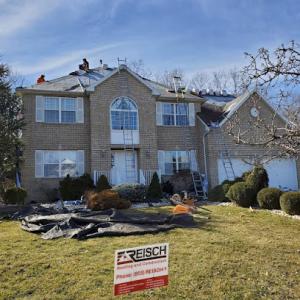
Reisch Roofing and Construction was founded on the principles of fast, friendly service, and quality workmanship. They noticed a void for honest contractors who will work hard, say what they do, and do what they say. Therefore, they set out to fill that void by opening Reisch Roofing and Construction Reisch Roofing and Construction LLCs size and stability allows them to have professional roof inspectors at your property to inspect the roof before and after every job. This ensures the highest level of quality and workmanship. Customer satisfaction is Reisch Roofing and Construction LLCs top priority.
Asphalt shingles dominate the rooftops in this foothill corridor, prized for familiarity and ease of repair. In July and August, the heat can turn attic space into a furnace, and if ventilation is weak, that heat speeds granule wear and accelerates aging of the shingles themselves. In homes with attics that vent poorly, consider upgrading intake and exhaust with properly sized soffit vents and an attic fan or powered vent to pull heat and moisture out before it damages the shingles. When inspecting a roof with asphalt, look for UV-worn granules in gutters and on the ground, and check for curling or splitting at edges, especially where the attic seal is less than ideal. A simple rule of thumb for this climate: a well-ventilated attic keeps the visible life of asphalt shingles longer, even when summer storms roll in with high humidity.
Metal roofing is a meaningful specialty in this market and is often considered by homeowners looking for better performance under repeated thunderstorm exposure and summer heat. Metal panels shed rain quickly and resist wind uplift well, which matters when summer storms roll through Crowders Mountain foothills. When choosing metal, pay attention to panel seams and fastener seals, since storm-driven wind can test those joints. Look for coatings designed to resist heat and moisture, which helps prevent surface oxidation and chalking after years of sun exposure. For homes on steeper slopes, metal can be a practical upgrade, but ensure the roof layout and overhangs support proper water shedding and that the underlayment and deck can handle the panel weight and expansion in heat.
Clay tile and concrete tile bring a classic look and durable performance, but their weight means structural compatibility is essential. In this climate, the added weight compounds when a roof experiences repeated thunderstorm cycles and saturated air in summer. Before choosing these tiles, verify that the roof structure and attic framing can bear the load with a safety margin, and confirm that a compatible ventilation plan is in place to manage heat buildup under heavy tile. Both tile types perform well in dry, hot conditions and resist weathering when properly installed and vented. However, if the roof deck lacks sufficient support or if the slope isn't steep enough to promote consistent drainage, tiles may crack or shift, inviting leaks. Consider upgrading sealants around penetrations and ensuring that flashing is corrosion-resistant to resist the humid air.
Wood shakes and synthetic shingles populate some local neighborhoods, offering a distinct aesthetic but bringing maintenance questions in a hot, storm-prone climate. Wood shakes can look striking but require regular upkeep to prevent moisture infiltration and warping, especially after heavy rains typical of thunderstorm seasons. If choosing wood, ensure a proper sealant system and confirm that the soffits and rafters are dry and well-ventilated to reduce rapid shrinkage and swelling. Synthetic shingles offer a more uniform look with potentially lower maintenance, yet still need a ventilation plan to prevent heat buildup under the layer. In either case, the slope and the attic's air exchange will heavily influence long-term performance, so pairing material choice with adequate ventilation is essential.
In this area, the decision hinges on how well the home's structure and slope align with the weight or maintenance demands of the chosen material. A roof that faces multiple storm events and high summer heat benefits from materials with strong weather resistance and a robust ventilation strategy. For single-family homes with moderate slopes and well-ventilated attics, asphalt remains a practical, familiar option. If storm season stress and energy efficiency are priorities, metal offers resilience with careful attention to fasteners and coatings. When the structure permits, clay or concrete tiles deliver long-term durability, while wood and synthetic options present a balance of appearance and upkeep that must be matched to the local climate realities.
Local pricing should be framed per square, with provided ranges spanning from asphalt shingles at 350 to 550 USD per square up to clay tile at 750 to 1500 USD per square. In this foothill corridor, storms drive temporary spikes in scheduling and crew availability, so it's common for prices to move a notch during peak repair periods. Keep in mind that costs can rise on homes that need decking repairs, upgraded ventilation for final inspection approval, or heavier materials like tile that may require structural consideration.
Asphalt shingles remain the baseline option for many homes in this area. The per-square range of 350 to 550 USD reflects typical material and basic installation costs, with standard underlayment and ventilation. If there are minor decking issues uncovered during teardown, expect a modest uptick to cover those repairs and any extra fasteners or nails needed to meet flood and wind considerations after a storm event. In storm-heavy springs, scheduling delays can nudge the total a bit higher, even for a straightforward install.
Metal options run higher, generally from 600 to 1000 USD per square, depending on profile and fastening method. Metal can offer better wind performance in thunderstorm corridors and may reduce long-term maintenance. However, if the project encounters decking or structural needs revealed during removal, or requires upgraded ventilation to satisfy inspection criteria, the price climbs accordingly. Storm-driven demand can also compress the window for material delivery, subtly increasing labor time and modestly raising costs.
Clay tile sits at the upper end, typically 750 to 1500 USD per square. Clay requires careful handling and potentially structural checks. Costs rise with decking repairs or if the structure needs reinforcement to support the extra weight. Heavier tile, along with any necessary roof vent improvements or attic ventilation upgrades, should be anticipated in the final tally, especially after a sequence of storms that keeps crews busy.
Concrete tile usually lands between 700 and 1200 USD per square. The weight of concrete tile means more emphasis on structural assessment and possible decking reinforcement. Local storm conditions can amplify scheduling pressures and material coordination, pushing labor hours higher. Ventilation upgrades may also be needed to secure passable inspection results.
Wood products run roughly from 500 to 900 USD per square. Wood can be more demanding in storm-prone periods due to stricter ventilation and moisture considerations. If decking damage is found or if framing needs contingency repairs, costs will reflect those needs. Weather-driven demand can extend lead times and trim per-square savings.
Synthetic options fall in the 450 to 800 USD per square band. They often bundle easier installation with decent durability, yet similar storm-related scheduling pressures can apply. If decking or ventilation upgrades become necessary, or if a home ends up with heavy, multi-layered decking in poor condition, expect the total to adjust upward.
Don't let upfront costs delay a critical repair - these contractors offer payment plans to fit your budget.

A full roof replacement in this area almost always triggers a building permit rather than a simple maintenance notice. The local building department treats major structurally involved work as a project that needs approval before any tearing begins. This isn't just about paperwork; it's about ensuring the roof deck, underlayment, and flashing are installed to current codes and can handle the foothill storm exposure that Crowders Mountain brings. If an insurer flags a claim for storm damage, the permit history can also influence settlement reviews, so proper permitting is part of the procedure you'll want to plan for.
The permit process unfolds in stages with inspections scheduled during installation and again at final completion. The first inspection typically occurs once the roof system is removed, new underlayment is in place, and dry-in work is ready for inspection. The final inspection confirms everything meets code and that ventilation conforms to the required standards. Expect the inspector to verify ridge and soffit ventilation, attic baffles, and an airflow plan that keeps the attic space from trapping heat and moisture. Delays happen if ventilation details aren't fully addressed, so don't treat this as a box to check at the end.
Final approval in this jurisdiction includes verification of ventilation, so ventilation upgrades aren't an optional add-on so much as a compliance necessity. In older homes or those with turbine or gable vents that don't meet current airflow requirements, the upgrade may become part of the replacement scope. If a contractor recommends new soffit vents, ridge venting, or sealed attic spaces, those choices aren't cosmetic; they're part of meeting code and preventing moisture-related problems after a thunderstorm season. Plan conversations with both your roofer and the inspector around how the proposed ventilation aligns with the home's attic layout and insulation.
Coordinate the permit timing with storm-season realities so work doesn't drag into peak moisture periods. Have a clear plan for how the deck will be prepared, how the ventilation strategy will be implemented, and how final approvals will be documented. Keeping the process transparent helps prevent miscommunications that can push timelines or complicate insurance documentation after a weather event.
In this foothill storm corridor, wind and hail events are common enough that your insurer will want to see a clear record of roof age and current condition before or after a claim. A solid file helps avoid surprise denials or post-claim delays. Keep a running set of photos taken after each significant storm, plus notes on notable wear or damage you notice yourself.
Some carriers may adjust premiums or coverage terms based on roof material and wind-mitigation features. Asphalt and metal roofs are both common in this market, but the way they handle wind loads and potential uplift can influence your claims experience. If a storm hits, expect questions about attic ventilation and proper flashing, as these details can affect how quickly a claim is handled and whether temporary repairs will be approved.
Because proper installation documentation can affect claims handling, you should keep permit records, inspection signoffs, invoices, and dated storm photos together in a single, easily accessible folder. For a homeowner, a chronological binder makes it simple to pull the exact documents insurers request after a claim or during a policy review.
Do not assume a claim will be straightforward without thorough documentation. Post-storm, insurers may request proof of roof age, previous repairs, and installation workmanship. If anything looks out of place or mismatched, address it promptly with well-organized records to support coverage decisions.
In this foothill climate, high heat plus humidity can expose weak attic ventilation, leading to shingle aging issues that may also be flagged at final inspection. When soffit vents and ridge vents aren't working in concert, heat and moisture stagnate, drying cycles falter, and shingles or underlayment begin to deform or blister. You'll want to verify that the attic retains a clear air channel from intake to exhaust and that insulation isn't blocking vents. A small upgrade to a balanced ventilation system can prevent premature wear and reduce load on the roofing materials over time.
Frequent thunderstorm cycles make leak-prone details such as flashing transitions and roof penetrations especially important on local homes. Increases in wind-driven rain can push water under metal step flashing, chimney cricket joints, skylights, and vent stacks if seams aren't sealed properly. Look for loose fasteners, torn rubber boots, and deteriorated sealant around penetrations after each storm season. Regularly check for exposed nails or lifted shingles at edges where flashing meets the deck, and address any gaps before they widen into active leaks.
Occasional winter moisture and ice can turn already vulnerable areas into active leaks even in a city better known for summer storm damage. Ice damming forms where heat loss is uneven, backing up meltwater under shingles and through underlayment. Pay attention to gutter ice buildup, sagging roof decks, and stubborn condensation on attic surfaces. Addressing insulation gaps and ensuring proper vapor barriers helps limit freezing and thawing cycles that drive water into vulnerable joints.
Different roof types display characteristic failure modes under this terrain. Asphalt shingles may blister or curl with repeated moisture cycles; metal can develop panel laps and fastener corrosion if coatings degrade; tiles may crack from hail or heavy wind while underlayment beneath them ages more quickly in humid heat. Regular inspections after storms, with a focus on edge rows, transitions, and penetrations, will catch issues before they cascade.
Find contractors experienced in skylight installation, flashing, and leak repairs to bring natural light into your home.
Edgewater Roofing & Construction
(704) 879-1669 www.edgewaterroofingandconstruction.com
Serving
5.0 from 26 reviews