
Last updated: Apr 19, 2026
Thunderstorms rolling through Shelby County bring hail, gusty winds, and sudden rain that can hammer a roof in minutes. Hail impacts leave dime-size to softball-sized dings, often hidden on the upslope of shingles or around vents and edges, while high winds rip shingles loose or lift edges off. When a spring storm line rolls in, most Arlington homeowners see a spike in claims tied to that weather pattern, not to gradual wear. If a storm hits, the clock starts: inspect soon after the skies clear, because quickly developing leaks can hide behind attic insulation and interior ceilings.
The local contractor signal mix turns storm-focused quickly after a major event. Expect teams that emphasize storm damage, expedited insurance documentation, and emergency repair work. Those crews come with urgent timelines and a promise to fast-track the process, which can feel both reassuring and overwhelming. In practice, this means you'll often see a flurry of activity, with tarps going up within hours and crew schedules filling days in advance of full replacement. Arlington homeowners should expect a mix of reputable responders and fly-by-night outfits; a careful eye on credentials and weather-backed timelines is essential.
After a severe storm, your first move is a thorough exterior assessment from ground level and, if safe, a closer look at the roof from a ladder with a partner. Document damage with clear photos of hail marks, lifted shingles, dented gutters, and any wet spots that appear indoors. Schedule a provisional inspection with a licensed roofer who can identify whether damage is isolated or widespread. Keep the storm window in mind: in Arlington, scheduling can compress rapidly after big events, so act quickly to secure a professional assessment before temporary repairs become necessary or your interior damage worsens.
A solid case hinges on organized records: dated photos, a written summary of observed damage, and a simple timeline from storm occurrence to inspection. Your roofer should provide a detailed scope of work aligned with the observed impacts, including centerline and edge damage, penetrations, and any flagged vent or chimney issues. If an adjuster visits, having a line-by-line itemization helps prevent back-and-forth delays. In this market, expect insurance-focused communication to be a routine part of the process, not an exception.
Because demand spikes can squeeze scheduling after a major storm, temporary tarping is a common stopgap. It buys you time to secure a proper replacement window while minimizing interior exposure. The key is to confirm that tarps are correctly fastened, weatherproofed at seams, and inspected for drift or leakage before the next storm. As soon as the rain lets up, lock in a full replacement plan with a dependable, storm-aware contractor who can honor an accelerated, yet safe, installation timeline.
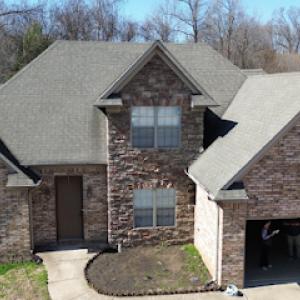
Metro Builders Memphis
(901) 375-1717 www.metrobuildersmemphis.com
11269 US-64, Arlington, Tennessee
4.9 from 39 reviews
Metro Builders, Inc is a high quality provider of commercial and residential roofs, additions and insurance restoration projects. Nearly 30 years after opening its doors, Metro Builders serves in and around Memphis. Whether it’s asphalt shingles, metal roofing, or flat roof systems, we use only premium materials and industry-best practices to ensure long-lasting durability and performance. We are fully licensed and insured, committed to customer satisfaction, and proud to offer transparent pricing, prompt service, and expert craftsmanship on every project. From storm damage assessments to full roof replacements, Metro Builders Memphis is the trusted name homeowners and businesses rely on for reliable, honest roofing services.
JL Roofing Services
(901) 240-6779 jlroofingservicesllc.com
5280 Summer Wind Ln, Arlington, Tennessee
5.0 from 5 reviews
Welcome to JL Roofing Services, your go-to roofing company in Arlington, Tennessee. We have been serving the community for over 25 years, providing top-tier roofing solutions for residential and commercial properties. Our team of certified and qualified roofing professionals are dedicated to providing the best roofing services, using only the highest quality materials and the latest roofing techniques.
BOSS Roofing & Renovations
(901) 468-9596 www.901boss.com
Serving
5.0 from 41 reviews
We are a roofing and renovation company. We are located in Collierville, TN and serve the Memphis area.
ContractingPRO
(901) 425-1151 www.mycontractingpro.com
Serving
5.0 from 502 reviews
ContractingPRO is dedicated to the relentless pursuit of providing peace of mind to all of our clients. We value our clients' trust and are committed to keeping it by offering only quality products, installed by trained professionals, at a fair price. We believe in treating others the way we would want to be treated, period. Our service offerings cover roofing, siding, gutters, and repairs.
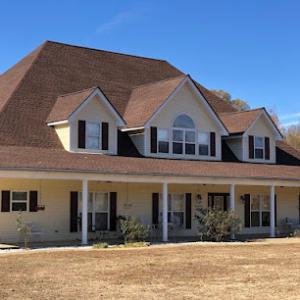
Ultra Classic Roofing
(901) 219-6996 www.ultraclassicroofing.com
Serving
5.0 from 15 reviews
Residential and Commercial Roofing in Memphis and surrounding areas.

Alliance roofing & remodel contractor
Serving
5.0 from 28 reviews
Since 2009, Alliance Roofing and Remodel Contractor has been crafting quality roofs over homes in the Bartlett area. Located on Memphis Arlington Road, they are dedicated roofing specialists, committed to providing top-notch service and reliable roofing solutions. Trust Alliance to protect your home with expertise and care, ensuring durability and peace of mind for years to come.
Bennett Roofing & Restoration
(901) 359-9708 bennettroofingandrestoration.com
Serving
4.8 from 178 reviews
Hire Local Experts for Your Roofing and Restoration Projects With over 25 years of experience, Bennett Roofing & Restoration is your top choice for roofing services in Brighton, TN or surrounding areas. We're a local and family-owned roofing contractor! You can rest easy knowing that the master roofer Brighton, TN relies on will be on every job site from beginning to end. We provide a step-by-step process done in-house, with salespeople taking care of everything. In addition to our experience with roofing services, we also specialize in restoration services for gutters, windows, and siding. We take several payment options, including checks and ACH payments.
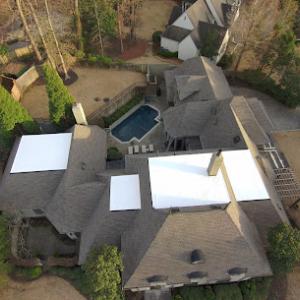
River City Pros
(901) 707-0355 rivercitypros.com
Serving
5.0 from 39 reviews
We offer residential roof repairs and replacements, as well as siding, gutters, fencing repairs, and painting services. We hold many certifications, such as Master Elite Contractors with GAF, and we are Gold Star certified with Atlas.
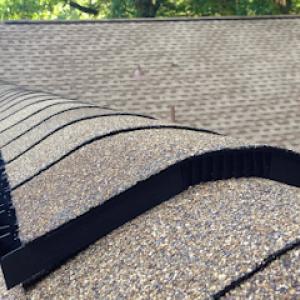
Roof Pro
(901) 465-5558 www.roofpromemphis.com
Serving
4.9 from 40 reviews
At Roof Pro, LLC, we specialize in providing top-quality roofing solutions for your home and commercial property Our services include: -Expert residential and commercial roof repairs and replacements -Comprehensive roof leak detection and fixes -Installation of durable and energy-efficient new roofs -Professional roof inspections for roof health and safety -Emergency roofing services for urgent repairs -Preventative roof maintenance that will extend roof life -Weather-related roof damage We solve common roofing problems such as leaks, wear and tear, storm damage, and inefficient roofing, ensuring the safety and longevity of your home. Trust us for reliable, professional roofing services that keep your home protected all year round.
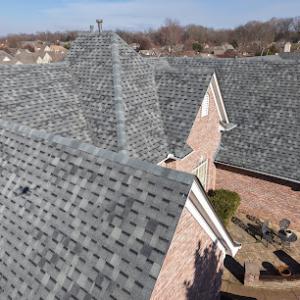
K&M Roofing & Exteriors
(901) 501-5949 kmroofingexteriors.com
Serving
5.0 from 454 reviews
K&M Roofing & Exteriors is a trusted local roofing contractor serving Cordova, Germantown, DeSoto County, and the surrounding Memphis area. We specialize in roof replacement, roof repair, and free roof inspections for homeowners in and around Cordova, TN, including areas near Shelby Farms, Cordova High School, and the Sanga Point neighborhood. K&M is owned by two local Cordova residents, including a Cordova High School graduate, and our licensed and insured team is known for quality craftsmanship, honest assessments, and reliable service. As a local company, we are committed to providing long-lasting roofing solutions for Cordova homeowners and delivering an exceptional customer experience from start to finish.

3Gen Roofing
(901) 497-2777 www.3genroofing.com
Serving
4.8 from 77 reviews
3Gen Roofing is a trusted, local roofing contractor serving Memphis, Collierville, Germantown, Bartlett, Lakeland, and surrounding areas. We specialize in residential and commercial roof replacements, roof repairs, storm damage restoration, and insurance claim assistance. Our team is committed to quality craftsmanship, premium materials, and unbeatable client service. Whether you’re dealing with leaks, missing shingles, or major storm damage, we’re here to help! Get a free roofing estimate today from the Mid-South’s reliable roofing experts!
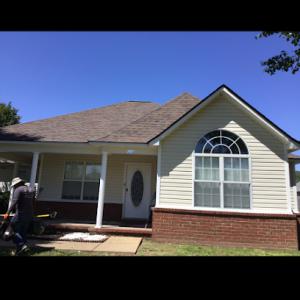
AB&H Roofing & Construction
(901) 403-2865 abhroofingllc.net
Serving
5.0 from 115 reviews
Roofing and restoration. Insurance claims specialist. Free inspections to see if you qualify for a roof through your insurance company. We also do interior painting and remodeling.
In this market, hail and wind losses come through with regular rhythm, driven by the fast-moving thunderstorm seasons that sweep across West Tennessee. Insurance adjusters expect you to show what happened, when it happened, and how it affected the roof's surface and edges. The difference between a smooth claim and a drawn-out process often rests on the quality and timing of that documentation. You'll want to keep a careful log of weather events, dates of any observed leaks or damaged shingles, and notes about any interior signs of water intrusion that followed a storm. A calm, factual timeline helps avoid disputes about what occurred and when, especially as the storm season tightens the window of opportunity for a fair settlement.
Carriers in this market may require wind-rated materials or updated underlayment when a roof is replaced after a claim. What that means on the ground is a shift from a "just fix what's damaged" mindset to a replacement mindset that anticipates more demanding weather cycles. If notes from the adjuster point to high wind events, expect proposals that emphasize stronger underlayment and wind-resilient components. The right choice can affect resilience for the next round of storms and reduce the chance of follow-up claims on the same fix. This is not a cosmetic decision; it's about laying a long-term defense against moisture intrusion and wind uplift. The practical takeaway is to align contractors' scope with the insurer's expectations early, and to demand a clear description of how the upgraded materials will perform in the local storm pattern.
Because claims can affect policy terms or endorsements, Arlington homeowners need dated photos, inspection notes, and contractor scope documentation before repairs begin. Start with a clean set of photos that show the roof from multiple angles, including the ridge line, eaves, and any spots with visible granule loss or peeling shingles. Inspections should record visible damage, signs of previous repairs, and any mismatched materials that could signal aftermarket patches. The contractor's scope should detail the exact materials, the sequence of work, and the anticipated warranty terms. Keeping these records dated and organized reduces the risk of post-repair disputes and helps ensure the work matches the insurer's agreed scope. If storm-driven insulation or attic signs of moisture turn up during a post-storm check, document those findings promptly and share them with the adjuster and the contractor so the claim tracks correctly from inspection to replacement.
As a neighborhood note, the timing of replacement often aligns with the height of storm season and the end of active weather windows. That makes coordinated planning essential. A careful homeowner keeps a folder of communication with the insurer, the contractor, and any third-party adjusters, with clear dates and decisions recorded. If the process stalls, revisit the documentation trail and verify that the scope continues to reflect the latest storm evidence and the current understanding of wind-related performance needs. The goal is a roof that withstands the next round of severe weather without creating new storm-driven disputes or policy questions.
Connect with contractors who help homeowners navigate the claims process from damage assessment to final approval.
Metro Builders Memphis
(901) 375-1717 www.metrobuildersmemphis.com
11269 US-64, Arlington, Tennessee
4.9 from 39 reviews
Spring brings a practical balance for roofing work. The long, hot summer ahead is still a few weeks away, which helps crews manage shingle handling and sealant work without the brutal heat that accelerates wear on exposed materials. In Arlington, the shoulder-season weather is typically drier than high summer and more predictable than late winter, making it a reliable time to coordinate a tear-off and replacement. If a storm event has recently moved through, this window also allows for timely inspections and any necessary repairs before the peak of storm season.
Fall is the other window that homeowners in this area rely on. Cooler days reduce heat-related fatigue for crews and help keep material handling steady from morning to afternoon. The dry, cool conditions also support proper sealing and adhesive performance, which translates into a cleaner, longer-lasting roof once the project is complete. Scheduling in late September through November often dovetails with school-year planning and can minimize disruption for families during holidays.
Hot, humid summers can affect shingle handling, crew productivity, and installation conditions on exposed roofs. In Arlington, the heat can cause shingles to become more pliable or brittle depending on the product, which increases the risk of damage during transport and placement. Plan activations for cooler hours when possible, such as early mornings, and avoid peak sun if a crew asks. If a storm front arrives during a project, be prepared for slowed progress and temporary protective measures to shield new work from sudden downpours.
Winter moisture and periodic freezing conditions can slow tear-off and interfere with proper sealing during replacement work. In this climate, moisture can linger on the deck and on imperfect seams, threatening a clean set of shingles or tiles. When a replacement is scheduled in colder months, expect some days with limited access to full sealing performance, and build in a buffer for potential delays. Proper ventilation and roof cleanliness remain critical so the installation can proceed-though more slowly-than during milder seasons.
Because storm-driven insurance work is common in this city, alignment with the weather calendar matters. Use a flexible start plan that allows for short weather interruptions without derailing the entire project. For any spring or fall installation, confirm that the chosen window avoids the hottest conditions of the day and minimizes the risk of mid-project heat spikes. If a weather window narrows, prioritize a sustained, dry stretch rather than rushing through the job in a single day, which can compromise decking and sealant performance.
Expect several weather-appropriate checks during the project. Start with a thorough deck inspection and a dry-before-lay plan, then monitor daily forecast updates for wind-driven debris risk and sudden rain chances. If a storm threatens, secure exposed materials and protect new installations to prevent moisture intrusion. In this climate, the combination of seasonality and storm activity makes a carefully chosen installation window key to a durable, long-lasting roof.
In Arlington, asphalt shingles are the dominant practical choice, aligning with the suburb-friendly housing stock and the steady demand for re-roofing as homes age or insurance work comes through after storms. The broad availability, straightforward installation, and established repair options make asphalt a reliable baseline for most neighborhood blocks. When choosing asphalt, focus on higher wind resistance ratings and a durable granule wear layer to combat the hot-humid summers and frequent afternoon microbursts that can stress roofing edges. A well-sealed asphalt system paired with a solid underlayment provides good water shedding and easier maintenance, which matters when summer storms roll through and the ground dries quickly afterward.
Metal roofing is present but less common than shingles in Arlington, making it a more specialized option despite its storm and heat performance advantages. Metal shines where there is a premium on long life, rapid shed-after-storm capability, and lower maintenance conversations with insurers or adjusters familiar with metal performance. For homes with steep pitches or taller roof profiles, metal can offer a crisp, modern look while resisting high wind gusts that accompany severe thunderstorm seasons. Consider color selection, reflective coatings, and compatibility with existing soffits and flashings to ensure a cohesive overall appearance and proper seamless drainage. If a roof is already showing age or does not align with the home's architectural character, metal remains a targeted upgrade rather than a routine replacement.
Clay tile, concrete tile, wood shakes, and synthetic/composite products exist in the market, but they are secondary to the asphalt-led replacement pattern seen locally. Clay and concrete tiles bring distinctive curb appeal and a longer expected life, but their weight, cost, and installation demands require careful structural assessment and compatibility with the typical mid-sized suburban trusses found in many Arlington homes. Wood shakes add a traditional texture, yet they demand diligent maintenance in humid conditions to prevent rot and insect damage. Synthetic or composite shingles aim to balance aesthetics with durability, offering varied looks and often better resistance to fading and impact. For homeowners weighing these alternatives, a structural assessment, wind uplift considerations, and insurance documentation readiness are essential steps before committing to one of these styles.
Thunderstorm-heavy seasons shape decisions around any roof type choice. A practical Arlington strategy pairs materials with fast-onset rain events and hail potential, prioritizing edge and valley protection, robust underlayment, and secure fastening systems. When a storm-related claim is on the table, choosing a material that aligns with expected roof life, maintenance needs, and post-storm repair practicality helps ensure the replacement stays resilient through the next cycle of severe weather.
Pricing in this market swings with post-storm demand, when crews and scheduling tighten availability. A homeowner should expect faster timelines after a major thunderstorm, but urgency can push labor costs up and extend lead times. In practice, most homes start with asphalt shingles as the baseline, then compare value against upgrades.
Asphalt shingles remain the most common starting point for a typical Arlington home. For asphalt, expect roughly 450 to 800 USD per square installed, depending on shingle quality and roof complexity. Metal roofing opens up around 650 to 1100 per square, with higher wind-rated panels or specialized coatings adding to the total. Clay or concrete tiles push beyond asphalt, with clay around 1000 to 1800 and concrete 900 to 1600 per square. Wood shingles or shakes and synthetic composites fall between roughly 600 and 1200 per square. In practice, homeowners often begin with asphalt pricing and only move up if the replacement requires a long-term durability upgrade or a distinctive look.
Thunderstorm seasons drive tight windows for repair and replacement, so scheduling can become a bottleneck even with emergency responses. If you have substantial storm damage, expect crews to book out weeks, not days, and to coordinate with storm-adjusted insurance timelines. Because demand spikes drive pricing and crew availability, getting a written timeline and price lock early helps.
Metal and synthetic products deliver longevity against heat and humidity, but their upfront cost is higher. If the budget is the priority, asphalt provides solid protection and a straightforward claim-to-completion path. Ensure you compare warranty terms and color options that resist fading in Shelby County summers.
Think in terms of cost per square and note that a larger roof or complex geometry adds labor hours, not just material. Full replacement costs reflect not only the roof itself but the accompanying work, such as debris removal. Expect crews to coordinate access routes, trash containment, and temporary power needs on-site.
Don't let upfront costs delay a critical repair - these contractors offer payment plans to fit your budget.
Summit Roofing & Restoration
(901) 235-3748 www.summitroofingandrestoration.com
Serving
4.9 from 590 reviews
A full roof replacement in this Shelby County jurisdiction typically requires a building permit handled through the local building department serving the area. Before any structural or material work begins, you should confirm that the permit path is opened in your name and that all required documentation is in hand. This includes project scope, material selections, and an updated plan that shows how the new roof will meet current code requirements. Understanding the permit landscape up front minimizes delays tied to missing forms or mismatched specifications when storm-damage work accelerates into replacement.
Timing matters, especially after a storm when insurance work is pressing and weather windows are tight. In practice, you file once you have a clear scope and approved contractor, but you should not wait for a fixed window to begin the permit process. Start the permit review as soon as you secure the necessary documentation from your roofer and, if applicable, your insurer. Delays in permit issuance can push the project from a temporary repair phase into a full replacement window, so aligning inspection readiness with weather forecasts is key.
After permit issuance, inspections are scheduled at key milestones, with a final inspection used to confirm completion. Typical checkpoints include rough framing verification (if full structure work is involved), underlayment and ventilation checks, and final roofing installation validation. A competent contractor helps ensure that each milestone aligns with the inspector's checklist, reducing hold times caused by small nonconformances. If any adjustments are needed, plan for re-inspection timing so it doesn't slow the overall project.
Fees and turnaround times in this jurisdiction vary by project value and scope, so permit timing can affect how quickly storm-damaged roofs move from temporary repair to full replacement. Coordinate closely with your contractor to map permit processing against the anticipated storm season and seasonal inspection schedules. Having documentation ready for the building department and a clear sequencing plan helps keep replacement on track even when severe weather threats loom.
In this area, severe thunderstorms are a routine stressor, and wind-lifted shingles are a recurring pattern to watch for after each storm season. Shingles can peel at edges or lift along rakes and hips, inviting moisture intrusion if left unaddressed. Hail bruising is another common signal, especially on lighter asphalt and well-used edges of the roof. If you notice granules accumulating in gutters or dark spots on the roofing surface after a hail event, treat it as a warning sign that the underlying membrane may have been compromised. A careful inspection of the ridge line and windward slopes can reveal subtle damage that becomes costly later if ignored.
Humidity drives a faster aging cycle for lower-end asphalt systems, which can shorten their useful life compared with milder climates. In the Tennessee humidity, you may see more accelerated granule loss, chalking on the surface, and a tendency for the material to become brittle sooner under repeated thermal cycling. If the roof feels unusually soft in hot, humid afternoons or reveals more granules in the gutters after a storm, the system is signaling cumulative wear. Targeted replacement of the affected shingles can prevent deeper failures and keep the roof from failing prematurely in the high-heat months.
Skylight and flashing areas deserve extra attention because repeated storm exposure can turn small seal failures into interior leak events quickly. Seams around skylights, vents, and chimney penetrations are particularly vulnerable to wind-driven rain and temperature swings. Look for cracked caulk, rust on flashing, or perimeters that feel soft or move underfoot. A proactive seal refresh and tight flashing at these points can stop leaks before they start, especially in a season of frequent storms.
Find contractors experienced in skylight installation, flashing, and leak repairs to bring natural light into your home.
James Russell Roofing & Restorations
(901) 582-5550 jamesrussellroofing.com
Serving
4.9 from 133 reviews
The Arlington market rewards contractors who answer quickly after a blow-through storm. Homeowners expect crews to arrive fast, tarp if needed, and get a de facto leak plan in place while the weather cooperates. Look for firms with a track record of prioritizing storm damage calls and keeping crews staged for rapid mobilization. In practice, that means a contractor who can schedule a roof assessment within 24 to 48 hours after rain events and provide a clear path to temporary leak containment.
Cleanup is a major hiring priority locally. Contractors routinely advertise debris removal and thorough jobsite cleanup as part of the package. You should expect daily cleanup during replacement, with waste containment that minimizes disruption to your yard and driveway. Ask for a written cleanup plan and confirm whether haul-away includes all debris, including old underlayment and roofing fasteners. A neatly swept yard and a protected landscaping set are as telling as the quality of the roof itself.
Most Arlington projects involve re-roofing-focused residential contractors who understand the typical suburban stock-sturdy dormers, gutters, and venting considerations. There is a smaller commercial segment, and a few long-established firms with broad experience. When interviewing, prioritize crews that regularly manage residential re-roofs, can discuss common neighborhood roof lines, and have a proven approach to attic ventilation and insulation integration. This alignment helps ensure the replacement works with your house's existing structure and local climate.
Families often rely on recommendations from neighbors who've faced similar weather and timelines. Favor contractors with a steady local presence and a history of completing projects within a predictable window. Confirm that their team includes experienced shingle installers, metal specialists, or tile crews if those materials fit your home, and verify they stand behind their workmanship with a straightforward warranty posture.