
Last updated: Apr 19, 2026
Spring hail and wind events in this area routinely trigger roof inspections and insurance claims before the hotter summer storm cycle. When those crusty hail dents and torn shingles appear, act fast: document damage with clear photos within 24 to 48 hours, then file the claim promptly. Waiting too long invites questions about when damage occurred and can complicate coverage. The window for accurate, timely documentation is narrow, and a quick start reduces the risk of deferred or disputed claims as weather shifts toward the mid-year heat and humidity.
Because this location sits in the Memphis-area severe weather corridor, nearby regional storm activity can affect adjuster availability and claim timing even when damage is localized. When a cluster of storms rolls through, adjusters may be stretched thin or travel longer to service multiple towns. Don't assume a slow season means no one is available. Proactively communicate with your insurer and your roofer to schedule inspections while availability is highest, ideally within days of detecting damage. Provide the adjuster with a thorough, organized packet: photos, a dated summary of observed damage, and any preceding prior-claim notes from neighbors who share similar weather patterns.
Local replacement schedules are often pushed into the drier spring and fall windows because summer thunderstorms and humidity can interrupt tear-off and installation. If you wait for perfect conditions in the peak heat of July or August, you risk weather delays that push your project into weeks of extended exposure and higher risk of secondary damage. Plan ahead for a window in these shoulder seasons, and align it with a contractor's crew availability. Tell your roofer you want a concrete plan that accounts for potential rain days, ventilation needs, and quadruple-checks on underlayment and flashing, so a single storm doesn't stall the entire project.
When you suspect storm damage, initiate a claim and call a trusted local roofer within 24 to 48 hours to conduct a thorough inspection. Keep communication concise and recorded: dates of inspections, names of adjusters, and any changes to appointment times due to weather or travel delays. If you're coordinating a replacement, secure an inspection report and a proposed work timeline that targets the spring or fall lull, with contingency days for rain. Stay flexible and ready to shift plans by a few days if a late-season storm pops up, but don't delay critical documentation or the claim process. Acting decisively now reduces risk and keeps the path to restoration clear when the next storm line advances.
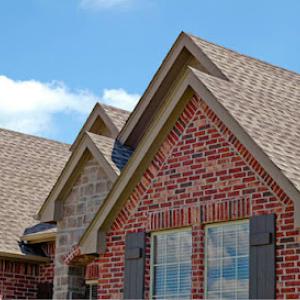
RL Quality Roofing
(662) 367-3247 rlqualityroofing.wixsite.com
6712 Magnolia Dr, Olive Branch, Mississippi
5.0 from 79 reviews
RL Quality Roofing is a full-service roofing company specializing in reliable, high‑quality roof installation, repair, and maintenance for residential and commercial properties. We combine skilled craftsmanship with durable materials to deliver long‑lasting results that protect your home or business. Our team is committed to safety, clear communication, and exceptional customer service from the first inspection to project completion. Whether it’s fixing storm damage, replacing an aging roof, or completing a new construction project, we provide honest recommendations, fair pricing, and workmanship you can trust.
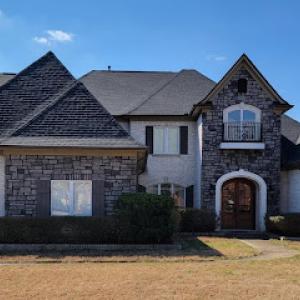
Chase Roof Inspections
(901) 907-3666 www.chaseroofinspections.com
8589 Oak Grove Blvd, Olive Branch, Mississippi
4.9 from 66 reviews
Chase Roof Inspections is the business to turn to when searching for a “local roofing company near me”. We provide top-quality services to residential clients in Olive Branch, Memphis, and the entire Mid-South! With thousands of successful projects under our belt, our NATIONALLY CERTIFIED ROOF INSPECTORS and FACTORY CERTIFIED technicians offer exceptional craftsmanship and expertise in roof repairs, replacements, and emergency services. We pride ourselves on delivering long-lasting benefits to our customers by focusing on safety, value preservation, and convenience. Our team is licensed in Tennessee, Mississippi, and Arkansas and fully insured—so clients can rest easy with every project we do. Contact us now for your free quote!
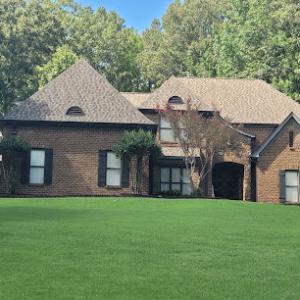
Lindsey Roofing
(901) 828-4848 www.lindseyroofingolivebranch.com
4610 Center Hill Rd, Olive Branch, Mississippi
4.9 from 34 reviews
At Lindsey Roofing, I proudly provide trusted residential roofing services in Olive Branch, MS and the surrounding communities across Mississippi and Tennessee. As a family-owned business, I guarantee the quality of my work and personally oversee every project from start to finish. Whether you need a roof repair, replacement, or a free evaluation, you can count on me to deliver reliable, on-time service with honest communication and long-lasting results.
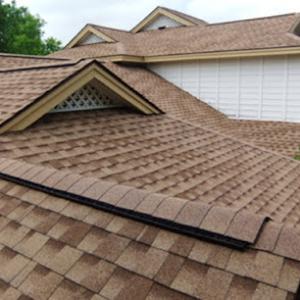
Kreunen Construction & Restoration
(901) 245-6266 insuranceroofs.com
6879 Crumpler Blvd #201, Olive Branch, Mississippi
4.7 from 108 reviews
Kreunen Construction is a licensed roofing contractor in Olive Branch, MS since 1984, providing expert roof repair, replacement, and maintenance for both residential and commercial properties. We help property owners address leaks, storm damage, and aging roofs, ensuring long-lasting protection and curb appeal. Serving Olive Branch, Memphis, and the surrounding Mid-South areas, our team delivers high-quality workmanship and professional service, helping clients safeguard their homes and businesses year-round.
TopRidge Roofing
(901) 414-9900 topridgeroofingandrestoration.com
14180 Chapel Ridge Trail, Olive Branch, Mississippi
4.6 from 21 reviews
We specialize in helping you maintain your roof, which in turn helps reduce energy bills, keeps your home comfortable throughout the year and cuts the chance of water damage. From general maintenance to storm damage, our team is here to help restore your roof.

K.L. Powell Roofing
(901) 569-1615 www.klpowellroofing.com
Olive Branch, Mississippi
5.0 from 7 reviews
K.L. Powell Roofing began 16 years ago with a simple vision: to provide high-quality, reliable roofing and exterior services to our community. Whether it’s a new roof, repairs, or custom exterior carpentry, our team is committed to exceeding expectations. Plus, we offer pole barns and dumpster rental services, making us your one-stop shop for all things home improvement.
Roof & Nail
8753 Caroma St, Olive Branch, Mississippi
4.2 from 26 reviews
Wind or Hail call Roof and Nail!!

Advance Solutions
(901) 660-4836 advancesolutionsllc.co
Olive Branch, Mississippi
5.0 from 4 reviews
At Advanced Solutions, we believe in treating every customer like family. From the first call to the final shingle, we handle your roofing project with the same care and dedication we’d give our own home. With quality craftsmanship and honest service, we’re here to make your roof strong, secure, and built to last.
Renaissance Solutions
(901) 326-9062 www.renaissancesolutionsllc.com
7300 Craft-Goodman Rd Ste D1, Olive Branch, Mississippi
5.0 from 3 reviews
We are a local, family oriented, business serving the Mid-South area. We specialize in roofing, gutters, painting and fencing. There is no project too big or too small! We have Insurance Specialists on staff for any and all insurance related damages or claims you may need help with including but not limited to Wind and Hail Damage, Busted Pipes, and Fire Mitigation. Contact us today to get a free estimate on all your home or office needs! Commercial and Residential Roof replacement Roof repair and maintenance Gutter installation Exterior and interior painting Patios Concrete Blown Insulation Flooring Window replacement Siding installation Doors New construction & more!
Danny Morrison's Roofing Professionals
(901) 870-0186 dannymorrisonsroofing.com
6515 Goodman Rd Ste 300, Olive Branch, Mississippi
4.3 from 7 reviews
At Danny Morrison's Roofing Professionals, we are a team of experienced professionals dedicated to providing top-quality roofing services in Olive Branch, MS and the surrounding areas. From roof repairs to full replacements, we pride ourselves on our attention to detail and commitment to customer satisfaction. Trust us with your roofing needs.
Trevco Roofing
(662) 890-3500 www.trevcoroofing.com
8235 MS-178, Olive Branch, Mississippi
5.0 from 2 reviews
Commercial Roofing Contractor and sheet metal shop
Hernandez Services
Serving
4.9 from 40 reviews
Affordable Roofing, House Painting Services, Interior and Exterior Wood Repairs, Gutter Installation and Repairs, Fencing, Pressure Washing.
Mississippi carriers serving Olive Branch commonly want detailed photo documentation and a clearly verified scope of storm damage before releasing claim funds. The message from local adjusters is consistent: a well-documented file that shows the extent of damage, the exact areas affected, and a logical rebuild plan speeds up the process. In an inland setting, severe weather across North Mississippi and the Memphis metro can influence carrier response and processing pace. That means your claim file needs to tell a clear, consistent story from the first photos to the final scope.
After a hail or wind event, start documenting immediately. Take wide exterior shots of the whole roof and close-ups of suspect areas. Focus on shingle bruising, lifted tabs, and any granule loss along the edges. Photograph flashing around chimneys, vents, attic vents, and intersections where water could enter. Inside the attic, capture any signs of water intrusion such as staining, darkening, or moisture on sheathing and insulation, along with any visible condensation on the underside of roof decking. Date-stamped photos help establish a timeline, so use a camera with automatic date capture or note the date in the image metadata. Keep a running log of weather-confirmed events from a local forecast or weather app, linked to the corresponding photos.
A clearly verified scope means you're not guessing about what needs repair or replacement. Start with a level view of the entire roof to identify damaged sections, then move to each problem area. If shingles show bruising or lifted tabs, document the extent and align it with the roof layout so a contractor can reproduce the assessment. For flashing damage, show the surrounding flashing and the connection points to walls, chimneys, and vents. In the attic, compare the condition before and after events by noting any new leaks, damp spots, or staining patterns. Have a professional provide a written scope that coordinates with the photos, listing each affected area and the proposed remedy. This creates a coherent package that a carrier can validate quickly.
Organize photos by category: exterior roof surface, flashing and penetrations, interior signs of leakage, and storm timing. Include a short caption for each image explaining what is shown and why it matters for the claim. Attach the professional scope and include the contractor's contact information, license details if requested, and a confirmation that the scope aligns with observed damage. If the weather is proving to be a complicating factor-such as ongoing thunderstorms delaying inspections-document the dates and the weather conditions that prevented access or further assessment. This context helps adjusters calibrate expectations and keeps the process moving when timelines tighten.
Choose a local, proven roofing professional who understands the typical build quality and materials in the Olive Branch area. Have them walk you through the photos and the scope to ensure nothing is omitted. Ask for a line-by-line, itemized report that corresponds to the photo-set, with notes on remediation steps and any temporary mitigation you should perform to minimize further interior exposure. Maintain a clean, chronological record so the carrier's adjuster can trace every damaged element from the moment of impact or wind event to the proposed repair solution. This careful alignment between imagery, scope, and professional recommendations is the strongest foundation for a smooth insurance outcome.
Connect with contractors who help homeowners navigate the claims process from damage assessment to final approval.
Chase Roof Inspections
(901) 907-3666 www.chaseroofinspections.com
8589 Oak Grove Blvd, Olive Branch, Mississippi
4.9 from 66 reviews
Lindsey Roofing
(901) 828-4848 www.lindseyroofingolivebranch.com
4610 Center Hill Rd, Olive Branch, Mississippi
4.9 from 34 reviews
Kreunen Construction & Restoration
(901) 245-6266 insuranceroofs.com
6879 Crumpler Blvd #201, Olive Branch, Mississippi
4.7 from 108 reviews
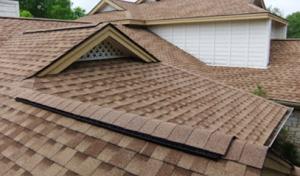
Asphalt shingles dominate the housing stock in this area, and for good reason: they offer straightforward installation, a wide color range, and solid performance for typical suburban roofs. In the Delta-edge climate, hot humid summers push shingles to their limits, and repeated thunderstorm exposure means you should expect some granule loss over the years. You can mitigate that by choosing a premium fiberglass-based shingle with a thicker nailing zone and a wind-rated underlayment, but in practice you'll notice granule shedding after heavy storms or hail events. Seal-strip integrity also matters; older batches or certain profiles can see seal failures sooner under rapid temperature swings. When selecting asphalt, target products with recommended impact resistance ratings and a contractor who emphasizes proper nailing patterns and secure edge detailing to combat wind-lift during gusty spring storms.
Metal roofing has a meaningful local specialty presence and appeals to homeowners looking for better storm durability and heat performance than standard shingles. In this area, metal panels or shingles can shed rain quickly, resist impact better than conventional shingles, and reflect a portion of the sun's heat, which translates to cooler attic temperatures and potential energy savings in the long run. The trade-off is weight and installation nuance: some homes were originally framed for lighter materials, so ensure you have a structural assessment if you're upgrading from shingles. Special attention should be given to panel seams, fastener clips, and edge flashing to prevent wind-driven leaks after severe thunderstorms. If you pursue metal, consider finishes with corrosion resistance and color coatings that hide dirt and mildew from the frequent humid air. Ask your roofer about soffit and vent integration so the attic breathes effectively during hot stretches.
Tile and wood options exist in Olive Branch, but their higher weight, cost, and maintenance demands make them less common choices in the city's largely suburban housing stock. Clay and concrete tiles bring distinctive curb appeal and excellent longevity, yet they require a robust roof structure and careful rafter spacing. Wood shingles or shakes offer a natural look but demand meticulous maintenance, especially in humid climates where moisture and shade can promote mold or decay if ventilation isn't optimal. In storm-prone zones, tiles can crack under hail or heavy hail-driven debris, and wood can suffer from moisture-related issues if ventilation isn't adequate. If you're drawn to these materials, plan for structural checks, appropriate underlayment, and a local installer with a proven track record in this climate.
Thunderstorm season in this area brings rapid weather shifts, hail, and occasional wind events. A roof system that handles rapid cooling and heating, plus strong edge protection, serves you best. Proactively documenting hail impacts and any wind-damage events helps with claims and timely repairs. Choose reflective underlayments or vented attic strategies to reduce heat buildup during long sultry periods. For all material choices, insist on a roof system that aligns with local exposure-think wind uplift ratings, robust flashing at chimneys and vent penetrations, and sealed joints at roof-to-wall transitions. A well-coordinated storm-response plan, including quick tarp-and-dry-out steps after a storm, keeps interior damage to a minimum while repairs are staged.
When a hail event or strong wind sweeps through DeSoto County and the Memphis side, contractor calendars tighten fast. In Olive Branch, storms don't just cause damage; they spike demand for assessments, tarp-outs, and quick leak stops. That surge can push project start times back by days or weeks, especially for full re-roofs where crews are juggling multiple insurance-driven jobs. You'll notice prices move not only from material costs but from labor availability and expedited debris disposal needs. If you can document damage promptly after a storm, you gain leverage to secure a sooner inspection and reduce the risk of weather-induced delays driving up your overall cost.
Full replacements in this area typically involve permit-related administrative steps and inspection coordination, which can affect project timing and total cost compared with simple repairs. A replacement absorbs more labor hours, longer roof exposure, and higher material waste management, all of which are magnified after a major event when crews are scarce and projections shift. When weather patterns favor a quick spring or fall window, scheduling within that narrow hinge can save substantial calendar days and mitigate price volatility. If a roof is nearing the end of its life, planning a replacement around the calmer parts of the year lowers the chance of price spikes tied to storm response cycles.
The city's common suburban re-roofing work centers on asphalt shingles, which keeps base-costs modest and predictability high. Upgrading to metal, synthetic, or tile systems increases both material and installation complexity, raising overall per-square costs. Metal or tile installations demand more precise framing, underlayment considerations, and flashing details to handle Mississippi's heat and thunderstorm cadence. If you're weighing upgrades, expect a noticeable step-up in price not only for the material itself but for the specialty labor those systems require. In many cases, choosing a higher-end option pays off over time through durability and reduction in maintenance calls after severe weather.
Don't let upfront costs delay a critical repair - these contractors offer payment plans to fit your budget.
RL Quality Roofing
(662) 367-3247 rlqualityroofing.wixsite.com
6712 Magnolia Dr, Olive Branch, Mississippi
5.0 from 79 reviews
James Russell Roofing & Restorations
(901) 582-5550 jamesrussellroofing.com
Serving
4.9 from 133 reviews
In Olive Branch, a building permit is typically required for a full roof replacement and is handled through the Olive Branch Building Department. The permit process exists to keep structural work compliant with local codes and to protect you if a later issue arises after a storm. The department expects you to have a clearly defined plan and a licensed contractor lined up before any shingle piles are delivered or any mats of fasteners go down. Skipping this step can trigger fines, mandatory uncovering, and delays when work is discovered during a later inspection.
Permit submission generally requires project details and contractor information before work is approved to begin. You should expect to submit a scope of work, roofing materials, estimated roof area, and any structural notes if decking or support members are involved. The contractor's license number and proof of insurance are typically part of the package, along with a recent lien waiver form to confirm the project won't drag on due to unpaid subcontractors. Be prepared for a review period; not receiving clearance promptly can stall weather-sensitive work, so assemble documents in advance.
Inspections occur during installation and again at final to verify underlayment, flashing, and ventilation compliance. During the live phase, inspectors check that underlayment is correctly installed, all flashing around chimneys, vents, and valleys is properly sealed, and attic ventilation is aligned with code requirements. Final inspections ensure the roof meets fastening and nailing schedules, that penetration points are sealed, and that proper drainage details are in place. If any item fails, a reinspection may be required, potentially adding days to the project timeline.
Storm-damaged roofs can complicate permit timing, so documentation should be gathered early: photos of damage, notes from adjusters, and a clear scope that matches what the permit will authorize. Ensure the contractor's license and insurance stay current through the project, and verify that all work aligns with local building codes before closing the permit file. Delays or refusals often trace back to missing or inconsistent project data, so double-check details before submission.
Emergency roof response is highly relevant in Olive Branch because thunderstorms can produce sudden wind damage and active leaks that need tarping before the next rain band arrives. When shingles lift, flashing pulls free, or gutters overflow, time becomes the critical factor. You should have a designated tarp ready and a contact list with same-day assessment crews. The goal is to stop the water long enough to prevent interior damage while you arrange full replacement.
Active leaks during hot Delta-edge summers feed quickly into living spaces, so staged dry-in work is essential when sustained storms arrive. A quick contractor can set a tarped dry-in over the most vulnerable areas and secure debris to reduce wind-driven damage. Do not wait for a perfect roof replacement window; aim for rapid tarping, temporary flashing fixes, and a plan for insulation and interior protection until calmer weather returns.
In these neighborhoods, quick-response contractors are common, reflecting homeowner demand for same-day assessment after storm-driven shingle loss or flashing failure. Verify they offer fast on-site inspection, emergency tarping, and clear next steps. Ask for written plans that outline tarping duration, safety measures, and a path to permanent repair when the roof is safe to work on. A local crew with storm-damage experience is best to navigate insurance-documented damage.
Coordinate with occupants and landscaping crews to keep walkways clear and avoid injury during rapid response work.
When you can't wait, these contractors offer fast response times to stop leaks and prevent further damage.
Chase Roof Inspections
(901) 907-3666 www.chaseroofinspections.com
8589 Oak Grove Blvd, Olive Branch, Mississippi
4.9 from 66 reviews
Storms in this area stress roof penetrations, and frequent thunderstorms can turn a small flashing flaw into an interior leak quickly. The local contractor market shows meaningful skylight specialization, indicating that leak-prone penetrations are a recurring service need in homes here. When a roof is being replaced, flashing around skylights, chimneys, and wall transitions tends to be a weak point that shows up in inspections and after a storm.
Start by inspecting skylight flashings for either loose or missing fasteners, broken sealant, or corrosion where metal meets deck. Look for any staining or a powdery mineral ring around the skylight base, which can signal slow weeping. Check chimney crickets and side-wall transitions where flashing laps join the roof; even a slight lift or gap can act like a moisture funnel during a thunderstorm. In homes with multiple penetrations, prioritize those visible from the attic as well as exterior elevations, since interior leaks often trace back to overlooked spots.
When replacing a roof, insist on thorough flashing integration rather than treating flashings as an afterthought. Skylight systems should be evaluated for compatibility with the chosen roofing material, and mismatched flashing materials are a common failure point. If a skylight is original to the home, consider upgrading to a unit with a more robust flashing flange or a low-profile curb that pairs well with the replacement roof. For chimneys, ensure counter-flashing is properly embedded into the mortar joints and that step flashing extends correctly along all roof planes. Wall transitions should have continuous, watertight sealant and properly dressed terminations at the fascia and siding.
After a replacement, plan for a rapid leak-check after the first heavy rain, especially if a late-season storm rolls in. Have a local skylight specialist vetted for quick service, since the area consistently sees service requests for leak-prone penetrations. If a leak is detected, address it promptly at the flashing interface before it migrates into insulation or drywall. Regular attic inspections after storms help catch small flashing defects before they become bigger problems.
Find contractors experienced in skylight installation, flashing, and leak repairs to bring natural light into your home.
Kreunen Construction & Restoration
(901) 245-6266 insuranceroofs.com
6879 Crumpler Blvd #201, Olive Branch, Mississippi
4.7 from 108 reviews
Although this market leans toward residential pitched roofs, you'll notice a real low-slope specialty in add-ons, porches, and certain commercial properties around the Delta-influenced edges of Olive Branch. Those low-slope pockets demand a different set of expectations than the main shingles, even when they're connected to a solid, steep-slope roof. When planning a remodel or a new addition, treat the flat or low-slope surface as a separate system with its own inspection timeline and repair strategy.
Heavy thunderstorms and fall wet periods magnify drainage and seam concerns on low-slope sections. Standing water, surface puddling, or slow drips at transitions can indicate insufficient slope, clogged scuppers, or compromised edge details. In practice, you want to verify that the low-slope area drains toward an appropriate overflow or internal gutter, and that the interior drainage plane remains dry behind the membrane where possible. Regular seasonal checks after storms can catch creeping issues before they spread to adjacent shingles or attic spaces.
Low-slope areas hinge on seam integrity and flashing details. Look for raised fasteners, sealant cracks, or umbrellaed flashing at wall transitions and penetrations. A common pattern in this region is moisture wicking along the edge of the low-slope patch where it meets a steeper roof. If you notice rust stains, chronic dampness, or recurring staining on ceilings below these sections, plan a targeted assessment of the seam intersections and the membrane laps. Addressing seam wear early helps avoid costly repairs to the adjoining pitched roof later.
Set a practical inspection cadence that aligns with Olive Branch's storm cycles. After heavy rain events, inspect exposed low-slope connections within the first 24-48 hours for any damp spots or sunken fasteners. Biannual checks focusing on drain lines, edge detailing, and membrane condition keep maintenance predictable. When replacing or upgrading, coordinate the low-slope system's materials and fasteners with compatible products designed for waterproof continuity across transitions, rather than treating it as an afterthought to the main roof.
Find specialists in TPO, EPDM, and built-up flat roofing systems for residential and commercial properties.
Dry Fast Roofing & Construction
(901) 437-4283 www.dryfastroofingandconstruction.com
Serving
5.0 from 84 reviews
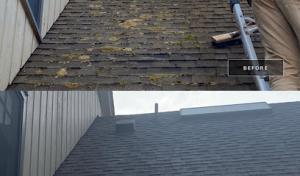
Olive Branch homeowners face a housing stock that-friendly neighborhoods and rapid turnover have pushed toward quick, practical re-roofing solutions. Storms, hail, and hot Delta-edge summers mean crews are often working on occupied homes, with cleanup and debris control as real, tangible parts of the job. Expect crews who can move fast without letting routine maintenance skip, like nail cleanups and tarp management, since even small oversights show up as leaks after the next thunderstorm.
The market leans toward affordable, rapid-response teams rather than high-end specialty systems. That doesn't mean quality should be sacrificed; it means you should verify that the crew can handle full-structure tear-offs while residents are home. Ask for a plain, step-by-step plan that shows how the crew will protect landscaping, keep nails off driveways, and contain dust and debris during the workday. A clear, rehearsed cleanup routine makes a real difference when kids are playing nearby and storms threaten again.
Make sure the contractor carries proper licensing and insurance, and be clear about who handles the paperwork with the city. In this market, mistakes on documentation can slow a project or create avoidable delays after a storm rally. A reputable crew will explain exactly what documents you receive, what certifications are current, and who coordinates communication with your insurer if a claim is involved. Do not sign until you understand who will be your point of contact for questions during and after the project.
Because storm work is so prevalent, contractors should separate emergency stabilization from the full replacement plan. You want a firm that can stabilize a damaged roof quickly to prevent further water intrusion, then provide a separate, clearly defined scope for full replacement and the insurance documentation trail. This separation helps you track progress, costs, and decisions as the weather-season rhythm continues.