Last updated: Apr 19, 2026
Storms roll through the Memphis metro with a frequency and intensity that can abruptly change a roofing schedule. In Millington, spring and fall storms are not just a nuisance; they cluster demand after a single event, creating a tight window for assessments, documentation, and repairs. The rush after a damaging storm can trap homeowners into expedited decisions if there isn't a plan in place, so knowing how the pattern works in this climate is essential to avoid costly delays and missteps.
Every homeowner should start with what you can control before a storm arrives. Take clear, dated photos of the roof and nearby structures from multiple angles when the skies are calm and the yard is free of debris. These images become your baseline for post-storm comparisons and can streamline insurance documentation later. Store copies in the cloud and in a secure file on a device you regularly use so they're accessible even if the power goes out during a severe wind event. A simple roof inventory-shingles, vents, flashing, gutters, and any prior repairs-speeds up the after-action review and reduces back-and-forth with adjusters.
Once the weather clears, do a careful exterior walkaround as soon as it's safe. Look for missing shingles, lifted edges, dented gutters, damaged vents, and any exterior gaps that could let moisture in. If you see active leaks inside, or you notice water stains on ceilings, photograph the interior damage promptly. Keep a written log noting the date, time, and weather conditions at the moment you observed each issue. This record anchors your claim and helps you avoid disputes about when damage occurred. If you're not up to inspecting safely, contact a trusted local roof observer or a licensed contractor who can perform a no-cost, no-obligation quick check. In the aftermath, insist on a detailed estimate that lists each damaged area, the proposed remedy, and the anticipated replacement timeline. That clarity protects you when conversations with an insurer become urgent and crowded with other households facing the same storms.
West Tennessee's storm pattern creates a higher-claim roofing environment, so sharing your pre-loss photos and your post-storm assessment early pays off. Insurance providers will rally around obvious, well-documented damage first, but they'll also look for consistency between your photos and the scope of work proposed by the contractor. To avoid being pushed into the wrong solution, request an on-site evaluation during daylight hours, ideally within a few days of the storm, and insist that any temporary protection measures (like tarping or board-up) be documented in the claim. If a contractor begins work before the insurer signs off, you risk triggering coverage gaps or misalignment with the policy's approval process. Stay proactive: provide the insurer with the same set of photos and a clear timeline request so approvals don't lag behind the weather window.
Hot, humid conditions in Millington make spring and fall the preferred replacement windows compared with peak summer heat or winter freezes. During these seasons, your roof experiences fewer temperature swings that can stress materials during installation, and crews can work more consistently without heat-related shutdowns. Plan with your contractor to align shingles, underlayment, and flashing replacements with the most favorable days in those windows. Having a defined target window helps you lock in supply and crew availability, reduces the chance of weather delays, and ensures the workmanship is installed to last through the next storm cycle.
After the initial work, schedule a post-install inspection to verify flashing, vent seals, and gutter connections were properly re-sealed and integrated with the new roof system. Keep weatherproofing details on match with the surrounding home elements; a small lapse here can invite wind-driven moisture during the next spring squall. If additional storms threaten again soon, discuss temporary protective measures with your contractor and insurer to minimize further damage while final touches are completed. In Millington, staying ahead of the storm clock is the single most effective way to preserve your home's envelope and avoid cascading repairs.
ProStar Roofing & Home Improvements
(901) 837-2111 www.prostar-roofing.com
998 Tracy Rd, Millington, Tennessee
4.9 from 62 reviews
ProStar Roofing & Home Improvements is a well respected roofing company that provides roofing services, gutter and siding services for residential and commercial customers. We are roofing contractors that offers residential roofing services and commercial roofing services in West Tennessee. We primarily service in counties like Shelby, Fayette, Tipton, Lauderdale, Crocket, Haywood, Madison, Dyer and Hardeman in Tennessee.

Roofing solutions & restoration
4355 Waverly Farms Rd, Millington, Tennessee
5.0 from 8 reviews
Give yourself the opportunity to have a second opinion and compare our guarantees and prices. Thank you
Lakeland Roofing
(901) 586-3916 www.lakelandtnroofing.com
Millington, Tennessee
5.0 from 5 reviews
Whether you need a simple repair, a full replacement, or a new installation, choosing the right roofing service provider is critical to your home's durability and safety. At our roofing company, we offer comprehensive services to ensure a long-lasting and reliable roof over your head. At our roofing services in Lakeland, TN, we take pride in our work and in keeping our customers satisfied. Whether you need a repair, replacement, inspection, or installation, you can count on us to get the job done right. We use only high-quality materials, employ only the most experienced professionals, and offer competitive prices. Do not hesitate to contact us if you have any questions or would like to schedule an appointment. We are always happy to help!
AB&H Roofing & Construction
(901) 403-2865 abhroofingllc.net
Serving
5.0 from 115 reviews
Roofing and restoration. Insurance claims specialist. Free inspections to see if you qualify for a roof through your insurance company. We also do interior painting and remodeling.
Evans Co. RoofShield
(901) 848-6526 www.evanscoroofshield.com
Serving
5.0 from 13 reviews
Evans RoofShield is unique and eco-friendly product that lubricates and replenishes asphalt shingles on your roof, restoring the performance to new at a fraction of the cost of replacing the roof. Our process starts by cleaning your roof to remove algae, moss, and stains, then applying a bio-oil that soaks into the shingle restoring it to like new adding 5-15 years of life to your current shingles.
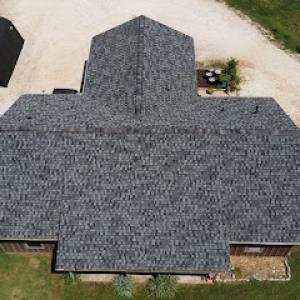
Stubblefield Brothers Roofing
(901) 840-1467 www.stubblefieldbrothersroofing.com
Serving
4.7 from 27 reviews
#1 trusted roofing company in the mid south! With Stubblefield Brothers Roofing the process of replacing/repairing your roof is stress free and easy. We strive to accommodate to our customers needs and concerns, give us a call today for your FREE inspection! •Best Price Guaranteed •BBB A+ Rating •Residential/Commercial •Licensed & Insured

Alliance roofing & remodel contractor
Serving
5.0 from 28 reviews
Since 2009, Alliance Roofing and Remodel Contractor has been crafting quality roofs over homes in the Bartlett area. Located on Memphis Arlington Road, they are dedicated roofing specialists, committed to providing top-notch service and reliable roofing solutions. Trust Alliance to protect your home with expertise and care, ensuring durability and peace of mind for years to come.
Top Quality Roofing
(901) 236-1364 www.topqualityroofingllc.com
Serving
4.5 from 51 reviews
Based in Memphis, Tennessee, Mark Williams owner of Top Quality brings over a decade of experience to your home, providing top of the line roof repairs, roof replacements, siding installations, and storm damage assessments. Our quality can be found in our work and in our customer service. We know some problems just can’t wait which is why we offer emergency services any time of the day or night. At Top Quality Roofing we only use roofing materials by roofing industry giant Owens Corning. If you are looking for peace of mind when you have roofing problems call Top Quality Roofing. We service the entire Memphis Tennessee area. Call Top Quality Roofing today so you can have peace of mind during your roofing project.
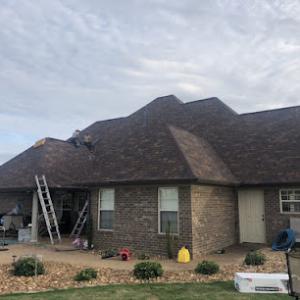
Admiral Custom Roofing & Remodeling
(901) 461-0740 admiralcustomremodeling.com
Serving
4.7 from 163 reviews
Admiral Custom Roofing was founded in 2016 by Roger McMullen. With many years in the roofing industry, Roger just thought there was a little something missing that he wanted to make better. The client experience, Roger feels the experience you have with your roofing company should be special and this is why he opened Admiral Roofing. Roger’s father was a homebuilder, so home construction was in Roger’s blood as a young kid. Growing up around home building and roofing Roger saw the need for the client experience to be improved and to be excellent. The Admiral Custom Roofing team is dedicated to every client.
Lucius Complete Home
Serving
4.6 from 119 reviews
Lucius Complete Home is a trusted roofing contractor serving Memphis and the Mid-South with over 40 years of experience. We specialize in roof replacement, residential roof repair, hand-nailed asphalt shingle roofing, and storm damage repair, including hail and wind damage. Our team provides thorough roof inspections and insurance claim assistance to help homeowners protect their homes with confidence. In addition to roofing, we offer select home improvement services including kitchen remodeling, bathroom remodeling, window replacements, new siding installations, sunrooms, and screen rooms. Every project is completed with a focus on proper installation, quality materials, and long-term durability.
Erie Home
Serving
4.8 from 106 reviews
Since 1976, Erie Home has manufactured, supplied, and installed the best-performing roofing on the market. By providing ironclad warranties and convenient financing, we ensure that every homeowner we work with receives top quality service and value for their homes and properties. Erie Home professionals are the roofing company of choice in the greater Memphis, TN area. Whether you need roof inspections or roof damage repair services, Erie Home has been the go-to roofing contractor for nearly 50 years because of our attention to detail and dedication to making sure our customers are satisfied with their results. Contact us today for a quote and see why we're the trusted roofing company Memphis counts on.
Roof Pro
(901) 465-5558 www.roofpromemphis.com
Serving
4.9 from 40 reviews
At Roof Pro, LLC, we specialize in providing top-quality roofing solutions for your home and commercial property Our services include: -Expert residential and commercial roof repairs and replacements -Comprehensive roof leak detection and fixes -Installation of durable and energy-efficient new roofs -Professional roof inspections for roof health and safety -Emergency roofing services for urgent repairs -Preventative roof maintenance that will extend roof life -Weather-related roof damage We solve common roofing problems such as leaks, wear and tear, storm damage, and inefficient roofing, ensuring the safety and longevity of your home. Trust us for reliable, professional roofing services that keep your home protected all year round.
For a standard asphalt shingle roof, you're looking at typical Millington pricing in the range of $350 to $650 per square (100 square feet). That gap reflects differences in shingle quality, underlayment choices, and the complexity of your roofline. In practical terms, if your home has a straightforward shape and fewer penetrations, you'll trend toward the lower end. If you've got multiple roof sections, skylights, or significant venting, expect closer to the middle or upper end. Asphalt remains the most common, and when storm-driven demand spikes, crews can run short on supply and scheduling can slip, pushing both cost and wait times modestly higher after a strong weather events.
Metal roofing sits in the $700 to $1100 per square range in Millington. The extra upfront for metal pays off in long-term durability, wind resistance, and the potential for longer warranties. If your home is older and you're weighing a reroof in the spring or fall storm cycles, metal can reduce the risk of rapid wear from wind-driven debris and hail. But during busy storm seasons, crews with metal expertise can be in higher demand, nudging both price and scheduling toward the upper end of that band. If you're replacing a roof that already has substantial water intrusion or compromised decking, you'll also factor in decking and flashing replacements, which can move the total well above the base per-square rate.
Clay tile roofs run roughly $1100 to $1800 per square, while concrete tile roofs fall in the $900 to $1500 per square range. Tile options bring distinctive curb appeal and excellent longevity, but they require careful roof structure consideration due to weight. In storm-prone seasons, tile crews can be thinner on the ground, and delivery of long runs of tile can create scheduling delays that push project timelines and costs upward, especially if a reroof encounters unexpected substrate issues. Expect higher costs if you're replacing underlayment and adding seismic or wind-rated components to meet local expectations.
Wood shingles or shakes are generally in the $500 to $900 per square range. They offer a classic look but can be more vulnerable to humidity and storms, which can increase maintenance needs after severe weather events. Synthetic or composite shingles sit around $600 to $900 per square and provide resilience with lighter weight and often better hail resistance. In Millington's spring and fall storm cycles, synthetic options may smooth scheduling and performance during a busy period, though pricing can creep with high demand.
Storm-driven surges in reroof demand around the Memphis metro can push pricing and wait times higher after severe weather. Full reroofs in this area typically require more coordination and inspections, which adds administrative steps that affect total project cost compared with minor repair work. If you're weighing an autumn or spring reroof, plan for potential delays from weather windows, material backorders, and a tighter local crew market after big events.
For a full residential reroof, a building permit from the City's Building Department is typically required and should be pulled before any shingles come off or new roofing goes on. Your contractor should handle the permit under the project address and provide you with the permit number and plan review approvals. In practice, this means showing up at the job site with a valid permit and keeping a copy of the permit card accessible. The permitting process is designed to document storm-related damage and ensure the reroof is installed to current code, which matters when spring and fall storms roll through.
Local inspections are arranged through the Building Department and are scheduled to happen during the reroof and again after completion. The inspection sequence usually includes a framing or ventilation check early in the process, then a final inspection after flashing, underlayment, and shingles have been installed. Plan for a couple of inspection windows, and coordinate with your contractor to ensure access for the inspector. Inspections are your assurance that ventilation paths, underlayment integrity, proper flashing around penetrations, and overall code compliance meet Millington standards.
During the live inspection, expect the inspector to verify proper attic ventilation and ridge venting, correct installation of underlayment, appropriate nailing patterns, and sound flashing around chimneys, vents, and skylights. Wind-driven storms common to spring and fall cycles make sure-to-check details like edge fasteners, starter courses, and sealant integrity. The final inspection confirms that the roof installation adheres to the applicable codes and that all components function together as a weather-tight system. Having a photos and notes packet from the contractor can help the inspector quickly verify that the installation matches approved plans.
Minor repairs may be exempt from the full permit process, but most full reroofs are expected to go through permit and inspection review. If the project involves replacing nearly all field shingles, asphalt or metal, or changing roof lines, expect the permit route. If any doubt arises about whether a repair qualifies as exempt, check with the Building Department and your contractor before work starts to avoid a stop-work order or rework.
Keep all documents on site: the permit card, inspection approvals, and any amendments to the original plan. Your contractor should provide a written inspection readiness checklist and confirm the date and time for each inspection. When storms bring damage, gather storm documentation, photos, and any estimates to support the permit application, as this helps streamline the review and minimizes hold-ups caused by missing paperwork. Ensure the rooftop team respects the scheduled inspection windows to keep the project on track and within code compliance.
Asphalt shingles are a dominant choice in this market, fitting the large reroof activity that homeowners encounter after storm seasons. In Millington's humid heat, installation quality and sealing conditions matter more than elsewhere, because moisture and wind-driven rain can challenge sealants over time. When you choose asphalt, look for asphalt-saturated underlayment and upgraded starter strips to promote tougher seals at eaves and penetrations. Pay attention to attic ventilation and ridge ventilation during installation, since heat buildup and rapid cooling can stress shingles and seals after those spring storms.
Metal roofing is active in the local market as a premium option for durability in a region with repeated storm exposure. The material can resist wind uplift and a variety of weather events, but its performance hinges on precise panel alignment, proper fastener placement, and a well-sealed flashing plan at transitions, vents, and chimneys. If choosing metal, plan for a robust ridge vent strategy and ensure the system is engineered to shed water quickly on sloped sections. A professional slope assessment helps ensure the panels and seams stay tight through ma'am-like gusts typical of late spring squalls and fall storms.
Clay tile and concrete tile are present in the area, but suitability depends heavily on how they handle the city's humid climate, wind-driven rain, and maintenance expectations. These tiles bring a strong curb appeal and long life when properly installed, but they demand a solid roof deck and careful anchoring to resist uplift from high winds. If choosing tile, expect a heavier roof that may require structural review and consider compatible underlayment and appropriate flashing to cope with the humidity-driven expansion and contraction you'll see across seasons.
Wood shakes offer a traditional look but require diligent maintenance to weather the cycle of humidity, rain, and heat. In Millington, untreated wood can deteriorate more quickly under repeated exposure, so expect periodic cleaning, treatment, and potential replacement of damaged sections. Synthetic shingles provide a low-maintenance alternative that mimics wood or slate while offering better moisture resistance and easier sealing around roof penetrations. However, even synthetic options need proper attic ventilation and a careful sealing strategy to prevent moisture infiltration during heavy storms.
Your roof material choice should align with the house style, existing deck structure, and your willingness to maintain the system through seasonally intense weather. For storm documentation and reroof timing, pairing the right material with a disciplined installation and a robust sealing plan helps protect interior spaces and keeps the roof performing through Millington's spring and fall wind-driven events.
The most popular roofing material in the US. Find pros who install, repair, and replace asphalt shingles.
Admiral Custom Roofing & Remodeling
(901) 461-0740 admiralcustomremodeling.com
Serving
4.7 from 163 reviews
In Millington, the storm season comes with a higher frequency of wind-driven events and hail that test roofs in quick bursts. Adjusters in this region often expect a clear split between preexisting wear and any new damage from a recent storm. That means you should document the roof's condition before and after a claim as precisely as possible. A simple, dated photo trail that shows shingle edges, flashing, and any visible granule loss can make a big difference when the claim lands on an adjuster's desk. Think of it as a record you're building for yourself and for the insurer, not a one-time snapshot. If a storm hits, capture images from multiple angles, note the date, and keep a log of what you observed during inspections, so you can reference it when questions arise.
Homeowners in this area may face closer carrier scrutiny on wind and hail claims, including requests for inspection records or mitigation documentation. That means you should be prepared with a comprehensive set of materials, such as notes about debris removal, prior repairs, and any temporary protections you put in place after a storm. Documentation should be consistent and easy to follow for an adjuster who may not be familiar with your home. Consider having a licensed contractor perform a careful, storm-damage-focused assessment and provide a written summary that distinguishes wear from newly incurred damage. Keeping your own maintenance history organized-repairs, recent re-roofs, and even routine maintenance like gutter clearing-helps show the insurer you've been attentive to the roof's condition and reduces the chance of disputes about negligence or preexisting issues.
Insurance availability in the region remains generally stable, but company underwriting and claim handling can vary, making documentation especially important after spring and fall storm events. Because of variability among carriers, you benefit from a consistent, well-documented narrative of what happened, when it happened, and how the roof was addressed in the days and weeks that followed. After a storm, assemble a chronological file: photos, dated notes, contractor assessments, and any communications with the insurer. This isn't just about supporting a claim; it's about shaping the story of your roof's integrity for the next year's coverage review. In practice, that means you keep your records organized, make timely reports, and ensure every new observation is dated and tied to a specific weather event. The goal is to reduce misinterpretation and to help your insurer understand the full context of the roof's current condition.
Connect with contractors who help homeowners navigate the claims process from damage assessment to final approval.
ProStar Roofing & Home Improvements
(901) 837-2111 www.prostar-roofing.com
998 Tracy Rd, Millington, Tennessee
4.9 from 62 reviews
Stubblefield Brothers Roofing
(901) 840-1467 www.stubblefieldbrothersroofing.com
Serving
4.7 from 27 reviews
Hot summer temperatures push shingle sealant to behave differently, and that slows installation during the hottest part of the season. Expect crews to take longer days to avoid overheating adhesives and to protect underlayment. If a tear-off overlaps with peak afternoon heat, plan for early starts and possible short daily progress stalls. Communicate with the crew about heat-related pauses and daily target milestones so you maintain progress without compromising roof integrity.
Spring in this area brings wind-driven storms that can interrupt teardown and dry-in windows even when a reroof is planned for a favorable season. Sudden gusts can lift loose materials, and heavy rainfall can flood exposed decks or set back sequencing. Have a clear contingency plan with the contractor for rescheduling, tarp protection, and temporary weatherproofing. After a storm, a quick inspection helps catch damage and avoid rework caused by hidden moisture.
Autumn winds and heavy rains frequently interrupt scheduled tear-off or dry-in timelines. As the season shifts, humidity and wind can complicate nail setting and shingle seating. Work with the crew to identify sturdy days for permeant protection, and prepare for occasional pauses that prevent brittle or warping materials from being installed under suboptimal conditions. A flexible schedule reduces the risk of rush-job errors when days shorten and wind picks up.
Winter freezes and occasional ice or snow can affect material handling and create scheduling delays despite milder winters elsewhere. Frozen decks slow removal and increase safety hazards, while cold adhesive behavior can extend cure times. Plan for shorter, safer work windows and ensure crews have warming areas and de-icing tools. Maintain clear communication about freeze-thaw forecasts and how they influence sequencing.
The Millington market shows unusually strong emphasis on quick response, which aligns with the city's storm-repair and leak-response demand. When a shingle lifts in a spring squall or a late-fall wind event tears at the ridge line, homeowners expect crews to be on site quickly, assess damage, and outline the immediate steps to stop leaks. A practical responder keeps tarping or temporary containment ready, communicates a realistic timeline, and follows up with a solid plan for permanent repairs. If you're evaluating bids, ask for a documented storm-response protocol and a clear field contact for after-hours concerns so weather-induced damage can be contained promptly.
Cleanup is a major local hiring signal in Millington, suggesting homeowners strongly value post-job site condition after reroofing and repair work. Look for crews that leave a site broom-clean, remove debris daily during heavy work, and perform a final walkthrough with you to verify no nails or scraps remain. A reliable team organizes waste properly and coordinates with you to minimize disruption to daily routines. You'll notice this priority reflected in prompts, tidy job trailers, and a clear method for conveying what was removed and what stays protected around the home.
Reroofing and residential work dominate the local contractor profile in Millington more than niche specialty installation. This means you'll find many outfits versed in common residential roofs, attic ventilation, and leak mitigation rather than rare, high-precision systems. Prioritize teams with a track record of whole-roof replacements, balanced with solid good-neighbor service-the kind that treats your yard, gutters, and landscaping with care. When you discuss timelines, ensure the plan includes debris control, edge protection, and a thorough inspection of flashing and valleys, since those areas frequently drive warranty-quality outcomes in our climate.
Flat or low-slope roofing appears in the contractor market, but is a secondary specialty compared with the city's dominant residential reroof and storm-repair work. In practice you'll see more small, entry-level homes with modest slopes and a handful of metal or membrane-cap systems tucked behind peak-protected portions of the roof. When a low-slope section exists, the edge details around penetrations and transitions from slope to parapet demand careful flashing and a tight seam strategy, especially if the structure already carries storm-repair history. This is where the local weather realities-humid heat and spring wind storms-accentuate small flaws into noticeable leaks.
Skylights are a niche service that shows up in Millington more as a targeted upgrade than a standard feature. If a skylight is present, choose flashing details that accommodate both daytime heat and sudden temperature swings after storms. The glazing and curb should be checked for insulation and water-tightness, since skylight assemblies can become failure points when surrounding shingles or membranes shift during wind-driven events. For retrofits, consider energy-efficient options that align with the broader roof geometry and valley patterns rather than attempting a one-size-fits-all solution.
During leak tracing after storm events, edge cases around flashing, step-flashing at rakes, and transitions to parapets receive closer attention. A sluggish rain event can reveal how the low-slope sections shed water and whether related roof-to-wall interfaces hold under storm surge. Document any previously repaired seams, patch materials, and degraded underlayment so you can map true problem areas. When diagnosing a leak, start at the most vulnerable junctions first: around penetrations, around skylights, and where flat planes abut steeper sections.
Find specialists in TPO, EPDM, and built-up flat roofing systems for residential and commercial properties.