
Last updated: Apr 19, 2026
Mount Juliet sits in the Nashville-area insurance market, where hail and wind losses regularly shape roofing demand and claim activity. That means when a big storm rolls through-especially the spring deluge of hail or a sharp line of high winds-the neighborhood buzzes with adjusters, contractors, and urgent repair needs. The pattern isn't random: insurers expect roof damage to surface after these events, and the volume of the claims can flood local desks for days or weeks. Neighbors who are prepared tend to move faster from the first sign of trouble to a properly documented file and a finished, durable repair.
The highest roofing urgency hits in the spring when hailstones can pelt shingles, dent metal edges, and stress joints where water intrusion begins. Strong winds compound the risk, tearing shingles loose or blowing debris under flashing. In Mount Juliet, those spring storms arrive with little warning, and the damage may look minor at first glance but can escalate quickly as rain moves in. The key is to treat any suspected impact as actionable: inspect after a storm while the roof and attic are still accessible, and don't wait for a leak to appear before assessing what happened. Damaged shingles, granule loss, dented vents, or lifted edges are red flags that should trigger a professional evaluation.
Autumn brings another wave of unsettled weather, with windy systems that can trigger delayed failures. After a busy spring, schedules tighten again as homeowners chase insurance timelines, contractor availability, and shifting daylight. In Mount Juliet, autumn disruption can meaningfully affect installation start times and inspection windows. The practical consequence is a narrower, more hurried window to finalize decisions, stabilize the project, and ensure proper attic ventilation and underlayment assessment before winter loads begin. Planning ahead for autumn weather helps avoid the scramble that happens when a late-season storm hits and crews are already booked.
Because the insurance-driven cycle is a recurring truth in this area, the moment weather data signals a significant hail event or wind surge is the moment you position yourself for a smoother recovery. Start with a thorough post-storm visual check from ground level, noting any curled, cracked, or lifted shingles, bent gutters, dented vents, or roof-to-wall flashing gaps. If damage is suspected, schedule a professional inspection promptly-delays can complicate verzekerable timelines and increase the chance of hidden leaks. When meeting a contractor, insist on a detailed, storm-focused assessment that includes attic and interior checks for signs of moisture intrusion, as well as a careful assessment of roof deck condition. In this market, a contractor who can coordinate with insurers and provide a transparent, photo-supported report typically outpaces those who rely on vague estimates.
In Mount Juliet, preparation means maintaining a readily accessible damage dossier: clear photos before and after storms, a log of dates and observations, and a list of high-priority repair items. Given the seasonal risk pattern, your readiness includes knowing who to call for a swift, reputable inspection, and having a plan to secure the home during the interim period if a full replacement isn't immediately possible. Resilience is built by addressing vulnerable areas first-loose flashing, compromised underlayment, and gutter-related water flow issues-before the next storm cycle arrives.
Hail and wind-driven damage tends to surface in a recognizably repetitive cycle: post-storm assessments, quick insurer response, and a heightened demand for roofing professionals who understand local building details and weather exposure. By understanding these Mount Juliet-specific patterns, you can navigate each season with a clearer plan, reducing stress and speeding up a safe, dependable repair or replacement when the time comes.
For homeowners in Mount Juliet, Nashville-area insurers routinely adjust claim practices after hail and wind events, and that shift can ripple through how quickly a roof project gets underway. After a big storm, some carriers tighten their review cycles and push more verification before any shingle replacement begins. That means the timeline from first call to a certified repair can stretch longer than in quieter years, especially when multiple storms hit in a single season. Understanding that pattern helps you pace expectations and avoid being caught with a stalled project.
Carriers in this region commonly request photo documentation, loss estimates, and a post-coverage assessment before approving roofing work. Photos often need to show both visible damage and what the surrounding roof line looks like overall, not just isolated shingles. Loss estimates should be detailed, itemizing the scope of work, the materials considered, and anticipated labor. The post-coverage assessment is typically conducted by an adjuster or a contractor the insurer designates, and that review can influence what is approved and when. Being prepared with clean, organized files and a clear narrative of the storm impact can smooth the process.
Some insurers have tightened coverage in the region after major storms, making documentation and timing more important for claims. If a claim hinges on the insurer's ability to verify hail impact or wind-driven damage, delays can occur while investigations or additional inspections are scheduled. In Mount Juliet, where homes range from ranch-style to two-story suburban builds with asphalt or metal roofs, the evidence you provide matters. Missing photos, unclear measurements, or vague damage descriptions can slow authorization or lead to partial coverage decisions that don't reflect the full need.
When a storm hits, document the roof early and methodically: take wide-angle shots of the entire roof, close-ups of damaged edges and granule loss, and photos of any interior signs like staining that might indicate roof failure. Keep a storm diary noting dates, rainfall intensity, and wind gusts if you saw or heard unusual weather. Gather any contemporaneous estimates from local contractors and request a written scope from your preferred roofer to guide conversations with the insurer. If an adjuster is involved, ask for a copy of the appraisal report and any supplements to ensure there's a shared understanding of what constitutes necessary replacement versus cosmetic repair. In the months following a storm, maintain steady communication with your insurer and your roofing professional so that timing remains aligned with the observed damage and the documented need. This neighborhood has learned that steady documentation and clear, consistent communication can keep a claim from drifting into uncertainty when fast-moving weather patterns collide with busy seasons.
Connect with contractors who help homeowners navigate the claims process from damage assessment to final approval.
Gold Medal Roofing of Central Tennessee
(615) 640-1051 www.goldmedalroofing.com
Serving
4.8 from 62 reviews
Specialized Roofing & Exteriors
(615) 506-4286 www.specializedroofingext.com
Serving
5.0 from 47 reviews
Bluebird Roofing
(615) 758-9101 www.facebook.com
Serving
4.9 from 353 reviews
When your home needs repairs, you shouldn't settle for second-best. Instead, reach out to the contractors who understand the importance of your home. At Bluebird Roofing, we provide roof repairs, installations, and replacements. We transform your leaky, old roof into a durable, long-lasting shield that protects you against the elements. Our roofing company always responds to your query within 24 hours, and we even help out with your insurance claims. That's why we're known across the Mt. Juliet area for dependability and excellent customer service. Contact us for roofing in Mt. Juliet, TN, today!
Gold Medal Roofing of Central Tennessee
(615) 640-1051 www.goldmedalroofing.com
Serving
4.8 from 62 reviews
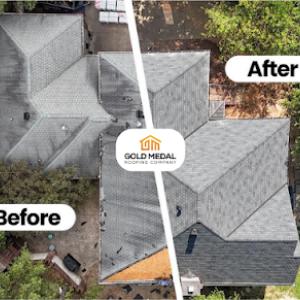
Gold Medal Roofing Company assists thousands of homeowners in getting roof repairs, or a completely new roof, through the insurance claims process. Let our team of licensed roofing contractors walk you through the process and help save you thousands of dollars! Book a FREE inspection today!
Specialized Roofing & Exteriors
(615) 506-4286 www.specializedroofingext.com
Serving
5.0 from 47 reviews
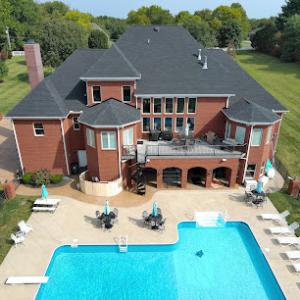
Specialized Roofing & Exteriors, is your go-to Mt Juliet roofing contractor for both residential and commercial projects. We ensure that your property is safe and looks fantastic. For businesses, our commercial roof repair and replacement services offer long-term solutions. We also provide metal roofing, a fashionable and durable alternative for both houses and businesses. Our crew handles gutter repair and replacement, which protects your home from water damage. We also offer remodels and interior restoration, altering your space to reflect your ideas. Trust Specialized Roofing & Exteriors, to provide quality workmanship and exceptional service. Contact us today to set up a consultation!
Austermiller Roofing
(615) 553-2041 www.austermillerroofing.com
Serving
4.8 from 439 reviews
At Austermiller Roofing, we treat your home or business like our own. From new roof installations and replacements to repairs and maintenance, we provide dependable roofing services that protect what matters most: your family, your property, and your peace of mind. Serving Nashville, Murfreesboro, and communities across Middle Tennessee, Austermiller Roofing has you covered with honesty, quality, and care.
Tim Leeper Roofing
(615) 553-2782 timleeperroofing.com
Serving
4.9 from 569 reviews
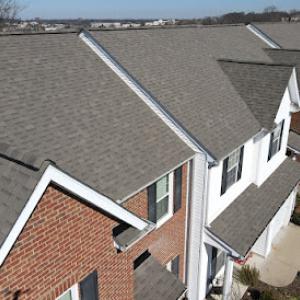
Tim Leeper Roofing is proud to serve Old Hickory, TN with reliable residential and commercial roofing services. Since 2004, we’ve built our reputation on skilled craftsmanship, dependable service, and a commitment to lasting quality. Every roofing project is approached with care, precision, and a focus on solving real problems for homeowners and business owners alike. From roof repairs to full replacements, we emphasize clear communication, attention to detail, and exceptional results. Rooted in a tradition of excellence, Tim Leeper Roofing is dedicated to protecting your property and exceeding your expectations—every step of the way. Call us now.
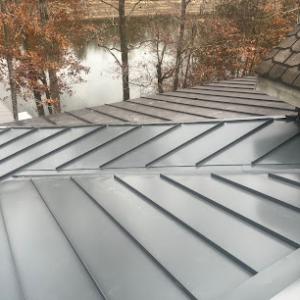
Nashville Roof Tops
Serving
5.0 from 5 reviews
Nashville RoofTops specializes in roof replacements, all roof related maintenance, roof repairs, and specialty work.
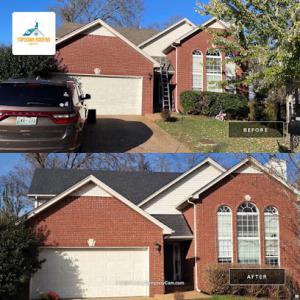
Topdown Roofing
(615) 579-0758 topdownroofing.com
Serving
4.9 from 226 reviews
We are a local independently owned roofing company thriving off our ability to work with our customers side by side from the first time we meet until our work is complete. Customer satisfaction is always important as well as the quality work we strive to provide which you can find represented in our Google reviews. We want you to feel comfortable in trusting us to handle your project during every stage of the process because home improvements are not cheap, and your time is valuable. CONTACT US TODAY to have a well-qualified licensed, bonded & insured contractor out for a free consultation.
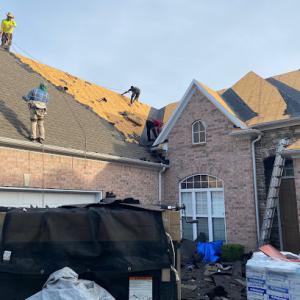
Sullivan Roofing Siding & Contracting
(615) 478-5425 www.sullivanroofingtn.com
Serving
5.0 from 24 reviews
Welcome to Sullivan Roofing Siding and Contracting Mt. Juliet! We're your neighbors and your go-to team for top-notch roofing, siding, and home improvement solutions. Our friendly crew is dedicated to making you feel at home through every step of your project, ensuring exceptional quality and a smile along the way. Whether you’re fixing a small leak or dreaming up a brand new look, we can’t wait to work with you and bring your vision to life. Let’s build something great together!
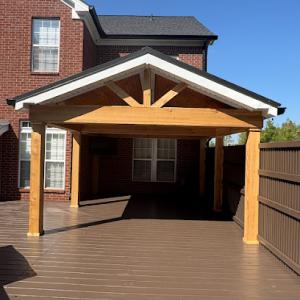
Origin Roofing & Exteriors
(615) 252-7663 www.originroofingtn.com
Serving
5.0 from 28 reviews
Origin Roofing & Exteriors is a local, family-owned roofing company proudly serving Mt. Juliet, Lebanon, Hermitage, Donelson and surrounding areas. We specialize in residential roofing, deck building, and window installation service. With hands-on leadership and a commitment to quality, we help homeowners protect and beautify their property with honest, reliable work.
Pinnacle Construction
(615) 617-5303 www.buildwithpinnacle.com
Serving
5.0 from 153 reviews
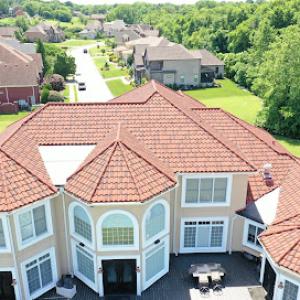
A local Veteran owned general contractor with a focus on roofing and exterior renovation. Located in Mt. Juliet, we also service Lebanon, Murfreesboro, Spring Hill, Nashville, Franklin, Old Hickory, and most of Middle Tennessee. Along with roofing, we also offer gutter installation, siding installation, and most exterior construction services.
Perimeter Roofing
(629) 400-6922 perimeterroofing.com
Serving
4.9 from 239 reviews
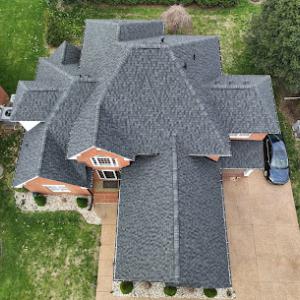
At Perimeter Roofing, we pride ourselves on being Nashville's go-to roofing company for all residential and commercial roofing needs. With a focus on quality craftsmanship, exceptional customer service, and timely project completion, we offer a full range of services, including inspections, repairs, installations, and maintenance, using only the highest quality materials and industry-leading techniques. Our team is equipped to handle everything from routine inspections to large-scale installations, making us the best roofing company for both residential and commercial clients in Nashville.
ACA Construction
Serving
5.0 from 145 reviews
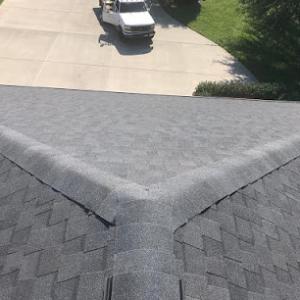
As specialists in residential and commercial roofing and gutter services, we are dedicated to providing customer service that is second to none. Whether you have a new construction project or it is time for repairs, we offer the roofing services you need
In this area, asphalt shingles and metal roofing are the go-to choices for new roofs and replacements. Asphalt shingles fit the local housing stock and budget with solid track records for wind and hail resistance when installed correctly. Metal roofs are increasingly common for longer-term durability, especially on newer homes and those with high wind exposure. Tile and wood systems exist but are far less common in the local contractor mix, and synthetic/composite shingles sit on the fringe-more often chosen for style or specific performance goals rather than mass-market replacement.
Asphalt shingles sit at the broadest end of the local budget spectrum, with typical costs around 350 to 700 USD per square. Metal roofing commands a higher price, generally from 700 to 1,200 USD per square, reflecting both material durability and installation intricacies. If clay tile is desired, plan for 1,100 to 1,900 USD per square, though this option is less common in Mount Juliet due to weight, underlayment needs, and contractor availability. Concrete tile follows a similar pattern, commonly landing in the 900 to 1,700 USD per square range. Wood shingles or shakes carry a wide spread, roughly 700 to 1,300 USD per square, driven by sourcing and the more delicate nature of wood under heavy weather. Synthetic or composite shingles sit between asphalt and higher-end options, about 750 to 1,350 USD per square, offering a balance of weight and aesthetics.
Hail and wind events from the Nashville metro orbit can push demand upward after major storm seasons, affecting both scheduling and pricing in Mount Juliet. When storms drive replacements, you may see tighter scheduling windows and higher material or crew costs, especially for quick-turn projects or when crews are in heavy demand.
Spring and fall are the preferred replacement windows here due to the region's hot, humid summers and winter freeze-thaw cycles. These seasonal patterns can influence installation pace, material handling, and warranty coverage considerations. If a storm recovery is underway, expect coordination to favor these shoulder seasons to minimize weather-related delays and to align with calmer installation conditions. Planning ahead within these seasons helps stabilize both timing and cost, especially for asphalt and metal systems which dominate the local market.
Full roof replacements in Mount Juliet generally require a building permit through the Wilson County/Mount Juliet building department. The process is designed to align with local zoning, structural considerations, and the seasonal storm activity that shapes homes in this area. If a project involves more than cosmetic repairs or a significant change to roof layout, expect that permit flow from initial plans to final sign-off.
Applicants typically submit project scope, contractor licensing information, and material specifications as part of the permit package. In practice, that means a clear description of the replacement scope, the chosen roofing system, underlayment, fasteners, and any venting or flashing upgrades. Include current contractor license numbers and proof of insurance, plus product data sheets for the chosen shingles or panels. Having this information ready speeds review and reduces back-and-forth with the department.
Inspections are scheduled through the department and usually include a final inspection after completion, with intermediate checks only rarely required depending on scope. In a typical replacement, you can expect at least one inspection stage to verify framing integrity, ventilation adequacy, and roof deck condition prior to covering. If the project sticks to standard materials and a straightforward layout, intermediate checks may be omitted, but a scheduled mid-project review is possible if any unusual framing or structural concerns surface.
The final inspection confirms that the roof installation complies with applicable codes, permit conditions, and safe installation practices. Ensure that all required weatherproofing, flashing details, and attachment methods meet local expectations, especially in areas prone to hail or high winds. Upon successful final, keep the approval notice handy for any future inspections or insurance documentation, and ensure any contractor-recorded work notes are stored with other home records.
Mount Juliet's hot, humid summers and regular rainfall create a distinct pattern for shingle aging and roof drying cycles. In this environment, sun exposure speeds aging of asphalt shingles and can cause faster granule loss if the attic isn't well ventilated. Humidity can promote algae or mold growth on certain roof surfaces if there's poor drainage or condensation. The climate makes a well-ventilated attic and an effective underlayment choice especially important, so that moisture doesn't linger and compromise decking or sheathing over time. When evaluating roof systems, expect the longest life from materials that handle both heat and moisture without warping or expanding inconsistently.
The city's dominant materials include asphalt shingles, metal roofing, clay tile, concrete tile, wood shingles or shakes, and synthetic or composite shingles. Asphalt shingles remain common due to familiarity and ease of repair, but heat and humidity can shorten their drying cycles if attic ventilation is subpar. Metal roofing handles heat well and sheds water aggressively, which helps during heavy spring and summer rain but may require careful edge detailing to prevent thermal expansion issues. Clay and concrete tiles provide excellent water resistance and inherent cooling benefits from their mass, though installation requires precise underlayment and spacing to cope with temperature swings. Wood shakes offer a distinct aesthetic but absorb humidity and can warp if not properly dried and maintained. Synthetic or composite shingles aim to balance weight, moisture resistance, and color stability, and they can perform consistently in hot, humid summers when installed with a vented, breathable roof assembly. In this climate, the best choice aligns material properties with robust attic ventilation, high-quality underlayment, and surface finishes that resist mold and fading from sun exposure.
Summer heat in Mount Juliet complicates installation and material handling for heat-sensitive products. When scheduling work, expect longer on-site drying times for certain underlayments and sealants, and plan for heat-grade storage to avoid warping or softened shingles. For metallic options, ensure panels are acclimated to outside temperatures before cutting, and use proper fasteners to accommodate expansion. For tile systems, emphasize a solid, well-ventilated deck and appropriate underlayment to preserve insulation value under heavy sun. For wood and composites, consider UV-stable finishes and moisture-aware storage to keep edges from swelling.
Humidity and rainfall patterns mean periodic inspections after high-storm seasons are essential. Look for signs of moisture intrusion, algae growth, and fastener loosening, particularly around hips, vents, and chimneys. Surface texture and color can indicate heat exposure levels; if granules appear rapidly or edges show wear, a timely assessment can prevent accelerated aging. In all cases, ensure that flashing and penetrations are sealed and that the roofing system has a continuous breathable layer to sustain long-term performance in this climate.
Spring and fall are the preferred roof replacement windows. Moderate temperatures help shingles seal properly and keep underlayment from stiffening. If a storm season leaves widespread damage, target those shoulder seasons for better installation conditions and fewer heat-related delays.
Mid-Mennessee storms often come with hail and strong winds that can compromise structure and flashing. If shingles show cupping, cracking, or granule loss after a major event, or if leaks appear after strong winds, replacement becomes a more reliable long-term fix than patching. A roof that has endured repeated blowouts from wind deserves a professional assessment to determine whether recovery or total replacement is the safer bet.
Summer heat can slow crews and complicate material handling on Mount Juliet roofs during peak installation season. Heat-sensitive components may warp or become difficult to manage on steep pitches. If you can, align replacement work with early-morning or late-afternoon sessions to dodge the hottest parts of the day and keep materials from expanding too aggressively.
Winter freeze-thaw cycles can affect underlayment and shingles and may slow project progress. Cold weather can reduce sealant effectiveness and complicate attic ventilation during installation. If your roof shows ice damming, interior staining, or frost-related shingle lifting, anticipate a longer timeline and plan for proper insulation and ventilation checks as part of the project.
Insurance-driven replacements often follow a storm claim timeline. If a claim is approved, coordinate with your contractor to align the replacement with favorable weather windows and the required inspection milestones, minimizing delays and ensuring a solid, long-lasting installation.
Skylight installations and repairs show up enough in the local contractor market to be a meaningful specialty rather than a rare add-on. In a town where wet springs and summer storms drum on the roof, skylights become weak points if not properly flashed and sealed. Expect longer lead times for high-quality flashing and properly insulated seals, and plan for careful coordination with any roof replacement so the skylight frame and curb are integrated rather than treated as an afterthought.
Flat and low-slope roofing is an active local specialty even though the area is mostly pitched homes. These sections shed water less aggressively and are more vulnerable to pooling after heavy rain. A common mistake is assuming standard shingles protect these transitions; in reality, you need robust membrane details, stepped flashings, and careful edge termination. If your home has a low-slope area, pay extra attention to how it ties into the vertical walls and the surrounding flashing.
Regular rainfall makes flashing details around penetrations crucial. Valleys, vents, and chimneys require continuous inspection for hairline cracks or loose fasteners. In Mount Juliet, the rain pattern emphasizes the importance of drip edges and proper water-shedding transitions where the roof meets walls. Leaks often start as tiny gaps at these points and worsen with age or repeated storm impact, so inspect after storms and before the next season.
Look for staining on ceilings near interior corners, musty smells in attic spaces after rain, and damp insulation around skylights or vents. If a low-slope section shows dampness or damp ridges, treat it as a warning sign rather than a minor annoyance. Addressing these issues promptly reduces the chance of more extensive leaks and interior damage down the line.
Find contractors experienced in skylight installation, flashing, and leak repairs to bring natural light into your home.
Specialized Roofing & Exteriors
(615) 506-4286 www.specializedroofingext.com
Serving
5.0 from 47 reviews
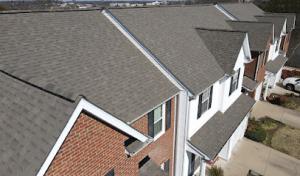
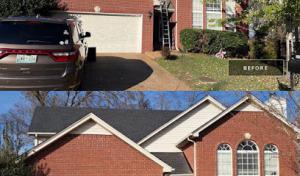
In this market, re-roofing is the dominant signal, so look for firms that specialize in full replacements and have a steady stream of residential projects. Local, long-standing family-owned companies are common and often provide the steadiness and accountability you want when hail and wind hit hard. Focus on crews with photos of Mount Juliet houses similar to yours and a track record of timely turnarounds rather than flashy, one-off projects.
Quick response and cleanup are unusually prominent hiring priorities here. Ask how fast a contractor can start after a storm and what the typical cleanup plan looks like every day. Clear, visible protection for landscaping, driveways, and gutters matters, as does a plan to minimize disruption to neighbors. Request a written process for tarp-up, debris containment, and dust control during tear-off and installation.
Choose a contractor who can demonstrate strong local references and a consistent portfolio of residential roofs similar to yours. Confirm they use reputable materials suitable for the Middle Tennessee climate and weather events, and that they hold current general liability and workers' compensation insurance. Check that subs, if any, are properly insured and that the contract includes a warranty on both labor and materials.
Storm seasons push many Mount Juliet homeowners toward a rapid replacement decision. Ask for a clear, written project timeline with major milestones, daily cleanup expectations, and a plan for protecting finishes and surrounding structures. A reputable contractor will help you anticipate the inspection steps following a replacement and coordinate scheduling so your home remains secure throughout the process.
Residential work dominates the local signal mix, and locally owned firms are a visible strength. Compare multiple local recommendations, verify licensing as applicable, and choose a contractor who demonstrates steady neighborhood presence, transparent communication, and a dependable cleanup plan that minimizes the impact on your daily life.