Last updated: Apr 19, 2026
Spring storm season in this area hits hard, and roofs bear the brunt of hail and high winds. If you've just weathered a hail event or a gusty afternoon, start with a rapid, ground-level inspection for obvious damage: dented gutters, cracked or missing shingles, granule buildup in your downspouts, and protruding fasteners. In the days immediately after a storm, the goal is to identify anything that could threaten interior damage or lead to leaks, not to chase every tiny blemish. If you spot buckling, gaps, or shingles that have peeled back, treat it as urgent and plan for professional evaluation without delay.
In this market, emergency tarping is a common first step to prevent further water intrusion. If you see active drips or ceiling staining, arrange tarping as soon as possible and keep the area dry until a roofer can inspect. Contractors emphasize the value of thorough documentation: high-resolution, date-stamped photos from multiple angles, close-ups of damaged sections, and a timeline of when you first noticed changes. For wider loss patterns, including full-slope or full-roof considerations, be ready to provide a complete set of views that can help an insurer gauge the scope of the claim quickly.
Post-storm claims dominate home care in this area, so carriers frequently request comprehensive evidence to support the loss. Expect requests for a full roof assessment, a detailed damage map, and notes on any interior exposure. If the damage is concentrated to a single plane or section, that still needs clear documentation. Property owners often find it helpful to have a contractor's preliminary assessment on hand, including which areas show the most impact, which could require temporary protection, and which sections are likely candidates for replacement versus repair. The insurer's adjuster will value interval notes that tie directly to your photo log and to the storm's timing.
Because claim activity is common in this part of Tennessee, post-storm work frequently moves from emergency tarping to triage and, when warranted, full replacement evaluations. A sharp eye on the calendar matters: a rapid-onset moisture issue in the first weeks after a storm can escalate into widespread damage if not addressed. If the damage spans a large roof area or affects critical substrates, homeowners should anticipate an evaluation that may shift from temporary fixes to a full-roof replacement conversation. Insurers often lean on clear loss documentation to justify a broader replacement rather than piecemeal repairs.
Choose a nearby, responsive contractor who understands the typical wind and hail patterns in this neighborhood and the Metro Nashville-Davidson County system's expectations. Strong local partners will help you assemble the photo dossier, confirm the storm date, and map out a stepwise plan: secure tarping, schedule a thorough roof evaluation, submit the claim package with precise damage delineations, and steer the project from acceptance through to completion. In practice, the best teams treat the initial storm response as an urgent, documented process, not a delayed, reactive one, to minimize risk and streamline the path to restoration.
ACA Construction
6003 Baltic Dr, Hermitage, Tennessee
5.0 from 145 reviews
As specialists in residential and commercial roofing and gutter services, we are dedicated to providing customer service that is second to none. Whether you have a new construction project or it is time for repairs, we offer the roofing services you need
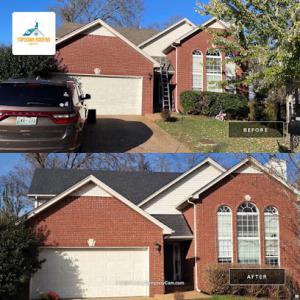
Topdown Roofing
(615) 579-0758 topdownroofing.com
1319 Central Ct, Hermitage, Tennessee
4.9 from 226 reviews
We are a local independently owned roofing company thriving off our ability to work with our customers side by side from the first time we meet until our work is complete. Customer satisfaction is always important as well as the quality work we strive to provide which you can find represented in our Google reviews. We want you to feel comfortable in trusting us to handle your project during every stage of the process because home improvements are not cheap, and your time is valuable. CONTACT US TODAY to have a well-qualified licensed, bonded & insured contractor out for a free consultation.
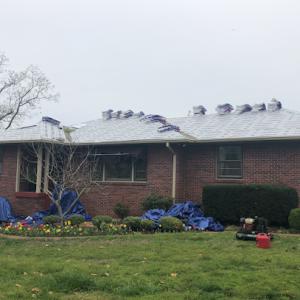
Davet Roofing
(615) 889-2224 www.davetroofing.com
3331 Lebanon Pike, Hermitage, Tennessee
4.8 from 17 reviews
Davet Roofing, Inc. has been in business serving Middle Tennessee since 1994 with both residential and commercial roofing services. We do shingled roofs, metal roofs, EPDM roofs and more. We also do other exterior work such as gutters, siding, replacement windows, decks and patio areas, etc... We would love to give you a free estimate and the chance to earn your business on your next project.

American Roofing Company
(615) 486-2028 www.roofyou.com
Serving
4.6 from 74 reviews
Residential and commercial roofer specializing in insurance restoration. We install asphalt shingles and TPO roofing. We not only do new installations but if you have an old roof we can inspect it for storm damage, it may qualify for replacement through your insurance company. Financing available. Wind and Hail Claims Welcome.
Glick Roofing Systems
(615) 265-0598 www.glickroofingsystems.com
Serving
5.0 from 64 reviews
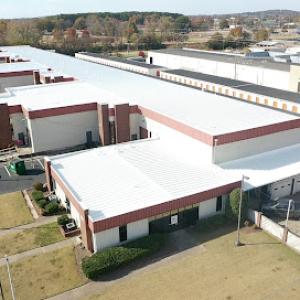
Glick Roofing Systems provides commercial and industrial roofing services, specializing in roof restoration, leak repair, and preventative maintenance. We work on flat roofs, metal roofs, TPO, EPDM, and other low-slope systems. With offices in Nashville, TN and Dallas, TX, we serve clients across Tennessee, Texas, Kentucky, Georgia, Alabama, Mississippi, North Carolina, South Carolina, and Arkansas. Our team focuses on restoring aging roofs to extend their lifespan, prevent water damage, and avoid costly replacements. We’re committed to showing up on time, communicating clearly, and delivering quotes within 24 hours. From minor leaks to full replacements, we bring reliability, responsiveness, and real solutions.
Modern Roofing
(629) 263-1222 modernroofingusa.com
Serving
4.9 from 97 reviews
Modern Roofing offers top-quality residential roofing services, specializing in insurance claims across Nashville and the surrounding areas. With over 10 years of experience and the use of best-in-class materials, we ensure a superior service experience and outstanding value, prioritizing safety and satisfaction from start to finish.
Liberty Bell Construction
Serving
4.9 from 92 reviews
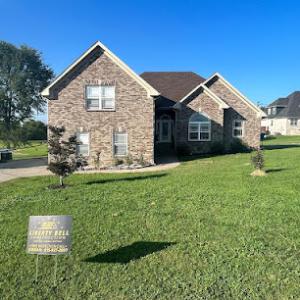
Do you need expert roof repair, replacement, or a thorough review after a recent storm in Cottontown, TN? Look no further! At Liberty Bell Construction, we specialize in providing top-notch roofing services backed by insurance claim experts on staff. Our team ensures a seamless and stress-free experience from start to finish. With a stellar 5-star rating on Google, you can trust us to deliver quality and reliability. Don’t wait—contact us now to schedule your free consultation and experience the Liberty Bell Construction difference today!
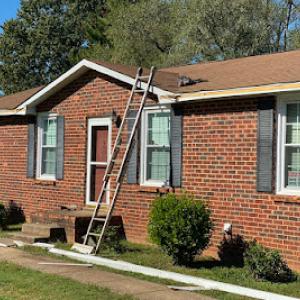
Southern Style Roof & Home Exterior
(615) 307-4505 www.southernstyleroofexterior.com
Serving
4.9 from 57 reviews
Southern Style Roof & Home Exterior provides commercial and residential roofing services, emergency storm damage repairs, siding, gutters, windows, and doors services to the Murfreesboro, TN area.
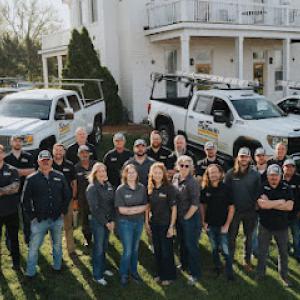
MidSouth Construction
(615) 712-8893 www.roofingbymidsouth.com
Serving
4.9 from 1015 reviews
At MidSouth Construction, we’ve been providing professional roofing services in Nashville since 2010. We’re experienced residential and commercial roofing contractors and damage-restoration experts who understand the unique climate challenges of Middle Tennessee. From roof repairs to complete installs, our certified roofing contractors in Nashville deliver dependable results. We’re honored to be a GAF Master Elite® residential roofing company and President’s Club Award winner. Nashville residents rely on our trusted roofers for quality and peace of mind.
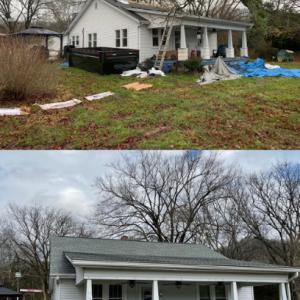
UrCovered Roofing
(615) 210-1278 urcoveredconstruction.com
Serving
4.9 from 42 reviews
UrCovered Roofing is a fully licensed and insured trusted roofing contractor and siding contractor, providing roof replacements and insurance claims in Franklin, TN, Brentwood, TN, Spring Hill, TN, Mt. Juliet, TN, Murfreesboro, TN, Nashville, TN, Nolensville, TN, Antioch, TN. Hendersonville, TN, and Lebanon, TN. Madison, TN. We also do gutter installation and will assist you with insurance claims for roof repair or replacement when needed. We have an excellent team that is up to any residential challenge. Our goal is to provide the Middle Tennessee area with a superior product and the best customer service in the field. Call us today to discuss your roofing or siding needs.
Bluebird Roofing
(615) 758-9101 www.facebook.com
Serving
4.9 from 353 reviews
When your home needs repairs, you shouldn't settle for second-best. Instead, reach out to the contractors who understand the importance of your home. At Bluebird Roofing, we provide roof repairs, installations, and replacements. We transform your leaky, old roof into a durable, long-lasting shield that protects you against the elements. Our roofing company always responds to your query within 24 hours, and we even help out with your insurance claims. That's why we're known across the Mt. Juliet area for dependability and excellent customer service. Contact us for roofing in Mt. Juliet, TN, today!
Tim Leeper Roofing
(615) 553-2782 timleeperroofing.com
Serving
4.9 from 569 reviews
Tim Leeper Roofing is proud to serve Old Hickory, TN with reliable residential and commercial roofing services. Since 2004, we’ve built our reputation on skilled craftsmanship, dependable service, and a commitment to lasting quality. Every roofing project is approached with care, precision, and a focus on solving real problems for homeowners and business owners alike. From roof repairs to full replacements, we emphasize clear communication, attention to detail, and exceptional results. Rooted in a tradition of excellence, Tim Leeper Roofing is dedicated to protecting your property and exceeding your expectations—every step of the way. Call us now.
Asphalt shingles are the dominant practical choice in this area. The local climate brings repeated Middle Tennessee heat, humidity, hail exposure, and wind-driven rain, so impact resistance, sealing performance, and attic ventilation matter more here than in many other markets. When choosing asphalt, look for a higher asphalt shingle class with good granule adhesion and a sturdy multi-tab or architectural profile. A well-sealed ridge and properly vented attic help prevent moisture buildup during humid summers. In practice, select shingles with built-in UV inhibitors and wind-resistance ratings that align with severe-weather seasons. A solid underlayment and a wind-rated starter course make a noticeable difference on windy springs and summer storms. If a roof appears weary after heavy hail, rapid inspection for lifted granules and hidden damage is essential before any claim decisions or repairs.
Metal roofing has a meaningful local specialty presence and is often considered by homeowners seeking better performance during heavy rain, wind events, and long hot summers. Metal panels or shingles can offer superior hail resistance and faster shedding of rain, which mitigates roof wear during intense downpours. For Hermitage conditions, prioritize metal systems with a closed-cut, concealed-fastener design and a robust sealant strategy around edges, valleys, and penetrations. Metal often pairs well with attic ventilation upgrades, such as ridge vents or vented soffits, since metal can tolerate higher attic temperatures when ventilation is lacking. If choosing metal, verify compatibility with existing roof geometry and ensure the installation crew accounts for flashing transitions around chimneys, skylights, and vents to maintain a watertight seal through storm season.
Tile, wood shake, and synthetic options exist in this market but are less common, so installers and neighborhoods influence feasibility. Clay and concrete tile provide strong wind and impact resistance when properly installed, but they require a solid substrate and careful detailing at penetrations and around eaves. In hotter months, tile roofs can stay cooler due to higher thermal mass, yet they demand careful attic ventilation and an accurately sized structure to bear the weight. If selecting tile or a wood-shake alternative, confirm that the existing roof framing can handle the load and that local installers understand the specific fastener patterns and sealants that perform well in humid conditions with periodic hail exposure. Neighborhood style preferences also play a role, so check alignment with nearby roofs and the visual impact on the street.
Wood shingles and shakes can deliver a natural look that some homes still pursue, but installation availability near busy storm seasons and weather sensitivity is a factor. They tend to require proactive maintenance to prevent accelerated wear from humidity and mold, and they are more sensitive to hail compared to metal or asphalt. Synthetic shingles and composites offer a more durable alternative that mimics wood while often delivering better hail resistance and dimensional stability. If exploring these options, verify that the contractor has recent experience with system compatibility, underlayment requirements, and neighborhood aesthetic standards so the roof remains both performative and visually appropriate in storm-prone periods.
Spring in this area brings the highest hail-risk period, so damage from a storm is often noticed soon after outages and a loud impact event. Homeowners commonly find elevated roof concerns as the first storms roll through, and contractor schedules can tighten quickly after regional storm outbreaks. If you suspect damage, document hail impacts on shingles, flashing, and vent stacks while the weather is calm. Start calling reputable local roofers within a few days of a clear dry spell to secure a spot, and be prepared for a faster decision cycle as crews book out. Have a trusted photo log ready and plan for temporary repairs only to protect interior spaces, not as a long-term fix.
Summer heat and humidity in the Nashville area can affect crew pace, shingle handling, and attic temperatures. Ventilation checks and early-day scheduling are more important during installation to keep crews efficient and to minimize heat-related delays. If attic temperatures spike, you'll want to review venting adequacy before any tear-off starts, since poor ventilation can slow progress and complicate ridge line work. Schedule work for cooler hours when possible, and make sure the roof deck and underlayment can handle repeated warmth cycles without warping. Plan for short, focused sessions if humidity climbs and rain chances rise, so the crew can protect exposed materials during sudden downpours.
Autumn wind and rain can interfere with flashing and drainage work as leaves and debris complicate the clean-up. In this window, flashing checks and drip-edge alignment benefit from dry, calm days, so you avoid backtracking after gusts. Have gutters ready for quick reattachment and confirm downspouts direct water away from foundations. If a storm rolls through, expect a few days of halted work to reassess sealants and flashing finishes. A steady autumn pace helps prevent moisture intrusion as the roof transitions from hot to cooler conditions, and crews may need to adjust for variable wind directions while securing ridge caps and penetrations.
Winter freezes in Middle Tennessee can slow material handling and extend project timelines, even though winters are generally moderate. Cold mornings reduce shingle pliability and can delay adhesive curing, so plan for extra attention to sealants and fasteners during the first few hours of each day. Shorter work windows due to cold and occasional ice mean crews may schedule more frequent breaks or move more deliberately on the roof. If a winter window opens between storms, use it to complete critical safety details and drainage checks so the system remains sound through spring melt.
Get a clear picture of your project costs upfront - no commitment required.
Topdown Roofing
(615) 579-0758 topdownroofing.com
1319 Central Ct, Hermitage, Tennessee
4.9 from 226 reviews
Davet Roofing
(615) 889-2224 www.davetroofing.com
3331 Lebanon Pike, Hermitage, Tennessee
4.8 from 17 reviews
The roofing permit and inspection process for this area are handled through the Metro building department, since the city sits within the Metropolitan Government of Nashville and Davidson County. A full roof replacement will typically require a building permit, and the approval pathway runs through Metro's system rather than a separate Hermitage office. When neighbors are planning a reroof after a hail event or during the spring wind season, check in early with the Metro permit office to confirm the current application requirements and any weather-related hold rules that may affect scheduling.
Inspections follow a logical sequence designed to verify the roof is installed correctly and durable for Middle Tennessee conditions. Expect a rough inspection to occur after the underlayment, ventilation, flashing, and drainage components are in place but before the final roofing material is installed. The final inspection confirms that the completed roof matches permit specifications, that overflows and scuppers drain properly, and that attic ventilation meets code. In practice, that means the contractor should have the correct underlayment type and installation pattern, proper venting for soffit-to-ridge systems, and flashing around penetrations and walls secured and sealed. Local crews often experience seasonal spikes in inspection demand, so coordinating timing around storm seasons helps avoid delays.
Part of the Metro process includes verifying contractor qualifications and insurance on file. A licensed contractor will typically supply their license number and current insurance certificate as part of the permit package. Be prepared for the contractor to present licensing, insurance documentation, and proof of adherence to Metro's construction standards at the time of permit submission or during inspections. Scheduling is usually coordinated by the roofing company, but it helps to confirm who will be present for each inspection and to maintain a clear line of communication with Metro's building department in case any corrective work is requested.
Because weather swings in fall and spring can influence inspection timing, align your reroof timeline with weather windows that minimize heavy rain and hail risk. Request a detailed inspection readiness checklist from your contractor that matches Metro's checkpoints, and verify that ventilation, flashing, and drainage components meet the required standards before the rough inspection. Keeping all permit-related documents organized and accessible will smooth the process if a mid-project check or an additional inspection becomes necessary.
Hermitage homeowners are operating in a high-claim Middle Tennessee insurance environment shaped by frequent hail and wind losses, which can lead to stricter underwriting review and more detailed claim scrutiny. When a storm hits, your carrier may tighten questions about causation, timing, and the scope of damage. That means your claim may be reviewed more closely than in calmer years, and the emphasis can shift toward documenting every step of the damage and the proposed repair.
Insurers in this region may ask for comprehensive pre-replacement documentation, including photos of shingles, flashing, interior leak evidence, and storm-related dates to support causation. Take clear, dated images from multiple angles-roof, gutters, and any interior staining or ceiling leaks tied to the same event. Keep a written log of when each storm arrived, when damage appeared, and when you first noticed leaks inside. If a contractor or adjuster visits, note the names, dates, and what was inspected. This level of detail is not merely helpful; it often becomes the backbone of your claim file when questions arise about what caused the damage and when it happened.
Settlement timing can be influenced by adjuster volume after regional storms and by Tennessee claim-handling requirements, so homeowners in Hermitage often need organized records before work begins. Prepare a simple binder or digital folder with your storm dates, photographs, receipts, and any correspondence with your insurer. If you're dealing with multiple storms in a season, arrange the files chronologically and keep updates current. A well-timed, precise file reduces back-and-forth and helps ensure a smoother path from claim submission to completion, even when the weather keeps bringing new spin to the tempo of claims in this part of Middle Tennessee.
Connect with contractors who help homeowners navigate the claims process from damage assessment to final approval.
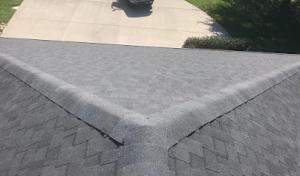
Topdown Roofing
(615) 579-0758 topdownroofing.com
1319 Central Ct, Hermitage, Tennessee
4.9 from 226 reviews
Davet Roofing
(615) 889-2224 www.davetroofing.com
3331 Lebanon Pike, Hermitage, Tennessee
4.8 from 17 reviews
Storm-driven demand from the broader Nashville metro can tighten labor availability and push reroof scheduling further out after hail events. In practice, that means you may see slightly higher bids right after a major storm, and a window of time where crews are more booked than usual. Planning ahead during the calmer months can help you avoid the sharpest price spikes and get onto a crew's schedule before the next round of severe weather.
Common suburban home forms in this area typically feature standard sloped roofing, but the final price still hinges on several specifics. If the tear-off reveals distressed decking, soft spots, or damage to ventilation, flashing, or attic space, expect additional cost to address those items. Ventilation corrections and flashing replacements add labor and material costs, and a higher slope or complex geometry increases all-in costs. The timing of the replacement in relation to the storm season can also influence pricing and availability, so align your project with a practical weather window to avoid unnecessary weather-related adjustments.
Material choice ranges locally from asphalt shingles at 350 to 650 USD per square, metal at 600 to 1200, clay tile at 1000 to 2000, concrete tile at 900 to 1800, wood shingles or shakes at 550 to 1100, and synthetic or composite shingles at 450 to 900. For a given house, the final figure reflects roof size, complexity, and the condition found during tear-off. When budgeting, treat these ranges as a starting point and prepare for incremental costs tied to ventilation, flashing, and decking repairs discovered during removal.
Don't let upfront costs delay a critical repair - these contractors offer payment plans to fit your budget.
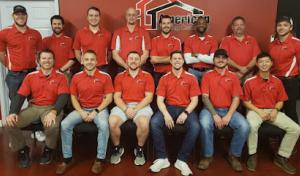
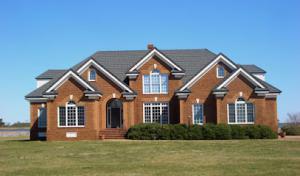
In Hermitage, repeated storm exposure makes ridge lines, shingle tabs, flashing transitions, and drainage details common inspection points after wind and hail events. The strongest damage often conceals itself: lifted tabs, hairline cracks at ridge caps, and loose or incorrectly seated flashing. When these issues aren't addressed promptly, wind-driven rain can infiltrate under layers, accelerating rot or staining attic spaces. Expect to find minor misalignments that worsen with each storm season, turning into larger repairs if left unchecked.
The roof's most vulnerable seams are where valleys meet hips, where roof planes intersect, and along eaves that experience flush, soaking rains. Metal step flashing can corrode or lose its seal, while skylight and vent flashing may pull away from the deck if sealants fail under humidity. Clogged or sagging gutters and downspouts compound problems, creating ice dam risks in colder snaps and encouraging edge leaks during heavy summer thunderstorms. These points are where a reroof or major repair often reveals hidden deficiencies, especially after aggressive weather cycles.
Humidity and summer heat in the Nashville area can magnify attic moisture and heat buildup problems, so ventilation-related wear is a recurring concern alongside direct storm damage. When attic ventilation is insufficient, shingles wear unevenly and underlayment can delaminate from trapped humidity. Poor soffit-to-ridge ventilation creates hotspots that accelerate aging of decking and underlayment, making preventive checks in spring and after storms crucial. In practical terms, check for moldy odors, damp insulation, and noticeable temperature differences between upper and lower attic spaces as red flags.
After a heavy wind or hail event, a focused inspection should prioritize ridge lines, flashing transitions, and drainage paths. Expect to see fasteners that have backed out, sealants that have failed, and minor decking damage beneath lifted sections. Addressing these areas promptly protects the roof's remaining life and reduces the risk of secondary interior leaks. Regular maintenance should incorporate a careful review of these failure points, especially during the peak storm season.
Find contractors experienced in skylight installation, flashing, and leak repairs to bring natural light into your home.
Topdown Roofing
(615) 579-0758 topdownroofing.com
1319 Central Ct, Hermitage, Tennessee
4.9 from 226 reviews