
Last updated: Apr 19, 2026
In Antioch, spring hailstorms and heavy rainfall are a primary roofing trigger, making storm-related damage assessment more urgent than routine age-based replacement alone. A typical Tuesday afternoon downpour can mask dozens of tiny impacts that weaken shingles and flashings, and high winds can lift edges or loosen components you can't see from the ground. The fastest way to protect your home is to walk the roof with care after a storm, looking for curled shingles, granule loss in gutters, dented metal edges, peeled sealant, and any sign of water marks on ceilings inside. If you notice damp spots, ceiling stains, or attic condensation soon after a storm, do not delay a professional inspection. Water leaks advance quickly and can compromise insulation, sheathing, and interior finishes even when the visible damage seems minor.
Tennessee insurers commonly scrutinize wind and hail claims closely, and Antioch-area homeowners should expect requests for dated photos, pre-existing condition documentation, and detailed contractor scopes. Gather evidence as soon as it's safe to do so: take clear, dated photos of damaged shingles, gutters, vents, and penetrations; capture the surrounding yard and street to show storm context; and note the date and time of the storm event. Inside, photograph affected ceilings, walls, and insulation, especially if you see staining or moisture trails. Create a simple damage log with dates, locations, and photos, focusing on what visibly appeared after the storm versus pre-storm condition. When talking to contractors, insist on a thorough, itemized scope that includes shingle replacement, flashing repairs, vent and chimney seals, attic ventilation checks, and any needed plywood or underlayment work. A precise scope helps prevent back-and-forth and strengthens your position when insurers request validation of the repair plan.
The local contractor market strongly skews toward storm damage, insurance claims, and emergency repair work, showing that homeowners here frequently seek help immediately after severe weather rather than only for planned replacements. This creates a high-activity environment where crews can arrive quickly, sometimes before all storm debris is cleared, to tarp holes and shore up vulnerable areas. While speed matters, prioritize licensed, insured contractors who provide written emergency repairs and a transparent job plan. Ask for references from other Antioch homeowners who faced similar hail events, especially those who navigated insurance decisions. Clear communication about timelines, workmanship guarantees, and material choices helps avoid rushed decisions that could expose the home to additional weather exposure or later claims complications. If a contractor suggests tarp-only or temporary fixes, require a staged plan with a concrete date for permanent repair and a detailed warranty on workmanship.
After a storm, insurers often request a same-day or next-day inspection, so prepare for rapid scheduling. Share your damage log, dated photos, and the contractor's detailed scope promptly. If an adjuster questions pre-existing conditions, present your documented timelines and any prior professional assessments showing the home's baseline condition before the event. Don't hesitate to request a second opinion if a claim assessment misses key areas (like attic ventilation, vent boot integrity, or roof-to-wall flashing). Maintain copies of every correspondence, including emails, claim numbers, and notes from phone calls. In the most urgent cases, prioritize expert input to prevent additional interior damage, while keeping your claim organized to avoid delays in approvals and reimbursements.

Roof Solutions
(615) 283-3348 roofsolutionstn.com
6157 Pettus Rd, Antioch, Tennessee
5.0 from 24 reviews
Roof Solutions is a commercial and residential roofing contractor that specializes in leak detection and solutions. We also practice preventative maintenance to maximize our customer’s investments. When it comes time for roof restoration or replacement, we do this with the same customer focus that we put into the rest of our work. We are a company founded on trust between the company and the customers, the customers and the employees, and the employees and the company. This circle of trust is a foundational cornerstone in all our business relationships, and it is something we always work to build and improve upon daily.

Nashville Roofing Service
(615) 600-4698 mynashvilleroofer.com
10 Mimosa Ct, Antioch, Tennessee
4.8 from 9 reviews
Nashville Roofing Service provides quality roofing and exceptional service to our customers in the Nashville Tennessee Metropolitan area. We work all types of projects including residential, commercial, or industrial, and our types of service include new roofs, roof replacement, roof repair, gutter installation, skylight installation, tile roofs service, and much more. We have experience providing to contractors, professional home builders, and do-it-yourself home owners or anyone who needs top quality, reliable Nashville roofers! Feel free to give us a call at (615) 600-4698
Roofworx
(615) 934-5732 www.fixmyroof-tn.com
Serving
5.0 from 21 reviews
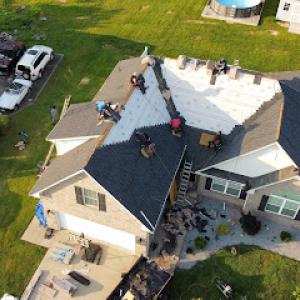
Roofworx | Licensed, Bonded, and Insured – Your Trusted Nashville Roofing Experts Top-Rated Roofing & Storm Restoration Services in Nashville, TN Free Estimates | Insurance Claim Specialists | Financing Available

Strong Quality Roofing
(615) 491-6442 strongqualityroofingllc.com
Serving
4.8 from 46 reviews
At Strong Quality Roofing, we pride ourselves on delivering top-notch roofing, siding, and gutter services. With a dedication to excellence and customer satisfaction, we ensure every project exceeds expectations.
Southern Style Roof & Home Exterior
(615) 307-4505 www.southernstyleroofexterior.com
Serving
4.9 from 57 reviews
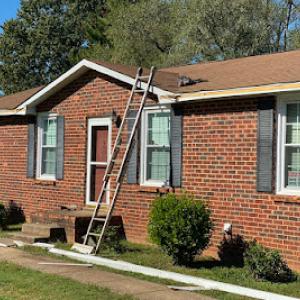
Southern Style Roof & Home Exterior provides commercial and residential roofing services, emergency storm damage repairs, siding, gutters, windows, and doors services to the Murfreesboro, TN area.
UrCovered Roofing
(615) 210-1278 urcoveredconstruction.com
Serving
4.9 from 42 reviews
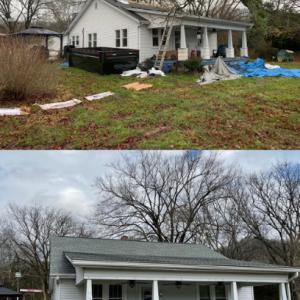
UrCovered Roofing is a fully licensed and insured trusted roofing contractor and siding contractor, providing roof replacements and insurance claims in Franklin, TN, Brentwood, TN, Spring Hill, TN, Mt. Juliet, TN, Murfreesboro, TN, Nashville, TN, Nolensville, TN, Antioch, TN. Hendersonville, TN, and Lebanon, TN. Madison, TN. We also do gutter installation and will assist you with insurance claims for roof repair or replacement when needed. We have an excellent team that is up to any residential challenge. Our goal is to provide the Middle Tennessee area with a superior product and the best customer service in the field. Call us today to discuss your roofing or siding needs.
Modern Roofing
(629) 263-1222 modernroofingusa.com
Serving
4.9 from 97 reviews
Modern Roofing offers top-quality residential roofing services, specializing in insurance claims across Nashville and the surrounding areas. With over 10 years of experience and the use of best-in-class materials, we ensure a superior service experience and outstanding value, prioritizing safety and satisfaction from start to finish.
Quality Roofing TCS
Serving
5.0 from 6 reviews
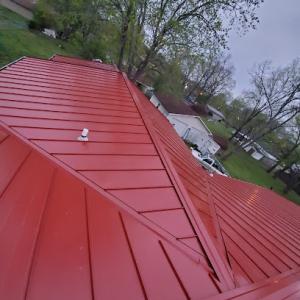
Quality Roofing TCS is a roofing contractor / roofer serving the Brentwood, TN area. Services include Roofing, Commercial Roofing, Roof Replacement, Roof Repair, Roof Installation, Shingle Roofs, Tile Roofs and Roofing Prices. Serving towns of Brentwood, Franklin, Gallatin, Goodlettsville, Hendersonville, Lebanon, Mt Juliet, Murfreesboro and Old Hickory.
Traditions Roofing & Restoration
Serving
5.0 from 89 reviews
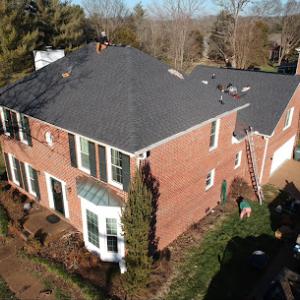
Locally owned and operated general contractor servicing middle Tennessee. We specialize in roof repair, roof replacement, gutters, siding, and exterior painting.

MidSouth Construction
(615) 712-8893 www.roofingbymidsouth.com
Serving
4.9 from 1015 reviews
At MidSouth Construction, we’ve been providing professional roofing services in Nashville since 2010. We’re experienced residential and commercial roofing contractors and damage-restoration experts who understand the unique climate challenges of Middle Tennessee. From roof repairs to complete installs, our certified roofing contractors in Nashville deliver dependable results. We’re honored to be a GAF Master Elite® residential roofing company and President’s Club Award winner. Nashville residents rely on our trusted roofers for quality and peace of mind.
Storm Proof Roofing
(615) 600-8502 stormproofr.com
Serving
5.0 from 26 reviews
We serve all of Middle Tennessee and surrounding areas ! We will be more than happy to give you a a free quote of your roof !
The StoneMark Company
(615) 299-7552 www.stonemarkco.com
Serving
5.0 from 22 reviews
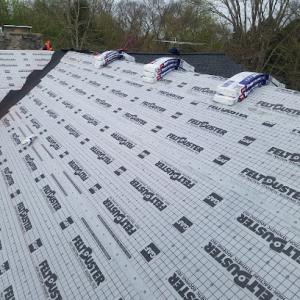
Since 2000, The StoneMark Company has been Nashville's trusted name for superior roofing and exterior solutions. More than just a roofing contractor, they're dedicated to protecting your home with expert installation and emergency repairs. Specializing in shingle roofs and replacements, The StoneMark Company extends their expertise to siding, soffit, fascia, and gutter installation, enhancing your home's curb appeal and value. With decades of experience, they deliver unparalleled craftsmanship and service you can rely on.
Spring and fall are the favored windows for roof replacement in this area because they avoid the worst heat of summer while reducing the risk of winter freeze interruptions. When planning, target those shoulder months for tear-off and dry-in work, and build in a contingency for an extra dry spell if a storm cell moves through early in the season. By aligning with milder temperatures, shingles and underlayment can cure properly, fasteners seat fully, and ventilation hours stay within comfortable ranges for crews. If a storm window slips into late spring or early fall, use the lull between squalls to schedule critical tasks like roof deck inspection and insulation checks.
Hot, humid summers shorten safe working hours and affect how roofing materials are stored, staged, and installed on exposed roofs. If a project begins in late spring or climbs into high July heat, plan for earlier start times, with crews on the roof at first light and wrapped in UV protection during peak sun. Materials should be staged in shaded areas or under reflective covers, with walkways kept clear to reduce heat buildup and heat-stress on workers. Communication with the crew about hydration, shade breaks, and temporary cooling measures becomes part of the daily routine. Anticipate temporary adjustments to installation sequences to keep shingles and metals from overheating or curling during lengthy exposures.
Autumn wind events and winter freeze periods in the Nashville area can disrupt tear-off and dry-in schedules, so tight weather planning is required. Scheduling should assume a window where dry weather can be held for at least a day or two after a tear-off to complete underlayment and flashing without rearward interruptions. Have a plan for wind-driven debris and for securing tarps on steep pitches when gusts pick up. In colder snaps, consider the impact on adhesive activation and sealant performance, and verify that ventilation and attic access remain functional as temperatures swing. If a cold spell is forecast during critical stages, prepare a rapid containment strategy to pause and resume work with minimal weather exposure.
Coordinate closely with the contractor to map out a sequence that minimizes downtime between removal, underlayment, and final shingle or panel installation. Maintain a realistic cushion for weather interruptions typical to this area, and keep a backup plan for staging materials inside a garage or on a shaded side of the property. Because spring storms can arrive suddenly, ensure gutters and downspouts are clear beforehand to prevent water backlog during the final stages. Planning with these seasonal realities in mind helps prevent delays and helps the project stay on track despite the region's characteristic swings.
Asphalt shingles remain the dominant practical choice for homes around this area, reflecting their balance of affordability, ease of installation, and existing roof deck compatibility. In a setting that experiences hot, humid summers and spring storm cells, the key considerations move beyond color and style to performance under heat and moisture. Look for shingles with higher granule adhesion and a robust warranty on impact resistance. Ventilation becomes especially important here: a well-vented attic helps reduce heat buildup that accelerates aging of the shingle fibers and around the attic space, which in turn supports energy efficiency and longer system life. Pay attention to hip-and-ridge venting as well, which helps move hot air out of roofs with complex shapes common on suburban layouts. For best results, ensure the underlayment and flashing are compatible with repeated exposure to humidity and wind-driven rain, and consider attic baffles to maintain consistent airflow into the eaves. In this climate, a shingle system paired with a solid ridge vent can mitigate early wear from sun exposure and storm-driven debris.
Metal roofing has a meaningful local presence and is often considered by homeowners seeking improved performance against recurring rain and wind exposure. The material's structural profile benefits the region where spring storms can deliver sudden gusts and hail, making metal a compelling option for long-term resilience. The prospects are strongest when the roof is properly fastened, with integrated panels and sealed seams that resist uplift during high winds. In homes with existing attic layouts that favor cross-ventilation, metal panels can be paired with vented soffits to manage heat and humidity more effectively than some traditional systems. However, weight distribution and the slope of the roof warrant careful assessment, since metal can be sensitive to insufficient pitch or improper edge detailing. A professional evaluation should confirm deck compatibility, potential for condensation control, and the suitability of coatings that resist chloride exposure and chemical runoff from storm-related debris. For those prioritizing minimal maintenance, metal often delivers reduced likelihood of rapid granule loss and surface aging compared with standard asphalt, particularly under heavy rain and hail events.
Tile, wood shake, and synthetic products exist in the market, but their suitability depends heavily on structure, slope, and whether the home was designed to carry heavier roof loads than standard shingle systems. Clay and concrete tiles offer excellent durability and a distinct look, yet they contribute significant weight. Homes with older or limited roof supports should have structural calculations reviewed before pursuing these options, as improper load carrying can lead to long-term framing concerns. Clay and concrete tiles also influence drainage details and pitch requirements; a shallower slope increases risk of water infiltration around flashing, while a steeper slope improves shedding of storm debris and reduces standing water. Wood shakes provide a rustic aesthetic and strong wind performance when properly installed, but susceptible areas include moisture-related rot and insect exposure, which can accelerate deterioration in humid springs. Synthetic options aim to mimic tile or shake with easier installation and often lower weight, yet performance depends on the specific formulation and exposure to sun and precipitation. When considering these materials, check the roof's load-bearing capacity, the potential for wind-driven debris impact, and compatibility with existing ventilation and drainage plans. Special attention should be given to flashing details at transitions, chimneys, and skylights, where heavier materials demand precise integration to maintain a weather-tight envelope after seasonal storms.
In this market, you will see a wide spread in price from common asphalt shingles at about 320 to 700 USD per square up to clay tile at 900 to 1800 USD per square. Metal and synthetic systems sit between those ends, offering a middle ground for durability and look. The exact price you see depends on the chosen material, roof complexity, and the local installer's crew practices after a big storm. When you compare bids, verify what is included in the per-square figure-underlayment, flashing, ventilation, and disposal fees can swing the total by several thousand dollars on a typical two-story home.
Storm-driven demand spikes after hail or wind events can push scheduling pressure and labor pricing higher. That means a quick-turn replacement may come with a premium or longer wait for a slot, even if the roof isn't completely failing. If you're weighing whether to repair or replace after a storm, you'll often find the replacement path more predictable once a contractor lines up materials and crews. In heavier-hit periods, expect a tighter window between contract signing and start date, and plan for possible temporary living accommodations if the project overlaps with peak heat.
Your budget will steer the decision, but attention to local climate and housing stock matters too. Asphalt shingles remain the most economical per square, while clay and concrete tiles offer long life and a distinctive look but come with higher installation complexity and weight. Metal and synthetic shingles provide resilience against wind and hail with mid-range pricing. For a typical two-story ranch or mid-size house common in the area, the material choice will drive the bulk of the cost, with labor and disposal making up the remainder. Keep in mind that actual project numbers can fluctuate with storm-driven demand and the contractor's inventory at the time of purchase.
Don't let upfront costs delay a critical repair - these contractors offer payment plans to fit your budget.
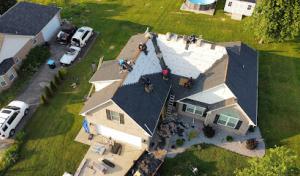
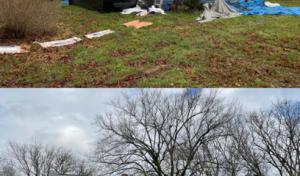
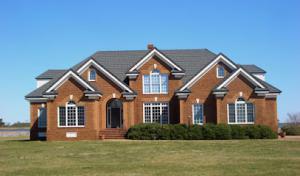
For Antioch properties in Davidson County, a full roof replacement generally requires a permit rather than being treated as a purely informal contractor job. Treating a replacement as unpermitted work can lead to headaches later-stacks of backdated paperwork, denied occupancy, and potential penalties if a code enforcement officer visits. The county expects a plan-grounded approach, not a quick strip-and-shingle method. If the project slips into a casual schedule without the permit, the risk is vivid: work may need to be halted, and any storm-related claim could face scrutiny if documentation doesn't line up with what inspectors expect.
The permit application is typically handled by the roofing contractor online or in person and includes plan details rather than only a simple notice of work. This matters because the city and county want to see where new underlayment, ventilation, flashing, and drip edges will go, plus the chosen roofing system, fasteners, and underlayment type. Expect documents such as roof plan drawings, material specifications, and a scope that shows adherence to current code requirements. The process can feel like a practical checklist rather than a form to sign; you are signing up for a plan that anticipates inspections rather than a bare-bones job. If a contractor brushes past this step, the result can be a delay that stretches into the actual replacement window, especially during storm seasons when scheduling gets tight.
Antioch replacement projects should be planned around multiple inspection stages and a final inspection to confirm code compliance before the job is considered complete. Inspections typically cover framing, nailing patterns, underlayment, venting, flashing, and proper ventilation for attic spaces, along with final grading or drainage checks. A successful final inspection is not merely paperwork; it's the city's guarantee that the installation meets current safety standards and local amendments. If inspections reveal deficiencies, repairs must be made and re-inspected, which can extend timelines and complicate insurance interactions after spring storms. Choosing a contractor who tracks permit milestones and keeps you informed helps avoid surprises and supports a smoother recovery from wind and hail events.
In this town, repeated heavy rain events mean that a small shingle crease or a loose flashing can turn into a noticeable leak quickly once the wind dies down. If damage is left exposed after a storm, moisture finds its way into decking and insulation, and what starts as a drip can become hidden rot that costs more than a simple repair.
Skylight penetrations matter in this market because local contractors advertise skylight repair at meaningful volume, indicating recurring homeowner demand around leak-prone openings. A tiny gap around a skylight frame can leak during a heavy shower, and those leaks often show up on ceilings away from the original roof damage, pulling interior repairs into play sooner than expected.
Emergency tarping is notably prevalent in Antioch, suggesting that wind-lifted sections, exposed decking, and active leaks are common enough to shape how homeowners shop for roofers. When a storm hits, tarps are a temporary shield, but they cannot replace a proper repair or sealing. Rely on tarps only as a stopgap while awaiting a trusted contractor, not as a long-term fix.
After a storm, you should safely inspect for lifted flashing, missing shingles, or dented metal, especially along edges and around penetrations. Photograph damage from ground level and on attic access, keep notes of dates and who you spoke to. Document the extent of leaks and any interior staining, as insurers and contractors rely on clear records when repairs begin.
When hiring after a hail or wind event, ask for local references, proof of insurance, and a written plan that includes tarping, temporary fixes, and a timeline. Local storm-response contractors know that rapid response matters, but reputable teams also back their work with inspections that prevent ongoing moisture intrusion. Ignore pressure tactics and demand a written assessment before any roof cut is made.
Find contractors experienced in skylight installation, flashing, and leak repairs to bring natural light into your home.

Nashville Roofing Service
(615) 600-4698 mynashvilleroofer.com
10 Mimosa Ct, Antioch, Tennessee
4.8 from 9 reviews
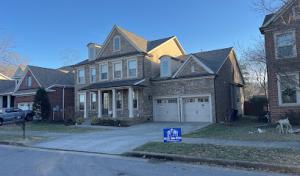
Antioch sits in a Tennessee claim environment where wind and hail account for a noticeable share of roofing losses, so insurance strategy directly affects repair timing and contractor selection. In spring storm weeks, adjusters may move quickly when hail or wind damage is obvious, but for smooth scheduling you should align your contractor's lead time with the insurer's assessment window. Local roofers who respond rapidly to storm events in this market tend to have established intake processes with nearby adjusters, which helps keep repairs from dragging through peak demand.
Adjusters in this market may ask for recent roof condition surveys and often prefer repair scopes prepared by licensed contractors rather than vague homeowner descriptions. When you engage a contractor, request a formal scope of work and a color-accurate photoset that shows current conditions and the proposed repair sequence. Have the contractor review skylights, penetrations, and edge details, and ensure the plan includes a concise timeline from damage confirmation to material delivery and installation. Present these documents promptly to the adjuster to avoid stalled approvals.
Because coverage terms can vary by insurer and policy year, homeowners need to compare depreciation, matching, and repair-versus-replacement language before authorizing major work. Look for how depreciation is handled for your roof components and whether the estimate references new material requirements for color and profile matching. If a repair is proposed, verify that the scope preserves the current roof line and warranty compatibility. In cases of wind-driven or hail-related damage, insist on a clearly defined path to repair rather than piecemeal fixes, and keep a written record of every communication to assist any later disputes.
Connect with contractors who help homeowners navigate the claims process from damage assessment to final approval.
Roof Solutions
(615) 283-3348 roofsolutionstn.com
6157 Pettus Rd, Antioch, Tennessee
5.0 from 24 reviews
When spring storms roll through the area, leaks and debris are the first signals to act on. The local market skews toward re-roofing, so homeowners often evaluate contractors by how quickly they can respond, how well they manage cleanup, and how much storm experience they bring to the table. You need a roofer who can articulate a practical plan for tarping active leaks, securing loose shingles, and keeping disruption to a minimum while the project progresses.
In this market, quick response and thorough cleanup are prominent hiring signals. Look for crews that provide a concrete timeline from first contact to site protection, then to material removal and inlet protection after a storm event. Ask about how they isolate damaged areas to prevent further interior damage, how they handle debris control, and what daily cleanup practices they follow. A reputable roofer will describe on-site workflow, including dust containment, vehicle traffic control, and lead-by-example cleanup routines after each workday.
Documentation quality matters for warranty credibility and insurance claims. Free inspections, drone assessments, and manufacturer certifications are common, so compare what each contractor offers in writing. Request a detailed inspection report that includes photos or drone footage, a scope of work, and any manufacturer-backed warranty language. Verify that the contractor can provide proof of manufacturer certifications relevant to the chosen roofing system, since these credentials often translate into better coverage if a hail or wind event recurs.
Choose a roofer who offers transparent inspection options you can trust. A drone inspection can reveal underlying wind damage or hidden failed underlayment you might not see from the ground. Ensure the contractor explains the exact areas they will inspect, how they determine the scope of repair versus replacement, and how they document findings for your insurance adjuster. Clear, itemized write-ups help you compare bids without guesswork.
Look for a track record of handling spring hail and wind events with similar housing stock. An Antioch contractor who has navigated multiple storm cycles will better anticipate nuisance disruptions, scheduling bottlenecks, and the nuances of debris management in neighborhoods with mature trees and dense lots. Ground rules should include minimizing disruption during school and commuter hours, and a plan for keeping your driveway and curb clear after deliveries.