Last updated: Apr 19, 2026
When Middle Tennessee storms roll through with hail and high winds, a roof can fail in hours and look worse in days. In Smyrna, the spike in post-storm demand means real risk of delays if protection steps aren't handled promptly. After a storm, the first priority is temporary protection to stop further interior damage. Heavy tarps or sturdy plywood should cover exposed valleys, chipped shingles, or dented metal. Document this protection in photos with timestamps and keep receipts for any materials you install. Insurers will scrutinize both the damage and the immediate protection you provided, so act quickly and visibly.
Insurers in this market tighten scrutiny after a big wind or hail event, especially in spring when thunderstorms surge across Middle Tennessee. A clean, dated record of the damage-photos, video, and notes about the date of the storm-helps your claim advance. Do not wait for the perfect light or the ideal contractor; timely documentation matters. If an adjuster visits, having a concise list of damaged areas (shingles, flashing, gutters, vent pipes) speeds the process. Expect a sequence: storm, claim, inspection, estimate, and then scheduling for repair or replacement. Delays in any step can stall full work, and Smyrna weather windows can shrink quickly.
Repair scheduling in this area hinges on weather and insurer cadence. Spring thunderstorms trigger bursts of damage that can flood the queue for inspections and estimates. After the initial claim, you may see a surge in requests for debris removal, roof decks, or underlayment checks. If the roof requires full replacement due to hail damage, the timeline often depends on securing a clear scope: interior checks, attic ventilation assessment, and roof deck integrity. To avoid cascading delays, align your expectations with the contractor's timeline and keep communication tight with the insurer. Coordinating a timeline that accommodates potential weather setbacks reduces the chance of slip-ups when a storm season is still active.
Storms in this market force tough, early decisions. If a roof shows mixed damage-shingle granule loss in some areas but intact edges in others-the contractor must decide whether a full replacement or a targeted repair is most prudent. In Smyrna, where housing stock ranges from newer suburban homes to older buildouts, the decision often hinges on deck condition, fascia integrity, and the likelihood of recurring hail exposure. Contractors should present a transparent plan with practical milestones: temporary protection, debris removal, underlayment checks, and a staged replacement if needed. Deliberate but swift choices prevent weather from turning a partial fix into a longer, costlier project.
Choosing a local contractor with storm experience matters. Look for teams that understand how spring storms compress schedules and how insurer documents must align with work progress. A reliable crew will help you prioritize temporary protections, provide clear damage documentation maps, and keep a tight schedule that accounts for forecasted storms. In a market where inspections and estimates can lag behind post-storm demand, receiving frequent updates and a realistic restoration plan becomes the best protection against weather-driven delays. The right contractor will coordinate with the insurer, the material supplier, and the Smyrna weather calendar to keep the project moving from claim approval to completion.
Asphalt shingles dominate the local market, and you'll see the most competition among roofing crews focused on this material. In Smyrna's fast-growing housing stock, many homeowners opt for standard asphalt for its balance of price and durability. After a hail or wind event, storm-driven demand can push replacement pricing upward, especially when crews are juggling fast-turnaround re-roofing projects. For asphalt shingles, expect a typical range of roughly 350 to 700 USD per square. Labor and material logistics in Rutherford County can tighten quickly after a major storm, so planning ahead for weather-driven spikes helps you avoid a last-minute premium. Maintenance and uplift costs are generally modest compared with premium options, but if you're aiming for a longer warranty or higher wind resistance, you might see pricing creep toward the upper end of the range.
Metal is a meaningful local option, and several Smyrna contractors actively specialize in it. Metal roofs hold up well to hail and high winds, which is a practical consideration in Middle Tennessee's storm cycles. The trade-off is a higher upfront cost, but many homeowners factor in longer service life and potential insurance considerations. In practice, metal roofing tends to land in the 700 to 1100 USD per square band. After severe weather events, demand for metal can surge, but the longer-term value often compensates for the initial premium if you're planning to stay in the home or aim for a lower long-term maintenance profile. If you're comparing options, consider how metal panels, fasteners, and underlayment choices interact with your roof pitch and attic ventilation-these details influence both performance and total cost.
Clay tile appeals to a segment of Smyrna homes with specific architectural styles or a preference for a traditional look. Tile systems bring durability in hot summers and can perform well in wind with proper installation. Costs for clay tile typically fall in the 1100 to 1900 USD per square range, reflecting the material weight and installation complexity. Storm surges in demand can nudge prices upward after hail events, particularly if crews are juggling a backlog of re-roofs in the area. If you're considering clay, verify your home's structure for adequate support and factor in additional framing or connections required to accommodate the tile system you select.
Concrete tile packs a robust performance profile and is a common alternative to clay in this market. It resists impact well and provides a long service life when installed correctly. For Smyrna homes, concrete tile generally costs between 900 and 1500 USD per square. Like other premium options, storm-driven demand can push pricing up after hail and wind events, especially if fast-turnaround projects are prioritized by insurers or contractors. If you're weighing concrete tile, discuss weight-bearing compatibility with the existing roof deck and any needed reinforcement, since structure and fastener choices influence both cost and longevity.
Synthetic or composite shingles aim to mimic high-end looks with potentially lower weight and varied resilience. In the Smyrna market, these materials sit between asphalt and premium options, with typical costs around 650 to 1100 USD per square. After storms, demand spikes can affect availability and timing, occasionally affecting pricing as crews reorganize schedules. If you're pursuing synthetic options, ask about fire ratings, wind resistance, and color stability, as these factors can shift long-term performance and cost.
Slate is the premium route for durability and distinctive aesthetics, but it requires a capable structure and experienced installers. In Smyrna, slate costs often range from 1500 to 2500 USD per square. Storm-driven surges in demand can influence availability and scheduling, with timing becoming a critical factor in cost, especially for fast-turnaround work. If slate is on your radar, confirm roof deck suitability, potential load adjustments, and the long-term maintenance expectations to justify the higher upfront investment.
Best Choice Roofing
(615) 908-5314 bestchoiceroofing.com
617 Potomac Pl STE 405, Smyrna, Tennessee
4.9 from 160 reviews
Best Choice Roofing is your trusted roofing expert and the Best Choice when it comes to choosing a Murfreesboro roofing company with a commitment to impeccable customer service and expert roof replacement, roof repairs, and custom roofing services. In business since 2009, Best Choice Roofing’s industry-leading contributions to the roofing industry include a customer-first mentality, a dedication to top-quality products and a leadership team focused on the growth of its people. Because of this framework, we have created a loyal base of customers all over the United States.
Mighty Dog Roofing of Murfreesboro
(615) 903-5268 www.mightydogroofing.com
871 Seven Oaks Blvd #200, Smyrna, Tennessee
4.9 from 191 reviews
When it comes to your home’s exterior, Mighty Dog Roofing delivers top-of-the-line services matched with the neighborly customer care our clients have come to love. Our team of skilled experts will conduct a free, detailed inspection of your home, treating it as our own. Whether your home needs a simple repair or a full roof replacement, expect to receive the transparent guidance you deserve. Whatever the case, our team will work to meet your safety and budget needs. We take pride in operating with quality materials, hiring skilled roofers, and providing our customers with a high-quality experience. See for yourself; our reviews say it all. Schedule your free, home inspection today!

Genesis Exteriors
(629) 217-6474 genxteriors.com
1074 Courier Pl #403, Smyrna, Tennessee
4.9 from 77 reviews
Genesis Exteriors provides residential roofing, commercial roofing, soffit and fascia, siding, gutters, fencing, and more in Smyrna, TN and all of middle Tennessee.
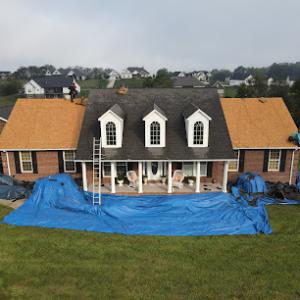
Southern Reeds Roofing & Exteriors
(865) 313-1906 southernreedsroofing.com
Smyrna, Tennessee
5.0 from 32 reviews
Licensed, bonded and insured expert Roofing contractor offering residential and commercial roofing, siding, window, gutter, and deck installation, replacements, and repairs. Our roofing materials have unbeatable lifetime limited warranties and our professional installers are thorough and safe when working on your home. Estimates are always free and we’re always open to meet your emergency roofing needs. Veteran owned and operated
Mirramark
(615) 431-9091 www.mirramarkroofing.com
197 Branch Trail, Smyrna, Tennessee
4.9 from 41 reviews
At MIRRAMARK, we provide top-quality roofing services for residential properties. Our team of skilled professionals is dedicated to delivering exceptional craftsmanship and unparalleled customer service. Our services include roof inspection, roof installation, repair, maintenance, and replacement, using the highest quality materials to ensure durability and satisfaction. We pride ourselves on our reliability, honesty, and attention to detail, making sure every project is completed to the highest standards. Whether you need a minor repair or a complete roof overhaul, MIRRAMARK is here to meet all your roofing needs. Contact us today for a free estimate and let us protect your home or business with a roof that stands the test of time.
MVP Roofing
(615) 796-4686 www.mvproofing.net
104 Dover Ct, Smyrna, Tennessee
5.0 from 18 reviews
Family owned and have been servicing Rutherford County and Middle Tennessee for over 30Yrs. Want it done right the first time? Call us. We have several financing options available.
NexGen Roofing Systems
Smyrna, Tennessee
5.0 from 9 reviews
NexGen Roofing Systems is a highly experienced roofing company with over 20 years of knowledge in the field. We can help you navigate every aspect of your new or existing roof, whether it be a repair, replace, or insurance claim, NexGen Roofing Systems has you covered.
North Side Exteriors
(615) 389-7522 www.northside-exteriors.com
423 Smyrna Square Dr A, Smyrna, Tennessee
5.0 from 7 reviews
North Side Exteriors, LLC focus is to provide the best possible service and quality work for all your exterior construction needs. We provide turnkey siding, roofing, and gutters for new construction, remodels, multifamily, and commercial. We want to be your go to for exterior work.
MidSouth Construction Roofing & General Contracting Murfreesboro TN
(615) 566-3789 roofingbymidsouth.com
Smyrna, Tennessee
5.0 from 6 reviews
Welcome to MidSouth Construction, your premier choice for roofing and restoration solutions. As seasoned contractors specializing in both commercial and residential projects, we take pride in delivering top-notch services that exceed industry standards. Our commitment to excellence is showcased through our certification as a GAF Master Elite roofing contractor, a testament to our expertise and dedication to quality craftsmanship. At MidSouth Construction, we possess the skills and experience to address a wide range of roofing needs, from roof repairs and full roofreplacements to roof cleaning. Our team is well-versed in working with diverse roofing systems, including slate, metal, tile, shingles, TPO, EPDM, BUR, copper, and flat roofs.

Sky Restoration LLC - TN
203 Jefferson St, Smyrna, Tennessee
3.5 from 22 reviews
Commercial and Residential Roofing Services
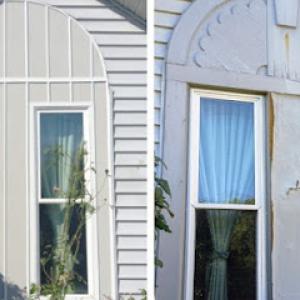
Top Side Roofing & Siding specialist
102 Bane Dr, Smyrna, Tennessee
5.0 from 2 reviews
Top Side Roofing and Siding specialist is a locally owned and operated small company that still believes in doing things right the first time.. We specialize in (Roofing Repairs and full Replacement Siding repairs and full Replacement.. windows, doors, gutter repairs and , aluminum trim coil, shutters and
Holland Roofing of Nashville
(615) 443-0655 www.hollandroofing.com
551 Huntley Industrial Dr, Smyrna, Tennessee
5.0 from 2 reviews
Holland Roofing of Nashville RMM Specializes In: Roof Replacement, New Construction, Preventative Maintenance, Leak Repair, and Diagnosis Every technician that Holland employs is local to the region and has an immediate ability to respond to any leak call. Each service vehicle is capable of accessing up to a 32ft property and stocked to make general repairs onsite. Holland’s focus is to provide quality workmanship while creating long-term customers within the dedicated region.
A full roof replacement in Smyrna typically requires a permit filed with the Smyrna/Rutherford County Building Department rather than being treated as purely informal maintenance. Before any tear-off begins, verify that the project scope aligns with the permit requirements for a full replacement, not just cosmetic repairs. This step helps prevent delays or fines when the project is inspected later in the process.
Inspections in Smyrna follow a predictable sequence tied to how a replacement is executed. In practice, inspections commonly occur after underlayment and flashing are installed and again at final completion. This sequencing affects how you schedule tear-off and dry-in work. Plan with the contractor so the roof can progress from tear-off to underlayment, then to flashing, and finally to the completed roof with shingles, metal, or tile. If your contractor waits on the weather or on a favorable inspection window, that timing can impact project duration, especially during the spring and autumn storm seasons.
During the underlayment and flashing phase, an inspection verifies that the roof deck is properly prepared and that flashing details around chimneys, valleys, vents, and abutments meet local expectations. This is a moment where a well-qualified contractor's familiarity with the local review process pays off. If something isn't up to spec, the lead time for a rework can push back the final inspection and the occupancy or insurance-related milestones tied to the project. Communication with the building department through your contractor-as the point of contact-helps keep the process moving.
If deficiencies are found during inspection, Smyrna projects may require a re-inspection. In practice, that means scheduling another visit from the building department after the contractor makes the necessary corrections. A common source of re-inspection occurs when venting, flashing, or deck repairs aren't completed to the inspector's satisfaction, or when the roof replacement touches required setbacks or drainage details that must be demonstrated on-site. The key is to respond quickly to any deficiency notice and have the contractor document the corrective work with photos or the appropriate test results, if applicable.
A practical approach to navigating permits and inspections is to start with the permit package early in the planning stage. Confirm whether a full replacement triggers a structural or fire-resistance review in addition to standard roofing permits. Maintain a clear line of communication with the contractor about inspection milestones and the expected windows for tear-off, dry-in, and final completion. On the day of inspection, ensure access to the attic space and the roof line, and be prepared to show the permit number and approved plan if the inspector requests it. Being proactive in Smyrna's review process helps minimize weather-driven delays and keeps the project on track through the local permit-and-inspection cycle.
Smyrna's hot, humid summers accelerate weather exposure on roofs, making heat tolerance and ventilation performance especially important for long-term material choice. A roof that breathes well reduces attic temperatures, which in turn shields shingles, underlayment, and flashing from premature drying and cracking. In this area, the most durable choices balance dense UV resistance with moisture handling, so a well-ventilated system tends to outlast a cooler-looking setup that traps heat. When evaluating options, pay attention to the color and smoothness of the surface, both of which influence heat gain and rapid dew formation on morning surfaces.
The dominant material mix locally includes asphalt shingles, metal, clay tile, concrete tile, synthetic/composite shingles, and slate. Asphalt shingles offer straightforward performance for the typical Smyrna roof profile, with good cost-to-life balance and broad installer familiarity. Metal roofs bring exceptional wind resistance and lightweight versatility, plus excellent heat shedding if the panels are properly vented beneath. Clay and concrete tiles deliver strong durability and a distinctive look, but require a solid, well-ventilated roof deck and precise flashing to manage freeze-thaw cycles and storm-driven moisture. Synthetic/composite shingles aim to mimic natural materials while improving impact resistance and lighter weight, which can be a pragmatic choice for homes with limited structural depth. Slate stands out for longevity and slope flexibility but demands careful installation and a robust underlayment, particularly where wind-driven rain and hail are concerns.
Occasional severe storms and winter freeze-thaw cycles in Smyrna mean impact resistance, flashing quality, and moisture management matter as much as base material lifespan. For shingles and synthetics, ensure edge and hip flashing is continuous and pin-pointed against wind uplift. Tile systems should feature an integrated moisture barrier and properly sealed penetrations for vents and chimney terminations. Regardless of material, a well-sealed roof line and a thoughtful drip edge reduce moisture infiltration during heavy rains and fast-moving fronts. In practice, that means insisting on a roof plan that prioritizes proper eave clearance, eave ventilation, and a ridge vent strategy that matches the chosen cladding.
Roof material performance in this market hinges on installation quality as much as material chemistry. The right choice blends heat tolerance, wind and hail resilience, and ease of maintenance with the local contractor ecosystem's strengths. The best candidates deliver predictable performance across multiple seasons, with a coherent ventilation strategy that keeps attic temperatures in check and flashing details that hold up after the harshest storms. When selecting, weigh how well the product pairing with the existing deck and partial updates can sustain durability through Smyrna's weather cycles.
Spring and fall are practical windows for a full roof replacement in this area. The mild temperatures help crews handle materials without scorching heat, and these seasons tend to dodge the peak storm disruptions that can interrupt work in midsummer. If possible, schedule the project to start after a stretch of dry days in late spring or early fall, so moisture intrusion is minimized during critical installation phases.
Hot summer humidity in Smyrna can slow progress and affect material handling. High humidity can make shingles feel slick while loading and unloading, and prolonged heat can push crews to shorten shifts, extending the project timeline. Fall wind and rain and winter freeze-thaw cycles further complicate moisture control and installation timing. Expect staging adjustments and careful flashing work when temperatures swing, and plan for a conservative schedule that buffers a few extra days for weather rollback.
If the roof shows frequent leaks, widespread shingle blistering, curling, or missing sections after a storm, replacement becomes more favorable than patching. Inspectments should focus on the condition of underlayment, decking, and penetrations around chimneys and vents, where moisture intrusion tends to concentrate. A roof that has reached the end of its service life will often present widespread signs rather than isolated patches. In preparation, clear overhanging branches and ensure safe access routes for staging and debris removal to avoid weekend weather surprises.
Middle Tennessee experiences hail and wind events that can cause clustered damage across a neighborhood. When damage is confirmed, the timing of replacement work should consider forecasted storm activity, potential access restrictions, and the pace of insurance-related coordination. If delays occur due to weather or claim processing, coordinate with the contractor to secure materials and protect exposed decking in the interim. Quick a.m. warm-ups and midday protection strategy help maintain crew efficiency during transitional weather.
A practical approach is to evaluate replacement viability after two consecutive severe weather cycles, especially if repeated leaks or structural weaknesses become evident. If a roof has endured major hail hits or repeated wind-driven damage, replacing the roof rather than repeatedly patching can prevent cascading failures. When planning, align the schedule with a window that minimizes exposure to peak summer heat, while allowing enough time for thorough moisture control and proper installation during the cooler, dryer days of spring or fall.
Storm season in this Middle Tennessee corridor brings hail and gusty winds that test roofs across the area. The fast-growing suburban stock means adjusters scrutinize roof age, prior claims, and documentation more closely than in quieter markets. The process centers on how well you prove the roof's condition before and after a storm and how promptly you report damage.
Adjusters often compare wear with the stated age, check for prior repairs, and review any prior claims that could affect depreciation or coverage. A filing that looks rushed or selective can trigger questions about pre-existing issues or unreported damage. Being clear about the roof history helps prevent delays and surprises later in the claim.
Documentation matters. Expect to provide photos of the existing roof and to report damage soon after a storm event. Clear, dated images of every elevation, attic signs of water intrusion, and hail impact spots give the adjuster a solid baseline. Delays or missing milestones can complicate settlement and timing for repairs, especially as you coordinate with a contractor for protections or temporary coverings.
Some carriers serving this region may look for licensed contractor involvement and wind-mitigation-related details before approving or pricing roof work. Having a qualified contractor submit an estimate and confirm wind-resistance features can smooth the review. Do not assume a claim will move forward without that professional verification, particularly if the roof is older or has visible prior damage.
Keep an organized file with your storm date, photos, inspector or contractor notes, and all correspondence. If a claim stalls, contact your insurer promptly and record who you spoke with and when. The aim is a timely, transparent path from damage recognition to repair, reducing exposure during severe weather season.
Connect with contractors who help homeowners navigate the claims process from damage assessment to final approval.
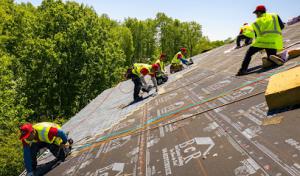
Best Choice Roofing
(615) 908-5314 bestchoiceroofing.com
617 Potomac Pl STE 405, Smyrna, Tennessee
4.9 from 160 reviews
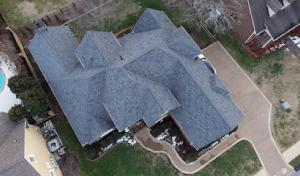
Mighty Dog Roofing of Murfreesboro
(615) 903-5268 www.mightydogroofing.com
871 Seven Oaks Blvd #200, Smyrna, Tennessee
4.9 from 191 reviews
Genesis Exteriors
(629) 217-6474 genxteriors.com
1074 Courier Pl #403, Smyrna, Tennessee
4.9 from 77 reviews
Storms and fast-moving thunderstorm cycles in this area consistently test shingles. You'll notice more wind-driven shingle loss than coastal settings, and wind-driven rain can sneak in along already compromised edges. In practice, that means shingles may lift or blow free in patches, leaving open avenues for water entry during later storms. The consequence is not just a quick patch job later, but water finding its way into attic spaces, decking, and even ceiling spots you can't easily see from the ground. The key is early identification: missing or damaged tabs near edges, granule loss on exposed areas, and any sudden dark staining along interior ceilings after a storm should trigger a careful, targeted roof inspection before the next round of weather.
Flashing is a thin, critical line around transitions-chimneys, vents, walls, and along the roof's edge. When wind pressure rips at these details, you get a sneaky vulnerability that can show up only after a heavy rain. Lifting flashing often allows water to wend its way under shingles and underlayment, especially at rakes and peaks where gusts are strongest. The result is a slow drip pattern that can masquerade as a simple leak until a closer look reveals the dry-in failure beneath. Prioritize resealing and re-securing flashing, with particular attention to where valleys meet flashing, and where old sealants have dried out.
The local inspection sequence emphasizes underlayment and flashing as the critical line of defense against moisture intrusion. Repeated thunderstorms demand a robust dry-in, because once water gets past shingles, underlayment quality often dictates how far moisture will travel before it's noticed. A damaged or worn underlayment can lead to concealed leaks that only show up after several storms. When evaluating a roof after a wind event, confirm that the underlayment remains intact, seams are properly sealed, and that drip edges are functioning to shed water toward the gutters.
Skylight and chimney penetrations matter for Smyrna homes because local contractors actively advertise repairs in these areas, signaling recurring homeowner demand for leak-prone detail work. These penetrations create persistent weak points if flashing and sealants degrade. Expect more maintenance cycles around these features, particularly after hail impacts or rapid temperature shifts that stress sealants. Proactive inspection of these penetrations-checking for loose flashing, compromised mastic, and degraded sealants-can prevent notable interior staining and potential attic moisture build-up.
Find contractors experienced in skylight installation, flashing, and leak repairs to bring natural light into your home.
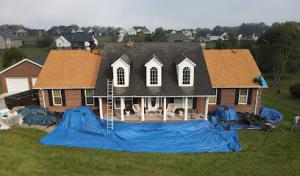
Southern Reeds Roofing & Exteriors
(865) 313-1906 southernreedsroofing.com
Smyrna, Tennessee
5.0 from 32 reviews
Flat and low-slope roofing exists in the Smyrna contractor market but is clearly secondary to steep-slope residential re-roofing. This makes low-slope sections most relevant for additions, porches, and mixed-roof homes rather than as the city's dominant roof type. When a home brings together a traditional pitched section with a low-slope extension, the detailing needs careful planning to keep water moving away from the interior and toward established drainage paths. In practice, that means paying attention to where a low-slope deck or porch cap meets a shingle roof and how flashing, edge details, and waterproofing are coordinated across materials.
If you're adding a sunroom, screened porch, or an attached garage with a flat or near-flat surface, expect a longer-term focus on seamless transitions. The roof line should step down or up in a way that preserves proper slope grades for drainage while avoiding abrupt changes that create standing water or ice dam concerns in colder pockets of the year. Joint details between the low-slope portion and the steeper main roof must balance sealing against wind-driven rain with ease of maintenance. Choose membranes, underlayment, and edge profiles that align with the surrounding roof system, and plan for consistent fastener patterns that won't undermine drip edges or counterflashing.
Severe weather events can stress transitions between low-slope and shingle sections. Heavy rains from afternoon thunderstorms make proper drainage a priority, so ensure that gutters and downspouts are sized for the local downpour patterns and that valley and rake intersections are well sealed. The goal is to direct water away from the living space without creating new hotspots where debris can accumulate. For homes with mixed roof types, prioritize solid interface detailing, reliable flashing transitions, and periodic inspection after major storms to catch fastener loosening or membrane wear before leaks appear.
Find specialists in TPO, EPDM, and built-up flat roofing systems for residential and commercial properties.
MidSouth Construction Roofing & General Contracting Murfreesboro TN
(615) 566-3789 roofingbymidsouth.com
Smyrna, Tennessee
5.0 from 6 reviews