Last updated: Apr 19, 2026
Spring wind and hail events put Nolensville roofs under immediate pressure, and the homeowner who acts fast gains a real edge. In this Middle Tennessee market, wind and hail claims are common enough that storm damage and insurance-claim help are among the most prevalent contractor specialties serving Nolensville. That means your neighborhood roofing crew likely has several recent stories of fast decisions, rapid inspections, and timely dry-ins that kept homes protected through the next round of weather. If a claim is needed, you'll want a contractor who can translate weather damage into a straightforward path from assessment to replacement, without getting tangled in delays that can multiply during busy claim seasons.
Regular spring rainfall and storm activity can delay inspections, dry-in work, and replacement scheduling right when many homeowners are trying to open claims. You should expect interruptions if crews are tied up with high-volume storm recovery or if weather windows shrink to windows of opportunity. Plan for contingencies: a storm-impacted roof needs to be dried in promptly to prevent interior moisture intrusion, and scheduling must align with dry, calm periods to get underlayment, ventilation, and fasteners properly installed. The best path is to book early with a trusted local contractor who can set a realistic timeline and keep you updated as conditions shift, not wait for a perfect stretch of weather that rarely occurs in spring.
Understanding how insurance works in this market helps you avoid the most common hold-ups. Tennessee insurers generally still process roof claims in this market, but homeowners should expect photo documentation, damage descriptions, and sometimes an adjuster visit for more complex losses. A swift, organized submission that includes clear before-and-after photos, a concise damage narrative, and labeled timestamps helps the claim move along. The goal is to minimize back-and-forth that stalls the project while the roof remains exposed to the next round of weather. Your chosen contractor should guide you through the documentation requirements, coordinate with the insurer's adjuster, and ensure the claim is backed by solid evidence from an on-site assessment.
Timing is everything once the claim is approved. The window between approval and the start of replacement work can shrink quickly when storms are fresh and schedules tighten. A proactive approach means lining up materials and crew long before the next storm season, so when the green light arrives, the project can begin without delay. In this market, a knowledgeable contractor will align the sequence-inspection, documentation, adjuster coordination, material order, and installation-so that each step follows promptly after the last. Delays often come from misaligned expectations or fragmented communication; the remedy is a single, trusted point of contact who can keep the claim on track, from the initial estimate to the final roof inspection.
Typical local pricing runs about $350-$750 per square for asphalt shingles, $600-$1300 for metal, $1000-$2700 for clay tile, $900-$1600 for concrete tile, $500-$900 for synthetic/composite shingles, and $900-$2100 for slate. These ranges reflect Nolensville's mix of modest starter homes and larger, weathered ranches and bungalows that sit on modest lots or rolling acreage. When budgeting, remember a square is 100 square feet, so the listed per-square figures translate directly to your project size. In practice, asphalt remains the most common entry point, while premium materials push up both material and installation complexity.
Costs in Nolensville can rise after spring storm waves because a high re-roofing market and quick-response demand tighten contractor schedules across the Williamson County area. In the weeks after hail or wind events, you may see bidding tighten and crews book out. That can push both labor and material delivery times, sometimes creating a premium for expedited work or for materials that are in higher demand. If a storm hits, start planning early, gather multiple quotes, and pin down a realistic timeline before the peak window hits. A delay in start can sometimes mean a higher overall price due to scheduling pressure.
Full replacements usually carry added local compliance costs because permit and final inspection requirements make ventilation, underlayment, and fastening details part of the job scope rather than optional upgrades. In practical terms, a full re-roof isn't just swapping shingles. It often means upgrading attic ventilation to meet climate-driven needs, laying down a proper underlayment system, and choosing fasteners appropriate for the chosen material. Those elements must be integrated into the plan from the start, especially with wind-prone springs and the ability to meet inspection checks after completion. Clay and concrete tile, for example, may require a reinforced underlayment and adjusted rafter spacing to support heavier weights.
Asphalt shingles sit at the entry price tier and respond well to Nolensville's weather patterns, especially when paired with good underlayment and venting. Metal roofing can deliver long-term durability against wind-driven events but tends to cost more upfront. Clay and concrete tiles bring distinct curb appeal and longevity but add weight and installation complexity that elevates both labor time and protection requirements. Synthetic/composite shingles offer a middle ground with better impact resistance than standard asphalt, while slate brings classical appeal at a premium price and needs a very solid structural assessment.
Begin with a conservative estimate using the low-to-high ranges to bracket your project. If a spring storm has passed, contact multiple local crews to compare availability and timelines, and ask for a breakdown that separates material, installation, underlayment, ventilation, and fastening. If the house has unique features-such as a steep pitch, multiple rooflines, or extended eaves-let bidders know early so they can adjust the quote accurately. Finally, choose a material that aligns with both your budget and the home's exposure: wind-prone periods, daily sun exposure, and any tree cover nearby.

Barrett Roofing Company
(615) 776-5464 www.barrettroofingcompany.com
7557 Nolensville Rd, Nolensville, Tennessee
4.4 from 94 reviews
For over 50 years, we at Barrett Roofing have been building strong, committed relationships with our customers and community all throughout the Southeast. Whether your roof has been damaged in a storm or is simply worn from age, our knowledgeable sales staff and reliable installers are always at the ready to help keep you and your family dry and secure. We offer prompt, dependable work for each and every one of our clients. We know that you have many roofing contractors to choose from, and we truly value the opportunity to meet your roofing needs.
JCJ Roofing
(615) 424-2613 jcjroofingllc.com
Nolensville, TN
4.8 from 4 reviews
J C J Roofing is a trusted roofing contractor in Shelbyville, TN, offering professional roof installation, roof replacement, and asphalt shingle and metal roofing services. We serve residential and commercial properties in Shelbyville, Tullahoma, Murfreesboro, and nearby Middle Tennessee. Our licensed team provides roof inspections, storm damage and emergency roof repairs, and full replacements. With quality workmanship, fast service, and free estimates, J C J Roofing is the best roofing company near you to protect and improve your property.
MidSouth Construction Roofing & General Contracting Murfreesboro TN
(615) 566-3789 roofingbymidsouth.com
Serving
5.0 from 6 reviews
Welcome to MidSouth Construction, your premier choice for roofing and restoration solutions. As seasoned contractors specializing in both commercial and residential projects, we take pride in delivering top-notch services that exceed industry standards. Our commitment to excellence is showcased through our certification as a GAF Master Elite roofing contractor, a testament to our expertise and dedication to quality craftsmanship. At MidSouth Construction, we possess the skills and experience to address a wide range of roofing needs, from roof repairs and full roofreplacements to roof cleaning. Our team is well-versed in working with diverse roofing systems, including slate, metal, tile, shingles, TPO, EPDM, BUR, copper, and flat roofs.
Storm Proof Roofing
(615) 600-8502 stormproofr.com
Serving
5.0 from 26 reviews
We serve all of Middle Tennessee and surrounding areas ! We will be more than happy to give you a a free quote of your roof !
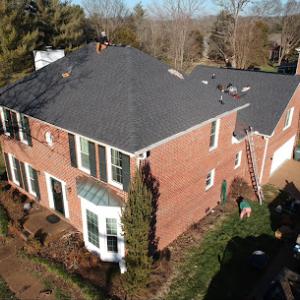
Traditions Roofing & Restoration
Serving
5.0 from 89 reviews
Locally owned and operated general contractor servicing middle Tennessee. We specialize in roof repair, roof replacement, gutters, siding, and exterior painting.
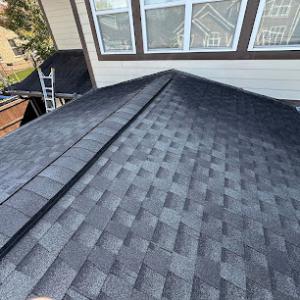
Delta Blue Roofing Company
(615) 474-0090 deltablueroofing.com
Serving
5.0 from 19 reviews
Delta Blue Roofing delivers trusted residential and commercial roofing solutions in Brentwood, TN. Our skilled team specializes in roof inspections, leak repairs, roof replacement, maintenance, new roof installations, and gutter guard services. With a focus on quality craftsmanship, dependable service, and customer satisfaction, we ensure your home or business stays protected year-round. As a proud GAF Certified Contractor, we back your roof with industry-leading warranties. Active military, veterans, and retirees can also take advantage of exclusive discounts through GAF’s Roofs for Troops program. Call us today and protect your property with the experts.
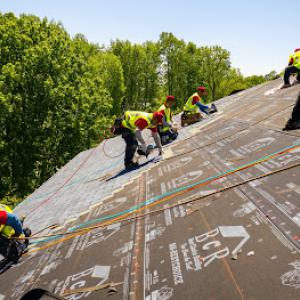
Best Choice Roofing
(615) 908-5314 bestchoiceroofing.com
Serving
4.9 from 160 reviews
Best Choice Roofing is your trusted roofing expert and the Best Choice when it comes to choosing a Murfreesboro roofing company with a commitment to impeccable customer service and expert roof replacement, roof repairs, and custom roofing services. In business since 2009, Best Choice Roofing’s industry-leading contributions to the roofing industry include a customer-first mentality, a dedication to top-quality products and a leadership team focused on the growth of its people. Because of this framework, we have created a loyal base of customers all over the United States.
Roof Solutions
(615) 283-3348 roofsolutionstn.com
Serving
5.0 from 24 reviews
Roof Solutions is a commercial and residential roofing contractor that specializes in leak detection and solutions. We also practice preventative maintenance to maximize our customer’s investments. When it comes time for roof restoration or replacement, we do this with the same customer focus that we put into the rest of our work. We are a company founded on trust between the company and the customers, the customers and the employees, and the employees and the company. This circle of trust is a foundational cornerstone in all our business relationships, and it is something we always work to build and improve upon daily.
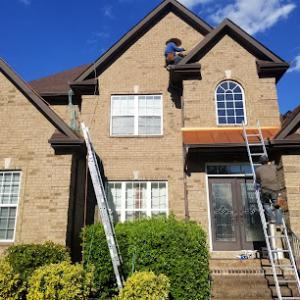
Nashville Roof
(615) 208-4475 nashville-roof.com
Serving
5.0 from 8 reviews
Our Reputation makes us great. Nashville Roof has over 20 years of experience repairing and replacing residential roofs. Our #1 priority is our customers satisfaction. Most of our roofing jobs are completed in one day.
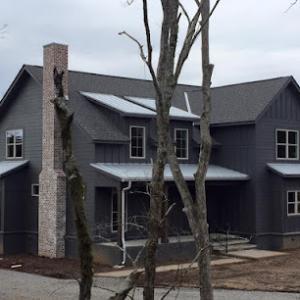
Whitaker Roofing Company
(615) 424-1622 www.whitakerroofingcompany.com
Serving
5.0 from 13 reviews
With over 20 years of experience, Boone Whitaker, the owner of Whitaker Roofing Company, has built a reputation and a team of experts that specialize in both residential and commercial roofing solutions. They excel in residential roof replacements, ensuring that each home is protected with the highest quality materials and craftsmanship. Additionally, providing top-tier services for commercial properties, fully understanding the unique requirements of businesses and ensuring that our roofing solutions are durable and long-lasting. You can trust Whitaker Roofing Company for all your roofing needs. Serving Murfreesboro, La Vergne, Smyrna, Lascassas, Spring Hill, Thompson's Station and Nashville; Davidson, Williamson, and Rutherford Counties.
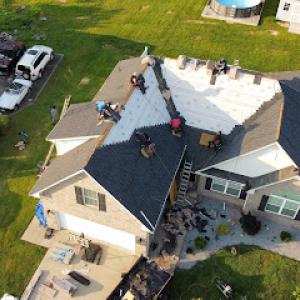
Roofworx
(615) 934-5732 www.fixmyroof-tn.com
Serving
5.0 from 21 reviews
Roofworx | Licensed, Bonded, and Insured – Your Trusted Nashville Roofing Experts Top-Rated Roofing & Storm Restoration Services in Nashville, TN Free Estimates | Insurance Claim Specialists | Financing Available
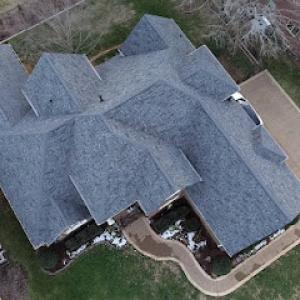
Mighty Dog Roofing of Murfreesboro
(615) 903-5268 www.mightydogroofing.com
Serving
4.9 from 191 reviews
When it comes to your home’s exterior, Mighty Dog Roofing delivers top-of-the-line services matched with the neighborly customer care our clients have come to love. Our team of skilled experts will conduct a free, detailed inspection of your home, treating it as our own. Whether your home needs a simple repair or a full roof replacement, expect to receive the transparent guidance you deserve. Whatever the case, our team will work to meet your safety and budget needs. We take pride in operating with quality materials, hiring skilled roofers, and providing our customers with a high-quality experience. See for yourself; our reviews say it all. Schedule your free, home inspection today!
The local building department in Williamson County and Nolensville treats a full roof replacement as a permit-driven project. That means the work isn't just about slapping on shingles; it's about meeting strict code requirements designed to handle our storm-driven springs and hot Tennessee summers. A permit ensures the plans are reviewed for underlayment, ventilation, and fastening methods, and that those details align with what inspectors expect to see when the job is complete. If a tear-off happens without the proper permit, you risk serious delays, rework, and the possibility of denial at final inspection.
Once the replacement is underway, a completion inspection is typically required locally to verify code compliance. The inspector will look closely at underlayment installation to block moisture intrusion, verify attic ventilation meets the required balance for your roof space, and confirm fastener patterns and nailing schedules match the approved method for your chosen material. In Nolensville, you'll also need to show that penetrations around vents, chimneys, and skylights are properly flashed and sealed. The goal isn't to catch you out, but to confirm that the roof will perform under wind, rain, and hail events common to our spring season.
Because the permit process is tied to full replacement work, homeowners should confirm whether the contractor or owner is pulling the permit before tear-off begins. If a contractor pulls the permit, you'll want clear documentation that the scope, materials, and fastening details match what's installed. If you're pulling the permit yourself, ensure your contractor can work within the approved plan and that every inspection checkpoint is scheduled in advance. Misalignment between the approved plan and actual installation is a frequent source of delays.
Expect inspections to require neat, organized job sites and accessible roof edges for review. Some crews run into trouble when ventilation accessories aren't correctly sized for attic space or when underlayment overlaps aren't offset as code requires. Another frequent snag is mismatched fastener counts or wrong nail type for the chosen shingles. If the job is done in phases or with temporary setups, inspectors will flag incomplete compliance. Communicate early with the inspector's office about any unusual roof configurations or ventilation needs on your home.
Coordinate with your contractor to align the tear-off schedule with permit issuance and inspection appointments. Ask for a pre-inspection walkthrough so you know what the final look and fastening patterns should be. In the end, proper permitting and a thorough final inspection protect your home and help ensure the new roof stands up to Nolensville's demanding weather.
Spring and fall are typically the most favorable roof replacement windows in Nolensville because they avoid the worst summer heat and the more installation-complicating winter freeze-thaw periods. If you're aiming for a smoother project with fewer weather-related disruptions, target the shoulder seasons-when days are milder, daylight is reliable, and crews can maintain steady pacing without heat-induced slowdowns. In practice, that means planning for a start after the last frost in early spring or after the first hard rains ease in late fall. These windows help protect underlayment and ventilation components from rapid temperature swings, while also aligning with standard inspection checks that expect consistent installation conditions.
Hot, humid Nolensville summers can affect installation conditions and material handling, especially on dark asphalt roofs during midday work. If a replacement must occur in summer, schedule work for early mornings or late afternoons to minimize heat exposure for installers and reduce the risk of material warping or sealing issues. Consider postponing nonessential tasks that day and ensuring crews have shaded break areas and ample hydration. Clear communication about daily start times, ventilation needs, and staging of materials helps keep the project moving efficiently even when conditions peak. A well-ventilated roof and proper thermal breaks become more important in the heat, so verify those details with your contractor before the first nail is driven.
Winter ice and freeze-thaw cycles in this part of Tennessee can stress roofing materials and make emergency repairs or replacements harder to sequence. If winter work is unavoidable, expect potential delays from ice buildup, harder navigability on the roof, and limited daylight hours. A cautious approach emphasizes staged work that safeguards interior spaces during cold snaps and ensures temporary protection remains in place during thaws. For homeowners, this means acknowledging that scheduling flexibility may be necessary and staying prepared for incremental progress or weather-delayed start dates. In milder spells, a winter replacement can proceed, but concrete planning should account for shorter days, higher risk of moisture intrusion, and the need for equipment to operate reliably in cooler conditions.
Asphalt shingles dominate the local market and align with Nolensville's high-volume residential re-roofing demand, making them the baseline comparison for cost and storm replacement speed. For homeowners facing spring wind and hail, asphalt can deliver reliable performance when paired with a solid underlayment and proper ventilation. Local crews routinely install these shingles quickly, allowing weather-driven replacements to proceed with minimal disruption. When choosing asphalt, look for those with good wind resistance ratings and a durable granule finish to help resist hail while keeping the roof visually consistent with most existing homes in the area.
Metal roofing has meaningful local contractor support and is a realistic upgrade path for homeowners prioritizing durability through hot summers and repeated storm exposure. Metal often shines in Nolensville's climate with its resistance to rapid temperature swings and heavy rainfall. It also tends to shed hail more effectively than standard asphalt, which can translate to fewer immediate repairs after a storm. If selecting metal, ensure the system is designed for attic ventilation and proper attic space to avoid heat buildup. The right metal profile can balance longevity, weight, and ease of installation, helping a full replacement stay ahead of future weather cycles.
Tile options-clay, concrete, and their synthetic counterparts-are present in the market but require closer attention to installer experience and structural suitability because they are far less common than asphalt in local replacement work. Tile can offer excellent longevity and a distinctive look, but it adds weight and can complicate attic ventilation and roof framing. Synthetic and slate alternatives provide unique aesthetics with varying durability profiles; however, installation expertise is more specialized, and warranty terms hinge on experienced hands. When considering these options, verify that the contractor has prior Nolensville-area projects, appropriate underlayment choices, and a plan to address potential weight and seismic considerations (where applicable) for your home.
The most popular roofing material in the US. Find pros who install, repair, and replace asphalt shingles.
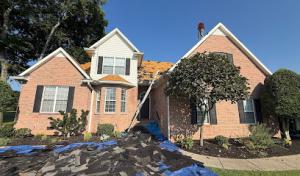
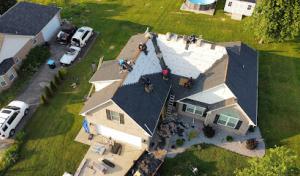
In the Nolensville area, wind and hail are the most relevant damage drivers behind replacement decisions and insurance involvement. When spring storms roll through, seemingly small hit areas can start a domino effect as wind-driven debris damages edges, vent collars, and the underlayment. The result is not always a dramatic roof collapse but a slow, costly progression of leaks and interior staining that shows up only after several storm cycles. If you notice loose shingles, curled edges, or dents in metal flashings after a storm, treat it as a red flag and have a pro inspect promptly.
Repeated wet spring periods in Middle Tennessee make leak tracing harder because active moisture can expose weaknesses around penetrations and flashing before homeowners see interior staining. Moisture can migrate along sheathing and fascia before dripping into the attic, so you may feel dry while the attic feels damp. This is especially true around chimneys, vent pipes, and skylights where flashing wears out or gaps form behind the sealant. A patient, methodical assessment matters: check for soft spots on decking, muffled drip sounds in the attic, and any musty odor that lingers after rainfall.
Local inspections emphasizing ventilation and fastening reflect two of the most consequential performance issues for roofs in this climate: heat buildup in humid summers and wind resistance during storm season. Poor ventilation accelerates shingle deterioration and edge lifting, while insufficient fastening can fail under sudden gusts. Look for balanced intake and exhaust airflow, properly spaced nails, and secure hip and ridge lines. If a roof feels excessively warm on hot afternoons or intermittently lifts at the eaves during storms, those are warning signs you should not ignore.
Storm damage can be a cue for a full roof evaluation rather than a patch. When a contractor identifies widespread underlayment wear, compromised flashing, or inconsistent fastener patterns, plan for a system that resists the climate's demands rather than chasing quick fixes. The better you understand how wind, hail, and moisture interact with your current roof, the less likely you are to face repeat damage and delayed repairs after the next round of storms.
Find contractors experienced in skylight installation, flashing, and leak repairs to bring natural light into your home.
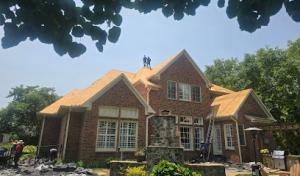
For Nolensville claims, homeowners should be prepared with dated photos, written damage descriptions, and a loss summary if requested by the carrier. Start by photographing all affected areas after a storm-shingles lifted, granules scattered, attic signs of moisture, and any interior damage. Keep a simple log with dates, locations, and a brief note on observable conditions. This collection will help you convey the scope clearly when the claim is opened.
Because adjuster visits may be scheduled for more complex Tennessee roof claims, homeowners should keep repair invoices, temporary protection records, and contractor findings organized from the start. Store receipts for tarps or temporary coverings, and note dates of any on-site visits or treatments. Create a folder or digital file with contractor notes, scans of independent assessments, and a copy of the original insurance contact. A clear timeline helps prevent disputes about the sequence of damage and mitigation steps.
The local prevalence of storm-damage and insurance-claim contractors means homeowners will encounter many firms offering claim assistance, so documentation should stay tied to observable roof damage and scope. Rely on photos that show the actual damage, such as missing shingles, lifted underlayment, or visible leaks, rather than estimates from third parties. Include written damage descriptions that map to specific roof areas and a concise loss summary that aligns with the carrier's claim form. This approach keeps discussions focused and supports a straightforward settlement process.
Connect with contractors who help homeowners navigate the claims process from damage assessment to final approval.

Barrett Roofing Company
(615) 776-5464 www.barrettroofingcompany.com
7557 Nolensville Rd, Nolensville, Tennessee
4.4 from 94 reviews
MidSouth Construction Roofing & General Contracting Murfreesboro TN
(615) 566-3789 roofingbymidsouth.com
Serving
5.0 from 6 reviews
When spring storms roll through, a fast-moving wind and hail event can open up a roof in hours. In Nolensville's contractor market, emergency response is highly relevant because homeowners routinely need tarping or leak control within a day or two. Delays invite interior water intrusion, mold risk, and escalating damage to ceilings, walls, and insulation. The priority is to stop the flow quickly, not to chase a perfect patch. Quick action reduces the chance of a larger, costlier repair down the line.
Fast temporary dry-in matters locally because regular spring rainfall can turn a small storm opening into repeated interior water intrusion before full replacement is scheduled. If tarping is advised, place heavy-duty plastic sheeting or a commercial tarp over the affected area, securing edges to resist wind uplift. Use roof bowls or buckets to catch leaks and protect electrical outlets and electronics in the attic or living spaces. If safe access is possible, identify and seal obvious gaps from inside with tar paper or board to slow water entry until a proper patch is installed. Do not walk on a damaged roof during a storm window; injury and further damage are real risks.
Homeowners should document temporary tarping and interior protection steps because those records can support later insurance review in Tennessee. Photograph all visible damage, dated and timestamped, and keep a simple log of when tarps were placed, what areas were protected, and who performed the temporary measures. Store notes and pictures with the damaged roof's address and storm date. This documentation helps clarify scope and urgency during the claim process and can smooth the transition to a full code-compliant replacement when the time comes.
When you can't wait, these contractors offer fast response times to stop leaks and prevent further damage.