
Last updated: Apr 19, 2026
This area sits in the Dallas-Fort Worth hail corridor, where spring thunderstorms routinely hammer roofs hard enough to push homeowners into insurance claims rather than minor repairs. When a storm rolls through, the clock starts ticking on documentation and response, because nearby houses are hit almost simultaneously and demand for trusted roofers spikes fast. The wind-carried hail, combined with frequent downbursts, means shingles can fail suddenly, and bruising often appears on surfaces that aren't obvious from the ground. In short, what looks like a quick patch can mask deeper damage that affects decking, flashing, and ventilation. Acting quickly isn't just about patching a cosmetic bruise; it's about preventing interior leaks and compounding weather damage that complicates a claim later on.
Wind-driven loss is the everyday reality here. A roofer who understands the terrain-tree lines, shade patterns, and typical roof angles-will tell you that shingle edges can lift or crack, and hail bruising often shows up as soft, darkened spots rather than clean holes. Bruising can travel along the lawn line under gutters or around porch eaves, signaling that forceful impacts reached the decking. If hail has battered a roof recently, the underlayment and flashing are vulnerable too, which means a failure to address those components promptly can force a full roof replacement sooner than expected. Look for lifted shingles, granule loss in gutters and downspouts, darkened patchwork on the roof surface, and any signs of swelling or moisture behind vents and dormers. If the attic feels warmer after a storm or you notice moisture staining on ceiling sheets, that's a strong cue to initiate a comprehensive roof inspection.
After a severe storm, time is your ally. Start photo documentation as soon as conditions permit: wide shots of the roof, close-ups of edges and flashing, attic spaces, and any visible interior staining. Create a simple storm diary noting the date and approximate time of the event, along with any hail size you observed or were told by neighbors. Record weather advisories, emergency visits, and claims filed by neighbors on the same street. A contractor's initial visual assessment should be logged too, with clear notes on whether decking, underlayment, and ventilation appear compromised. Keep every receipt and correspondence organized, because the insurer will want a coherent timeline that ties the damage to a single event or closely spaced events.
Local demand after a regional storm can compress scheduling, so securing a reputable roofer quickly matters. Seek a contractor who specializes in storm damage repairs and is known for transparent inspection practices. Validate credentials, check references, and request a written damage assessment that outlines decking, flashing, underlayment, and ventilation integrity. The goal is a thorough, line-by-line assessment that supports your claim and reduces back-and-forth with the insurer. When choosing a contractor, prioritize those who document their findings with clear photos and a detailed scope of work, because this level of documentation is what helps keep the process moving during a busy period. A ready-to-go phasing plan-signal assessment, temporary protection, and then a full replacement or repair-can help you stabilize the home quickly while the claim moves toward settlement.
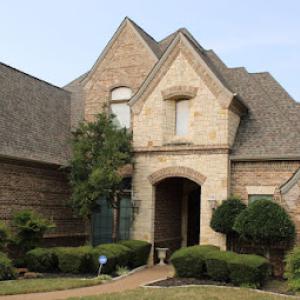
Sons Roofing
4013 Clay Ave # D, Haltom City, Texas
4.8 from 64 reviews
SONS ROOFING is a locally-owned and operated business that offers a customer-focused team with over 30 years of roofing experience. We provide roof inspections for hail and storm damage for Homeowners and Commercial Property Owners. We can help you through the insurance process for repairs or full-scale residential, commercial and industrial roofing services throughout the Dallas-Fort Worth Region and surrounding cities! We pride ourselves on our passion to help and serve people but also the grit and boldness to get things done when it counts. The story of SONS is much bigger than a business but of family and togetherness to know for certain your project is going to be taken care of with the character and you will be treated like family.
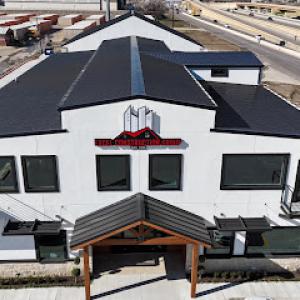
Excel Construction Group
(817) 380-1500 www.excelcg.com
4850 NE Loop 820, Haltom City, Texas
4.5 from 340 reviews
Excel Construction Group provides a combined over 50 years experience in roofing, remodeling, and masonry. We have the skills and knowledge to do just about everything in construction but we specialize in new home / office construction, luxury bathroom & kitchen remodeling, roofing, and masonry...
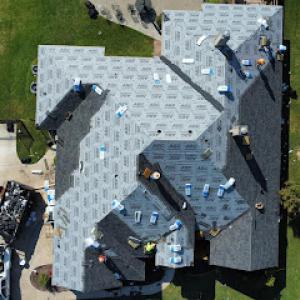
Davis Roofing Solutions
(817) 857-7663 www.davisroofingsolutions.com
Serving
5.0 from 289 reviews
Davis Roofing Solutions is your go-to DFW roofing contractor. We specialize in insurance funded storm restoration and roof replacement services across the DFW Metroplex and all of North Texas. If you have experienced hail or wind damage or just aren’t sure about the condition of your roof, we’re here to help! Whether you have an active roof leak or just need a little maintenance, we do it all…and we even offer minor repairs and routine maintenance absolutely free. We are proud to be your premier roofers in Fort Worth and provide a superior level of service, including free upgrades and lifetime warranties, that has led us to be known as “DFW’s Most Trusted Roofing Contractor”. CALL TODAY to see how we can best serve you!
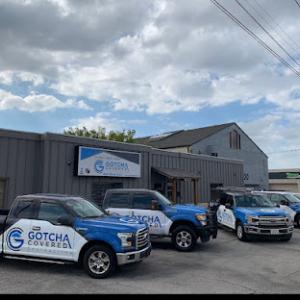
Gotcha Covered Contracting
(817) 812-2703 www.gccrooferstx.com
Serving
4.8 from 97 reviews
Gotcha Covered Contracting of Richland Hills offers services throughout the Fort Worth, TX area including residential and commercial roofing, siding, gutters, windows, remodels, restoration, and additions . If your roof has wind or hail damage, you may need roof repair. We can help. GCC provides free roof inspections and estimates. We specialize in a variety roof replacement services for homeowners and business owners whether it be Metal, Tpo, Clay or concrete tile, and shingles. When it's time to redo your siding, we install all kinds. If you need new gutters, we got ya covered! Call us today.
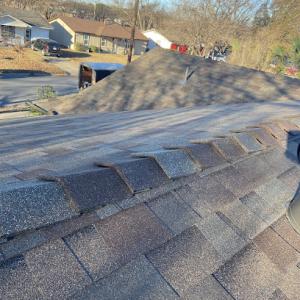
Sunny Side Roofing
(817) 714-8682 www.sunnysideroof.com
Serving
5.0 from 57 reviews
PROUDLY SERVING DFW SINCE 2006!
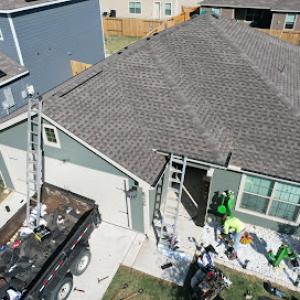
The Cowboy Roofing
(817) 704-5420 thecowboyroofing.com
Serving
4.9 from 52 reviews
The Cowboy Roofing company is a roofing company that services the Fort Worth and surrounding areas. We are a family owned and operated business that takes pride in our work. We offer a wide range of services, from roof repairs to new roof installations. We are licensed and insured, and we offer free estimates.
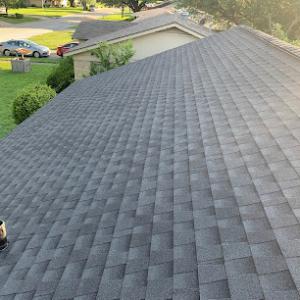
Korrect General Contracting
(817) 888-8827 www.korrect.net
Serving
4.8 from 122 reviews
Serving the Dallas-Fort Worth Metroplex since 2010, Korrect General Contracting is a one-stop shop for comprehensive home and business restoration. With expertise in roofing, foundation repair, and window installation, they also specialize in fire and water damage restoration. Korrect General Contracting is committed to providing reliable, high-quality craftsmanship, helping to restore and protect your property with a trusted A+ reputation.
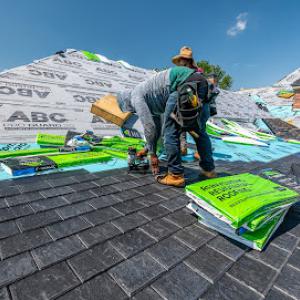
Texas Direct Roofing & Construction
Serving
4.9 from 426 reviews
Locally owned and operated since 2017—not out-of-town storm chasers. Texas Direct Roofing & Construction serves Dallas-Fort Worth and East Texas with roof repairs, full replacements, and storm damage restoration. As an Owens Corning Platinum Preferred contractor (top 1% nationwide), we offer extended warranties most roofers can't. Beyond roofing, our team builds covered patios, pergolas, outdoor kitchens, and handles interior remodels. Free inspections, insurance claim assistance, and financing available. RCAT licensed (#01-0501). Nextdoor Neighborhood Favorite 2021 & 2023.

Tarrant Roofing - Fort Worth
(817) 571-7809 tarrantroofing.com
Serving
4.6 from 769 reviews
"Fort Worth Roofing Company, Tarrant Roofing, is one of the best roofing companies in the DFW area with an A+ Rating on the BBB. They've provided residential and commercial roofing services across Texas for 30 years. Their roofing company has performed over 50,000 roof installations since opening in 1994. Tarrant Roofing currently ranks in the Top 50 of America's Roofing Companies for 2024. "Our approach is simple. From the smallest roof repair project, to the installation of a new commercial roof on a high-rise, we provide the same dedication and quality on every job, putting YOUR satisfaction over profits." Tarrant Roofing has an industry leading warranty. They are available 24/7 to take your call. Get started today with a free inspect...
Lifetime Commercial Roofing
Serving
5.0 from 100 reviews
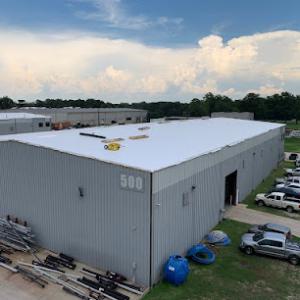
You can trust Lifetime Commercial Roofing for all your roofing needs. We offer top-quality residential roof, commercial roof, and industrial roofing services, including free inspections and leak detection. All inspections come with a photographed detailed report for your records, regardless if we need to do any repairs. Our experienced team uses state-of-the-art infrared leak detection to ensure thorough and accurate assessments. Count on us for exceptional results with the best materials and techniques on your shingle roofs, metal roofs, slate roofs, clay tile roofs, TPO flat roofs, EPDM flat roofs, PVC flat roofs, and more. Get in touch today to schedule your FREE roof inspection and let our experts help you navigate your best options.
Firefighter Roofing
(817) 750-0911 firefighterroofing.com
Serving
4.9 from 553 reviews
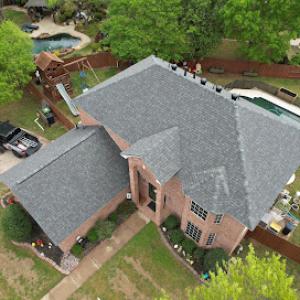
Firefighter Roofing is a roofing company based in Dallas-Fort Worth, TX providing comprehensive roofing services for homes and businesses. Our roofing services include roof replacement, roof repair, commercial roofing, emergency roof repair and a full range of roofing solutions, ensuring your property is fully protected. We are a full service roofing contractor servicing all of the Dallas-Fort Worth Metroplex and surrounding areas including Frisco, McKinney, Plano, Prosper, Southlake, Highland Park, University Park, Colleyville, Trophy Club, Flower Mound and more.
A Star Roofing of Texas
(469) 344-0020 www.astarroofingoftexas.com
Serving
5.0 from 72 reviews
"A Star Roofing of Texas, a North Richland Hills, Texas-based company, offers over 15 years of experience providing roofing services throughout North Richland Hills and Tarrant County. We uphold strong work ethics and traditional values, specializing in all facets of roof repair and replacement. Our mission at A Star Roofing of Texas is to consistently provide superior services at competitive rates. Our success is built upon unwavering dedication to our clients, ensuring their satisfaction remains our top priority on every project. For additional information, please contact us or visit our website. Always free No obligation roof inspections Jimbo 469-344-0020 or Shelby 817-771-2116."
In Haltom City, asphalt shingles dominate because they fit the postwar and suburban housing stock common across the area and are the most common replacement choice after hail losses. The local mix of small-to-mid-size homes with existing underlayment and standard decking often makes asphalt a practical, straightforward option that installers recognize well after a storm. When selecting shingle profiles, look for layered or architectural styles that balance wind uplift resistance with an approachable price point and proven hail performance for the local climate.
Asphalt shingles perform reliably in the North Texas sun, with a wide range of colors that help reflect heat and blend with neighboring roofs. In this market, choose shingles with a tested impact resistance rating and a strong wind uplift rating to handle the spring storm sequence common here. Pay attention to underlayment quality and proper attic ventilation, because ventilation helps control heat buildup that accelerates aging of asphalt products. In areas with frequent hail exposure, consider upgrading strapping and fasteners to better resist wind forces, and ensure a complete roof deck inspection during replacement to catch any hail-damaged decking or soft spots. With a typical Haltom City storm pattern, the fastest path to a durable finish is pairing a reputable shingle line with meticulous flashing repair and deck assessment.
Metal roofing is a meaningful niche locally, reflecting homeowner interest in longer service life under intense North Texas sun and repeated storm exposure. Metal panels resist hail better than brittle tile options when installed with appropriate fasteners, sealants, and edge detailing. Weight is higher than shingles, so structural checks are essential before choosing this route. A metal roof can offer excellent reflectivity and reduced heat gain, which helps curb attic temperatures if attic insulation is sound. Hurricane-strong wind performance and rapid replacement potential are benefits when installed by a pro who understands sealant durability and panel overlaps in the local climate. Consider choosing a profile that minimizes noise in severe rain events and pairs well with existing skylight and vent layouts.
Tile options appear in the market but require attention to structural loading and impact vulnerability because North Texas hail can crack brittle roof coverings even when the home itself is otherwise sound. Clay tiles market well in some neighborhoods, but their weight demands a reinforced deck and sometimes upgraded trusses. Concrete tiles offer more impact resistance than clay and can be a better option where wind exposure is high, yet still demand careful assessment of the structure and ventilation compatibility. If choosing tile, verify a robust fastener pattern and ensure the local installer accounts for expansion under heat. South-facing sections of the roof can experience more rapid thermal cycling, which stresses tile seams and mortar over time. In hail-prone days, a hail-damaged tile system can expose underlayment and decking sooner than expected, so inspection after storms remains essential.
After a severe weather event, perform a focused visual inspection of the roof for missing or damaged shingles, lifted edges, or visible indentations along the eaves and ridges. If there is any doubt about the integrity of flashing or underlayment, enlist a local roofer who understands the area's storm patterns and deck construction. Ask about warranty coverage on hail impact and wind resistance, and confirm that installation details align with the chosen roof type-especially underlayment thickness, flashing continuity, and ventilation adjustments for the attic.
Haltom City generally requires a building permit for full roof replacement, whether the applicant is the contractor or the homeowner. Before any work starts, verify that the permit is issued in the property owner's name and that the contractor's license, insurance, and project details are tied to the permit record. The city's inspection timeline hinges on this paperwork, so don't assume the project can slide through on a casual schedule. Start with the permit application early, especially if a storm-damaged roof is part of the plan, to avoid delaying the rebuild during the peak post-storm window.
The city inspection process commonly includes milestone checks and a final inspection, with attention to underlayment, flashing, ventilation, and roof sheathing. Each milestone is designed to confirm that materials and assembly meet code requirements for structure and weather resistance. Expect a review of deck preparation, fastening patterns, drip edge installation, and proper sealing around chimneys, vents, and skylights. The inspector will also look at attic ventilation and soffit details to ensure there is adequate air flow, which is critical in this climate and for long-term roof performance.
Because local review focuses on assembly details rather than just surface shingles, homeowners replacing storm-damaged roofs should expect code-compliance corrections if hidden deck or ventilation issues are uncovered. Storms can reveal compromised decking, water-damaged sheathing, or inadequate ventilation that isn't obvious from ground level. If an inspection flags such items, plan for the necessary repairs or retrofits. Tackling these issues proactively saves re-inspection time and helps prevent future leaks or energy losses.
Coordinate timing with both the contractor and the building department to align milestones with weather windows common to the season. After the final inspection, ensure you receive a certificate of occupancy or final permit closure as applicable, and keep the record for any future selling or warranty questions. If a revision notice comes through, address it promptly and document the corrective work with photos and updated contractor notes. This shows ongoing compliance and helps keep the project on track in a dense residential area with strict oversight.
In this market, asphalt shingles are the baseline choice for a typical Haltom City roof replacement. They offer predictable timing and broad labor availability when storms roll through Dallas-Fort Worth, even ashail events tighten the schedule. Labor demand in the Dallas-Fort Worth storm cycle can push bids upward, so you'll often see a tighter window from contract to start. If you're comparing quotes, the per-square asphalt figure tends to sit at the lower end relative to other materials, but beware seasonal spikes that can stretch the project timeline and the overall cost.
When the scope leans toward metal, clay tile, or concrete tile, you're stepping into a higher price tier. Metal and tile systems require specialized crews and more intricate detailing, which drives labor costs higher. In Haltom City, that premium shows up quickly on the bid sheet, especially if the project needs precise flashing, venting, and deck work to satisfy local inspection expectations. Synthetic or composite shingles sit between asphalt and the premium options, offering a middle ground for kitchens and attic spaces that demand tighter wind performance without the higher labor overhead of tile.
Your final number isn't just the per-square material price. Local pricing is heavily affected by storm-cycle demand in the Dallas-Fort Worth market, where hail events can tighten labor availability and push replacement schedules and bids upward. In practical terms, even if the base material range looks modest, the crew's arrival window, truck availability, and backlog can add days or weeks and push the total upward. And remember, city-required corrections to decking, flashing, or ventilation add to the bottom line beyond the base per-square material range, so a clean estimate should reflect potential tweaks discovered during the decking and flashing review.
Start with a realistic cushion for weather-related delays, especially after a hail event. Gather two or three local bids to compare the sequencing of work and the stated material grades. Prioritize contractors who include a clear scope for decking, flashing, and ventilation work, plus a transparent up-front discussion about any anticipated corrections and how they affect the overall per-square cost. If a bid hinges on a particularly fast turnaround, ask for a schedule contingency and a written explanation of any premium fees tied to limited labor availability.
Get a clear picture of your project costs upfront - no commitment required.
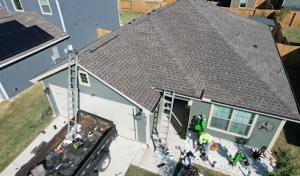
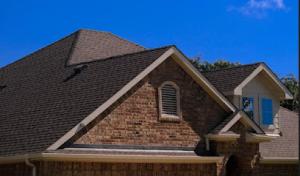
Hail and wind claims are common across the Dallas-Fort Worth area, so Haltom City homeowners often face insurer scrutiny over photo evidence, scope documentation, and whether damage warrants repair or full replacement. Insurance adjusters in this market expect consistency between what is seen in-person and what is documented on paper. A straight, verifiable story about the roof's condition after a storm helps reduce back-and-forth delays.
Because adjusters in this market frequently rely on roofer damage assessments, homeowners need thorough date-stamped photos of slopes, soft metals, interior leaks, and any emergency tarping. Capture the perimeters of any debris impact, the condition of attic ventilation, and signs of moisture intrusion from multiple angles and times. Clear, timestamped imagery supports the narrative when the claim moves from evaluation to repair decision.
Repeated regional storm losses can affect premiums and coverage terms, making claim timing and documentation especially important for North Texas homeowners. Waiting too long to file or delaying important photos can complicate records, especially when weather patterns shift quickly after a hail event. A proactive, methodical approach reduces the chance of disputes over what was observed and when it was observed.
In many cases, a claim will hinge on whether damage is cosmetic or structural, and how far moisture has penetrated decking or underlayment. Field judgments can vary, so having a verifiable trail of images and notes can help align expectations between homeowner, contractor, and insurer. If a dispute arises, you'll want to reference the storm date, observed conditions, and the documented evolution of leaks or damage.
After a hail event, organize a simple timeline: storm date, initial observations, photos, and any temporary fixes. Coordinate with a licensed roofer for an independent, written assessment that can be cross-checked against the insurer's notes. Remember that insurers may scrutinize frequent losses more closely, so meticulous documentation is your strongest ally in navigating post-storm settlements.
Connect with contractors who help homeowners navigate the claims process from damage assessment to final approval.
Excel Construction Group
(817) 380-1500 www.excelcg.com
4850 NE Loop 820, Haltom City, Texas
4.5 from 340 reviews
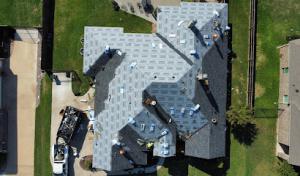
The Dallas-Fort Worth metro area sizzles through long, predictably harsh summers, and Haltom City roofs feel that heat in a way that speeds aging of asphalt shingles. In this climate, heat exposure isn't just uncomfortable-it accelerates granule loss, softens asphalt, and can shorten the effective life of a roof compared with milder regions. Understanding how heat interacts with your materials helps you spot trouble earlier and plan smarter replacements.
Ventilation matters are not cosmetic here. The local emphasis on attic ventilation exists for a reason: trapped attic heat can raise decking temperatures and amplify the stress on underlayment, flashing, and especially shingle seal-strips. When ventilation is insufficient, shingles may curl more quickly at the edges, granules shed faster, and adhesive seams can fail sooner after installation. A well-vented attic keeps temperatures closer to outside air, which helps your new roof resist premature wear and reduces the risk of wind-driven water intrusion at the peak of a storm.
Extreme heat also shapes when replacements are practical. Work in the hottest months can be unsafe for crews and challenging for adhesives and fasteners to perform correctly. Cooler windows and milder evenings become more common scheduling targets, allowing more comfortable conditions for roof access, safer handling of materials, and more reliable sealant and flashing installation. In practice, that often means planning replacements outside the peak heat of summer and aligning with days when roof surfaces won't overheat during critical stages of installation.
To maximize the longevity of a new roof in this environment, prioritize a system that balances ventilation with proper decking, flashing, and underlayment. The goal is a coordinated approach: enough attic air exchange to keep temperatures manageable, solid insulation of pathways around penetrations, and a careful sequence during installation so seal-strips and flashing have a clean, dry surface to adhere to. This alignment helps your new roof stand up to the next round of hail and wind storms that Dutifully sweep through the area.
Severe thunderstorms in the Haltom City area can create same-day leak emergencies from lifted shingles, punctures, and flashing failures. A rapid drop in overnight temperatures or sudden gusts can aggravate already stressed roofs, turning a minor leak into widespread water intrusion inside ceilings and walls. If you notice dripping onto insulation, staining on attic decking, or a spongy feel under your roof deck, treat it as urgent.
If you wake to active leaking, prioritize safety and temporary control. Move pets and valuables away from the leak path, place a pail or tarp beneath drips, and, if you safely can, access the attic to identify vent stacks or flashing that may be driving the intrusion. Quick stabilization is critical: tarping the most exposed area and securing loose shingles or flashing prevents additional water damage while you arrange assistance.
The local market shows a strong prevalence of quick-response contractors who focus on tarping and immediate water-intrusion control after overnight storms. Seek a team that can arrive promptly, cover exposed decking, and establish a temporary seal to limit further leakage. In Haltom City, a fast, on-scene assessment helps you avoid escalating damage while waiting for a longer-term fix.
Document the damages with date-stamped photos from multiple angles, noting affected areas, attic signs, and any fallen or displaced components. Keep a written log of who you spoke with, what was done on arrival, and any materials placed to control the leak. This record supports the next steps in stabilization and eventual restoration, especially when longer-term repair plans are required.
Fast temporary stabilization is especially important in this market because claim documentation and city-permitted replacement may take longer than the initial emergency response. Maintain the area, monitor for new leaks after initial tarping, and schedule a follow-up assessment to map the path to a full, code-conscious restoration.
When you can't wait, these contractors offer fast response times to stop leaks and prevent further damage.
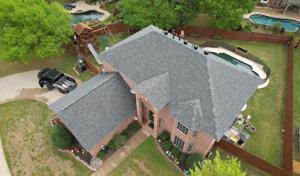
Many homes in this area are older suburban properties where reroofing can expose aging sheathing, outdated flashing details, or ventilation setups that do not meet current expectations. Before lifting shingles, inspect visible decking from the attic and eaves for signs of moisture, nail pops, or sagging areas. If decking looks soft or darkly stained, plan for reinforced or replaced plywood and upgraded fastening patterns. Ventilation matters because insufficient flow can shorten a new roof's life, especially after North Texas storms. Consider adding or repositioning soffit vents and a ridge vent to deliver balanced airflow, reduce glare inside attics, and minimize heat buildup that can age underlayment and sheathing prematurely.
Chimney and skylight penetrations are common in this market and require specialized attention during replacements. Start with a close examination of step and counterflashing where the chimney meets the roof plane; rusted or lifted metal is a frequent trouble spot after hail. Skylight seals can degrade with age and weather cycles, leading to hidden leaks that only show up during heavy rain. A careful job will reflash, reseal, and, when needed, install flashing counters that align with the surrounding shingles or tiles. Where vent pipes pass through, check boot flashings for cracking, tearing, or uplift. Pro at least one inspection after installation to confirm that sealants stay flexible and that flashing remains properly anchored through seasonal shifts.
On lower-slope sections such as additions, porches, or commercial-style areas, material transitions and drainage details are frequent weak points after storms. Pay attention to how shingles or tiles meet membranes, hip-and-ridge intersections, and edge drywall lines in ledger areas. Ensure a properly sloped transition to reduce ponding, and confirm that valley and corner flashings are continuous and well sealed. In these zones, the integration between new roofing material and existing components (underlayment, drip edges, and gutters) should be seamless to prevent water infiltration during heavy rains or hail events.
Find contractors experienced in skylight installation, flashing, and leak repairs to bring natural light into your home.

In this dense inner-Fort Worth suburb, the local market is crowded with re-roofing contractors. Many firms will emphasize storm restoration, fast response, and cleanup more than niche luxury roofing. That emphasis can feel reassuring after a severe hail event, but it also invites pressure tactics and short-term thinking. The strong post-storm solicitation season can push you to sign before you've fully vetted options. Recognize that rapid promises to "fix everything today" often come with tradeoffs in workmanship, long-term performance, and paperwork handling.
Long-established, family-owned, and locally owned firms are a visible part of the market, and that track record matters in a city where crews rotate through neighborhoods after major weather events. Look for crews that have steady local warranties, clear references from similar neighborhoods, and a persona that prioritizes accuracy over urgency. A reliable storm roofer should offer a transparent timeline, a thorough assessment of decking, flashing, and ventilation, and the ability to walk you through the steps of a complete restoration rather than a piecemeal fix. Avoid outfits that rely on high-pressure tactics or vague promises about "instant approvals."
Because permit compliance and final inspection are part of the local process, homeowners should prioritize contractors who can manage city paperwork and inspection corrections without delays. A dependable local roofer will coordinate inspections, address any raised concerns promptly, and keep you informed if revisions are needed. Confirm who will be your main point of contact and whether the firm uses a dedicated project manager during the repair. In Haltom City, where street after street can look similar after a storm, having a familiar, accountable local firm can reduce the likelihood of miscommunication or delays in final clearance.