
Last updated: Apr 19, 2026
Spring hailstorms and heavy rain are a primary trigger for roof replacement decisions in this market. The Dallas-Fort Worth weather pattern means fast-moving hail events that can leave unseen damage behind after a storm front passes. A homeowner should treat the aftermath as a race against time: the longer you wait, the more vulnerable the underlayment and decking become, increasing the risk of leaks and interior damage. In practice, this means you respond quickly after the first alert of hail and start a focused roof assessment within 24 to 48 hours if possible. If you're unsure, a local roofer with storm-responder experience can help you triage issues by wind direction, hail size, and rain exposure for your particular home.
Texas wind and hail exposure creates a high-claim environment, so insurers will expect dated photos and clear documentation of roof condition from before and after a storm. Gather high-resolution images showing roofing edges, shingles, flashing, penetrations, and any visible interior signs of water intrusion. Keep a simple storm log: dates, hail size estimates if known, and notable wind events that might affect different elevations of the roof. If you get an adjuster visit, be prepared to provide a concise summary of observed damage, the time elapsed since the storm, and any related interior moisture symptoms. In some cases, insurers request wind-mmitigation or engineering details; having these ready can streamline the claim and reduce back-and-forth.
Because contractor demand surges after North Texas hail events, response time and temporary dry-in work matter more here than in calmer-weather markets. Establish a plan for temporary protection early: tarps or secure coverings over any open roof areas to minimize water intrusion while you coordinate with a contractor. Prioritize areas over living spaces first, then prioritize accessibility to the attic to prevent further moisture intrusion. If you cannot secure a dry-in quickly, document the delay and communicate it to your insurer and contractor to avoid misinterpretation of losses as neglect or poor maintenance.
In Aledo, storms create a cycle where many reputable roofers shift to storm response teams. Reach out to a locally trusted roofer who understands Parker County claim workflows and the typical timelines after a North Texas hail event. When you start the process, request a detailed scope of work that includes debris removal, fast-tracking nail-back/replacement considerations, and a clear sequence for inspection, estimate, and installation. Be explicit about the need for thorough documentation of the replacement rationale, including any observed hail impact patterns, felt underlayment concerns, and the condition of ventilation components. A calm, documented, and timely approach reduces the risk of delayed repairs and helps you maintain a weather-tight roof through high-demand periods.
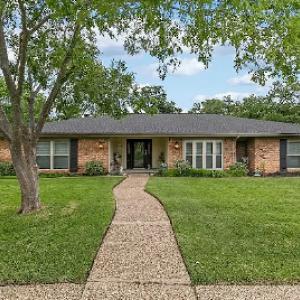
Qualis Roofing & Construction
(817) 500-9008 www.qualisgc.com
701 Bear Cat Rd A, Aledo, Texas
5.0 from 161 reviews
Transform your home with unparalleled roof installation and replacement services by Qualis Roofing & Construction in Aledo, TX. Our expert team combines skill and style to provide you with a roof that delivers durability and longevity you can rely on!
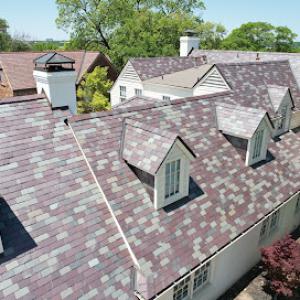
GreenLight Roofing & Remodeling
(817) 263-6088 greenlightroof.com
1015 Champions Dr Suite 100, Aledo, Texas
5.0 from 118 reviews
Premier Roofing, Window, Siding contractor in Aledo, TX. At GreenLight Roofing and Remodeling, we believe that you should be able to trust your roofer. That's why we always start by offering a full consultation to explain your options so that you can choose the right roofing plan for your home or business. We will work with you and adhere to your personal needs, and then we'll be in contact throughout the whole project. We are roofers with a passion for energy efficiency. We offer many lines of Quality Replacement Windows, Attic Insulation, Spray Foam Insulation, and Radiant Barrier.. We take pride in our work and strive to provide you with the highest quality products to make your home more comfortable and energy efficient
My Exterior Solutions
(817) 580-8688 myexteriorsolutions.com
1015 Champions Dr Suite 100, Aledo, Texas
5.0 from 72 reviews
My Exterior Solutions is a veteran-owned and family-operated exterior specialist based right here in Aledo, TX. We take pride in protecting our neighbors’ homes with high-quality roofing, siding, and gutter solutions. From emergency storm damage repairs and full roof replacements (asphalt, metal, tile, and TPO) to professional painting and fencing, our team is dedicated to excellence and integrity. We also specialize in seamless gutter installation and seasonal Christmas light displays to keep your home looking its best year-round. As a BBB Accredited, A-rated business, we handle every project with veteran-led precision. Call our team today for a free inspection and experience local service you can trust!
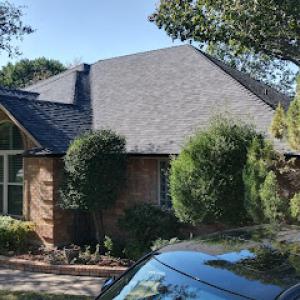
DFW Premium Roofing
(817) 503-0625 www.dfwpremiumroofingandsolar.com
1019 FM 5, Aledo, Texas
5.0 from 85 reviews
DFW PREMIUM ROOFING has been serving the great North Texas Area for over 20 years. We have great standing with deep roots in the community. Our number one priority is helping our customers have a roof that they are not only proud of but that keeps their families safe. We are Bonded as well as Insured and poses the knowledge to work on all roofing systems. We have an A+ rating with the B.B.B. and there is never a job that we cant tackle. DFW Premium is a one stop shop for all of your roofing needs that handles everything front to back. We are a tight knit family and we look forward to making you a part of it.
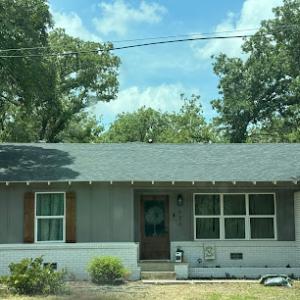
Sigman's Roofing
(817) 771-4159 www.sigmansroofing.com
Aledo, TX
5.0 from 10 reviews
A perfect roof is an essential factor in your building investment. Unfortunately, many property owners don’t know what kind of roofing system they should install on their business or home to add beauty and longevity. The roofing experts at Sigman's Roofing will joyfully explain different roofing materials and their benefits. Whether it's a residential, industrial, or commercial roof that you want, we will assist you in choosing the right type of roofing that fits your needs. As the top rated Roofing Contractor Weatherford, we help property owners improve the look of their homes or business with new roofs, remodeling, and even storm restoration. Experts at Sigman's Roofing will be happy to offer you a free quote on the services you need.
L3 Roofing Solutions
9901 E Bankhead Hwy, Aledo, Texas
5.0 from 8 reviews
We are a family owned roofing company servicing DFW and surrounding areas. Now offering Christmas light installation!
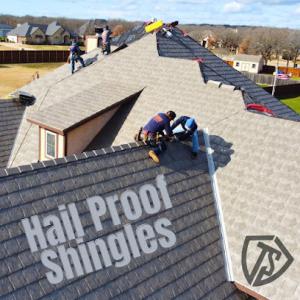
Top Shield Roofing Systems
(817) 901-5058 www.topshieldroofingsystems.com
10200 E Bankhead Hwy building C, Aledo, Texas
5.0 from 7 reviews
Top Shield Roofing Systems is a Commercial, Industrial, and Residential roofing company that specializes in Flat, Low Slope, Steep Slope, Metal and many other types of roof systems.
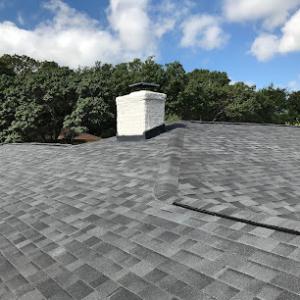
Streamline Roofing Parker County
(817) 550-0817 www.streamlineroofingtx.com
Serving
4.9 from 66 reviews
Streamline Roofing Parker County is a highly rated roofing contractor serving property / homeowners in Parker County including Weatherford, Aledo, Willow Park, Annetta and Hudson Oaks. When dealing with a roof leak or roof problem, we’ll help find the best roofing solution. This could be a simple low-cost roof repair, or a full roof replacement. In some cases, the new roof installation is paid for by insurance. Regardless of the circumstances it’s our commitment to provide homeowners with the most reliable and best quality roofing solutions on each roof repair or roof replacement. Whether you’re looking for a shingle roof, metal roof, tile roof, composite slate or wood shake roof we’ll install a top-quality roof that will last a lifetime.
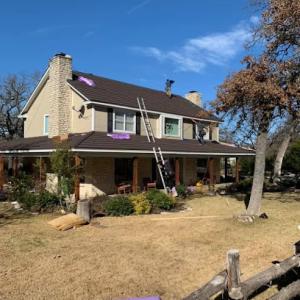
Crump Roofing Pros
(682) 774-5771 www.crumproofingpros.com
Serving
4.8 from 50 reviews
Local commercial and residential roofing repairs, installation and maintenance to the community
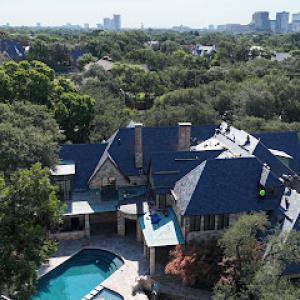
Crafted Roofing & Construction
(817) 988-9509 craftedroofingtx.com
Serving
5.0 from 105 reviews
Crafted Roofing and Construction is your trusted partner for high-quality roofing and construction services. We specialize in durable, expertly crafted roofing solutions, including repairs, replacements, and new installations. With a commitment to excellence, integrity, and customer satisfaction, our experienced team ensures every project is completed on time and within budget. Whether you need residential or commercial roofing, we bring craftsmanship and reliability to every job. Contact us today for a free estimate and experience the difference of working with Crafted Roofing and Construction!

DK Haney Roofing
(866) 379-4846 www.dkhaneyroofing.com
Serving
4.6 from 22 reviews
Headquartered in Fort Worth, TX, DK Haney Roofing is a national, full-service, commercial roofing contractor. Our expertise includes all types of major commercial roofing systems including single-ply, built-up, modified bitumen, fluid-applied systems, standing seam metal, shingles and waterproofing.
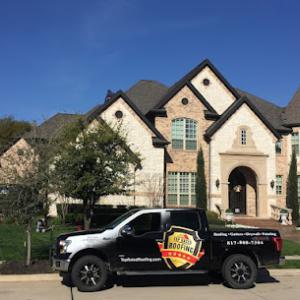
Top Rated Roofing
(817) 808-7304 www.topratedroofing.com
Serving
5.0 from 136 reviews
When it comes to protecting your home or business, call the experts at Top Rated Roofing for a service you can trust. We provide full restoration from hail damage, such as roof, gutters and windows, drywall and painting.
In this market, the roof lives through long, hot Texas summers and the occasional North Texas hailstorm. The dominant residential options cover a wide spectrum-from suburban production homes to higher-end custom builds-so you'll see asphalt shingles, metal, clay tile, concrete tile, wood shakes, and synthetic/composite shingles on familiar streets. For Aledo, the challenge isn't just curb appeal; it's how well a roof ages under intense heat, resists cracking from hail, and stays repairable after a storm. The goal is to balance heat aging, crack resistance, and ease of field repairs while keeping maintenance practical for a growing neighborhood.
Heat accelerates shingle aging and can soften some plastic-down components in metal or synthetic products. Hail demands materials with good impact resistance and solid sealing around fasteners and perimeter details. In Aledo's context, tile and metal are not merely aesthetic options; they're often chosen for their resilience and long-term performance under lasting sun exposure and mounting storm activity. When considering replacement, think about how a given roof type will perform after a North Texas hail event, how easily damaged sections can be replaced, and whether the material can endure multiple summers without frequent roofline repairs.
Clay tile and concrete tile offer excellent durability in this climate and can handle heat without excessive degradation. They bring a distinct, timeless rhythm to the skyline and can outperform asphalt on long-term longevity in sun-drenched afternoons. Metal roofing, meanwhile, provides outstanding impact resistance with a lighter structural load in some installations and can reflect a meaningful portion of heat, translating to cooler attic spaces. For Aledo, tile and metal appear often enough among replacement options that homeowners facing a storm-driven decision should consider how these materials interact with attic ventilation, underlayment choices, and the potential for localized hail impact patterns on the roof surface.
Asphalt shingles remain common for mixed neighborhoods, especially on production homes or more modest elevations. They tend to be lighter on upfront cost and easier to repair after hail damage in a pinch. Synthetic or composite shingles can bridge the gap between traditional shingle aesthetics and enhanced impact resistance, while still being more forgiving to install and repair than some heavier tile systems. If choosing synthetic options, align expectations with local storm histories and typical contractor lead times after a hail event, since demand spikes can affect availability.
Regardless of the selected material, plan for routine inspections after storm seasons and periodic heat-age checks, particularly around fasteners, flashing, and transitional details. Aledo homes often feature rooflines with varying degrees of slope and accessory structures that require careful sealing and timely repairs. When a storm hits, knowing who to call for quick tarping, careful debris removal, and targeted repair can keep the roof intact and the interior dry while a full replacement is scheduled.
Spring and fall are the most favorable reroofing windows in Aledo because North Texas summer heat can complicate installation conditions and winter cold snaps can stress older materials. In spring, milder days make shingle installation more predictable and help crews avoid heat-related work slows. Fall brings cooler temperatures and lower humidity, which helps sealants and underlayment to set properly before winter weather arrives. If you want to minimize disruption to outdoor tasks and keep interior temps comfortable during work, aim for a window when sneaky pop-up storms are less likely and daylight lasts longer.
Hail tends to leave telltale damage that isn't always obvious from the ground. After a storm, a careful inspection is worth doing with a ladder or by hiring a reputable local roofer to assess the roof surface, edges, and penetrations. Look for missing granules, dented flashing, or shingles that have lost their snap and curl. Even when you don't see obvious holes, repeated hail exposure can compromise the shingle's granule coating, leading to accelerated aging. If you notice soft spots or widespread granule loss, replacement should be considered rather than a quick patch. In Aledo, many homeowners discover replacement needs after a spring hail event, once the dust settles and a closer look is possible.
Summer UV and heat in the Dallas-Fort Worth area accelerate asphalt aging, making late-summer deterioration especially visible on older roofs in Aledo. If the roof is already near its expected lifespan, late-summer heat can push it into failure mode, showing curling, cracking, or edge failures sooner than anticipated. Fall wind events in this region can lift aging shingles and drive debris damage, so many homeowners discover replacement needs after spring hail or before autumn fronts. The combination of heat exposure followed by autumn winds means that a roof already under stress is more likely to reveal itself during that transition period.
You start by documenting the roof's condition and mapping any problem areas-edges, valleys, penetrations, and near the chimney. Photograph sagging sections, granule loss, and exposed underlayment. Gather the most recent proof of maintenance and prior repair notes. When selecting a contractor, prioritize those with a local track record of handling storm-driven replacement cycles, good references, and clear scheduling practices for the spring and fall windows. Agree on a start date that minimizes rain risk and aligns with permit review and material lead times, then set up a clear plan for protecting landscaping and vents during tear-off.
Get a clear picture of your project costs upfront - no commitment required.
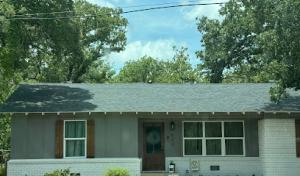
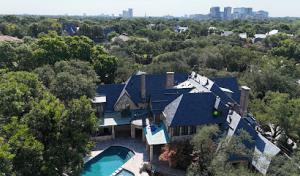
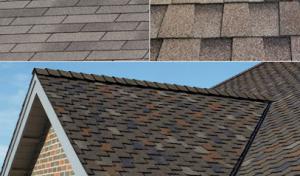
A full reroof in this area is not treated as a simple, no-paperwork maintenance item. The Parker County/Aledo building review process requires a permit that documents the scope and intent of the work before any nails go through the deck. That means your project isn't a quick, quick-fix hustle; it's a formal plan that the local authorities review for safety and compliance. The permit serves both you and your neighbors by ensuring that the roof replacement considers the way the house is built, the local climate, and the neighborhood standards. In practice, this means gathering the right information up front and avoiding post-work surprises that can hold up approvals or complicate repairs after a storm.
The local building department will examine the reroof scope before issuing the permit. This review isn't just a box to check; it's an opportunity to confirm whether decking changes, ventilation changes, or flashing revisions are included in the job. If you're replacing with a different roof type or updating penetrations for plumbing, attic vents, or chimneys, those items should be identified and approved as part of the permit package. In Aledo's climate, attic ventilation and flashing details directly affect long-term performance during North Texas heat and hail. Verifying these elements ahead of time helps keep the project from stalling when inspectors arrive for the review.
Inspection in this jurisdiction includes an on-site check after installation and final approval. Inspectors will pay particular attention to flashing, ventilation, and overall code compliance. Lighting and drainage around the edges, proper fastener penetration through deck or sheathing, and compatibility with underlayment are areas that can trigger a rework if not addressed during installation. The goal is to confirm that the reroof not only looks finished but performs safely through the next storm season. Expect the inspector to verify that the installation matches the approved scope and meets current building codes.
Start the process early by contacting the Parker County building department to confirm required forms and any local quirks in the permit packet. Document pre-existing conditions with photos, including decking if accessible, ventilation locations, and flashing details. Coordinate with your contractor to align the work with the approved scope, and keep copies of all permit documents, inspection notices, and communications. If a storm window creates additional damage or requires changes to the plan, address it before work begins to avoid last-minute delays and ensure a smooth final inspection.
After North Texas hail events, pricing in this market tends to creep higher and scheduling can stretch into weeks rather than days. The spike in demand comes from both storm-damaged roofs and the flurry of post-storm contractors jockeying for work. In Aledo, that dynamic is real not just on the calendar, but on the roof line of every home that saw hail. Expect faster project starts in the weeks immediately following a storm, with crews sometimes prioritizing the closest or most visible fixes. You'll notice prices hold steadier in quieter months, but during and right after a hail event they can climb above typical levels as crews balance travel, material arrivals, and permit queues.
Typical local pricing runs about $360-$700 per square for asphalt shingles, $700-$1200 for metal, $800-$1600 for clay tile, $700-$1400 for concrete tile, $650-$1100 for wood shingles or shakes, and $600-$1000 for synthetic/composite shingles. This spread reflects not only the material chosen but the roof's shape and complexity. In Aledo, you'll encounter a mix of suburban tract homes and larger custom builds. The latter often pushes you toward steeper rooflines and more ornate flashing details, which raises both material and installation costs. When a storm reloads the market, premium materials like tile or metal become more common, and the labor hours to install them can extend, nudging overall project costs higher.
The mix of homes around Aledo matters. A standard ranch frame with a shallow slope will typically lean toward asphalt shingle pricing, while a two-story home with a steep, multi-gable roof and tile accents leans into concrete or clay tile or premium metal at the higher end of the ranges. Complex flashing, skylights, chimney areas, and venting add to both materials and labor, often translating into a higher final price. Also, larger square footage or unusual roof shapes can expand the project scope, even if the surface material remains the same. In practical terms, expect a broader spread on bids after a storm, with timing and crew availability as the deciding factors as much as the exact material choice.
1) Start with a careful inspection to identify the most urgent damage, focusing on compromised underlayment and visible impact zones. 2) Gather two or three bids early in the aftermath to benchmark pricing and schedule, noting any rush fees. 3) Prioritize material choices that align with your home's style and climate exposure, balancing durability with cost. 4) Prepare for a potentially tighter window to complete the project if a busy period hits, and plan around possible weather delays. 5) Keep a clear record of all communications and documentation to streamline the insurance and replacement process as it unfolds.
Don't let upfront costs delay a critical repair - these contractors offer payment plans to fit your budget.
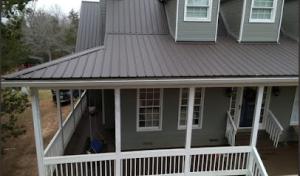

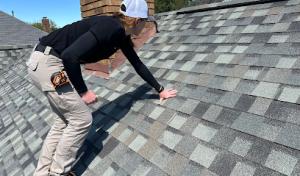
In Parker County, carriers tend to scrutinize roof age, recent condition reports, and photo documentation more closely than in lower-claim regions. This is not about being punitive, but about how reinsurance markets and North Texas weather patterns interact with policy underwriting. After a hail season or a hot stretch that leaves roofs stressed, you may see tighter reviews and more conservative stances on replacements, even when damage seems obvious to a neighbor.
After major North Texas hail activity, some insurers tighten rates or underwriting criteria. That dynamic creates pressure to prove maintenance and replacement quality, even if the roof isn't dramatically aged. The risk is real in this market, where a fast-growing exurban area meets a high volume of storm claims and a flood of contractor activity. Aledo homeowners should expect insurers to look beyond a single hail hit and examine overall roof health and prior interventions.
For claims in this market, preserve storm-date evidence and exterior and interior leak photos, plus any inspection findings. Documentation standards are commonly stricter after hail events, so loose notes won't carry the same weight. Take clear, time-stamped photos of hail impact areas, attic signs of water intrusion, and any previous patching or counterflash details. Keep copies of contractor evaluations and any written communications with the insurer.
If a storm hits, photograph the entire roof from ground level and from the attic where water routes are visible. Record dates, weather conditions, and any temporary measures you implement to limit further damage. When interacting with adjusters, provide a concise, organized set of photos and report summaries, and be prepared for questions about maintenance history and prior repairs. This organized evidence helps you navigate the stricter post-storm standards commonly seen in this market.
Connect with contractors who help homeowners navigate the claims process from damage assessment to final approval.
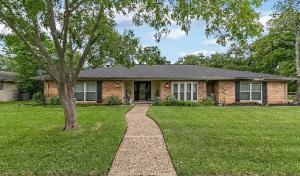
Qualis Roofing & Construction
(817) 500-9008 www.qualisgc.com
701 Bear Cat Rd A, Aledo, Texas
5.0 from 161 reviews
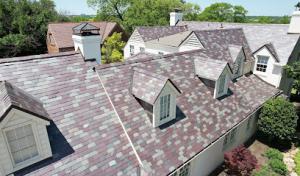
GreenLight Roofing & Remodeling
(817) 263-6088 greenlightroof.com
1015 Champions Dr Suite 100, Aledo, Texas
5.0 from 118 reviews
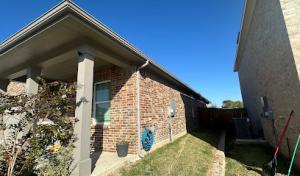
My Exterior Solutions
(817) 580-8688 myexteriorsolutions.com
1015 Champions Dr Suite 100, Aledo, Texas
5.0 from 72 reviews
In Aledo, repeated hail exposure makes granule loss, bruising, cracked tile sections, and loosened ridge or hip components more relevant than in milder Texas markets. When hail pounds the surface, granules can wash away, leaving the asphalt mat exposed and more susceptible to UV deterioration. Clay and concrete tiles show impact cracks and spalling that can propagate under heat and sun, even if the visible damage seems minor at first glance. You should pay attention to soft spots along the roof plane, sudden dark patches that indicate water pooling beneath shingles, and exposed fasteners that may have loosened from impact. Regularly inspecting the roof after a storm and noting each affected area helps determine whether a full replacement cycle is warranted or if targeted repairs will hold through the next season.
The local inspection emphasis on flashing and ventilation reflects common failure points in this region, where wind-driven rain and attic heat can turn small installation defects into leaks or shortened roof life. Damaged or poorly sealed step flashing around chimneys, skylights, and wall transitions can allow water to migrate into the attic even if the main roof surface looks intact. Ridge cap and vent pipe flashing should be checked for lifting or cracking, which can create a path for moisture during North Texas storms. Ventilation issues-insufficient attic airflow, blocked soffit vents, or undersized static vents-raise attic temperatures, accelerating shingle aging and loosening the roof's edge components. A practical approach is to crew a quick annual walk-around with a careful eye for any glossy sealant lines that have peeled, corroded metal regions, or displaced flashing, then schedule a professional evaluation before the next storm.
Occasional winter freezes in North Texas can expose weaknesses in older roofing systems, especially where aging sealants, brittle shingles, or previously storm-damaged components are already compromised. Freeze-thaw cycles can crack damaged tiles, widen hairline seams, and propagate leaks from minor breaches. In practice, look for damp spots that appear after a freeze-thaw episode, ice damming at eaves during colder periods, and any granule-rich debris washed into gutters following cold snaps. Proactive attention now-addressing compromised sealants, reinforcing edge details, and replacing questionable tiles-helps mitigate larger failures when spring heat returns.
Find contractors experienced in skylight installation, flashing, and leak repairs to bring natural light into your home.
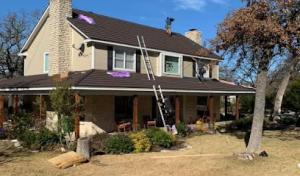
Though pitched residential roofs dominate the neighborhood, the local contractor market in this market shows meaningful demand for flat and low-slope work, which often applies to patio covers, additions, porches, and some mixed-use or commercial structures. In Aledo, those low-slope sections typically sit adjacent to or tie into steeper main roofs and face frequent weather events that stress transitions and drainage. Treat these tie-ins as a distinct roofing problem from the main field shingles or tile, since leak patterns and repair methods differ.
Heavy spring rain in Fort Worth's weather pattern makes drainage on low-slope sections especially critical. Plan for a continuous slope toward proper outlets, even when the adjoining roof is steep. Gutters and downspouts should be sized for the extra volume during heavy downpours, and overflow paths need to be clear of obstructions. On additions, confirm that the low-slope portion slopes away from interior walls and that any parapet or edge detailing includes a positive drainage path. In Aledo, storm-driven cycles can push water along the edge where a low-slope roof meets a steeper surface, so ensure the transition is robust and well flashed.
Flashing transitions between a low-slope addition and a main steep roof require careful coordination. Use compatible materials and ensure continuous counter-flashing where possible. Pay particular attention to counter-flashing at step-downs and along any ridgelines that intersect the added area. Leak paths on these sections tend to travel laterally before dripping, which can disguise the source if not mapped carefully. Regularly inspect sealant joints after heavy rains for hairline cracks that could become larger gaps over time.
Homeowners should treat low-slope tie-ins as separate problems from the main field, with its own inspection cycle. Look for softened edges, ponding areas, lifted flashing, or compromised sealant. When repairs are needed, address the exact tie-in detail first, then confirm the surrounding steep roof remains watertight. Develop a quick post-storm check routine that focuses on these transition zones, especially after hail events when fast post-storm contractor demand can lead to rushed fixes.
Select materials that perform well in low-slope conditions and weather exposure typical to this market. Some materials that work well on low-slope sections include those designed for flat applications and compatible adhesives or sealants. Ensure that the chosen system offers reliable bonding or fastening at low pitches and that warranty language covers transitions to steeper roof planes. In practice, compatibility with the adjacent steep-roof materials reduces mismatch risks and simplifies future maintenance.
Find specialists in TPO, EPDM, and built-up flat roofing systems for residential and commercial properties.
GreenLight Roofing & Remodeling
(817) 263-6088 greenlightroof.com
1015 Champions Dr Suite 100, Aledo, Texas
5.0 from 118 reviews
My Exterior Solutions
(817) 580-8688 myexteriorsolutions.com
1015 Champions Dr Suite 100, Aledo, Texas
5.0 from 72 reviews
Top Shield Roofing Systems
(817) 901-5058 www.topshieldroofingsystems.com
10200 E Bankhead Hwy building C, Aledo, Texas
5.0 from 7 reviews