Last updated: Apr 19, 2026
In this part of the East Texas storm belt, spring hail and severe thunderstorms arrive with real force and rhythm. You'll notice the alarm bells in the weather apps as late March through May bring sharp, momentary hail from fast-spinning cells. The pattern isn't uniform across a neighborhood; wind-driven hail can carve highly uneven damage, leaving one slope or one side of a block looking thousands of small blows ahead of the rest. This means you should treat any strong storm as a potential roof event, not a distant forecast. After the storm passes, you'll want to act fast-inspections should be scheduled within days, not weeks, so you don't lose the chance to document the damage when it's fresh and the evidence is clear.
Lindale sits in the East Texas storm belt where spring hail and severe thunderstorms are a primary trigger for roof inspections and replacement demand spikes. This reality means that a rapid, methodical response after a storm isn't just smart; it's essential for protecting your home and controlling the repair timeline. When you step outside after the last gust, pay attention to shingles curled at the edges, granules sprinkled in gutters, and any bruising or denting on metal components. Those clues matter to your adjuster and to the person you ultimately hire to assess and repair.
Because wind-driven hail tends to hit unevenly, you'll see patterns that aren't uniform across the street. One side of your roof may bear most of the impact, while the opposite slope looks relatively untouched. The same logic applies to neighborhoods: a block of homes can present wildly different damage photos to insurers and contractors, which can complicate claims but also creates an opportunity to catch issues early on a single, well-documented property. Your best route is to photograph and document from multiple angles, both from the ground and, if safe, from a ladder with a trusted spotter. Note visible sunken impacts, lifted edges, and any signs of roof material shifting after a storm. These details help establish a credible narrative for your claim and keep negotiations focused on legitimate damage, not guesswork.
Lindale-specific timing matters here. Fast-moving thunderstorm seasons can compress contractor availability, making early documentation and scheduling especially important right after local storm events. If you have old roofing papers or prior injury notes, pull them now so you can compare pre-storm conditions with the new evidence you collect. When you're compiling the record, don't wait for the insurance company to prompt you; lead with a concise, chronological set of photos, dated notes, and a quick summary of observed changes on each roof slope.
Begin with a storm-day checklist: secure safety, avoid climbing if you're unsure, and capture high-resolution photos that show roof angles, gutters, and nearby fascia. After the storm, seek an immediate, comprehensive roof inspection from a trusted local contractor who understands our market's tempo and the emphasis insurance adjusters place on directional damage. If you notice water intrusion or interior staining, flag it right away. Timely, precise documentation is your best defense against delays and misinterpretations-and your quickest path to moving from assessment to restoration when spring hail hits.
Texas is in a hardening homeowners insurance market, and hail- and wind-heavy claim activity affects how damage is documented and how quickly adjusters can be scheduled. In practice, big East Texas storm events can cause a flood of claims that slows the process for everyone. The local rhythm can shift from a straightforward repair to a tighter underwriting review, especially if the roof is older or shows signs that might trigger more scrutiny. Expect longer windows between storm day reporting and an on-site inspection than you might be used to, and plan accordingly for a broader storm season.
Storms often leave a mix of easily visible and more subtle damage. Immediate, thorough photo documentation matters a great deal because claim volume tends to surge regionally and adjuster timelines can stretch. Take wide shots of the entire roof, then close-ups of cracked or chipped shingles, dented metal, granule loss, and any interior signs of moisture on ceilings or walls. Time-stamped photos from the day of the storm help establish a sequence of events if questions arise later. Include nearby landmarks to anchor the damage to a specific storm event and, if possible, capture debris patterns on the ground and in gutters. When you can, document any prior repairs or patches, since underwriting will look for preexisting conditions that could affect how the claim is evaluated.
After the initial report, the calendar for an on-site inspection can stretch, especially when multiple storms hit and claim volumes spike. On arrival, the adjuster will assess visible damage, compare it to policy coverage, and often request additional information such as maintenance history or proof of prior claims. Be ready to guide them to areas most affected by the hail and wind, and to provide the storm date and a concise narrative of what happened. If a tarp or temporary cover was used, have photos and receipts available; this can influence the evaluation of temporary repairs and associated costs. If questions arise about the roof's condition beyond what is visibly damaged, expect a thorough, sometimes conservative, review that might favor repairs over full replacement depending on underwriting criteria and the roof's age.
The path from assessment to resolution can vary, but a few realities recur. Adjusters rely on documented damage and the policy's terms, and regional claims can be shaped by insurer-wide standards that tighten after significant weather events. While a thorough repair plan may feel straightforward, the final settlement can hinge on whether the roof is deemed repairable, the extent of hidden damage under shingles, and the presence of any secondary issues like attic ventilation or structural concerns flagged during inspection. If a full replacement becomes the recommended path, the process may involve more detailed evaluations and potential coordination with different specialists.
Keep a dedicated storm file that includes photos, a storm date log, and any notes about conversations with the insurer or the adjuster. Maintain a record of all contractor communications, estimates, and timelines for appointments. If timelines slip, don't hesitate to follow up with the insurer to maintain visibility on the case status. In a market where the relationship between underwriting and documented damage matters, clear, organized, and timely information can reduce back-and-forth and help protect the outcome you're aiming for in a post-storm repair plan.

Calvary Roofing & Construction
(903) 714-3729 www.calvaryroofingtx.com
14991 Boaz Ln, Lindale, Texas
4.8 from 22 reviews
Calvary Roofing & Construction brings over a decade of combined roofing and general contracting expertise to homeowners and businesses across East Texas. We offer comprehensive services—roof repairs, full replacements, deck repairs, painting, drywall, siding, fascia, soffit, and gutter work—delivered with integrity, transparency, and exceptional craftsmanship. Proudly serving Lindale, Tyler, Longview, and surrounding communities, we back each project with detailed planning, clear timelines, and honest estimates. Discover why satisfaction, reliability, and quality are our foundations
Priority Roofing
(903) 920-6524 priorityroofs.com
Serving
4.9 from 96 reviews
Replace or repair your residential roof with Priority Roofing where customer service is our #1 priority! We’re local, professional Tyler TX roofers, our bids are competitive, and we’ll find a great solution for your residential roof. Unlike some other roofing companies in Tyler TX, we specialize in home roof installation and roof repair, as well as emergency roofing service for leaks and damage. From dozens of shingle systems, to metal, tile and slate roofing options, we have roofs to fit nearly every budget. Our company inspects your roof and provides an honest assessment of what needs to be done, all at no cost to you. Priority Roofing is family owned and locally operated.

Beeler Roofing
(903) 347-8484 beelerroofing.com
Serving
4.9 from 46 reviews
What happens when you put 40 years of quality experience behind your roofing project? Beeler Roofing is what happens! We offer lasting solutions for all your residential roofing and commercial roofing needs. Whether you're planning ahead for your next roof replacement, or you're frantically hunting for an expert to mend hail damage, we've got the tools and expertise you need to secure fantastic results! Don't take our word for it though. Find out for yourself when you call for your next consultation.
Cover 3 Roofing & Construction
(903) 765-7089 cover3roofing.com
Serving
4.4 from 48 reviews
We work with dedication and integrity. We strive for a position of leadership in the roofing industry. Our commitment is to excellence, stellar customer service, and exceptional results. At the heart of that commitment to excellence are our company core values. These values shape the way we do business with our commercial and residential clients. They are values that we follow every day as they drive our meetings, roofing operations, construction projects, and outstanding customer service.
DTP CONSTRUCTION & Home Improvements
(903) 746-4982 www.dtpconstructionandhomeimprovements.com
Serving
4.8 from 30 reviews
DTP CONSTRUCTION & Home Improvements is a trusted provider of comprehensive home improvement and construction services. We specialize in delivering quality craftsmanship and reliable solutions tailored to meet your residential needs. Our team is dedicated to enhancing your living space with expert remodeling, repairs, and renovations. Committed to customer satisfaction and professional service, DTP CONSTRUCTION & Home Improvements ensures every project is completed on time and to the highest standards. Contact us to transform your home with skilled construction and improvement services you can depend on.
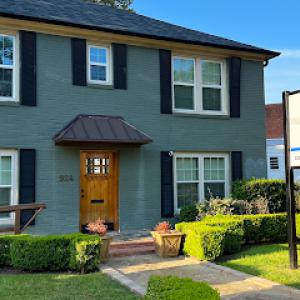
Stonewater Roofing
(903) 266-1205 stonewaterroofing.com
Serving
4.9 from 720 reviews
Stonewater Roofing in Tyler, TX is Smith County’s industry-leading provider of residential and commercial new construction roofs, roof replacements, roof repairs, storm damage repair, and many other roofing services including gutter repair and replacement. Our certified professionals also handle the entire process of solar panel installation and maintenance, helping you transition to clean renewable energy and save big on your electric bills. For a free quote, contact (903) 266-1205 for your roofing service!
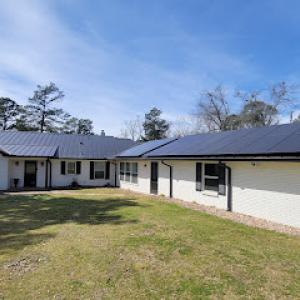
Evergreen Roofing & Solar
(903) 242-8443 evergreenroofingtx.com
Serving
4.9 from 85 reviews
Here at Evergreen Roofing customer service is #1. From small repairs to full roof replacements we will meet your needs with excellence. Let us give you a complimentary roof and gutter inspection today.
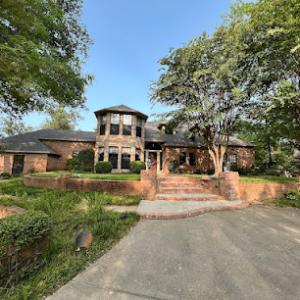
Lake Country Roofing & Construction
(903) 279-3746 lakecountryroofingtx.com
Serving
5.0 from 26 reviews
At Lake Country Roofing and Construction, we take pride in being a leading provider of roofing and construction services in the East Texas area with years of experience and a dedicated team of skilled professionals, we have earned a solid reputation for delivering top-quality workmanship and exceptional customer service.
BXC Roofing
Serving
4.9 from 195 reviews
BXC Roofing is locally owned and operated, serving all of East Texas and surrounding areas. We provide pristine roofing services to both residential and commercial properties, with great pride in our quality customer service. Specialized in roof repair, roof replacement, insurance restoration, and much more!

Firehouse Roofing
(903) 352-3202 firehouseroofing.com
Serving
5.0 from 84 reviews
Founded in 1997, Firehouse Roofing is the area’s leading expert in roof repairs. We provide the highest quality shingles, insulation, ventilation, gutters, and solar stock to make sure you are getting the best products installed in your home or business. Our knowledgeable team specializes in roof repairs, roof replacements, metal roofing, residential roofing, commercial roofing, gutter installation, and offers in-house financing. Firehouse Roofing stands by a 100% Satisfaction Guarantee 24/7. Whether it be residential or commercial roofing, Firehouse has got you covered. Call today to schedule a FREE inspection!
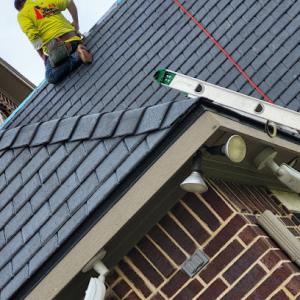
ASAP Roofing
(903) 287-5729 asaproofing.com
Serving
4.9 from 502 reviews
Residential and Commercial Full-service roofing contractor serving all of East Texas. Our expert roofers specialize in new roofs, roof repair, and seamless rain gutters for both your home and offices. We offer free emergency tarp services, annual roof maintenance programs, and year-round free inspections and estimates. When you need a professional roof company, call ASAP Roofing & Construction.

Texas Roof Masters Tyler
(903) 787-9043 www.texasroofmasterstyler.com
Serving
4.8 from 19 reviews
Texas Roof Masters is a leading roofing company in Tyler, Texas, specializing in residential and commercial roofing services. Our team of experienced professionals is dedicated to providing high-quality workmanship and exceptional customer service. From roof repairs and replacements to new roof installations, we are committed to ensuring the safety and longevity of your property. Contact us today for a free estimate and let us take care of all your roofing needs.
Lindale's hot, humid summers speed up asphalt shingle aging, making ventilation and attic heat management more important than in drier parts of the state. A roof that breathes well and keeps attic temperatures down will resist curling, granule loss, and premature failure longer. Humidity also means moisture can linger behind underlayments and in decking if airflow is restricted, so a solid moisture barrier and good drainage behind the drip edge matter in this market.
The local material mix includes asphalt, metal, tile, wood, and synthetic products. Each has its own balance of performance under humidity and mechanical stress. Asphalt remains a common front-line option, provided a robust, well-vented attic and a high-quality underlayment are installed. Metal roofs offer excellent wind resistance and fast storm shed benefits, but a reflective coating and proper sealing are key to limiting condensation. Tile systems (clay or concrete) can handle East Texas weather if a solid deck, proper underlayment, and meticulous flashing are used to manage moisture pathways. Wood shingles or shakes bring a traditional look but require careful moisture control and treatment for humidity exposure. Synthetic or composite shingles can blend moisture tolerance with ease of installation, though the ongoing performance depends on product composition and ventilation. In Lindale, the humidity emphasis shifts attention to moisture-resistant underlayments and continuous ventilation over purely aesthetic choices.
Underlayment quality matters more here than in drier regions. A high-performance synthetic felt or rubberized layer paired with a breathable, properly sealed attic space reduces condensation and supports shingle longevity. Roof deck ventilation should include a balanced system of soffit and ridge or gable vents to prevent heat buildup behind the shingles. For metal roofs, ensure ridge and soffit intake maintain airflow and that seams are sealed to avoid moisture intrusion. Tile and wood systems benefit from continuous inspection of flashing at penetrations and around chimneys, where humidity can concentrate and degrade fasteners. In practice, plan for attic insulation that stops heat flow into the decking while still allowing air to circulate above it.
Spring hail and wind-driven storms are common in this market, so impact resistance and wind performance often outweigh purely cosmetic factors. Choose a roof with proven fastener systems, high wind-rated components, and properly sealed flashings. A well-ventilated attic reduces heat-driven warping after a storm, and a thorough inspection after severe weather helps catch moisture intrusion before it becomes rot. In areas with frequent downpours, consider roof-edge detailing and gutter efficiency to keep water away from the fascia and interior structures.
Start by evaluating attic ventilation and insulation; improving this can extend any roof's life in moisture-heavy summers. Match the roof's slope and deck condition to the chosen material, ensuring the underlayment is rated for humid climates. Prioritize products with strong wind and impact performance, and verify flashing around vents, chimneys, and edges is comprehensive. After a storm, conduct a rapid external check for hail marks and lifted shingles, then follow a systematic interior check for signs of ceiling staining or damp insulation.
After a spring hail event, Lindale homeowners often see asphalt shingles drift up to about 350-750 USD per square, and metal roofs in the 700-1500 range. Clay tile can land between 900-2100 per square, concrete tile 800-1600, wood shingles or shakes 500-1200, and synthetic or composite shingles 650-1100. Those figures reflect typical material costs plus the extra demand that rolls in when East Texas crews are booked for insurance-driven re-roofing. If your roof is steeper or longer than a standard ranch, expect the per-square price to tilt upward due to handling and labor complexity.
In spring, price spikes aren't only materials. You're competing with a surge in demand as neighbors file claims and crews swing through Lindale for wind-driven damage and hail. A common scenario: a tear-off of the damaged top layer, plus the potential for moisture-related decking repairs. In practice that can push totals higher than the base material ranges, especially if decking or underlayment needs replacement and the attic has to be dried out or protected from further moisture intrusion during installation.
East Texas rooflines tend toward steeper pitches on detached homes, which adds labor time and safety measures. If the hail has damaged ridge caps, valleys, or protrusions, expect extra material and seam work to seal those areas properly. When crews must remove weathered underlayment or repair exposed decking, the project total climbs. In a neighborhood with frequent post-storm activity, crews may batch multiple jobs nearby, which can speed scheduling but raise short-term pricing as demand tightens.
Begin with a conservative allowance above the material range to cover tear-off and decking repairs if needed. Ask for a line-item estimate that separates: (1) tear-off and disposal, (2) underlayment and decking repairs, (3) flashing and vent work, and (4) final coatings. If you're weighing asphalt against metal or tile, consider long-term durability and hail resistance in this climate, but stay mindful of the local pricing ranges and the typical post-storm market dynamics that can push bids upward.
Don't let upfront costs delay a critical repair - these contractors offer payment plans to fit your budget.
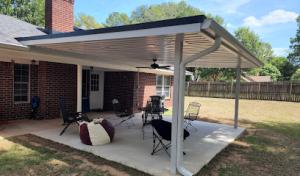
DTP CONSTRUCTION & Home Improvements
(903) 746-4982 www.dtpconstructionandhomeimprovements.com
Serving
4.8 from 30 reviews
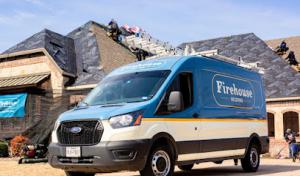

A full roof replacement is treated as more than routine maintenance in this market. In Lindale, a building permit is generally required for that kind of project, even if the weather created damage that seems straightforward to repair. Treat the process as a formal step rather than a quick job, and align it with storm-season timelines so you aren't surprised by timing constraints after a hail event or a windy day.
The local building department reviews the roofing project and conducts inspections during and after installation before the permit can be finalized. Expect a plan review before any work begins and inspections at key milestones as the roof goes on. The department checks compliance with local codes, attic ventilation requirements, and proper installation methods for the materials you've chosen. Keeping clear communication with the department helps prevent delays if a tweak is needed to meet code or storm-related mitigation standards.
Lindale homeowners should confirm the permit is active before work starts because permit processing time can affect scheduling during busy storm-repair periods. After a major hailstorm, contractors may be pressed for slots, so confirming the permit status early helps lock in a start date and align crew availability with weather windows. If the permit isn't active yet, avoid tying work to the most urgent storm-repair window to minimize the risk of having to pause or rework aspects of the installation later.
Inspections are not a one-and-done step. Expect a rough-in check before decking or underlayment is covered, a mid-construction inspection as roofing components are installed, and a final inspection when everything is in place. The inspector will verify flashing details, ventilation, attic access, and adherence to wind-resistance provisions for the chosen roofing system. If adjustments are needed, schedules can shift, so plan for potential follow-up reviews.
Contact the local building department early to verify permit status, required documentation, and any special approvals for your project. Keep a copy of the permit on site, along with contractor correspondence and material specifications. Notify the contractor to post the permit and to coordinate inspection appointments with the department, keeping the timeline transparent for neighbors and stakeholders during spring storm repairs.
Spring offers the most reliable stretch for replacement. The milder temperatures and calmer humidity in this season support steady roof work without the extreme heat stress that can complicate sealing and batt insulation during hotter months. In Lindale, the spring window typically allows crews to complete shingle or panel installations without rushed heat-related compromises. Make a plan to coordinate delivery, inspection, and any temporary repairs early in the season so a spring rainstorm doesn't derail progress.
Summer heat and heavy storms in this area can shorten daily work windows and affect how some roofing materials are installed and sealed. Schedule the heaviest tasks for mornings and late afternoons when heat is lower, and avoid peak sun when adhesives and sealants are most vulnerable to heat-related cure issues. Plan for potential weather delays and have a clear rain plan so crews can cover exposed decking or re-seal vulnerable seams if a quick shower interrupts progress.
Fall brings another stable period that works well in this market. Temperatures are generally mild, humidity begins to ease, and the risk of intermittent afternoon storms drops compared with summer. Use this season to finalize high-performance sealants and ensure proper acclimation of materials before any winter exposure. A late-fall start can be ideal for completing a full replacement or for finishing up after a spring or summer storm.
Humidity and rapid temperature swings influence roof assembly performance, so timing matters more here than in drier Texas markets. Plan installations to avoid extreme swings around material installation, allowing for gradual conditioning of shingles or panels. If a storm damage assessment happens mid-season, prioritize securing and drying the roof promptly, then align the replacement schedule to the next favorable window rather than forcing work in harsh conditions.
In this climate, asphalt shingles wear faster when summers stay humid and hot. You may notice accelerated granule loss, curled edges, and a dull finish after several seasons. The heat traps in attic spaces can warp underlayment and shorten the life of the roof deck if ventilation is poor. Regular checks after peak heat weeks help catch early signs before leaks soften into hidden trouble. Look for sudden warmth along the attic kneewall lines, unexpected daylight near flashing, or missing granules in gutters after a big afternoon thunderstorm. A small defect today can become a visible stain or soft spot after the next wind-driven rain.
Repeated thunderstorm exposure in East Texas increases the likelihood of lifted shingles, damaged flashing, and localized leak paths after wind-driven rain. A storm can peel back edges without obvious daylight showing through at first, so look for wind-morn tracks, loose granules in gutters, and scuffed shingles on the upslope. If you notice one panel budging, treat it as an early warning rather than a cosmetic issue. Inspect around roof penetrations where flashing meets vent pipes and chimneys, since those corners attract the most movement during a hail surge or gusty blow. After a major storm, a careful walk around the perimeter often reveals scraped fascia or torn edge materials that can foretell leaks down the line.
Moisture-heavy conditions around Lindale make hidden decking deterioration and ventilation-related roof system problems more likely to appear during tear-off. When old layers come off, moisture can reveal rot, mold, or degraded fasteners lurking under the surface. A thoughtful tear-off plan should include targeted inspection of attic ventilation, ridge lines, and soffit intake to prevent trapped humidity from creating future slow leaks. If insulation or vapor barriers are disturbed, address them promptly to avoid surprising indoor humidity buildup and related condensation issues on ceilings and walls.
Storm damage in this market moves fast, and the risk of interior water intrusion ramps up as thunderstorm season rolls through. You need a rapid, walk-around assessment to identify active leaks, compromised shingles, and dented flashing. Prioritize stopping water entry with tarps or heavy-duty plastic, especially if gutters are clogged or missing. If you notice active leaks, keep occupants out of affected rooms, collect valuables from ceilings below, and document with photos for the adjuster.
Because many jobs here are tied to storm events, temporary tarping is a common, practical step while work logistics align. Secure a tarp over the most vulnerable roof zones, anchoring edges well to withstand wind. Snug, not airtight, tarping prevents wind-driven uplift and slows interior damage. Use plywood or boards to cover exposed skylights or vents if present. Check tarps after each major storm and re-secure any edges that loosen.
The contractor market shows strong demand for quick-response service, so expect a concise arrival window and a focus on immediate protection rather than full replacement. Explain the sequence: temporary protection, leak control, then permanent repair or replacement once the storm aftermath is assessed. Keep open a direct line with your chosen contractor to expedite debris removal, tarp maintenance, and stair-step scheduling for full restoration, if needed.
Watch for lingering damp spots on ceilings and walls within 24 to 48 hours. If interior staining expands after a second storm, call your contractor for urgent re-evaluation. Timely follow-through minimizes interior damage and sets the stage for a smooth transition to permanent repair.
When you can't wait, these contractors offer fast response times to stop leaks and prevent further damage.
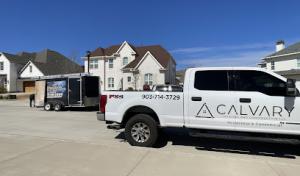
Calvary Roofing & Construction
(903) 714-3729 www.calvaryroofingtx.com
14991 Boaz Ln, Lindale, Texas
4.8 from 22 reviews


In Lindale's thunderstorm climate, skylights and other roof penetrations are common leak checkpoints after wind-driven rain events. After a storm, walk the interior ceilings and upper walls for fresh spots, then step outside to inspect the skylight curb, flashing, and surrounding shingles. Look for loosened or displaced flashing, gaps where sealant has cracked, and any signs of hail impact around the skylight flange. Localized hail and wind damage may not affect the entire roof evenly, so check each penetration individually rather than assuming the whole roof is compromised.
Post-storm inspections should pay close attention to flashing around penetrations because the vulnerability sits at the joints, not on the broad surface. Pay particular attention to the skylight flashing where it meets the roof deck, the side flanges, and the valley intersections near the skylight. If there is any wrinkling, lifting, or compressions in the flashing, plan for a targeted repair before considering a full roof replacement. Sealant joints should be clean, dry, and properly backed; bead lines that have pulled away or several years of hardening can admit wind-driven rain even without obvious shingle damage nearby.
When a full replacement is permitted, penetration details should be reviewed during installation and final inspection rather than treated as a separate afterthought. Ensure the skylight flashing is integrated with the new roof system, and confirm that proper underlayment and vented, sealed flashings are used to accommodate future storms. During final inspection, verify that all penetrations-rooftop vents, plumbing stacks, and skylights-are watertight with no gaps or misaligned components. In this climate, a careful, integrated approach saves trouble down the line.
Find contractors experienced in skylight installation, flashing, and leak repairs to bring natural light into your home.