Last updated: Apr 19, 2026
Frisco sits in the Dallas-Fort Worth hail corridor, where spring hailstorms are not a someday risk but a recurring trigger for sudden roof replacement decisions. When a big storm rolls through, you can expect countless roofs involved, with insurers shifting from routine checks to rapid assessments. The message is urgent: hail is not a nuisance storm obstacle-it can drive structural and interior damage that worsens quickly if ignored. Your roof is on the clock the moment the hail ends, and decisions that seem small today can become costly tomorrow if inspection timelines slip.
In this market, claim activity is heavily driven by hail and wind events, and carriers often require detailed photo documentation and close review of upgrade items. Start your documentation as soon as it's safe to go outside after a storm: photograph every angle of the roof, focusing on hail hits, lifting shingles, granule loss, and any signs of water intrusion around vents, skylights, and edging. Take high-resolution pictures from a ladder with proper safety, then compare with the prior system if you have old images. For homeowners, precise, organized records matter: timestamped photos, a simple roof map noting damaged areas, and a clear chronology of claim milestones can streamline insurer review and prevent back-and-forth delays. If you've already alerted your insurer, prepare a written summary of storm date, wind speeds you recall, and how long you've observed issues such as shingles lifting or moisture in the attic.
After major North Texas storm outbreaks, Frisco homeowners can face contractor scheduling bottlenecks and insurer volume delays that affect replacement timing. The surge impact is real: nearby roofs are competing for the same crews, temporary staging becomes tight, and supply chains tighten just as your claim moves toward approval. Plan for a window rather than a date, and expect that the best crews book up quickly in the aftermath. If your insurer approves the claim, move decisively to lock in a trusted local contractor with a solid track record in hail-driven replacements. Delays often compound if you wait for the last minute or try to negotiate upgrades mid-stream. The smarter path is early pre-coordination: secure timelines, confirm material availability, and align on the scope of work immediately after approval.
This market rewards clear scope definitions and practical upgrades that address common North Texas risks. Consider modern underlayment and ventilation upgrades where disclosed damage exists, plus impact-resistant options where appropriate for your roof type. If you're debating material choices, align with your home's exposure, attic insulation, and the home's visible aging. For hail-prone areas, choosing durable, properly installed coverings can reduce the likelihood of repeated replacements in the near term. Work with a contractor who can provide a detailed sequence of repairs, including tarp protection if weather intervenes, precise shingle installation methods, and attic ventilation checks. The goal is to restore the roof to its best possible condition while minimizing the chance of expedited, low-quality fixes that fail under the next storm.
Because the review can hinge on documentation and upgrade items, maintain open channels with your insurer and your contractor. Clarify what constitutes an eligible upgrade versus a cosmetic improvement, and request written explanations for any denial or partial denial. If an adjustment is needed, be prepared with a concise, photo-backed argument that aligns with the claim's storm timeline and observed damage. In this market, rapid, precise communication is the lever that prevents protracted delays and keeps your replacement on track.
Find local contractors experienced in assessing and restoring roofs after hail, wind, and severe weather events.
Elevated Roofing
(469) 305-0010 elevatedroofing.com
15222 King Rd #402, Frisco, Texas
4.9 from 1058 reviews
Status Roofing
(469) 424-4623 www.statusroofingllc.com
1927 Witt Rd Ste 100, Frisco, Texas
5.0 from 194 reviews
Elevated Roofing
(469) 305-0010 elevatedroofing.com
15222 King Rd #402, Frisco, Texas
4.9 from 1058 reviews
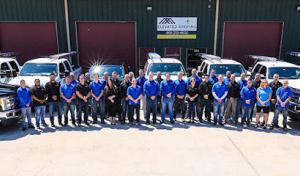
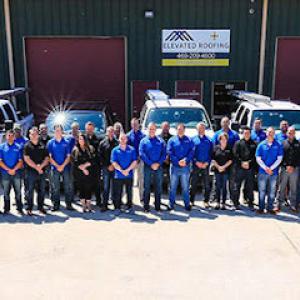
Elevated Roofing is a premier Frisco roofing contractor and that provides residential and commercial roofing services to the Dallas and Fort Worth areas. We provide roof inspections, maintenance, roof repairs, hail and storm damage repairs and roof replacements. Our roof projects are completed using the finest materials available in the industry and are backed by our warranty. We also work with major insurance companies and can assist you with the insurance claims process. With over 20 years experience, we proudly deliver quality, reliable and cost-effective roofing and solar roofing services to protect your property and investment. Request a free, no-obligation roof inspection today: (469) 804-6910. Building the Kingdom One Roof at a Time.
Touchstone Roofing
6160 Warren Pkwy #100, Frisco, Texas
5.0 from 417 reviews
BBB Accredited A+ rated business Founded by veterans with over a decade of experience and locally owned, Touchstone strives for one motive, helping our community. We understand not one company can do it all, but we believe the collective efforts of small businesses can make a huge impact in their community around them. Not only is Touchstone focused on the betterment of our community, our goal is to raise the bar for the standards in the industry. We are committed to maintaining a high level of professionalism, integrity, and quality with every project. We hope to provide continuous examples on how to conduct a compassionate company with honest intentions. Touchstone treats your home as if it were our own.
Status Roofing
(469) 424-4623 www.statusroofingllc.com
1927 Witt Rd Ste 100, Frisco, Texas
5.0 from 194 reviews
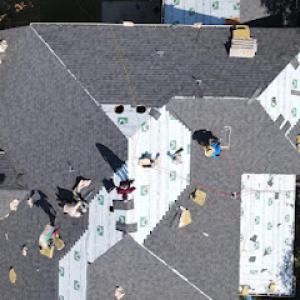
Status Roofing, located in Frisco, TX, is a trusted residential and commercial roofing contractor specializing in roof installations, repairs, and replacements. Our team of experienced professionals offers free roof estimates and expert services, including roof leak repairs, inspections, and shingle replacements. They are an A-rated, accredited business with the Better Business Bureau (BBB) and a member of the Roofing Contractors Association of Texas, and licensed in Oklahoma with a focus on quality workmanship, superior customer service, and competitive pricing. Status Roofing is your go-to for all your roofing needs. Elevate the status of your property with us today.

Olympic Exteriors
(214) 444-4141 olympic-exteriors.com
4645 Avon Ln #265, Frisco, Texas
5.0 from 123 reviews
Headquartered in Frisco and serving central and northern DFW, our roofers operate under a simple philosophy: if we create a customer experience you love, (1) you'll keep coming back to us and (2) you'll recommend us to your friends. We founded Olympic Exteriors not because we've never seen another roofing company do things well—it’s that we have always seen room for improvement. As homeowners here in Frisco, Texas, we wanted to put those improvements to work in our own neighborhood. During your first conversation with us, you’ll know why Olympic Exteriors has received scores of 5-star reviews from Frisco homeowners, businesses, and apartment owners. Call for your free roof inspection.
Clear Vision Construction
(972) 839-0407 www.clearvisionroofing.com
110A Rose Ln Suite 201, Frisco, Texas
5.0 from 109 reviews
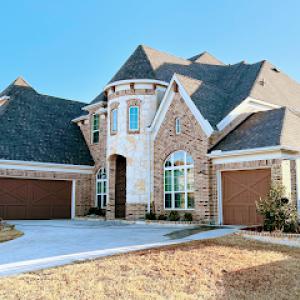
At Clear Vision Construction we are: - Specialized: We have an insurance claims specialist on staff. - Family owned and operated: We'll treat you like you're part of the family. - Highly experienced: We have more than 20 years of experience. - Reliable: We back up all our work with lifetime labor warranties. - Dedicated: We automatically upgrade all shingles and replace all soft metals. Discover why residents in the DFW Metroplex prefer working with our roofing company.
OneSource Roofing & Restoration
(972) 928-2988 www.onesourceroofs.com
4875 Preston Rd #400, Frisco, Texas
5.0 from 160 reviews
Located in the heart of Frisco, TX, OneSource Roofing and Restoration offers premier roofing services for your home or business. Our focus on quality and community service ensures your needs are met with unparalleled expertise.
Branded E Construction®
(940) 255-0972 brandedeconstruction.com
Frisco, TX
5.0 from 155 reviews
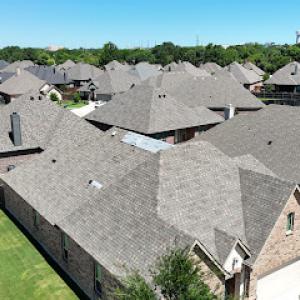
Branded E Construction® is a premium roofing and restoration company serving homeowners who want clarity, honesty, and craftsmanship that lasts. We specialize in forensic roof investigations, storm damage, roof replacement, and roof repair. Our process is detailed, photo documented, and focused on helping you understand what is happening, why it matters, and what to do next. As a GAF Master Elite® contractor, CertainTeed Select ShingleMaster™, and FORTIFIED Roofer, we operate in the top tier of the industry. We deliver peace in the midst of the storm. Because at Branded E Construction®, it matters who you choose®. Homeowners choose Branded E Construction® for clear communication, high standards, and craftsmanship built to last.

Patriot Restoration
(469) 402-8229 gurrbrothersroofing.com
6160 Warren Pkwy Suite 101, Frisco, Texas
4.9 from 378 reviews
At Patriot Restoration of Dallas, we provide expert water and fire damage restoration services with fast response times and top-quality workmanship. Whether dealing with floods, fires, or mold, our team is available 24/7 to restore homes and businesses across Dallas. When disaster strikes, trust the five-star experts to bring your property back to life!
Blue Roofing
7059 Ash St, Frisco, Texas
5.0 from 97 reviews
Serving Frisco and the surrounding cities for all your roofing needs
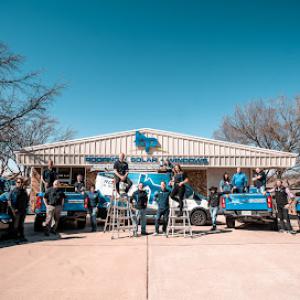
High Performance Roofing
9061 3rd St, Frisco, Texas
4.9 from 325 reviews
High Performance Roofing in Frisco, TX delivers expert roof replacement and restoration services tailored to North Texas weather. As a women-owned roofing and solar business with nearly 20 years of industry experience, we are dedicated to excellence and continually raising standards in the industry. Our team provides reliable roof replacements to address storm damage, leaks, and aging roofs, with materials and installation designed to handle hail, heat, and shifting seasonal conditions. Clients count on us for quality services, efficient project execution, and professional care. High Performance Roofing is trusted by Frisco homeowners for integrity, experience, and long-lasting results.
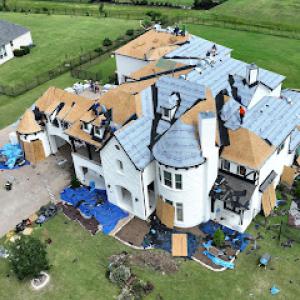
Integrity First Roofing & Construction
(972) 836-9196 constructionwithintegrity.com
5566 Main St Suite 208, Frisco, Texas
5.0 from 167 reviews
Integrity First Roofing and Construction offers exceptional roofing solutions built on a foundation of trust and expertise. Our team of skilled professionals is dedicated to providing top-quality workmanship and outstanding customer service. We prioritize open communication, transparency, and reliability, ensuring that your roofing project is handled with the utmost care. With a focus on using premium materials and adhering to industry best practices, we deliver long-lasting and durable roofs that withstand the test of time. Choose Integrity First Roofing and Construction for peace of mind and a roof that protects your home for years to come.
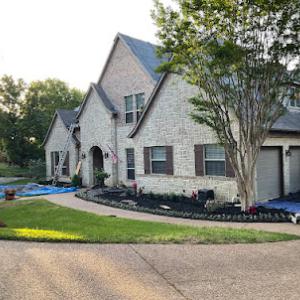
LE Construction
(469) 434-5400 leconstructiontx.com
5850 Town and Country Blvd STE 301, Frisco, Texas
5.0 from 68 reviews
Le Construction is a family-owned and operated roofing & construction company serving the Dallas–Fort Worth Metroplex for over 13+ years. We specialize in decking, roofing, concrete, patios, gutters, fences, flooring, and full home remodeling. Our experienced team is dedicated to delivering high-quality craftsmanship, reliable service, and results built to last. Whether you need a new roof, custom patio, fence installation, or interior renovation, we provide trusted solutions tailored to your needs. Customer satisfaction is our top priority. Call Le Construction today for expert residential construction services in DFW!
In North Texas, the window for roof work tends to tighten when temperatures push past the mid-90s and humidity climbs. Replacement planning often centers on shoulder seasons because hot summers can reduce the ideal work window for shingle handling and sealing. If a hail event or wind-driven damage happens during peak heat, crews may struggle to keep adhesives set properly, and you may face longer drying times between layers. The practical approach is to align a planned replacement start with late spring or early fall blocks when days are still long but temperatures are more forgiving. This helps ensure shingles seat correctly, sealants cure fully, and attic or interior work isn't stalled by midday heat. When scheduling, confirm a two- to three-day buffer for weather interruptions and plan for potential heat-related curtailments-especially if you're coordinating multiple homes in a neighborhood that's just finished similar projects.
Severe spring storms in Collin and Denton County areas around Frisco can create clustered damage events that push many homeowners into the same replacement cycle. The result is tight scheduling markets, longer lead times for materials, and a heightened risk of back-to-back projects within a short radius. The practical response is to monitor storm outlooks and have a prioritized list of critical sections: most vulnerable slopes, valley flashings, and areas with prior leaks. If a hail event lands, document the damage promptly with dated photos and keep your insurer or adjuster in the loop as soon as you can. Expect a surge of inspections in the weeks immediately following a major storm, which can affect crew availability and access to material stocks. In this climate, proactive communication with your roofing contractor about batch sequencing helps reduce the chance of delays carrying over into already tight schedules.
Fall wind events and debris can affect newly installed roofs in Frisco, so timing and post-install inspection matter even after replacement is complete. Strong gusts can lift imperfectly seated shingles or expose edge fasteners to wind-driven grit, while blowing branches can cause surface damage during the first weeks after installation. The practical approach is to plan a follow-up inspection within 2-4 weeks after completion, then schedule a final walk-through after a sustained period of fall weather has settled. If debris or sap from nearby trees is an ongoing issue in your street, add a preliminary debris removal window to the project plan and arrange a post-install cleanup and inspection with your contractor. This reduces the likelihood of micro-damage going unnoticed and helps confirm the roof's sealing and shingle alignment hold through winter wind cycles. In Frisco, that early post-install check is as important as the initial installation, given the seasonal exposure and wind patterns characteristic of the area.
Asphalt shingles remain a dominant choice because they fit the city's large stock of suburban pitched-roof homes. In Frisco, hail bruising and heat aging are recurring concerns, so you'll want shingles that carry good impact resistance ratings and reflectivity. Look for a shingle with a robust wind rating and a factory-applied sealant that holds up in long, hot summers. A practical approach is to choose a profile with a higher nail line and a denser granule layer to cushion against hail impressions. Pairing with reflective, light-colored options can help mitigate attic heat gain, which translates to a cooler roof deck and reduced interior heat buildup during peak summer. Regular inspections after hail storms are wise, but prioritize a roof with a proven track record in our local climate and a warranty that covers impact and workmanship.
Metal roofing is locally relevant for homeowners prioritizing heat performance and durability, though upfront costs are substantially higher than standard shingles. In this market, metal's surface reflects a meaningful portion of solar radiation, lowering attic temperatures and delaying thermal fatigue that can affect underlayment and roofing components. For Frisco's weather pattern-frequent hail events followed by intense sun-choose metal panels with a corrosion-resistant coating and a solid fastener system to resist wind uplift. Standing-seam designs tend to provide the best wind performance and water runoff, while color choices with higher reflectivity help keep the home cooler. If an owner anticipates future roof lines changes or patchwork repairs, note that metal panels often require precise panel matching and may influence future fascia and gutter work.
In parts of Frisco's higher-end neighborhoods, clay tile, concrete tile, wood shake, and synthetic products appear, reflecting premium aesthetics and longer-term durability. Clay and concrete tiles offer excellent hail resistance and long service life, but require a careful assessment of roof structure and ventilation, since their weight demands a strong deck and potential reinforcements. Wood shakes bring a distinctive look and good insulation value, yet they demand rigorous maintenance and can be more susceptible to hail damage and moisture-related issues if not properly treated and installed. Synthetic shingles provide a diversified set of benefits, including lower weight and improved impact resistance, yet selection should focus on a product line proven in local hail and heat cycles. In all cases, ensure color and profile choices suit existing architecture and that roof vents, underlayment, and fascia details can handle the chosen material's installation footprint.
Any material choice should consider hail season timing and the possibility of insurance-driven replacements following storms. Materials with strong impact resistance, good reflectivity, and robust warranties tend to align best with Frisco's climate and housing stock. Pay attention to how the roof integrates with nearby homes, drainage patterns, and the condition of the attic insulation, since heat transfer and moisture movement influence long-term performance. For repairs after hail events, prioritize a contractor who understands patchwork limitations and the nuances of color matching and seamless transitions between old and new roofing sections.
A full re-roof requires a permit issued by the City of Frisco Building Department. Before any shingle or tile work begins, you or your contractor must pull the permit and log the project with the city. The timing of the permit sits at the start of the project, not after the last shingle is nailed. In Frisco, the process is designed to keep weather-related hazards from compromising a home's structure while the new roof is being installed, especially during severe spring and summer storms.
The local process relies on clear, city-specific project details. Your contractor should compile a concise packet that outlines roof size, current venting configuration, underlayment type, and any retrofits planned for ventilation or attic insulation. City staff review focuses on storm-related damage documentation, flashing details around vents and chimneys, and how the new roof will integrate with existing soffits and ridge lines. Scheduling inspections hinges on these submissions, so gatekeeping is about accurate information and timely updates rather than last-minute fixes.
Inspections are not a formality; they occur at multiple milestones as the project progresses. Expect a framing/installation check to verify lining, nailing patterns, and shingle alignment, followed by a venting and attic air-flow review. Final inspection confirms all installation parameters-especially roof ventilation and attic balance-are up to code and aligned with city standards. The final inspection is the city's signal that the project has met requirements and is ready to be officially closed out.
Frisco's final inspection places particular emphasis on proper installation and ventilation. Ventilation details are treated as more than contractor preference because they directly influence attic moisture management and long-term roof performance. Ensure attic vents, baffles, and ridge venting are visible and accessible for the inspector. Any gaps or deviations noted during the final review will require corrections before the city can close the permit. This is a crucial step to avoid post-install issues and to ensure long-term comfort and energy efficiency.
In Frisco, material pricing commonly falls within these local ranges per square: asphalt shingles 350 to 550, metal 700 to 1100, clay tile 1000 to 1800, concrete tile 800 to 1400, wood shingles or shakes 450 to 800, and synthetic or composite shingles 400 to 700. Those numbers reflect the mix you'll encounter in fast-growing neighborhoods where homes range from ranch-to-rail style to two-story suburban builds. When planning, use these ranges as a first filter to distinguish options that fit your budget from premium choices.
Storm-driven demand spikes in Frisco and the broader Dallas market can push labor availability tighter after hail events, affecting both price and scheduling. After a significant hail season, crews may be booked weeks out, and some contractors adjust timelines based on roof size, complexity, and access. Expect possible short-term price bumps for expedited service or for crews that come with a favorable window to minimize weather-related delays. Planning a storm-repair timeline around the typical late spring to early summer window can help.
Costs in Frisco can shift based on material choice common to local neighborhoods, roof complexity on larger suburban homes, and whether damaged ventilation or underlayment upgrades are needed. A simpler roof with a straightforward slope may land closer to the lower end of the per-square range, while a multi-level, steep, or extensively dormered roof can push per-square pricing higher due to added labor and safety considerations. For clay or concrete tiles, expect heavier loads and longer installation times, which translates to higher overall costs, especially on larger homes.
Asphalt remains the most budget-friendly option per square, but local decisions often hinge on neighborhood aesthetics and tile durability in a hail-prone climate. Metal roofs offer improved impact resistance and quicker installation, which can offset higher per-square costs if hail damage is likely to recur. Tile options (clay or concrete) bring longevity and distinct curb appeal but add weight and require specialized crews. Synthetic or composite shingles blend cost and resilience, presenting a middle-ground choice for storm-prone seasons.
Damaged ventilation or underlayment upgrades are common after hail, and those steps add to overall costs. If existing soffits, vents, or attic insulation show wear, anticipate add-on expenses to restore proper airflow and moisture control. In Frisco, where attic temperatures spike in summer, ensuring a robust ventilation plan not only protects the roof but can improve energy performance over time. Budget a portion of the project for these upgrades, especially on older homes or larger roof footprints.
Don't let upfront costs delay a critical repair - these contractors offer payment plans to fit your budget.
OneSource Roofing & Restoration
(972) 928-2988 www.onesourceroofs.com
4875 Preston Rd #400, Frisco, Texas
5.0 from 160 reviews
Banner Roofing & Construction
(682) 207-1586 www.banner-roofing.com
1563 Laramie Ln, Frisco, Texas
5.0 from 58 reviews
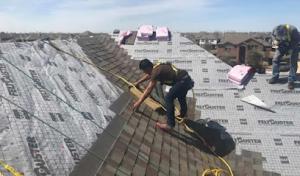
Accent Roofing Company & Construction
(214) 937-9908 accentroofingcompany.com
Frisco, Texas
5.0 from 21 reviews
In a market where Frisco experiences rapid growth and frequent hail events, losses get scrutinized closely by carriers. When a storm hits, insurers look beyond a single damaged sheet of shingles and consider the condition of the roof assembly as a whole-including attic safety features and how the roof was vented. This means the claim review can hinge on details that may surprise homeowners: did the underlayment get upgraded to resist moisture intrusion, was attic ventilation adequate, and were any upgrades to impact-resistant materials installed? Understanding that dynamic helps you anticipate what to document and present during settlement.
Carriers serving Frisco may closely review documentation for underlayment changes, ventilation work, and impact-resistant roofing upgrades during claim settlement. Start gathering a clear trail: photos from the storm date, date-coded invoices for any repairs or upgrades, and notes on the roof's original condition. Keep records of contractor communications, warranties, and material specifications. When you have a well-organized file, the insurer can assess the overall resilience of the roof system, not just the visible damage. If a scope change is discussed, confirm in writing how ventilation and underlayment meet current best practices for the local climate.
Coverage availability and underwriting can tighten in the Dallas-area market after severe storm seasons, which can affect replacement choices even before the next renewal. That tightening can influence what your insurer views as acceptable upgrades or preferred materials. Approach decisions with a focus on durability and long-term resilience, recognizing that the carrier may favor roof assemblies that address both wind and hail risk while meeting proven ventilation standards.
In the aftermath of a hail event, assemble a concise roof record that highlights any upgraded underlayment, enhanced attic ventilation, or installation of impact-resistant components. When speaking with your adjuster, reference the documented storm date, material spec sheets, and contractor notes to support a comprehensive view of the roof's current resilience. If an upgrade is recommended, ensure the rationale ties to sustained performance under North Texas weather patterns and carrier expectations, so you aren't left navigating future renewals with an uncertain covering in place.
Connect with contractors who help homeowners navigate the claims process from damage assessment to final approval.
Elevated Roofing
(469) 305-0010 elevatedroofing.com
15222 King Rd #402, Frisco, Texas
4.9 from 1058 reviews
Status Roofing
(469) 424-4623 www.statusroofingllc.com
1927 Witt Rd Ste 100, Frisco, Texas
5.0 from 194 reviews
When a storm hits, rapid interior water intrusion can happen fast. Because Frisco storm damage often arrives in concentrated spring events, temporary dry-in measures can be critical before full replacement crews become available. If you notice dripping at ceilings, doors, or walls following hail or strong winds, don't wait for a full diagnosis-place dry towels at the lowest points, move valuables, and call a local roofer who can stage a quick temporary seal to protect living spaces. Time matters: a few hours can make the difference between a minor patch and widespread damage to insulation, drywall, and personal belongings.
Skylight leak diagnosis matters in Frisco because hail, wind-driven rain, and flashing movement can mimic field-shingle failures after storms. Inspect the skylight dome for pitting, cracks, or condensation, then check the surrounding flashing where it meets the roof. In many cases, what looks like a skylight leak is a compromised sealant or flashing that has shifted during high winds. A licensed contractor should verify whether the issue is the skylight itself, the flashing, or a nearby ridge vent, and must isolate the source quickly to prevent a cascade of interior damage.
Rapid-response service is a meaningful local hiring priority in Frisco's contractor market, reflecting how quickly homeowners seek help after storm-driven interior leaks. If a crew arrives after hours, keep the affected area ventilated and clear a path for tarping and dry-in work. Prioritize contractors who can mobilize a rapid assessment, provide temporary protection, and coordinate with your insurance adjuster to document damage promptly. Being proactive with a trusted local team reduces the risk of longer-term interior and structural harm.
When you can't wait, these contractors offer fast response times to stop leaks and prevent further damage.
Elevated Roofing
(469) 305-0010 elevatedroofing.com
15222 King Rd #402, Frisco, Texas
4.9 from 1058 reviews
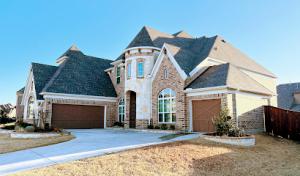
Clear Vision Construction
(972) 839-0407 www.clearvisionroofing.com
110A Rose Ln Suite 201, Frisco, Texas
5.0 from 109 reviews
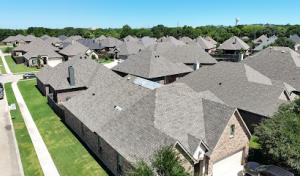
Frisco's hot, sunny summers make solar-related roof coordination a practical concern when homeowners are already replacing storm-damaged roofing. The region's bright days can strain installation timelines, and the alignment between solar equipment decommissioning, roof removal, and reinstallation matters for both performance and warranty validity. Planning around the heat, wind, and occasional hail helps keep projects on track and avoids overlapping delays that hit the peak season.
In a hail-prone market, roof replacement planning should account for how future storm access and documentation will work around solar components. Solar panels, racking, and electrical conduits sit on or near the roof surface and may need temporary removal or relocation during deck replacement. Coordinate with the roofer and the solar installer early to map out access routes, panel protection measures, and the sequencing of tasks. This ensures the roof deck is prepared without compromising solar mounting points or electrical connections.
A clear sequence helps Frisco crews work efficiently after a hail event. Begin with a written plan that identifies which solar components require removal, who handles wiring disconnects, and which sections of the roof will be replaced first. Documentation should capture existing panel locations, mounting height, and any specialized flashing or sealant used around penetrations. When the storm window is in play, ensure the solar contractor can reattach panels promptly after the new roof is in place to minimize downtime and exposure.
Keep a centralized record of roof geometry, panel footprint, and inverter locations. This makes future hail assessments faster and more accurate, since inspectors and adjusters can reference the installed layout. For homeowners, this documentation supports smoother insurance coordination and reduces the risk of misaligned reattachments if another storm hits. Solar coordination remains a practical, secondary focus, but in Frisco it benefits from deliberate planning that respects both the roof's storm-replacement needs and the long-term solar investment.
Find contractors who integrate solar panels or solar shingles into your roof for long-term energy savings.
Elevated Roofing
(469) 305-0010 elevatedroofing.com
15222 King Rd #402, Frisco, Texas
4.9 from 1058 reviews
Clear Vision Construction
(972) 839-0407 www.clearvisionroofing.com
110A Rose Ln Suite 201, Frisco, Texas
5.0 from 109 reviews
While Frisco is primarily a pitched-roof residential market, some homes and additions include low-slope sections that need different drainage and membrane attention. These zones can trap debris and ice, and they respond to storm events differently than a steep slope. Treat low-slope areas as their own micro-system within the overall roof, not as an afterthought.
Low-slope roofs can be overlooked during hail-focused inspections even though they often collect leaves, pine needles, and rooftop debris that clog drainage. During an inspection, check that the membrane edge detail transitions smoothly to adjacent steep sections, and look for small punctures or seam gaps that may not show up on a walkable pitched surface. Pay close attention to edge flashing where the low-slope area meets walls or parapets, as water can migrate laterally and surface leak patterns may masquerade as interior damage.
For drainage, ensure proper slope-typically less than 2:12 on these sections-and confirm clamping and termination details are intact. In Frisco's hail cycles, a durable, weather-appropriate membrane matters more than a one-size-fits-all solution. When choosing materials, prefer membranes with proven hail resistance and compatible fasteners for the local climate, with attention to field seams, penetrations, and terminations around drains and scuppers. A sound plan accounts for seasonal shifts in wind-driven rainfall and the tendency for debris buildup.
Flat-roof specialization is present in the local contractor market but is not the city's dominant residential roofing need. If a low-slope section requires real flat-roof expertise, verify the contractor's track record with hail-damaged projects and membrane diagnostics, and ensure crew familiarity with typical transition details from the adjacent pitched roof.
Find specialists in TPO, EPDM, and built-up flat roofing systems for residential and commercial properties.