Last updated: Apr 19, 2026
This coastal belt brings a relentless mix of spring hail and high-wind events followed by Gulf tropical systems that can spin up in a heartbeat. Roofs here endure both kinds of assaults in the same year, so blower-out winds and sudden water intrusion aren't rare; they're expected. The neighborhood habit is to see shingles peeling or lifting from wind, with rapid rain tracking under laps and valleys once a storm passes. In this climate, a roof that held up a decade ago may fail under today's storm mix if it wasn't upgraded to resist uplift, faster leaks, and moisture management.
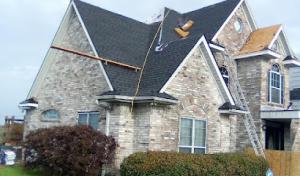
After a severe thunderstorm or tropical system, inspect with a focus on wind-lifted shingle edges, lifted tabs, and any small gaps along eaves and rake edges. Check for hail impressions on shingles, gutters, and the vents-these are often the telltale signs that water can find its way inside. Inside, look for new damp spots or staining near attic penetrations, chimney chases, and around light fixtures where wind-driven rain can seep through unsealed gaps. In Nederland, roof performance after a storm isn't just about the visible damage; it's about whether the underlayment and flashings held up to continued humidity and driving rain. If a storm hits during a calm spell, quick action remains essential because delayed detection lets moisture creep into insulation and framing.
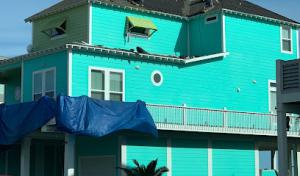
When severe weather hits, there's little time to waste. If shingles are compromised or there's visible intrusion, prioritize tarping to prevent rain from advancing into living spaces. Secure the tarp well, covering all exposed roof lines and vents to avoid wind-lift and edge failure. Photograph everything: torn shingles, lifted tabs, damaged flashing, interior water stains, and attic ventilation concerns. Time-stamped images serve as a clear record for insurance review and contractor scope conversations. In this market, claim-driven repair cycles are common, so rapid, organized documentation often accelerates the path from assessment to a solid, code-respectful repair plan.
Storm-responsive decisions here hinge on uplift resistance, wind-driven rain containment, and the moisture control system you choose for an attic. If your roof shows repeated wind damage in multiple events, a full reroof with a wind-rated assembly becomes a prudent move rather than a stopgap fix. When hail and wind cause localized damage, you may opt for targeted repairs paired with a strategic underlayment upgrade and upgraded flashings to reduce the risk of a repeat failure. In neighborhoods with older homes, consider venting and insulation adjustments that complement a high-wind, moisture-rich environment, so the roof remains resilient through multiple Gulf-season cycles.
Insurance activity spikes after severe weather, and claims often drive not just repairs but the scope of the project. Expect quick contractor visits to file photos and preliminary assessments, followed by rapid scope reviews. For homeowners, the priority is getting a clear, documented plan that covers wind uplift resistance, proper drainage details, and moisture-control measures. Local roofers understand that emergency repairs and tarping aren't optional post-storm steps; they're the bridge to a durable, storm-ready reroof. Keep lines of communication open with the contractor, and pursue a scope that aligns with the strongest, most durable roofing system your home can support in this Gulf Coast climate.
Asphalt shingles and metal roofing are the dominant practical choices in Nederland, with tile options existing but less common among active contractors. The Gulf Coast setting means roofs endure hot, humid summers, frequent thunderstorms, and periodic tropical wind exposure. The best choice balances wind resistance, moisture control, and ease of repair after storms. For most homes on standard Southeast Texas pitches, asphalt shingles and metal offer straightforward installation, predictable performance, and a delivery path for effective warranty and insurance documentation.
When evaluating surface materials, wind rating should guide the decision. Asphalt shingles are familiar, cost-effective, and readily upgraded with high-wind warranties and reinforced nailing patterns. Metal roofing provides superior wind uplift resistance on shallow to moderate slopes and can shed driving rain more effectively, but requires careful if not precise installation to prevent panel seam leaks. Tile options exist but are less common in the active contractor base; they demand a roof with uninterrupted framing and high-quality underlayment to manage wind-driven rain and the risk of crack-prone after a hail event. The choice should align with the home's exposure, pitch, and the existing roof framing.
Nederland's hot, humid summers accelerate underlayment aging and can trap moisture in poorly ventilated attic systems, making assembly details as important as surface material. A roof system that breathes properly helps prevent mold, ice damming concerns in rare cold snaps, and faster shingle degradation. Prioritize roofs with a balanced attic ventilation plan, including soffit intakes and ridge or turbine exhausts sized for the attic space. The underlayment type matters too: in high-humidity environments, a durable, moisture-tolerant underlayment paired with an effective ventilation strategy reduces long-term damage from condensation and salt-air exposure near the coast.
Storm season emphasis should be placed on wind-driven rain resistance and rapid leak response. Metal roofs with correct fastening patterns can outperform in wind uplift scenarios on exposed elevations, but must be installed with corrosion-resistant fasteners and sealant details that hold up to salt air and heavy rainfall. Asphalt systems should use impact-resistant shingles where possible and a high-quality synthetic underlayment to slow moisture intrusion during a storm. Regardless of surface choice, ensure edge detailing, valley protection, and flashing transitions are solid, since the first breach in a storm often occurs at the eave lines, penetrations, or step-flashings.
On typical Nederland homes, prioritize a roof assembly that emphasizes a proven wind uplift design, robust attic ventilation, and a moisture-shedding underlayment. In end-of-life or after storm events, a fast, well-documented leak response plan helps preserve interior spaces and insurance credibility. Tile and heavier systems demand careful structural checks; asphalt and metal remain the most forgiving for mid-pitch residential roofs, with the right installation discipline delivering consistent performance in this coastal climate.
Spring and fall are the preferred reroof windows in Nederland because they avoid the worst summer heat load while reducing exposure to peak tropical-season disruptions. During these shoulder seasons, you're more likely to get a stable sequence of dry days, cooler roof temps, and fewer afternoon storms that interrupt work. If a storm front rolls through in late spring or early autumn, plan a short postponement rather than forcing a rushed tear-off in excessive heat. Aligning timing with these windows helps the crew maintain consistent pacing and reduces the risk of heat-related fatigue that slows progress or loosens fasteners.
Wet spells and persistent humidity in this area can affect decking moisture and delay tear-off or dry-in scheduling even when rain totals do not look extreme on paper. Before the crane or dumpster arrives, verify decking appearance and feel for moisture. If the decking feels damp or shows signs of recovery after a recent rain, stagger the tear-off phase or add an extra day for underlayment acclimation. Dry-in timing hinges on a surface that can hold fasteners securely and a breathable underlayment bed underneath. In practice, this means avoiding back-to-back rain days when possible and checking dewpoint forecasts to gauge overnight moisture that could impede sealing and installation the following morning.
Summer work in Nederland often requires closer attention to underlayment exposure time, crew pacing, and same-day dry-in because afternoon thunderstorms are a recurring scheduling risk. Prepare for longer afternoon shifts when storms threaten, and build a contingency plan for quick shut-downs if lightning or heavy rain moves in. Keep underlayment exposed only as long as necessary, and coordinate with the supplier and crew to ensure tarping, fastener schedules, and temporary wind clips are ready for rapid deployment. Communication with the homeowner becomes critical during summer, so set expectations for potential day-by-day changes and the likelihood of sanding, priming, or additional dry-in time if a storm interrupts the sequence.
Plan the tear-off to begin with a dry morning, followed by a staged removal of old roofing from low-risk areas first, then move to higher-risk roof zones once weather looks favorable for a solid dry-in window. If a rain gap opens, switch to underlayment checks, flashing inspections, and sealant touch-ups that don't rely on dry conditions for effectiveness. Maintain a backup plan for an extended dry spell to complete tile or shingle installation without compromising wind uplift performance. In tight neighborhoods with shared driveways, coordinate access to avoid blocking a neighbor's retractable awning or vehicles during a sudden shower.
Get a clear picture of your project costs upfront - no commitment required.
Pro Roofing Concepts
(409) 212-9330 www.proroofingconcepts.com
1720 Nederland Ave, Nederland, Texas
5.0 from 6 reviews

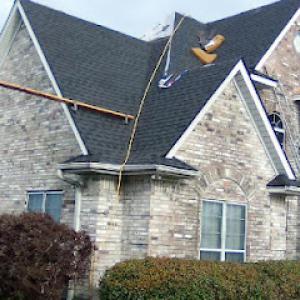
Simoneaux Roofing
(409) 300-1113 simoneauxroofing.com
1812 N 19th St, Nederland, Texas
4.6 from 31 reviews
20 years in business as a Nederland roofing contractor. We specialize in roofing repairs and roofing replacements. Trained adjuster on board ready to help with any roofing claim questions. Family owned and operated in the Beaumont, Nederland and Groves areas. Only the highest quality roofing materials. Our roofers are highly skilled in roofing, carpentry, roof repairs, and commercial roofing. Roof claims specialist and always hand nailed to perfection!
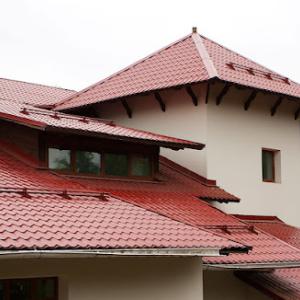
Mdz Roofing
(409) 659-8714 mdzroofingtx.com
Nederland, Texas
5.0 from 7 reviews
Combining years of experience with a dedication to client satisfaction, Mdz Roofing has established itself as the local leader in Roofing Contractors and Roofers.
Pro Roofing Concepts
(409) 212-9330 www.proroofingconcepts.com
1720 Nederland Ave, Nederland, Texas
5.0 from 6 reviews
With a team that has more than forty years experience in quality roofing services, Pro Roofing Concepts is a locally-owned & operated roofing and contractor serving Beaumont, Port Arthur, Orange, Lumberton and surrounding Southeast Texas areas . Our team is dedicated to providing quality roofing, siding and home improvement services to our customers Call us for a FREE Evaluation! 24/7 emergency repair services for residential and commercial property due to damages caused by storms, fallen trees, fire, water leaks and other critical events. Pro Roofing Concepts relieves the stress of our customers by working with their insurance providers from the time of incident until work is completed! Roofs - Siding - Remodeling Contractor.
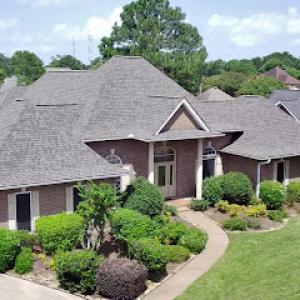
NeffCo Roofing & Restoration
903 S 23rd St, Nederland, Texas
5.0 from 6 reviews
Call us today! We walk with you from start to finish (i.e., insurance claims process, roofing/remodeling, Windstorm Certification), providing a turnkey experience for customers. As a locally owned small business, we aim to ensure our neighbors and their property are protected from the forces of nature. Having spent years developing a strong working relationship with insurance adjusters, local suppliers, and Texas Windstorm engineers, we strive to provide a tailored experience, allieviating that anxiety every property owner experiences during any large project. Our experienced roofers have worked 100's of projects with Texas Windstorm, providing top-notch, quality application - Let's get the ball rolling on that new roof your home deserves!
B.G. Absolute
(409) 203-3193 www.bgconstructiontx.com
2920 N Twin City Hwy, Nederland, Texas
4.4 from 10 reviews
Absolute Insulation provides residential and commercial gutters as well as siding and window installations in Beaumont, TX, and the surrounding areas.
Dutchmark Roofing
(409) 239-0200 dutchmarkcontractors.com
Serving
5.0 from 103 reviews
Dutchmark Roofing is a reliable, local company that specializes in roof repairs, roof replacements, window replacements and fence contracting. We are a GAF Certified Roofing Company, offering a lifetime warranty on all our new roof installations + a 15-year unlimited windspeed warranty (any wind damage will be 100% covered by manufacturer) We have a insurance specialist on staff to assist our customers with storm damage insurance claims. Whether you need a new roof, roof repair, roof inspection, windows replacement or new fencing, we've got you covered. Our team of experts is knowledgeable in all aspects of commercial roofing, residential roofing and windows replacement services. Call us today and schedule your free inspection!
Aaa T&T Industrial
Serving
5.0 from 7 reviews
we stop roof leaks, chimneys, shingles and flat repairs RESPONSABILITY AND WARRANTY!!
5 Star Roofing & Remodeling
Serving
5.0 from 35 reviews
At 5 Star Roofing & Remodeling, your trusted roofing and remodeling specialist. Our skilled and passionate team provides top-notch services to enhance the aesthetic and functionality of your property. Get a precise assessment with our free estimates, no strings attached. We pride ourselves on using first-rate materials and expert craftsmanship to deliver the highest quality results at a price that accommodates to your needs. Our mission is simple — better homes, accessible pricing, and a commitment to exceptional service. Elevate your living space today. 5 Star Roofing and Remodeling — Quality is always our priority. !!!CALL NOW!!!
JJ Roofing & Remodeling
(409) 219-6645 www.jjroofingtx.com
Serving
5.0 from 21 reviews
JJ Roofing & Remodeling provides roofing installation and repair services to Southeast Texas.
Barnett Mike Construction
(409) 727-5673 mikebarnettconstruction.com
Serving
4.3 from 6 reviews
Serving the area since 1965, Mike Barnett Construction is your expert general contractor. Our services include construction and remodeling, roofing, siding, and concrete construction, including parking lots.
Abshire Roofing
(409) 722-1965 www.abshireroof.com
Serving
5.0 from 7 reviews
🏡 Abshire Roofing is your trusted expert roofing team for 36 years! We're proud to hold a prestigious AAA Better Business Bureau rating, reflecting our commitment to quality, reliability, and homeowner satisfaction. You're choosing a legacy of excellence in the roofing industry. Let us protect your investment and provide peace of mind through our unparalleled roofing services. Contact us today for a free consultation and experience the difference that 36 years of dedication makes!

CNH Roofing
Serving
4.3 from 6 reviews
We are a local Roofing company that has been servicing the Golden Triangle and surrounding areas since 1985. We have an A+ BBB Accredited business. No job is too big or small. Give us a call at 409-962-5644.
Typical local material ranges are $350-$700 per square for asphalt shingles, $600-$1200 for metal roofing, $900-$1700 for clay tile, $800-$1500 for concrete tile, $500-$900 for wood shingles or shakes, and $600-$1100 for synthetic/composite shingles. In storms, these numbers can shift quickly as crews juggle multiple calls and tight windows between squalls. For a homeowner evaluating reroof timing after a hail episode or a tropical front, it's common to see bids that edge toward the higher end of those ranges, especially when labor availability is stretched across the Beaumont-Port Arthur area.
In this coastal belt, storm season materially affects scheduling and crew availability. When hail or tropical winds hit, labor and material crews are pulled into higher demand corridors, and you may notice longer wait times for asphalt shingles or metal installations. If a contractor is rushing to secure a slot between post-storm inspections and other urgent calls, prices can climb as the market clears the backlog. The practical upshot is that timing matters: waiting a few weeks if you can, after the initial surge, can help you secure better scheduling and, in some cases, more favorable terms on installation timelines.
Costs here are also influenced by required replacement of moisture-affected decking, wind-rated accessory upgrades, and ventilation corrections commonly flagged in coastal reroofs. If underlayment or attic ventilation shows signs of moisture intrusion after a season of humidity and heavy rains, add-on expenses can surface quickly. Wind-rated edge details, drip edge upgrades, and properly secured fasteners become more than just refinements when tropical winds test a roof's uplift resistance. Likewise, clay and concrete tile, while durable, often require careful handling and more intricate installation practices in this area, which can push total project costs upward, especially after a major storm event.
If you're weighing whether to start now or wait for a lull, consider the broader picture: storm-driven demand, decking condition, and the need for ventilation work all influence the final price. For households with prior wind or hail exposure, insurers sometimes flag upgrades that align with local weather patterns, adding value and resilience to the project. By aligning material choice with expected Gulf Coast conditions and anticipated post-storm needs, you can balance upfront investment with long-term reliability.
Don't let upfront costs delay a critical repair - these contractors offer payment plans to fit your budget.

M&M Roofing, Siding & Windows - Beaumont
(409) 727-8327 mmroofsiding.com
Serving
4.9 from 237 reviews
Coastal Roofing Specialists
(409) 751-5454 www.coastalroofingspecialists.com
Serving
4.5 from 80 reviews
A full reroof typically requires a permit through the local building department, and the application can be handled online or in person. Before you start, check that your chosen contractor pulls the permit in your name or on behalf of you, since an incomplete or improperly issued permit can stall inspections or trigger rework. Expect the permit to cover structural changes only if the roof deck is compromised, but never assume it's a routine formality. In practice, this process serves as an important early checkpoint for documentation, material approvals, and confirmation of work windows that align with Gulf Coast weather patterns.
Nederland inspections are conducted at rough-in and final stages. The rough-in check is where the city looks closely at nailing patterns, underlayment installation, ventilation provisions, and whether the chosen underlayment meets local wind requirements. This is not a cosmetic review; it's a structural and performance review that can affect how well the roof resists the region's high humidity and storm-driven conditions. The final inspection concentrates on finish details, vent placement, fastener security, and overall adherence to the permit scope. If anything is off, you'll face rework demands that delay occupancy and create unnecessary exposure to weather.
The city may require wind-mitigation or code-compliance confirmation, which matters in a Gulf Coast market where wind performance is a core review issue rather than a paperwork formality. Expect documentation that demonstrates wind resistance, such as secure fastening patterns, rated underlayment, and proper edge protection. A failure to provide solid wind-mitigation evidence can complicate insurance interactions and later claims, so prepare these records early. This is especially relevant if your roof replacement coincides with new code cycles or if the home features older construction practices that don't automatically align with current standards.
Coordinate with your contractor to schedule inspections promptly and to ensure all required notes and materials lists are ready for review. For a smoother process, keep a clear file of the permit, inspection appointment confirmations, and any city-facing correspondence. If you encounter delays, don't assume it's just bureaucratic hiccup; it could indicate missing documentation or noncompliant details that need correction to achieve a durable, wind-friendly roof. In this climate, investing in a thorough progression of inspections pays off in long-term resilience and fewer post-storm surprises.
Storms bring hail, high winds, and rapid weather swings along the Gulf Coast. In this area, adjuster scrutiny and documentation demands are higher than inland markets with fewer storm events. A roof claim after a thunderstorm or tropical system can trigger a detailed review of cause, scope, and evidence of prior damage. Expect an emphasis on wind uplift considerations and moisture intrusion indicators-areas where a robust field assessment can make or break the claim outcome. Being prepared to respond quickly helps protect your roof and your insurance rights.
When filing, you should assemble photos that show the roof from multiple angles and include close-ups of damaged areas, penetrations, and flashing. Document moisture signs inside the attic if present, as well as interior staining or mold that could indicate leaks. Be ready to provide a history of prior claims or repairs on the roof, as the insurer will want a clear timeline of events. A concise scope of work that lists materials, fasteners, and any wind-focused upgrades helps prevent back-and-forth and keeps the claim on track. In this coastal environment, thorough notes on roof edge conditions, soffit and fascia integrity, and ventilation status can materially affect the evaluation.
Premiums and deductibles in this region can vary with storm exposure and claims history, which directly affects whether owners choose basic replacement or pay extra for wind-focused upgrades. If the claim is approved, evaluate whether upgrading to higher wind-rated components or reinforced flashing improves long-term resilience against the next squall. Ask for a written scope that clearly distinguishes between repair of isolated damage and full replacement, including wind-rated assemblies, to avoid later disputes.
Maintain a steady, organized communication flow with the adjuster. Provide requested documentation promptly, keep copies of every submission, and note conversations in writing. If a discrepancy arises, request a clear rationale tied to policy language and storm-specific criteria, then address it with precise, itemized responses. This practical approach helps protect your home through Nederland's challenging Gulf Coast weather.
Connect with contractors who help homeowners navigate the claims process from damage assessment to final approval.
Simoneaux Roofing
(409) 300-1113 simoneauxroofing.com
1812 N 19th St, Nederland, Texas
4.6 from 31 reviews
Pro Roofing Concepts
(409) 212-9330 www.proroofingconcepts.com
1720 Nederland Ave, Nederland, Texas
5.0 from 6 reviews
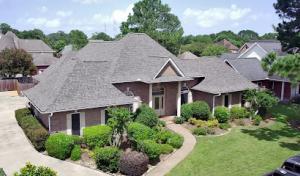
While steep-slope residential reroofing dominates, the active contractor market shows meaningful flat-roof specialization. That means porches, additions, garages, and small commercial-style sections often end up with low-slope or add-on roofs. In Nederland, those areas are not afterthoughts; they're built into the home's overall moisture plan. Expect more frequent tie-ins where a low-slope section meets the main roof, and plan for attention to flashing and drainage details that aren't as critical on the main field.
In this humid, storm-prone climate, low-slope transitions are common leak points when water backs up during heavy rain events. Water pooling and poor scuppers can force leaks into headers and wall junctions if drains aren't properly sized or kept clear. The issue isn't only rain; wind-driven spray from thunderstorms can push moisture into seams and penetrations. A practical approach is to treat each low-slope area as its own "drainage system" within the home, with dedicated flashing, drip edges, and a plan for regular roof-clearing maintenance after storms.
These roof areas need different detailing and inspection attention than the main shingle field, especially where older additions meet newer reroof work. Pay close attention to how flashing steps from the old roof to the new; mismatched materials or shifting substrates can create hidden pathways for leaks. Ensure that transition flashings are continuous and properly sealed, and that fasteners into old framing aren't creating pressure points. The goal is a continuous, watertight plane where the two roof types meet, with no gaps for moisture to exploit.
Set a simple cycle for inspection after heavy rains: check the flat sections and add-ons first, then the connections to the main field. Look for ponding, blistering, or exposed fasteners, and confirm that seals around penetrations (vents, skylights, vents for air handlers) remain intact. During routine maintenance, clean gutters and downspouts connected to these areas, ensuring water can move away from the deck and walls. In wind-driven storms, recheck sealants and flashing edges within 24 to 48 hours after the event, when wind and rain patterns have cooled down. This targeted attention keeps low-slope and add-on roofs from becoming recurring trouble spots.
Find specialists in TPO, EPDM, and built-up flat roofing systems for residential and commercial properties.