Last updated: Apr 19, 2026
Herndon sits in the Northern Virginia/DC metro insurance environment where wind and hail events generate frequent roof claim activity and adjuster involvement. The pattern is clear: a late-summer storm rolls through, shingles lift, granules wash away, and an adjuster arrives within days. In this corridor, insurance companies expect documented wind and hail damage, not just general wear. The result is a tight, appointment-driven process where timing and precision determine whether a full replacement or a restoration remains on the table.
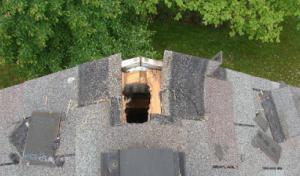
Local claim files commonly require thorough photo documentation, contractor notes, and separation of storm-related damage from pre-existing wear before approval decisions are made. Do not rely on memory or casual snapshots. Take wide-angle photos of entire roof footprints, then close-ups of fasteners, flashing, and any staining or soft spots. Schedule a contractor note that explains the sequence of storm events, roof age, and observed damage categories (missing shingles, dented shingles, blown underlayment, moisture intrusion in attic spaces). Your file should read like a timeline: storm event, damage indicators, mitigation steps taken, and projected scope for repair or replacement. The more clearly you separate storm damage from aging components, the more likely the insurer will align on a fair scope.
Because many Herndon homes are in HOA-governed communities, owners may need to coordinate insurer scope, contractor scope, and neighborhood appearance requirements at the same time. HOAs often require color-matching, specific shingle profiles, or approved contractors. Start the coordination early: obtain HOA guidelines, confirm shock-raised inspections or walk-throughs with the HOA manager, and align your contractor's scope with HOA-approved materials and installation standards. If the HOA wants a pre-approval or a post-claim inspection, document timing and decisions in writing. The alignment between insurer expectations and HOA rules can influence whether a claim moves forward smoothly or stalls.
When a storm hits, act fast but stay organized. Schedule a rapid exterior inspection, capturing damaged edges, dented gutters, and attic signs of moisture. Engage a locally trusted contractor who understands storm-damage language, and request a detailed scope that differentiates storm-driven items from wear and tear. Provide the insurer with a concise summary of the event window, weather reports, and a photo log organized by date and location on the roof. If an adjuster flags pre-existing wear, bring an independent assessment that documents storm-caused changes and ties them to the current roof condition. In HOA communities, request a single, coordinated plan that satisfies both the insurer and the HOA management, minimizing back-and-forth and preserving your roof's appearance standards. Stay proactive, stay organized, and keep communication channels open with the insurer, contractor, and HOA from the first contact.
Dulles Roofing
(703) 817-6275 www.dullesroofing.com
13800 Coppermine Rd, Herndon, Virginia
5.0 from 205 reviews
We are a roofing company that specializes in roof replacements. We serve Fairfax County and Loudoun County. Our crews are highly trained roofing professionals. We offer long-term roof warranties. Class A licensed and insured to do all types of residential and commercial roofing.
Douglas Roofing
(703) 255-9599 www.douglasroofs.com
503 Carlisle Dr Suite 250, Herndon, Virginia
5.0 from 192 reviews
Family-owned since 1985. We handle residential and commercial roofing, specializing in metal, cedar, slate, clay, asphalt and solar shingles. Our focus is on roof replacements and storm damage repairs, with additional services in siding, windows, and solar. We’re known for quality work, honest customer service, and fair pricing.
Metro Renovator Group
(703) 434-3551 www.metrorenovator.com
560 Herndon Pkwy suite 150, Herndon, Virginia
5.0 from 145 reviews
Our company holds Virginia Class A Contractors License. We are fully insured with Workers Compensation and Liability Insurance. We’ll work with you to achieve the quality roofing results you expect. We adhere to all homeowners association guidelines, so you can be sure to get the job done right the first time.
St Joseph's Roofing
603 Carlisle Dr, Herndon, Virginia
4.9 from 130 reviews
For over 30 years, St. Joseph’s Roofing, Inc. (SJR) has provided superior craftsmanship and award-winning customer service to Northern VA & parts of MD. SJR is a full-service home improvement company that offers a broad range of services, as well as the expertise to ensure that we can meet all of your family’s needs. Unlike most companies today, SJR does not require a deposit, payment is expected once your project has been completed to your satisfaction. Our commitment is to the highest level of standards in craftsmanship and customer service. SJR has been recognized for outstanding customer service every year since 2007, which reflects the owner’s passion for customer service excellence!

1st National Roofing
(703) 344-0506 www.1stnationalroofing.net
13800 Coppermine Rd Suite 145, Herndon, Virginia
5.0 from 8 reviews
Call 24/7/365 for live assistance, next day appointments are available, ask about our 0% financing specials.
GoTech Roofing
(703) 417-9200 gotechroofing.com
Serving
5.0 from 34 reviews
Founded by Julian Stevens over a decade ago, GoTech Roofing has established itself as the Number 1 Provider of Roofing Services in Northern Virginia. We provide roof repair and roof replacement services with a real focus on customer satisfaction. We are a Virginia Class A Contractor and fully insured with Workman's Compensation and Liability Insurance. GoTech Roofing provides each and every client with an incomparable roofing experience through our outstanding customer service and exceptional quality. With our GoTech Proprietary Customer Service-Oriented Roofing Process you can skip the headaches, schedule delays, lack of contractor communication, cost increases, and nonsense – we handle every roofing project detail from start to finish.
Michaelson Roofing Improvements
Serving
5.0 from 29 reviews
MRI is a Reston, VA based exterior remodeling company and certified roofing contractor who specializes in roofing, siding, windows and gutter installations. They also offer guidance with homeowner's insurance claims. David Michaelson is a long time Reston resident whose construction history dates back to the 1980's. He is passionate about keeping Reston's residents in homes that are both aesthetically charming and functional with the latest products in exterior restoration. Preparing paperwork for Reston Association approval comes standard with MRI's services.
Absolute Roofing
(571) 536-7084 absoluteroof.co
Serving
4.7 from 30 reviews
Absolute Roofing, proudly serving Northern Virginia, brings over a decade of industry expertise to your roofing needs. From meticulous repairs to flawless installations and transformative renovations, we offer a wide range of services to ensure your roof stands strong and secure. Contact us today to learn more about our services and schedule your appointment!
Bull Construction & Roofing
Serving
4.9 from 172 reviews
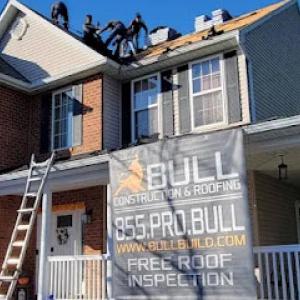
Trust Bull Construction & Roofing for all your roofing and home improvement needs. Small issues concerning your roof can turn into a widespread problem. We are your top choice for trusted high-quality repairs and restoration for everything outside and inside your home or property. Our mission is to provide cost-efficient, dependable, professional, and personalized service that you can rely on adding value and beauty to your property.
Reston Roof
Serving
4.8 from 37 reviews
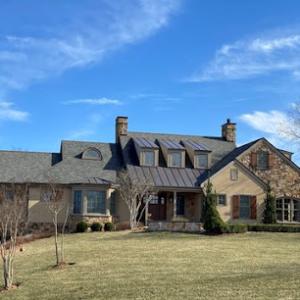
Reston Roofing is your trusted roofing contractor in Northern Virginia. Providing more than 16 years of quality service, we pride ourselves in providing the right solution to all your roofing issues at an affordable price. Reston Roofing Company is dedicated to becoming the leading residential and commercial roofing company in Virginia and Washington DC. To differentiate ourselves from our competition by providing a world-class customer experience, quality and innovative roofing service through continual innovation and training.
LAB Exteriors
(202) 539-7239 labexteriors.com
Serving
5.0 from 102 reviews
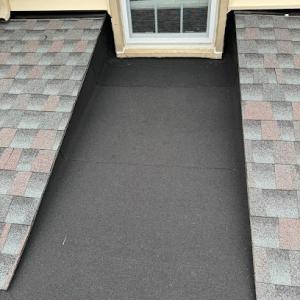
At LAB Exteriors, we handle every exterior remodeling, including roofing, gutters, siding, windows, and doors. We pride ourselves on delivering the best quality and unbeatable prices. We're involved every step of the way, ensuring everything meets our high standards and caters to your needs. Serving Virginia, our owners are actively involved in daily operations and present during installations, ensuring your home receives the best care. We're the right-sized company to meet your exterior remodeling needs without compromising on quality. Whether you need roof repair or complete roofing services, LAB Exteriors is there for you.
Eclipse Remodeling
(443) 203-9654 www.eclipseremodeling.com
Serving
5.0 from 41 reviews
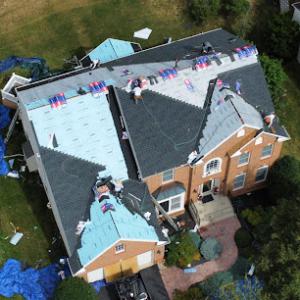
Dreaming of a home transformation? Eclipse Remodeling brings over 15 years of experience to your roofing, gutter, siding, window, and door projects in the DMV area. We believe your home deserves the best, so we're committed to high-quality work and top-notch materials. Remodeling should be exciting, not stressful. We keep you informed every step of the way with virtual estimates and open communication. Eclipse Remodeling delivers exceptional results without breaking the bank, offering competitive pricing and budget-friendly plans. Let us help you create the home of your dreams!
A full roof replacement is handled through the Fairfax County building department process rather than any standalone city office. The process starts when the contractor submits the project for plan review and permitting, then moves to field inspections as the work progresses. The county system focuses on structural compliance, weatherproofing, and proper installation practices. You should expect drawn plans, material schedules, and a clear scope of work to accompany the permit application. The timing of the permit review can hinge on how complete the submittal is, so gather product data, underlayment details, and fastening patterns before you apply. In a typical project, the county will require proof that the roof meets current code requirements for ventilation, attic insulation, and fire resistance, so have your contractor align their specs with those standards.
Local inspections commonly verify underlayment, fastening patterns, ventilation, and waterproofing details during and after the project. An inspector will check deck integrity, nail spacing, and shingle alignment as the roof goes on, then confirm that penetrations-around chimneys, vents, and skylights-are properly flashed and sealed. After the crew finishes, a final inspection confirms that the installation adheres to approved plans and county code. Scheduling an inspection window in advance helps prevent delays, and it's wise to coordinate with the contractor so you are available for any on-site questions the inspector might have. If adjustments are needed, address them promptly to keep the project on track and avoid re-inspection fees.
Herndon homeowners in certain subdivisions or HOA communities may face an additional architectural review layer beyond county permitting before materials or colors can be changed. Some neighborhoods require submittals to the HOA for color boards, warranty disclosures, or approved shingle profiles. Start by checking your HOA's covenants and architectural guidelines early in the process, then coordinate any required submittals with your contractor. If the HOA leans on a specific color palette or material schedule, you may need to adapt your chosen products to fit those rules, even if county codes would otherwise permit alternatives. Expect varying review timelines, and factor in possible constraints when selecting shingles, vents, and flashing finishes. Engaging the HOA early helps align expectations and reduces the risk of project holds or revision requests once a permit is active.
Herndon's regular rainfall makes spring a high-demand but interruption-prone roofing season, with weather delays affecting tear-off and dry-in scheduling. If a storm rolls through mid-project, crews may need to stop for wind or saturated decking, pushing timelines into the next dry window. Because many homes in the area have limited attic access or steep pitches, a soft spring rain can turn a straightforward day into a day-long drip test or a temporary tarping project. Plan for contingency days and coordinate with the crew on preferred sequencing-underlayment, drip edge, and flashing can proceed during lighter showers, but full tear-off benefits from a sustained dry stretch.
Hot, humid Northern Virginia summers can complicate material handling and installation conditions, especially on dark roofs in full sun. Asphalt shingles absorb heat quickly, making rolls stiffer and hand-nailing crews tire faster. Metal, concrete, and clay products also expand with heat, affecting panel alignment and sealant performance. Schedule the most labor-intensive steps for cooler parts of the day when possible, and arrange for shaded staging areas and hydration for crews. Ensure roof access routes stay clear of parked cars, and discuss with the contractor how heat-related delays might shift dry-in targets, particularly for underlayment and ground-level staging.
Many local replacements are scheduled in spring and fall because winter cold and occasional snow or ice narrow safe work windows. The shoulder seasons typically offer longer dry spells, more predictable temperatures, and fewer sudden storms. If spring is compromised by back-to-back rain, fall becomes the default bottleneck breaker, not the last-minute rush. For planning, prioritize a window with a week of forecasted dryness and moderate temperatures, and align tear-off to start just after a dry spell ends so crews can complete deck evaluation, underlayment, and flashing before the first frost date.
Communicate with the roofing team about expected rain days and your neighborhood's typical storm patterns. Request a staged plan that differentiates between tearing off old shingles and applying new materials, so exposure to moisture is minimized. Consider a temporary interior protection strategy for attic routes and ceiling penetrations in case of late-season showers. If a storm interrupts progress, ask how the contractor will secure tarps and protect vulnerable penetrations, and whether a revised dry-in timetable will be provided to you in writing.
Get a clear picture of your project costs upfront - no commitment required.
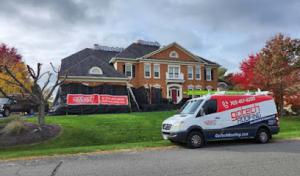
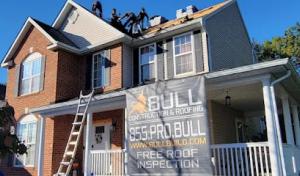
Asphalt shingles remain the dominant practical choice in Herndon, especially in the mix of older established neighborhoods and planned communities. They offer straightforward color and style options that align with common Northern Virginia residential architecture, which helps with curb appeal consistency and resale expectations. When a storm claim triggers a roof replacement, asphalt shingles simplify documentation and insurer expectations due to their familiarity and predictable performance. For many homeowners, a durable architectural shingle provides a favorable balance of wind resistance, ease of installation, and a broad selection of tones that blend with surrounding homes without drawing excessive attention.
Metal roofing, wood shingles or shakes, clay or concrete tiles, and synthetic options surface in Herndon's market, but appearance standards in many subdivisions can constrain choices. Metal roofs, for example, can deliver notable longevity and wind resilience, yet color and panel profile decisions may clash with HOA aesthetic rules. Wood shingles or shakes impart a traditional look in some neighborhoods, but their maintenance profile and fire-safety considerations can influence HOA approval, especially in newer developments that emphasize uniform appearances. Clay and concrete tiles provide a distinct, upscale silhouette and strong durability, yet their heavier weight and roof geometry requirements may limit suitability in certain plans. Synthetic or composite shingles offer a compromise between look and resilience, with design versatility that can align with modern HOA guidelines while preserving storm-related documentation clarity for insurance purposes.
Material selection in this market is influenced not just by weather but by whether the roof profile fits common Northern Virginia residential architecture and resale expectations. In many subdivisions, the goal is to maintain a cohesive street presence while ensuring the roof can withstand the region's storm patterns and still be documented clearly for insurance purposes. The best choice often threads the needle between a familiar, HOA-acceptable appearance and a performance profile that supports rapid leak response and reliable replacement messaging when storms cause damage.
Asphalt shingles remain the practical default for many Herndon homes, balancing price and performance. In Fairfax County's market, you'll see labor costs driven up by DC-metro rates and by storm-driven demand spikes after wind or hail events. Expect a cost per square of about 350 to 700 USD for asphalt, depending on shingle quality and installation complexity. Homes with steeper pitches, multiple penetrations, or architectural features common in Northern Virginia can push the total higher. In routine years, this material delivers solid value, quick repair timelines, and straightforward warranty coverage.
Metal rises when quick leak control and longer-term durability are priorities after a storm, especially for homes with challenging rooflines. In Herndon, metal installations tend to reflect DC-area labor pricing, and scheduling can tighten after a regional wind or hail event. The typical range is 700 to 1,500 USD per square, with premium finishes or thicker gauges adding to the bill. Metal pays back with excellent wind resistance and lighter weight, but initial costs are higher and roof geometry matters more for a clean, weather-tight finish.
Clay tile suits certain architectural styles found in Northern Virginia neighborhoods, but it carries higher freight and labor implications in this market. Expect 900 to 2,100 USD per square, depending on tile profile and roof complexity. Storm demand can push timelines and, in turn, costs if specialty crews are scarce after a major event. Residence details such as overhangs and the number of penetrations will influence both price and installation duration.
Concrete tile offers a durable option for long-term performance, with cost dynamics similar to clay but often a touch lower in material price. In this area, you'll typically see 800 to 1,700 USD per square. Scheduling can be constrained by storm-related demand, and steeper roofs or many vents can raise prices further.
Wood finishes reflect both material and handling considerations in the DC metro market. Expect 550 to 1,000 USD per square, with higher figures for deeper architectural detailing or extensive skylight work. After storms, labor availability for wood products tightens, potentially widening the gap between bid and actual final cost.
Synthetic or composite shingles strike a balance between cost and performance for those prioritizing ease of maintenance and wind resistance. Pricing from 450 to 900 USD per square is common, tempered by roof complexity and lead times during storm surges. If storm-driven demand is high, expect faster scheduling pressures that can influence final pricing.
Don't let upfront costs delay a critical repair - these contractors offer payment plans to fit your budget.

1st National Roofing
(703) 344-0506 www.1stnationalroofing.net
13800 Coppermine Rd Suite 145, Herndon, Virginia
5.0 from 8 reviews
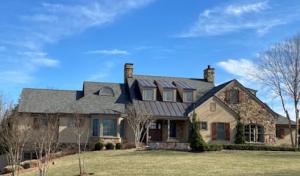
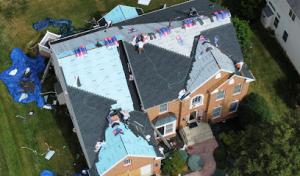
In Fairfax County, insurers commonly expect detailed contractor and material documentation, including photos and notes that support causation and scope. That means you should keep a clear trail from the first inspection through the end of the job. Before you sign anything, have your contractor provide itemized product data, installation notes, and a written summary linking what failed to what needs replacement. Photos dated from the initial storm event through the finish line help prevent later disagreements about what caused damage and what was included in the repair.
Adjusters are regularly part of the process for post-storm roof claims in this region, making pre-job and post-storm documentation especially important. Expect to coordinate schedules so that the adjuster can review the roof before work begins and after the project is complete. Keep a single, organized folder of all communications, receipts, and measurements so that the adjuster's questions can be answered quickly. If a contractor is reluctant to share documentation with the insurer, that reluctance should raise a red flag.
Homeowners should preserve records that distinguish older deterioration from recent storm impacts because that distinction often affects claim outcomes in the DC metro area. Deterioration from years of wear can blur causation, but a careful log with weather timelines, prior repairs, and shingle or flashing condition helps the insurer evaluate what portion qualifies for replacement. In practice, you may need a bilingual assessment from a roofer and an adjuster to align expectations on scope and coverage.
Connect with contractors who help homeowners navigate the claims process from damage assessment to final approval.
Dulles Roofing
(703) 817-6275 www.dullesroofing.com
13800 Coppermine Rd, Herndon, Virginia
5.0 from 205 reviews
Douglas Roofing
(703) 255-9599 www.douglasroofs.com
503 Carlisle Dr Suite 250, Herndon, Virginia
5.0 from 192 reviews
Metro Renovator Group
(703) 434-3551 www.metrorenovator.com
560 Herndon Pkwy suite 150, Herndon, Virginia
5.0 from 145 reviews
Storm activity in this area tends to prompt rapid repairs, and inspection crews look hard at cleanup, fastening, ventilation, and waterproofing. In quick-turn jobs, a rushed cleanup can leave debris under shingles or flashing, inviting future leaks. You should verify that all old nails and shingle tabs are cleared from the eaves and valleys, and that the ridge and soffit vents are not blocked by temporary tarps or debris. A contractor who prioritizes proper ventilation during re-roofing helps prevent moisture buildup inside the attic, which otherwise can compromise sheathing and insulation after the first warm spell.
Emergency leak situations after wind-driven rain pull homeowners toward fast but sloppy solutions. A dry-in that looks acceptable at first glance can fail when a storm returns or ice forms in winter. In this market, temporary tarping should stay secure through wind gusts and rain, and the flashing around chimneys, dormers, and vent pipes must be sealed to shed water reliably. Ask how the crew will ensure the roof deck remains dry during the transition between old and new roofing, and request a written plan for replacing any damaged underlayment or deck felt discovered during tear-off.
Because many local projects come through insurance channels rather than elective upgrades, disputes over damaged accessories and matching materials are common. You may confront mismatched shingle colors, flashing, or drip edge when only portions were damaged or were declared salvageable. Document everything with photos and keep a running ledger of what was replaced, what remained, and what is needed to achieve a consistent look and weather-tight seal. Ensure the chosen materials and accessories align with the rest of the house to minimize future tweak work.
When you can't wait, these contractors offer fast response times to stop leaks and prevent further damage.