Last updated: Apr 19, 2026
In this neighborhood climate, a single storm can turn into a cascade of roofing problems in short order. Mature planned-community landscaping casts deep shade on many homes, keeping sections of the roof damp long after rain ends. That lingering moisture accelerates wood rot in structural decking and invites mold growth under shingles and flashing. A fast-moving wind or sudden hail on a calm spring day can leave dents, loosen granules, and dislodge edges where you can't see the full extent from ground level. In practical terms: if you notice any curling, lifted shingles, dark spots along eaves, or brittle areas around the flashing, treat it as an urgent alert rather than a cosmetic issue. Delaying assessment increases the risk of leaks that create more extensive interior damage and costly repairs.
Reston's mature planned-community landscaping is beautiful but adds unique roofing risks. Branch strikes during storms can gouge the surface, break ridges, or crack underlayment where it's hardest to inspect from ground level. Debris accumulation from frequent wind bursts blocks valleys and gutters, pushing water toward flashing and joints. Shaded roof sections that stay damp after storms become prime spots for algae, moss, and moisture buildup that can soften shingles and degrade sealant faster than in sunnier neighborhoods. After a storm, a focused walk around the house is essential: look for bent or torn shingles near tree limbs, check gutters for leaves and small branches, and note any sudden changes in attic humidity or noticeable condensation in areas that rarely collected moisture before.
Spring wind and hail events are a major trigger for roof inspections and insurance documentation in this area. When a storm passes, take timestamped photos from multiple angles: rooftop vantage if safe, eaves, flashing around chimneys, dormers, and skylights, plus interior photos of any signs of water intrusion on ceilings and upper walls. Capture close-ups of shingles that appear lifted, granule loss, or visible cracks, and photograph gutters clogged with leaves, twigs, and seed pods. The goal is clear documentation of preexisting conditions, storm-related changes, and any moisture intrusion. Store these images digitally in a dated folder, then share them promptly with your insurer and a trusted local roofing professional who understands Reston's tree-heavy neighborhoods.
Autumn leaf drop is a bigger roofing issue here than in less wooded suburbs because clogged valleys and gutters can trap moisture along eaves and behind flashing. Leaf-laden gutters create a slow leak path that fosters wood rot at the fascia and can leak behind the gutter line where it's not immediately visible. Before the first heavy leaf drop, prepare by trimming lower tree branches that overhang roofs and installing robust gutter guards where appropriate. In the weeks after a heavy leaf fall, schedule a thorough gutter and downspout cleaning, and inspect valley sections and flashing for displaced sealant or shingle washout. If damp patches appear in the attic during dry spells, it's a warning sign that moisture is already squeezing into vulnerable seams.
After any storm, perform a cautious roof surface check from the ground, and if you see signs of damage or feel uncertain, contact a local roofer who specifically handles tree-docked neighborhoods. Prioritize replacing or resealing compromised flashing, re-tightening loose ridge caps, and ensuring gutters and valleys drain freely. Keep a log of dates, storm details, and all communications with insurers and contractors. If interior dampness is detected, address it without delay to prevent secondary issues like mold growth, which can complicate restoration work and extend downtime. In Reston, coordinated inspections and prompt documentation are your best defense against escalating damage and prolonged disruption.
When planning a replacement in a neighborhood with mature tree cover and a mix of attached homes and detached houses, consider how Reston-specific conditions shape both access and staging. Townhome clusters and row-style properties can complicate debris management and equipment placement, especially when crews must maneuver through narrow driveways, shared lanes, and limited yard space. This reality often means longer project timelines and more meticulous material handling than a sprawling single-family lot.
Asphalt shingles remain the most common option for many Reston homes, with typical costs between 350 and 750 USD per square. For a mid-size townhome, that's often a practical balance of price, install speed, and ease of debris containment. Metal roofing commands a higher per-square range, roughly 650 to 1,200 USD, and can be advantageous in storm-prone seasons due to durability and a longer service life, but it may require more precise staging in tight spaces. Clay tile and slate bring premium price points-clay tile around 1,000 to 2,400 USD per square and slate from 1,400 to 2,900 USD per square-reflecting both material heft and the specialized labor needed. Fiber cement shingles offer a middle ground at about 450 to 850 USD per square, presenting a solid option for homeowners balancing cost and resilience. Wood shingles or shakes sit between asphalt and more premium options, at roughly 600 to 1,100 USD per square, and can weather in the local climate with proper moisture management and ventilation.
Attached homes and townhouse clusters typically require careful planning for scaffolding or aerial access, as well as staging zones that respect neighbor driveways and shared walls. Debris containment must be robust, since wind and storm debris can accumulate quickly in narrow alleys and basements or crawlspaces. Access to attic entries, chimney areas, and roof lines may be constrained, prompting crews to coordinate precise routes for material delivery and waste removal. For detached homes with larger yards, crews can set up more freely, potentially shortening the cycle time for waste containment and re-staging between sections. In either case, expect some extra coordination time for weather-related shutdowns and for temporary access solutions during a full replacement.
Storm-driven spikes across Northern Virginia can push material and labor costs upward, particularly for fast-turn leak response and full re-roofing. When a weather event increases demand, scheduling becomes tighter and supply chains tighten, potentially affecting lead times for shingles, underlayment, or metal panels. In Reston, you may see longer wait times for premium materials or for crews with specialized access solutions to fit into tight spaces. If timing is flexible, aligning a replacement outside peak storm windows can help secure steadier pricing and smoother staging, especially for attached homes where coordination with neighbors is part of the project plan.
In planning, document your preferred material, anticipated access challenges, and a realistic window that considers potential storm-related delays. This helps align contractor sequencing, debris management, and material ordering to Reston's distinctive mix of housing styles and mature tree-dominated neighborhoods.
LAB Exteriors
(202) 539-7239 labexteriors.com
1908 Reston Metro Plaza, Reston, Virginia
5.0 from 102 reviews
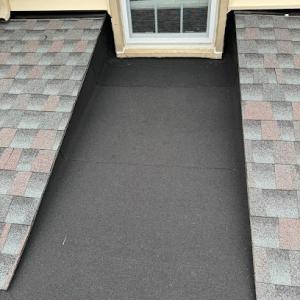
At LAB Exteriors, we handle every exterior remodeling, including roofing, gutters, siding, windows, and doors. We pride ourselves on delivering the best quality and unbeatable prices. We're involved every step of the way, ensuring everything meets our high standards and caters to your needs. Serving Virginia, our owners are actively involved in daily operations and present during installations, ensuring your home receives the best care. We're the right-sized company to meet your exterior remodeling needs without compromising on quality. Whether you need roof repair or complete roofing services, LAB Exteriors is there for you.
Bull Construction & Roofing
1818 Library St Suite 500, Reston, Virginia
4.9 from 172 reviews
Trust Bull Construction & Roofing for all your roofing and home improvement needs. Small issues concerning your roof can turn into a widespread problem. We are your top choice for trusted high-quality repairs and restoration for everything outside and inside your home or property. Our mission is to provide cost-efficient, dependable, professional, and personalized service that you can rely on adding value and beauty to your property.
ElevationBuild
(703) 340-5756 www.elevationbuild.com
1900 Campus Commons Dr Ste 100, Reston, Virginia
4.9 from 99 reviews
ElevationBuild is an award-winning exterior remodeling company that provides roofing, window & door, siding, and insulation services and free virtual or face to face estimates to the Northern VA and Maryland area. Honest solutions for your home improvement needs backed by integrity, accountability and exceptional value. With over 48,720 installed products we serve by serving others with the highest satisfaction rating in our industry. Find out what a no obligation hassle free consult experience is like today: 703-340-5756.
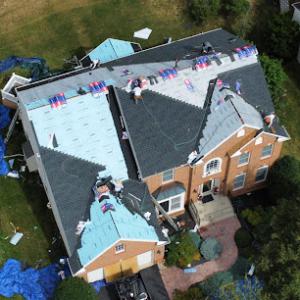
Eclipse Remodeling
(443) 203-9654 www.eclipseremodeling.com
Reston, Virginia
5.0 from 41 reviews
Dreaming of a home transformation? Eclipse Remodeling brings over 15 years of experience to your roofing, gutter, siding, window, and door projects in the DMV area. We believe your home deserves the best, so we're committed to high-quality work and top-notch materials. Remodeling should be exciting, not stressful. We keep you informed every step of the way with virtual estimates and open communication. Eclipse Remodeling delivers exceptional results without breaking the bank, offering competitive pricing and budget-friendly plans. Let us help you create the home of your dreams!
SmartRoof - Roofing & Solar
11091 Sunset Hills Rd Suite 600, Reston, Virginia
4.7 from 1136 reviews
SmartRoof re-energizes the dream of homeownership across the DC region through energy efficient upgrades. With innovative integrated solar solutions, and roof, gutter, siding, window and door replacement, we’re improving the home improvement process. We’re taking the home renovation industry from a frustrating back-and-forth, to a collaborative, service-focused dream. We lead with kindness, relatability, and a commitment to communication and support. Backed by thousands of 5-star reviews and more than 20,000 installations, we treat your home like it is our own. We’re certified by the best manufacturers in the US, and use only the latest roofing and solar technologies to help you achieve your dream home. Build your future with us!
GoTech Roofing
(703) 417-9200 gotechroofing.com
11890 Sunrise Valley Dr #205, Reston, Virginia
5.0 from 34 reviews
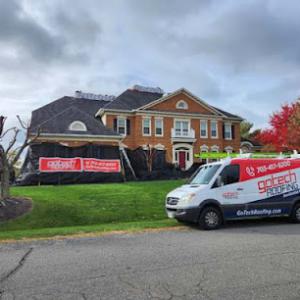
Founded by Julian Stevens over a decade ago, GoTech Roofing has established itself as the Number 1 Provider of Roofing Services in Northern Virginia. We provide roof repair and roof replacement services with a real focus on customer satisfaction. We are a Virginia Class A Contractor and fully insured with Workman's Compensation and Liability Insurance. GoTech Roofing provides each and every client with an incomparable roofing experience through our outstanding customer service and exceptional quality. With our GoTech Proprietary Customer Service-Oriented Roofing Process you can skip the headaches, schedule delays, lack of contractor communication, cost increases, and nonsense – we handle every roofing project detail from start to finish.
Michaelson Roofing Improvements
11890 Sunrise Valley Dr Ste 410, Reston, Virginia
5.0 from 29 reviews
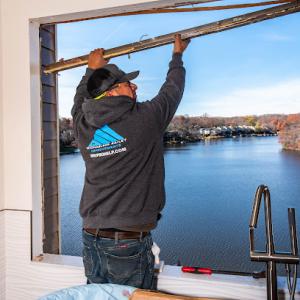
MRI is a Reston, VA based exterior remodeling company and certified roofing contractor who specializes in roofing, siding, windows and gutter installations. They also offer guidance with homeowner's insurance claims. David Michaelson is a long time Reston resident whose construction history dates back to the 1980's. He is passionate about keeping Reston's residents in homes that are both aesthetically charming and functional with the latest products in exterior restoration. Preparing paperwork for Reston Association approval comes standard with MRI's services.
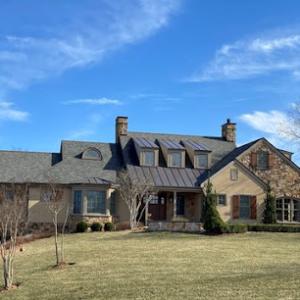
Reston Roof
11830 Sunrise Valley Dr #684, Reston, Virginia
4.8 from 37 reviews
Reston Roofing is your trusted roofing contractor in Northern Virginia. Providing more than 16 years of quality service, we pride ourselves in providing the right solution to all your roofing issues at an affordable price. Reston Roofing Company is dedicated to becoming the leading residential and commercial roofing company in Virginia and Washington DC. To differentiate ourselves from our competition by providing a world-class customer experience, quality and innovative roofing service through continual innovation and training.
Absolute Roofing
(571) 536-7084 absoluteroof.co
12050 South Lakes Dr, Reston, Virginia
4.7 from 30 reviews
Absolute Roofing, proudly serving Northern Virginia, brings over a decade of industry expertise to your roofing needs. From meticulous repairs to flawless installations and transformative renovations, we offer a wide range of services to ensure your roof stands strong and secure. Contact us today to learn more about our services and schedule your appointment!
Douglas Roofing
(703) 255-9599 www.douglasroofs.com
Serving
5.0 from 192 reviews
Family-owned since 1985. We handle residential and commercial roofing, specializing in metal, cedar, slate, clay, asphalt and solar shingles. Our focus is on roof replacements and storm damage repairs, with additional services in siding, windows, and solar. We’re known for quality work, honest customer service, and fair pricing.
St Joseph's Roofing
Serving
4.9 from 130 reviews
For over 30 years, St. Joseph’s Roofing, Inc. (SJR) has provided superior craftsmanship and award-winning customer service to Northern VA & parts of MD. SJR is a full-service home improvement company that offers a broad range of services, as well as the expertise to ensure that we can meet all of your family’s needs. Unlike most companies today, SJR does not require a deposit, payment is expected once your project has been completed to your satisfaction. Our commitment is to the highest level of standards in craftsmanship and customer service. SJR has been recognized for outstanding customer service every year since 2007, which reflects the owner’s passion for customer service excellence!
Metro Renovator Group
(703) 434-3551 www.metrorenovator.com
Serving
5.0 from 145 reviews
Our company holds Virginia Class A Contractors License. We are fully insured with Workers Compensation and Liability Insurance. We’ll work with you to achieve the quality roofing results you expect. We adhere to all homeowners association guidelines, so you can be sure to get the job done right the first time.
A full roof replacement in Reston generally requires a building permit through Fairfax County rather than a separate city permitting office. This means navigating county processes rather than a municipal clerk's desk, and the project must align with county codes and weather-related compliance standards. The county's framework emphasizes plan review, adherence to setback and structural guidelines, and adjustments for environmental factors common to mature-tree neighborhoods. Plan reviewers will look for confirmation that the chosen roofing system and underlayment meet county moisture management expectations, especially in areas where shade and leaf debris influence ventilation and drainage.
Fairfax County uses its ePermits platform, so homeowners and contractors should expect digital submission, plan notes, and review coordination before work proceeds. When starting, you will upload the project scope, roof geometry, and material selections, plus any required structural or drainage calculations. Plan notes should address underlayment type, venting strategy, drip edge details, and any necessary attic ventilation adjustments tied to the existing insulation and ventilation plan. During review, county staff may request clarifications or revisions, so keep an open line of communication with your contractor and plan reviewers. The digital workflow is designed to streamline approvals, but it also means timely responses are essential to avoid project delays.
Inspections are commonly scheduled at underlayment and final stages, which means project sequencing in Reston must account for county inspection availability. The underlayment inspection verifies that the roof deck is sound, that the underlayment is properly installed, and that any penetrations (vents, chimneys, skylights) are correctly flashed. The final inspection confirms overall installation quality, proper nailing patterns, and that the roofing system meets the county's code requirements. In practical terms, this means coordinating with the contractor to plan for two distinct windows of time where access will be needed, and ensuring that weather conditions align with the inspection calendar. If weather or debris-related delays arise, communicate promptly with the county inspector and your contractor to reschedule rather than pushing the schedule out of alignment.
Because Reston neighborhoods feature a mix of townhouse clusters and more expansive single-family homes, plan submissions should reflect any shared or limited property access constraints. If the roof adjoins common areas or shared structures, include notes about access routes, temporary protection for landscaping, and debris containment measures to satisfy both county codes and neighborhood HOA expectations. Gather and keep handy all builder and supplier documentation that demonstrates compliance with county standards, including wind-resistance specifications for the chosen roofing system, moisture barriers, and attachment methods suitable for the locale's climate and mature tree canopy. In the ePermits workflow, expect requests for revised drawings or additional detail on flashing, eave overhangs, and ventilation openings. Prompt responses help avoid stalling your permit timeline and keep the project moving toward a compliant, durable roof.
Virginia insurers commonly ask for documentation of roof age, prior repairs, and current damage, so you should keep records before storm season. In Reston neighborhoods with mature tree canopies, a growing file of photos, dates, and repair notes helps to show the roof's baseline condition if a claim is needed after a wind event or hail. Store digital copies of invoices for recent maintenance, roof certifications after service, and any contractor assessments. This habit pays off when adjusters request proof of preexisting conditions and can support a smoother claim process even if the damage seems minor at first glance.
Recent regional storm history in Northern Virginia can affect how adjusters evaluate whether a roof needs repair or full replacement. After a strong wind or heavy rainfall, insurers may scrutinize whether damage is isolated to a recent event or reveals longer-term wear. In Reston, where storms ride in from the west and tree debris is common, an adjuster will look closely at wind-driven shingle loss, lifted edges, and potential moisture intrusion behind flashing. Having a clear narrative that ties visible damage to a specific storm, with timestamps and weather reports if available, can help avoid the assumption that deterioration was entirely preexisting.
Because tree-related impacts and wind-driven shingle damage are both plausible in Reston, claim files should separate sudden storm loss from older wear or deferred maintenance. When the claim documents both, it becomes easier to determine eligibility for repair versus replacement. Take immediate steps to mitigate further damage after a storm-cover exposed areas, remove loose debris, and document these temporary measures. For the claims file, photograph the point of entry or impact, note any water intrusion on ceilings or walls, and preserve damaged materials for assessment. Clear labeling of when the damage occurred, what parts were involved, and what was done to stop additional leaking will help adjusters evaluate the scope with less ambiguity.
Communicate promptly with the insurer, but avoid commitments about full replacement on the first call. A professional inspection by a Reston-area roofer or their insurance-approved consultant can provide a factual assessment of whether a repair or replacement is warranted. When presenting evidence, focus on specific storm-related events, recent high-wind days, and the condition of tree-related impacts such as branches or flashing damage. Maintaining an organized claim file that separates new storm damage from preexisting conditions helps preserve clarity and improves the chances for a fair settlement.
Connect with contractors who help homeowners navigate the claims process from damage assessment to final approval.
LAB Exteriors
(202) 539-7239 labexteriors.com
1908 Reston Metro Plaza, Reston, Virginia
5.0 from 102 reviews
Bull Construction & Roofing
1818 Library St Suite 500, Reston, Virginia
4.9 from 172 reviews
Asphalt shingles fit much of Reston's townhouse and detached-home stock, but shaded roof planes in wooded neighborhoods can accelerate algae staining and moisture-related aging. When choosing asphalt, you may want algae-resistant shingle options and a darker or mixed-color profile to help manage heat buildup in hot summers. In areas with heavy shade, consider darker granule blends that tolerate staining while still providing meaningful UV protection. Maintenance should include regular cleaning of pine duff and leaf litter to keep under-eave drainage clear, especially on homes with surrounding mature trees.
Metal roofing can perform well through Reston's hot summers and cold winters, but detailing matters on homes surrounded by trees where falling debris can scratch finishes or clog transitions. If choosing metal, inspect clips, fasteners, and edge details for debris resistance and seamless flashing at chimneys and vents. A plan for periodic wind-driven debris checks helps protect the panel edges and reduces the chance of denting from acorns or branches. Consider a durable coating and color that reduces glare for nearby lanes and enhances curb appeal in densely treed neighborhoods.
Higher-end materials such as slate, clay tile, wood shakes, and fiber cement appear on select Reston-area homes, where structural load, repair matching, and HOA appearance expectations may affect replacement choices. Slate and clay tile offer distinctive character but require structural assessment and careful integration with existing roof planes, gutters, and chimneys. Wood shakes deliver a traditional look with excellent insulation but need moisture management and periodic treatment to resist rot in shaded sections. Fiber cement provides a balanced option with added durability and a more straightforward repair path, suitable for homes where HOA guidelines emphasize uniform appearance. Each of these materials demands precise installation, especially in tree-dense neighborhoods where debris and shading influence performance and longevity.
The most popular roofing material in the US. Find pros who install, repair, and replace asphalt shingles.
Bull Construction & Roofing
1818 Library St Suite 500, Reston, Virginia
4.9 from 172 reviews

SmartRoof - Roofing & Solar
11091 Sunset Hills Rd Suite 600, Reston, Virginia
4.7 from 1136 reviews
Reston Roof
11830 Sunrise Valley Dr #684, Reston, Virginia
4.8 from 37 reviews
Reston's hot, humid summers accelerate shingle aging, especially on older darker roofs where heat buildup is more pronounced in attics. If asphalt shingles show pronounced curling, granule loss, or dark staining after peak summer heat, consider this a signal that the remaining service life is shorter than expected. In mid-winter, freeze-thaw cycles can reveal flashing gaps and contribute to ice damming along eaves during cold snaps. If ice dams form or gutter ice blocks meltwater from draining properly, that is a clear prompt to evaluate whether a roof replacement is warranted rather than minor repairs.
Fall is a key maintenance season in this area because mature trees shed heavy leaf cover that can obscure roof valleys, gutters, and downspouts. Before winter weather arrives, perform a thorough clean-out and inspect for any drainage issues that leaves may be masking. Clogged gutters and overflowing valleys can hide moisture intrusion risks that become visible only after a few storms. If drainage paths are consistently blocked or water backs up toward the eaves, replacement may be a prudent consideration, especially on roofs with aging shingles or compromised flashing.
Different roof materials age at different rates, but the Reston climate amplifies wear across all types. Asphalt shingles may lose granules and curl with sun exposure; metal can develop panels with visible seams or corrosion in exposed locations; clay tile and slate are more brittle and prone to crack under freeze-thaw stress. If you notice widespread staining, soft spots, or substantial granule loss across multiple areas, plan for replacement rather than patching isolated sections.
Tree-heavy neighborhoods experience more branch drops and hail impacts during storm season. After a major storm, short-term leak response is essential, but a roof that shows recurrent leaks from multiple penetrations, flashing gaps, or sagging sections should be evaluated for replacement. Document damage promptly, photograph affected areas, and keep a clear record of maintenance history to support insurance discussions and timing decisions.
In Reston's mix of older townhomes and custom homes, the roof assembly may be nearing the end of its designed life at different rates. Consider roof age, overall condition, and the probability of sustained performance under typical heavy rain and heat events when planning, so that a replacement aligns with anticipated future maintenance needs and storm resilience goals.
In Reston, leak calls often start where debris collects in valleys, behind chimneys, and at roof-to-wall transitions on homes with surrounding tree cover. The shade and fallen needles can form damp nests that hide micro-cracks and minor gaps until a heavy rain pushes water where it doesn't belong. Valleys are particularly susceptible when gutters and downspouts become clogged, forcing water to back up and overflow onto flashing seams. Regular, gentle cleaning after storms helps you spot small issues before they cascade, but the real warning is moisture that soaks into the underlayment and starts to creep inward at joints. If a valley or ridge line is consistently damp after rain, treat it as a red flag rather than a one-off nuisance.
Townhome and clustered-home layouts can make it harder to isolate the source of water intrusion when flashing or drainage issues affect adjoining roof sections. A leak that appears on one unit may originate on an adjacent side where flashing is shared or where drainage paths cross. In homes where trees overhang, a single excess of leaf litter can obscure gutter flow and misdirect water toward walls. Prolonged moisture near the connection between roof and wall can drive mold and wood rot into invisible corners, so it pays to inspect upper exterior walls after heavy storms and to verify that flashing around vent pipes and dormers remains continuous and flush.
Older Reston homes may show layered aging issues at once, including brittle shingles, worn pipe boots, and moisture damage near gutters that overflow during heavy seasonal rain. As shingles stiffen and lose granules, the roof surface becomes more vulnerable to wind uplift and hail damage. Worn pipe boots can crack where they meet the vent stacks, inviting slow leaks that graduate into attic condensation and ceiling staining. Seasonal downpours expose clogged gutters and fascia flaws, and if gutters overflow, the moisture attack can reach fascia boards and soffits before a homeowner notices a problem inside. Stay vigilant for soft spots, curling edges, and dark staining along eaves after storms.
When you can't wait, these contractors offer fast response times to stop leaks and prevent further damage.
GoTech Roofing
(703) 417-9200 gotechroofing.com
11890 Sunrise Valley Dr #205, Reston, Virginia
5.0 from 34 reviews
Reston Roof
11830 Sunrise Valley Dr #684, Reston, Virginia
4.8 from 37 reviews