
Last updated: Apr 19, 2026
This area sits in the Northern Virginia insurance environment where wind and hail claims are common enough to affect premiums and coverage decisions. After a storm, the roof is vulnerable to accelerated wear, and hidden damage can escalate into leaks within hours if rain returns. The risk is not just a single event but a pattern: spring storms and occasional hail are part of the local risk profile, so fast action matters. When a warning siren or debris-laden gust hits, expect a surge in demand for roof inspections and temporary protections. Delays in securing temporary tarps or rapid triage can lead to water intrusion that complicates both the claim and the repair schedule.
Local homeowners typically need photo documentation, storm-date context, weather or hail reports, and contractor estimates before an insurer approves roof repairs or replacement. Start by photographing the entire roof from ground level and from at least two elevations when safe, focusing on lifted shingles, granule loss, dented metal, cracked tiles, and any interior signs of water intrusion. Capture close-ups of the affected areas, plus the exterior surrounding the home for context. Record the exact date and time of the storm, noting wind direction and observed hail size if possible. Collect weather reports or hail verification from a reputable source for that specific date. Have a detailed written note of any leaks, dripping fixtures, and room-by-room affected ceilings or walls. Requests for temporary repairs should come with a clear scope, documented with contractor estimates, to avoid back-and-forth delays that stall insurer approval and scheduling.
Because this climate drives frequent wind and hail events, insurers in Fairfax County often require a coordinated approach to confirm damage and authorize work. A clear, dated package that ties storm timing to observed damage driven by the storm is essential. Your insurer will typically want a professional assessment, but your own photos and weather data help tell the full story. Ensure the contractor's estimate aligns with the observed damage and includes a scope of work, phased timelines, and a plan for temporary protection if interior exposure exists. If the insurer assigns an adjuster, be prepared to accompany them through the inspection with your documentation in hand. Keep a dedicated binder or digital folder with all communications, as delays can accumulate when inspections are crowded after a major wind event.
Because spring storms and occasional hail are part of the local risk pattern, post-storm demand surges can slow inspections, temporary repairs, and full replacement scheduling across the Fairfax County contractor pool. Plan for a realistic timeline and keep communications current with both the insurer and the chosen contractor. If rain resumes during a repair window, prioritize temporary protection to mitigate further damage and document any weather-related interruptions. In high-demand periods, consider selecting a contractor with a track record of expediting storm work and with established coordination channels to minimize lag between inspection, approval, and execution. Staying proactive with documentation and pre-arranged scheduling helps ensure the project keeps moving even when the storm season peaks.
RoofER
(703) 239-3738 www.theroofdocs.com
8100 Boone Blvd Ste 400, Vienna, Virginia
4.9 from 760 reviews
Looking for a certified roofing contractor in Vienna, VA, or anywhere across Northern Virginia, Maryland, or Pennsylvania? Roof-ER or the Roof Docs specializes in roof inspections, replacements, and repairs, plus expert siding and gutter services. We’re one of the top-rated roofing companies near you. We are proud to offer a 100% remote roof inspection and consultation with no direct contact required. Call us today or visit our website to schedule a free inspection!
BRAX Roofing
(301) 691-4107 braxroofing.com
131 Park St NE, Vienna, Virginia
4.9 from 110 reviews
BRAX Roofing is a leading roofing, siding, and gutter installation contractor in the DC Metro Area. At BRAX Roofing, we pride ourselves on offering superior home improvement service by delivering high-quality products and customized solutions to fit your unique needs. Our team of in-house product specialists, project managers and installers all have the same goal – your 100% satisfaction. At the end of the day, your goal is our goal. Whether it’s replacing your roof, upgrading your home’s energy efficiency, or enhancing your curb appeal, we live by our motto: building quality into every roof!
Fab Build Pro
(202) 997-5531 fabbuildpro.com
1934 Old Gallows Rd STE 350, Vienna, Virginia
4.9 from 136 reviews
FAB BUILD PRO is your trusted team of roofing and general contractors specializing in insurance and retail roof repair, replacement, and renovation across the DC, Maryland, and Northern Virginia region. Based in Tysons Corner, VA, we provide 24-hour emergency roof repair services and are committed to using only trusted, high-quality roof supply vendors. Whether you need expert storm damage repair, a thorough local roof inspection, or a complete exterior update, we offer comprehensive solutions including siding and gutter replacement. Our goal is to enhance your home or business with modern design recommendations and top-quality service. Contact us for a professional consultation and a free estimate. Your satisfaction is our priority.
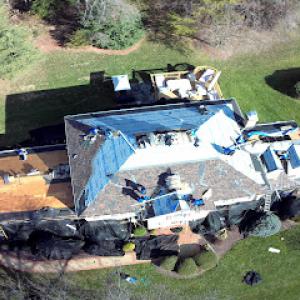
Lifetime Contractors
Serving
5.0 from 72 reviews
Our in-house crew fosters a strong company culture and better teamwork. The nimbleness of a small business can result in quicker decision-making and more flexibility in accommodating unique requests or unforeseen changes.
ASAP Roofing & Contracting
(410) 999-8295 asaproofingguys.com
Serving
5.0 from 69 reviews
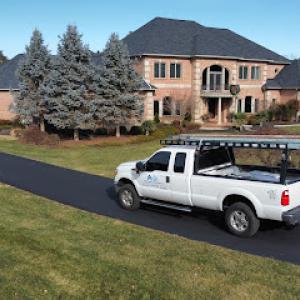
Should your home or business require expert roofing or contracting services, then you are in the right place. Our business is licensed, insured, and has been providing exemplary roofing services for over 45 years. We take pride in delivering only the highest quality of work that exceeds our customers' expectations. Trust ASAP Roofing & Contracting with your next project today!
DKL Exteriors
(571) 494-3709 www.dkl-exteriors.com
Serving
5.0 from 42 reviews
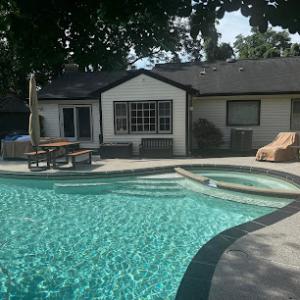
Our company, DKL Exteriors, was founded with a mission rooted in family values and a commitment to excellence. Backed by over the past 20+ years of our founder’s experience, we’ve grown into a trusted name in the construction industry, offering top-tier home improvement services. Located in McLean, VA, and serving the surrounding communities, we take pride in serving residential clients with roofing, siding, fencing, and exterior work tailored to their needs.
Kings Roofing Company
(703) 712-1506 kingsroofingcompany.com
Serving
5.0 from 50 reviews
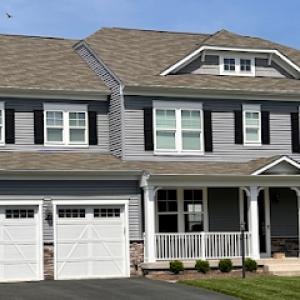
We are a growing team of seasoned construction business professionals that specializes in roof installation and roof repairs. Our aim is to provide all of our clients with a high-quality service that keeps their homes or business establishments safe even during the stormy weather. The King’s Roofing Company utilizes the latest technology, the best materials and innovative construction techniques to build aesthetically pleasing, functional and durable roofs.

Falcon Roofing & Solar
(571) 503-7951 falconroofingva.com
Serving
4.9 from 281 reviews
Falcon Roofing & Solar, located at 2817 Dorr Ave Unit K, excels as a premier roofing contractor committed to delivering top-quality services in the region. We specialize in roof repair, roof replacement, and thorough roof inspection to ensure the durability and safety of your property. Our expertise extends to flat roofing, commercial roofing, and expert gutter installation. Whether you need storm damage roof repair or stunning cedar shake roofing, Falcon Roofing & Solar is your trusted partner. Our experienced team is dedicated to providing excellent service, ensuring your roofing project is completed efficiently and professionally. Choose us for unparalleled roofing solutions.
Harriford Exterior Restoration
(757) 705-3899 www.harrifordernova.com
Serving
5.0 from 109 reviews
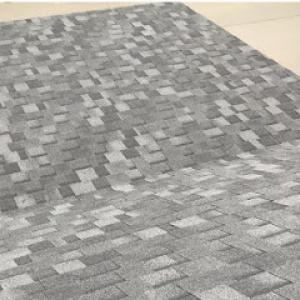
Discover exceptional roofing services with Harriford Exterior Restoration, your go-to roofing contractor in Purcellville, VA, and nearby areas like Aldie. As a Class A Licensed contractor, we specialize in roof replacement, roof repair, and residential roofing, offering top-notch craftsmanship and a two-year warranty on repairs. Our expert team, led by Brandon Harriford, is a CertainTeed Shingle Master Installer, providing premium replacements with up to a 50-year warranty. Enhance your home's exterior with our siding repairs and replacements, gutter services, and wood trim capping. Contact us at (757) 705-3899 for a free quote and experience unmatched service and quality.
SmartRoof - Roofing & Solar
Serving
4.7 from 1136 reviews
SmartRoof re-energizes the dream of homeownership across the DC region through energy efficient upgrades. With innovative integrated solar solutions, and roof, gutter, siding, window and door replacement, we’re improving the home improvement process. We’re taking the home renovation industry from a frustrating back-and-forth, to a collaborative, service-focused dream. We lead with kindness, relatability, and a commitment to communication and support. Backed by thousands of 5-star reviews and more than 20,000 installations, we treat your home like it is our own. We’re certified by the best manufacturers in the US, and use only the latest roofing and solar technologies to help you achieve your dream home. Build your future with us!
USA Storm Roofing & Construction Group
(571) 441-1043 www.usastormroofing.com
Serving
5.0 from 242 reviews
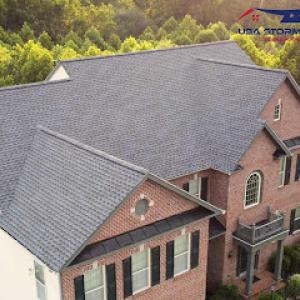
🏆 #1 Interior & Exterior Renovation Experts in Fairfax, VA , MD, DC, NOVA 🏆 USA Storm Roofing & Construction Group: Specializing in Roofing ( Roof Replacement and Roof Repair ) , Siding ( Hardie Siding, Vinyl Siding ) , Gutters ( Seamless Gutter Installation ), Storm Damage Restoration ( Hail and Wind Storm ), Replacement Windows ( Window Installation ) ! 24/7 emergency services, FREE inspections, insurance claim assistance. Locally owned, licensed, & insured. ✅ Lifetime Craftsmanship Warranty available | Energy-Efficient Solutions | Fast, Friendly Service Local contractor near you to protect your home with premium materials & 5-star care. 📞 Call Now for a FREE Quote or visit usastormroofing.com! Your home deserves excellence!
Eclipse Remodeling
(443) 203-9654 www.eclipseremodeling.com
Serving
5.0 from 41 reviews
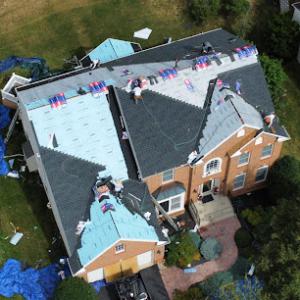
Dreaming of a home transformation? Eclipse Remodeling brings over 15 years of experience to your roofing, gutter, siding, window, and door projects in the DMV area. We believe your home deserves the best, so we're committed to high-quality work and top-notch materials. Remodeling should be exciting, not stressful. We keep you informed every step of the way with virtual estimates and open communication. Eclipse Remodeling delivers exceptional results without breaking the bank, offering competitive pricing and budget-friendly plans. Let us help you create the home of your dreams!
A full roof replacement in Vienna typically requires a permit through Fairfax County rather than a separate Town of Vienna roofing permit path. The county's process is designed to apply consistently across residential neighborhoods, from the in-town style homes to the newer, higher-end replacements that visitors notice along Oakton and Elden. The moment you move from minor repairs to replacing the roof, a permit clarifies responsibilities, sizing, and adherence to current code requirements. In practice, that means your project will fall under Fairfax County guidelines rather than a municipal-by-municipal approach.
The permit is issued by Fairfax County's Department of Building Design and Construction. This office coordinates the plan review and the on-site inspections that accompany most mid-to-large roofing projects. Inspections are scheduled during the job to verify that framing, ventilation, flashing, drainage, and fire safety meet county standards, and again at final completion to confirm everything is sealed, weatherized, and compliant. It is common for a single project to entail a pre-inspection, several staged checks during tear-off and installation, and a final occupancy-like review to close out the permit. Knowing this sequence helps set expectations with the contractor and avoid surprises on the back end.
Vienna homeowners can face timing issues from both county permit-processing backlogs and weather delays, which matters when planning tear-off windows around storm season. Fairfax County tracks plan reviews and field inspections in a stream designed to maintain safety and quality, but backlogs can slow a project before it even starts, especially during peak construction months after a severe wind or hail event. Weather, of course, is a separate variable that can push schedules out if rain or high winds interrupt work. When you're coordinating a roof replacement, it helps to build in a buffer for permit wait times and potential weather stoppages, so you're not left with an exposed roof during a storm front.
Begin by confirming that your chosen contractor is familiar with Fairfax County's permit requirements and can submit the necessary documents on your behalf. Expect documentation that includes roof plan details, venting, and materials, along with energy considerations that the county may require. Coordinate with your contractor's scheduling to align the tear-off, installation, and inspection windows with county availability, aiming for a contiguous sequence that minimizes exposure of the roof deck. As the project progresses, maintain open lines with the county inspector assigned to your site to address any issues quickly and avoid delays that can ripple into weather-related setbacks. If you encounter a backlog or a weather-induced delay, your contractor can often propose a revised window that still complies with county rules while keeping the project on track. In Vienna, where the mix of older in-town homes and higher-end replacements is common, the county permit path helps standardize work quality across diverse roof styles while ensuring that storms' impact on your property is properly mitigated through robust inspections.
In this area, bids can swing widely depending on whether you're doing a standard re-roof or upgrading to a heavier premium material. The active market for asphalt shingles, metal, slate, clay tile, concrete tile, and synthetic/composite systems means contractors vet each project differently, especially when a home has legacy roofing that's older or structurally unique. Local crews often price based on the roof's complexity, attic condensation considerations, and how a replacement interacts with nearby trees and drainage. You'll see a wider spread in quotes here than you might in more uniform markets.
As you compare options, keep these ranges in mind as a practical baseline for Vienna. Asphalt shingles run roughly 350 to 700 per square. Metal roofing tends to be higher, about 700 to 1,400 per square. If you're considering a premium look or longer-lasting surface, clay tile can run from 1,000 to 2,200 per square, while concrete tile sits around 900 to 1,700 per square. Synthetic or composite shingles offer a middle ground, roughly 320 to 600 per square. For slate, be prepared for a premium, typically 1,000 to 2,500 per square. Note that actual bids will reflect the home's specifics-roof pitch, chimney and skylight count, and whether the project requires removing and reusing any historic materials or delicate features.
Vienna's housing stock blends older in-town homes with higher-end replacements, so a standard re-roof often costs differently than a thick, premium upgrade. If your roof has legacy slate or clay tile, expect complexity to push bids higher due to careful removal, handling, and reinstallation needs. The local market tends to push pricing upward when projects involve matching long-standing aesthetics or addressing hidden damage beneath shingles. Bids can also reflect the contractor's ability to source specialty materials quickly, a factor that becomes more pronounced after wind and hail storms.
Storm events drive demand spikes here, especially after Northern Virginia wind and hail events. Pricing can rise temporarily and lead times can extend for fast-turn residential re-roofing crews. If you're facing a rapid repair scenario, you'll likely see more variation among bidders as crews juggle weather windows and material availability. When the sky clears, you'll typically regain more predictable scheduling and pricing, but expect some climate-driven variability to linger in the short term.
Asphalt shingles remain the volume choice in Vienna, delivering reliable performance across the local climate. They handle hot summers and cold winters with a balance of durability and ease of repair that fits many established neighborhoods. For a homeowner facing Northern Virginia wind and hail events, asphalt offers a practical combination of impact resistance and fast leak response when storms strike. Modern asphalt options also include high-wail hail resistance and thicker overlays, which can matter in neighborhood blocks where older roofs meet newer homes. When inspecting, focus on shingle granule retention and edge damage, since fast identification of cosmetic or structural issues helps prevent leaks during the next storm.
Metal roofs are established options in this market, bringing excellent resistance to wind uplift and hail compared with many traditional coverings. In areas with intense summer sun, metal's reflective properties help reduce heat gain, contributing to cooler attic spaces and potentially lower cooling loads. For replacement on historic or in-town homes, metal can be selected in profiles that mimic traditional aesthetics while delivering modern performance. If replacement planning is needed on an older roof, consider matching fastener types and color tones to maintain the home's curb appeal. Metal's resilience makes it a strong choice for homeowners who anticipate frequent wind-driven events but still want a roof that keeps up with northern Virginia's seasonal extremes.
Slate, clay tile, and concrete tile bring exceptional longevity and a distinctive, upscale appearance that suits higher-end upgrades in established neighborhoods. Heavier systems demand careful planning for older structures where rafters and decking may require reinforcement or targeted framing updates. In Vienna, appearance can matter just as much as lifespan, so slate or concrete tile can be chosen to closely echo the original character of a house while delivering strong performance in wind and hail. If considering these materials, factor in roof geometry and expansion joints, as well as the potential for debris clearance challenges after storms. Proper attic ventilation remains crucial to prevent moisture buildup that could compromise tile installations over time.
Synthetic or composite shingles offer a middle ground between traditional asphalt and premium options. They often provide enhanced impact resistance and a lighter weight profile, helpful when matching historic roof lines or distributing loads on older structures. In areas with hot summers and cold snaps, synthetic products can deliver stable performance with lower thermal expansion concerns. For projects aiming to preserve appearance while embracing improved durability, these shingles present a flexible alternative that respects both architectural character and practical resilience.
After a Northern Virginia wind or hail event, the fastest leak response is decisive. Prioritize rapid temporary tarping and swift contractor mobilization to protect interiors and reduce water damage. Documentation of storm impact, including dated photos and notes on observed damage, supports insurance conversations and quick decisions about repairs or replacements. When choosing a material, balance local performance in wind, hail, and temperature with how closely the chosen system matches the home's style and the neighborhood's housing stock. The result should be a roof that endures Vienna's climate while preserving the property's distinctive presence.
In Vienna, freezing snaps can turn a tear-off into a prolonged ordeal. Cold mornings slow seal-down performance and can leave decking vulnerable if moisture remains trapped. Exposed plywood and underlayment are more susceptible to frost damage when temperatures swing from day to night, so a delayed teardown becomes common after a cold stretch. Scheduling gets tight when snow drifts push work into shorter daylight hours, and wind can buffet exposed edges, complicating tarping and temporary covers. If a leak is detected during a cold snap, the priority is rapid containment rather than a full fix, since frozen conditions can mask moisture behind ridge vents and in dormer corners. Vibration from winter winds and shifting shingles can also expose nail heads, creating small but stubborn avenues for intrusion until temperatures rise.
Spring brings another set of real-world constraints. Heavy rain and gusty winds arrive with little notice, and jobs that are already in progress can stall mid-pilot due to sudden downpours. When a project opens during a very wet spell, the risk of water intrusion climbs, especially in areas with complex flashing, valley sections, or multi-material transitions. Scheduling becomes a juggling act as warm afternoons lure teams to push ahead, only to be thwarted by a late-day storm. For homeowners, this means prioritizing fast, enforceable protection strategies-temporary gutters, tongue-and-groove seals, and dependable tarps-so water doesn't find its way into attic spaces or ceilings during a mid-project shift. Storm-driven debris from nearby neighborhoods can complicate cleanup and requires coordination with insurance documentation to capture damage while it's fresh.
Summer heat and humidity compress safe work windows and challenge material handling. Asphalt and synthetic shingles may soften in peak heat, while metal decking can radiate heat into the attic, raising risk of worker fatigue and slower progress. Humidity also means higher risk of blistering or adhesive setbacks on some underlayments. If a roof is opened during a heat wave, plan for extended sessions with frequent hydration breaks and careful ladder and ladder attachment checks to avoid warping. In mature-tree neighborhoods, fall leaf drop and windstorms create a rolling cleanup chore: gutters clog quickly, shingle granules wash into downspouts, and every gust can shift debris into newly exposed valleys or rooftop gaps.
As leaves accumulate, visibility and access dwindle. Fall storms meaningfully increase cleanup needs and can drive late-season scheduling pressures. Wind events in this season intensify the challenge of balancing rapid temporary protections with thorough repairs, especially on roofs with dormers, skylights, or complex intersections. Plan for immediate response to any intrusion revealed by gusts and fallen foliage, so minor damages don't evolve into major leaks as the weather shifts.
Wind-driven events common to this area can lift shingles, exposing underlayment and flashing. In spring and summer, fast-moving gusts from district storms push granules and edges loose, creating small vulnerabilities that become bigger leaks after a heavy rain. Hail can leave bruise marks that you might not notice from the ground, but those impacts weaken the surface and can initiate cracks that spread under wind-driven air. Inspect after storms with a careful eye along roof edges, vents, and any areas where shingles show slight cupping or loose tabs. If you see lifted tabs or darkened bruises, treat it as an early warning rather than a cosmetic issue.
The freeze-thaw cycle in winter compounds vulnerabilities around flashing and roof penetrations. Valleys, chimney skirts, and vent boots are common trouble spots where water can penetrate once moisture has been driven in and then frozen. In dry spells, these areas may look fine, but accumulating moisture from spring storms can reveal weaknesses as ice forms and expands. Prioritize proactive checks of flashing seams and sealant joints; compromised integrity here often manifests as a slow, persistent leak rather than a dramatic gush.
Fall leaves and storm-blown branches litter rooftops and gutters, creating practical problems that extend beyond shading. Debris can trap moisture against roof surfaces, accelerating rot and concealing damage until the next heavy rain. It's not just aesthetics-packed debris creates localized leaks and can corrode flashing over time. Routine debris removal and careful gutter clearance reduce the risk of moisture pooling and delay the onset of more serious failures.
After a significant wind or hail event, you should consider a rapid exterior walk-around with a focus on loose granules, lifted edges, and any new staining on inside walls or ceilings. Small signs today can translate into substantial repairs tomorrow, so address them promptly to limit wider damage.
Find contractors experienced in skylight installation, flashing, and leak repairs to bring natural light into your home.
RoofER
(703) 239-3738 www.theroofdocs.com
8100 Boone Blvd Ste 400, Vienna, Virginia
4.9 from 760 reviews
Fab Build Pro
(202) 997-5531 fabbuildpro.com
1934 Old Gallows Rd STE 350, Vienna, Virginia
4.9 from 136 reviews
Virginia's homeowners insurance market is sensitive to wind and hail losses, so this area's homeowners should expect premiums and renewal terms to reflect recent storm activity. When a significant wind or hail event occurs, carriers may scrutinize claims history and weather data to judge risk for the upcoming term. That means a home with multiple storm seasons or a recent event can see changes in deductibles, endorsements, or even policy renewal timelines. The practical impact is that proactive documentation after a storm helps support a stable renewal path and avoids surprises at renewal time.
Insurers serving this region commonly require a documented damage file before authorizing major roof work. That file typically includes clear photos of the affected roof, notes from the contractor outlining the scope of work, and weather-event support such as local storm reports or hail signatures. Collect these materials as soon as practical after a storm, and organize them by date and severity. When you present a complete package, the insurer has a better basis to evaluate the claim quickly and reduce back-and-forth delays that can stall repairs.
In this market, an adjuster review is a normal part of the claims process, so expect a separate inspection timeline from the contractor's estimate timeline. The contractor may prepare the initial scope and a detailed estimate while the adjuster is reviewing the claim. To avoid gaps, coordinate by sharing the contractor's scope notes with the insurer and scheduling inspections in a way that does not disrupt weather-dependent work. Clear, consistent communication helps keep the project moving after storm damage is confirmed.
After a wind or hail event, start by documenting every affected area with dated photos from multiple angles. Contact your insurer to understand the exact documentation needed, then assemble the files promptly. Engage a contractor experienced with storm-related claims who can provide a detailed scope and weather-event context to support the file. Expect the adjuster's inspection to occur on a separate schedule from the contractor's work plan, and keep all parties aligned by sharing updates and timelines. This coordinated approach helps minimize delays and supports a smoother repair process.
Connect with contractors who help homeowners navigate the claims process from damage assessment to final approval.
RoofER
(703) 239-3738 www.theroofdocs.com
8100 Boone Blvd Ste 400, Vienna, Virginia
4.9 from 760 reviews
Fab Build Pro
(202) 997-5531 fabbuildpro.com
1934 Old Gallows Rd STE 350, Vienna, Virginia
4.9 from 136 reviews
Because the Vienna market is heavily re-roof driven, you are evaluating contractors on response speed, cleanup standards, and how efficiently they handle occupied residential properties. When a rain event or hail storm hits, a quick on-site assessment and a clear plan for protecting interior spaces can prevent further damage and minimize disruption to daily life.
Long-established and family-run firms are notably present in this Fairfax-area market, which matters to owners looking for continuity on warranties and post-install service. In practice, that means you can expect longer-term accountability and a straightforward path to service after installation, should you need it years down the line.
Free inspections and drone inspections appear in the local contractor mix, but homeowners still need to verify who will manage county inspections, debris protection, and final punch-list completion. Ask for a written scope that details debris containment during tear-off, how roofed areas will be protected, and a definitive plan for closing out the project.
In this market, a practical contractor will outline the sequence from teardown through installation to final inspection, with explicit dates and a point of contact. Check whether communications will be routed through one supervisor, and confirm how weather-related delays are handled so temporary accommodations for interior spaces are clear.
Seek references from neighbors with similar home types and roof ages, and confirm the contractor's liability and worker protection coverage. In a neighborhood with varied housing stock, you'll benefit from a crew familiar with common local details-sound underlayment choices, attic ventilation considerations, and how to protect mature landscaping and driveways during removal and staging.
Get a clear picture of your project costs upfront - no commitment required.
Fab Build Pro
(202) 997-5531 fabbuildpro.com
1934 Old Gallows Rd STE 350, Vienna, Virginia
4.9 from 136 reviews
USA Storm Roofing & Construction Group
(571) 441-1043 www.usastormroofing.com
Serving
5.0 from 242 reviews