
Last updated: Apr 19, 2026
Spring storms with hail and strong winds are a primary local trigger for roof inspections and replacement decisions in Chantilly. The storms pelt the suburban slopes with ice-like hail and gusts that snap shingles and loosen flashing, often between fast-moving weather bands that leave homeowners scrambling. In those moments, the roof becomes a ledger of visible damage and hidden vulnerabilities-granule loss, cracked shingles, dented metal edges, and lifted membranes. The urgency isn't just cosmetic: exposed underlayment and compromised venting can accelerate interior moisture problems, mold, and attic heat gain during humid summers. A rapid assessment right after the storm helps homeowners avoid compounding damage and gives a clear signal for when a full replacement may be warranted.
Virginia's insurance market remains broadly available, but carriers commonly want photo evidence, roof age, and repair estimates before adjusting storm claims. In practice, a typical adjuster visit looks for clear photos showing impact marks, lifted edges, and widespread granule loss, paired with a dated, professional assessment of remaining roof life. If you're in the aftermath of a hail event, gather daylight photos from multiple angles, close-ups of damaged shingles, and a written note of any interior signs of water intrusion or attic staining. The timing of documentation matters: delays can complicate claim timelines or reduce the scope of coverage. Your observations are part of the claim package, especially when the roof is at or beyond a reasonable service life for the material you selected.
Because many Chantilly-area contractors actively market storm damage, insurance claims, and emergency repair, homeowners are likely to face rapid post-storm solicitation and should document conditions before temporary work begins. Expect contractors to propose quick-response fixes to minimize further leaks. While temporary measures can protect your home, coordinate with your insurer and a trusted local roofer to ensure temporary patches do not interfere with a potential full replacement assessment. Proactive communication with your insurer about the scope of the storm damage helps set expectations for where a claim may cover immediate repairs versus long-term replacement. Never authorize major work or sign contingency agreements before confirming coverage details; in a tight market, there is strong pressure to move fast, but accuracy matters for the claim and the final outcome.
Begin a damage audit as soon as it's safe to go on the roof or with a ladder from ground level. Document every angle of impact, seal gaps, and protect attic spaces with tarps or plastic sheeting if leaks are present. Create a dated file of photos, notes, and repair estimates from reputable local contractors who understand Chantilly's steep-slope configurations and common shingle types. When you receive a contractor's inspection report, compare it to the insurer's assessment and flag any discrepancies in material condition or roof age. If a temporary repair is needed before a full replacement decision, ensure there is a clear plan for what remains to be evaluated for the final claim. The goal is to keep water out, maintain structural integrity, and preserve the value of your home while navigating the storm claims process.

American Home Contractors
(703) 242-5000 www.americanhomecontractors.com
14155 Sullyfield Cir Suite A, Chantilly, Virginia
4.9 from 2384 reviews
Since 1986, American Home Contractors has been the trusted name in exterior home improvements and across Northern Virginia, Washington DC, and Maryland. As award-winning and certified contractors, they excel in residential roofing, solar panel and roofs, siding, gutters, windows, doors, Tesla solar roofs, and roof repairs. With thousands of 5-star reviews, American Home Contractors are the undisputed leaders in exterior home renovations.
Storm Guard Roofing of Chantilly-Dulles
(571) 771-1134 www.stormguardrc.com
Lee Rd, Chantilly, Virginia
5.0 from 85 reviews
Storm Guard is a locally Veteran owned business operating out of Chantilly Va. We are experts in the Insurance restoration field and would love the opportunity to restore your home or business.
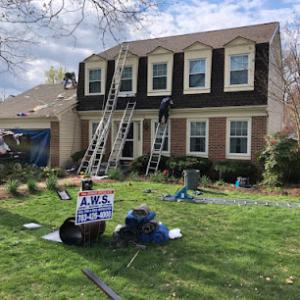
AWS Restorations
(571) 556-8778 awsrestorations.com
14140 Parke Long Ct suite e, Chantilly, Virginia
4.9 from 184 reviews
AWS Restorations is a roofing contractor in Chantilly, VA that services Fairfax County, Alexandria, Chantilly and nearby areas. Our roofing company offers residential roofing, commercial roofing, metal roofing, asphalt shingle roofing and many more. What make us standout is our 31 Years experience in the roofing industry plus our 50 year warranty offer. We have industry certifications such as GAF and Certainteed Shingle Master. If you want to experience how your most trusted Chantilly roofing company’s top-notch roofing services, call us now for free estimate!
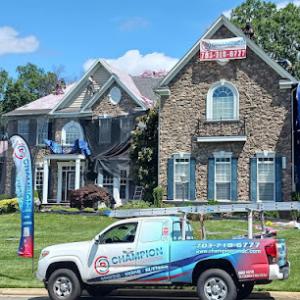
Champion Restoration & Construction
(703) 718-6777 championrandc.com
14102 Sullyfield Cir Suite #2200, Chantilly, Virginia
4.9 from 105 reviews
Champion Restoration & Construction, based in Chantilly, VA, proudly serves our local community and the surrounding Northern Virginia area—including Sterling, Ashburn, Leesburg, Great Falls, McLean, and Fairfax—with over 10 years of trusted experience as a top-rated roofing contractor. We specialize in high-quality roofing, siding, and gutter services, including expert roof repair, roof replacement, installation, and maintenance. Our team also provides full siding installation, gutter services, and storm damage restoration. Count on us for reliable craftsmanship, energy-efficient solutions, and exceptional service that protects and enhances your home exterior.
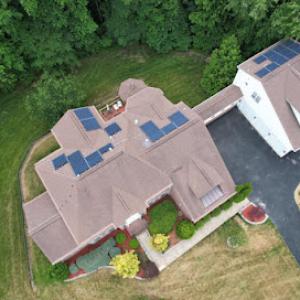
Platinum Home Design
(703) 563-0630 platinumhomedesignllc.com
14101 Parke Long Ct Suite M, Chantilly, Virginia
5.0 from 74 reviews
Imagine a home transformed by experts who treat every project as their own. At Platinum Home Design, LLC, we’re more than just builders; we’re partners in bringing your vision to life. Based in Chantilly, VA, and serving Northern Virginia, our family-owned company specializes in high-quality installations of windows, doors, solar, siding, trim, and roofs. Whether for residential or commercial spaces, trust Platinum for results that enhance your home’s value, functionality, and charm. Experience the Platinum standard today!

Sparkk Construction
(703) 239-4734 www.sparkkconstruction.com
14900 Bogle Dr #104, Chantilly, Virginia
4.8 from 184 reviews
Sparkk Construction is proud to be a well-respected roofing company serving homeowners and commercial customers throughout the greater north Virginia area. We are fully licensed, bonded and insured. We are also a Platinum Owens Corning Preferred Contractor, GAF certified contractor, and CertainTeed certified Installer giving our customers peace of mind knowing our workmanship is verified by the industry’s leading manufacturer.
Evergreen Contractors
(703) 679-9500 evergreencontractors.com
14301 Sullyfield Cir #204, Chantilly, Virginia
5.0 from 63 reviews
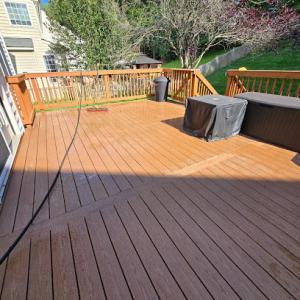
Evergreen Contractors, established in 2000, is a trusted roofing contractor serving Northern Virginia. With over 25 years of experience, we specialize in roof replacement, roof repair, and roof installation, making us a leading choice among roofing companies in the region. Our services also include siding, windows, trim, decks, and gutters, serving both builders and homeowners. As a mid-sized company, we focus on delivering competitive pricing, top-notch craftsmanship, and friendly service. Integrity, professionalism, and reliability are the foundation of our business, ensuring that every project meets the highest standards. Choose Evergreen Contractors for your roofing and home improvement needs.
Erie Home
14310 Sullyfield Cir Suite 300, Chantilly, Virginia
4.9 from 54 reviews
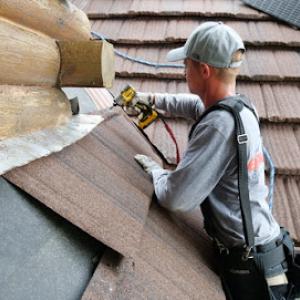
Since 1976, Erie Home has manufactured, supplied, and installed the best-performing roofing on the market. By providing ironclad warranties and convenient financing, we ensure that every homeowner we work with receives top quality service and value for their homes and properties. Erie Home professionals are the roofing company of choice in the greater Chantilly, VA area. Whether you need roof inspections or roof damage repair services, Erie Home has been the go-to roofing contractor for nearly 50 years because of our attention to detail and dedication to making sure our customers are satisfied with their results. Contact us today for a quote and see why we're the trusted roofing company Chantilly counts on.
MLM Home Improvement
14102 Sullyfield Cir STE:2300, Chantilly, Virginia
4.7 from 311 reviews
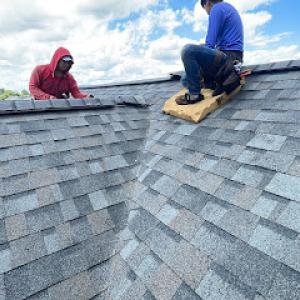
MLM Home Improvement is a premier storm restoration company specializing in full replacements for roofing, siding, and gutter systems. We offer free, no-obligation inspections and estimates to assess storm damage and provide transparent recommendations for replacement solutions. Our expert team is dedicated to delivering exceptional quality and service in every project we undertake.
Beyond Exteriors
(703) 997-9175 www.beyondexteriors.com
14524 Lee Rd, Chantilly, Virginia
4.7 from 73 reviews
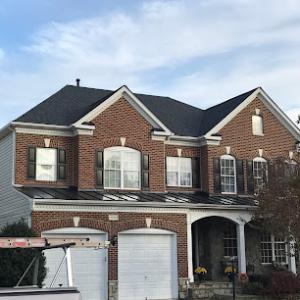
At Beyond Exteriors, our roofing and siding contractors form and foster personal relationships with our customers. We understand that the success of our work lies in your absolute satisfaction, whether we are installing roofing, siding, gutters, or insulation. As a locally owned and operated company, we take great pride in our reputation for outstanding workmanship, durable products, and reliability. We put the customer first: always. Beyond Exteriors has provided exceptional service to homeowners in Northern Virginia since 2010.

Northeast Construction Inc, NCI
(703) 971-8071 northeastusa.com
4429 Brookfield Corporate Dr Suite 700, Chantilly, Virginia
4.9 from 32 reviews
NCI is a roofing contractor specializing in insurance restoration work throughout Northern Virginia. Locally owned and operated for 30 years. NCI also delivers outstanding multifamily construction as well as renewable energy technologies through the NCI Solar Group.
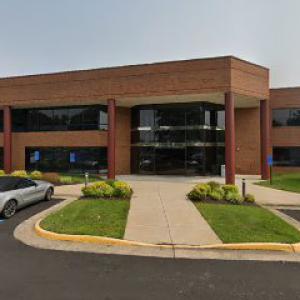
HomeSmart Roofing
(571) 352-3339 www.homesmart-usa.com
14325 Willard Rd Suite100B, Chantilly, Virginia
5.0 from 13 reviews
Residential & Commercial Roofing, Siding, Windows, and Gutters in Northern Virginia.
In Chantilly, a full re-roof typically requires a permit through Fairfax County rather than a separate city building department process. This means your contractor coordinates with the county to pull the permit, schedule inspections, and confirm compliance with county-adopted building codes. The process generally starts after a scope of work is agreed upon, and the county will want to see the proposed roofing materials, underlayment, ventilation plan, and any structural considerations if heavier materials are being installed. Planning ahead for permit review helps avoid backlogs that can delay replacement during critical weather windows, especially after spring hail or wind events when storm recovery demand spikes.
Fairfax County inspections are not a one-and-done step. Inspections commonly verify underlayment, ventilation, flashing, and roof decking during and after installation before the job is considered compliant. The inspector will walk the attic to confirm adequate ventilation and baffle arrangement, then inspect the roof deck, flashing around penetrations, valleys, and any transition details. If the county requires adjustments, the contractor will need to address them on-site before final approval. Expect a sequence of inspections for a re-roof, with the most critical checks happening during installation and at the end of work.
Heavier clay and concrete tile systems can trigger added scrutiny because structural support and installation details matter more than for standard asphalt tear-offs. In Chantilly's climate, where summers bring heat and humidity and winters test roofs with freeze-thaw cycles, the county will look closely at how the existing framing is rated to handle weight, how the deck attachments are engineered, and how the tiles interlock and are fastened. If your home has older framing or mixed construction, your contractor should prepare a structural assessment or provide documentation showing the structure can safely bear the selected tile weight. This preparation helps prevent delays at the permit stage and reduces risk of noncompliant installations that could require rework.
Storm-driven replacement demand in Fairfax County impacts scheduling and documentation. After a spring hail or heavy wind event, the fastest path to permit readiness is having clear, detailed documentation ready for review: the scope of work, material specifications, and a lightweight construction timeline. Your contractor should communicate anticipated inspection milestones and potential hold points so you can plan around work crews, gutter protection, and interior monitoring of any attic or ceiling effects from the roof work. It is common to see a tight turnaround from inspection approval to material delivery when the weather window is favorable, so establishing a responsive point of contact with the contractor can make a meaningful difference in timing.
Asphalt shingles are a dominant local choice because they fit the steep-slope suburban housing stock common across Chantilly neighborhoods. You'll notice their balance of affordability, ease of installation, and straightforward repair when storms roll through in spring. For homeowners evaluating replacement after hail or wind, asphalt remains the most practical option that preserves the look of your neighborhood while offering reliable performance through hot summers and the freeze-thaw transitions typical of the area. In practice, matching shingle color and texture to your existing roofline helps maintain curb appeal while you plan long-term upgrades.
Metal roofing and synthetic/composite shingles are relevant upgrade paths for homeowners trying to improve durability against wind, hail, and thermal cycling without moving to very heavy tile systems. In this market, metal can deliver enhanced wind resistance and faster installation, which matters after a storm event when quick repair is a priority. Synthetic or composite shingles blend good impact resistance with a lighter weight profile than traditional tiles, while still providing a modern aesthetic. If you expect repeated hail exposure or want to minimize repetitive shingle replacements, these materials offer a practical balance between robust performance and maintainable weight on typical steep-slope structures found across the area.
Clay tile, concrete tile, and wood shakes appear in the market but require closer attention to structural load, flashing details, and moisture management in Chantilly's humid summer and freeze-thaw winter pattern. Clay and concrete tiles add distinctive curb appeal but demand careful assessment of roof framing capacity, underlayment choices, and accurate flashing around vents, chimneys, and skylights. The weight of tile systems calls for a structural check, especially on older homes or those with marginal rafters. Wood shakes contribute character and natural insulation, yet moisture, mold risk in humid seasons, and potential fire considerations require vigilant maintenance and a conservative approach to installation details. For these options, plan for additional maintenance cycles and more rigorous weatherproofing plans to prevent moisture ingress during wet summers and rapid freeze-thaw cycles.
In practice, the choice of material should consider both performance under storm conditions and how it interacts with the typical roof geometry in the area. Homeowners often encounter steep-slope roofs with multiple valleys and dormers, where flashing integrity and moisture control are critical regardless of the surface material. When evaluating upgrades, pay attention to attachment methods, the condition of the existing underlayment, and how accessory components-flashing around dormers, vent terminations, and chimney throats-will be integrated with the new system. This is especially important if a hail event has already compromised surface layers, as unseen water intrusion can worsen through a humid summer into a cold winter.
In Chantilly, the best window for roofing work tends to align with drier spring and fall periods. Those shoulder seasons reduce weather delays compared with humid summer stretches and winter cold snaps. Plan replacement activities to target a sequence of clear days, avoiding the peak heat of July and the potential frost pockets of late fall and winter. That approach helps crews pace the job safely and keeps seal-down and flashing install on a predictable schedule.
Spring can bring sudden storms, so you want a window two to three weeks long to accommodate any weather shifts without stalling. Fall brings cooler evenings and more predictable drying conditions, which aids curing and material handling. In Chantilly, keeping the crew on a steady cadence during these periods reduces the chance of weather-driven setbacks, especially on steeper roofs common in suburban neighborhoods. Coordinate with your contractor to target midweek slots when local crews often have better access to daylight and cooler temperatures.
Summer heat and humidity in this area affect crew pacing, seal-down behavior, and jobsite timing even when work proceeds on schedule. Plan for earlier start times to take advantage of cooler morning air and to minimize heat exposure for workers. Be prepared for temporary adjustments in material handling or short daytime pauses if heat becomes extreme. Secure shaded areas and ensure water access for the crew to maintain steady progress without compromising safety.
Winter freeze-thaw cycles in Northern Virginia accelerate wear at shingles and flashing, so many homeowners discover replacement needs after cold-season damage becomes visible. If work is delayed into winter, expect shorter daylight hours and more careful protection of interior spaces during roof operations. When scheduling, choose sequences that allow tarping and moisture management to precede any forecasted cold snaps, and discuss rapid-sequence options with the contractor to minimize door-to-door time on bitter days.
Following spring hail and wind events, documentation matters. Photograph damage from multiple angles, track dates of any leaks or new stains, and keep a written log of witnesses and nearby weather reports. A fast repair timeline relies on clear, organized records for insurance review and contractor coordination. Work with a contractor who can translate storm documentation into a streamlined replacement plan and can mobilize quickly when the next dry period opens up.
Choose a local contractor with a track record of rapid mobilization and clear communication during storm-driven spikes in demand. Establish a preferred start window during the upcoming dry period, and confirm how the crew will handle material storage, debris removal, and on-site safety. Ensure plans include contingencies for summer heat, fall drying, and any winter protection needs so that timing stays aligned with Chantilly's seasonal realities.
Typical local pricing runs about 350 to 650 USD per square for asphalt shingles, 700 to 1200 for metal, 900 to 1800 for clay tile, 800 to 1500 for concrete tile, 600 to 1100 for wood shingles or shakes, and 500 to 900 for synthetic or composite shingles. In practice, you'll see asphalt staying the most common choice for a rapid fix after spring hail and wind, but the heavier systems pull higher final bills once you factor in the structure prep and inspection time. If you're aiming for a repair window that aligns with warm days, plan for the asphalt line being the quickest route and the tile lines taking longer to schedule and complete.
Costs in Chantilly can rise when storm demand spikes across Fairfax County and nearby Northern Virginia communities, tightening labor availability and inspection scheduling. After a major hail or wind event, the same handful of crews swing into a tight rotation-driving both price and wait times higher. If you're dealing with multiple houses in a neighborhood that were hit, you may see crews juggling several rapid-start projects, which can compress a once-flexible timeline into a tighter sprint. Expect that stronger storms push crews to prioritize larger clusters of claims, potentially affecting your project start date even if your roof is not the oldest in the area.
Tile and other heavier systems often cost more locally not just for material and labor but because permit review and structural considerations are more involved than a standard asphalt re-roof. Even if a roof deck is generally sound, heavier coverings may require additional bracing, underlayment checks, or even a slight rerouting of ventilation and gutters. Those steps add to the time and cost, especially if a quick turnaround is sought after a storm. If your home features a steep pitch or complex geometry, anticipate both higher bids and longer schedules compared to a straightforward asphalt replacement.
Get a clear picture of your project costs upfront - no commitment required.
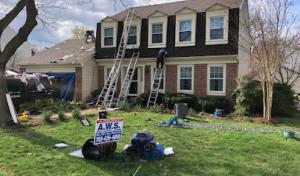
AWS Restorations
(571) 556-8778 awsrestorations.com
14140 Parke Long Ct suite e, Chantilly, Virginia
4.9 from 184 reviews
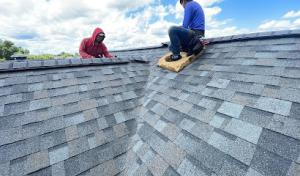
MLM Home Improvement
14102 Sullyfield Cir STE:2300, Chantilly, Virginia
4.7 from 311 reviews
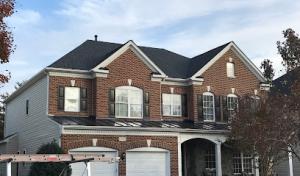
Beyond Exteriors
(703) 997-9175 www.beyondexteriors.com
14524 Lee Rd, Chantilly, Virginia
4.7 from 73 reviews
In this climate, flashing transitions are a recurring weak point because repeated expansion and contraction can open pathways at penetrations and roof-wall intersections. Hot summers push shingles and metal components to flex, then winter freezes snap joints and sealants, leaving minute gaps that invite water intrusion after a storm. When inspectors trace leaks, the first place to check is the flashing around valleys, chimneys, vents, and where the roof meets the wall line. A careful eye on staggered step-flashing and proper sealant backer can make the difference between a quick tip into the attic and a larger interior repair later on. Over time, neglected transitions tend to worsen, especially where the attic deck/ceiling line sits flush against siding or brick.
Skylights deserve special attention locally because inspection standards emphasize flashing and underlayment details, and storm-driven water intrusion often shows up first around openings. In Chantilly, bold summer downpours followed by cool nights test the seal around skylights, sun tunnels, and vents. Check the boot flashing, curb details, and deck transition where the skylight interfaces with roofing above insulation. If flashing shows any lifted edge, or if the underlayment beneath the flashing layer appears loose, water can track inward even without a dramatic roof lift. Regular caulking alone is rarely enough; the flashing must be integrated with proper underlayment and integration with adjacent shingles or metal edges.
Although steep-slope roofs dominate, some homes include low-slope sections where drainage and membrane detailing require a different repair approach than shingle fields. In these areas, misaligned transitions, improper seam overlaps, or degraded edge seals can create persistent dampness after rain. Inspect membrane laps for delamination, and verify that edge terminations tie cleanly into neighboring steeper planes. In Chantilly's freeze-thaw cycles, ensuring that seams and terminations stay bonded is key to preventing active leaks from minor weather events.
Find contractors experienced in skylight installation, flashing, and leak repairs to bring natural light into your home.

Storm Guard Roofing of Chantilly-Dulles
(571) 771-1134 www.stormguardrc.com
Lee Rd, Chantilly, Virginia
5.0 from 85 reviews
AWS Restorations
(571) 556-8778 awsrestorations.com
14140 Parke Long Ct suite e, Chantilly, Virginia
4.9 from 184 reviews
Platinum Home Design
(703) 563-0630 platinumhomedesignllc.com
14101 Parke Long Ct Suite M, Chantilly, Virginia
5.0 from 74 reviews
Because Chantilly's contractor pool is large and highly competitive, homeowners should expect many companies to emphasize re-roofing, quick response, and cleanup as baseline offerings rather than differentiators. A warranty becomes the real test when spring storms hammer the region and follow-up service is needed months later. Without a solid warranty, a storm-driven repair can become a long-term headache, especially after a busy season where crews disperse and schedules tighten.
Long-established and family-owned firms are meaningfully present in this market, which matters when comparing who will still be available for warranty follow-up after a storm-heavy season. A family-owned shop might be more accessible for post-storm callbacks, but size does not guarantee reliability. The key is to identify who handles workmanship issues versus who covers material defects, and to confirm exactly who you contact for every aspect of the warranty.
Manufacturer-certified and warranty-offering contractors are present but not universal locally, so homeowners should verify who is actually responsible for workmanship versus material coverage before signing. Ask for a written delineation: what the manufacturer warranty covers, what the contractor guarantees in workmanship, and the process for filing claims after a hail or wind event. In practice, the most trustworthy screen shows a clear, assignable contact for warranty work and a documented procedure for service calls, with a realistic timeline.
Request copies of the warranty documents, including both workmanship and material warranties, and verify transferability if you ever move. Check references, especially for storms-heavy seasons, and confirm that the contractor remains in business for the expected duration of the warranty period. Finally, confirm the anticipated post-storm response window and how repairs will be prioritized when multiple homeowners are requesting service.
In Chantilly, insurance decisions are influenced more by documented storm evidence and roof condition than by a destabilized state market, since Virginia coverage remains broadly available. The insurer will look for clear signs of wind damage, hail impact, and the roof's current state to determine next steps.
Homeowners should keep date-stamped photos, prior repair records, roof age information, and contractor estimates because local claim outcomes can shift based on how well damage is documented. Store these materials in a cloud-backed folder and bring them to adjuster meetings or contractor visits to ensure everyone is working from the same details.
After a spring hail or wind event, photograph all visible damage on the roof, gutters, vents, and nearby structures from multiple angles. Include interior attic photos if there's leakage or signs of water intrusion. Maintain a log of dates, weather conditions, and who you spoke with at the insurer or with your contractor.
Regional storm activity can affect deductible considerations and claim patterns, making it important for Chantilly homeowners to understand whether they are pursuing repair, partial replacement, or full replacement after an event. Your documentation helps the adjuster assess scope accurately and aligns expectations with the repair plan.
Share updated photos and any new repair estimates promptly to avoid delays caused by missing information. If contractors identify new damage, update the file with revised estimates and timelines, keeping all parties coordinated for a faster recovery after a storm.