
Last updated: Apr 19, 2026
Spring storms and hail are a major roofing trigger here, and the damage pattern shows up fast after a long Nor'easter or a rapid hail event. In the days that follow high winds, shingles can curl, granules shed, and flashing can loosen around valleys and chimneys. If a roof shows even subtle signs of water staining inside the attic or ceiling, treat it as urgent. Quick action minimizes the chance of hidden rot and interior mold, which often becomes a bigger claim and repair job than the surface damage. In practice, schedule an inspection as soon as weather allows, and document everything immediately.
Virginia roof claims hinge on wind and hail documentation, so collection matters. Date-stamped photos are essential, capturing the extent of roof damage from multiple angles, along with close-ups of hail impacts, granule loss, and lifted shingles. Keep notes on when leaks began and any corresponding rainfall dates or storm events. A clear project scope before adjuster review helps the process stay on track; list likely repairs, potential secondary damage, and any suspected deck or attic soffit issues. This isn't about guessing-it's about building a tight paper trail that aligns with what the adjuster will examine.
When an adjuster is scheduled, have your documentation ready to share in a single, coherent package. If ideas about depreciation or replacement timelines arise, you want to reference your photos, storm dates, and the scope you prepared beforehand. The goal is to prevent back-and-forth delays caused by missing details. Be prepared to walk the adjuster through observed patterns-wind-driven edge damage on one section, hail gashes on another-and to point out any interior signs that corroborate the exterior findings. A calm, organized presentation reduces friction and speeds toward a fair settlement.
Annandale experiences a wind and hail footprint that often resembles a mosaic across houses in the same block. If multiple neighbors report similar issues after a single event, use that shared timeline as corroborating context for your claim. Keep a record of any temporary measures you deploy-tarps, fasteners re-seated, or repair patches-so the timeline of damage versus temporary fixes is clear. This can help adjusters differentiate preexisting conditions from storm-induced deterioration, a distinction that matters when depreciation or replacement scope is discussed.
Because this community sits in unincorporated Fairfax County, the after-replacement steps can involve county permit closeout alongside insurer timelines and final paperwork. The sequence matters: secure a clear understanding of when the claim funds are issued, when work can begin, and how depreciation is handled in relation to project milestones. Maintain a centralized folder of all communications, photos, and contractor estimates, and track deadlines for any required disclosures or supplemental documentation. Fast, organized communication reduces the risk of misalignment between the insurer's expectations and the actual repair timeline.
Many neighborhoods in this area feature mature tree canopies that throw persistent shade across roofs. That shade slows drying after rain and keeps moisture pooling longer on the surface. In practical terms, this means shingles and underlayment endure more continuous exposure to damp conditions, which over time can accelerate wear. For aging roofs, the extra shade can magnify mildew and algae staining, especially on north- and west-facing planes. If a portion of the roof sits under a dense branch network, plan inspections with extra attention to those shaded areas, as moisture retention compounds wear patterns without the sun to dry things out.
The four-season pattern combines with shade to challenge roof longevity. During humid summers, damp patches may linger on shaded sections well into early fall, delaying granule loss and increasing the chance of algae growth. As leaf drop starts in autumn, debris accumulates in valleys and eaves, and moisture trapped by lingering shade can degrade underlayment sooner than expected on aging roofs. In practice, this means timing roof checks to coincide with seasonal transitions: after the hot stretch ends, after leaves fall, and before winter storms press more moisture into vulnerable joints.
Branches and debris are a practical concern in this area because storm-driven limb impact and clogged valleys or gutters often appear together after the same weather event. A single windy afternoon can leave loose branches wedged into the gutter, while shingle edges nearby remain damp from the same gusts. The result is a cascade: physical damage from impact coupled with moisture intrusion where water can back up into valleys or undershingles. Treat debris removal as a two-step process: first clear branches and heavy litter from the roof and gutters, then recheck the valleys and flashing for any signs of shifting or wear. This approach helps catch hidden damage before it escalates into leaks.
Start with a leaf and branch audit in late summer, focusing on roofs with heavy shade or overhanging limbs. Use a safe ladder setup or hire a trained inspector to verify ridge and flashing seals, as well as the condition of valley linings where debris collects. After a storm, perform a quick exterior sweep to remove loose debris and inspect for scuffed shingles or displaced granules in shaded zones. For aging roofs, consider a targeted cleaning of algae-prone surfaces with a roof-safe treatment, followed by a gentle rinse, ensuring no harsh cleaners threaten the integrity of sealants or flashing. If a leak is suspected, trace it to a visible intrusion point and document the surrounding moisture patterns, since timely action can prevent escalating damage in a shaded, moisture-retentive environment. In neighborhoods with mature canopies, routine monitoring of tree clearance from the roof line becomes an ongoing maintenance habit, especially ahead of seasonal shifts. A thoughtful cadence of inspection-post-storm, post-leaf drop, and at midseason-helps keep moisture wear from accelerating beyond repair.
Asphalt shingles dominate practical replacement decisions in Annandale, but the local material mix also includes metal, clay tile, concrete tile, wood shakes, and synthetic products, reflecting the area's varied postwar and higher-end housing stock. Shingles remain a straightforward, commonly available choice that aligns with many mid-20th-century layouts and neighborhoods lined with mature trees. If your roof covers a typical ranch or split-level with standard attic ventilation, asphalt can deliver reliable performance with proven maintenance intervals. For homes with distinctive architectural details or added curb appeal goals, metal or tile options can mirror a higher-end finish while still delivering solid weather resistance-provided the roof structure and detailing are prepared for the extra weight or thermal movement those materials introduce.
Annandale's hot humid summers and cold winters drive thermal cycling, so expansion, contraction, and moisture tolerance matter when comparing metal, tile, wood, and composite systems. Metal roofs excel where rapid rain shedding and long-term durability are desired, but local installers emphasize the importance of properly designed attic ventilation and metal-to-wood fastener details to prevent glare, ice dam potential, and condensation issues. Clay and concrete tile deliver striking curb appeal on select homes and have excellent longevity in the right structural context, yet their weight demands careful structural assessment and may require additional framing or a reinforced deck. Wood shakes convey a rustic character but demand vigilant maintenance against moisture intrusion and cedar beetle pressure; in humid summers, dry-out cycles can impact fasteners and seams if coatings aren't refreshed on a regular schedule. Synthetic composites offer a middle ground, combining some of the look of natural materials with improved moisture tolerance and lighter weight, though color retention and surface wear in the sun should be considered for long-term performance.
Heavier materials such as clay and concrete tile can be relevant on select Annandale homes, but they raise structural and detailing considerations that differ from straightforward shingle tear-offs common in the area. If those heavier systems are being considered, anticipate targeted assessments of roof framing, truss spacing, and decking joints, along with flashing and edge detailing that accommodate the material's weight and expansion characteristics. In some cases, reinforcing connections at hips, ridges, and valleys becomes part of a responsible installation plan. For homes with complex rooflines, parapets, or multiple penetrations, ensure that the chosen material's weight and installation requirements align with existing structural capacities.
Whatever material you pick, a mid-Annandale routine involves proactive inspections after strong wind events and hail, followed by timely maintenance to address loose shingles, damaged flashing, or compromised sealants. Regular cleaning of debris from gutters and valley channels helps prevent moisture buildup that accelerates wear in humid summers. For metal roofs, watch for paint or coating degradation in sun-exposed areas and address rust-prone seams promptly. Tile and shake systems benefit from keeping vegetation away from eaves and ensuring proper drip edge detailing to avoid moisture pockets at the fascia. In all cases, venting and insulation quality in the attic plays a decisive role in limiting condensation and extending roof life in this climate.
For homes in Annandale and surrounding unincorporated Fairfax County areas, a full roof replacement typically requires a building permit filed with the county permit office. The process begins long before the first shingle is lifted, and it is essential to set expectations with your contractor about permitting timelines so a storm or wind-related repair doesn't stall progress.
The usual local workflow is contractor-filed permit, county inspections during and after the work, and a final inspection that closes the permit once compliance is verified. Your contractor usually handles the permit application package, including drawings or notes detailing the scope and venting or insulation changes. The county then schedules inspections at key milestones, so coordinate access and notify you about any requested adjustments.
In Annandale projects, scope changes such as ventilation modifications can trigger added county review beyond the basic replacement permit process. If you anticipate upgrading attic ventilation, adding ridge or soffit vents, or changing exhaust fan configurations, discuss with the contractor how those changes might impact the inspection schedule. Some modifications may require additional documentation or a supplemental review, which can extend timelines and require extra coordination between the homeowner, contractor, and county inspectors.
Keep a clear line of communication with your contractor about permit status and inspection dates. Plan for potential hold-ups caused by weather, accessibility to the attic or roof line, and the need to bring equipment and materials to the job site under county guidelines. After work is completed, ensure the site is clean and that all penetrations and flashing details align with code expectations so the final inspection can verify compliance and close the permit without delays.
In Annandale the price you'll see for a roof replacement moves with the weather cycle and the way local homes are built. Typical local pricing runs about 350 to 600 USD per square for asphalt shingles, 700 to 1100 for metal, 900 to 1800 for clay tile, 800 to 1500 for concrete tile, 550 to 1000 for wood shingles or shakes, and 600 to 1100 for synthetic or composite shingles. Those ranges are a good starting point, but individual jobs rarely land squarely in the middle.
Storms that sweep across Fairfax County tighten scheduling and labor availability for fast-turn replacements. After a wind or hail event, you'll likely see a surge of jobs queued up, and crews may prioritize emergency work or houses with the most visible damage. If your project hits that surge, expect higher short-term costs for expedited materials, overtime, and removal of damaged decking or flashing. Planning ahead and coordinating with your insurer or adjuster can help tame some timing pressure, but in the heat of a county-wide wind event the calendar can shift quickly.
The area's varied housing stock means pricing can shift with roof complexity. Steeper sections, multiple peaks, or dormers add hours to installation and demand more scaffolding, safety gear, and careful weather protection. Skylights, vent stacks, and retrofit attic ventilation upgrades also push costs upward, because each feature adds trim work, flashing, and sealing challenges. If your home has older decking or signs of moisture beneath shingles, expect additional decking repair or replacement during tear-off, which broadens both material and labor costs.
Material selection remains the biggest driver of dollar value. Metal roofs hold up well in high-wind events and can reduce long-term replacement cycles, but their upfront cost sits toward the upper end of the ranges. Tile options-clay or concrete-carry premium prices and require specialized installation, especially on older structures with uneven decking or unique eaves. For asphalt or synthetic shingles, the differential in price often reflects the lifespan and wind resistance you're counting on, which matters after a harsh season of hail or freeze-thaw cycles.
Older homes frequently need more than a straightforward tear-off. If flashing is degraded, gutters are corroded, or you have prior insulation and ventilation gaps, the crew may propose additional upgrades. These improvements improve long-term performance but push the bottom line up, especially if decking repair or replacement becomes necessary during teardown. In practice, you'll see bids reflecting both the core replacement and the scope of ancillary repairs needed to restore a solid, leak-free roof.
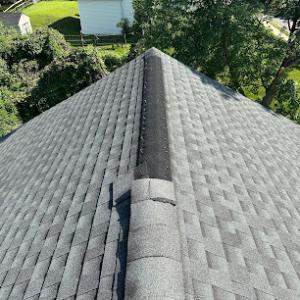
CastleStone Homes
(410) 774-9002 www.castlestonehomesllc.com
Serving
4.9 from 143 reviews
CastleStone Homes is the areas’ premier full-service construction company, and since our inception we have been helping homeowners along with improving communities in each and every city we work in. Through our extensive knowledge of the business, network of resources, and years of expertise, we are able to assist homeowners with a wide variety of remodeling and construction challenges. We pride ourselves on our reputation for working one-on-one with each customer to handle their individual situations.
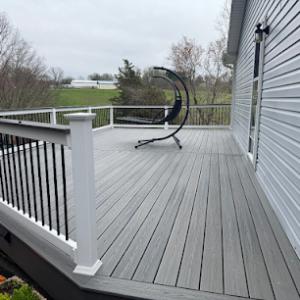
Rock Spring Property Services
(410) 459-7575 rockspringpropertyservices.com
Serving
5.0 from 34 reviews
Rock Spring Property Services is a locally owned Maryland company offering roofing, siding and deck installation with a focus on quality and customer care. Founded by longtime business owner and Maryland native Brian Warfel, the company brings more than 25 years of experience to every project. Known for craftsmanship and attention to detail, Rock Spring delivers customized, dependable solutions that fit each client’s budget, needs and lifestyle. The team offers clients a range of solutions tailored to their needs, style and budget. Whether it's installing a new roof, replacing siding or building a custom deck, Rock Spring works hard to deliver lasting value and a stress-free experience that can be enjoyed by homeowners for years to come.

R Berry Roofing
(443) 741-7483 rberryroofing.com
Serving
5.0 from 33 reviews
Veteran owned and operated roofing company with over 30 years of experience. We install, repair, and replace roofing, gutters, skylights and attic venting in both residential homes and commercial facilities throughout Northern VA, D.C., Maryland and Eastern West Virginia. We specialize in high quality workmanship and materials, as well as a positive experience for our clients. Our commitment to the highest levels of customer service goes beyond what we offer, and through our excellent attention to detail we achieve success at every stage of our projects. From small houses to commercial buildings, we pride ourselves on delivering the absolute best solution for all our clients. Contact us today for a FREE Consultation.
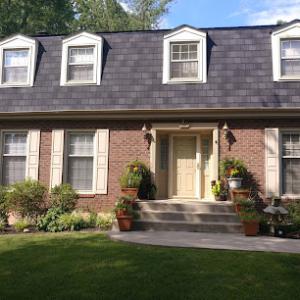
A to Z Roofing
(703) 474-3112 www.atozroofingva.com
Serving
4.6 from 21 reviews
Our general contracting company oversees construction and renovation projects in the residential and commercial sectors. Our highly experienced staff has the know-how to ensure our clients are completely satisfied with the end result. We pride ourselves on providing excellent customer service. We are always on hand to offer our support throughout the project, while our automatic updates keep clients informed of the progress made.
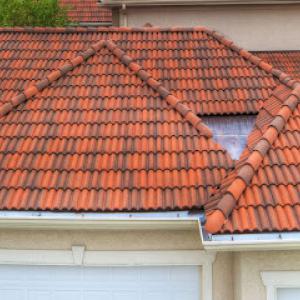
Esteban Contracting
(240) 640-1667 www.estebanrenovations.com
Serving
4.8 from 39 reviews
At ESTEBAN RENOVATIONS we restore and rebuild at customers satisfaction. From general remodeling, painting, decks to slate roofing.
Spartan Shield Roofing & Home Improvement
(302) 599-1914 www.spartanshieldroofing.com
Serving
5.0 from 62 reviews
Spartan Shield Roofing & Home Improvement, Inc. is your expert roofing and home improvement solution, proudly serving Delaware, the Delmarva peninsula, and Maryland. With an unwavering commitment to quality craftsmanship, our team of experienced and highly skilled professionals ensures your roof and home receive the personalized care and attention they deserve. From flawless installations to meticulous repairs, trust us to deliver unparalleled results, enhancing both the aesthetic appeal and structural integrity of your property.
Smart Konnector
(443) 851-1542 www.smartkonnector.com
Serving
5.0 from 18 reviews
Welcome to Smart Konnector, your trusted roofing and restoration partner serving Maryland, DC, and Virginia. Our dedicated team of experts is committed to transforming your home with personalized roofing, siding, and renovation solutions. With years of experience and a tailored approach to meet your unique needs, we deliver high-quality workmanship that turns dreams into reality. Proudly serving the region with exceptional services, Smart Konnector is where dreams meet reality. Contact us today for a consultation or a free quote and experience the Smart Konnector difference!
All Day Roofing Fairfax
(703) 782-3180 alldayroofingandmore.com
Serving
5.0 from 96 reviews
All Day Roofing & More, located at 3060 Williams Dr. Suite 300 #505 Fairfax Va 22031 is your premier choice for top-notch roofing services in the area. As the leading roofing contractor, we specialize in roof repair, roof replacement, and leak repair, ensuring your home stays protected all year round. Our skilled team provides reliable roof installation and thorough roof inspections, perfectly suited for those searching for a "roofer near me." We pride ourselves on being the best roofing company, committed to quality craftsmanship and unmatched customer service. In addition to roofing, we are also a trusted siding company, enhancing your property's curb appeal and value. Contact us today for all your roofing needs!
Ultimate Roofing
(301) 888-6866 ultimateroofingmd.com
Serving
5.0 from 17 reviews
For over 8 years, Ultimate Roofing has been the go-to roofing contractor in Maryland. Their team of skilled professionals has become trusted to tackle any roofing project, big or small. They are committed to providing the best roofing solutions using top-quality materials and innovative techniques, ensuring that your home remains protected and aesthetically pleasing for years to come.
Exterior Medics
(703) 782-8309 www.exteriormedics.com
Serving
4.7 from 369 reviews
Exterior Medics is a fully licensed and insured exterior remodeling company serving homeowners and property managers across Northern Virginia and the greater Washington D.C. Metro area. Since 2008, we’ve earned a reputation for professionalism, craftsmanship, and a commitment to service. From roofing and siding updates to full exterior renovations, our team brings clarity, care, and precision to every project. Backed by our 100% Lifetime Service Warranty, Exterior Medics is more than a contractor – we’re a trusted partner protecting what matters most.

Romero Home Services
Serving
4.9 from 15 reviews
Romero Home Services provides roofing siding gutters services in Essex, MD. Call us now for a free estimate!
Metro Home Improvement
(703) 499-0536 www.metrohomeimprovementva.com
Serving
5.0 from 26 reviews
Since 1998, Metro Home Improvement has been serving Springfield, Virginia, and surrounding areas as a locally owned and operated roofing, remodeling, electrical, and plumbing company. We specialize in residential roof installation, repair, soffit, fascia, kitchen and bathroom remodels, plumbing, electrical, and deck services. We offer a 5-year workmanship warranty on roofing and a 1-year warranty on other services, covering labor and materials. The owner oversees every job, ensuring reliable quality and easy communication.
In this neighborhood, winters are defined by repeated freeze-thaw cycles rather than long stretches of deep cold. That pattern quietly wears on aging shingles, along with flashing joints and sealants, especially on roofs that have seen years of sun and weather. Materials expand and contract with the cold, then contract again as it warms, which slowly loosens nail heads, lift shingles at the edges, and invites small leaks that hide behind attic louvers or soffits. If your roof is nearing the end of its life, those cycles will reveal weaknesses sooner rather than later, so expect a few surprises to show up as damp spots on ceilings or stained drywall after a mid-winter thaw.
Ice dam risk climbs when winter weather follows a leaf-heavy fall. Clogged drainage paths from accumulated leaves and pine needles force meltwater to back up under shingles, especially along the eaves where heat loss is uneven. Older roofs with compromised flashing joints respond more aggressively to that water, and even a modest ice dam can travel inward along the attic plane. The result is staining that starts at the top plate and can travel several feet down rafters. A simple attic temperature check-ensuring warmer zones that encourage even melt-can make a real difference before a late-season storm picks up pace.
Interior staining often appears only after the damage has started, which makes attic ventilation and insulation performance part of the conversation even on replacement jobs. If soffits are blocked, or if insulation has settled and created cold spots, snowmelt may refreeze at the deck edge, amplifying ice dam risk. Listen for the telltale signs: damp insulation fibers, musty attic air, or darker stains along the ceiling near exterior walls after a winter rain or thaw. Addressing those ventilation and sealing issues now helps protect a roof through the next cold snap.
While Annandale is largely a pitched-roof market, many homes have low-slope sections over additions, porches, or rear expansions that age differently from the main roof. Those flat or nearly flat planes collect moisture longer in humid summers and through wet seasonal transitions, which accelerates wear where the main roof remains steeper.
In practice, leaks tend to show up at transitions where low-slope membranes meet walls, chimneys, or older flashing details. The repeated freeze-thaw cycles in winter and the lingering dampness of spring can push water seepage into seams, fasteners, and edge details that a visually sound main roof might miss. Pay careful attention to the perimeter edge, vent collars, and any skylight or chimney flashing that interfaces with a low-slope section.
Start with a dry day and use a ladder to examine the edge where the low-slope section meets the vertical surfaces. Look for exposed fasteners, lifted edge laps, and any unusual chalking or granule loss near the transitions. Check the valley and plan where the membrane overlaps flashing; if you see wrinkles, fishmouths, or blistering, that signals moisture work its way under the surface. Inspect penetrations for tight seals and intact sealant.
Prioritize replacing failing transitions before the main roof surface, since those spots are the most leak-prone after heavy storms. If a low-slope area is aging differently, consider upgrading to a more robust membrane system and ensuring flashing details around chimneys, vents, and walls are harmonized with the rest of the roof assembly. Regular, targeted maintenance now pays off through the next few harsh seasons.
Find specialists in TPO, EPDM, and built-up flat roofing systems for residential and commercial properties.

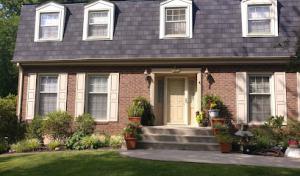
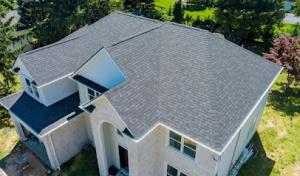
Virginia remains an active wind and hail claim environment, and homeowners should establish a baseline before storm season starts. In this area, adjusters may request before-and-after evidence to distinguish pre-existing conditions from new damage. A clear record created in advance helps prevent disputes and speeds the claim review after a Nor'easter or summer hail event.
Insurers serving the region commonly want photos, damage maps, and a defined repair scope. After clusters of wind and hail across Northern Virginia, claim timing can hinge on adjuster availability. Have a current set of labeled photos showing roof surfaces, gutters, siding, and any exterior vulnerabilities. A simple damage map marking affected elevations and features can make the scope clearer and reduce back-and-forth during the review.
Because replacement work often runs through Fairfax County permitting and final inspection, homeowners should keep permit records and completion documents with their insurance file. When the insurer sees an organized trail-from contractor invoices and permit approvals to final inspection reports-it facilitates smoother settlement and reduces questions about completed work.
Create a durable home file (physical and digital) that is easy to share with a carrier or adjuster. Include labeled photos by date and location, a written description of observed issues, and a running tally of damaged components. Store copies of any prior claim materials for reference. If you don't have a handy baseline, photograph areas that commonly fail in this climate: roof edges, valleys, flashing, chimneys, vents, and attic insulation conditions.
After a storm, document promptly but do not perform major cosmetic repairs that could obscure damage before an adjuster visits, unless safety requires it. Obtain a professional assessment to support your claim and keep all receipts for materials or temporary protections. If a regional storm cluster delays an appointment, maintain ongoing records and communicate clearly with your insurer about scheduling constraints and expected timelines.
When the adjuster arrives, present the organized file and be prepared to walk through the damage map, photo sequence, and repair scope. Clarify any discrepancies between your documentation and the adjuster's findings, and provide access to permit-related records if requested. A well-prepared homeowner in this market can reduce delays and help secure a timely, accurate settlement.