
Last updated: Apr 19, 2026
Spring brings a notorious run of thunderstorms and hail that hammer roofs across the area. In this climate, those storm events are not just inconvenient; they're the main trigger for rapid inspection needs and insurance-driven replacements. Fall can bring wind events tied to tropical remnants that snap shingles, bend flashing, and peel edges, often turning a small, manageable leak into a full-scale replacement discussion. The local pattern is clear: storm activity correlates with sudden demand for emergency assessments, rapid documentation, and carrier-driven timelines. If a storm hits, you should plan for a quick, structured response rather than waiting for a convenient moment.
After a high-wind or hail event, insurers in Loudoun County will request thorough documentation. Expect a sharp emphasis on photo evidence that clearly shows damage to shingles, flashing, vents, and underlayment. Close-up shots of granule loss, dented metal, lifted shingles, or misaligned flashing help avoid back-and-forth disputes. Adjuster notes are reviewed with a fine-tooth comb, and discrepancies between what you describe and what the adjuster documents can stall a claim. A neighborly approach-set up a clean, time-stamped photo record, annotate areas of concern, and keep a written summary of dates and events-fosters smoother communication and reduces the chance of coverage gaps.
Weather-related demand spikes can delay scheduling in this part of Northern Virginia after regional storm events. When a major storm sweeps through Loudoun County, many homeowners are simultaneously seeking inspections and replacements. This convergence strains local roofer availability and inspection slots, so delays are not unusual. The practical consequence is that "soon" may stretch into a matter of weeks in the peak storm season. Residents should prepare for a staged plan: an expedited assessment to confirm whether damage exists, followed by a coordinated scheduling window with the insurer's adjuster and the contractor so a proper course of action can be locked in before the next front moves through.
In practice, the right approach is urgent but controlled. Immediately after a storm, arrange a professional roof inspection with a trusted local contractor who understands how Ashburn's typical housing stock-from mid-century ranches to newer subdivisions-holds up under wind and hail. Document potential damage early and present a coherent narrative to the insurer, pairing your photos with a concise damage map that marks affected planes, edges, and penetrations. If you notice leaks, moisture stains, or attic warmth during inspections, treat them as credible indicators of hidden damage that may warrant immediate attention. The goal is to prevent weather-driven degradation from turning a repair into a full replacement, while keeping the insurer engaged with precise, organized evidence.
When storms pass, create a dedicated storm event file: a dated set of photos, a damage timeline, and a contact log for both the insurer and the contractor. Maintain open, factual communication about what you observe and don't guess about extent or cause. If an adjuster's assessment seems incomplete or inconsistent with your documentation, request a re-inspection or a written explanation that outlines any gaps. In this climate, fast recognition of potential damage, coupled with precise evidence and coordinated scheduling, helps you navigate the inevitable surge in demand and reduces the risk of misalignment between claim and replacement timing.
Ridgeline Roofers
(703) 454-8334 www.ridgelineroofers.com
21535 Wild Timber Ct, Ashburn, Virginia
4.9 from 83 reviews
If you're in need of roof, gutter or siding repairs or replacement then call Ridgeline Roofers. We're a family-owned and operated roofing contractor operating in Leesburg, Ashburn or Sterling, VA. We owe all of our success to you, our Ashburn, Leesburg and Sterling customers who support us and we want to thank you! The highest compliment we receive is the trust in your referral and we truly appreciate your support!
Prime Exteriors
(703) 286-9498 www.primexteriors.com
20130 Lakeview Center Plaza Ste. 400, Ashburn, Virginia
4.8 from 29 reviews
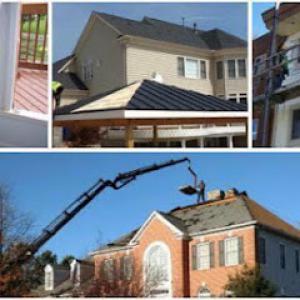
At Prime Exteriors, we believe in treating every client with the highest level of professionalism and honesty, as we know that dealing with someone you can trust is of utmost importance. Founded by lifelong NOVA residents with over 40 years combined industry experience throughout Ashburn, Leesburg, Sterling, and the surrounding Virginia areas, we offer full-service exterior remodeling services for homeowners, business owners, and property managers. For windows, doors, siding, gutters, and more, call Prime Exteriors.
Russell M Smith Construction
(703) 669-1105 www.rmsmithconstruction.com
43994 Maiden Creek Ct, Ashburn, Virginia
4.8 from 19 reviews
Russell M. Smith Construction, Inc. is a family-owned roofing contractor based in Ashburn, VA with over 36 years of experience specializing in roof installation and roof replacements. We serve homeowners across Northern Virginia with reliable roof inspections and full roof replacement services. We’re known for clear communication, jobsite professionalism, and completing projects on schedule. Every roof is completed to high standards using quality materials, and we’re always available to walk you through the process from start to finish.
Select Construction
(703) 589-1077 www.selectccinc.com
44632 Guilford Dr, Ashburn, Virginia
3.7 from 18 reviews
Select Construction Company, Inc. has 25 years of experience providing residential and commercial roofing services in throughout Ashburn, Virginia, Loudoun County and the entire DMV. We are a licensed and insured Class A contractor, specializing in residential and commercial roofing installation, repair and replacement services.
John Darvish Construction
(703) 723-0440 www.johndarvish.com
44460 Chilum Pl, Ashburn, Virginia
3.2 from 31 reviews
We believe in "First Time Quality, Every Time". As a premier roofing contractor, our goals are met through workmanship, professionalism, mutual respect for our clients and each other, and our corporate as well as individual integrity. “First-Time Quality” is the end result of committed people utilizing superior technical knowledge, proven products, and productive efforts to create/maintain a satisfied customer.
BA Exteriors
44121 Leesburg Pike, Ashburn, Virginia
5.0 from 2 reviews
At BA Exteriors, we are dedicated to transforming home exteriors with exceptional craftsmanship and enduring style. Based in Northern Virginia and Washington, D.C., we specialize in residential and commercial roofing and siding — delivering quality solutions that enhance curb appeal and protect your property for years to come. With a focus on premium materials, expert installation and personalized service, our team ensures a seamless experience from start to finish. Contact us today to elevate your home’s first impression and bring your exterior vision to life.
A Atlantic Services
(703) 586-0506 aatlanticservices.mobi
Serving
5.0 from 24 reviews
Family owned and operated with quality and integrity since 2005.
Shiner Exteriors
(703) 783-6350 shinerexteriors.com
Serving
4.8 from 350 reviews
Shiner Exteriors is a trusted Sterling roofing company offering a reliable choice for homeowners needing exterior upgrades. Located in Sterling, VA, we proudly serve Northern Virginia, Washington, D.C., and Maryland. Our commitment to quality is evident in our customer service, warranty protection, and industry certifications. We provide a thorough approach to exterior renovations, focusing on roofing, decks, doors, gutters, siding, and windows. Whether you need a minor repair or a full-scale renovation, Shiner Exteriors is here to help. Contact us today to get a quote for your home exterior project with confidence.
NV Roofing
Serving
4.7 from 204 reviews
Roofing, Siding, Windows, and Gutters for home and commercial clients. Serving NoVa, DC, and MD since 1963. We promise responsive communications delivered with exceptional results.
Your Vision Roofing
(540) 454-4975 www.yvrroofing.com
Serving
4.9 from 64 reviews
Your Vision Roofing provides expert roofing, siding, windows, gutters, painting, carpentry, and interior remodeling throughout Northern Virginia, Washington DC, and Maryland. Services include: • Complete roof replacement & repair • Siding, windows & gutter installation • Interior & exterior painting • Drywall & carpentry work • Kitchen, bathroom & basement remodeling • Insurance claim assistance BBB A+ rated | Licensed & insured | 20+ years experience We use premium materials with comprehensive warranties. Free estimates and emergency services available. Your vision, our commitment! Your Vision Remodeling
S&K Roofing, Siding & Windows
(888) 994-8303 www.skroofing.com
Serving
4.8 from 45 reviews
Worry Free. Guaranteed. S&K Roofing, Siding and Windows' Northern Virginia branch provides a wide range of exterior home and commercial exterior replacements. Services include roofing, siding, windows, doors, skylights, gutters, decks, and attic insulation. S&K is family owned and operated, and has served the area since 1980. Visit the website for additional information, to request and estimate, and to see examples of our work.
Roofing & More
(703) 467-0206 www.roofingandmoreinc.com
Serving
4.9 from 494 reviews
Roofing & More, Inc. is the leading roofing contractor in Sterling, VA, and the surrounding area. We specialize in high-quality roof replacements and repairs, and roof inspections for residential and commercial properties. In addition to our expert roofing services, we proudly offer siding, windows, doors, gutters, and exterior remodeling services designed to enhance your home's curb appeal and durability. With decades of experience and a commitment to exceptional customer service, Roofing & More, Inc. is your trusted partner for protecting and improving your home. Contact us today for all your exterior remodeling and roofing needs in Sterling!
When a full residential re-roof is planned, most jobs in Ashburn follow a Loudoun County pathway rather than a separate city department process. The county's Building and Development Department is the gatekeeper for roofing work, so understanding their flow helps prevent delays that can drag into storm season or late fall when insurance activity spikes. It is common to move from a material choice and a rough timeline into official paperwork, and that paperwork is tied to the county portal rather than a standalone local office visit.
Before any shingle, metal, or tile comes off, you should align with the county's expectations for documentation. The county reviews plans for structural compatibility, underlayment standards, and wind-resistance requirements that are particularly relevant in Loudoun's climate, where the summer UV and winter freeze-thaw cycles test roofs year after year. You will prepare a set of plans or scope notes that describe roof type, number of layers to be removed, decking condition, underlayment type, fastener choices, and venting strategy. The plan review is not simply a formality; it confirms that the new system will withstand the area's typical wind events and temperature swings, and it helps the inspector verify compliance once the project starts.
The actual permit is issued through the Loudoun County portal. The process often starts with a basic permit application that ties to the property and the proposed re-roof scope. The portal guides you through uploading the plan set, a site diagram showing eaves and penetrations, and any required cross-references to existing conditions or HOA approvals when applicable. It is wise to confirm utilities are clearly marked and to provide notes about temporary power or equipment access if a generator or large equipment will be used during the tear-off. The county portal also collects contact information for the contractor and the homeowner, clarifying who holds responsibility for inspections and any re-inspection fees that may arise if work pauses for weather or material delays.
Inspections are scheduled through the same county portal. Expect a sequence: a rough-in or staged inspection as the roof deck and underlayment are installed, followed by an insulation or ventilation check if required, and finally a finish inspection after shingles, tile, or metal panels are installed and flashings are in place. In Ashburn's four-season climate, inspection timing can be sensitive to weather windows. A sudden rain event or a spell of high humidity can push or delay the final inspection, so building schedules often shift in practice to accommodate drying times and wind concerns. Keep the inspector informed of any material changes or unexpected deck conditions that arise during tear-off.
A final inspection is typically required to close the permit. This step certifies that the roof installation conforms to applicable codes, underlayment, ventilation, and water-shedding requirements. The closure process may involve confirming venting adequacy, confirming that any roof penetrations (chimneys, skylights) were flashed correctly, and ensuring no active leaks exist after the project completes. Timing for permit close-out can shift based on weather and project scope, so communication with the inspector and timely scheduling are key. Once the final sign-off occurs, the permit is closed, and the project is officially complete in the county system.
Ashburn's mix of newer planned communities and higher-end custom homes means you'll see a broad range of materials-from traditional asphalt shingles to metal, clay and concrete tiles, as well as slate and synthetic slate. The hot, humid summers accelerate UV aging on exposed surfaces, while cold winters and regular precipitation stress roofs with seasonal expansion, contraction, and moisture cycling. Any choice should account for both the daily loads of sun and heat and the episodic storms that can drive rapid wear. In spring and fall, replacement work tends to proceed more smoothly, avoiding the peak heat of summer and the freeze-thaw delays that accompany winter.
Asphalt shingles remain the everyday workhorse for most neighborhoods, offering reliable protection and straightforward repair when storms knock loose or lift shingles. Metal roofing handles high heat well, reflects sun, and resists wind uplift, making it a strong choice for houses with long sightlines and modern aesthetics. Clay and concrete tiles bring a distinctive look and excellent longevity, but require a sturdy structure and careful installation to handle Ashburn's freeze-thaw cycles. Slate and synthetic slate deliver premium curb appeal and durability, yet their weight and installation nuances demand a structural assessment and skilled trades. When evaluating any option, consider roof pitch, existing decking, and attic ventilation, as these factors determine how well the roof ages under Ashburn's humidity and temperature shifts.
Storms in this area can bring high winds, hail, and driving rain. Metal roofs generally withstand uplift and can shed water quickly, helping reduce moisture intrusion after a wind event. Concrete and clay tiles offer excellent impact resistance and long service life, but their brittle edge can crack in hard hail, so a vigilant inspection after storms is essential. Asphalt shingles, particularly architectural grades, provide good wind resistance with proper nailing patterns and underlayment. Slate and synthetic slate excel in durability but require careful installation to prevent incidental damage during wind-driven debris impacts. Your roof's ability to evacuate moisture and dry out after wet spells matters as much as initial penetration resistance.
Spring and fall windows align with Ashburn's climate, offering moderate temperatures that support quality installation and thorough curing of underlayment and sealants. When choosing materials, weigh long-term performance under humidity, heat aging, and moisture cycling against the home's architectural style and existing roof footprint. A cohesive roof system-sheathing, underlayment, flashing, and vents-will yield the best storm resilience. If the plan involves replacement in a storm-influenced cycle, prioritize materials with proven wind and hail performance in Loudoun County and ensure proper attic ventilation to manage heat buildup and condensation that accelerates aging.
In Ashburn, pricing is framed around per-square ranges that reflect local material choices and the seasonal intensity of storm activity in Loudoun County. For asphalt shingles, expect about 400 to 750 USD per square. Metal roofing sits higher, roughly 700 to 1300 USD per square. Clay tile runs from 900 to 1700 USD per square, concrete tile from 800 to 1500 USD per square, slate from 1200 to 2500 USD per square, and synthetic slate from 600 to 1100 USD per square. These ranges help you ground quotes from local contractors who understand the four-season climate, suburban home styles, and the typical roof footprints found across Ashburn's neighborhoods.
Storm-driven demand in the county can push costs upward, especially when regional activity triggers more inspections, emergency dry-ins, and full replacements across Loudoun County. After a major weather event, contractors may experience tighter scheduling windows and prioritized fulfillment for insurance clients, which can translate into higher early-appointment fees or extended project timelines. You should expect the possibility of a price uptick if a storm creates a spike in demand that tightens the local labor market for several weeks.
Project timing and price can also hinge on how Loudoun County handles the sequence of work from permit processing to final inspection, particularly during peak roofing seasons in spring and fall. In these windows, you may see longer lead times for materials and crews, which can influence both scheduling and pricing. If your project involves an insurance claim triggered by storm damage, the timing can be even more variable as adjusters coordinate with contractors and suppliers. Planning ahead for the busy season can help stabilize both timeline and cost.
When you're evaluating bids after a storm, use the per-square ranges as a benchmark to flag unusually low or high quotes. If a contractor quotes at the bottom of the range for a premium material like slate or clay, ask for material specifications, warranty details, and installation methods to ensure you're not sacrificing long-term performance. For neighborhoods with typical two-story layouts and a mix of asphalt and metal, expect the bulk of bids to cluster around the midpoints of the ranges, with premium materials skewing higher as square footage rises.
Documentation for insurance-driven decisions should be thorough: capture photos before and after work, note any storm-related damage, and maintain a clear chain of replacement milestones. This helps align expectations with your insurer and supports a smoother replacement process in Ashburn's storm-prone environment.
Get a clear picture of your project costs upfront - no commitment required.
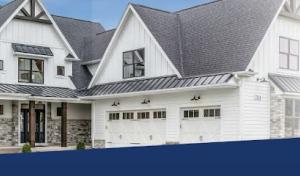
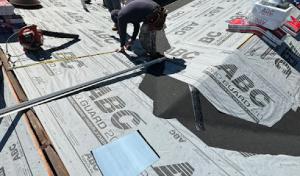
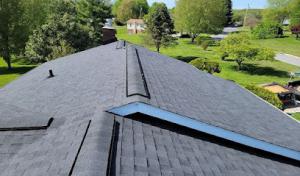
Ashburn sits in a roof-claim environment where wind, hail, and storm losses are common enough that documentation quality can materially affect claim handling. When a storm hits, insurers move through a fast pace of assessments, and a well-documented roof helps speed the process and reduces back-and-forth. If your photos or notes are blurry, dated, or incomplete, a claim can linger while the adjuster sorts out what happened and what's covered. Accuracy matters: clear angles, close-ups of hail strikes, fair representation of attic and exterior conditions, and a straightforward timeline can make the difference between a smooth replacement and delays that complicate approval.
Homeowners in this Virginia market should be prepared for insurers to ask for detailed roof photos, wind-mitigation-related observations, and organized records before authorizing replacement scope. Expect to provide a narrative of when damage occurred, how it was detected, and how the roof appears from multiple elevations. The photos should capture sunken shingles, lifted tabs, granule loss, flashing around vents, and the condition of gutters and downspouts that tie into the roof system. Document any prior repairs or partial replacements, and flag areas where simultaneous damage to decks, siding, or chimneys may exist. A concise, well-annotated set of images helps the adjuster see the full picture without needing to request a dozen re-shots.
In the notes you attach to photos, include wind direction indicators, missing shingles from wind-driven events, and any ponding or moisture signs in attic spaces. Note helper details such as the age of the roof, known vulnerabilities of the type installed on your home (for example, common failure points in Ashburn's mixed suburban stock), and whether there is visible hail impact or thermal movement. For wind-mitigation considerations, record any evidence of reinforced fasteners, hip-and-valley integrity, and the condition of underlayment. These observations help explain the scope of replacement and can support a fair assessment of damage versus wear.
There is no broad statewide insurer pullback in Virginia, but coverage terms and pricing can vary by carrier, making policy review important before a storm loss occurs. Create a dedicated file for your roofing documentation: dated photos, a simple damage log, any contractor estimates, and correspondence with the insurer. Maintain prints and digital copies, and keep a backup set in a separate location. If you have video walkarounds, label segments by area (e.g., eave line, ridge, chimney flashing) and store them with the date. A tidy, easily navigable package reduces the chance of misinterpretation and speeds up the path from claim submission to replacement scope approval.
Connect with contractors who help homeowners navigate the claims process from damage assessment to final approval.

Russell M Smith Construction
(703) 669-1105 www.rmsmithconstruction.com
43994 Maiden Creek Ct, Ashburn, Virginia
4.8 from 19 reviews
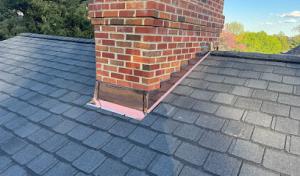
In this regular-precipitation climate, leak investigations often need to focus on roof penetrations and transitions rather than only field shingles. After wind-driven rain events, pay close attention to chimneys, vent stacks, plumbing vents, and where roof surfaces meet wall flashings. Metal edge trims and step flashing at wall intersections can fail quietly yet still channel water into the attic. When water shows up in ceilings, trace carefully to the closest penetration or transition spot rather than assuming a widespread shingle failure. Seasonal temperature shifts can accentuate small gaps into bigger leaks, so keep an eye on any damp spots that appear near elbows, dormers, or skylight surrounds.
Skylight-related service is meaningfully present in the local contractor market, indicating that skylight flashing and surrounding roof integration are recurring homeowner concerns locally. Inspect the flashing at the skylight curb for uplift, dried or cracked sealant, and mismatched roof-to-flash transitions. Even minor gaps can permit wind-driven rain to bypass shingles and travel along the curb into the roof deck. If a skylight is old or poorly integrated, consider resealing or re-flashing as a targeted repair rather than a full roof replacement whenever moisture is confined to that feature. Make sure the flashing details tie smoothly into adjacent shingles and the surrounding membrane, if present, to reduce moisture tracks.
Flat and low-slope roofing also appears often enough in the local service mix to warrant separate attention for drainage, membrane condition, and moisture management. Check drainage paths, sump areas, and edge details where the membrane meets parapets or sidewalls. Ponding water, blisters, or slipped seams can become leak pathways with freeze-thaw cycles. For low-slope roofs, ensure membrane laps are sound, edge drains function, and any ballast or gravel is not masking deteriorated seams. In Ashburn properties with flat sections, schedule a focused moisture survey after storm events to catch issues before they spread.
Find contractors experienced in skylight installation, flashing, and leak repairs to bring natural light into your home.
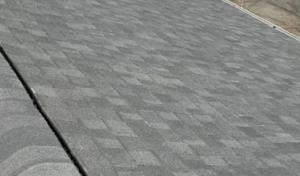
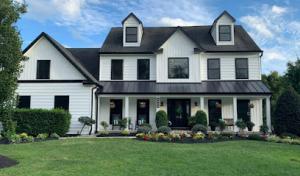
In this market, a solid warranty isn't just paperwork-it's protection for the roof you're putting on a home that faces tight winters, humid summers, and fall wind events. Look for manufacturers who certify local crew teams and back workmanship in addition to material coverage. A contractor with factory certification typically aligns with strict installation standards, which matters when the county records final inspections and post-installation follow-up. The strongest signals come from written, transferable coverage that clearly states what is covered, for how long, and what qualifies as a claim. If the terms are vague or require additional inspections for repairs, that's a red flag. In a community where quick response and dependable cleanup are valued as much as price, a warranty that promises timely field service visits and documented repairs helps keep your project on track after the crew has left.
Ashburn's contractor market shows a premium on re-roofing, with crews known for speed, neatness, and leaving the site clean. You'll want to hear about a supervisor who remains on-site during the critical install phase and a crew lead who will sign off on workmanship at the end of each day. Notice whether the crew uses daily cleanup routines, seals penetrations properly, and protects surrounding landscaping during transport of materials. Long-established, family-owned firms frequently bring continuity: you're more likely to see the same foreman and crew who previously worked on your neighbor's home, which lowers the risk of miscommunication or missed details. When a contractor can point to recurring, repeat projects in the neighborhood, that's a practical indicator of reliable post-installation follow-up.
When evaluating bids, prioritize contractors who can present a clear timeline for post-installation service calls and a straightforward process for warranty claims. Ask how they handle wind-driven events or hail-related damage in the warranty context, and request references from neighbors who faced weather-driven roof issues. A manufacturer-certified contractor should provide documentation showing the exact products used, the installation method, and how the warranty remains valid if future repairs are needed. In this climate, having a dedicated point of contact for warranty questions, and a reputation for thorough cleanup and meticulous jobsite management, makes a meaningful difference over the life of the roof.