
Last updated: Apr 19, 2026
Oak Harbor sits on Whidbey Island, so roofs are exposed to marine air, frequent dampness, and coastal wind rather than prolonged inland heat. That combination accelerates moisture movement in roof assemblies and tests sealing details in ways that inland homes rarely experience. When a storm track rolls in from the Strait, the first indicator isn't heat damage-it's how quickly dampness seeps into vulnerable junctions, protrusions, and edge zones. If you treat moisture as a seasonal inconvenience, you'll pay the price when cold, salty air meets rain and wind for weeks on end.
Wind exposure near open water can be a bigger installation concern for lighter systems and edge details than in more sheltered inland parts of Washington. Light roofing systems and delicate edge trims face uplift and micro-movement during gusts, which can compromise seals around chimneys, vents, and skylights. Edge fasteners and underlayment laps deserve extra attention: a small misstep here becomes a persistent leak path when paired with damp winters. In practice, you'll notice leaks often tracking along fascia lines, through nail penetrations, or at coping joints rather than in broad surface areas.
The local weather pattern is dominated by wet winters and shoulder-season storms, making leak development and delayed dry-out more common than sun-driven roof aging. Drying out a compromised assembly can take days or even weeks when air remains saturated. That means you should respond to every damp patch as a potential rain channel, not a temporary nuisance. Prolonged moisture exposure can degrade underlayment, deck boards, and flashing substrates, creating hidden rot that undermines long-term performance. If a wind-driven shower hits during a cold snap, condensation on the underside of the roof can freeze, expand, and corner-seal joints-which invites more water intrusion as temperatures rise and the ice-thaw cycle repeats.
Critical risk areas in this environment include attic access points, roof edge details, and vent flashings. Attics on exposed homes tend to feel damper and cooler, which slows evaporation from any small breach. Edge zones, especially where metal or lighter materials meet the deck, are prone to fastener back-out, sealant failure, or corrosion from salt-laden air. Flashing around chimneys, skylights, and solar mounts must be continuous, corrosion-resistant, and properly integrated with the underlayment. Any movement between components during wind events can create micro-delaminations that spread water across hidden routes. If you notice staining near ledger boards or along joints after a windy, wet spell, treat it as a leak candidate rather than a cosmetic issue.
Practical steps to reduce risk start with proactive inspection after every significant storm, focusing on sealant integrity, flashing continuity, and edge fastener engagement. During installation or reroofing, insist on enhanced edge details and wind-rated fasteners, plus a continuous drainage plane that can tolerate marine humidity without sagging. In maintenance cycles, prioritize checking for moisture intrusion at penetrations, around roof-to-wall transitions, and along the rake and eave lines where wind-driven spray can push damp air underneath. When a repair is made, select materials proven to resist corrosion in coastal air and ensure flashing is integrated with a precision seal that remains flexible through seasonal temperature swings. In practice, treat each wet period as a trial of your roof's moisture defense: the sooner an issue is identified and remedied, the less opportunity water has to migrate into structural layers.
Asphalt shingles and metal roofing are the dominant practical choices on Whidbey Island, with tile and wood products showing up but requiring closer attention to wind fastening, weight, and moisture behavior. The mild summers shift the emphasis away from heat resistance and toward rain shedding, ventilation, and sustained damp conditions. Moisture management and reliable flashing matter more than color choices or luxury features when the wind and ferry logistics mean repeated exposure to marine moisture.
Asphalt shingles handle Oak Harbor's marine moisture well when installed with proper fasteners and quality underlayment. Choose a wind-resistant shingle line and a high-quality ice-and-water shield in valleys and along eaves where creeping moisture is common. Ensure the upper courses are secured with corrosion-resistant nails or staples and that the ridge cap is sealed to prevent spray-driven water from getting under the top edge. In areas with frequent gusts, consider a structural upgrade to ensure roof decking is sound before shingle installation, and plan for meticulous attic ventilation to prevent rapid condensation that can encourage mold or wood rot.
Metal roofing shines in wind exposure and rain shedding, but proper edge detailing and secure fastening are essential on a windy island wind regime. Use roofing panels rated for coastal exposure and install with corrosion-resistant fasteners. Pay close attention to panel seams and baffles around vents, chimneys, and skylights. Ventilation remains important under metal to avoid condensation buildup in the attic, and a robust underlayment beneath the metal helps with any pinhole leaks or moisture that find their way past fasteners. Metal roofs can be quieter if a sound-deadening underlayment or decking with appropriate gaps is used, which helps during rainy months when the outside environment is loud with wind and rain.
Clay and concrete tiles introduce significant weight and require structural confirmation, especially on older homes or decks with limited framing. Wind fastening becomes a critical concern; tiles must be secured to withstand gusts without crack propagation. Wood shingles or shakes offer a traditional aesthetic but demand tight moisture control and careful maintenance to prevent surface cupping, cupping, or rot in damp seasons. If choosing wood, anticipate higher maintenance in corners and near coastal spray zones, and ensure proper sealing or coating that can withstand repeated damp cycles without peeling.
Regardless of surface material, flashing quality is non-negotiable on an island setting. Use corrosion-resistant materials at roof intersections, chimneys, vents, and along eave lines where spray is common. Underlayment should be breathable where possible, yet provide a robust moisture barrier at the deck level to manage persistent dampness. Ventilation details matter deeply: a balanced intake and exhaust pathway reduces attic condensation and helps keep decking dry through prolonged wet seasons. In windy locations, consider baffles and soffit vents that resist wind-driven backdraft while still delivering air to the attic cavity.
Schedule semi-annual inspections to catch loose fasteners, compromised flashing, or moss buildup early. In the damp months, focus on attic moisture levels, ridge-line integrity, and drainage pathways to prevent ponding or gutter overflow. Debris removal around vents and flashing edges reduces wind-driven water infiltration. For shingles or shakes, monitor for unnecessary lifting at the edges after storms and reseal as needed to preserve a continuous waterproof barrier. This proactive approach keeps roofs performing through Whidbey Island's year-round marine climate.
Replacement planning hinges on the island's damp, wind-driven climate. In Oak Harbor, scheduling is commonly pushed toward drier periods because winter rainfall can interrupt tear-off, dry-in, and inspection timing. If you're weighing a start date, target late spring or early summer when the ground is firmer, the humidity is lower, and crews can complete a dry-in without rain delaying adhesive cures. The goal is a continuous sequence: tear-off, underlayment, ventilation checks, and final inspection in a single block rather than piecemeal over several weeks.
Spring and fall storms can create backlog and weather delays even outside winter, which affects contractor availability on the island. If a replacement must begin in shoulder seasons, plan with a contingency for delayed start dates or staggered work. Builders often reserve weeks for weather contingencies, so a late spring project can compress into a tighter window than you expect. On Oak Harbor rooftops, that means you'll benefit from locking in a solid schedule well before storms become likely, and confirming that the crew can maintain a continuous pace through the most exposed portions of the job.
Summer is milder than many U.S. markets, but prolonged humidity can still affect shingle sealing and makes ventilation planning part of replacement timing. Warmer, wetter days can challenge underlayment drying and the curing of sealants around flashings. If planning a summer tear-off, prioritize roofs with solid ventilation assessment beforehand. A balanced intake and exhaust strategy helps prevent interior attic condensation and ensures the new roofing system seals properly as outdoor moisture levels rise. If a heat spike or unexpected humidity event occurs, crews may adjust timing to avoid compromised adhesion or flashing work done in less-than-ideal conditions.
Start by surveying the last three wet seasons for your address and nearby blocks. Note any extended rain events that stalled previous projects and identify a window with seven to ten consecutive dry days. Confirm with the contractor that they can commit to a continuous block for tear-off, installation, and final inspection, minimizing weather-related interruptions. Have a backup date but avoid leaving the project open in unsettled weather, which can invite moisture intrusion before the new roof is fully sealed. For a home with multiple stories or complex roof lines, insist on a pre-construction ventilation plan and a staged dry-in checklist so the interior stays dry even if a shower passes through.
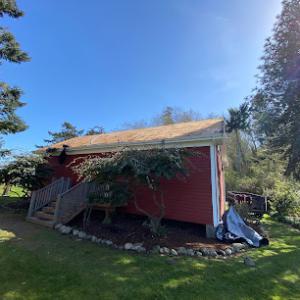
Done Right Roofing & Construction
(360) 632-9233 www.donerightroofingwa.com
1751 Goldie Rd unit b3, Oak Harbor, Washington
5.0 from 34 reviews
Roofing contractor based on Whidbey island. With over 15 years combined experience. Re-roofs, new construction, composition shingle, metal, and flat roofs, Seamless Gutters.
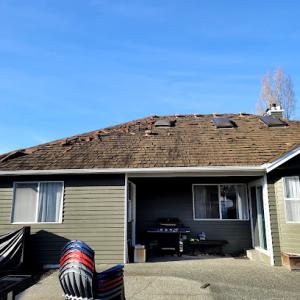
Crystal Clean Roofing
(360) 920-7397 www.crystalcleanroof.com
983 NE Oleary St, Oak Harbor, Washington
5.0 from 19 reviews
Welcome to Crystal Clean Roofing inc, your trusted roofing experts! Our commitment to quality and customer satisfaction sets us apart in the roofing industry. With a team of experienced professionals, we specialize in delivering top-notch roofing services that include installation, maintenance, and repair for residential and commercial properties.
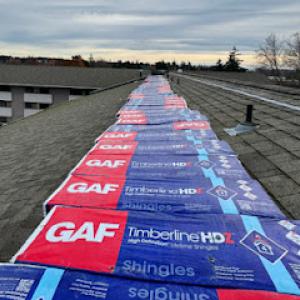
Wind Proof Roofing
(360) 840-5554 www.windproofroofing.com
700 NW Crosby Ave Trlr 102, Oak Harbor, Washington
4.6 from 34 reviews
Wind Proof Roofing provides gutter installation, roof repair, siding and roofing installation to the Oak Harbor, WA area.
Advantage Roofing
(360) 929-1694 advantageroofingllc.com
675 NE Midway Blvd Suite #102, Oak Harbor, Washington
5.0 from 4 reviews
We offer a wide range of roofing services, including roof repair, roof replacement, cleaning and roof installation. Our team of experts uses only the highest quality materials to ensure that our clients receive the best possible results.
Four Seasons Roofing
Serving
5.0 from 38 reviews
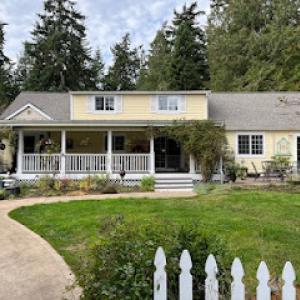
Four Seasons Roofing is a premier roofing contractor located in Oak Harbor Washington. We are fully licensed and insured with over 42 years of experience in the industry. We are family owned and operated, and our services include residential roofing, roof repairs, roof installations, re-roofing and tear offs. Our team here at Four Season Roofing we pride ourselves on our attention to detail and quality workmanship. We hand nail every roof and never use hand guns to ensure a excellent job. Call us today for a free quote!
Boss Roofing
(360) 588-4108 www.bossroofingwa.com
Serving
5.0 from 6 reviews
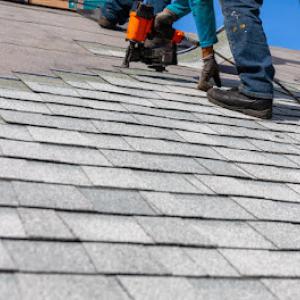
Boss Roofing, led by the seasoned professionals Gerardo & Jamie Garcia, is your premier roofing partner serving Burlington, WA, and its neighboring areas within a 25-mile radius. With over two decades of industry expertise, we stand as a beacon of excellence in the roofing domain. Our specialized services encompass Roofing, Roof Repair, Roof Installation, Roof Replacement, and Commercial Roofing, all executed with meticulous attention to detail. Recognized for our unwavering commitment to quality, our 20 years of experience reflect in every project we undertake. Our team, comprised of knowledgeable experts, ensures a seamless roofing journey from start to finish.

Allen Roofing Construction & Remodel
(360) 529-3802 www.allenroofing.com
Serving
4.9 from 136 reviews
Allen Roofing Construction and Remodel is a trusted roofing contractor serving Stanwood, WA, and nearby communities. With years of experience, we provide reliable roofing solutions built for the Pacific Northwest climate. As one of the established roofing companies in the area, we specialize in roof repair, new roof installation, reroofing, and remodeling services for residential and commercial properties. Our company's roofing approach focuses on durable materials, skilled craftsmanship, and attention to detail on every project. Locally based in Stanwood, we understand regional weather conditions and building standards, allowing us to deliver roofing services customers can trust for long-term protection and peace of mind.
Skagit Roofing
(360) 329-9918 www.skagitroofing.net
Serving
4.9 from 149 reviews
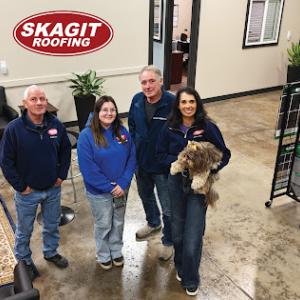
Skagit Roofing in Bow, WA delivers customized roofing solutions using top-rated products like Malarkey, Pabco, Certainteed, and IKO. With over 7,000 homes roofed, their highly trained staff and certified crews take pride in offering beautiful, long-lasting roofs tailored to each client's needs. They listen closely to customers, providing aesthetic, cost-effective solutions with free estimates, transparent pricing, and projects completed on time and on budget.
Peaks Northwest Roofing 🐐
(360) 333-8463 www.peaksnw.com
Serving
4.8 from 85 reviews
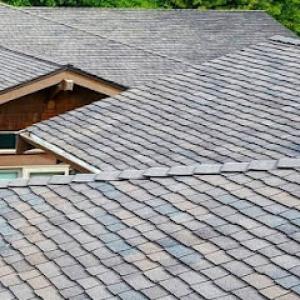
Licensed - Bonded - Insured - Certified. We are a PABCO Preferred PRO and Malarkey Emerald Premium Certified Roofing Contractor. Multiple time winner of the "President's Club" roofing award, we have over 30 years of experience serving Skagit, Whatcom, Island, San Juan and Snohomish with pride. We offer free estimates and Lifetime Warranty Roof systems. Asphalt composition and metal roofing experts. Financing options available!
Interlock Metal Roofing (PNW) Inc. - Stanwood
(206) 202-7814 www.washingtonmetalroofing.com
Serving
4.5 from 50 reviews
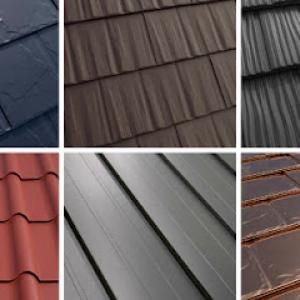
Washington Metal Roofing — The official Interlock® Metal Roofing installation company serving the Pacific Northwest. Interlock Metal Roofing - WA is a roofing contractor in Seattle, WA. We have installed thousands of roofs for nearly 25 years all across the Pacific Northwest. We are one of the largest residential metal roof installation companies in Washington State. We install From Blaine to Seattle, Everett to Vancouver — and everywhere in between! Interlock® Metal Roofing Systems: Choose from five durable aluminum roofing profiles including Slate, Cedar Shingle, Shake, Mediterranean Tile, and Standing Seam. All profiles are available in Solid Copper. With the addition of solar brackets, all our roofing systems are solar compatible.
AMR Roofing & Construction
(425) 359-8417 www.amrroofingandconstruction.com
Serving
4.9 from 24 reviews
AMR Roofing specializes in metal roofing, composition roofing, Single-Ply TPO PVC Roofing, and commercial roofing installation. We also specialize in siding installation. We take pride in our work and use new and updated products to insure quality construction work for your home or business. The owner Vince Quillen has been installing roofs and working in construction for over 32 years and has been a licensed contractor for over 24 yrs.

Endurant Roof
(206) 714-0121 www.endurantroof.com
Serving
5.0 from 89 reviews
Welcome to Endurant Roof, your trusted roofing experts, specializing in both commercial and residential services. As a licensed and bonded small business, we pride ourselves on delivering exceptional craftsmanship and outstanding communication. Our team of dedicated professionals is committed to quality, ensuring each project, big or small, meets the highest standards. Whether you need a durable new roof for your business or a stunning upgrade for your home, Endurant Roof is here to transform your vision into reality. Experience the perfect blend of reliability, skill, and customer-focused service with us. Contact Endurant Roof today for your roofing needs!
In this coastal community, material costs in Oak Harbor can be influenced by island logistics and scheduling coordination tied to Whidbey Island access rather than a large mainland supply hub. Freight windows, ferry delays, and hauling routes all creep into the bottom line, especially for heavier tiles or metal. Even when a supplier lists a standard per-square price, expect adjustments for delivery timing, crew mobilization, and last-minute changes driven by weather windows. If your project spans multiple weeks, the price may shift as vendors shuffle orders to fit island schedules.
The base material ranges reflect typical Oak Harbor projects, but wind exposure and moisture-control needs add to labor. Asphalt shingles are often the most economical starting point, but thicker underlayment and enhanced flashing can push the out-the-door cost toward the upper end of their range. Metal roofing brings higher material costs but can save long-term maintenance if properly sealed and fastened to resist salt air. Tile options (clay or concrete) command higher base numbers and require meticulous moisture detailing around hips, valleys, and penetrations. Wood shingles or shakes carry premium labor due to bevels and wind-swept edge care, while synthetic or composite shingles offer a mid-range alternative with favorable moisture performance. Typical cost ranges per square (one 10x10 ft area) are:
Wind exposure demands more flashing work at valleys, edges, and intersections with chimneys or vents. Underlayment attention becomes crucial in a marine climate, where pulldown and moisture migration are concerns; think reinforced membranes and careful seam sealing. Fastening requirements increase, with corrosion-resistant fasteners and additional fastener rows around eaves and rakes to guard against wind uplift. All of this elevates labor scope, especially for steeper roofs or complex layouts common in local residential stock, and can materialize as higher cleanup and debris handling costs beyond the base material range.
Steeper reroofs are common locally, so discuss ladder access, staging, and daily cleanup plans with contractors. A well-planned sequence reduces weather exposure risk and minimizes drift-both of which keep moisture intrusion and repair callbacks down. Expect crews to allocate extra time for securing decking, installing drip edge, and ensuring proper attic ventilation tie-ins to maintain moisture balance. This careful approach, while adding upfront cost, pays dividends in leak prevention on a wind-facing island roof.
Don't let upfront costs delay a critical repair - these contractors offer payment plans to fit your budget.
A full roof replacement in this area typically requires a permit rather than being treated as a no-paperwork project. The permitting process helps ensure that the work aligns with Whidbey Island's marine moisture exposure and wind considerations, as well as local drainage and debris management standards. Before any shingle lift begins, the project plan should show the overall scope, the chosen roofing materials, and proof of contractor licensing. The goal is to confirm that the installation will address ventilation, underlayment, and weekend or seasonal weather windows that can affect sealant performance and long-term durability.
The local process generally involves submitting a concise project scope that clearly states the roof size, existing roof situation, and any non-standard components. Include the selected roofing materials and a note on fasteners, underlayment type, venting strategy, and any attic or crawl space changes. Contractor licensing information should reflect current status and any specialized credentials for wind- or moisture-resistant assemblies. Once the submission is reviewed, a permit decision is issued, and any requested adjustments must be addressed before work starts. Plan review may be triggered if non-standard materials or unusual configurations are proposed, so prepare to provide additional details or shop drawings if needed.
Inspections commonly occur at rough-in and final stages. Rough-in checks look at ventilation paths, underlayment installation, and spacer or deck preparation to ensure a solid base for long-term moisture control. The final inspection verifies that the roof system is properly sealed, drainage is functional, and debris mitigation has been completed to prevent moisture retention near walls and foundations. Local review may emphasize attic venting adequacy, proper underlayment overlaps, and how debris management was handled during the replacement. If any non-standard materials or assemblies are used, plan review may again be triggered to confirm that they meet code requirements and moisture-control expectations.
Start with a clear scope, including a materials list and venting strategy, when you submit for permit. Have your contractor line up licensing verification and any required notes on fastener types and underlayment. Consider coordinating scheduling to avoid peak ferry-delivery delays and wet-weather windows, which can affect inspections and moisture-sensitive steps. Finally, maintain a tidy work zone to support a straightforward debris management review during inspections and reduce potential moisture intrusion on the exposed coastal sides of the home.
Find specialists in TPO, EPDM, and built-up flat roofing systems for residential and commercial properties.
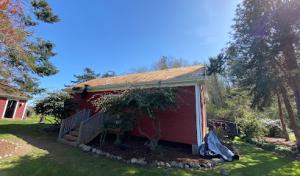
Done Right Roofing & Construction
(360) 632-9233 www.donerightroofingwa.com
1751 Goldie Rd unit b3, Oak Harbor, Washington
5.0 from 34 reviews
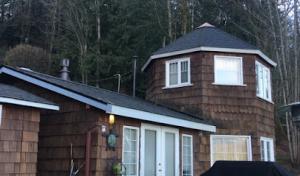
AMR Roofing & Construction
(425) 359-8417 www.amrroofingandconstruction.com
Serving
4.9 from 24 reviews

In this harbor climate, focus your notes and photos on leak paths, lifted materials, flashing, and water intrusion evidence rather than generalized roof issues. Storm-driven winds can peel shingles, lift edges, or drive spray under roof edges, so track the exact locations of any seepage into attic or ceiling spaces. Photograph each affected area from multiple angles, including close-ups of nails, seams, underlayment, and vent pipes. Keep a simple storm timeline: dates, wind speeds if known, and rainfall amounts if you can confirm them. Clear documentation that ties a leak to a specific event is invaluable when insurers assess damage.
Insurers in the region often want clear photo records plus material and age history, and adjusters may review attic ventilation, underlayment, and roof decking conditions. Photograph attic spaces with the roof line exposed, noting signs of mold, staining, or condensation that could indicate hidden moisture. Include images of ventilation intakes, soffit gaps, and attic hatch seals. If decking shows cupping, soft spots, or rot, document their location and extent with a ruler or tape measure for scale. Even small gaps around flashings deserve high-detail images; they can be pivotal for whether an entire roof or only portions are deemed repairable.
Because insurer expectations can vary on replacement timing and warranty treatment, Oak Harbor homeowners benefit from documenting storm dates, temporary protection, and all repair communications. Keep records of tarps or boards placed after a storm, dates of temporary fixes, and correspondence with contractors or insurers. Note any discrepancies between what was promised and what was delivered, and preserve receipts or invoices tied to interim measures. This careful trail helps prevent disputes when adjusters review whether mitigation steps were adequate after wind-driven leaks.
Connect with contractors who help homeowners navigate the claims process from damage assessment to final approval.
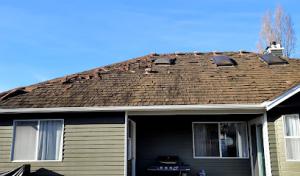
Crystal Clean Roofing
(360) 920-7397 www.crystalcleanroof.com
983 NE Oleary St, Oak Harbor, Washington
5.0 from 19 reviews
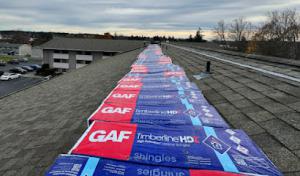
Wind Proof Roofing
(360) 840-5554 www.windproofroofing.com
700 NW Crosby Ave Trlr 102, Oak Harbor, Washington
4.6 from 34 reviews
In the damp marine climate, recurring trouble spots often center on flashing transitions where two surfaces meet, especially around dormers, chimneys, and vent pipes. Water finds creases along step flashing and base flashing more quickly when wind-driven rain slams against the roof at sea-level elevations or along parapets. Pay close attention to any joints where metal flashing has been bent, fastened, or sealed with roofing cement, because a small lift or crease can channel moisture into the underlayment and sheathing. Regularly check for loose fasteners, torn mastic seams, and gaps where paint, moss, or algae accumulate, since those signs almost always precede leaks after winter storms.
Skylights are a meaningful local service category, which suggests leak tracing around curb details and surrounding flashing is a real homeowner concern in this market. Around curb-mounted skylights, the perimeter flashing and watertight sealant must resist wind-driven rain and thermal movement. Look for pooling water near curb edges after heavy rain, and inspect the sealant line where curb to roof surface meets metal or TPO flashing. Penetrations for pipes, fixtures, and conduits need continuous, properly sealed gaskets and counter-flashing that covers the base flashing. When leaks appear, trace from the skylight outward: often the source is not directly under the drip edge but along the curb or along a misbehaving seal at the curb flashing.
Wind-driven rain on Whidbey Island can expose weaknesses at ridges, edges, and roof-to-wall intersections faster than in more sheltered inland neighborhoods. Ridge vents and hip-and-ridge transitions must shed water efficiently, with secure fasteners and continuous sealant along seams. Edges and overhangs collect splashback and can erode fasteners or flashing channels over time. Inspect for lifted shingles, misaligned edge metal, and gaps where fascia and underlayment meet the wall line. A stubborn leak often hides just behind these intersections, so tracing moisture from the interior back to the roof line is essential after a storm.
Find contractors experienced in skylight installation, flashing, and leak repairs to bring natural light into your home.
Done Right Roofing & Construction
(360) 632-9233 www.donerightroofingwa.com
1751 Goldie Rd unit b3, Oak Harbor, Washington
5.0 from 34 reviews
Crystal Clean Roofing
(360) 920-7397 www.crystalcleanroof.com
983 NE Oleary St, Oak Harbor, Washington
5.0 from 19 reviews
Wind Proof Roofing
(360) 840-5554 www.windproofroofing.com
700 NW Crosby Ave Trlr 102, Oak Harbor, Washington
4.6 from 34 reviews