
Last updated: Apr 19, 2026
After a severe weather event, the landscape for a roof claim in this area is defined by rapid documentation, fast triage, and timeliness. McHenry sits in the northern Illinois hail and wind claim belt where insurers commonly request photo documentation, adjuster visits, and evidence that damaged shingles can or cannot be matched. This means your first hours matter: capture the scope of visible damage from ground level and from the attic if safe, noting curling, missing granules, lifted edges, and flashing breaches. Acknowledge that insurers expect to see whether the damaged shingles still exist in a way that allows proper matching to your remaining roof, because that matching determines scope and settlement.
Your goal is to build a concise, driver-friendly file for the adjuster and the contractor you'll later rely on. Photograph the overall roof from multiple angles, clearly showing climbable sections and any wind-lifted shingles, plus close-ups of damaged areas, granule loss, and any sagging or interior staining visible from the attic. Keep a running timeline of when the storm happened, when you first noticed damage, and when you first reported it. Each photo should be labeled with date, location on the roof, and a brief descriptor. If interior leaks are present, photograph the ceiling and any affected insulation, and preserve any removed shingles or flashing to demonstrate the extent of damage. This evidence packet is the backbone for discussions with the adjuster and the contractor, and it tailor-fits to McHenry's claim practices.
In this climate, fast temporary protection matters because follow-up rain and cold-weather exposure can turn a wind-lifted shingle or flashing breach into interior water damage before replacement can be scheduled. Lay down sturdy tarp solutions over the compromised area, ensuring water is directed away from the home's interior and away from any electrical components. Use weighted, Penny-in-the-pocket or nail-down methods to secure tarps if winds are high. If any flashing shows gaps, seal or cover it temporarily with roofing tape or a waterproof barrier, but do not rely on a temporary fix as a substitute for professional repair. The goal is to buy time, not to create a new leak.
As soon as the damage is visible, initiate contact with the insurer and request an adjuster visit. In McHenry, adjusters routinely expect your documentation to show whether damaged shingles can be matched, and they will want to verify secondary components such as underlayment and flashing conditions. When scheduling a visit, plan for the adjuster to inspect the roof from the ground and from the ladder line with focus on wind-lifted shingles, edge damage, and any roof penetrations. If you're working with a local contractor, share your photo packet early so they can align their assessment with the insurer's expectations and avoid duplicative estimates.
Attention should be paid to eaves, valleys, and penetrations where ice-dam risk and wind-driven infiltration are highest in this region. Valleys and flashing near chimneys or vent pipes require careful inspection-any breach here can become a pathway for water during the next storm or even a rapid freeze. If you notice dampness tracking along a seam or staining along the ceiling near a sprinkler of light fixtures, flag it immediately as a potential interior claim element.
In a storm-focused market like this, the most effective response balances swift temporary protection with a clear plan for permanent restoration. Prioritize quick, reputable triage that stabilizes the roof, preserves the interior, and aligns with the insurer's documentation expectations. Clear communication, thorough documentation, and timely protection steps keep the process moving and reduce the risk of secondary damage turning into prolonged delays.
General Exterior Construction
(815) 388-3561 genexconstruction.com
Serving
5.0 from 154 reviews
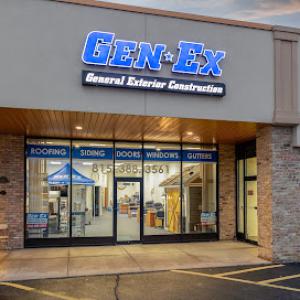
Gen Ex Construction has been a full-service residential, commercial, and multifamily exterior contractor for 15+ years. We specialize in the replacement and repair of all kinds of roofs, siding, gutters, soffit/fascia, windows, and doors. We are experts at storm restoration and working with insurance. We offer FREE estimates! Gen Ex only uses the highest quality products including Owens Corning, GAF, DaVinci, Diamond Kote, LP Smartside, Mastic, Snow Country, Pella, Anderson, Provia, and more. Stellar work and customer service are what we strive for! This is why we offer: * 24-hour emergency service * 100% customer satisfaction * 10-year workmanship warranty All of our projects are professionally managed from beginning to end.

Walnut Creek Designs
(224) 349-8088 walnutcreekdesignsinc.com
Serving
5.0 from 23 reviews
Our commitment is to build lasting relationships with our clients in and around McHenry, Illinois, earning their trust and serving their vision through the exceptional performance of every member of our team from the first call to the final walkthrough. Communication is as important as construction. Because you can't be on site every day, you need a detail-oriented McHenry general contractor who will be. We provide continuous schedule breakdowns that manage logistics from start to finish. Simply put: our goal is to bring your vision to life. Walnut Creek Designs strives to be the best roofing, siding and gutter contractor in the McHenry and surrounding areas.
J&R Exterior Construction
(815) 451-0500 815jrroofing.com
Serving
5.0 from 8 reviews
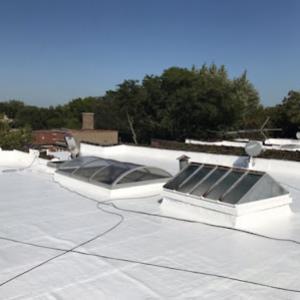
J&R Exterior Construction is a family-owned company providing expert roofing, siding, and gutter services throughout Lake and McHenry County, IL. With over 10 years of hands-on experience, we specialize in residential, commercial, and industrial roofing. We are not subcontractors — when you hire us, you work directly with our trusted team. Fully licensed, insured, certified, and bonded, we deliver top-quality workmanship and free estimates to ensure peace of mind from the start. “From vision to roof reality, we deliver.”

KM Construction
(815) 980-5454 www.kmroofs.com
Serving
4.7 from 71 reviews
KM Construction is a professional roofing company that specializes in residential roofing services such as inspection, installation, repair, and replacement since 1999.

Pink Roofing
(844) 736-6961 pinkroofing.com
Serving
4.8 from 184 reviews
We’re Bringing Integrity Back to the Construction Industry Imagine a roof that you never have to worry about. At Pink Roofing, we understand that a new roof is a significant investment. That’s why we prioritize not just exceptional quality, but also an exceptional customer experience. From the first quote to the last cleanup, our team is committed to clear communication, fair pricing, and an easy process. Our skilled installers use high-quality materials. This ensures a roof that can last for years against the weather. Don’t just take our word for it – our Google reviews speak for themselves.
Peerless Roofing
(815) 657-9540 www.peerlessroofinginc.com
Serving
5.0 from 213 reviews
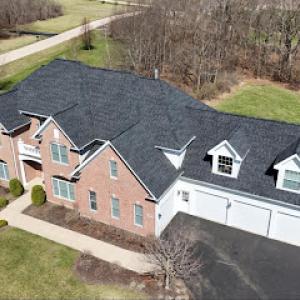
Peerless Roofing provides residential roofing, roofing repair, siding, complete tear-offs, flat roofs, metal flashing work, tuckpointing, gutters, and downspouts to the McHenry County, IL area, Chain o' Lakes Area and Lake County.
Dynico Roofing
Serving
4.9 from 193 reviews
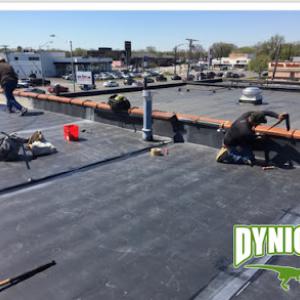
Dynico strives to provide great experiences for our customers through education, technology and dedication. Our teams are certified installers, allowing for higher quality systems and warranties. Almost 90% of all roofing material that is taken off your roof is going to recycling plants, which in return is building our roads of the future.
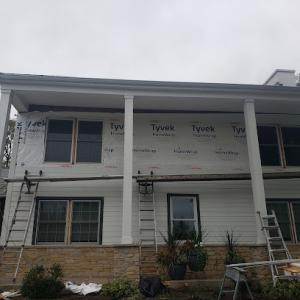
Dragon Exteriors
(815) 322-0916 www.dragonexteriors.com
Serving
4.8 from 19 reviews
Roofing, Siding, Windows, Gutters
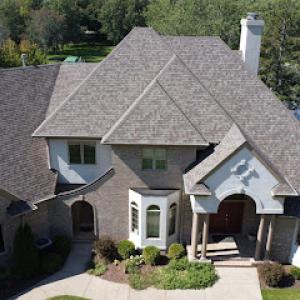
AMB Roofing & Sheetmetal
(815) 385-2621 www.ambroofing.net
Serving
4.8 from 45 reviews
AMB Roofing & Sheetmetal offers a comprehensive range of roofing services catering to both residential and commercial needs in Illinois and Wisconsin. Specializing in roofing, sheet metal fabrication, TPO installation, and flat roofing solutions, we are dedicated to delivering top-quality craftsmanship and reliable service to our valued customers.
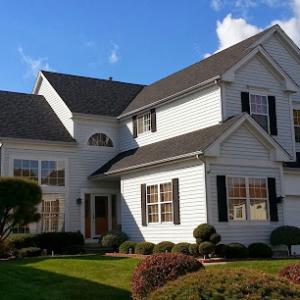
Stormpro Construction
Serving
5.0 from 6 reviews
StormPro Construction is the Midwest leader in storm damage restoration and we specialize in insurance claims for damage caused to your home by Wind and Hail. StormPro Construction is a locally owned and operated company located in McHenry, IL. At StormPro Construction, we truly take pride in our work and our world class customer service. Our reputation for quality, integrity and customer satisfaction is unsurpassed in the storm restoration industry. Our Independent Claim Specialists are extensively trained and have years of experience in assessing storm damages from all causes of loss. They are experts in negotiations with the insurance companies to provide fair and equitable settlements so that your work can begin immediately.
SkyRise Roofing Contractors
(224) 225-0454 roofingfoxlake.com
Serving
5.0 from 26 reviews
SkyRise Roofing Contractors is your top choice when it comes to your roof installation in Fox Lake. Thanks to our many years of practice, we are proud to call ourselves specialists in roofing area. We offer various kinds of roofing so as to every customer can find something proper. Shingle, Cedar Shake or Metal roofing - it depends only on you which of them will be the final choice. Our company serves you with both residential and commercial roofing in Fox Lake. Our mission is to provide you also with professional roof replacement in accordance with the highest standards. Expert roofing contractors in Fox Lake wait for your call. We are ready to serve you with any roofing job that you already need.
Holland Roofing
(877) 491-6533 www.hollandroofing.com
Serving
4.3 from 12 reviews
Holland Roofing specializes in high-quality commercial roof installation, replacements, and repairs for our valued customers! At Holland Roofing, we bring the skills and expertise that guarantee you a successful project every time.
In McHenry, winters bring repeated freeze-thaw cycling that quietly wears on your roof. When daytime warmth softens a thin layer of snow on the shingles and nighttime temperatures drop below freezing, water can refreeze at the eaves and near edge detailing. Over multiple cycles, that pattern pushes a dam of ice up under the shingles and at the gutter line, which can back up water into the attic and eventually into ceilings and walls. The effect is most pronounced on homes with less robust edge details, aging flashing, or underlayment that has seen better days. The consequences aren't dramatic explosions of rain from the sky, but slow, persistent moisture that invites staining, staining, and hidden rot if left unchecked.
Edge details are the first line of defense against meltwater intrusion. When your roof's edge is poorly sealed or the flashing around penetrations is compromised, a thaw can push moisture behind shingles where it can seep down into the roof decking. In areas near the Fox River corridor and local lakes, prolonged roof moisture is common because water vapor lingers longer and wind patterns drive faster evaporation only partially, leaving wet interiors to creep into attic spaces. Underlayment performance matters more than ever in these zones: a durable, properly installed layer can shed incidental water during warm spells, buying time for the ventilation and insulation to work as intended. If ice dams form, the underlayment's integrity helps slow water intrusion until repairs can be done.
Attic heat loss becomes a bigger risk when frost and cold seep into the eaves. If warm attic air meets a cold roof, you create a favorable environment for ice dam development. The result is not only potential water intrusion but also accelerated shingle wear at the lower edges. Ensure soffit intake and ridge or roof venting are balanced to keep attic temperatures closer to outside air. In homes with insulation gaps or venting bottlenecks, the problem compounds during midwinter thaws. Simple upgrades like tightening insulation seals around penetrations and improving attic ventilation can reduce snow melt runoff and the likelihood of edge-driven leaks.
Winter replacement and repair scheduling in McHenry is often constrained by snow cover, cold-weather sealing limits, and safety delays. If a leak exists, delaying a repair until the weather window loosens can lead to more extensive damage-water contacting plywood, insulation, and ceiling finishes can deteriorate faster than expected. Plan inspections after spring thaws or during brief midwinter windows when work is safer, and consider staging repairs in fractions-addressing flashing or edge seals first, then upgrading underlayment or decking if needed. Proactive checks after heavy storms or ice buildup are especially warranted along the exposed perimeter and around any dormers or valleys that channel meltwater toward the eaves.
Keep an eye on the eaves for icicles and signs of ice buildup along gutters, and note any water staining inside the attic or ceiling near exterior walls. If you notice damp insulation or musty odors in the attic, treat it as a warning sign of potential water ingress. Prioritize reinforcing edge seams, ensuring flashing around vents and chimneys is intact, and confirming that underlayment has not been compromised by wind-driven rain or hail. Small, timely improvements now can prevent bigger leaks later, especially during the recurring freeze-thaw cycles that characterize the season.
Late spring through early fall is the preferred replacement window in McHenry County because it reduces weather-related installation risk compared with winter freeze-thaw conditions. That window aligns with the region's dry spells and predictable rain patterns enough to keep crews on schedule. When you time replacement for late spring, you minimize the chance of early-season ice dam development and give the new roof a clearer path to long-term performance. The goal is a steady pace, not rushing through storms or late-season heat waves that flip the schedule.
Spring rains in the region raise the stakes for proper flashing and underlayment sequencing during tear-off and dry-in. Coordinate with the contractor to prioritize a clean tear-off before any underlayment goes down, and insist on immediate coverage of high-risk areas once the deck is exposed. In McHenry, attention to roof-to-wall transitions, chimney areas, and vent penetrations matters more than elsewhere because moisture trends around lakes and rivers can push dampness into seams. A thorough dry-in in a window with reliable sun helps the new layer cure and keeps interior spaces drier during wet spring spells.
Summer heat in northern Illinois can affect shingle handling and installation temperatures, so timing and crew practices matter during hot spells. Roofs heat quickly; asphalt shingles, in particular, can become pliable in direct sun, which changes how fast layers seat and how nails set. Plan for cooler morning start times, or staggered breaks to avoid overheating materials and installers. Ensure crews have shaded staging and water on hand, and verify that fasteners are driven to consistent depth without overrunning into softened shingles. This attention to heat helps prevent uplift during storms and reduces damage from rushed workmanship on hot days.
Storm activity, including hail in spring and early summer, makes a neatly sequenced project even more critical. A well-timed replacement minimizes the risk of exposure to passing hail while work is in progress, and a properly flashed, dry-in roof reduces leak paths once the weather shifts. If a late-season shower hits, the crew should have tarping and quick-drying strategies ready so a temporary seal does not become a long-term risk. In this climate, aligning the schedule with the typical spring-to-fall pattern makes leak prevention and insurance documentation smoother.
Get a clear picture of your project costs upfront - no commitment required.
Asphalt shingles are the practical workhorse for the region's suburban stock, and they tend to be the easiest to repair after hail and wind events. In this climate, where freeze-thaw cycles and moisture patterns stress roofs, their lighter weight and straightforward repair paths help homeowners manage post-storm damage without waiting for specialized crews. The combination of reliable performance, readily available replacement pieces, and broad coverage by local contractors makes asphalt a sensible first choice for many McHenry homes.
Cedar shake remains a visible niche in the broader northern Illinois market, but condition monitoring becomes essential given moisture and freeze-thaw exposure. If cedar is chosen, expect higher maintenance needs to address warping, splitting, and moisture-related issues that can undermine long-term performance. Metal, synthetic or composite shingles, clay tile, and concrete tile do appear in local supply, yet require careful planning for snow shedding, weight, and installation nuances. In particular, metal and synthetic options can offer strong wind resistance, but installation quality matters greatly to prevent fastener failures in our freeze-thaw cycle. Clay and concrete tiles bring distinctive aesthetics and durability, but their heavier weight and specialized support systems mean more meticulous evaluation of the existing roof structure and snow management strategies.
Snow shedding becomes a practical consideration for non-asphalt systems, especially during heavy Illinois winters when icicles and ice dams are more likely. In a county where asphalt-focused crews are more common than tile specialists, selecting a material that aligns with local repair capacity helps minimize downtime after hail and wind events. Regular inspection of flashing, vent stacks, and edge detailing remains crucial, regardless of material, to mitigate leaks caused by freeze-thaw cycles and storm-related impacts.
Regardless of material, a proactive maintenance plan tailored to McHenry's moisture patterns yields better outcomes. Schedule seasonal inspections after winter thaws and spring storms to catch hidden damage early. Pay close attention to roofing joints, valleys, and transitions between roofing and siding, as these areas are common leak points when ice dam formation or wind-driven uplift occurs. In practical terms, you'll want to keep an eye on how well the chosen system handles seasonal shifts and verify that the chosen contractor can service the full spectrum of materials commonly seen locally.
In McHenry, price movement after major hail or wind events is common, as demand surges across the county and nearby northern Illinois communities at the same time. That spike can push bids higher for days or weeks, particularly when crews are booked and material trucks are limited. Tear-off complexity, decking repairs from moisture intrusion, and whether freeze-thaw damage has compromised flashing, valleys, or eave edges all push the final bill up or down. Understanding these factors helps you time decisions and align expectations with what crews actually encounter on your roof.
Material choice ranges locally from asphalt shingles at 350 to 600 USD per square, metal at 700 to 1100, clay tile at 1000 to 1900, concrete tile at 900 to 1600, wood shingles or shakes at 600 to 1100, and synthetic or composite shingles at 550 to 1000. In practice, that means your budget can shift significantly based on the roof pitch, attic ventilation needs, and whether the project calls for extensive underlayment or flashing replacements. A straightforward re-shingle with asphalt on a standard 3:12 slope will land toward the lower end, while tile or metal raises the bill quickly if the roof is large or has multiple penetrations.
Storm damage assessments in this area often reveal hidden moisture issues at the deck or eave lines after a harsh season. If flashing or valleys show wear, or if ice dam risk was high, expect extra costs for flashing repairs, decking stabilization, or improved insulation. When insurance and contractor schedules converge after a big storm, pricing can fluctuate week to week. You'll benefit from getting multiple detailed bids that itemize tear-off, disposal, underlayment, flashing, and any necessary deck repairs, so you're not surprised by hidden adds once work begins.
Don't let upfront costs delay a critical repair - these contractors offer payment plans to fit your budget.
Creative Construction Group
(815) 459-1750 www.creativeconstructiongroup.com
Serving
4.7 from 27 reviews
A roofing permit is typically required in McHenry County for a full roof replacement, with submittals handled through the local building department. That means your contractor will file the forms, plans, and any required documentation with the jurisdiction that governs your street address. The goal is to demonstrate that the replacement will meet current code, venting, moisture control, and wind resistance standards that matter here after hail and high winds.
Submittals usually include a description of the roofing type, a structural assessment if present, and details about underlayment, flashing, and attic ventilation. In areas with frequent freeze-thaw cycles, the building department may want confirmation that decking, trusses, or rafters can withstand the anticipated load and climate stresses. Expect some back-and-forth if the project touches roof-to-wall connections or requires upgraded drip edges or ice/water shield in vulnerable eaves and valleys.
The county or local jurisdiction schedules an inspection after installation. A typical sequence includes an inspection during or soon after the roof replacement to verify material installation and weatherproofing, followed by a final inspection used to close the permit. Ensure access for the inspector to the attic, eaves, and roof deck, and have any after-work notes or product certifications ready. In a storm-impacted season, inspectors may coordinate with claims-related work, so keep the permit number and contractor contact handy.
If structural work is part of the project, some years may involve plan review before approval. This can affect scheduling, especially if additional drawings are needed for new loads, deck reinforcements, or changes to support structures. If plan review is required, coordinate timelines with the contractor and the building department early, since approvals can add lead time before any removal or replacement begins.
Begin by verifying the correct jurisdiction for your address and confirming required submittals before work starts. Keep a dedicated folder with permit number, inspection dates, and contact information for the building department and your contractor. This helps avoid delays when weather and hail-season windows pressure scheduling.
Northern Illinois has earned a reputation for frequent roof-claim activity after hail and wind events, and McHenry homeowners should expect insurers to scrutinize storm dates, photo evidence, and repairability versus full replacement. When a claim hits, a clear timeline with weather data, contractor notes, and before-and-after photos can become the deciding factor between partial repairs and a full roof replacement. In practice, carriers often push for confirmation that the roof is still repairable rather than expend the resources for a total replacement, especially if the evidence suggests extensive age-related wear in adjacent areas.
Carriers in this market commonly focus on wind-rated underlayment and shingle matching when evaluating scope. If the underlayment isn't rated for the observed wind exposure or if the new material pales against the remaining section, insurers may limit scope or request a second opinion. That means the choice of shingle profile and color becomes a practical negotiation point, not just a cosmetic one. For homeowners, this underscores the value of working with a roofer who understands Illinois wind patterns, typical attic moisture movement, and how to document a cohesive, weather-resilient installation that keeps the claim intact under an honest assessment of what survived the storm.
Premiums and claim outcomes can be influenced by prior claim history and broader Illinois regulatory conditions affecting insurer behavior. If a home has multiple recent weather claims, expect closer review and potential premium signaling from the carrier, even for minor events that leave signs of moisture or isolated leaks. In McHenry, regulation tends to push for transparent documentation and reasonable repair strategies, but the practical result is more scrutiny at the point of settlement. Homeowners should prepare for a careful, evidence-backed dialogue with adjusters rather than a quick, unilateral decision.
In practice, assemble a concise storm-date log, detailed photos taken at multiple angles, and expert notes on material compatibility with existing roofing. When discussing repairs, request an assessment that prioritizes secure flashing, proper underlayment, and a clearly defendable scope that aligns with observed damage. In McHenry, this approach helps protect your roof's longevity and supports a fair, transparent claims process.
In McHenry's freeze-thaw climate, skylight curbs, and roof-to-wall transitions are common weak points when sealants age or metal details loosen. Inspect skylight curb seals after winter storms and again after spring thaw, paying special attention to any pooled water around the curb or chips in flashing. When resealing, use a high-quality, compatible sealant around the curb and flashing, and ensure the seal follows the curb edge without gaps. If metal flashing shows corrosion or loose fasteners, address those first to prevent ice dam backflow from entering around the skylight. Regularly verify that the drip edge directs water away from the skylight joint and that the surrounding roofing material remains flush against the curb.
Chimney flashing is a frequent leak vector in storm events. The transition where brick, flashing, and roofing meet is particularly vulnerable as mortar deteriorates and flashing buckles with temperature swings. After heavy rains or a freeze-thaw cycle, check the chimney step flashing and base flashing for loose fasteners, gaps, or rusted metal. Replacing cracked chimney caps or corroded side flashing before leaks appear saves interior damage later. If slush or ice backs up along the chimney vent stack, ensure the sealant around the vent boot is intact and that the boot itself remains pliable. Address any cracked mortar joints visible on the chimney crown, as those can channel water into the roofing system during rapid melt events.
Spring rain and winter ice backup in McHenry make leak tracing around penetrations more urgent than cosmetic roof wear. When a leak is suspected near skylights or chimneys, trace from the interior ceiling along the nearest wall to locate the highest point of water entry. From the attic, inspect for staining, warped boards, or damp insulation around flashing, curb, or boot areas. Temporary measures include removing standing water and carefully drying the area, then applying a temporary sealant only as a short-term stopgap while scheduling a proper repair. Prioritize high-traffic weather windows to schedule targeted flashing work, especially before the next freeze-thaw cycle.
Find contractors experienced in skylight installation, flashing, and leak repairs to bring natural light into your home.
Benjamin Brothers Roofing, Siding, & Gutters
(847) 533-5505 benjaminbrothers.com
Serving
4.9 from 146 reviews
Although steep-slope residential roofing dominates, McHenry's contractor market includes a notable flat-roof segment, reflecting recurring issues on additions, porches, garages, and mixed-use buildings. Those low-slope sections in this climate confront a unique mix of ponding, membrane seam stress, and drainage backups, especially after long snow stays or rapid spring rain. The presence of moisture sources near lake-influenced patterns makes reliable flashing and edge detailing essential, so flat roofs here deserve scrutiny beyond a quick shingle replacement mindset.
On low-slope sections, ponding becomes more than an aesthetic concern. When snowmelt refreezes or spring rain follows winter damage, standing water can stress membrane seams and accelerate patchwork repairs that fail during the next freeze-thaw cycle. Attention to proper slope, drainage planes, and scupper or downspout capacity matters, because clogged or undersized outlets can send water toward vulnerable transitions or interior ceilings. In practice, early-corrected slope and drainage fixes save headaches when the next storm arrives.
Homeowners with both pitched and low-slope sections need contractors who can detail transitions correctly rather than treating the whole roof as a standard shingle job. Misaligned flashing, mismatched membranes, or improper step configurations at the junctions invite leaks at corners, vents, and parapets. Expect clear documentation of transition details, including how membrane materials interface with asphalt or metal above and how seasonal movement is accommodated.
In this climate, ice dam potential can extend to low-slope portions where meltwater refreezes at eave lines or along parapets. Inspections should prioritize seam integrity, drainage performance, and vent or curb penetrations. A thorough assessment helps homeowners avoid silent leaks that escalate during a spring thaw or a mid-wweek downpour, keeping utility rooms and garages dry and usable.
Find specialists in TPO, EPDM, and built-up flat roofing systems for residential and commercial properties.
Benjamin Brothers Roofing, Siding, & Gutters
(847) 533-5505 benjaminbrothers.com
Serving
4.9 from 146 reviews