Last updated: Apr 19, 2026
This area sits in southeastern Wisconsin where repeated freeze-thaw swings are a primary roof-aging force, especially after snow accumulation followed by daytime melting and overnight refreezing. The pattern wears shingles and underlayment at the edges, where warmth from the attic meets cold exterior surfaces. Ice dams form when melting snow cannot exit freely at the eaves, then refreezes along the soffit and in valleys, creating a dam that forces water to back up under shingles. In Muskego, the risk profile is driven more by winter snow retention and spring thaw moisture than by coastal storms or wildfire exposure. Homes in lake-adjacent neighborhoods and open suburban lots experience drifted piles and uneven roof melt that amplify ice dam formation along eaves and at interior corners of the roof line. That combination means leaks show up not just after a storm, but during the first sunny days of late winter as snowpack shifts and refreezes.
When mornings are cold, but afternoons briefly warm, watch for pools forming at the lowest edge of the roof. If gutters are overflowing or if icicles hang heavy from the eaves, that's a signal that meltwater is trying to escape but cannot. Valleys and intersections with dormers or chimneys are common trouble spots because these channels collect water and are more prone to refreezing. Drifting snow around lakefront homes creates uneven melting and can leave long stretches of soffit exposed to moisture intrusion. If you notice moisture on ceilings in upper rooms or damp spots near exterior walls adjacent to the roof, address it promptly. In Muskego, the spring thaw can be rapid, but the damage from a single strong melt cycle can echo across multiple seasons if left unmitigated.
Focus on improving attic conditions first. Proper ventilation and insulation keep attic temperatures closer to outside air, which reduces the "heat escape" that melts snow at the roof's lower edge. Check for insulating gaps around attic hatches, plumbing lines, and knee walls; seal any air leaks that push warm air toward the roof surface. If a full attic upgrade isn't possible this year, at least add a temporary vapor barrier and seal penetrations to slow warm air's reach to the underside of the roof sheathing.
Ensure roof drainage is ready for winter. Clear gutters and downspouts of debris so meltwater can exit rather than back up and leak under shingles. Consider extending downspouts farther from the foundation to carry water away from the home's exterior walls, which helps reduce backflow that can worsen dam formation at the eaves. For roofs with visible penetration points-chimneys, skylights, or vent stacks-inspect flashing for any gaps or loose seals that could channel water inward as ice forms.
Schedule a fall and early spring roof inspection with a local professional who understands the seasonal pressure points here. A trained eye will look for missing or curling shingles at the edges, damaged flashing around pergola connections, and failure points in valleys that are most susceptible to damming. Make sure attic insulation is evenly distributed and that baffles are in place to maintain a clear air channel from soffit vents to the roof deck. If you cannot confirm adequate insulation and ventilation, plan temporary steps to mitigate heat buildup in the attic during the coldest months.
During winter, keep an eye on the roof after heavy snow or warm spells followed by cold snaps. If ice dams begin to form along eaves or in valleys, do not use hot water or mechanical chisels to break them apart, which can damage shingles and decking. Instead, contact a local roofing pro for a controlled removal and to assess underlying causes. Early intervention minimizes the risk of interior leaks and long-term structural damage that can arise from repeated freeze-thaw cycles.
If a warm day is forecast after a heavy snow, remove new snow from the roof edge with a plastic scoop or roof rake from the ground, focusing on eaves and overhangs to reduce meltwater driving toward the gutter line. Then, recheck attic ventilation and insulation before the next cold night. InLake-adjacent and open-lot homes, keep a close watch on drift patterns and edge melt, adapting maintenance plans as weather patterns shift. Timely attention to these patterns can prevent the most common Muskego roof failures tied to ice dams and snow load.
In this semi-rural Milwaukee suburb, hail and wind events are the weather triggers most likely to spark roof insurance claims rather than broad regional disasters. The pattern here emphasizes a need to be vigilant about problems that start small but can escalate quickly after the storm passes. A damaged shingle or lifted edge may not seem dramatic at first, but it can create a leak path that shows up only after a fresh layer of snow or a rapid thaw. The practical takeaway is to treat any notable wind or hail impact as a potential claim risk and document the condition promptly.
Local claim handling commonly hinges on photo documentation, weather-date support, and adjuster site visits before approval. After a late-season hail event or a strong windstorm, start a careful photo log while the roof is still accessible from ground level or with a safe inspection from a ladder. Capture close-ups of granule loss, peeled edges, and any fastening issues, then wider shots to show surrounding roof segments. Weather corroboration matters: collect local weather reports that confirm the storm date and intensity. When the insurance adjuster arrives, having a clear, organized set of images and notes helps avoid delays and reduces the risk of disputes over what was damaged and when it occurred. In practice, the more you can demonstrate a direct link between the event and the observed damage, the steadier the process tends to stay.
Fall wind-driven storms are a meaningful local roofing concern because they can lift aging shingles before winter exposes the roof deck to snow and ice. Once the cold air arrives, gaps created by lifted or loosened shingles invite meltwater to seep into the deck or attic space, often surfacing as a stubborn attic leak or interior staining after a thaw. The consequence is twofold: the foundation of the roof system is stressed earlier than anticipated, and the winter freeze-thaw cycle multiplies any existing vulnerabilities. A proactive approach-inspecting after the last strong autumn wind event and again before the first heavy snow-helps catch issues before they compound.
Keep at least one sturdy ladder and a partner for safe exterior checks after storms, and avoid walking on a snow-covered roof. If a shallow dent or lifted tab is visible from the ground, note it for a follow-up inspection. Schedule a professional inspection if the attic shows signs of moisture or if exterior gaps appear around flashing or vents. When a hail event or windstorm occurs, plan a temporary measure to prevent water entry only if safe, and prioritize a formal assessment soon after to align with insurer expectations and avoid prolonged exposure of the decking. The local pattern is clear: timely recognition and careful documentation are critical to navigating the claim pathway without unnecessary risk to the roof and interior.
Connect with contractors who help homeowners navigate the claims process from damage assessment to final approval.

Smart Roofing & Sheet Metal Company
(414) 529-9549 www.smartroofingandsheetmetal.com
Serving
5.0 from 237 reviews
Vidmar Roofing
(262) 971-1500 vidmarroofing.com
Serving
4.7 from 44 reviews
Vidmar Roofing is a third generation roofing company that specializes in shingle and flat roofs.

Good Home Improvement
Serving
5.0 from 17 reviews
Good Home Improvement vows to always work with our customers in the most honest and respectful way. We truly care about our community and the fine people who call it home. Thank you for allowing us the opportunity to work with you. Roofing - Siding - Remodeling Professional property loss management
Tri-County Contracting
(262) 287-9871 tricountycontractingwi.com
Serving
4.9 from 585 reviews
Tri-County Contracting in New Berlin provides reliable roof replacements and professional roofing services for homeowners facing Wisconsin’s harsh weather and seasonal storm wear. Our team helps address common local challenges like aging shingles, heavy snow loads, and wind-related roof damage. We focus on delivering durable solutions that fit the needs of homes throughout the area. Tri-County Contracting is known for experienced roofers, dependable service, and fully licensed, insured workmanship you can trust.
Smart Roofing & Sheet Metal Company
(414) 529-9549 www.smartroofingandsheetmetal.com
Serving
5.0 from 237 reviews
Established in 1950, Smart Roofing & Sheet Metal Company is your 3rd generation family-owned business offering residential and commercial roofing solutions in Waukesha County, Greater Milwaukee County, Walworth County, Ozaukee county and Racine County areas. We specialize in shingle roof replacements, metal roof replacements, new roof installations, roof repairs, gutter and gutter guard installations, solar installations, and window replacements. Committed to quality craftmanship, we hold an A+ rating from the Better Business Bureau and have earned Angie's List Super Service Award recognition. Certified by leading manufacturers, we ensure clients like you receive the best materials, techniques, and service.
Elite Exteriors
(262) 641-5760 eliteexteriorswi.com
Serving
4.7 from 127 reviews
Elite Exteriors, LLC is a family-owned business located in New Berlin servicing all of south-eastern Wisconsin. Elite Exteriors is an award-winning home improvement contractor specializing in roofing, siding, window replacement, decks, rough/finish carpentry, and much more. When you choose Elite Exteriors you can expect the highest quality materials, superior service and no hassle.
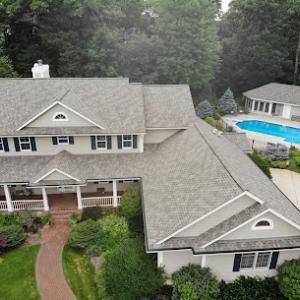
Evansen Builders
(262) 549-9700 www.evansenbuilders.com
Serving
5.0 from 77 reviews
Evansen Builders is a trusted roofing contractor for roofing, siding, and window installation projects in Waukesha and Milwaukee counties. We have the top credential of GAF that of Master Elite Roofing Contractor, also an Owens Corning Platinum Preferred Roofer, and Certainteed ShingleMaster, ensuring access to top-quality roofing materials and comprehensive warranties. Evansen Builders services the Milwaukee, Waukesha, New Berlin, Brookfield, Menomonee Falls, Pewaukee, Oak Creek, South Milwaukee, Hartland, Oconomowoc and surrounding areas
Dietscher Roofing Inc Since 1947
(414) 529-3140 www.drisince1947.com
Serving
5.0 from 8 reviews
When you have a serious project that needs to be done, look no further than Dietscher Roofing Since 1947, a staple in southeastern Wisconsin's home improvement community, Since 1947. We innovate. We deliver.

Four Leaf Roofing & Windows
(414) 455-7661 fourleafroofingwindows.com
Serving
4.9 from 151 reviews
Four Leaf Roofing & Windows can do it all, small or large! We are Wisconsin's best roofing, windows, siding, and gutters company. We specialize in working with a homeowner's insurance company and we also do retail jobs.
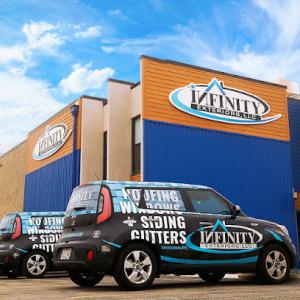
Infinity Exteriors
(262) 747-2149 www.infinityroofing.com
Serving
4.8 from 2302 reviews
Established in 1997, Infinity Exteriors is the most trusted home exterior company in Milwaukee, Wisconsin, specializing in roofing, siding, windows, and gutter replacement services. As a locally owned and trusted contractor, our licensed technicians provide residential and commercial customers with roof repair and replacement, siding and window installation, and gutter systems. Infinity Exteriors prioritizes honest communication and offers no-pressure inspections for all projects. Since our founding, we have completed thousands of projects and earned an A+ rating with the Better Business Bureau. No roofing contractor in Milwaukee, Wisconsin, offers the same high caliber of roofing installation and repair at prices as competitive as ours.
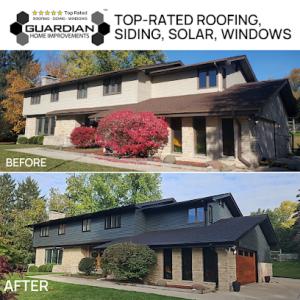
Guardian Home Improvements
(414) 226-5619 guardianexts.com
Serving
4.8 from 458 reviews
We proudly serve Southeast Wisconsin as a top-rated roofing and exterior contractor specializing in durable, high-quality home and commercial improvements. From asphalt and metal roofing to siding, windows, and solar, Guardian Home Improvements delivers long-lasting protection and peace of mind. Our thorough inspections, transparent options, and consumer-focused process help you make confident, informed decisions. We’re local, reliable, and dedicated to providing superior craftsmanship for homes and businesses across New Berlin and the Milwaukee area.
Quality Home Exteriors - Roofing Contractor
(262) 662-1414 qualityhomeexteriors.com
Serving
5.0 from 31 reviews
Quality Home Exteriors WI specializes in roofing and exterior remodeling, offering top-quality roofing installation, siding, windows, and gutters. We also provide interior remodeling services, including kitchen and bathroom renovations, as well as fire and water damage restoration, serving Southeastern WI with reliable craftsmanship. Roofing remains our core expertise, ensuring your home is protected with durable, expertly installed solutions.
Absolute Restorations
(414) 739-4251 absolute-restorations.com
Serving
4.9 from 85 reviews
𝐀𝐛𝐬𝐨𝐥𝐮𝐭𝐞 𝐑𝐞𝐬𝐭𝐨𝐫𝐚𝐭𝐢𝐨𝐧𝐬 provides expert 𝐰𝐚𝐭𝐞𝐫 𝐝𝐚𝐦𝐚𝐠𝐞 𝐫𝐞𝐬𝐭𝐨𝐫𝐚𝐭𝐢𝐨𝐧, 𝐟𝐢𝐫𝐞 repair, 𝐦𝐨𝐥𝐝 mitigation, and 𝐰𝐞𝐚𝐭𝐡𝐞𝐫 reconstruction 𝐬𝐞𝐫𝐯𝐢𝐜𝐞𝐬 across 𝐌𝐢𝐥𝐰𝐚𝐮𝐤𝐞𝐞. We specialize in restoring 𝐝𝐚𝐦𝐚𝐠𝐞𝐝 homes, multi-family units, condo associations, and commercial properties impacted by unforeseen circumstances. Our trusted team provides 𝐞𝐦𝐞𝐫𝐠𝐞𝐧𝐜𝐲 response, insurance claim support, and complete restoration solutions. With satellite locations in Madison, Fox Valley, and Racine, we proudly serve 𝐖𝐚𝐮𝐰𝐚𝐭𝐨𝐬𝐚, 𝐖𝐞𝐬𝐭 𝐀𝐥𝐥𝐢𝐬, 𝐁𝐫𝐨𝐨𝐤𝐟𝐢𝐞𝐥𝐝, 𝐒𝐡𝐨𝐫𝐞𝐰𝐨𝐨𝐝, 𝐆𝐫𝐞𝐞𝐧𝐟𝐢𝐞𝐥𝐝, 𝐆𝐥𝐞𝐧𝐝𝐚𝐥𝐞, 𝐂𝐮𝐝𝐚𝐡𝐲, and nearby areas in 𝐖𝐢𝐬𝐜𝐨𝐧𝐬𝐢𝐧.
The Muskego climate cycles through freezing winters and thawing springs with lake-effect storms that can drive insurance claims and tighten schedules. Workable install windows are narrower than in milder markets, and sealing performance during the shoulder seasons matters for long-term durability. Late spring and early fall are the preferred replacement windows in Muskego because Wisconsin winter conditions shorten workable install periods and can affect sealing performance. Understanding the seasonal rhythm helps you plan ahead, avoid rushed crews, and reduce the chance of a roof that leaks before the first snow.
Late spring arrives after the ice has retreated and before the first heavy heat of summer. In Muskego, this period often aligns with more predictable temperatures and less tracking of moisture through finished penetrations. Early fall then offers cool, dry days before the first winter cold settles in. If you can align your project with these windows, roofing crews can complete membrane and shingle work with stable temperatures, allowing sealants and fasteners to cure properly. Target a start date after soil is workable and before overnight freezes threaten material performance or crew safety.
Summer heat can soften asphalt and affect adhesive behavior, while winter cold makes emergency patching more common than full replacement. If a summer replacement is unavoidable, plan for early morning work to minimize heat exposure and ensure sufficient curing time for underlayment and sealants. Inspect for overheating conditions that could degrade plywood or existing underlayment, and discuss shade strategies or partial daytime limits with the contractor. If a project must begin in mid-summer, confirm that the crew has a clear plan for moisture control, ventilation, and temporary weather protection to avoid warping or sealing failures.
Winter conditions can push replacements into the shoulder months when snowmelt and freeze-thaw cycles stress the roof assembly. Emergency patching is more common in mid-winter, but a full re-roof is rarely ideal in the coldest weeks. Scheduling around thaw cycles provides the best balance between material performance and crew productivity. If a thaw stretches over several days, crews can stage materials indoors and bring them out when temperatures rise, reducing frost-related issues in fasteners and adhesives.
Scheduling pressure can rise after regional storm events, which can delay projects and affect contractor availability in the Milwaukee-area labor market. After a major storm, crews may be tied up with insurance loss work or urgent repairs, pushing your project back several weeks. Build a preferred-start window with your contractor and keep a flexible backup plan for weather interruptions. Communicate anticipated storm activity in the forecast and set up a communication routine so updates travel quickly, helping you avoid last-minute scrambles.
Assess your roof after winter and before mid-spring storms, noting any known leaks, ice dam back-ups, or visible decking concerns. With a contractor, pick a 2-4 week block in late spring or early fall as your primary window, and a secondary window in late summer only if weather and moisture controls can be managed. Prepare for a phased approach if the deck shows multiple problem areas, prioritizing ventilation and underlayment repair before shingle installation. Confirm crew availability for the chosen window and establish a plan for protecting landscaping, driveways, and gutters during the replacement process.
Get a clear picture of your project costs upfront - no commitment required.
Smart Roofing & Sheet Metal Company
(414) 529-9549 www.smartroofingandsheetmetal.com
Serving
5.0 from 237 reviews
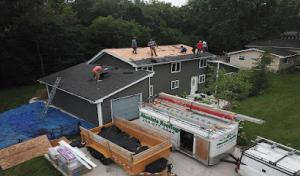
Asphalt shingles are the dominant practical choice for homes with the region's typical suburban rooflines. They line up with the broad contractor network around the Milwaukee metro area, so you'll find fast turnarounds, reliable warranties, and straightforward repairs after winter storms. For a Muskego-style climate, asphalt shingles pair well with common underlayment and attic ventilation, helping manage meltwater in the spring and minimizing the risk of ice dams when combined with proper insulation. If your goal is a familiar, serviceable option with broad local support, asphalt shingles fit the seasonal rhythm of heavy snow and freeze-thaw cycles.
Metal roofing has a meaningful local presence for homeowners prioritizing snow shedding and durability through Wisconsin winters. A metal system can reduce the depth and duration of snow buildup on slopes that see frequent troughs of wind-driven snow, which helps limit ice dam potential at eaves. If you consider metal, plan for compatibility with existing soffit and ventilation, and ensure the chosen profile and fastener sealant are rated for freeze-thaw exposure. Metal can be more forgiving in harsh load scenarios, but it benefits from a solid, moisture-proof underlayment and careful installation around transitions, chimneys, and vent stacks.
Wood shakes, tile, and synthetic products exist in this market, but their suitability depends heavily on structural load, maintenance tolerance, and how they handle freeze-thaw exposure. Wood shakes introduce additional weight and exposure to moisture cycles, requiring a reinforced deck and meticulous sealing to resist ice buildup. Clay and concrete tiles bring distinctive aesthetics but can be unforgiving on loads and installers if the roof isn't built to bear periodic freeze-thaw stress. Synthetic shingles offer versatility, yet still need solid insulation, proper underlapping, and durable sealants to perform reliably through winter storms and recurring thaw cycles.
In Muskego, pricing for asphalt shingles typically runs from 350 to 700 per square, metal from 700 to 1400, clay tile from 900 to 1800, concrete tile from 850 to 1500, wood shingles or shakes from 600 to 1100, and synthetic or composite shingles from 500 to 900. These ranges reflect the regional mix of housing stock, off-season demand, and the fact that larger or steeper homes often push labor and material needs higher. When you compare bids, verify whether the estimate includes tear-off, disposal, and any necessary underlayment or ventilation work, since those line items can swing the total quickly.
Storm-driven demand across the Milwaukee metro and southeastern Wisconsin tightens labor availability for re-roofing crews. In Muskego, that translates into shorter bidding windows and the possibility of rush charges if contractors are juggling multiple projects after a heavy snow or ice event. If a storm hits, expect prices to drift upward, and schedule sensitivity becomes real: delays in access, material backorders, and the need to secure crews can all impact the bottom line. Planning ahead with a trusted local contractor can cushion these swings.
Winter damage and the transition to spring drive a particular set of cost pressures. Ice dams, heavy snow loads, and freeze-thaw cycles increase the likelihood of urgent or multi-layer repairs, which often require extra tear-off depth, more ventilation work, and extended cleanup. Tear-off complexity matters: if the roof has multiple layers or requires careful membrane replacement, labor hours jump. Ventilation corrections-especially in older homes with marginal attic airflow-can add to the project not just in materials but in the time needed to ensure long-term performance against future winter cycles.
Cleanup expectations are a strong local market driver. Clean removal of debris, proper disposal, and post-installation site protection are common customer expectations here. If the project includes storm damage repair, bidders may present a bundled price that covers disposal and site cleanup, but it's critical to confirm what "cleanup included" covers and whether there are any potential additional charges for haul-away or damaged deck boards adjacent to the work area.
Budgeting quick tips: ask for a line-item breakdown showing tear-off, disposal, underlayment, ventilation, and cleanup. Compare equivalent scopes from competing bids to avoid gaps in what's included. If a storm event is recent, request a projected timeline for scheduling and any contingency allowances for material lead times, so the final number stays aligned with Muskego's winter-to-spring roof cycle.
Residential reroof projects in Muskego generally require a building permit through the city's building department. Before any shingle or metal upfit begins, you or your contractor should file for permit approval, ensuring the scope of work, venting, and flashing details align with local code expectations. The process tends to be straightforward for standard re-roofs, but it's crucial to start early in winter or early spring when ice dam risk and storm-related claim timing can drive project urgency. Missteps on permitting can slow you down during a season when slow windows can translate to repeated exposure to winter weather.
Inspections in Muskego typically include a rough-framing stage when applicable and a final inspection to verify installation details and venting compliance. The rough-framing check is most common when structural components are altered or when the roof requires updated sheathing, while the final inspection confirms that underlayment, starter courses, flashing, and attic ventilation meet code and the MTL (minimum thermal lighting) expectations that support efficient moisture management during thaw cycles. Expect scheduling coordination with the building department to align with dry, above-freezing days, especially after a heavy snow event or windstorm.
Standard residential re-roof plan review is usually straightforward, but contractors are expected to be licensed and to coordinate inspection scheduling with the city. A licensed contractor brings familiarity with Muskego's layering of snow-load considerations, attic venting requirements, and chimney/vent pipe flashing specifics that matter for Ohio-style winters. When planning a project, ensure the contractor provides complete plan details, including venting layouts and flashing transitions, and that permit approvals are linked to the inspection timeline so that milestones stay on track through late-winter and early-spring melt periods.
In Muskego, the insurance environment sits in a Wisconsin pattern where weather-driven hail and wind claims are common enough that documentation quality can materially affect outcomes. When a roof issue surfaces after a late-winter storm or a spring thaw, you can expect adjusters to scrutinize how damage is described and dated. Insurers often want clear, date-stamped photos, damage mapping that shows the roof's condition over time, and sometimes independent weather-event reports. Accurate, organized records can make the difference between a timely approval and a drawn-out back-and-forth.
The winter-to-spring cycle in this area shapes when claims get filed and how quickly decisions move. Ice dams, heavy snow loads, and freeze-thaw cycles can hide leaks or stress the fastest-acting fail points on the roof. If a storm pushes moisture under shingles or through vents, documenting the sequence-storm date, subsequent thaw, visible damage progression-helps avoid misinterpretation. Local carriers increasingly request weather-event support to substantiate claims. Prepare a brief, chronological log tied to photos and site notes so the insurer can verify the progression if a replacement becomes necessary.
The market here remains relatively stable, but some regional carriers re-margin in higher-risk zones, making claim history and current roof condition more influential for future underwriting. A single large claim can influence annual premiums or eligibility for certain policies, especially if multiple events accumulate over several winters. Maintaining a proactive, transparent record of roof condition and storm-related damage can mitigate surprises at renewal. In practice, that means timely reporting, consistent documentation, and honest communication about ongoing risks like ice dam formation and wind-driven debris.
In Muskego's climate, eaves and valleys take the brunt of ice backup and spring moisture. A frequent fail point is where shingles overhang into the overhang or where two roofing planes meet at a valley. Ice dams form when heat in the attic climbs up the underside of the roof, melting snow near the top of the slope and refreezing at the eave. Check that eave overhangs are properly sealed, gutters are clear, and the edge metal or drip edge is intact. Valleys need careful flashing that runs under shingles on both sides and extends far enough to shed ice and water toward open water drainage routes. If flashing looks loose or gaps appear where shingles meet, water can back up into the attic or drip into interior walls.
Ventilation problems matter locally because poor attic airflow worsens uneven melt patterns that feed ice dams during Wisconsin winters. A half-empty attic or blocked soffit vents allows heat to accumulate, creating hot spots on the roof surface. Ensure soffit intake is unobstructed and that ridge or roof vents are sufficient for the attic size. In many Muskego homes, even a modest improvement in attic ventilation can reduce the frequency of ice dam formation and slow the freeze-thaw cycle attack on roofing felt and fasteners. Consider a blower door or infrared test to identify insulation gaps that let warm air reach the roof deck.
Skylights and chimney transitions deserve extra scrutiny in this market because both are common service categories among local contractors and are vulnerable during freeze-thaw cycles. Flashing around skylights should be continuous and seated with proper kick-out details to route water away from the seals. Chimney collars, step flashing, and counter-flashing must be inspected for rust, lifting, or gaps where ice can breach the barrier. When ice is present, look for staining around these penetrations, which signals slow leaks. Re-seal or re-flash as needed, and verify that sealants are rated for winter use and temperature swings.
Find contractors experienced in skylight installation, flashing, and leak repairs to bring natural light into your home.