
Last updated: Apr 19, 2026
Winter in this area creates a hard, urgent problem: ice dams form when heat escaping from the attic melts snow on the roof, then refreezes at the eaves, backing up gutters and driving water under shingles. In New Berlin, roof problems commonly cluster around winter ice dams and spring hail and wind events rather than a single year-round hazard pattern. That means a small leak today can become a big, rapid-blown-water problem after a thaw or a fresh storm in late February or March. The immediate takeaway is proactive readiness: ensure attic insulation is up to par, seal attic penetrations that leak cold air, and have a plan for rapid inspection after any winter warm spell followed by a heavy freeze. If ice dams appear or there is visible staining on ceilings, treat it as a warning sign rather than a cosmetic nuisance. Delays let water travel and damage decking, flashing, and interior finishes, multiplying repair complexity and cost.
Spring in this climate brings hail and wind events that can create multiple small punctures that feed under shingles and into underlying layers. In New Berlin, the pattern is not a single catastrophic year but clustered incidents that strain the typical residential roof stock, which is pitched and commonly shows wear after a long winter. After a heavy hail or wind episode, immediate, careful inspection is the smart move. Look for bruising on asphalt shingles, lifted edges, dented metal flashings, and loose or displaced gutters. If damage is found, document with photos, especially before any temporary tarping or repair, so when a claim is filed, the history is clear and usable for adjusters. Don't wait for a stubborn leak to appear in the living space; the first signs of damaged granules in gutters or staining in the attic are your signal to bring in a roofing pro for a targeted assessment.
The local replacement season is typically concentrated from late spring through early fall because Wisconsin winter conditions and wet spring stretches can delay tear-offs and inspections. A key practical rule is to time major work after the latest severe weather cycle has passed but before the harshest mid-season heat, which can complicate roof installation and ventilation work. For storm-damaged roofs, that often means lining up assessments and contractor availability as soon as the weather window opens, then coordinating with insurance timelines that frequently drive decisions in this market.
Insurance activity is a meaningful part of the local roofing market because hail and wind events in southeastern Wisconsin regularly generate documentation-heavy claims and adjuster visits. In this context, every rooftop event-seen or unseen-should be treated as potential evidence. Maintain a precise photographic log, dated notes on issue progression, and a clear history of any temporary repairs. When a claim is filed, that record helps streamline the adjuster's inspection and minimizes back-and-forth. If a refusal or dispute arises, rely on a professional roof evaluation that explains how damage extends beyond the visible surface and why a full replacement may be warranted to protect the home's structure and interior.
Asphalt shingles are the dominant roofing material in this market, so most homes arrive with asphalt already in place or with a plan to replace it with asphalt after a storm or age-related failure. The practical implication is that local crews are most comfortable with asphalt, have readily available stock, and track record for quick repairs after wind events. Metal roofing appears in the mix, but contractor availability and familiarity sit at a lower level than asphalt. This matters when scheduling a replacement after hail or a winter freeze, because you'll want access to a crew that can handle panels, flashing, and attic venting with the same precision you'd expect from asphalt. In the end, most homeowners are weighing a higher upfront commitment against better snow shedding and long-term durability in Wisconsin winters.
Metal roofing can be appealing in Wisconsin weather thanks to its snow-shedding characteristics and durable performance in freeze-thaw cycles. If your home faces repeated heavy snow loads, or you've had trouble with ice dams in past winters, metal can offer a practical advantage by reducing the amount of packed snow that sits on the roof. In this market, you'll find fewer metal specialists, which can translate into longer lead times or scheduling considerations after a major storm. If you're weighing metal, think about long-term maintenance and how your chosen contractor will handle underlayment, ridge venting, and potential panel seam upkeep. For suburban homes with close-proximity neighbors, metal's sound and appearance may also influence choice, especially if you're considering color matching and the visual impact of a taller roof profile.
Begin with the climate-driven goals: you want reliable weather resistance, good attic ventilation, and a roof that manages ice dams without creating new cold spots. Asphalt delivers familiarity and ease of repair, with options that suit varied budget bands while offering solid performance in wind and hail-prone springs. If you're leaning toward metal, verify local crew experience with the specific panel type, assess the underlayment strategy, and confirm compatibility with existing attic baffles and vents. Consider the roof's pitch and orientation; steeper pitches shed snow more readily, which can influence whether metal's benefits justify the investment.
In this market, storm damage is a frequent prompt for replacement, and tractable repair options are valued highly. Asphalt shingles typically offer straightforward fixes for granular loss or minor wind damage, while metal repairs can involve panel realignment or replacing sections, which may require a specialist. If an insurance-driven timeline comes into play after a hail event, the ease of permit-based scheduling and the speed of material delivery can tilt the decision toward the option that aligns with contractor availability and your preferred repair window. For most homeowners, asphalt remains the baseline choice, with metal reserved for specific goals like enhanced snow shedding or a distinctive look. Tile and cedar options exist but stay as niche considerations when faced with practical re-roofing decisions on suburban homes.
In this area, storm-driven demand after hail and wind events can tighten labor availability across the Milwaukee market, and that pressure often shows up in scheduling and bid timing. When a neighborhood gets hit hard, crews move fast on a handful of projects, and many homes end up in line for replacements rather than minor repairs. That dynamic pushes project start dates out and can affect material ordering windows and the pace of teardown and reinstall. Your project's final price will reflect how quickly a crew can start, how many days the roof must be off, and how aggressively local supply chains respond to the latest storm cycle.
Most projects here are full residential re-roofs rather than specialty systems, so budgeting centers on material selection, tear-off scope, roof complexity, and seasonal timing. Asphalt shingles remain the baseline, but if the roof has steeper pitches, multiple planes, or complex intersections, expect the square-foot cost to rise. Metal roofing and concrete or clay tiles bring higher upfront material costs, but long-term durability and wind resistance can shift the equation in storms-prone years. Use the typical ranges below to frame bid comparisons:
Keep in mind that a higher-end material often tightens the windows for scheduling after a hail event, since specialty crews and specific underlayment or flashing components may be in shorter supply. A common approach is to price the roof as a full replacement with a conservative allowance for debris disposal and tear-off complexity, then adjust for material choice as a separate line item in the proposal.
Timing matters here more than exotic system configurations. If a storm spike hits in late spring or early fall, bids can arrive with shorter lead times for shingles and fasteners, but crew availability may lag as crews chase deteriorating weather windows. If the work can wait a season for a more favorable labor market, the price can stabilize, and scheduling can become more predictable. Conversely, a rush to meet insurer-driven timelines after storm damage can compress the bid timeline and push soft costs upward, particularly for tear-off coordination and waste disposal.
Full-tear-off projects dominate locally, and that scope adds labor and disposal costs beyond material price. The number of layers to remove, the method of disposal, and the presence of any underlying damage (sheathing soft spots, rot, or previous improper installations) all influence total spend. If the roof deck needs replacement or repair, anticipate additional per-square costs. A well-documented tear-off scope helps avoid surprises in the contractor's final invoice.
When comparing bids, prefer a clearly defined scope: roof area in squares, number of layers to remove, underlayment type, new total system warranty, and exact inclusions for fasteners, flashing, and ventilation. Ask for a calendar window that accommodates the anticipated storm pattern, and request a staged payment plan aligned with milestone starts. In New Berlin, price transparency tied to material choice, tear-off scope, roof complexity, and seasonal timing yields the most practical path to a predictable project outcome.
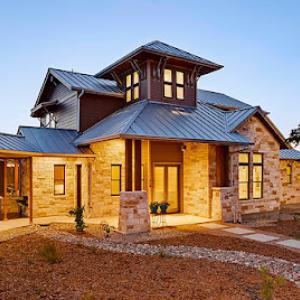
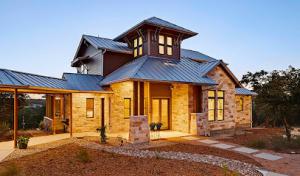
Smart Roofing & Sheet Metal Company
(414) 529-9549 www.smartroofingandsheetmetal.com
4985 S Sunny Slope Rd, New Berlin, Wisconsin
5.0 from 237 reviews
Established in 1950, Smart Roofing & Sheet Metal Company is your 3rd generation family-owned business offering residential and commercial roofing solutions in Waukesha County, Greater Milwaukee County, Walworth County, Ozaukee county and Racine County areas. We specialize in shingle roof replacements, metal roof replacements, new roof installations, roof repairs, gutter and gutter guard installations, solar installations, and window replacements. Committed to quality craftmanship, we hold an A+ rating from the Better Business Bureau and have earned Angie's List Super Service Award recognition. Certified by leading manufacturers, we ensure clients like you receive the best materials, techniques, and service.
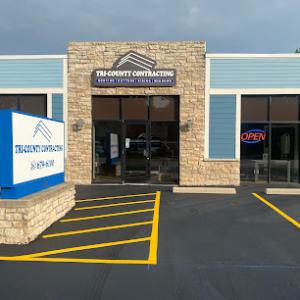
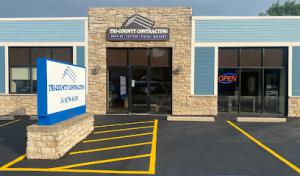
Tri-County Contracting
(262) 287-9871 tricountycontractingwi.com
18500 W National Ave, New Berlin, Wisconsin
4.9 from 585 reviews
Tri-County Contracting in New Berlin provides reliable roof replacements and professional roofing services for homeowners facing Wisconsin’s harsh weather and seasonal storm wear. Our team helps address common local challenges like aging shingles, heavy snow loads, and wind-related roof damage. We focus on delivering durable solutions that fit the needs of homes throughout the area. Tri-County Contracting is known for experienced roofers, dependable service, and fully licensed, insured workmanship you can trust.
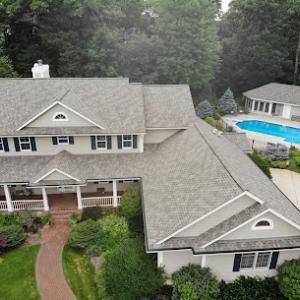
Evansen Builders
(262) 549-9700 www.evansenbuilders.com
20215 Rustic Ridge Ct, New Berlin, Wisconsin
5.0 from 77 reviews
Evansen Builders is a trusted roofing contractor for roofing, siding, and window installation projects in Waukesha and Milwaukee counties. We have the top credential of GAF that of Master Elite Roofing Contractor, also an Owens Corning Platinum Preferred Roofer, and Certainteed ShingleMaster, ensuring access to top-quality roofing materials and comprehensive warranties. Evansen Builders services the Milwaukee, Waukesha, New Berlin, Brookfield, Menomonee Falls, Pewaukee, Oak Creek, South Milwaukee, Hartland, Oconomowoc and surrounding areas
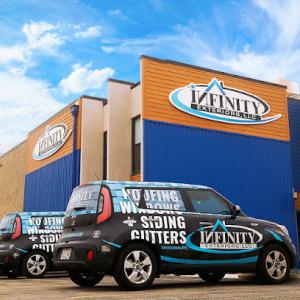
Infinity Exteriors
(262) 747-2149 www.infinityroofing.com
16600 W Cleveland Ave, New Berlin, Wisconsin
4.8 from 2302 reviews
Established in 1997, Infinity Exteriors is the most trusted home exterior company in Milwaukee, Wisconsin, specializing in roofing, siding, windows, and gutter replacement services. As a locally owned and trusted contractor, our licensed technicians provide residential and commercial customers with roof repair and replacement, siding and window installation, and gutter systems. Infinity Exteriors prioritizes honest communication and offers no-pressure inspections for all projects. Since our founding, we have completed thousands of projects and earned an A+ rating with the Better Business Bureau. No roofing contractor in Milwaukee, Wisconsin, offers the same high caliber of roofing installation and repair at prices as competitive as ours.
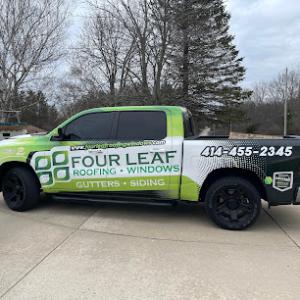
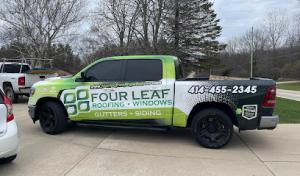
Four Leaf Roofing & Windows
(414) 455-7661 fourleafroofingwindows.com
2875 S Moorland Rd, New Berlin, Wisconsin
4.9 from 151 reviews
Four Leaf Roofing & Windows can do it all, small or large! We are Wisconsin's best roofing, windows, siding, and gutters company. We specialize in working with a homeowner's insurance company and we also do retail jobs.
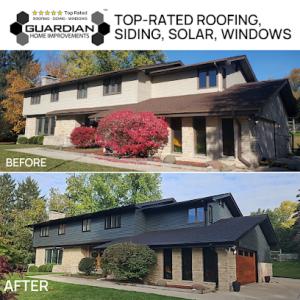
Guardian Home Improvements
(414) 226-5619 guardianexts.com
16920 W Cleveland Ave, New Berlin, Wisconsin
4.8 from 458 reviews
We proudly serve Southeast Wisconsin as a top-rated roofing and exterior contractor specializing in durable, high-quality home and commercial improvements. From asphalt and metal roofing to siding, windows, and solar, Guardian Home Improvements delivers long-lasting protection and peace of mind. Our thorough inspections, transparent options, and consumer-focused process help you make confident, informed decisions. We’re local, reliable, and dedicated to providing superior craftsmanship for homes and businesses across New Berlin and the Milwaukee area.
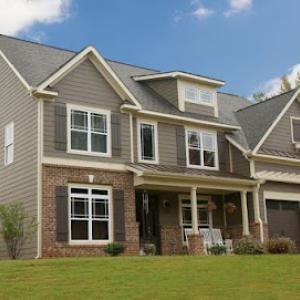
Elite Exteriors
(262) 641-5760 eliteexteriorswi.com
17400 W National Ave, New Berlin, Wisconsin
4.7 from 127 reviews
Elite Exteriors, LLC is a family-owned business located in New Berlin servicing all of south-eastern Wisconsin. Elite Exteriors is an award-winning home improvement contractor specializing in roofing, siding, window replacement, decks, rough/finish carpentry, and much more. When you choose Elite Exteriors you can expect the highest quality materials, superior service and no hassle.
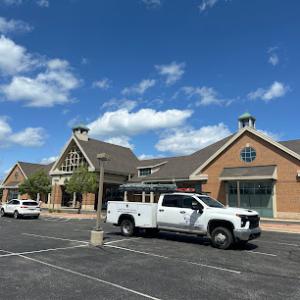
Vidmar Roofing
(262) 971-1500 vidmarroofing.com
6270 S Martin Rd, New Berlin, Wisconsin
4.7 from 44 reviews
Vidmar Roofing is a third generation roofing company that specializes in shingle and flat roofs.
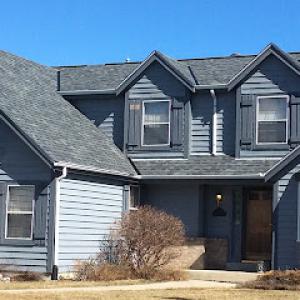
Reimer Roofing & Remodeling
(414) 412-7848 www.reimerroofing.com
13225 W Honey Ln, New Berlin, Wisconsin
4.7 from 25 reviews
Reimer roofing and remodeling is a full service home remodeling company serving Southeast Wisconsin. For over 15 years, we have been providing outstanding roofing, window and siding services. We are family owned and operated and founded on the belief that exceeding customer expectations is the most important aspect of our business. Our team treats every project with the highest level of professionalism to get the job done correctly and on time. By offering fair prices and quality workmanship we have been consistent in providing customer satisfaction as proven by our A+ BBB accreditation.
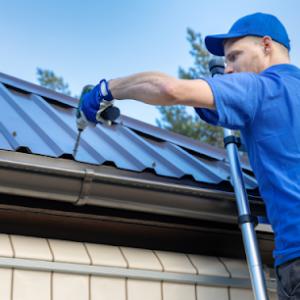
Nex Level Roofing
(262) 299-3677 nexlevelroofing.com
2350 S 170th St, New Berlin, Wisconsin
4.6 from 28 reviews
Looking for roofing contractors Milwaukee who offers a variety of local roofing services? Nex Level Roofing is a local family-owned, Milwaukee roofing contractor that is licensed & insured that provides full roofing services using high-quality materials for 100% customer satisfaction guarantee. We are a Milwaukee roofing company that has a reliable team of Milwaukee Roofing Experts who offer roofing services. Residential roofing, commercial roofing, & gutter services in Milwaukee Wisconsin and surrounding areas.
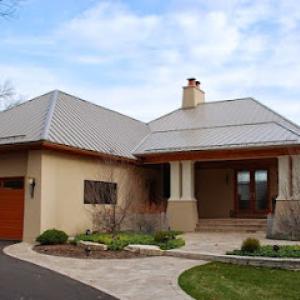
L. H. Krueger & Son
(262) 547-5054 www.lhkruegerandson.com
Serving
4.8 from 222 reviews
The L.H. Krueger and Son team handles all of your residential roofing, siding, gutter and home repair needs, no matter what the weather. In addition, L.H. Krueger and Son offers insulation, flashing, roof ventilation, leak repair, and chimney repair, as well as soffit and fascia replacement. Each service is delivered with attention to craftsmanship and affordability. Commitment to hard work, customer satisfaction and a reputation for providing quality, reliable residential exterior services is the foundation on which L.H. Krueger was built.
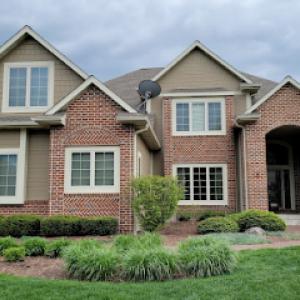
1-800-RITE-ROOF - Roofing Contractors
(262) 667-5220 1800riteroof.com
Serving
4.9 from 40 reviews
When you are ready for home improvement, you want to work with a company you know you can count on for quality, integrity and value. Here at 1-800-RITE-ROOF, we have more than two decades of experience handling different exterior renovations and improving the homes and businesses of our local customers. We understand that each client has unique needs, which is why we apply customized solutions to each job we handle. This is to make sure we meet, or even exceed, their expectations. We have made it our goal to create and deliver the home improvement solutions that families, individuals, and business owners have come to expect from a professional roofing company.
A full re-roof in this area typically requires a permit through the city's Building Inspection Department rather than being handled as an informal contractor-only job. The permit step helps ensure that storm-driven re-roof work aligns with local codes and the neighborhood's standard pitched roofing practices. Before work begins, you should plan for the permit as an integral part of the project timeline, not an afterthought. The Building Inspection Department expects that a permit is in place to protect homeowners, neighbors, and crews, especially given New Berlin's mix of freeze-thaw stress and storm-related roof activity. The permit process also supports proper coordination with utility providers and city crews who may need to confirm service clearance during larger projects.
The city generally expects a permit application that identifies project scope, roof area, and contractor information before work proceeds. You will typically need a clear description of the retrofit, including whether the project is a full tear-off or a retrofit over existing decking, the number of squares involved, and any associated structural considerations. Include the contractor's license details, insurance information, and any required subcontractor listings. Accurate roof-area calculations help prevent delays and ensure the inspection sequence aligns with the actual scope. Given New Berlin's housing stock-mostly steep-pitched, typically asphalt or metal with occasional tile-the plan should specify venting, attic insulation improvements, and drainage details to comply with local energy and safety standards. If an existing chimney, skylight, or vent penetrations are part of the project, note those boundaries and flashing details upfront to avoid rework during inspections. The application packet should also address storm-response contingencies, such as secure tarping or temporary repairs, so weather-related interruptions don't derail the permit timeline.
Inspection timing can be affected by weather and utility-clearance issues, and a final inspection is typically required before the roofing project is considered closed out. In practice, plan for several inspection milestones: a rough framing or underlayment check (if applicable), installation verification for flashing and venting, and a final roof-covering inspection once the new roofing and associated penetrations are in place. Weather events common to the Milwaukee area can delay inspections, so coordinate with the Building Inspection Department and your contractor to schedule windows when wind, rain, or snowfall is unlikely to interfere with material installation or safe access to the roof. Utility-clearance issues, such as overhead lines or gas lines near the work zone, may trigger coordination requirements with local providers before you can proceed. A completed final inspection confirms that the work meets code requirements, ensures proper ventilation and waterproofing, and allows the city to close the permit file, marking the project as officially finished.
Storms in the Milwaukee metro area arrive with a mix of wind, hail, and rapid freeze-thaw cycles that test shingles and flashing. The reality for a New Berlin roof is that insurance-driven replacements often ride the wave of an active storm season, not a calm and predictable schedule. After a significant event, expect claims to arrive in clustered bursts as neighboring homes are evaluated and adjusters move through neighborhoods. Timelines can stretch as carriers balance their own caseloads with regional weather patterns, so patience and steady documentation become essential. A homeowner who keeps a clear timeline in mind can avoid rushing into temporary repairs that may complicate later coverage decisions or settlement negotiations.
Photo documentation before and after storms is not a luxury here; it's practical protection. Take dated photos of the roof's visible condition from multiple angles, including skylight and chimney areas where damage often hides. After a hail event, capture close-ups of impact marks on shingles, gutters, and vent caps. If a contractor identifies issues such as compromised underlayment or flashing, obtain written notes or a brief report with dated observations. In this climate, ice-dam risk accompanies winter storms, so keep track of any observed water intrusion, attic condensation, or attic temperature anomalies. Concrete, clay, or metal roofing systems each respond differently to the Wisconsin freeze-thaw cycle, and a clear before-and-after trail helps shine a light on what actually changed.
Because adjuster visits are more common after significant storms in this region, homeowners benefit from preserving dated photos, contractor findings, and any temporary repair records. Have a simple binder ready with recent storm dates, contractor inspection summaries, and notes about temporary fixes like tarping or minimal shoring done to prevent further damage. If a claim involves multiple materials or roof sections, request a single point of contact at the insurer to minimize mixed messaging. Understand that claim handling can vary significantly by carrier and by the severity of regional storm activity, so timelines and documentation standards may differ from one insurer to another. Transparency with the adjuster-sharing your organized photo log and contractor notes-can help prevent funding delays or disputes over what constitutes covered damage.
Avoid delaying documentation after a storm, even if conditions seem minor at first glance. In this market, small changes can grow into larger concerns as moisture migrates or as wood components begin to deteriorate during freeze-thaw cycles. Be wary of contractors proposing expedient, full-roof overhauls without an independent assessment. Insurers may request to re-inspect after the initial report, so maintain your file with fresh, dated evidence as conditions evolve. In practice, a careful, methodical approach to evidence gathering reduces the risk of coverage gaps and supports timely, fair settlements.
Connect with contractors who help homeowners navigate the claims process from damage assessment to final approval.
Smart Roofing & Sheet Metal Company
(414) 529-9549 www.smartroofingandsheetmetal.com
4985 S Sunny Slope Rd, New Berlin, Wisconsin
5.0 from 237 reviews
Four Leaf Roofing & Windows
(414) 455-7661 fourleafroofingwindows.com
2875 S Moorland Rd, New Berlin, Wisconsin
4.9 from 151 reviews
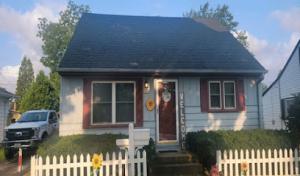
Skylights are a common source of leak risk in this market because flashing and penetration detailing are frequent homeowner concerns locally. When a skylight is installed or repaired, check that the flange sits flush against the roof deck and that the valley or curb flashing transitions smoothly to the surrounding shingles. In practice, you want a continuous seal around the skylight perimeter, with metal flashing that extends up the sides and overlaps at the top corners. In New Berlin, freeze-thaw cycles encourage small gaps to widen over time, so look for hairline cracks or dried-out sealant around the curb after the winter. If you notice moisture staining or condensation on the skylight glass, address the flashing first before pursuing interior repairs.
Chimney intersections are a notable part of the local service mix, making flashing wear and water entry around masonry transitions a practical issue in older and mid-age homes. Inspect the base flashing where chimney masonry meets the roof surface; ensure the metal is continuous and not torn or lifted by mortar trimming. Mortar joints should be intact and sealed, since crumbling mortar can lift the flashing edge and create a path for water. If you see efflorescence, damp staining, or spalling at the brick, treat the flashing as a priority-water can travel along the chimney line and appear far from the point of entry. Consider re-flashing with a flexible sealant at the transition to accommodate slight movement that occurs with seasonal temperature swings.
Freeze-thaw cycling in southeastern Wisconsin can worsen small flashing failures by repeatedly opening pathways for moisture intrusion around penetrations. Start with a careful inspection after the harshest winter and again after the first thaw run. Look for lifted shingles near penetrations, dark spots on the underlayment, and soft or damp areas along the attic ceiling near chimneys or skylights. Targeted resealing of flashing and replacement of any damaged attic-side underlayment can prevent a minor issue from becoming a major roof problem. In older homes, expect some movement at masonry transitions; use flexible flashing compounds and color-matched sealant to maintain a cohesive, weather-tight edge.
Find contractors experienced in skylight installation, flashing, and leak repairs to bring natural light into your home.
Tri-County Contracting
(262) 287-9871 tricountycontractingwi.com
18500 W National Ave, New Berlin, Wisconsin
4.9 from 585 reviews
Four Leaf Roofing & Windows
(414) 455-7661 fourleafroofingwindows.com
2875 S Moorland Rd, New Berlin, Wisconsin
4.9 from 151 reviews
Guardian Home Improvements
(414) 226-5619 guardianexts.com
16920 W Cleveland Ave, New Berlin, Wisconsin
4.8 from 458 reviews
Although the typical New Berlin homeowner replaces pitched roofs, the signaling from local contractors for flat-roof work is real-low-slope sections still matter on additions, garages, and some mixed-use structures. Those areas may look minor, but they carry a disproportionate risk if drainage or flashing isn't up to the winter demands. Don't treat these surfaces as afterthought projects when planning a remodel or expansion.
Snow retention and slow drainage on low-slope areas become a bigger concern in Wisconsin winters than in milder climates. Meltwater can pool and refreeze at transitions, creating ice dams that propagate back under shingles or panels. The result is weekend leaks that feel sudden but have a long, slow buildup. Pay extra attention to transitions where low-slope sections meet steeper roofs, and plan for reliable meltwater pathways and robust flashing.
Homeowners with mixed rooflines should not assume the same material and ventilation strategy works equally well on both steep and low-slope sections. A choice that suits a high-pitched portion may underperform on a garage or addition with a gentle slope. Prioritize materials and ventilation details that match the specific slope, airflow, and drainage needs of each plane. Uniform solutions often leave low-slope areas vulnerable to ice, pooling, and accelerated wear.
Regular inspections are essential for low-slope zones, especially after heavy snowfalls or rapid thaw cycles. Look for standing water after melts, unusual damp spots, and signs of edge movement or flashing gaps at transitions. Proactive maintenance-re-sealing seams, updating drainage outlets, and reinforcing edges-can avert costly repairs down the line.
If a structure combines steep and low-slope sections, engage a contractor who can design an integrated drainage and flashing plan. DIY fixes risk creating new cold-weather leaks or voiding warranties on flashing accessories. A professional assessment helps map out a cohesive approach that protects the entire roofscape without leaving vulnerable corners exposed.
Find specialists in TPO, EPDM, and built-up flat roofing systems for residential and commercial properties.
Four Leaf Roofing & Windows
(414) 455-7661 fourleafroofingwindows.com
2875 S Moorland Rd, New Berlin, Wisconsin
4.9 from 151 reviews
Vidmar Roofing
(262) 971-1500 vidmarroofing.com
6270 S Martin Rd, New Berlin, Wisconsin
4.7 from 44 reviews