Last updated: Apr 19, 2026
Oconomowoc sits in Wisconsin lake country, where winter roof performance is heavily affected by repeated snow accumulation followed by thaw-refreeze cycles. The pattern isn't just about the snow piling up; it's about how that snow sits on a roof and then how meltwater finds its way to the eaves. When temperatures bounce above and below freezing, gutters and shingles become a channeled path for ice to form, back up, and push water under flashing and into vulnerable joints. That cycle is the real driver of winter risk, not coastal humidity or wind alone.
The city's cold-season roofing problems are driven less by coastal moisture and more by ice damming at eaves, backed-up meltwater, and freeze-thaw stress on shingles, flashing, and valleys. Ice dams trap heat at the roof line, causing meltwater to refreeze behind the dam and invade under shingles. Valleys and flashing-the corners and joints where planes meet-bear extra strain as water seeks a gravity-fed path. Cedar, slate, and tile installations in particular show how sensitive water movement is to temperature swings, but even asphalt and synthetic layers can fail if ice dam cycles are repeated through a long winter.
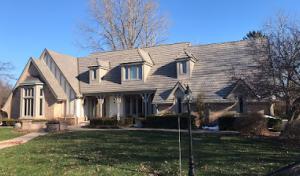
In Oconomowoc, common roof styles range from steep-slope shingle roofs to higher-end cedar and even tile surfaces. These designs can handle heavy snows when properly vented and insulated, but poor attic closure invites a rapid transfer of heat into the decking, feeding up-slope dam formation. Shingles paired with underlayment and flashing must resist repeated freeze-thaw cycles, or else small gaps become wide channels for ice and water. Valleys, chimneys, and roof-to-wall transitions demand particular attention, because they concentrate runoff and are easiest places for ice to anchor and water to back up.
Homeowners often need roof work timed outside winter because full replacements are typically pushed into late spring through early fall to avoid cold-weather installation and weather delays. If a repair is planned during winter, prioritize temporary measures that reduce heat loss from the attic and limit meltwater flow, while recognizing that some projects simply can't be completed in the deepest cold. When spring arrives, the window opens for full repairs or replacements that address the root causes of ice damming-improved insulation, better ventilation, and more robust underlayment and flashing.
Start with a proactive attic inspection to confirm insulation coverage and ventilation adequate for the attic space above your roof. Seal any gaps around penetrations and along attic soffits to reduce heat escaping to the roof deck. Consider installing heat cables only as a targeted, code-compliant solution where ice dam risk is highest, and only after you've consolidated attic warmth management. For existing roofs, prioritize repairing damaged flashing and ensuring valleys are clean and secure, so meltwater has a clear, controlled path to the eaves rather than seeping under unpredictable joints. When in doubt, consult a local roofer who understands the lake-country freeze cycle and can tailor a plan to your roof's materials and slope.
Oconomowoc homeowners face seasonal hail and wind claim activity typical of southeastern Wisconsin, making storm documentation a major part of roof ownership here. After a thunderstorm passes, steps must be taken quickly to preserve the integrity of the roof and create a solid file for a claim. Photograph every visible area: shingles, flashing along chimneys and vents, valleys, soffits, gutters, and any signs of hail pitting, curling, or granule loss. If access is safe, capture attic images showing any staining, moisture, or interior roofline sag. Keep a dated timeline of events: when hail or wind was reported, when the roof was last serviced, and when gutters and downspouts showed new damage. Insurance adjusters in this region will want a clear age for the roof, recent photos, and a damage assessment; older roofs may face stricter underwriting or higher deductibles after repeated storm seasons. Build the file with the same care given to a stormy season here, because quick, organized documentation can shape the outcome of a claim.
Summer thunderstorms can damage a newly installed roof or interrupt active tear-offs, which is especially important in a market where reroofing and quick response are common contractor selling points. If a contractor arrives during a hailstorm or after a wind event, maintain a careful, non-committal stance while documenting. Ask for written assessments that specify damage not just to visible shingles but to underlayment, drip edge, and fascia. Insurers commonly want to know the roof's age, the extent of hail or wind impact, and whether there is any water intrusion into the attic. In practice, that means keeping the contractor notes and the insurer adjuster's contact information in one place and updating it as work progresses.
In the wake of a storm, focus on preventing further damage. Use temporary tarps or boards if leaks are present and safe to install, and ensure attic vents remain unobstructed so moisture does not accumulate in hidden corners. If the interior shows signs of water, arrange a professional assessment promptly; delayed reports can complicate coverage. In Oconomowoc, where winter freeze-thaw cycles stress roofs, address any new gaps or damaged flashing before the next freeze, because cold, windy days will magnify existing vulnerabilities. Communicate clearly with the insurer: provide all photos, a measured description of observed damage, and a concise damages assessment from a qualified roofer. The goal is a fast, accurate claim that supports timely repairs and minimizes disruption during peak storm season.
Find local contractors experienced in assessing and restoring roofs after hail, wind, and severe weather events.
4 Brothers Contracting
(262) 244-5002 4brotherscontractingllc.com
20 S Main St Ste 9, Oconomowoc, Wisconsin
5.0 from 180 reviews
Approved LLC Everything Rooftop
(262) 560-0829 everythingrooftop.com
838 Dante Dr, Oconomowoc, Wisconsin
5.0 from 75 reviews
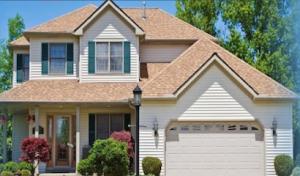
Kevin Sterwald Roofing
(920) 988-1072 kevinsterwaldroofing.com
Oconomowoc, Wisconsin
4.9 from 77 reviews
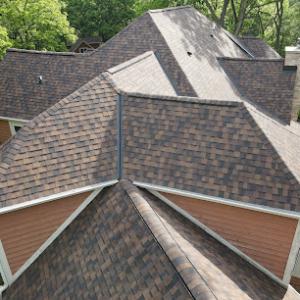
4 Brothers Contracting
(262) 244-5002 4brotherscontractingllc.com
20 S Main St Ste 9, Oconomowoc, Wisconsin
5.0 from 180 reviews
4 Brothers Contracting is an Oconomowoc, WI roofing company serving southeastern Wisconsin, providing certified roofing and siding solutions throughout the lake county community and surrounding areas including Delafield, Waukesha, Sussex and our hometown of Oconomowoc. We strive to support our local community appearance with superior quality, affordable prices and premier product to protect our clients largest investments. Our goal is to create a relationship with each client and show them we care about our craftsmanship and pride ourselves on a job done right.

Approved LLC Everything Rooftop
(262) 560-0829 everythingrooftop.com
838 Dante Dr, Oconomowoc, Wisconsin
5.0 from 75 reviews
Experience the satisfaction of professionally installed roofing, siding and gutters from a locally owned and operated contractor serving the Oconomowoc area. Since 1998, Approved, LLC has a proven track record of excellence in workmanship and support after the job is done. Your satisfaction is our ultimate goal – we’ll take the time to answer all your questions, then get your job done on time and within budget.
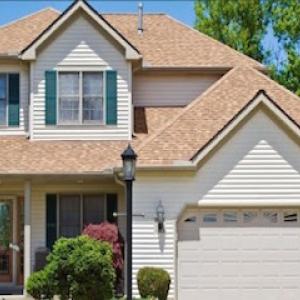
Kevin Sterwald Roofing
(920) 988-1072 kevinsterwaldroofing.com
Oconomowoc, Wisconsin
4.9 from 77 reviews
At Kevin Sterwald Roofing, we've been in business since 2001 - that's 20 years of roofing experience! We have a team of roofing and attic specialists that have literally seen it and repaired it all. Customers call us to repair their roofing and attic issues because they know we pride ourselves in diagnosing the problem accurately and completing the job the right way. We don't believe in quick, temporary fixes that will end up causing more issues in the long run. If it's not done right the first time. Our customers are never left with an unfinished project. We guarantee it.
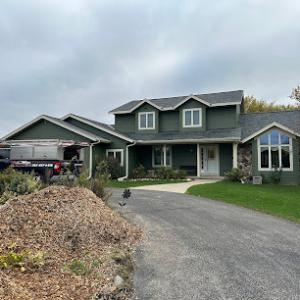
Sawvell Roofing & Siding
N3222 Valley Rd, Oconomowoc, Wisconsin
4.5 from 12 reviews
Local third generation exterior company that install all types of roofing ( asphalt. , cedar Shake, slate , metal - standing seam and Decra ( granulated metal) and siding vinyl , LP Smartside etc and windows , vinyl , wood , composite , we also install decks, Azek , wood etc
Tip Top Roofing & Gutters
(262) 269-9400 tiptoproofwi.com
Serving
5.0 from 85 reviews
Tip Top Roofing & Construction is a leading roofing and gutter contractor based in Okauchee, WI. We are a team of professionals who can tackle everything from difficult, large projects to smaller scale jobs. Fueled by our commitment to excellence, we’ve taken a comprehensive approach to project management while providing our clients with a wide range of services to cover their needs.
Colunga Anderson Roofing & Renovations
Serving
5.0 from 8 reviews
THE STRONGEST ROOFS KNOWN TO MAN™️ THE ROOFING EXPERTS™️ ✅ THE ROOFING 20 YEAR LABOR & CRAFTSMANSHIP WARRANTY ✅ BEYOND SUPERIOR QUALITY ✅ COST-REFLECTIVE RATES EMERGENCY SERVICES - BBB A+ Thousands of Roofs! Never One less than Amazing! ✨️ Beyond Superior! In-House Roofing Experts! Locally, Family & Veteran Owned. Installing Roofing Systems & Siding for Wisconsin Residents and Contractors for Over 24 Years! Going Above and Beyond, We take Pride in being the Best and BUILDING YOU PROUD! ROOFING@ColungaAnderson.com
LeFever Roofing
(262) 256-3445 www.lefeverroofing.com
Serving
4.8 from 66 reviews
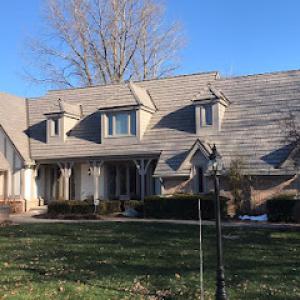
LeFever Roofing is Wisconsin's No. 1 professional installer of quality roofs, serving Waukesha, Brookfield, Mequon, River Hills, Ozaukee, and neighboring counties. Our team is highly trained and certified by our select manufacturers to ensure that the jobs we do match the highest industry standards. We specialize in cedar shake roofing and offer a variety of composite cedar shakes as well as a whole host of other products and services. We provide multiple luxury roofing styles that come in a variety of materials such as copper, DaVinci Synthetic Roofscapes, and CertainTeed Presidential Shake TL products.

Resistance Exteriors
(262) 951-0875 www.resistanceexteriors.com
Serving
4.9 from 201 reviews
Resistance Exteriors is the leading Roofing contractor near Milwaukee, WI & the surrounding areas. We proudly offer Siding and Exterior Contractors in Milwaukee! Get in touch with us if you require Roofing Contractors. Your home is valuable to you in many ways, and it isn't easy to decide because there is so much information, and you want to be sure it is taken care of properly. Choose Resistance Exteriors Contractors to work on your roof, siding, or gutters. Our certifications mean you get the best warranties and the best service available. Our commitment to customer service and quality craftsmanship guarantees you will be happy with our services for siding & gutters. Contact Resistance Exteriors to learn more about our services Today.
Community Roofing & Restoration
(414) 786-8978 www.communityroofingandrestoration.com
Serving
5.0 from 33 reviews
At Community Roofing & Restoration, we approach every project with the same level of ambition and determination as we did when we got our start in 1975. Now, more than 45 years later, we’ve become a trusted roofing contractor in Lake Country and the surrounding areas throughout Wisconsin by never compromising on quality and always providing the highest level of workmanship. We’ve been honored and recognized as one of Milwaukee’s best roofing companies for our exceptional track record. In addition to roofing services, we also install and repair gutters, windows, doors, and siding for residential and commercial properties. Contact us today for a fast, free, and friendly quote on your next home improvement project.
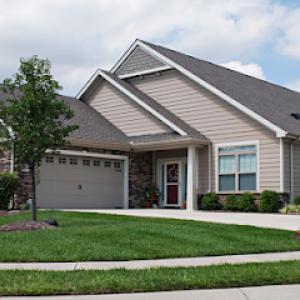
Hans Roofing & Siding
(262) 267-7128 www.hansroofingandsiding.com
Serving
5.0 from 28 reviews
Hans Roofing & Siding provides roofing, siding, gutters, windows, doors, and trims to the Southeastern, WI area.
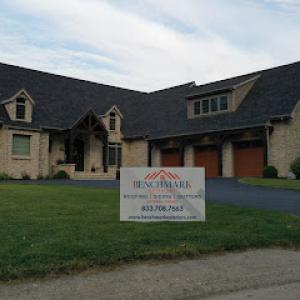
Benchmark Exteriors
(833) 708-7663 www.benchmarkexteriors.com
Serving
4.9 from 39 reviews
Benchmark Exteriors is a veteran-owned company specializing in insurance restoration. We are your premier choice for top-notch exterior remodeling, serving Hartland, WI & nearby areas. As a full-service exterior contracting company, we specialize in roofing, siding, gutters, solar energy & 24/7 emergency services. Our dedication to quality is supported by acknowledgment from Owens Corning and the Vinyl Siding Institute. Our team is dedicated to providing modern solutions and top-rated products for your home improvement needs. We believe in transparent pricing and customer satisfaction. Take advantage of our 0% interest and zero payments for a limited-time 12-month financing program. Explore our gallery, let us bring your vision to life.
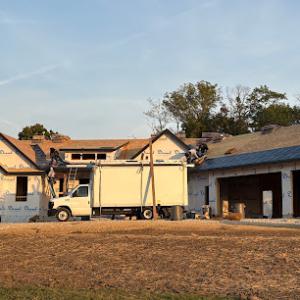
Total Exterior Pros
(262) 303-6734 totalexteriorpros.com
Serving
4.9 from 50 reviews
We are a home exterior remodeling company with over 40 years experience in these fields everything from basement egress windows to chimney tops and anything in between if its something that we don't specialize in we will say so, and point you in the direction of a competent contractor who does. Being in the trades as long as we have has brought me together with true craftsman who will always treat your home as if its their own. I literally have a list of skilled trades people that I would trust to work on your home and mine as well, when it comes to your home I want you to feel comfortable about the people that are working on it and that's why I feel very good about offering Total Exterior Pros to do that!
In this lake-country market, you'll see a broader material mix than a simple asphalt-shingle house. Asphalt shingles sit beside cedar shakes, clay and concrete tiles, synthetic or composite products, and even slate on higher-end homes. Your selection should reflect not only curb appeal but how well the roof handles snow, ice, and the freeze-thaw cycle. Cedar shakes bring a natural look and good insulation, but require careful maintenance to resist moisture infiltration and splitting after harsh winters. Clay and concrete tiles offer proven durability and a distinctive profile, yet they demand a sturdy structure and precise underlayment for ice dam resistance. Synthetic and slate options give long-term performance and a refined aesthetic, but the heavier slate still requires a robust roof deck. Choose a mix that respects the architectural language of the house while aligning with expected snow loads and seasonal temperature swings.
Freeze-thaw cycling in Oconomowoc is especially relevant for brittle or heavy roofing systems, so underlayment and flashing details matter more here than in milder climates. Start with a high-quality, multi-layer underlayment designed for cold, wet winters and repeated freeze-thaw cycles. Pay attention to roof-to-wall transitions, chimneys, and vent stacks; these are frequent failure points when ice dams form. If a roof is slated for heavier materials like slate or concrete tiles, verify that the current rafters and sheathing can carry the added load and that properly sized fasteners are used for cold-weather installation. For any steep-slope system, ensure a continuous, well-sealed Ice and Water Shield along eaves and into valleys to minimize damming risk. In tight climates with snow drift patterns, consider enhanced flashing around skylights and vent pipes to prevent snow intrusion and water infiltration after thaw cycles.
Wood shake and slate are locally relevant choices in this market, which means replacement planning often involves matching older architectural styles rather than defaulting every home to standard laminate shingles. For a historic-looking bungalow or a craftsman with a cedar profile, cedar shakes or shake-inspired synthetic products can preserve character while delivering modern performance. If the home already features a slate look, slate or high-end synthetic alternatives can be a natural extension, provided the roof structure supports the weight and proper underlayment is specified. When choosing replacement, consider the aging pattern you expect: cedar will require periodic maintenance to prevent decay and warping, while slate or tile may offer longer intervals between major overhauls but increase initial load considerations.
Begin with how the roof sheds snow and drains meltwater. A well-tied system with robust underlayment and precise flashing can dramatically reduce ice dam risk. Favor materials that balance curb appeal with proven cold-weather performance and structural compatibility. For high-end homes, slate or authentic cedar can maintain architectural fidelity, while synthetic options provide resilience and easier maintenance. Always align material choice with the home's roof pitch, existing deck capacity, and the ability to integrate effective ice mitigation details. The right combination of underlayment, flashing, and material selection will help you weather Oconomowoc winters with fewer leaks and longer service life.
Local costs span from about $350 to $700 per square for asphalt shingles, $600 to $1100 for wood shingles or shakes, $500 to $900 for synthetic/composite shingles, $800 to $1200 for clay tile, $900 to $1400 for concrete tile, and $1000 to $1800 for slate. When replacing cedar, tile, or slate on architecturally detailed homes, costs can rise compared to a straightforward asphalt reroof. In the lake-country mix of Oconomowoc, that architectural detailing is common, so expect some price variance beyond the base ranges.
Asphalt remains the practical core for many homes, especially where heavy snow and freeze-thaw cycles stress the roof. Wood shingles or shakes carry a higher premium and maintenance load, which can be magnified on steep slopes or in homes with decorative dormers. Synthetic shingles offer a balance of cost and performance, particularly for colder winters and ice dam risk. Tile and slate deliver longevity but demand substantial structural support and higher upfront investment, often justified by long service life in well-insulated, weather-tested assemblies.
Seasonal demand spikes after hail and wind events in southeastern Wisconsin tighten scheduling and labor availability. The preferred late-spring-to-early-fall replacement window concentrates project volume, so you'll want to plan ahead, especially if your roof includes cedar, tile, or slate accents. If a storm event hits, expect shifts in material availability and longer lead times for skilled crews familiar with local water management and ice dam prevention details.
Start with your existing roof type and known local costs, then add a cushion for architectural details or premium materials if applicable. For cedar, tile, or slate on a home with character features, anticipate higher bids and longer timelines. Finally, align replacement timing with calmer seasons to minimize scheduling bottlenecks and keep crews available for proper ice dam prevention and snow-load considerations.
Don't let upfront costs delay a critical repair - these contractors offer payment plans to fit your budget.
A full reroof in this lake-country community is processed through the local building department, not treated as informal maintenance. Planning ahead for the permit helps prevent delays once the project starts, particularly during the late-winter to early-spring rush when poise on snow-load and ice dam risk is top of mind for homeowners. The permit typically documents the scope of the work, roofing materials, and method, and it signals a formal review path rather than a casual approval. Expect that the department will evaluate whether the proposed reroof aligns with existing zoning, gutter or drainage arrangements, and the roof's role in storm resilience against the region's typical snowfall.
Oconomowoc generally requires inspections tied to the reroof process, including a rough-in review and a final inspection after installation is complete. The rough-in inspection is commonly scheduled after the roof deck is prepared and underlayment or starter layers are installed, but before shingles or other coverings are fully closed in. The final inspection typically occurs once the entire roof assembly, flashing, vents, and penetrations are in place and the roofline has been completed. Scheduling these inspections in coordination with the contractor ensures inspections occur promptly, minimizing the window where work may be partially exposed to snow, ice, or wind-driven water. Local weather peculiarities-freeze-thaw cycles and potential ice dam risk-mean timing can be especially critical in Oconomowoc winters, so plan for a buffer in the schedule.
Homeowners and contractors should expect the city to verify current-code compliance as part of permit processing. This often includes confirming that the selected roofing system and installation details meet local code requirements for wind resistance, attic ventilation, and drainage. In addition, the city may request contractor licensing information as part of the permit paperwork. Having up-to-date license numbers and proof of insurance on hand speeds processing and reduces the chance of delays. Be prepared to provide documentation about contractor qualifications, as the permit review aims to ensure that installers meet local standards for safety and quality, especially given the area's exposure to heavy snow loads and freeze-thaw stress.
Coordinate with your contractor to assemble required documents early, including a roofing plan, material specs, and confirmation of ventilation and insulation details. If a snowstorm is forecast during the project window, discuss contingency scheduling with the building department to avoid unnecessary hold-ups. After the work is completed, keep copies of all permit approvals and inspection notices in the project file, as you may need them for future inspections, property records, or resale. Knowing that inspections are an integral part of the reroof process can help you prepare for weather-related pauses and stay aligned with city expectations for code-compliant, durable roofing that stands up to Oconomowoc's distinctive winter conditions.
In this lake-country corner of western Waukesha County, hail and wind losses are a recurring rhythm after fierce spring storms. That means Oconomowoc is not a low-claim roofing market, and insurance considerations often shape whether you repair a damaged area or opt for a full roof replacement. The long winters amplify wear, so carriers scrutinize damage patterns closely. An insurer may push for a complete replacement if there are multiple hit points or visible aging, even when a cosmetic patch seems tempting. The consequence is that decisions should factor in not just immediate repairs, but how a claim will influence future underwriting.
Documentation matters locally. Keep date-stamped photos from before and after any storm events, and store age records for the roof and its key components. Written damage assessments from qualified inspectors or contractors should be in hand, with clear notes on the extent of wear, prior repairs, and the suspected source of damage. After a storm, insurers commonly request this kind of documentation, and having it organized can ease the process and help preserve coverage options. Organized records also reduce the guesswork during settlement, which can otherwise stall repair timelines during the worst part of winter.
Older roofs in this market may face tougher underwriting, reduced settlement flexibility, or higher deductibles, especially when prior storm wear is visible. A roof that already shows granule loss, curling shingles, or loose fasteners can be flagged for higher risk. That doesn't mean repairs are impossible, but it does mean expectations should shift toward documenting every flaw and preparing for a slower, more deliberate claims process. In practice, proactive maintenance and timely, well-documented repairs can influence coverage fate when the next storm arrives.
Skylight work is a meaningful specialty in the Oconomowoc market, indicating that leak tracing around roof penetrations is a real homeowner concern here. In winter, freeze-thaw cycles push moisture into small gaps and reopen them when temperatures swing. Chimneys, especially on older or architecturally varied homes, bring additional flashing details into play. The combination of heavy snow, ice buildup, and diverse roof lines means you should expect leak-prone areas to migrate as moisture moves with the seasons.
The flashing around skylights and chimneys is the most vulnerable point on many local roofs. Trapped moisture can expand and reopen tiny gaps through repeated winter cycles. For skylights, corner seals and curb flashing tend to fail first if they weren't properly integrated with the roof deck. For chimneys, step and continue flashing along the adjacent shingles can split or lift with heavy snow loads. In both cases, the weakest link is usually where a roof plane meets a penetration and where ice dam pressure concentrates heat loss, leading to micro-gaps that creep open.
First, inspect skylight flashing from the attic or along the edge of the curb after heavy snow melts. Look for staining, condensation patterns, or shiny new gaps at corners. Second, examine chimney flashing during a dry day; focus on the transition from flashing to shingles, and on any mortar or brickwork that might wick moisture toward the roof. Third, schedule seasonal checks with a local pro who understands wallpaper-like complexity of Oconomowoc rooflines; early intervention is cheaper than chasing a creeping leak after a mid-winter thaw. Fourth, during heavy snow seasons, consider removing snow from around penetrations when safe to do so, avoiding direct pressure on the skylight or chimney crown.
If you notice recurring moisture in the attic near a skylight or chimney, or if interior staining reappears after a repair, that's a cue to revisit the flashing assembly rather than applying a quick seal. When in doubt, a targeted inspection that traces moisture back to its source helps you avoid repeated fixes on these critical leak points, especially in a Wisconsin winter pattern where small gaps rapidly become soaking leaks.
Find contractors experienced in skylight installation, flashing, and leak repairs to bring natural light into your home.
4 Brothers Contracting
(262) 244-5002 4brotherscontractingllc.com
20 S Main St Ste 9, Oconomowoc, Wisconsin
5.0 from 180 reviews
Sawvell Roofing & Siding
N3222 Valley Rd, Oconomowoc, Wisconsin
4.5 from 12 reviews
The local market strongly favors crews built for storm volume over boutique new-construction specialists. When a winter storm rolls in and snow piles up on steep slopes, you need a crew that can mobilize fast, handle ice-dam risks, and work efficiently across multiple rooftops in a neighborhood. Look for a contractor with a documented history of rapid mobilization after major snow events and a fleet capable of handling multiple jobs without compromising quality.
Long-established and locally owned firms are well represented in this market, suggesting homeowners value tenure and accountability when comparing bids after storms. Ask for a short history of locally completed projects, especially those with similar roof types found on your block, such as steep-slope shingles, cedar, or synthetic materials. A firm that can point to repeated jobs within your subdivision or nearby neighborhoods tends to understand the local freeze-thaw cycle and seasonal wear patterns better than a more generic outfit.
Cleanup is a major local hiring signal, which matters in Oconomowoc neighborhoods where homeowners are sensitive to nails, landscaping damage, and driveway debris after tear-offs. Request a written cleanup plan and ask who is responsible for daily debris removal. A reliable crew should sweep driveways, remove parapet nails, and protect landscaped beds with tarps or boards. Confirm that weekly debris disposal runs are part of the scope, not a last-minute afterthought.
When evaluating bidders, verify references from nearby homeowners who faced similar weather conditions. Inquire about on-site supervision during tear-off and installation, and whether the crew uses drop-cloths and roof safety practices that prevent ice- and snow-related damage to gutters and siding. Local firms that commit to consistent foreman oversight tend to deliver steadier work and clearer communication during winter projects.
Before deciding, confirm that the contractor's schedule accommodates winter weather windows, ensures proper shingle alignment for snow shedding, and demonstrates a plan for minimizing ice dam risk during installation. In Oconomowoc, the best choices balance prompt response with proven, durable results from crews accustomed to heavy snow, freeze-thaw stress, and storm-driven demand.
Flat-roof specialization exists in the Oconomowoc market but is secondary to steep-slope reroofing, making this a niche issue rather than the city's main roofing story. When you add a porch, garage connection, or an addition, the low-slope section must be treated as its own weather system-distinct from the main-house roof, which often carries a different load and edge detail.
Low-slope transitions tend to trap moisture longer, especially after spring rains or thaw cycles. Freeze-thaw exposure in our winters can create micro-cracks in membranes and sealants, and slow drainage encourages ponding that can push water toward fasteners and edge details. In porch roofs and garage connections, improper slope, under-sloping, or mismatched flashing can become weak points where ice dams or ice build-up form even when the main roof isn't showing obvious trouble.
Focus on robust edge detailing where the flat or nearly-flat surface meets any vertical wall or extension. High-quality membrane choices with proven low-temperature performance are essential, as are mechanically fastening edges and providing adequate drainage paths. In our climate, you'll want a reliable termination every few feet at transitions to prevent wind-driven moisture from sneaking under seals.
Because drainage is slower on low-slope roofs, ensure a reliable fall toward scuppers or internal drains and consider secondary water barriers where appropriate. Regular inspections after snowmelt help catch slow leaks before they become larger issues. For additions with multiple penetrations (skylights, vents, or wiring conduits), ensure each detail is flashed with compatible, durable materials that resist Wisconsin freeze-thaw cycles.
If a porch, garage connection, or addition shows recurring moisture seepage, pooling, or ice dam formation along the transition, consult a flat-roof specialist. A local perspective helps tailor membrane choices and flashing details to our winter-and-spring weather patterns, avoiding costly resilience gaps in these secondary roof systems.
Find specialists in TPO, EPDM, and built-up flat roofing systems for residential and commercial properties.