
Last updated: Apr 19, 2026
Mequon roofs are exposed to cold winters with snow and repeated freeze-thaw cycles that can stress shingles, flashing, and underlayment over time. Each cycle forces moisture into corner seams, vent flashings, and edge laps, then freezes and expands, nudging fasteners loose and loosening sealants. The result is invisible damage that sneaks to leaks after the first warm spell or the next heavy snowfall. If you've noticed granule loss on asphalt shingles, hairline cracks around vents, or staining along eave lines after a thaw, that's a sign to act now. In particular, steep-slope homes common in this area make the problem worse: water travels faster along angles, and a small gap becomes a roadsign for bigger leaks down the line. Prioritize inspection after the most brutal cold snaps and after heavy thaws, because that is when the underlying damage becomes evident.
Spring storm and hail activity in this part of southeastern Wisconsin often turns older wear into visible storm damage and can trigger insurance claims. After a hail event, look for dented edges on flashing, bruised shingles, or granule sheets washed into gutters and downspouts. Even if the roof still "looks okay," hidden granule loss reduces UV protection and accelerates aging. If a claim is filed, the adjuster will scrutinize preexisting wear versus new impact, and timing matters: a delayed roof replacement can complicate coverage and increase out-of-pocket costs. Don't delay a professional inspection after a severe storm; a quick assessment can document damage now and guide the claim process, reducing the chance of disputes later. Be prepared to provide recent photos, notes on wind direction during the storm, and a timeline of any visible leaks you've already noticed inside the home.
Fall wind events and leaf buildup are a practical local concern because they affect drainage, inspection timing, and how quickly small defects become leaks. Dry, windy days can lift shingles and expose nail heads, while wet leaves clog valleys and gutters, forcing water to back up under shingles. In Mequon, where autumn storms are common, clogged drainage accelerates deck-to-roof leakage and can push water into soffits and attic spaces. A clogged eave or valley is not just unsightly; it creates a backflow path for moisture that undermines underlayment and insulation. Regular fall cleanups, a quick check of gutter alignment, and ensuring downspouts carry water away from the foundation are essential steps to keep rainwater moving properly off the roof line. If you see pooled water on a flat section or along a valley after a rain, treat it as a warning sign.
You can spot trouble early with sharp-eyed, proactive checks. After winter thaws, look for soft spots along shingles that feel spongy when pressed, loose granules at the gutters, and any curling or cupping of edging shingles. In spring, pay attention to any damp spots inside the attic, ice dams on eaves, and attic vent deficiencies that might be letting warm air escape and melt snow on the roof. In fall, scan for leaf buildup in gutters, clogged roof valleys, and damaged flashing around skylights or chimneys. Use a sturdy ladder, and never climb onto a damaged or steep roof alone. If any red flags appear-sprung nails, torn underlayment, stained ceiling sections, or persistent damp spots-call a professional for a diagnostic roof inspection without delay.
If fasteners are showing corrosion, flashing seams are lifting, or visible leaks appear during or just after a storm, contact a local roofing professional promptly. In Mequon, timing can be the difference between a straightforward repair and a full reroof, especially when insurance factors are in play. A qualified roofer can perform a careful inspection, document storm damage, verify the integrity of underlayment, and map out a repair or replacement plan that aligns with weather patterns and anticipated freeze-thaw cycles. Don't wait for a minor issue to become a major repair-your roof, attic, and walls will thank you for swift, targeted action.
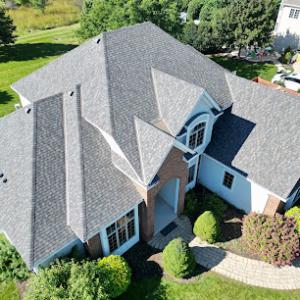
Windlickers Roofing & Exteriors
(414) 531-1729 windlickersexteriors.com
Mequon, Wisconsin
5.0 from 214 reviews
Windlickers Exteriors, a roofing company, proudly offers Roofing Contracting, Siding Contracting, Gutter Contracting, and Residential Roofing in Oconomowoc, WI, and the surrounding areas. When it comes to your number one investment you need the trust and care of professionals. Windlickers Roofing and Exteriors, located near Oconomowoc, Wisconsin, is a local family owned and operated business! In the industry since 1996, we have been inspecting, analyzing, and designing affordable roofing and exterior solutions with great skill and pride. We will work with you from start to finish. Our goal is to provide brilliant customer service and deliver meticulously installed, quality results that you can trust!
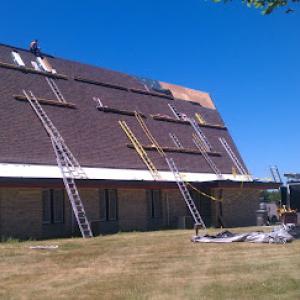
Alternative Design & Construction
(414) 745-3365 www.wisconsinroofers.com
Mequon, Wisconsin
4.9 from 39 reviews
The Roofing Solutions your Home Needs! Situated in Hartland, WI, we are a company that will take care of all your roofing needs, without delay. For more than 24 years, our experienced and capable professionals have helped many people with their roofs, by providing them with a service of superior quality. From roofing to high quality concrete services – we do it all. Below, we have listed a few examples of the roofing solutions we can deliver for you: – roof inspection and evaluation – roof repair – complex roofing services – and more! Compared to any other general contractor on the market, Alternative Design & Construction stands out with exceptional customer service, and result satisfaction.
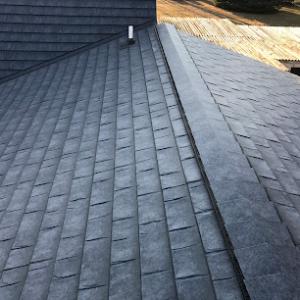
RAMZ General Construction
(414) 312-1924 ramzconstruction.com
11711 N Church Pl, Mequon, Wisconsin
5.0 from 24 reviews
At RAMZ, we are focused on providing construction services with the highest levels of customer satisfaction & we will do everything we can to meet your expectations. With a variety of services to choose from, we’re sure you’ll be happy working with us.
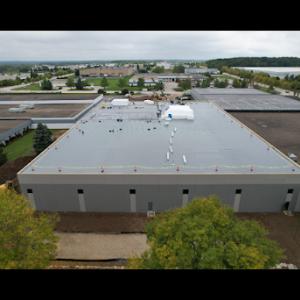
Noffke Roofing
(262) 242-5320 www.noffkeroofing.com
10341 N Granville Rd, Mequon, Wisconsin
4.6 from 35 reviews
Noffke Roofing LLC provides residential and commercial roof installations and repairs to the Mequon, WI area and Greater Milwaukee area.
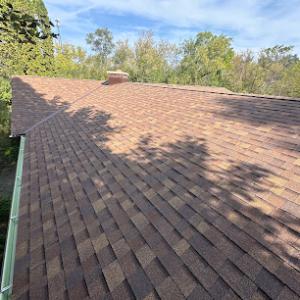
DT Exteriors
(262) 945-0841 www.dtexteriors.com
Serving
4.6 from 30 reviews
Specializing in residential roof replacement and repairs! Flat roofs, gutters, soffit, fascia, and chimney flashing. Serving all of Southeast Wisconsin. Free estimates, call today!!
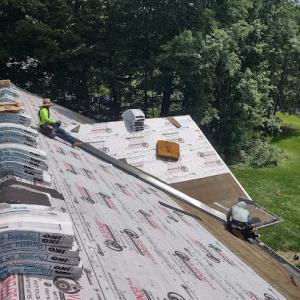
Modern Roofing
Serving
5.0 from 69 reviews
Our roofing and roofing repair company, located on the border of Pewaukee and Waukesha, specializes in providing high-quality roofing services for residential and commercial properties. We handle everything from new roof installations to repairs and maintenance. Whether you need to fix a leak, replace damaged shingles, or install a brand-new roof, our team of experienced professionals is here to help. We pride ourselves on using durable materials and delivering top-notch craftsmanship to ensure your roof is strong, long-lasting, and looks great.
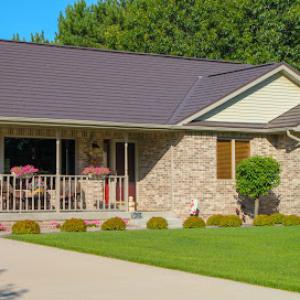
Metal Roofing Systems
(414) 727-1810 beautifulroofs.com
Serving
4.6 from 10 reviews
When it comes to metal roofing in Madison, Milwaukee, and all of Southern Wisconsin, we understand choosing the right metal roof can be a very complex decision. We, at Metal Roofing Systems can help you sort out all the variables and make the decision easier. Metal Roofing Systems has been in business more than 30 years, we have installed metal roofs all over Southern Wisconsin on homes, apartment buildings and commercial properties. We begin the process with a thorough inspection on your roof and attic, so we understand exactly what you need and propose the perfect metal roof for your property. You select the design, the color and our experienced expert technicians install your new metal roof.
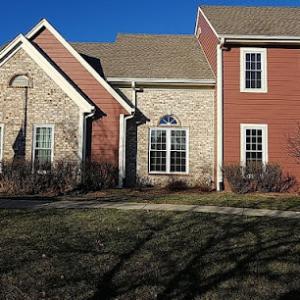
J&B Construction Company
(262) 437-0537 jandbconstruction.com
Serving
4.7 from 97 reviews
J&B Construction Company, Inc. has been delighting homeowners of southeast Wisconsin with beautiful, affordable, and energy-efficient roofing and siding for their homes since 1958. High standards are our specialty, and we proudly stand by our 12-year warranty. The services we provide at J&B Construction include residential roofing, siding, and more. In addition to using only the highest quality materials from vendors of reputable standings, J&B Construction, Inc., is a proud member of NARI and the Better Business Bureau.
Billy Goat Roofing
(414) 426-7885 www.billygoatroofing.com
Serving
5.0 from 240 reviews
Certified™ GAF Roofing Contractor serving south-eastern Wisconsin
DuraShield Roofing & Contracting
(262) 244-0749 durashieldroofingmilwaukee.com
Serving
5.0 from 37 reviews
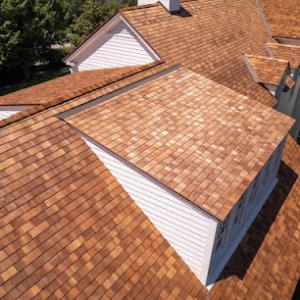
DuraShield Roofing & Contracting, located at 11414 W. Park Place Suite 202, is your go-to roofing contractor in Milwaukee, WI. Since 2003, we've been specializing in both residential and commercial roofing projects, offering comprehensive roofing services like repairs, replacements, installations, and inspections. With expertise in a variety of roofing systems, including designer asphalt shingles, metal, cedar shake, slate, and advanced composites, we provide tailored solutions for homes and businesses. Our commitment to quality is backed by top industry certifications, ensuring durable and aesthetically pleasing roofs. Choose DuraShield for expert roofing solutions that exceed expectations.
JK Contractors
(414) 333-5991 jkcontractorsinc.com
Serving
4.4 from 139 reviews
JK Contractors is family-owned and operated business, specializing in quality exterior construction work for both residential and commercial properties. With deep commitment to our community and decades of experience, we provide services in roofing, siding, gutters, windows and doors. Whether its protecting your valuable asset with a new roof or enhancing curb appeal we are here to bring your exterior dreams to life - we are the keeper of your exterior dreams! JK Contractors services the Southeast Wisconsin region.
Shake Guys
Serving
5.0 from 22 reviews
Shake Guys is a well-established, 5-star roofing company that specializes in cedar shake and composite/synthetic shake & slate roofing services. We are dedicated to delivering 100% customer satisfaction!
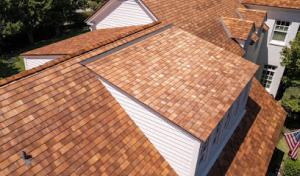
Mequon's roofscape reflects a practical mix of asphalt shingles, metal roofing, clay and concrete tile, wood shingles or shakes, and synthetic or composite shingles. Asphalt shingles remain the default choice for a durable, straightforward reroofing project on many steep-slope homes common in the area. Metal roofs are popular where a long lifespan and wind resistance are priorities, especially on homes facing frequent storm activity. Clay and concrete tiles find love on established, higher-end patterns, where a heavier roof can complement traditional designs. Wood shingles or shakes still show up on classic, timber-influenced houses, offering a timeless texture that resonates with the local housing stock. Synthetic or composite shingles provide a versatile option that blends resilience with a lower weight profile for remodels or reroofs on older structures. Each material has its own advantages in Mequon's climate, and the choice often hinges on how long a reroof is planned to last, the roof slope, and the home's architectural style.
Because winter in this area brings frequent freeze-thaw cycles, detailing at flashing, penetrations, and underlayment matters more than the material choice. In all options, the edge detail around chimneys, vent stacks, skylights, and in-between roof planes must be watertight as temperatures swing above and below freezing. Metal roofs often reveal the impact of expansion and contraction across fasteners, so correctly sealed ridge vents and penetrations are essential. Tile roofs, whether clay or concrete, require rigorous underlayment and careful flashing at transitions to prevent water intrusion if a freeze-thaw cycle creates micro-cracks. Wood shakes demand robust fastener patterns and solid valley and drip-edge integration to resist water reach during thaw events. Synthetic shingles typically offer good dimensional stability, but still need precise flashing and underlayment across complex roof geometries to avoid slow leaks after a long winter.
Storm exposure shapes the practical approach to any material. Metal roofs often perform well under high wind and hail pressure when panels are properly seated and fastened. Asphalt shingles benefit from high-wind underlayment and continuous drip-edge installation to guard against blow-off during storm surges. Tile roofs must be secured with appropriate clips and fasteners to withstand gusts, especially on exposed ridgelines. In Mequon, the distinction between storm-resilient choices versus cosmetic upgrades becomes a balance between the home's structure, the roof's slope, and the anticipated severity of seasonal storms. For steep-slope homes common in the area, ensuring a watertight transition from the roof plane to gutter systems reduces post-storm damage risk.
Regardless of material, the roof deck needs to be sound enough to support the chosen system through temperature swings and wind pressure. Underlayment quality and installation tightness contribute significantly to long-term performance in this climate. For clay or concrete tile, ensure the deck is reinforced to bear the weight and that flashing at hips, valleys, and transitions is continuous and corrosion-resistant. Wood shingles or shakes require meticulous underlayment beneath the wood layer to prevent moisture entrapment. Synthetic shingles benefit from a compatible underlayment that accommodates micro-movement and reduces crack risk at fastener penetrations. Pay special attention to attic ventilation and insulation near the roof plane; addressing those aspects mitigates ice dams and heat-related wear during shoulder seasons.
Storm damage and recurring freeze-thaw wear often influence when a reroof is scheduled. In many homes with insurance-driven repair timelines, the decision to reroof will hinge on the extent of damage, the remaining life of the existing deck, and the compatibility of the replacement material with the home's architectural language. A measured approach during a storm-damage assessment ensures the selected material delivers the best balance of durability, appearance, and long-term value for the specific Mequon setting. Wood shakes and cedar-style systems, while requiring proactive maintenance, remain popular for their classic look and compatibility with older neighborhoods, but they demand careful maintenance to resist moisture intrusion in freeze-thaw cycles.
Typical material pricing in this area runs from about $350 to $600 per square for asphalt shingles, $700 to $1200 for metal, $1100 to $2000 for clay tile, $1000 to $1800 for concrete tile, $700 to $1300 for wood shingles or shakes, and $550 to $1000 for synthetic or composite shingles. These ranges reflect the mix of steep-slope homes and premium options common on residential streets in town. When evaluating bids, you'll notice metal and tile options sitting at the higher end, but they can offer longer service life or better hail resistance, which matters after a severe storm season. If a contractor proposes a premium underlayment, upgraded fasteners, or enhanced ventilation, expect the price to climb within these ranges.
Costs in a given year can rise after regional hail and wind events when demand surges for reroofing, emergency dry-in work, and insurance-scope repairs. If a storm hits in spring or fall, crews will be booked solid, and pricing tends to reflect the tighter labor market and the urgency of protecting interiors. In a typical Mequon cycle, a homeowner should anticipate possible premium surges if a nearby hail event or windstorm creates a wave of recall work and insurance-friendly scope adjustments. Plan for a faster turn from assessment to contract if your insurer is authorizing roof-related repairs or replacements and your roof is flagged for wind or hail damage.
The local inventory leans toward steep-slope residential roofs and a preference for higher-quality materials, which increases labor complexity compared with basic low-slope replacement work. Steep pitches require additional safety measures, longer setup times, and more precise shingle alignment, all of which push labor costs upward. Premium materials, such as tile or composite products, carry not only higher material prices but also specialized installation labor. Roofing crews that regularly handle historic or premium homes may quote a higher overall price due to longer install windows and the need for meticulous detailing around ridges, fascia, and chimneys.
When an insurance scope is involved, the timing of reroof work can hinge on how quickly the adjuster completes a claim and releases funds. If the claim is approved, you'll want to align materials and crew availability to prevent delays in dry-in and weather sealing, especially through freeze-thaw cycles. Start with an inspection that documents hail or wind damage, and compare multiple bids that clearly break out material, labor, and any add-ons. Given the local pricing ranges and the potential for surge periods, it's prudent to reserve a cushion for weather-related contingencies and to confirm that the bid includes proper insulation and ventilation considerations for a cold-meadow climate.
Get a clear picture of your project costs upfront - no commitment required.
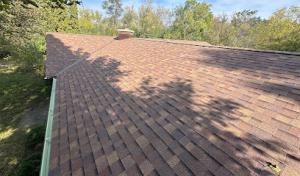
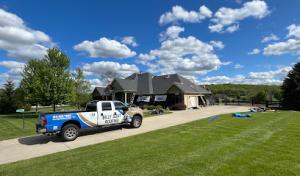
In Mequon, a permit is typically required for a full reroof. The permit process is designed to ensure that roof work meets local codes and is prepared to withstand the area's freeze-thaw cycles and storm events. A homeowner or contractor must initiate the permit through the City of Mequon Building Department, knowing that plan review and fee payment precede any on-site work. Understanding that sequence helps avoid delays that can push reroof projects into peak repair seasons or during winter freeze-thaw periods, when conditions can complicate installation and inspection scheduling.
Before any shingles come off, you or your contractor should assemble a complete set of submittals for review. Expect to provide roof framing details, underlayment type, ventilation strategy, flashing configurations, and fastener patterns appropriate for wind exposure and local snow loads. For steep-slope homes common in the area, plan details that demonstrate proper edge protection, fall arrest readiness, and securement during windy days are particularly important. The Building Department will check these plans against the adopted code provisions and the city's wind uplift and moisture management expectations. Timely submission with clear specifications can smooth the review, help the inspector anticipate site needs, and reduce rework during installation.
Inspections are scheduled during construction as the work progresses. Typical checkpoints include initial scaffold or roof deck exposure, underlayment installation, flashing around vents and penetrations, and final detailing of venting and fasteners. In a climate with significant freeze-thaw cycles, inspectors pay close attention to proper underlayment sealing, flashing integration, and ventilation pathways to minimize ice dam risks and moisture intrusion. Coordinate with the contractor to ensure access is available for the inspector at the designated times and that any required test openings or access points are prepared in advance.
The final inspection confirms compliance with flashing, underlayment, venting, and fastener installation. This inspection verifies that the reroof system aligns with the permit plan and that all components are installed to withstand local weather conditions, including wind-driven rain and hail events. After approval, keeping a copy of the permit and the final inspection record with the home can simplify future transactions and any potential insurance or warranty reviews. If adjustments are needed, the inspector will outline corrective steps and timelines to bring the project into full compliance.
Hail and wind claims are common here, and roofing decisions are often tied directly to how well storm events are documented. After a hail or wind event, a well-documented roof assessment can determine whether you're positioned for a replacement or a repair, and whether your insurer will authorize major work. Photos, dated records, and a clear timeline of the damage help a homeowner avoid delays caused by guesswork or incomplete information. Expect weathered shingles, bruising on metal, dents in gutters, and other telltale signs that warrant closer inspection by a roofing professional familiar with our local climate.
Insurers in this region often require thorough documentation and pre-authorization for major replacements, especially after storms. A common scenario is that the carrier will ask for a contractor to provide a detailed scope of work and an estimate before approving a full reroof. The scope should align with the observed damage, include a line-by-line treatment of components, and clearly indicate whether ventilation, underlayment, or flashing need upgrades to meet current performance standards. Delays can arise if the scope lacks specificity or if backup documentation isn't provided promptly, so organize trust-worthy paperwork early.
Adjusters may request contractor of record information and a detailed scope of work, and some carriers have tightened coverage or changed depreciation treatment after storms. Having a contractor who can speak to the Mequon climate-ice dam formation tendencies, wind uplift on steep slopes, and hail resistance-helps. A reputable contractor can provide a coherent, inspector-friendly packet: photos from multiple angles, a narrative of observed damage, and a construction plan that matches insurer expectations. Keep your communication channels clear: confirm who is the point of contact, what documentation is needed, and the expected timeline for approval and scheduling.
Storm-driven reroof timing is influenced by insurance approvals and weather windows. In between storm aftermath and approved scope, temporary protection may be advisable to guard against further damage. If a full replacement is approved, plan for a robust installation that accommodates local wind exposure and freeze-thaw cycles. When choosing materials, consider how the selected roof system responds to Mequon's winter conditions, yet remain mindful that insurer guidelines can shape the final configuration and color-matching requirements across multiple roof faces.
Connect with contractors who help homeowners navigate the claims process from damage assessment to final approval.
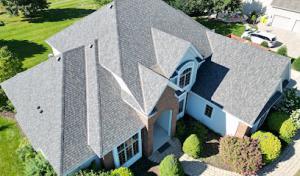
Windlickers Roofing & Exteriors
(414) 531-1729 windlickersexteriors.com
Mequon, Wisconsin
5.0 from 214 reviews
Alternative Design & Construction
(414) 745-3365 www.wisconsinroofers.com
Mequon, Wisconsin
4.9 from 39 reviews
In Mequon, inspection and final approval emphasize flashing quality as much as the roof surface itself. Details around chimneys and roof penetrations are a local compliance issue as well as a leak-prevention concern. When a contractor details flashing, look for continuous metal beneath shingles, sealed step flashing at chimney bases, and properly integrated counter-flashing that overlaps the roofing material. Ask for a clear explanation of how each penetration will be flashed and tested for water shedding during winter thaws.
Skylight and chimney work shows meaningful contractor prevalence in this market, suggesting these roof details are a recurring homeowner concern in reroofing and repair projects. A reliable crew will remove and reseal old flashing, install new counter-flashing where appropriate, and ensure the skylight curb is flashed with compatible sealant and shingle integration. Expect a visible, continuous seal around the skylight or chimney with no gaps, and confirm that any surrounding decking is dry before setting new shingles.
Freeze-thaw stress in southeastern Wisconsin makes weak flashing transitions around chimneys and skylights more likely to show up during winter and spring leak cycles. Pay attention to edge transitions where gutter rows meet the roofline, and verify that caulking around skylights is reinforced and compatible with seasonal expansion and contraction. If a leak appears after a thaw, the culprit is often flashing, not just surface shingles. A proactive inspection after heavy storms or rapid temperature swings can catch compromised seals before interior damage develops.
Find contractors experienced in skylight installation, flashing, and leak repairs to bring natural light into your home.
Windlickers Roofing & Exteriors
(414) 531-1729 windlickersexteriors.com
Mequon, Wisconsin
5.0 from 214 reviews
DuraShield Roofing & Contracting
(262) 244-0749 durashieldroofingmilwaukee.com
Serving
5.0 from 37 reviews
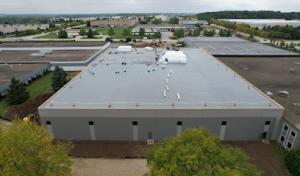
Although this market is dominated by steep-slope reroofing, flat-roof work still pops up from additions, porches, garages, and a few commercial properties. In Mequon, a flat or low-slope section often acts as the first line of nuisance when storms roll in or winter pressure builds up. Expect more frequent attention to edge detailing, drains, and transitions where these areas meet steeper sections.
Moderate to heavy rainfall in warm months makes drainage performance and membrane detailing especially important on low-slope sections. Start with a meticulous assessment of the drainage plan: confirm slope toward each roof drain, ensure clamping rings and terminations are secure, and check for debris buildup that can trap water. Replace or repair any failed curb flashings, and verify that all seams are properly protected with the correct heat-wused or liquid-applied membranes. In Mequon, membrane choices that tolerate freeze-thaw cycles without becoming brittle over time are a practical fit for these areas.
Winter snow and freeze-thaw conditions can expose weak seams, edge metal issues, and drainage problems faster on low-slope roof areas than on main pitched sections. Inspect for ice dam risk by evaluating insulation continuity and interior temperature balance around low-slope zones. On the outside, look for seam separations, loose edge metal, and misaligned parapet caps after freeze-thaw cycles. Proactive resealing, reseaming, and edge metal reattachment help prevent leaks that originate in these vulnerable spots.
Establish a seasonal inspection cadence that targets low-slope details after heavy rains and after snowmelt. Keep a habit of clearing inlet screens and scuppers promptly, and document any sealant failures or membrane issues with photos for scheduling timely repairs. When choosing materials, favor products with proven performance in temperature swings and roof deck movement common to these structures. A steady attention plan reduces the risk of sudden leaks and extends the life of low-slope areas in this market.
Find specialists in TPO, EPDM, and built-up flat roofing systems for residential and commercial properties.
Noffke Roofing
(262) 242-5320 www.noffkeroofing.com
10341 N Granville Rd, Mequon, Wisconsin
4.6 from 35 reviews