
Last updated: Apr 19, 2026
Storms in this area bring fast-moving thunder, heavy rain, and hail that can turn a small shingle or flashing issue into interior leaks in a heartbeat. The humid Pelham air keeps roof surfaces wet longer, so a tiny crack or loose flashing can drip within hours after a storm passes. If you notice any damp spots on ceilings, attic condensation, or water staining near vents, flashing, or chimney lines, treat it as an urgent warning. Do not delay a quick external inspection during daylight; look for lifted shingles, torn underlayment, and any gaps around penetrations where wind-driven rain can force its way in.
Alabama's claim environment pushes you to be precise in the storm aftermath. After a severe weather event, photograph everything methodically: the entire roof line, any damaged shingles, exposed flashing, and vent stacks. Date stamp each photo and keep a tight album with a simple description for each shot. Note specific wind directions, hail size indicators (granules on the ground, dent patterns on metal edges), and the timing of the storm. This documentation becomes critical when a contractor and insurer review the damage, because it helps establish cause, extent, and urgency.
Prompt temporary dry-in is essential after a storm, especially in the city's hot, humid days when roof surfaces stay wet. Start by placing tarps or waterproof barriers over severely exposed areas to keep interior spaces dry while you coordinate repairs. Seal obvious gaps around vents, skylights, and chimneys with quick-setting materials if you can do so safely. If there is a visible leak inside, place a bucket or container beneath it and protect furnishings to reduce water damage. Arrange for a professional to assess and secure the most vulnerable spots as quickly as possible, prioritizing areas with active dripping and signs of structural compromise.
Local contractor signals point to unusually strong demand for emergency repair, storm damage work, and insurance-claim assistance. In Pelham, this means you should look for a roofer who can respond within hours, not days, and who can provide clear, dated documentation of what needs to be repaired and why. Ask for a concise scope of work that includes immediate tarp placement, flashing stabilization, and a plan for a full or partial roof repair once dry-in is achieved. If a contractor insists on delaying a temporary fix, seek another option-your home's exposure to humidity accelerates damage and insurance timelines expect prompt action.
After a severe weather event, insurers expect timely reporting, detailed photos, and a record of mitigation actions. Communicate openly with your insurer about observed leaks, the dates of storms, and any interim repairs. Keep all receipts from temporary measures and professional inspections, as these documents support the claim process and help ensure your roof is restored safely and correctly. Maintain a simple ledger of every visit, every finding, and every agreed follow-up date to prevent miscommunication during the recovery window.
Typical Pelham pricing runs about $350-$550 per square for asphalt shingles, $600-$1100 for metal, $900-$1400 for clay tile, $850-$1300 for concrete tile, $450-$800 for wood shingles or shakes, and $500-$900 for synthetic or composite shingles. This pricing reflects local crews, material supply, and the extra considerations that come with the Birmingham-area market. When planning, expect a gap between material choice and the full project price that includes removal, disposal, underlayment, flashing, and ventilation details that inspectors will scrutinize during a full replacement.
Asphalt shingles are the most common, balancing cost and durability for the hot, humid summers and the frequent thunderstorms. Metal can offer longer life and a sharper look, but may require more precise flashing and fastener work to handle wind-driven storms. Clay and concrete tiles bring a distinctive appearance and solid longevity, yet their weight and installation complexity can push labor costs higher, especially on steeper roofs. Wood shingles or shakes deliver a traditional aesthetic but demand careful maintenance in humid conditions to prevent mold or cupping. Synthetic or composite shingles can offer a middle ground for performance and price, with varied warranties. When selecting, weigh the likelihood of storm damage, hail exposure, and the ease of insurance documentation after a strike.
Storm-driven demand spikes in the Birmingham-area market can push scheduling pressure and pricing upward in a storm event, especially for full tear-offs and emergency dry-in work. After hail or wind events, you may see shorter windows to secure a crew, and some contractors may prioritize emergency dry-in to prevent interior damage. If you're planning a replacement in a post-storm window, set expectations early with your contractor about inspection requirements, staging, and when roof removal or safe access will occur. In Pelham, rapid response is valued, but not every call translates into immediate availability-hence the importance of locking in a preferred date as soon as weather permits.
Hot, humid summer conditions can slow crew pace and complicate installation timing, particularly on steep residential rooflines common in suburban re-roofing. Heat and humidity affect adhesive curing, shingle handling, and crew stamina. Plan for possible longer days, more frequent shaded breaks, and careful sequencing to protect underlayment and ventilation. If your roof is notably steep or has multiple angles, expect slightly higher labor costs and potential staging needs to accommodate equipment and waste management safely.
Begin with a price quote that itemizes underlayment, flashing, ventilation, and any necessary roof deck repairs. Confirm the scope includes full tear-off versus overlay scenarios, and verify that the contractor's plan aligns with strong, wind-resistant flashing and proper nail spacing to meet inspection expectations. Gather documentation of recent weather damage, inspections, and any prior repairs to support insurance conversations. If a storm event just passed, request a prioritized assessment window and a clearly written schedule and payment plan to avoid surprise charges during the install.
Don't let upfront costs delay a critical repair - these contractors offer payment plans to fit your budget.
The Roofing Dudes
(205) 732-7231 theroofingdudes.com
123 Hilltop Business Center Dr, Pelham, Alabama
5.0 from 375 reviews
Cardinal Roofing
(205) 377-8400 cardinal-roof.com
169 Cahaba Valley Pkwy, Pelham, Alabama
4.8 from 914 reviews
Iron City Roofing
(205) 974-8500 ironcityroofing.com
5247 Old Mill Cir, Pelham, Alabama
4.9 from 52 reviews
The Roofing Dudes
(205) 732-7231 theroofingdudes.com
123 Hilltop Business Center Dr, Pelham, Alabama
5.0 from 375 reviews
The Roofing Dudes, located in Pelham and serving the entire Birmingham area provide expert roof replacement services to keep homes protected and looking their best. Our team specializes in replacing worn or damaged roofs with durable solutions that improve energy efficiency and safeguard against local weather conditions. Known for professionalism and skilled craftsmanship, we are certified GAF Master Elite. We also offer financing and can assist with your insurance claim and process.
Cardinal Roofing
(205) 377-8400 cardinal-roof.com
169 Cahaba Valley Pkwy, Pelham, Alabama
4.8 from 914 reviews
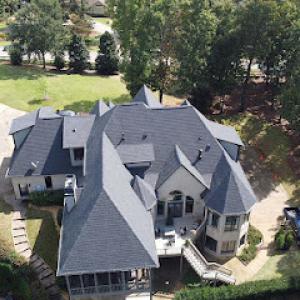
Cardinal Roofing is a leading roofing company proudly serving homeowners and businesses across Alabama. Since 2005, we’ve specialized in high-quality roof inspections, repairs, replacements, metal roofing, gutters, and skylight installation. Our team is dedicated to integrity, craftsmanship, and customer satisfaction—treating every project like it’s our own. With strong warranties and flexible financing, we make roofing stress-free. Contact us today to schedule your free drone roof inspection!
Iron City Roofing
(205) 974-8500 ironcityroofing.com
5247 Old Mill Cir, Pelham, Alabama
4.9 from 52 reviews
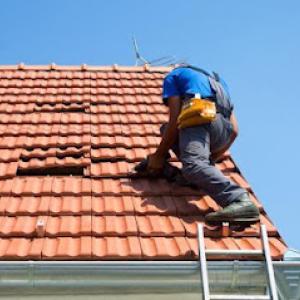
Are you Looking for professional roofing company to provide repairs, replacements, or custom installations? Iron City Roofing is dedicated to providing professional residential and Roof Replacement, Repair & Services to the residents and businesses of Pelham, AL. We have a team of highly experienced roofing professionals who can handle residential roof repairs, installations, and upgrades. Need help with navigating insurance claims? Then give us a call today! We have experience in working with all of the major and local insurance providers for Home-Owner. We'll walk with you step-by-step through the process. We also have special financing options. Contact Us Today!
Supreme Roofing & Renovations
(205) 863-7377 supremeroofingandrenovations.com
119 Hilltop Business Center Dr Suite A, Pelham, Alabama
5.0 from 27 reviews
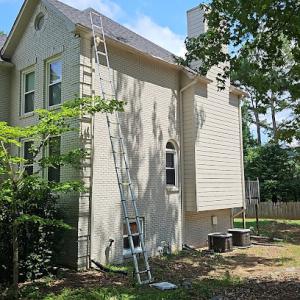
Established in 2015, Supreme Roofing & Renovations is family owned and operated. We have been servicing the greater Birmingham area, Providing professional, punctual, and affordable roofing services. With the ability to service all aspects of roof maintenance, including roof repair, roof sealing, reroofing, and roof cleaning, there is no need to bounce around from company to company. Instead, get all your clean roof needs met here and keep your family or company warm and dry.
Just Roof Leaks℠
(205) 413-4683 www.justroofleaks.com
205 Legacy Parc Cir, Pelham, Alabama
5.0 from 9 reviews
Just Roof Leaks ℠ is a Birmingham Roofing Company Specializing In Roof Repair, Roof Leaks and Roof Damage. We serve customers in Birmingham, Hoover, Vestavia Hills, Homewood, Leeds, Moody, Pelham and Trussville, AL.
CentiMark Corporation
(205) 909-1366 www.centimark.com
161 Commerce Pkwy, Pelham, Alabama
4.5 from 19 reviews
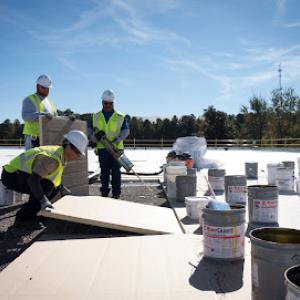
CentiMark is a commercial roofing company in North America with an office in the Birmingham area. In a region like Alabama, where sun exposure and high temperatures pose significant challenges to roofs, our services are crucial. Our customized solutions include a range of commercial roofing options such as reflective roofing that reduces heat absorption, and cool roofs that reflect more sunlight and absorb less heat than standard roofs. Our team of experienced professionals is adept at selecting and installing the most suitable roofing systems to ensure durability and energy efficiency. CentiMark combines superior craftsmanship, safety standards and excellent customer service to provide effective roofing solutions for your business.
Finishing Solutions
(205) 735-4743 www.finishingsolutionsusa.com
1001 Morgan Park Rd, Pelham, Alabama
3.9 from 7 reviews
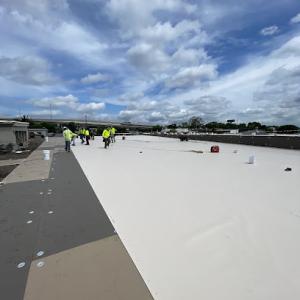
Finishing Solutions, LLC provides a comprehensive array of both industrial and commercial roofing products and services for customers in Alabama and surrounding states. Finishing Solutions, LLC prides ourselves for a company that can apply what roofing system is best for you. Whether you need roofing repair for business or industrial plant, Finishing Solutions, LLC Roof Systems is your only choice for the many types of roofing systems on the market today.
Prime Roofing & Restoration
(205) 661-8190 prime-roofs.com
Serving
5.0 from 239 reviews
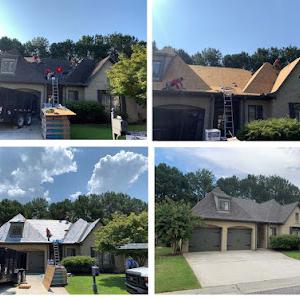
Prime Roofing & Restoration, located at 5 Brown Cir in Alabaster, AL, is your trusted roofing contractor offering comprehensive roofing services across Central Alabama and the Gulf Coast. We specialize in roof replacement, repair, and installation for both commercial and residential roofing needs. Our expert team handles shingle roofing, flat roofing, and leak repair with precision. Proud to be fully licensed and insured, we ensure your peace of mind with honest pricing and solid workmanship warranties. Whether you need emergency roof repair or are planning a new patio roof installation, Prime Roofing & Restoration is dedicated to quality service and customer satisfaction. Contact us today!
Steel City Roofers
(205) 542-3410 steelcityroofers.com
Serving
5.0 from 84 reviews
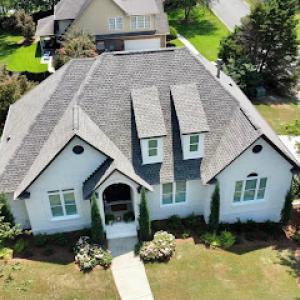
Steel City Roofers- We are not your hit and go roofers. We care about protecting your home and we care about you. We are a GAF top certified company and a company who has a great reputation at what we do!
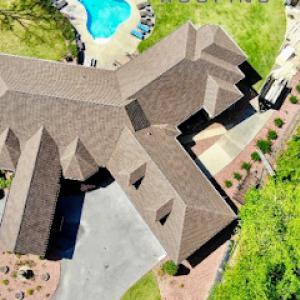
Idea Roofing
(205) 910-7492 www.idearoofingandconstruction.com
Serving
5.0 from 680 reviews
Idea Roofing is Helena’s top-rated, locally owned roofing contractor, trusted by 670+ 5-star Google reviews. We specialize in roof repair, full roof replacement, and storm damage inspections across Helena, Pelham, Alabaster, Calera, Chelsea, and nearby Shelby County communities. Our licensed and insured team prioritizes quality, keeps your property clean, and communicates clearly from first inspection to final nail. We also help you navigate insurance claims so you get the coverage you deserve. Call today to schedule a free roof inspection and estimate.
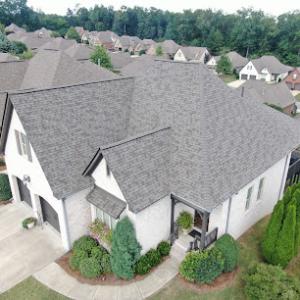
Authentic Restoration
(205) 982-5252 www.authenticrestoration.biz
Serving
4.7 from 32 reviews
Authentic Restoration leads the way in roofing in Birmingham, AL. Our licensed and insured roofers can help you with roof repairs and replacement. We offer FREE roof inspections for Birmingham area homeowners. Does your home have storm or hail damage? Does your roof leak? Contact us immediately. Thinking about upgrading to metal, slate, cedar shake, or barrel tile? We install all kinds of roofing materials. Customer satisfaction is our top priority! We have an A+ rating w/ the BBB and 4.9 Star rating on Google and Angie's List.

One Call Roofing
(205) 588-2786 www.onecallroofing.com
Serving
4.8 from 423 reviews
Protect your property with the expertise of One Call Roofing, LLC, the Birmingham roofing contractors established in 2003. With two decades of experience, their team of licensed and insured professionals specializes in a comprehensive range of roofing services, including repairs, replacements, inspections, and storm damage restoration. They are proficient in handling all types of roofing materials, from asphalt shingles and metal roofing to cedar shake and flat roofs. Committed to providing exceptional customer service, One Call Roofing caters to both residential and commercial clients throughout Birmingham and the surrounding areas.
A full roof replacement in Pelham typically requires a permit through the City of Pelham Building Department, whether the application is submitted by the contractor or the homeowner. The permit process exists to verify that the new roof is installed to code, with underlayment properly laid, nails driven in correctly, flashing sealed, and ventilation adequately sized. Before any tear-off begins, confirm that the correct permit path is chosen and that the permit is actually pulled in the project's name. This is not one of those steps to assume will be handled automatically.
Pelham inspections are commonly scheduled after tear-off and again after installation, with attention to nailing, underlayment, flashing, and ventilation details. The first inspection, following tear-off, ensures the roof deck is sound, that roof penetrations are ready for the new system, and that the underlayment and proper nailing patterns are in place for the new roof decking. The second inspection focuses on the finished roof, confirming that flashing around chimneys, valleys, skylights, and vents is properly installed, that the underlayment is continuous where required, and that attic ventilation meets the local code. Expect questions about ridge vent coverage, IntakeVent requirements, and how attic venting ties into the overall roof assembly.
Because inspection timing affects dry-in and final completion, Pelham homeowners should confirm who is pulling the permit and who is responsible for scheduling both required inspection stages. If a contractor handles the permit, verify that they will coordinate the tear-off inspection and the final inspection, and get written confirmations of appointment times. If the homeowner is pursuing the permit, keep two lists: one for the tear-off inspection and one for the final inspection, plus any required documentation the city asks for, such as revised roof drawings or proof of material compliance. Clear, written timelines help prevent delays caused by weather windows or storm-related work stoppages.
Storm exposure in this area means inspectors pay close attention to how flashing integrates with siding transitions and parapets, as well as the continuity of underlayment around roof-to-wall interfaces. Hail activity can influence the condition of vent boots, valley metal, and chimney flashing, so anticipate questions about recent weather events and fastener replacement during the process. Keep gutters and downspouts clear for the inspection days, since clog-free drainage is part of the overall roof health the city aims to verify during the final check.
Asphalt shingles dominate many Pelham homes because they fit the local suburban housing stock and price expectations, but prolonged heat and humidity can accelerate aging and make attic ventilation performance more important. If you choose asphalt, prioritize a high-quality underlayment and ensure proper attic ventilation to move hot air out of the attic space. Look for shingles with a higher wind resistance and a warranty that accounts for Florida-style heat exposure, as the I-65 corridor can push roof temps higher than inland suburbs. In humid summers, ensure the eaves and soffits are free of obstructions so soffit vents can pull in cooler air. A well-ventilated roof deck helps prevent moisture-related issues that can mimic or mask leaking after storms.
Metal roofing has a meaningful local specialty presence in Pelham and is often considered by homeowners looking for stronger performance against repeated storm exposure and long-term heat durability. If selecting metal, consider a standing-seam profile or interlocking panels that resist wind-driven rain and hail impacts. Metal reflects a large portion of solar heat, which can reduce cooling loads, but in very hot spells, ensure the roof deck has a robust ventilation strategy beneath the metal to avoid trapped heat that could affect underlayment or deck integrity. For hail-prone periods, metal is advantageous for its dent resistance, but verify that the installation uses proper fasteners and wind clips to maintain performance after severe weather. A professional installation is essential to ensure flashing and roof-to-wall transitions stay watertight during heavy storms.
Tile, wood, and synthetic options are present in the market but are more selective choices in Pelham, where storm resilience, installation expertise, and replacement cost after damage all matter. Clay and concrete tiles offer excellent longevity and hail resistance when properly installed, yet they require a solid roof deck and careful nalling to handle attic air movement and thermal expansion. Wood shingles and shakes provide a distinctive look but can struggle with Alabama's humidity and hail impact unless treated and installed with reinforced fastenings. Synthetic shingles can blend resilience with ease of installation, but ensure the product carries appropriate impact resistance ratings and that the installation crew understands how to seal penetrations and flashing to prevent leaks after storms. Given the local climate, verify that any select tile or shake option is paired with an appropriate ventilation plan and a confident warranty on both the product and workmanship.
Pelham sits in an Alabama insurance environment with active storm and hail claim volume, so roof condition, age, and documented storm dates can directly affect claim outcomes. After a major weather event, carriers pay close attention to how a roof was prepared for wind and hail, and how it was maintained in the decades before. If a roof shows long-term wear or evidence of improper installation, a claim outcome can be less favorable than expected. Being realistic about what a storm did to the roof-and conveying that clearly through records-helps prevent surprises when the check arrives.
After severe weather, insurers in this market may tighten wind or hail terms or apply exclusions, making pre-loss photos and contractor inspection records especially valuable for Pelham homeowners. A robust photo timeline-taken before, during, and after a weather event-helps illustrate the roof's history and the scope of any new damage. When a claim winds through the system, adjusters will scrutinize flashing, underlayment, and the overall roof assembly. If a previous repair or retrofit is visible, having clear records can clarify whether the roof meets current expectations or if enhancements are needed to support coverage. In practice, that means keeping a file that shows both the roof's condition years ago and any upgrades completed at replacement.
Wind-mitigation-related construction details may help with some policies, so homeowners should keep records of underlayment, fastening, flashing, and any code-compliant upgrades completed during replacement. Detailed notes about shingle or panel types, nail patterns, and attic venting can influence policy assessments. If a claim arises after a storm, this documentation can accelerate the process and reduce the chance of disputes about whether the roof was adequately prepared for wind loads. In Pelham, where storms arrive quickly and with force, a well-documented roof history can translate into smoother communications with the insurer and a clearer path to recovery.
Before the next storm season, gather your documentation in a single, easily accessible folder. Take fresh photos of the roof from multiple angles, focusing on flashing details, hip and valley intersections, and overall condition. If a contractor performed any upgrades or repairs, store receipts and a brief explanation of what was done and why. When severe weather hits, you'll have a ready-to-share narrative that supports your claim and helps protect the value of the home.
Connect with contractors who help homeowners navigate the claims process from damage assessment to final approval.
The Roofing Dudes
(205) 732-7231 theroofingdudes.com
123 Hilltop Business Center Dr, Pelham, Alabama
5.0 from 375 reviews
Cardinal Roofing
(205) 377-8400 cardinal-roof.com
169 Cahaba Valley Pkwy, Pelham, Alabama
4.8 from 914 reviews
Iron City Roofing
(205) 974-8500 ironcityroofing.com
5247 Old Mill Cir, Pelham, Alabama
4.9 from 52 reviews
Spring in Pelham brings heavy rainfall and thunderstorm interruptions, so tear-off protection and weather-window planning are critical to avoid moisture intrusion during active jobs. You should align crew schedules to target dry spells, and confirm a weather plan that includes weatherproof tarps and rapid temporary sealing if a sudden downpour hits. Expect short, frequent delays from sudden storms; build buffers into your project calendar and maintain clear communication with your contractor about anticipated windows.
Summer heat and humidity in Pelham can slow installation pace and increase material handling concerns, making early scheduling and realistic timelines important. Plan for mid-morning to late-afternoon heat checks, with crews taking breaks to prevent heat-related fatigue and to protect underlayment integrity. Ensure your crew has proper ventilation considerations and secure storage for materials to minimize warping or handling issues in humid conditions. Have a contingency for afternoon thunderstorms that can pause work and require temporary weatherproofing.
Fall tropical weather influences the wider Alabama market and can disrupt Pelham roofing schedules, while occasional winter freezes can affect timing for certain materials and seal-down behavior. Build in flexible start dates to accommodate tropical systems and shifting supply timelines, and discuss stain and sealant curing windows with your installer. Expect shorter daylight hours to compress late-stage work, so align pace with daylight and temperature swings to avoid premature seal-downs.
Winter conditions can introduce freezes and fluctuating temperatures that affect seal-down behavior on certain materials. Plan for extended setting times or adjustments to fastener schedules when temperatures approach the lower end of the material's recommended range. Have a readiness plan for insulation and ventilation checks once temperatures stabilize, and coordinate a follow-up visit if weather created gaps during initial installation. In Pelham, a well-timed winter window still hinges on avoiding freeze-thaw stress during critical sealing phases.
In the frequent rain environment along the I-65 corridor, certain details invite leaks more than others. Skylight perimeters, chimney intersections, and low-slope transitions are common leak-sensitive zones that deserve close inspection during a re-roofing project. These spots endure more flashing demands and underlayment complexities, so treating them as afterthoughts is asking for trouble when the next spring storm arrives.
Local contractor signals show meaningful demand for skylight and flat-roof work, suggesting these details are regular service issues in the Pelham market even though most homes are pitched-roof residential properties. That means it's not unusual to see recurring fixes tied to venting, flashing gaps, or improper edging around glass and metal penetrations. A proactive approach can prevent short-term patches from turning into long-term headaches.
Because inspections emphasize flashing and underlayment, homeowners should ask specifically how these vulnerable transitions will be rebuilt rather than simply covered over. The goal is a secure, weather-tight bond that stands up to hot humid summers and sudden squalls, not a cosmetic seal. Expect careful detailing where the shingles meet skylights, where a chimney stack meets the roofline, and where low-slope sections join higher pitches.
During the project, verify that the new flashing is continuous and properly integrated with underlayment, not overlapped in a way that traps moisture. Confirm that现场 penetrations-vents, pipes, and skylights-receive full perimeter sealing with compatible materials. A thorough review of flashing transitions and edge treatments can save you from leak-prone headaches after the next strong downpour.
Find contractors experienced in skylight installation, flashing, and leak repairs to bring natural light into your home.
Cardinal Roofing
(205) 377-8400 cardinal-roof.com
169 Cahaba Valley Pkwy, Pelham, Alabama
4.8 from 914 reviews
Iron City Roofing
(205) 974-8500 ironcityroofing.com
5247 Old Mill Cir, Pelham, Alabama
4.9 from 52 reviews
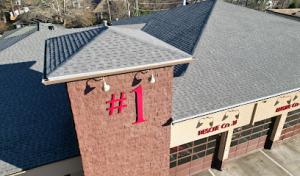
In Pelham, the contractor scene is dominated by re-roof projects rather than niche new-construction work, so you want crews with proven tear-off, dry-in, and cleanup systems. Start by asking how many full re-roofs the company has completed in the past year, and whether they routinely perform the critical sequence from roof removal through weatherproofing and final cleanup. Look for a shop that treats storm response as a core service, not a side project.
Quick response and prompt cleanup are strong hiring signals in this market, reflecting homeowner concern about active leaks, storm debris, and disruption in established neighborhoods. When you call for an estimate, note how fast the team can inspect, diagnose, and outline a plan. During the job, evaluate whether crews arrive on schedule, protect landscaping, and seal the site at the end of each day to minimize water intrusion and debris.
A meaningful share of the area contractors market long-established, family-owned, licensed, insured, and manufacturer-certified credentials. These factors help you compare reliability in a crowded storm-response market. Verify current licenses and insurance certificates before any work begins. If a manufacturer-certified installer is offered, ask which line(s) they are certified for and how that status informs warranty coverage and material compatibility.
Ask for specifics on tear-off methods, dry-in procedures, and flashing details on steep or multi-penetration roofs common in this region. A solid plan should include roof deck protection, proper nailing pattern, underlayment choices, and venting considerations to combat the hot, humid summers and heavy thunderstorm activity. Request a written sequence that covers removal, debris containment, attic protection, and a protected dry-in before any attic or interior exposure.
Request recent local references and job-site photos from Pelham-area projects similar to yours. Confirm the scope of the cleanup plan, daily site protection, and final clean-up checklist. Ensure a clear warranty outline that covers workmanship and proper flashing and underlayment installation, with a point of contact for post-install questions or leaks.