
Last updated: Apr 19, 2026
In this part of central Alabama, spring brings rapid thunderstorm activity and hail that can lift shingles and create hidden damage you don't notice until you inspect after the rain stops. Wind-driven hail can crack protective granules, loosen edges, and lift shingles enough to compromise roof integrity. The result is a steady flow of emergency repairs and quick claims in a market that already moves fast when a neighbor's roof is torn up by a storm. Acknowledge early that damage can appear minor at first glance but unfold into a larger loss after a few weeks of rain. In high-wind events, banks of wind-lifted shingles often travel from roof to ground, leaving you vulnerable to leaks once the next shower hits. Staying vigilant after every storm is the prudent choice, because small signs today can become big problems tomorrow.
Storm damage in this area tends to trigger rapid claims but also a rush of activity that can overwhelm the process. After a significant weather event, document everything: photos from multiple angles, dates of the storm, and any interior evidence of moisture or staining. Missing or inconsistent documentation can slow a claim by days or weeks, especially when an adjuster must adjudicate between wind damage and hail impact. If a contractor suggests you file emergency or same-day tarping, treat it as a priority. The fastest path to coverage is a clear, organized record set that shows the extent of the damage, including any affected attic spaces or interior leaks. Expect that some claims will require follow-up visits as adjusters reassess after additional rainfall or additional damage found during a second inspection. Stay proactive: keep contact records, note every communication, and request written estimates that outline the scope of work once the claim is approved.
Autumn in this area can bring heavy rain bands and tropical-system remnants that reach inland Alabama, delaying dry-in and extending claim timelines. If a roof has sustained damage that compromises its ability to shed water, the window to secure a proper dry-in is narrower than you think. The risk is not just leakage-it's the potential for secondary damage to insulation, sheathing, and interior finishes while awaiting a repair window. When storms cluster, insurers and adjusters may push back timelines, and contractors might experience scheduling bottlenecks. The practical approach is to secure temporary measures as soon as possible after hail or wind damage is confirmed, understanding that a prolonged dry-in may stretch into months. Prepare for added time between the initial claim approval and the completed roofing replacement, and align your expectations with your carrier's assessment timeline. Clear, ongoing communication helps prevent misunderstandings that slow progress.
This market demonstrates unusually strong demand for storm damage response and insurance-claims help, signaling homeowners often need immediate tarping and documentation after weather events. If damage is suspected, arrange for tarping promptly to minimize interior exposure and water intrusion. This step is essential even when you are awaiting an adjuster's visit. Photograph the tarp placement, the condition of the roof, and any areas where water enters. Keep receipts for temporary repairs, as these may be reimbursable under the claim. Talk to your contractor about safety-first guidance: tarps should cover exposed roof edges, gaps, and any compromised flashing. If you receive a provisional approval for a partial repair or weather mitigation, document what was completed and what remains outstanding, so the final claim package is coherent and easier for the insurer to process. In a tight market, choosing a contractor who understands the local storm cycle and can coordinate with the insurer can shave days or weeks off the timeline and help you avoid overlapping work that creates confusion about scope. Stay direct with your adjuster: align expectations on timetables, required inspections, and next steps so the project remains on track despite seasonal fluctuations.
Find local contractors experienced in assessing and restoring roofs after hail, wind, and severe weather events.
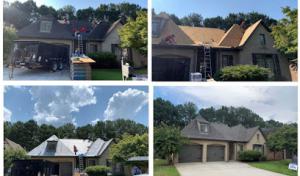
Prime Roofing & Restoration
(205) 661-8190 prime-roofs.com
5 Brown Cir, Alabaster, Alabama
5.0 from 239 reviews
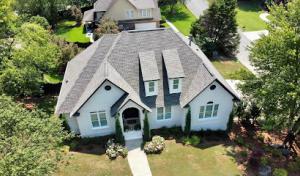
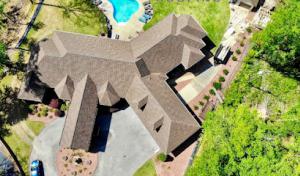
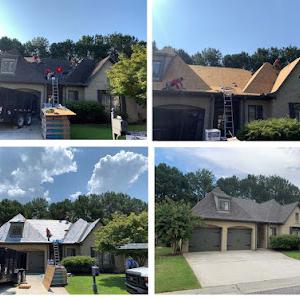
Prime Roofing & Restoration
(205) 661-8190 prime-roofs.com
5 Brown Cir, Alabaster, Alabama
5.0 from 239 reviews
Prime Roofing & Restoration, located at 5 Brown Cir in Alabaster, AL, is your trusted roofing contractor offering comprehensive roofing services across Central Alabama and the Gulf Coast. We specialize in roof replacement, repair, and installation for both commercial and residential roofing needs. Our expert team handles shingle roofing, flat roofing, and leak repair with precision. Proud to be fully licensed and insured, we ensure your peace of mind with honest pricing and solid workmanship warranties. Whether you need emergency roof repair or are planning a new patio roof installation, Prime Roofing & Restoration is dedicated to quality service and customer satisfaction. Contact us today!
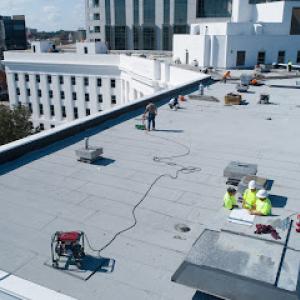
Standard Commercial Roofing & Envelope Solutions
(205) 621-2071 standardexteriorsolutions.com
47 Longview Cir, Alabaster, Alabama
5.0 from 6 reviews
Standard has been finding innovative ways to solve roofing and building envelope problems for more than 80 years. By partnering with Standard, you can rest assured in the knowledge that your building envelope solution will provide long-term performance and we’ll be there to provide dedicated service for your building.
Bar-B Windows & Roofing
(205) 591-2272 barbroofing.com
137 Broadmoor Ln, Alabaster, Alabama
5.0 from 1 review
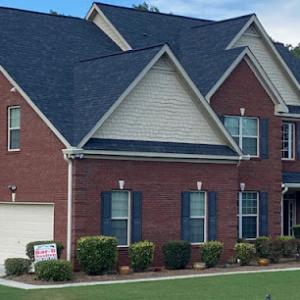
Bar B Roofing is a family owned business specializing in residential and commercial roofs in Calhoun, Cleburne, Etowah Jefferson, Marshall, Shelby, St. Clair and Talladega County. Our goal is to provide exceptional service and quality at a reasonable price to ensure your home looks great and is structurally sound! Over the years we have worked hard to establish Bar B Roofing as one of the most trusted names in windows and roofing. This is not a reputation we take lightly! We believe in family and we want to help make sure your family’s most valuable possession, your home, is in the best condition possible. Go with the most trusted name in the area. From windows to roofs, at Bar B - We've Got You Covered!
Steel City Roofers
(205) 542-3410 steelcityroofers.com
Serving
5.0 from 84 reviews
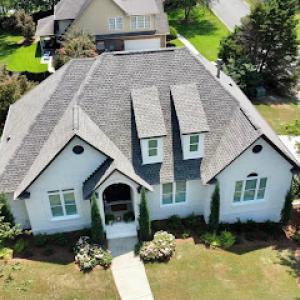
Steel City Roofers- We are not your hit and go roofers. We care about protecting your home and we care about you. We are a GAF top certified company and a company who has a great reputation at what we do!
Idea Roofing
(205) 910-7492 www.idearoofingandconstruction.com
Serving
5.0 from 680 reviews
Idea Roofing is Helena’s top-rated, locally owned roofing contractor, trusted by 670+ 5-star Google reviews. We specialize in roof repair, full roof replacement, and storm damage inspections across Helena, Pelham, Alabaster, Calera, Chelsea, and nearby Shelby County communities. Our licensed and insured team prioritizes quality, keeps your property clean, and communicates clearly from first inspection to final nail. We also help you navigate insurance claims so you get the coverage you deserve. Call today to schedule a free roof inspection and estimate.
Right Choice Roofing
Serving
5.0 from 10 reviews
Right Choice Roofing serves as a leading contractor in the Birmingham and surrounding area. We’re a team of fully-certified professionals who tackle everything from complex large projects to smaller scale jobs. Fueled by our commitment to excellence, we go the extra mile to make sure neighbors are completely satisfied with our work. Call us today to schedule a free inspection today!
Capstone Roofing
(205) 453-1803 capstoneroofingco.com
Serving
4.9 from 102 reviews
Capstone Roofing is a Birmingham, Alabama-based roofing contractor that has been serving Birmingham and local communities since 2014. We specialize in both residential and commercial roofing services, including roof repairs, roof installations, and seamless gutters. Capstone Roofing is committed to providing top-notch customer service and professionalism, and our skilled professionals use high-quality roofing materials to ensure that your roof is protected from the elements. Our team is also experienced in home remodels, interior repairs, and exterior repairs. If you want your home improvements done right call the professionals at Capstone Roofing, LLC.
The Roofing Dudes
(205) 732-7231 theroofingdudes.com
Serving
5.0 from 375 reviews
The Roofing Dudes, located in Pelham and serving the entire Birmingham area provide expert roof replacement services to keep homes protected and looking their best. Our team specializes in replacing worn or damaged roofs with durable solutions that improve energy efficiency and safeguard against local weather conditions. Known for professionalism and skilled craftsmanship, we are certified GAF Master Elite. We also offer financing and can assist with your insurance claim and process.
One Call Roofing
(205) 588-2786 www.onecallroofing.com
Serving
4.8 from 423 reviews
Protect your property with the expertise of One Call Roofing, LLC, the Birmingham roofing contractors established in 2003. With two decades of experience, their team of licensed and insured professionals specializes in a comprehensive range of roofing services, including repairs, replacements, inspections, and storm damage restoration. They are proficient in handling all types of roofing materials, from asphalt shingles and metal roofing to cedar shake and flat roofs. Committed to providing exceptional customer service, One Call Roofing caters to both residential and commercial clients throughout Birmingham and the surrounding areas.
Cardinal Roofing
(205) 377-8400 cardinal-roof.com
Serving
4.8 from 914 reviews
Cardinal Roofing is a leading roofing company proudly serving homeowners and businesses across Alabama. Since 2005, we’ve specialized in high-quality roof inspections, repairs, replacements, metal roofing, gutters, and skylight installation. Our team is dedicated to integrity, craftsmanship, and customer satisfaction—treating every project like it’s our own. With strong warranties and flexible financing, we make roofing stress-free. Contact us today to schedule your free drone roof inspection!
Supreme Roofing & Renovations
(205) 863-7377 supremeroofingandrenovations.com
Serving
5.0 from 27 reviews
Established in 2015, Supreme Roofing & Renovations is family owned and operated. We have been servicing the greater Birmingham area, Providing professional, punctual, and affordable roofing services. With the ability to service all aspects of roof maintenance, including roof repair, roof sealing, reroofing, and roof cleaning, there is no need to bounce around from company to company. Instead, get all your clean roof needs met here and keep your family or company warm and dry.
Just Roof Leaks℠
(205) 413-4683 www.justroofleaks.com
Serving
5.0 from 9 reviews
Just Roof Leaks ℠ is a Birmingham Roofing Company Specializing In Roof Repair, Roof Leaks and Roof Damage. We serve customers in Birmingham, Hoover, Vestavia Hills, Homewood, Leeds, Moody, Pelham and Trussville, AL.
Asphalt shingles fit the area's common residential roof styles and price expectations, matching the look most homeowners want and the way most neighborhoods are built. In the heat and humidity of our summers, you'll notice shingles aging faster if the granules start to wash away, and algae staining can creep across lighter colors. This isn't a flaw in the product so much as a weather pattern you'll live with: sudden afternoon downpours, long dry spells that bake the surface, and the frequent high humidity that keeps things damp for weeks. For a homeowner weighing options, asphalt is the practical baseline because it keeps maintenance reasonable while preserving curb appeal across most house shapes found around here.
In this market, the heat-induced stresses matter. Alabaster experiences long, hot seasons that shave weeks off the lifespan of roof surfaces if they're not chosen or installed with the right adjustments. Metal roofing offers a meaningful specialist presence locally, and it often gets considered by homeowners aiming to improve storm resilience and heat performance during Shelby County's long hot season. Metal can reflect more solar radiation and shed rain quickly, which helps during thunderstorms, but consider the panel profile, underlayment compatibility, and the potential for noise in heavy rain. The right color and coating can mitigate heat gain, while ensuring that the system still moves water effectively during those convective events.
Tile, slate, and synthetic products are available in this market, but their higher weight and installation complexity matter more on homes not originally framed for heavy roof systems. If a house sits on a structure that wasn't designed for heavy roofing, you'll want a careful engineer's review and a plan for the extra framing or reinforcement. Synthetic shingles can offer a middle ground: convincing appearance with more durable performance in humid summers, while staying lighter than full clay or concrete tile. The choice often comes down to roof slope, existing framing, and how much you value long-term weather resistance versus ease of replacement and repair.
When you're evaluating products, think about how often your attic breathes and how the roof will shed water during back-to-back storms. If you're leaning toward asphalt, pick a higher-quality granule blend and verify a good underlayment layer that resists moisture penetration and UV bake-off. For metal, ensure the system is installed with proper fasteners and sealants that tolerate Alabama's humidity and temperature swings, plus a paint or coating system that resists chalking and color fading. If you're drawn to tile or slate for a premium look, plan for a structural upgrade discussion early in the project and a longer installation window to avoid misfits and load issues. On any choice, prioritize local contractors who understand how storms, heat, and humidity interact with the typical Alabama-style roof lines you already have.
Reroofing in this area is often planned for cooler, drier months because summer heat raises installation stress and afternoon storm risk. If you're coordinating a replacement, align the project with a window when the sun isn't scorching and the work crew can keep a steadier pace. Early fall or late spring typically offers the most predictable conditions, with fewer heat spikes and less daily rainfall variability. Begin by surveying the roof in the shoulder seasons when the surface is dry enough to walk confidently and the underlayment can cure without excessive sweating or rapid drying that causes wrinkles. By choosing a solid stretch in those months, the crew can finish earlier in the day and avoid the hottest afternoon heat that frustrates asphalt or composite products as they set.
Winter in this part of Alabama is usually workable but wet spells and occasional freezes can slow tear-off, drying, and underlayment performance. Plan for a sequence that respects ground moisture and the potential for lingering dew or temporary freezing conditions. If a cold snap occurs, ahead-of-time storage of materials in a sheltered area helps reduce moisture uptake and keeps shingles from becoming brittle. Allow for slightly longer cure times on underlayment and flashing during stretches of damp weather, and coordinate tack-and-seal steps to lighter, dryer periods within each workday. The goal is to keep crews moving without forcing a rush that compromises sealant adhesion or shingle alignment. For homeowners, this means adjusting expectations for daily progress and being flexible about start times when morning frost or mist lingers.
Post-storm demand spikes after spring hail and wind events can tighten scheduling and push homeowners into temporary repairs before full replacement. If a storm strikes, conduct a careful inspection of visible damage, especially around ridge caps, eaves, and valleys. Temporary tarping or cover boards can protect interior spaces while waiting for a full replacement window, but avoid relying on makeshift fixes as a substitute for a planned reroof. Map out a staged plan: secure the worst leaks first, then schedule the full tear-off and installation during the next suitable weather block. Keep a clear line of communication with the roofing crew about preferred sequencing so crews can prioritize structural integrity first, followed by Weather-tight roofing layers. In practice, this means documenting damage promptly, coordinating temporary measures that don't trap moisture, and maintaining a target timeline that respects the local climate's push-and-pull between storm seasons and dryer spells. The result is a durable roof that stands up to convective weather without being forced into awkward or stressful rushes.
Typical local pricing runs about 350 to 700 USD per square for asphalt shingles, 600 to 1200 USD per square for metal, 900 to 2000 USD per square for clay tile, 700 to 1500 USD per square for concrete tile, 450 to 850 USD per square for synthetic/composite shingles, and 1500 to 3000 USD per square for slate. In this part of central Alabama, those numbers reflect both the heat and humidity that shorten roof life and the storm season that pushes demand for replacements, not just repairs. When a hail or wind event hits, scheduling can slide as crews get booked up for full roof replacements rather than quick patch jobs.
Asphalt shingles sit at the low end of the spectrum, with typical installations landing between 350 and 700 USD per square. They remain a common choice for durable, straightforward re-roof projects, especially when storms have left only surface damage and the decking stays solid. Metal roofing, while pricier, runs roughly 600 to 1200 USD per square and can handle hot, humid Alabama summers better than some other options. If clay tile is your target, expect 900 to 2000 USD per square, recognizing that tile systems are heavier and demand solid deck support and careful installation in variable attic conditions. Concrete tile falls around 700 to 1500 USD per square, offering good durability with a weight penalty and a distinct look. Synthetic/composite shingles provide a middle-ground option at 450 to 850 USD per square, balancing performance with a more manageable weight and installation profile. Slate, the premium choice, ranges from 1500 to 3000 USD per square, delivering longevity and a distinct aesthetic, but requiring skilled labor and a strong roof structure.
In the aftermath of convective storms, In Alabaster, storm-driven demand can raise labor pressure and extend scheduling after hail or wind events, especially for full re-roofs rather than small repairs. If the roof has sustained widespread damage, replacement timelines can stretch as crews coordinate material delivery, safety scaffolding, and proper disposal of old roofing. Consider planning for a longer lead time after a severe storm, and assess whether your roof's structure and decking survive the event without hidden moisture or rot. A careful inspection after tear-off becomes especially important in humid conditions, where moisture infiltration can complicate reveals and underlayment choices.
Steep residential rooflines add to labor time and safety measures, nudging costs upward across all materials. Decking repairs uncovered during tear-off, and the need for additional underlayment or ventilation improvements, can also shift the overall price range. While pricing here reflects typical local ranges, remember that every project has unique nuances-shape, pitch, and exposure to south-facing sun all influence material selection and installation complexity.
Don't let upfront costs delay a critical repair - these contractors offer payment plans to fit your budget.
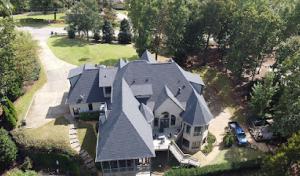
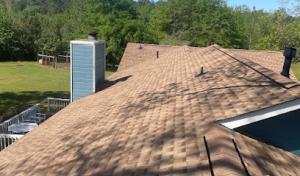
A full re-roof in Alabaster typically requires a building permit issued through the City of Alabaster Building Department. This isn't a bureaucratic hurdle to slow you down so much as a safeguard against storm-born shortcuts that can cost you later. Your contractor should verify permit needs before any shingles come off or new underlayment goes on. If work begins without a permit, you risk a stop-work order, fines, and trouble when you try to close out the project or file insurance claims after a storm.
Homeowners should expect at least a rough inspection and a final inspection, with plan-review steps when the scope or structure requires it. The rough inspection typically happens after critical components-like underlayment, flashing, and ventilation-are in place but before the new shingles are laid. The final inspection confirms the work meets code, matches the permit, and ties into any city-mandated safety requirements. If the project involves structural changes or unusual roof geometry, a plan-review step may be triggered to ensure weatherproofing and load considerations are properly addressed.
Because the city coordinates permit issuance and inspections locally, scheduling and closeout can affect project timing just as much as weather. Thunderstorms, heat-driven material handling, and crew availability all influence when inspectors can be on site. Your plan should build in a realistic window for permit processing, rough-in checks, and final approval, especially during storm season when the bay area's convective weather can create backlogs. A proactive contractor who communicates expected inspection dates helps you avoid delays that stall a project you're counting on to protect your home.
If the scope or structure requires it, plan-review steps add a layer where drawings, roof ventilation, and structural reinforcements are scrutinized before work begins. Expect a clearer timeline and clearer expectations after you submit stamped plans and receive approval. In Alabaster, that review is part of ensuring your new roof stands up to central Alabama storms and hot summers, and it helps ensure insurance and code compliance align from day one. Keep copies of all permits, plans, and inspection approvals where you can easily access them during the work.
Alabaster is a high-claim roof market because hail and wind events regularly generate damage reports and insurer scrutiny. When a storm rolls through central Alabama, the neighborhood roofs often show a mix of bruised shingles, granule loss, and micro cracking that add up quickly in the eyes of adjusters. The result is not automatic approval; it's a process where every outbuilding, vent cap, and edge detail can factor into the final decision. Being prepared for the heightened attention helps keep a claim from stalling at the first evaluation.
Insurers commonly want documented roof age, date-stamped photos, and a contractor or adjuster assessment after a storm before approving scope. The timeline matters because quick, organized documentation strengthens the claim, especially when the roof is older or nearing the end of its expected life. In a market where storm reports are routine, a missing or inconsistent record can shift coverage toward less favorable terms. A clear, professional report that ties damaged areas to the storm event is often the turning point between a partial scope and a full replacement discussion.
Homeowners with older roofs may run into depreciation holds or tighter coverage terms, making early documentation especially important after central Alabama storm events. When depreciation applies, the clock on recovery can slow down, and consent to replace or repair may hinge on the best available evidence of damage severity and roof age. In such instances, having a dated, third-party assessment alongside contractor photos creates a credible, defendable narrative that can influence how insurers view the needed scope.
After a major rainfall or hail event, photograph the roof from multiple angles, focusing on curved or missing shingles, granule accumulation, and flashing around vents. Keep a simple log noting the date, time, and observations, and secure a written assessment from a trusted local contractor or roofer. Share everything promptly with the insurer and adjuster, and ask for a written scope that clearly links damaged sections to the storm. This proactive approach can reduce back-and-forth and protect your claim from common delays.
In Alabaster, common post-storm failures include creased shingles, missing tabs, exposed fasteners, and leaks that show up after wind-driven rain rather than immediately at impact. After a strong storm, you may notice shingles lifting along edges or in valleys, with tabs curling or creasing from heat and wind. When you walk the roof after a storm, look for sections where granules have washed away, leaving a dull, worn look. If you spot any of these signs, address them quickly, because heat and humidity will accelerate further damage.
High humidity and heat can worsen flashing deterioration, sealant breakdown, and staining around roof penetrations over time. Flashing that seems solid after installation can slowly loosen as sealants dry out and expand with summer moisture. If you see dark streaks around vents, chimney bases, or skylight rims, or if metal flashing shows any lifted edges, that is a red flag. In your attic, feel for warm spots near penetrations after a hot afternoon; that warmth often signals compromised seals upstairs that can manifest as leaks downstairs during the next storm.
Chimney and skylight leak points matter locally because contractor signals show regular service demand around chimneys and a meaningful number of skylight-related jobs. Chimneys commonly develop mortar cracks, weathered flashing, and flexible caulking that hardens in the sun. Skylights can suffer from frame movement and sealant failure where the curb meets the roof. If you notice condensation, damp ceiling spots near these features, or stained soffits below, schedule a careful inspection. A proactive look at flashing around chimneys and skylights often prevents interior damage and keeps ventilation pathways clear during convective showers.
Find contractors experienced in skylight installation, flashing, and leak repairs to bring natural light into your home.
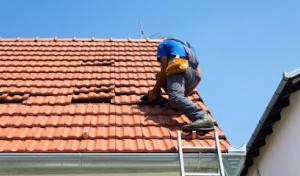
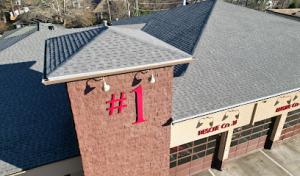
In this market, quick response after a storm, thorough cleanup, and solid re-roofing experience matter more than niche luxury specialties. You'll notice crews that can stage a repair or replacement fast, protect your property during the work, and leave the yard broom-clean afterward get extra credit. Contractors that understand the cadence of central Alabama thunderstorms and the wear they cause on shingles can help you avoid repeated visits.
The local scene mixes long-established firms with inspection-led operators. Before signing, confirm who will manage the paperwork, coordinate any inspections, and attach all supplemental documents to your claim. A contractor that can consistently communicate with you and the insurer reduces delays and last-minute surprises when a post-storm claim is filed.
Verify licensing and current insurance coverage for every crew you consider. Ask for the exact insurer and policy numbers, and be sure the policy includes general liability and workers' comp. In this market, it's common to encounter workmanship or manufacturer-backed warranties; ask what is covered, what exclusions apply, and how long the warranty lasts. Get it in writing and note any requirements to maintain the warranty, such as using specified underlayments or staggered replacement schedules.
Observe how the crew protects landscaping, drives, and drainage during the job. A quality crew will set up containment to control debris, reuse roof decking where feasible, and leave a clearly swept ground with all nails collected. Ask about the crew's experience with your roof type, especially if you have metal, concrete tile, or synthetic shingles, and request recent local references.
Request multiple, local references with storms-related experience, and visit at least two recent job sites if possible. Ask which crew members will be on your project start to finish, and request a single point of contact for updates. A contractor who prioritizes communication and practical cleanup aligns with Alabaster's fast-paced storm repair expectations.