
Last updated: Apr 19, 2026
Carson's dominant reroof materials cover asphalt shingles, metal roofing, clay tile, concrete tile, synthetic/composite shingles, and copper roofing. The mix across neighborhoods is dense, with tile-heavy suburban blocks sitting alongside flatter, low-slope storefronts and multi-use facilities near freight corridors. Those realities push you to think about roof shape and drainage as a first-order decision: does the property lean toward a steep-slope solution that sheds heat and rain quickly, or a low-slope system that handles flat drainage more predictably? The local contractor mix confirms this: a lot of activity around tile, shingles, metal, and flat-roof work means comparing steep-slope options side-by-side with low-slope setups is a common, practical approach.
In hot, dry sun with Santa Ana winds from time to time, heat and wind are real performance factors. Steep-slope roofs benefit from tile and high-temp asphalt or synthetic shingles that resist heat buildup and wind uplift when properly vented and secured. Clay and concrete tiles excel on slopes where weight is manageable and long-term color and texture matter for curb appeal, but they demand a solid framing check and appropriate underlayment to perform well under Santa Ana gusts. Metal roofing offers strong wind resistance and fast shedding for rain, which can be appealing on long, exposed runs typical of mixed-use blocks and modern narrow lots. Synthetic/composite shingles provide a lighter alternative to tiles with decent heat reflection and wind performance, often at a more flexible installation profile. Copper roofing stands out as a durable premium choice with a unique aging aesthetic, but its value depends on the roof footprint and architectural style.
Low-slope roofs appear frequently near freight corridors and commercial mixes, where drainage and water management become a primary concern. Flat and low-slope systems need reliable underlayment and careful edge detailing to prevent water migration around penetrations, curbs, and parapets. In mixed-use and multi-family streets, a low-slope option paired with robust flashing and proper drainage can reduce maintenance calls after winter storms. In contrast, steep-slope homes dominate the single-family blocks; here, shingles or tile provide durable weather barriers and a proven warranty path, particularly when combined with a well-vented attic or roof deck to offset heat buildup. The decision comes down to balancing weight, fire resistance, and seasonal rain handling with the structure's existing framing and the neighborhood aesthetic.
Tile roofing-both clay and concrete-fits a classic, durable look that holds color and texture under heat, yet requires attention to roof framing and underlayment to resist wind uplift in exposed zones. Asphalt shingles deliver broad compatibility with a range of architectural styles and lighter maintenance requirements, especially in bicolor or darker tones that manage heat absorption. Synthetic/composite shingles bring a middle path: more heat resistance than some traditional laminates, with installation options that mimic the look of tile or slate. Copper roofing, while less common, can be the standout feature on a high-end remodel or a hillside bungalow where the metal's longevity and patina align with the house's character.
The city's built environment-suburban single-family homes beside low-slope commercial or mixed-use buildings-means drainage style is a front-line consideration. A homeowner should map where gutters and downspouts will live, how parapets and flat decks will shed water, and where potential ice damting could occur in wetter months. On steep slopes, prioritize secure fasteners, proper nail patterns, and venting to minimize heat buildup and wind vulnerability. On low-slope roofs, emphasize high-quality underlayment, drip edge detailing, and a robust flashing plan around penetrations.
Start with the roof shape and structure: does the existing framing support tile or require reinforcement for heavier materials, or is a low-slope conversion more practical? Next, assess exposure: locations with consistent wind corridors benefit from wind-rated assemblies, while sun-drenched blocks demand heat-reflective underlayment and reflective shingles. Finally, align the aesthetic with the neighborhood: tile offers a timeless look on many blocks, while metal and synthetic options can modernize a mid-century or contemporary parcel without sacrificing durability.
Carson's mild but wetter winter season creates the main moisture-risk window for tear-offs, dry-in timing, and leak exposure during reroofing. That means the narrow weeks when rain is possible can derail plans and expose vulnerable edges if work isn't staged tightly. Schedule tear-offs for dry days, with contingency for early-arriving storms. Your crew should prioritize full-drying of roof deck and precise dry-in around valleys, penetrations, and parapet edges to minimize rain intrusion. Plan on extra containment, tarping, and rapid deck inspection to catch any moisture ingress before the first wind-event or next storm. When weather turns wet, keep a close eye on the roof edge and flashing details; any exposed deck or underlayment should be covered and protected immediately.
Santa Ana wind events are a stated local seasonal risk and can increase debris impact and wind uplift on exposed roof sections in Carson. Windy days can rip at loose shingles or shingles with marginal adhesion, lift underlayment at exposed edges, and shovel debris into vulnerable seams. If a Santa Ana pattern is forecast, reinforce high-wlip areas, inspect for broken or missing fasteners, and ensure ridge caps and vent flashings are securely installed before the wind picks up. Debris from neighboring properties can also strike and slam into eaves, so maintain clear eave lines and install protective edge closures during high-wind periods. On a reroof, consider temporary edge protection and secure all loose components early in the project to prevent wind-driven damage.
Because Carson does not face a long freeze-thaw season, local storm concerns center more on rain intrusion, lifted edges, and wind-driven failures than on ice damming. That means the first line of defense is a watertight underlayment and robust edge detailing. Pay special attention to valley closures, chimney and vent flashing, and transitions to low-slope sections if present. Exposed parapets and metal counterflashes are common weak points in dry-in scenarios; verify those details are finished and sealed before rain becomes a risk. After each storm, inspect for lifted shingles, lifted edges, or moisture staining on interior ceilings near exterior walls. If you spot any potential entry points, address them immediately with temporary seals and a plan for immediate repairs.
Coordinate with a roofer to map out a weather-aware schedule that minimizes rain exposure during critical stages. Use high-quality underlayment with adequate slope to channel water away from seams, and ensure all penetrations are sealed with compatible flashing and sealants. In anticipation of Santa Ana winds, request additional fasteners in exposed areas and confirm that ridge and hip placements are secure. Finally, set aside a quick-response plan for post-storm roof checks and timely repairs to prevent minor leaks from turning into larger, costly damage. The aim is to keep the roof dry during vulnerable periods and to curtail wind-driven deterioration before it begins.
Find local contractors experienced in assessing and restoring roofs after hail, wind, and severe weather events.
Gold Team Roofers
(562) 620-5550 carsonroofmasters.com
20930 Bonita St #294, Carson, California
4.7 from 74 reviews
Repair Roof Now
20710 Leapwood Ave #100B, Carson, California
4.7 from 75 reviews
Repair Roof Now is your go-to destination for prompt and reliable roof repair services. We understand that a damaged roof can lead to various issues and compromise the safety of your property. Our team of experienced roofers is skilled in identifying and resolving a wide range of roofing problems. With our quick response and quality workmanship, Repair Roof Now delivers efficient solutions to restore the functionality and durability of your roof. Trust us for professional and dependable roof repair services.
Gold Team Roofers
(562) 620-5550 carsonroofmasters.com
20930 Bonita St #294, Carson, California
4.7 from 74 reviews
Gold Team Roofers is a trusted and experienced roofing company that specializes in providing top-quality roofing solutions. With our skilled team of professionals, we are committed to delivering exceptional craftsmanship and outstanding customer service. From roof repairs to installations, our expertise covers a wide range of roofing services for residential and commercial properties. We pride ourselves on using high-quality materials and employing proven techniques to ensure the longevity and durability of your roof. At Gold Team Roofers, we strive to exceed your expectations and provide reliable roofing solutions that enhance the beauty and protection of your property.
A1 All American Roofing
(310) 320-0224 a1roofingcorp.com
22029 S Figueroa St, Carson, California
4.7 from 72 reviews
At A-1 All American Roofing, we deliver quality roofing with integrity and confidence. Our mission is to set the standard in Southern California with unmatched customer service, reliable workmanship, and a commitment to supporting our team’s personal, professional, and financial success as the company grows. Guided by our core values—Inspirational, Disciplined, Accountable, Transparent, Aligned, and Results-Oriented—we specialize in roof replacements, repairs, inspections, and maintenance for residential, commercial, and multi-family properties. From shingles to flat roofs, we use only proven materials and industry-leading installation. We also are fast, reliable and respond to any emergency. State of California License Number 1130235

BYLTup
Serving
4.9 from 121 reviews
We build high quality roofing and solar systems for residential and commercial applications with a niche commercial tenant improvement division. Serving all of Long Beach and the surrounding areas of Los Angeles and Orange Counties, our crews are certified and trained at the highest levels in the most advanced roofing and building materials. Our expert team of technicians have been recognized by the industries leading manufacturers for their quality and service, allowing us to offer our customers unparalleled warranties on new solar roofing systems.

Magic Roofing Construction Pro
(424) 380-6290 magicroofingconstructionpro.com
Serving
4.8 from 34 reviews
At Magic Roofing Construction Pro, we take pride in offering premium roofing and construction services, customized to suit the specific needs of our clients. Backed by years of experience and a strong commitment to quality, we are dedicated to delivering outstanding craftsmanship and unparalleled customer service. Our team of skilled professionals ensures that every project, from small repairs to full-scale renovations, is completed with the utmost precision and care. Using top-quality materials and the latest industry techniques, we guarantee long-lasting results and complete satisfaction. Rely on Magic Roofing Construction Pro to safeguard and elevate your property with our dependable and efficient solutions.
Gardena Roof Repair Squad
Serving
4.8 from 74 reviews
Gardena Roof Repair Squad is here to take care of your roofing issues promptly and efficiently. Our team of experienced professionals specializes in providing reliable roof repair services. We understand the importance of a sturdy and well-maintained roof, and we strive to deliver exceptional results every time. Whether it's a small leak or extensive damage, we have the expertise to handle it all. Using our industry knowledge and top-grade materials, we ensure that your roof is restored to its optimal condition. Trust Gardena Roof Repair Squad for efficient and dependable roof repairs you can count on.

Central Roofing
(310) 527-6770 centralroof.com
Serving
4.8 from 67 reviews
Central Roofing Company, a family-owned and operated roofing business, has been serving the commercial roofing needs of Southern California since 1992. We have refined our expertise in commercial roof coatings/restoration, roof replacement / re-roofing, roof repairs and maintenance, and roof inspections. We specialize in re-roofing or repairing large flat Commercial & Industrial Roofs. Licensed, bonded & insured, we are leaders in Energy Efficient Coating Systems, Modified Bitumen, Built-up and more. We believe that long-term support cultivates long-term relationships and repeat business.
Prime Gardena Roofing
(424) 484-0009 gardenaroofing.com
Serving
4.8 from 72 reviews
Prime Gardena Roofing is a reputable roofing company serving the Gardena area with pride and professionalism. With our experienced team of skilled professionals, we specialize in providing top-quality roofing solutions for residential and commercial properties. From roof installations to repairs and maintenance, we have the expertise to handle projects of any size or complexity. Our commitment to excellence and attention to detail ensure that your roofing needs are met with precision and efficiency. At Prime Gardena Roofing, we prioritize using high-quality materials and proven techniques to deliver exceptional craftsmanship and durable results. Trust us for reliable roofing solutions that protect and enhance the value of your property.
Action Roofing
Serving
5.0 from 42 reviews
ACTION ROOFING, INC. is your trusted neighborhood roofing service, proudly serving the Torrance, CA area. Located on Lockness Avenue, we're dedicated to providing top-quality roofing solutions for your home or business. When you need reliable roofing expertise close to home, think ACTION ROOFING.
Chandler's Roofing
(310) 831-7663 www.chandlersroofing.com
Serving
4.7 from 148 reviews
Based in Los Angeles County, CA we provide state-of-the-art roofing and solar solutions in the South Bay's Beach Cities and surrounding communities in Los Angeles, Orange County and Palm Springs from our corporate office in Gardena, CA and our satellite office in Rancho Mirage, CA. At Chandler's Roofing, we realize that knowing how to build a successful relationship with our clients is just as important as knowing how to build a quality roof and solar system. If you need roof installations, repair, solar, skylight, gutter installation or repair - we're your local neighborhood roofing contractor in business since 1942.
Maverick Roofing
(310) 438-3388 maverickroofinginc.com
Serving
4.9 from 78 reviews
Maverick Roofing is a full service commercial and residential roofing contractor that can perform roof repairs to complete reroof systems.

The Roofing Group
Serving
4.8 from 71 reviews
The Roofing Group is a team of dedicated professionals committed to providing outstanding roofing services. With years of experience in the industry, we have built a reputation for delivering excellence in every project. Whether it's residential or commercial roofing, we offer a comprehensive range of services, including installations, repairs, and replacements. Our skilled technicians use top-grade materials and proven techniques to ensure your roof meets the highest standards of quality and durability. Trust The Roofing Group for reliable and expert roofing solutions that exceed expectations.
Typical Carson pricing runs about $350-$800 per square for asphalt shingles, $650-$1200 for metal, $750-$1300 for clay tile, $700-$1500 for concrete tile, $500-$900 for synthetic/composite shingles, and $1800-$3200 for copper roofing. These ranges reflect local labor rates, material availability, and weather-driven pacing that often affects scheduling. You'll notice a meaningful jump when switching from a lighter shingle system to heavier tile options, especially if existing roof framing isn't prepared for the extra load.
Costs in Carson can rise when homeowners switch into heavier tile systems or replace broken field tiles and accessories rather than installing lighter shingle systems. If the roof deck or trusses aren't already reinforced for tile, expect extra subsurface work and potential structural upgrades. Concrete and clay tiles, while durable in sun and wind, add significant weight and may require additional scaffolding, underlayment adjustments, and careful tile layout to avoid breakage during installation. In homes with mixed old and newer components, plan for matching or replacing damaged field tiles and flashing to maintain a cohesive, weather-tight roof.
Scheduling around the wetter winter period and local inspection timing can affect labor availability and project pacing in Carson, especially for full reroofs that require permit review and inspections. In practical terms, arrive at a plan that avoids heavy winter rain windows when possible, since work can stall and material handling becomes trickier on damp roofs. For lighter-shingle projects, crews may move faster, but long dry spells in late fall and spring can push durations due to scheduling demand. If a full reroof is needed, you should anticipate tighter windows for material delivery and access, with some impact on overall timing.
You're looking at roughly $350-$800 per square. Asphalt remains the most economical option and often the easiest to handle on a wide range of homes in the area. It performs well under Santa Ana winds and dry sun, but you'll want to consider color fade and granule loss over time in the hot, exposed exposures near freight corridors.
Expect $650-$1200 per square. Metal can be a strong performer in heat and wind, with a longer service life, but flashing details and panel choices matter for snow-line concerns (rare here) and wind uplift on exposed ridges. For homes with lighter structures, metal is a solid upgrade; for heavier loads, ensure structural compatibility.
Clay tile runs about $750-$1300 per square. It's a classic look and excellent in heat, but it demands a robust deck and professional installation to handle expansion, contraction, and potential breakage from impacts. In older homes with existing tile, replacing broken field tiles can add to the cost but preserve the architectural tile profile.
Concrete tiles are in the $700-$1500 per square range. They share many clay tile considerations but bring heavier weight and sometimes better impact resistance. Expect extra attention to underlayment, wind clips, and potential modifications to roof penetrations.
Synthetic/composite shingles land at about $500-$900 per square. They can offer good durability with slightly better impact resistance than basic asphalt, while still keeping installation straightforward for crews used to standard underlayment and flashing details.
Copper comes in at $1800-$3200 per square. Copper delivers a distinct aesthetic and excellent longevity, but the premium price reflects both material costs and specialized workmanship. It's best suited where the long-term performance and curb appeal justify the upfront investment.
Don't let upfront costs delay a critical repair - these contractors offer payment plans to fit your budget.
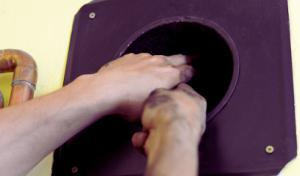
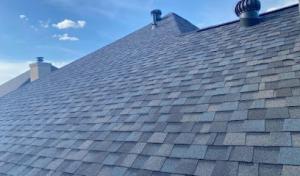
Before a full reroof begins, you should expect a permit through the City of Carson Building & Safety. The permitting process is not a mere formality; it sets the stage for a code-compliant roof that holds up to South Bay weather - from dry Santa Ana winds to winter rain. Understanding that a reroof is a significant project for a tight suburban block helps you align timelines with neighborhood utilities, scaffolding access, and street restrictions. Starting with a permit helps ensure that the materials, fastening methods, and roof assemblies meet current code requirements and local amendments. Your permit file is the official record if you ever need to verify compliance or pursue future home improvements.
The local process includes plan review, permit issuance, and required inspections during and after installation. Plan review is your opportunity to catch any design choices early - for example, ensuring tile, metal, or low-slope systems meet wind uplift and drainage requirements common to nearby freight corridors and arid sun exposure. The plan review aims to confirm that roof edges, flashing details, and ventilation strategies will perform reliably under Carson's mixed climate. After the review, the permit is issued and work can begin under the approved scope. As the project progresses, inspections verify that the installation aligns with the approved plans and current code. Typical inspection milestones cover roof sheathing, underlayment, flashing, and final finishes, along with any required attic or ventilation checks. Keeping these milestones clear in the contract helps prevent delays and rework later in the season.
Inspection in Carson can occur within roughly 1-2 weeks after start depending on department workload, so homeowners need contractors who schedule dry-in and inspection sequencing carefully. Your contractor should map out a clear sequence: early dry-in and securing underlayment, then the weatherproofing layers, followed by final roof coverings, edging, and ventilation connections. Ask about who coordinates the inspections, how often the city requires on-site visits, and what documentation (photos, product data, warranty letters) will be submitted with each inspection. If rain or wind events interrupt progress, have a contingency plan with your contractor to preserve underlayment and flashing and to reschedule inspections promptly. A well-coordinated inspection schedule minimizes downtime and helps keep the project moving through Carson's busy permit calendar.
Keep a dedicated contact in your roofing team for permit and inspection communications, and share the inspection calendar with neighbors who are affected by staging and access restrictions. Ensure your chosen contractor is experienced with local building code nuances, especially for tile-heavy or low-slope assemblies that encounter Santa Ana gusts or winter moisture. Finally, document every inspection approval and retain these records with your home maintenance files, since they support future remodeling or refinancing activities.
Carson's hot, dry summers push heat through attic spaces and into the roof assembly long before the visible shingles show wear. The underlayment and other waterproofing layers sit under that sun exposure, and their aging can outpace what you can see from the ground. When the summer heat hits, the adhesive bonds in many underlayments can soften, crack, or delaminate, compromising weatherproofing even if the exterior looks fine. That means a roof that looks "good" from the outside might already be losing its edge on rain protection below.
UV rays don't stop at the surface; they bake through to layers you rarely inspect. The continuous cycle of heat and sun can dry out and degrade sealants, flashing joints, and fasteners, causing slow leaks or micro-movement in roof joints. In winter, moisture rides into those gaps, and the combination of aging underlayment and seasonal rain can intensify the risk of concealed damage. The result is a roof that needs attention sooner than you might expect if you rely solely on the visible roof covering to tell the story.
In a climate with both harsh sun and winter showers, the right underlayment matters as much as the visible roof. Synthetic or composite underlayments tend to handle heat better and resist tearing, but need proper installation to preserve their moisture barrier. Traditional felt can fare adequately in dry heat, yet it ages faster under persistent sun without careful seams and ventilation. Metal and tile systems each bring their own underlayment demands: metal often pairs with a robust synthetic underlayment and corrosion-resistant detailing, while concrete or clay tile assemblies require compatible, heat-tolerant underlayment and strong seam protection around penetrations.
Choose a roof assembly designed for high heat exposure, with an underlayment that explicitly tolerates heat aging and UV, and insist on high-quality sealants at all transitions. Ensure ventilation paths are clear and effectively balanced to keep the attic from reaching blistering temperatures, which accelerates aging of waterproofing layers. Have a trusted roofer spotlight visible wear and hidden failures-especially around flashing, valleys, and dormers-so you don't wait for a leak to become obvious. In this climate, proactive inspection and choosing heat- and UV-tolerant components are the best defenses against hidden damage that sneaks up after a sunny season.
Extend the life of your existing roof with reflective or waterproof coatings that protect against UV and moisture.
Gold Team Roofers
(562) 620-5550 carsonroofmasters.com
20930 Bonita St #294, Carson, California
4.7 from 74 reviews
A1 All American Roofing
(310) 320-0224 a1roofingcorp.com
22029 S Figueroa St, Carson, California
4.7 from 72 reviews
California's wildfire, wind, and hail risk has tightened underwriting conditions that affect homeowners even though the city is better known for wind and rain-related roof concerns. In this climate, carriers view roofs as the frontline for future losses, so the pressure to demonstrate resilience rises. For a neighborhood with tile-heavy homes and some low-slope pockets near freight corridors, insurers will weigh both material performance and upkeep history. A clear message: a roof that shows age or past damage can become a red flag even if the current condition seems minor.
Carriers may require detailed roof-condition documentation, photos, and evidence of mitigation or reroofing before renewing or issuing coverage. Build a thorough packet before the renewal window closes. Start with recent high-resolution photos of all elevations, attic vents, and roof intersections where leaks tend to start. Include scans of any mitigation work, like upgraded underlayment, missing shingle replacements, or wind-rated fasteners. Keep a dated log of maintenance you've performed, plus notes from any professional roof inspections.
Adjusters and underwriters may scrutinize prior claims and mitigation history, so homeowners should document leaks, temporary tarping, repair invoices, and before-and-after photos. If a leak happened during Santa Ana events or heavy winter rain, photograph the affected area after any tarping is removed and after repairs. Summaries from contractors, including material type, roof slope, and any wind uplift considerations, help establish a track record of care. These details can influence whether you're viewed as proactively managing risk or as a latent-defect case.
A practical approach is to combine timely maintenance with visible upgrades that address common failure points, especially on tile-heavy configurations typical of the area. For low-slope sections near noisy corridors, ensure proper flashing and drainage; for tile areas, verify fastener integrity and underlayment condition. Keep a concise, organized file ready for renewal deadlines so you can demonstrate ongoing diligence and a history of proactive responses when asked by the carrier.
Connect with contractors who help homeowners navigate the claims process from damage assessment to final approval.
Gold Team Roofers
(562) 620-5550 carsonroofmasters.com
20930 Bonita St #294, Carson, California
4.7 from 74 reviews
Magic Roofing Construction Pro
(424) 380-6290 magicroofingconstructionpro.com
Serving
4.8 from 34 reviews
Flat-roof specialization is highly active in the local contractor market, aligning with the mix of commercial properties and low-slope roof sections on additions, garages, and multifamily buildings. When you inspect a flat or low-slope area, start with the drainage plan: confirm that all drains, scuppers, and edge details drain toward the proper direction and are not blocked by debris or built-up gravel. In practice, a regular, proactive cleanout schedule helps prevent ponding, which quickly ages a membrane and invites leaks during winter rains.
Skylight service is common locally, so leaks around penetrations and transitions are a recurring homeowner issue. Look closely at the flashing around each skylight, noting any gaps where the flashing meets the curb, curb-to-roof transitions, and the sealant joints. In a dry season, you might not notice issues, but during winter rain, minor gaps become major pathways for water. If a skylight sits on a low-slope roof, ensure a continuous seal around the perimeter and verify that drip edges, counter-flashing, and the curb flashing align without cracks or lifting.
In the winter rain pattern, low-slope drainage details and skylight flashing become more important than snow-load or freeze-related detailing. Pay attention to roof-to-wall terminations where the wall flashing meets the roof deck, as well as any step flashing along transitions to parapets or adjacent structures. Consistent caulking that remains flexible through seasonal swings helps. If a roof shows frequent surface scuffs or fastener pops near edges, that can indicate wind-driven water infiltration rather than a simple surface leak.
A practical approach is to walk the roof after a heavy rain or rapid temperature drop. Look for standing water near drains, bulging membranes, loose flashing, or dark streaks indicating seepage. Check interior ceilings for any fresh staining around skylights or wall transitions. For homes with additions or garages, treat those low-slope sections with the same careful attention as the main roof, since contractors often prioritize primary sections while overlooking joins and penetrations in secondary roofs.
Find specialists in TPO, EPDM, and built-up flat roofing systems for residential and commercial properties.
Gold Team Roofers
(562) 620-5550 carsonroofmasters.com
20930 Bonita St #294, Carson, California
4.7 from 74 reviews
A1 All American Roofing
(310) 320-0224 a1roofingcorp.com
22029 S Figueroa St, Carson, California
4.7 from 72 reviews
The Carson market shows especially strong signals for reroofing, quick response, and cleanup included, so homeowners here clearly value contractors who can move fast and leave the property clean. When you call to schedule a bid, note how soon the crew can start after a signed agreement and whether they've got on-site supervision to keep the job moving in tight weather windows. On a typical tile or low-slope reroof, the crew's ability to wrap up debris management daily matters just as much as the finished surface. Ask for a written promise that daily cleanup will be part of the contract and that hot-work or material scraps won't be left overnight. In a neighborhood with heat and Santa Ana winds, a fast, tidy crew reduces the risk of wind-blown debris and heat-related damage to surrounding property.
Residential and commercial experience both appear prominently in the local market, which matters because many contractors here work across tile homes, shingle homes, and low-slope buildings. You want a contractor who can adapt when the roof profile changes mid-project, such as transitioning from a clay or concrete tile area to a low-slope section or replacing a standing seam where a tile roof used to be. Prefer bids from crews that can demonstrate completed projects in each system type and can show photos or references from similar Carson roofs. A flexible portfolio often signals smoother coordination with material suppliers, which helps with roof ventilation and underlayment decisions as seasons shift.
Manufacturer-certified, licensed, insured, free-inspection, and drone-inspection signals are present but not universal in Carson, so homeowners should verify credentials rather than assume every bidder offers them. Start by asking for current licenses, proof of insurance, and any manufacturer designations that apply to tile, shingle, metal, and low-slope systems. If a contractor uses drone inspections, request a sample report and a plan for addressing any found issues. Don't hesitate to call the manufacturer or local trade associations to confirm certification status, and compare bids based on verified credentials rather than headlines.