Last updated: Apr 19, 2026
In a harbor-adjacent setting, roof systems feel the salt and damp conditions more than inland Los Angeles neighborhoods. The salt-laden air accelerates oxidation and corrosion on metal parts, fasteners, and flashings, and it can creep into exposed accessories that seem tucked away under eaves. For asphalt shingles, the salt air doesn't just weather the surface; it can contribute to granule loss on exposed slopes and reduce overall wind performance when the substrate is already stressed. In practical terms, you'll want a comprehensive look at all metal interfaces-ridge cap attachments, drip edges, plumbing vent collars, and strap flashings-at least once a year. Pay attention to areas where salt spray pools during windy days or where moisture lingerers occur near vent openings and roof-to-wall joints. A thoughtful inspection cadence now saves bigger issues later.
Coastal humidity paired with salt air creates a corrosive environment that bodies like metal fasteners and flashings simply don't like over the long haul. When you choose or replace metal roof components, prioritize coatings and corrosion-resistant alloys, and verify that the exposed fasteners have compatible coatings to prevent galvanic reaction with adjacent metals. In routine maintenance, check for staining, rust creepage, or coating blisters along the ridge line, hip lines, and edge flashings. The Harbor district's typical breezes can push salt-laden spray onto the upper fascia and roof edge, so you should routinely inspect fastener heads, seam sealant, and the seal around vent flashings. If you notice even slight corrosion, address it promptly by replacing impacted fasteners and resealing joints with a compatible, marine-grade sealant. For metal roofs, this is the moment to re-tighten or replace exposed screws where needed, especially along roof edges and near any penetrations into the deck.
Seasonal Santa Ana winds can surge through the harbor basin with notable uplift potential, stressing aging shingles, ridge caps, and lighter roof edges. The problem isn't only wind speed; it's how the wind interacts with aging or undersized systems. If a roof has spent years exposed to coastal gusts, lifting under shingles and loose ridge details becomes a real threat. You'll want to resecure and reseal ridge and edge components before the fall wind season, focusing on roof-to-ridge integrity and the condition of cap shingles or tiles that are cracked, cupped, or delaminating. For tile roofs, inspect mechanically anchored or mortared ridge lines for any cracking or movement. Even on newer installations, ensure that edge clips or fasteners hold securely and that the underlayment remains closely fitted to the deck with no loose sections that could act as sails in a strong gust. A prudent approach is to preemptively replace compromised fasteners and reseal penetrations to maintain wind uplift resistance.
Older low-slope roofs in this area often rely on asphalt or modified-bitumen systems, while many homes feature clay or concrete tile that responds differently to coastal exposure. For shallow slopes, ensure that membrane seams are fully sealed and free of ponding water. In tile roofs, evaluate the condition of the laps and the integrity of the mortar between tiles on the ridge and hips; salt air can accelerate tile edge wear and grout deterioration. With clay and concrete tiles, you'll want to confirm that each tile sits securely, as movement or cracking can create openings for salt-laden moisture to infiltrate beneath the roof plane. For wood shingles or shakes, coastal humidity can cause faster warping and rot if ventilation is inadequate or if the substrate gets saturated during marine humidity cycles. If you notice blistering, cupping, or excessive granule shedding on asphalt shingles, treat those zones as high-priority and address underlying moisture intrusion or edge exposure promptly.
Set a predictable maintenance rhythm: two thorough checks each year, one ahead of the Santa Ana season and one after the winter-damp months. During each visit, walk the entire perimeter, paying special attention to corners, overhangs, and the transition from roof to wall. Inspect all metal components for corrosion or loose fasteners, reseal or replace where salt exposure is evident, and verify that flashings stay continuous and well-sealed against the deck. On shingles or tiles, look for curling, cracking, or lifting along hips and ridges, and test the integrity of any lightweight edge details that are most exposed to uplift. For penetrations such as vents and skylights, confirm that flashing remains watertight and that the sealant line shows no signs of drying or cracking. If you find issues, address them in a timely manner to preserve the roof's resilience against Wilmington's unique harbor climate pressures.
Ponding water, salty spray, and windy days are not just nuisance factors-they're real threats to low-slope roofs on older residential and mixed-use buildings, especially in the harbor-adjacent pockets. Detached garages and add-ons with flat or near-flat sections tend to leak first after winter rains when the surface isn't shedding water quickly enough. Salt-tinged moisture accelerates corrosion on metal flashings, scuppers, and drain fittings, while coastal humidity can soften roofing membranes under prolonged exposure. This isn't a problem that cruises by quietly: a small failure on a low-slope roof can cascade into interior seepage, compromised insulation, and higher repair bills if left untreated.
On Wilmington's salt-air climate, proper drainage is non-negotiable. Check that scuppers are clear, downspouts aren't clogged, and there's a true positive slope across the entire surface. In winter rains, stagnant water should not linger beyond 48 hours after a storm-periods of ponding invite accelerated membrane wear and leak paths at every seam. Flashing transitions around chimneys, vent pipes, and roof-to-wall junctions demand extra attention: ensure seals remain flexible, metal terms aren't corroded by salt, and any protrusions are properly integrated with a waterproof cap sheet or flashing cement. Where a low-slope roof meets a vertical wall, look for step flashing that remains tight against the wall and sealed against wind-driven rain. If flashing has pulled away or shows granular loss, it's time to resecure and reseal with compatible materials designed for coastal exposure.
In this harbor environment, proactive maintenance buys serious time. Twice a year, perform a surface scan after winter storms for blisters, punctures, or lifted edges on any membrane or single-ply system. Pay special attention to the edges, where wind-driven spray can peel back protective coatings. Inspect sealants around penetrations-HVAC curbs, skylights, vents-and replace weathered sealant with a product compatible with the roofing material and the coastal climate. For tile roofs with flat or low-slope sections, check underlayment coverage and ensure any membrane layers haven't shifted, especially near transitions to steeper roofs. Tighten and reseal any fasteners that have begun to loosen from vibration and salt exposure.
Wilmington homeowners often encounter roof crews that handle flat roofs with confidence, not just traditional shingle work. This matters because low-slope sections benefit from crews familiar with scupper maintenance, drain-tray integrity, and long-term waterproofing details that stand up to coastal winds. If a leak persists after localized repairs, seek a contractor comfortable with both residential flat details and the nuances of mixed-use structures. A firm that can responsibly reflash, reflare, and reinstall with attention to coastal materials will reduce risk and extend the life of a harbor-adjacent roof. In short, treat any persistent ponding, scupper clog, or flashing failure as an urgent warning, not a nuisance repair.
Find specialists in TPO, EPDM, and built-up flat roofing systems for residential and commercial properties.
Canovas Roofing
(310) 935-2504 www.canovasroofing.com
613 Gulf Ave, Wilmington, California
5.0 from 37 reviews
We are a family business specialized in the installation of all types of roofs and we build porch pergolas in addition to offering a wide variety of services to the needs of your roof and project, we strive to offer the highest quality of service to offer solutions for each customer with their needs as a priority.
Modern Solution Roofing
(661) 339-3278 www.modernsolutionroofing.com
Serving
5.0 from 27 reviews
At Modern Solution Roofing, we’re not just a roofing company, we’re your neighbors with innovative, reliable roofing solutions, delivered with integrity ,expert craftsmanship, and unwavering commitment to customer satisfaction. We specialize in roof replacement, re roof, roof repair We’re local roofers, proudly serving Santa Clarita as a trusted, owner-operated company. 10+ years of experience in SCV, San Fernando Valley and Los Angeles County. We hold a C39 roofing license, full insurance, bonded, and workers’ comp, because your peace of mind matters. Free estimates. No hidden fees or pushy up sales. We’re proud to support our military, ask about discounts for active duty and veterans.
Watershield Roofing
(424) 221-2118 watershieldroofingco.com
Serving
5.0 from 24 reviews
Watershield Roofing in Los Angeles, CA is a roofing company that offers expert installation, repair, and maintenance services for both residential and commercial properties. Our skilled team, quality materials, and commitment to customer satisfaction ensure durable and stunning roofs. Choose Watershield Roofing for all your roofing needs. Call today to schedule an appointment!
One Roofing Solution
(323) 543-7482 oneroofingsolution.com
Serving
5.0 from 23 reviews
Protect your largest investment with our reliable roofing services. We are a locally owned and operated roofing company currently serving Maywood, CA and surrounding communities. If you want to make your roof last as long as possible, it is vital that you never put off a roof repair. Small issues with roofing become big issues in a hurry. No matter how major or minor the repair you need, we are here to help. We offer roofing services, roof installation, and roof repair.
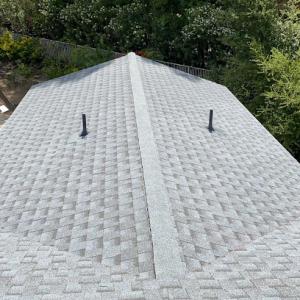
AEL Roof Leak Repair Los Angeles
Serving
5.0 from 23 reviews
AEL Roofing Leak Repair Los Angeles are a team of professional roofers that can handle roof leak repair and replacements on residential roofs, commercial roofs, or specialty roofs. We are one of the top roofing companies in the greater Los Angeles area, and we have experience working with a wide variety of products, including composition shingles, asphalt shingles, metal roofs, tile roofs, PVC, and TPO. We can also work with flat roofs, roof coating, PVC, and single ply roofing, and there are many more options available. Be sure to consider us when you’re choosing a roofer for your next project. Looking forward to work with you ! AEL Roofing Leak Repair Los Angeles
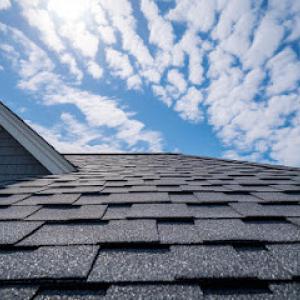
NR Roofing CA
(626) 654-4714 nrroofinglosangeles.com
Serving
4.7 from 42 reviews
Roof repair & Installation Services in Pasadena California: NR Roofing CA repair and install all types of roofs in Los Angeles County California.
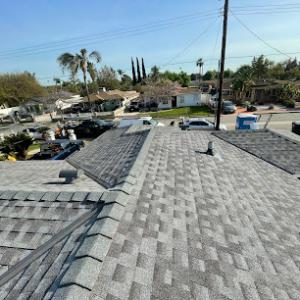
United Master Roofing
(626) 627-3959 www.unitedmasteroofing.com
Serving
5.0 from 18 reviews
We are a small local family-run business dedicated to meeting all your roofing needs. We offer a wide range of services from repairs, maintenance, and replacement to installations. We promise to give you the best quality of work for your home or business.
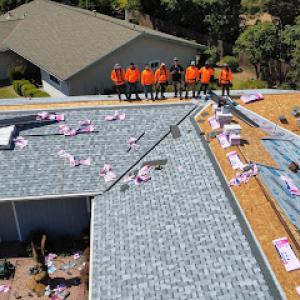
Ark Roofing & Construction Los Angeles
(818) 233-0002 arkroofingco.com
Serving
5.0 from 17 reviews
Ark Roofing and Construction is Los Angeles trusted roofing contractor, specializing in expert Roof Replacements, Roof Repairs, and full-service Residential Roofing. We help homeowners protect their properties with high-quality Asphalt Shingle Roofs, Tile Roofs, and Flat or Pitched Roof systems tailored to Southern California's climate and codes. With years of hands-on roofing experience across the LA area, we understand the unique challenges Los Angeles homeowners face—heat, sun exposure, and aging roofing systems. Whether you're dealing with a leaking roof, storm damage, or simply time for a full Roof Replacement, our team delivers clean, reliable, and professional roofing services from start to finish.
Specialist Roofing & Repair
(562) 207-5139 www.roofrepairspecialist.com
Serving
4.8 from 90 reviews
Specialist Roofing & Repair in Long Beach is your trusted choice for residential and commercial roofing services. Backed by over 10 years of experience, we specialize in roof repairs, replacements, and new installations using premium materials from Owens Corning, GAF, Polyglass, and CertainTeed. As an Owens Corning Platinum Preferred Contractor, we deliver long-lasting, weather-resistant solutions with transparency and integrity. Our licensed, BBB-accredited team proudly serves the Long Beach area with free inspections, honest assessments, and fast emergency response. Protect your home or business with expert roofing you can count on—call today for a free estimate! C39 License #1007386

Premium Legacy Roofing & Construction
(661) 513-7514 www.premiumlegacyrnc.com
Serving
4.6 from 19 reviews
Are you looking for top-notch roofing and concrete services in Santa Clarita, CA? At Premium Legacy Roofing and Construction, we pride ourselves on providing excellent value to our customers with unbeatable quality at approachable pricing. Our expertise ensures your projects move swiftly, delivering exceptional results every time. Specializing in roofing services such as roof replacement and tile roofing, we are your go-to partner for all your general home renovation needs. Additionally, we excel in concrete services, providing durable solutions for your property. Let's transform your home into the space of your dreams! Contact us today to get started.
Action Roofing
Serving
5.0 from 42 reviews
ACTION ROOFING, INC. is your trusted neighborhood roofing service, proudly serving the Torrance, CA area. Located on Lockness Avenue, we're dedicated to providing top-quality roofing solutions for your home or business. When you need reliable roofing expertise close to home, think ACTION ROOFING.
A1 All American Roofing
(310) 320-0224 a1roofingcorp.com
Serving
4.7 from 72 reviews
At A-1 All American Roofing, we deliver quality roofing with integrity and confidence. Our mission is to set the standard in Southern California with unmatched customer service, reliable workmanship, and a commitment to supporting our team’s personal, professional, and financial success as the company grows. Guided by our core values—Inspirational, Disciplined, Accountable, Transparent, Aligned, and Results-Oriented—we specialize in roof replacements, repairs, inspections, and maintenance for residential, commercial, and multi-family properties. From shingles to flat roofs, we use only proven materials and industry-leading installation. We also are fast, reliable and respond to any emergency. State of California License Number 1130235
Clay tile and concrete tile are common choices in Southern California and perform well in Wilmington's dry summers, but underlayment life often becomes the deciding factor before the tiles themselves fail. Salt-laden air, coastal humidity, and seasonal heat cycles can accelerate underlayment wear, especially on low-slope roofs where moisture sits longer. When tiles age, hairline cracks or micro-movements can expose underlayment to moisture sooner than you might expect, making a trusted, roof-assembly-compatible underlayment essential. Look for underlayment with proven UV stability and good moisture vapor transmission, and plan for inspection intervals that focus on the joints, penetrations, and transitions around vents, skylights, and chimney flashings. Tile fasteners and supports should be inspected for corrosion in areas closest to the harbor breeze, where salt exposure is most pronounced. If the underlayment shows signs of deterioration, replacing it before a tile replacement significantly extends the roof's life and reduces risk of interior leaks.
Asphalt shingles remain a dominant lower-cost option, but summer heat and fall wind exposure can shorten service life on older installations near the coast. In Wilmington, reflective ventilation and proper attic insulation help reduce heat buildup that causes premature granule loss and curling on conventional shingles. For older shingle roofs, pay close attention to wind-driven lift around eaves and ridges after a dry Santa Ana-like spell or a heavy coastal breeze. Consider reinforcing with higher-quality, wind-resistant shingle products or upgrading to laminated shingles for better resilience against gusts. Regular inspections after peak hurricane-season winds can catch lifted edges, blown granules, and exposed fasteners before internal leaks develop. A quality sealant around flashings and vent closures can also help mitigate salt spray ingress at vulnerable seams.
Wood shingles and shakes appear in the market but require closer attention in a coastal environment where moisture cycling can affect durability. Salt air can accelerate fungal growth and speeding of surface checks, especially on untreated or poorly sealed surfaces. Ensure wood products are rated for coastal exposure and that the roof assembly includes an appropriate vapor barrier and drainage detail to avoid prolonged saturation. Regular cleaning of surface debris, moss, or algae buildup is essential, since moisture retention amplifies weathering. Re-staining or sealing on a timely cycle protects the wood from UV and salt exposure, but avoid over-sealing, which can trap moisture. If any soft spots or cupping appear, prioritize replacement with a more durable option like a high-grade shingle composite or a tile alternative that better resists moisture cycling.
Across tile and shingle choices, the coast's combo of salt air, humidity cycles, and wind means proactive maintenance beats reactive fixes. Keep fasteners and flashings tight, gutters clear, and vent regions free of debris. Regular inspections after wind events and during the dry season help catch moisture intrusion early. When choosing materials, prioritize systems that pair a durable roof covering with a resistant underlayment and solid ventilation strategy to contend with Wilmington's unique coastal climate.
That wetter winter period is the most disruptive time for tear-offs and the season when hidden leak paths are most likely to show up inside the home. If a roof isn't fully dry when rain returns, a few drops can turn into rapid indoor trouble, especially in low-slope and older tile setups common around the harbor area. Plan your teardown and reinstallation to avoid back-to-back storms, and schedule an aggressive dry-in check the moment crews finish to keep moisture from sneaking into attic spaces and ceilings.
Heavy rain during replacement increases the need for staging, dry-in planning, and temporary protection because coastal weather windows can close quickly. Use a robust staging zone to keep materials dry and out of gullies where wind can lift them into gutters and onto the street. Secure temporary tarps and edge protection that extend beyond the eaves, and insist on a dry-in that includes a water-shedding underlayment, a continuous sealant at all penetrations, and test pours or internal checks before the final set. If a sudden storm rolls in, be prepared to pause work and re-check all seams and flashings before resuming.
Debris and uplift during Santa Ana wind events can worsen edge damage and expose weak flashing details before the rainy season. Inspect fascia boards, drip edges, and rakes after every windy spell and before any major rain is forecast. Pay special attention to chimney shrouds, skylight decks, and vent boot heels, where salt air can corrode fasteners and degrade sealants. If edge damage is spotted, address it promptly with reinforced metal flashing and a continuous seal along the edge line to prevent wind-driven leaks from finding their way under shingles or tiles.
Communicate a real-time weather alert plan with your roofer so crews can tighten staging and protect interior spaces as storms approach. Request a thorough leak-path map for the attic and ceiling planes, and ensure temporary coverings are in place to keep moisture off interior finishes during heavy rains. After wind events, demand a focused inspection of all edge systems and flashing transitions to catch hidden vulnerabilities before the next rainstorm arrives.
Find local contractors experienced in assessing and restoring roofs after hail, wind, and severe weather events.
In this coastal neighborhood, use these local ranges per square when planning a replacement: Asphalt Shingles 400 to 700, Metal Roofing 900 to 1800, Clay Tile 1000 to 2500, Concrete Tile 900 to 1700, Wood Shingles/Shakes 700 to 1500, Synthetic/Composite Shingles 500 to 1000. These figures reflect Wilmington's salt air and marine humidity, where the right fasteners and flashings can shift the price noticeably from a standard installation. For example, upgrading from basic nails to corrosion-resistant screws and stainless or coated fasteners can push costs upward, even within the same material category.
Costs in Wilmington can rise when coastal corrosion requires upgraded fasteners, flashings, or accessory metals rather than standard components. The salt-laden breeze accelerates metal wear, so expect higher quotes if the project calls for non-standard metal trims, hoods, or galvanized hardware. Tile roofs and concrete pavers must contend with wind-driven debris and higher moisture; heavier tiles can necessitate stronger support and a more robust underlayment, which adds to the bottom line. If a roof includes multiple elevations or transitions, the contractor may itemize those as separate line items, subtly lifting the overall price.
Low-slope tie-ins, detached garages, older roof decks, and staged scheduling around winter rain can materially affect final pricing in this neighborhood. Low-slope sections often demand additional flashing and more precise membrane work to prevent ponding or leakage, while detached garages might be priced separately due to access challenges. Older decks sometimes require deck repairs or reinforcement before a full replacement, adding cost but improving long-term performance. Expect staged scheduling to spread costs over multiple visits if weather windows are narrow, which is a practical reality on the waterfront.
When budgeting, separate material costs from labor, and ask for a detailed breakdown of fasteners, flashings, and underlayment. In Wilmington, you'll likely see a premium for wind-rated underlayment and corrosion-resistant metal accessories, especially on tile and metal roofs. Compare bids not only by per-square price but also by the scope of prep work, deck assessment, and warranty terms. If a contractor proposes a phased replacement, confirm which portions are included in each phase and what contingencies cover weather-related delays.
Winter rains can influence scheduling and total time to complete a replacement. Build in a buffer for potential weather delays and, if possible, plan around the heaviest marine wind seasons. A well-timed project minimizes exposure of wet decks and vulnerable flashings, reducing the risk of post-install leaks and additional follow-up costs.
Get a clear picture of your project costs upfront - no commitment required.
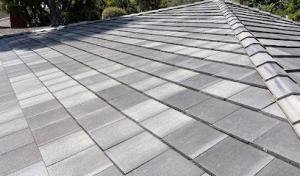
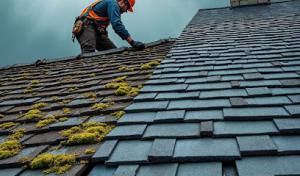
The roof replacement project in this harbor-adjacent neighborhood falls under the City of Los Angeles permitting system rather than a standalone Wilmington building department. A permit is typically required for a full roof replacement, with the Los Angeles Department of Building and Safety handling permit issuance and inspections. Expect the process to surface issues tied to coastal conditions-salt air, marine humidity, and wind exposure-that can influence how the project is reviewed and what materials pass muster.
Inspections are staged to catch moisture, ventilation, and installation details early. You should expect a tear-off inspection after old shingles or tiles are removed, another check after underlayment and venting is installed, and a final inspection before the work is considered complete. In this coastal setting, inspectors may pay particular attention to corrosion resistance, fastener choices, and roof-to-wall transitions that stand up to salty air and sea breezes. If your roof uses tiles, concrete or clay, the underlayment and flashing methods will also be scrutinized to ensure long-term performance in marine conditions.
Timing and fees vary, and some properties also face HOA requirements that add review steps or architectural constraints. If your home sits in a community with a homeowners association, it may require additional documentation or approvals before any permit can be issued or inspections scheduled. Delays can stem from plan revisions, neighboring easements, or historical preservation notes, so factor potential back-and-forth into your schedule.
To keep the plan moving, have plan sets ready for submission, confirm any HOA prerequisites, and coordinate with the contractor about staged access for inspections. Weather windows matter in this coastal environment, especially after storm seasons or during persistent marine humidity. Clear communication with the permit office and the contractor helps minimize rework and helps ensure the project aligns with local requirements and the house's salt-air realities.
Tightening underwriting and coastal exposure help describe the current climate for claims after storms. Insurers are pulling back and becoming more selective, and the local trigger tends to be wind and water intrusion more than wildfire. That combination means adjusters scrutinize roof wear with a fine-tooth comb, and carriers can stall on otherwise straightforward repairs if the roof shows aging or signs of long coastal exposure. The result is more careful claim reviews and longer timelines, especially after a strong coastal storm season.
When the claim starts, you will be asked for a clear record of what the roof has endured and how it has been maintained. You should gather age estimates, maintenance notes, and any visible wear from previous years, plus timely pre-loss photos. After a storm, take wide and close-up shots of every section, and compare them to early photos if available. Include relevant records such as post-storm inspections and, yes, permit records where they exist, to show the roof's history and the scope of damage. This helps adjusters distinguish old coastal wear from sudden damage, reducing back-and-forth and misinterpretation.
Keep a simple, dated log of tile or shingle color changes, rust on fasteners, and any moisture signs around vents and penetrations. Have a trusted local roofer provide a written assessment of vulnerable seams, ridge lines, and penetrations that wind and salt-air can exploit. Being proactive with this documentation can prevent claims from stalling in the critical first days after a storm and supports a more accurate repair scope. In Wilmington, salt-laden air accelerates corrosion, so timing matters. Delay invites hidden leaks and bigger claims later.
Connect with contractors who help homeowners navigate the claims process from damage assessment to final approval.
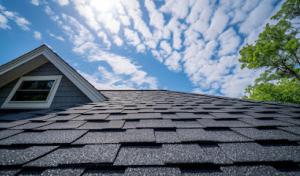
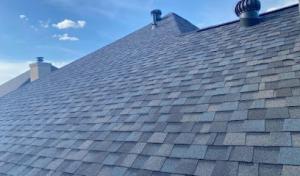
In this market, leak complaints often center on penetrations such as skylights, vents, and later-added rooftop equipment rather than field shingles alone. The combination of salt air, coastal moisture, and wind-driven rain makes flashing around skylights and mounted equipment more consequential than in drier inland neighborhoods. A single poorly flashed penetration can be the primary source of water intrusion after a storm, especially on older or retrofit roofs.
When inspecting or planning work, treat the flashing as the first line of defense. Look for corroded metal, lifted or bubbled rubber, and sealant gaps around skylights and vents. In Wilmington, the salt air accelerates deterioration, so flashing should be compatible with aluminum or copper where appropriate and replaced with corrosion-resistant sealants. Ensure counter-flashing is properly lapped and that any step and curb flashing around roof penetrations is continuous and well-seated. If a skylight sits on a flat or low-slope section, check for pooling nearby and consider upgrading to a low-profile flashing kit designed for coastal conditions.
Solar-related roof work is present in this market, so homeowners should verify how reroof timing, flashing, and warranty responsibility are handled before replacement. If panels are mounted, confirm that the mounting system allows for independent flashing replacements without disturbing the entire array. Ask who leads the flashing retrofit when shingles are replaced, and whether the solar warranty remains intact after a roof replacement. For retrofits, ensure penetrations are resealed with coatings compatible with both shingles and solar hardware to avoid bridging gaps that let in wind-driven rain.
On an annual check, inspect all penetrations for lifted shingles, grit buildup around skylights, and any movement in vent pipes. In windy coastal zones, reinforcements around mounted equipment with proper sealant and flashing tape can prevent micro-leaks that compound during storms. If sealants appear dried or cracked, plan a targeted resealing rather than a full tear-off, unless the roof is already due for replacement. Remember, successful maintenance hinges on robust, coordinated flashing work around every penetration.
Find contractors experienced in skylight installation, flashing, and leak repairs to bring natural light into your home.