
Last updated: Apr 19, 2026
In this area, the Mediterranean-style roofscape means most full reroofs are best scheduled in spring. The days are longer, the relative heat isn't extreme, and crews can work consistently before the wetter November to March period starts creeping in. If a full tear-off is planned, spring gives a reliable window to complete the bulk of the work before winter rain risk climbs. Start milestones early: confirm tear-off safety, set up tarps and edge protection, and have closeout tasks lined up so any final inspections or adjustments can happen quickly once the weather turns. A spring schedule also reduces the chance that interior spaces are exposed during a mid-winter rain event.
Winter rain in the Los Angeles Basin can leave tear-off phases exposed longer and raises the chance of interior leak damage if replacement starts during active storm periods. When spring is selected for the main reroof, the goal is to finish the most vulnerable steps before the wet season begins. This means prioritizing tear-off logistics, securing temporary water control, and coordinating with crews to minimize a prolonged open roof deck. If a late-wall or interior ceiling inspection is needed, arrange it while the weather remains cooperative. For homes with flat portions or low-slope sections, extra attention should be paid to deck sealing and temporary drainage during the short, promising window before summer heat intensifies.
Fall and winter Santa Ana wind events can blow debris onto exposed roof decks and can worsen damage on already-loose shingles, tiles, and flashings. Even a modest wind can lift loose edges or lift underlay where previous repairs exist. If a reroof is scheduled for late fall, expect more precautions: secure temporary coverings, double-check edge protection, and plan for accelerated cleanup of debris from gutters and surrounding areas. If the plan is to start in late fall, build in a contingency to pause during gusty weather and resume when winds ease. For a winter-start approach, aim to complete critical tear-off and deck sealing during calm stretches, then pause for any unexpected rain events and resume promptly when the forecast looks steady.
Tile roofs-whether clay, concrete, or synthetic-present specific timing considerations. In the Los Angeles Basin, fall and early winter can bring wind-driven debris that chips edges and rattles fasteners. Clay and concrete tiles need clean breaks and careful setting to prevent micro-cracks, especially when wind and cooler temperatures tighten gaps. Low-slope or flat systems should be scheduled when mornings are dry and dew is minimal to ensure sealants cure properly. For asphalt and synthetic shingles, the spring window remains favorable for consistent adhesion and curing, reducing the risk of wind-driven shingle uplift once the roof is sealed.
Begin with a clear path from tear-off to final surface. Confirm a staged plan: site protection and tarping first, then tear-off, followed by deck and underlayment installation, flashing and vent work, and finally the new roof surface. Align crew shifts to maximize daytime drying windows, especially in late spring when temperatures rise and dew points fall. Schedule inspections for critical junctions-the roof-to-wall interface, penetrations, and edge details-so adjustments can be made before the final layers go down. If a storm system shifts the timeline, have a clear rollback plan: re-sequence tasks to protect exposed materials, reschedule deliveries, and adjust the contingency dates for a smooth resume once weather permits. This approach minimizes risk and keeps the project moving through Compton's seasonal rhythm.
Flat-roof domination is a hallmark of the local housing mix, spanning single-story homes, additions, garages, and mixed-use properties. In this climate, you're not just guarding against leaks-you're protecting living space, storage, and resale value. Winter ponding, clogged drains or scuppers, and failed penetrations around vents and equipment are recurring leak triggers on low-slope membranes. Hot inland summer exposure accelerates surface aging, so the window to address coating wear, seam separation, and flashing failure closes quickly once the rainy season rolls in. The calendar isn't cosmetic here; it's a practical shield against sudden water intrusion after a dry season that has already stressed materials.
Winter rain in the South Los Angeles area is a pressure test for every flat roof. If the membrane shows blisters, ridges, or small blisters along seams, treat them now before winter storms bring higher water load. Look for clogged drains or scuppers that sit low in the parapet-debris, leaves, and plant material here can back up quickly. Inspect penetrations around vents, HVAC equipment, and skylights; dried sealants crack, allowing wind-driven rain to sneak through. In hot months, the sun's relentless glare ages coatings and membranes; you'll notice more chalking, color fade, and surface hardening. Scheduling maintenance before the first winter rain is not a luxury-it's a practical safeguard against a cascade of leaks when the pressure is highest.
Low-slope systems are uniquely prone to slow leaks that you only notice after a rain event has already saturated insulation or ceiling joints. The most frequent culprits are failed flashings around vents and equipment, aging or non-functional sealants at sheet joints, and drainage that isn't moving water off the surface efficiently. Ponding water on a flat roof isn't just unsightly; it's a silent accelerant of membrane fatigue. Debris jams scuppers and drains, and even small gaps around penetrations can become channel paths for water, especially where hotseason expansion contracts and pulls at fasteners and seals.
Create a pre-rain checklist focused on drainage and penetrations. Clear all scuppers and downspouts, test any interior water-stops, and re-seal flashing where old sealant shows cracks. If you're not comfortable with debris removal from roof edges or overhead work, bring in a trusted flat-roof specialist for a quick inspection. Track any new signs of ponding after light rains; recurring ponding is a signal to prioritize a repair or coating refresh before heavy winter storms. Keep the roof surface clean and free of plant growth; even moss and algae can wick moisture into seams and fasteners over time.
Walk the roof after a dry spell and note any new bubbles, cracks, or loose edging material. Photograph problem areas and map their locations to guide a professional visit. Prepare a short list of urgent concerns-drainage blockages, exposed fasteners, or flashing gaps-that you want addressed during the next service. Plan ahead for fall wind events by checking securement of edge metal and penetrations, since gusts can lift vulnerable flashing and push water into seams. If you're adding or replacing components, prioritize material choices with proven UV resistance and reliable sealants designed for hot inland heat and seasonal cold snaps. This proactive stance keeps a Compton roof drier, safer, and more durable through winter winds.
Find specialists in TPO, EPDM, and built-up flat roofing systems for residential and commercial properties.
Solid Compton Roofs
(424) 260-0009 rooferscompton.city
739 Rosecrans Ave #289, Compton, California
4.8 from 72 reviews
Maverick Roofing
(310) 438-3388 maverickroofinginc.com
845 W Compton Blvd, Compton, California
4.9 from 78 reviews

Roofing Solutions
1301 E Rosecrans Ave #105, Compton, California
4.9 from 74 reviews
Roofing Solutions specializes in providing comprehensive roofing services to meet your needs. Our team of skilled roofers is committed to delivering high-quality workmanship and top-notch customer service. We understand that your roof plays a crucial role in safeguarding your property, and we are dedicated to ensuring its longevity and performance. From repairs to installations, Roofing Solutions offers reliable and efficient solutions for all your roofing requirements. Trust us for professional and dependable roofing services.
Solid Compton Roofs
(424) 260-0009 rooferscompton.city
739 Rosecrans Ave #289, Compton, California
4.8 from 72 reviews
Solid Compton Roofs is a premier provider of exceptional roofing services for both residential and commercial properties. With a long-standing reputation for quality and reliability, our team of licensed, insured, and bonded professionals offers a comprehensive array of services, from new installations and repairs to complete roof replacements. We maintain a firm commitment to superior craftsmanship and detailed workmanship.
Maverick Roofing
(310) 438-3388 maverickroofinginc.com
845 W Compton Blvd, Compton, California
4.9 from 78 reviews
Maverick Roofing is a full service commercial and residential roofing contractor that can perform roof repairs to complete reroof systems.

Gonzalez Roofing
(323) 434-0309 www.gonzalezroofinginc.com
600 S Locust Cir, Compton, California
4.8 from 30 reviews
Our company specializes in all types of roofing projects in the area. We can handle any kind of job from a small roof repair to even large roofing projects. If your house is experiencing roof leaks, contact us for a roof repair, our people will get the job done right away. We are licensed and insured, we can take on any roof maintenance job that you need on your home. We are experienced in residential roofing and commercial roofing, any project you have in mind, we can handle. Please do not hesitate to give us a call to give you a free quote on your current project. We are your first choice when it comes to hiring a certified roofing company. Our company offers incredible pricing, call us for more information..
Chandler's Roofing
(310) 831-7663 www.chandlersroofing.com
Serving
4.7 from 148 reviews
Based in Los Angeles County, CA we provide state-of-the-art roofing and solar solutions in the South Bay's Beach Cities and surrounding communities in Los Angeles, Orange County and Palm Springs from our corporate office in Gardena, CA and our satellite office in Rancho Mirage, CA. At Chandler's Roofing, we realize that knowing how to build a successful relationship with our clients is just as important as knowing how to build a quality roof and solar system. If you need roof installations, repair, solar, skylight, gutter installation or repair - we're your local neighborhood roofing contractor in business since 1942.

Gardena Roof Repair Squad
Serving
4.8 from 74 reviews
Gardena Roof Repair Squad is here to take care of your roofing issues promptly and efficiently. Our team of experienced professionals specializes in providing reliable roof repair services. We understand the importance of a sturdy and well-maintained roof, and we strive to deliver exceptional results every time. Whether it's a small leak or extensive damage, we have the expertise to handle it all. Using our industry knowledge and top-grade materials, we ensure that your roof is restored to its optimal condition. Trust Gardena Roof Repair Squad for efficient and dependable roof repairs you can count on.

BYLTup
Serving
4.9 from 121 reviews
We build high quality roofing and solar systems for residential and commercial applications with a niche commercial tenant improvement division. Serving all of Long Beach and the surrounding areas of Los Angeles and Orange Counties, our crews are certified and trained at the highest levels in the most advanced roofing and building materials. Our expert team of technicians have been recognized by the industries leading manufacturers for their quality and service, allowing us to offer our customers unparalleled warranties on new solar roofing systems.

Prime Gardena Roofing
(424) 484-0009 gardenaroofing.com
Serving
4.8 from 72 reviews
Prime Gardena Roofing is a reputable roofing company serving the Gardena area with pride and professionalism. With our experienced team of skilled professionals, we specialize in providing top-quality roofing solutions for residential and commercial properties. From roof installations to repairs and maintenance, we have the expertise to handle projects of any size or complexity. Our commitment to excellence and attention to detail ensure that your roofing needs are met with precision and efficiency. At Prime Gardena Roofing, we prioritize using high-quality materials and proven techniques to deliver exceptional craftsmanship and durable results. Trust us for reliable roofing solutions that protect and enhance the value of your property.

Repair Roof Now
Serving
4.7 from 75 reviews
Repair Roof Now is your go-to destination for prompt and reliable roof repair services. We understand that a damaged roof can lead to various issues and compromise the safety of your property. Our team of experienced roofers is skilled in identifying and resolving a wide range of roofing problems. With our quick response and quality workmanship, Repair Roof Now delivers efficient solutions to restore the functionality and durability of your roof. Trust us for professional and dependable roof repair services.
Majestic Roofing
(310) 928-2262 gardenaroofingcontractor.com
Serving
5.0 from 20 reviews
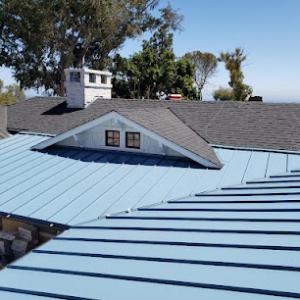
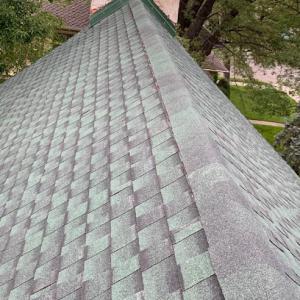
Elevate your property with Majestic Roofing, your premier destination for top-tier roofing solutions. Our expert team specializes in Roof Installation, seamlessly blending precision and artistry to crown your home with excellence. When it's time for an upgrade, trust Majestic Roofing for flawless Roof Replacement, ensuring lasting durability and aesthetic appeal. Count on us for swift and effective Roof Repair, addressing issues promptly. Explore our diverse offerings, from the modern allure of Metal Roofing to the timeless reliability of Asphalt Shingle Roofing. For commercial spaces, our Commercial TPO Roofing delivers unmatched performance. Majestic Roofing stands tall in craftsmanship and quality.
Nexus Construction & Design
(888) 899-1653 nexusdesigninc.com
Serving
4.9 from 30 reviews
At NEXUS Home Improvement, we’re your dedicated partners in transforming your house into the home of your dreams. With over 20 years of experience, NEXUS stands out as a family-owned and operated company that prioritizes personalized service and direct communication. No middlemen, no confusion—just skilled professionals delivering exceptional craftsmanship and quality results. What truly sets us apart is our commitment to a seamless, stress-free experience. Whether through our price protection policy, lowest price guarantee, or our comprehensive range of services, you’ll receive unparalleled care and dedication.

Central Roofing
(310) 527-6770 centralroof.com
Serving
4.8 from 67 reviews
Central Roofing Company, a family-owned and operated roofing business, has been serving the commercial roofing needs of Southern California since 1992. We have refined our expertise in commercial roof coatings/restoration, roof replacement / re-roofing, roof repairs and maintenance, and roof inspections. We specialize in re-roofing or repairing large flat Commercial & Industrial Roofs. Licensed, bonded & insured, we are leaders in Energy Efficient Coating Systems, Modified Bitumen, Built-up and more. We believe that long-term support cultivates long-term relationships and repeat business.
Clay and concrete tiles fit the long-standing Spanish and Mediterranean styling you'll see on many houses in this area. They're well suited to the hot, dry summers and the occasional winter rain, provided the system is well cared for. In many neighborhoods, tile is part of the original build, so understanding how these assemblies age helps you plan for a reroof that lasts. The shape and weight of tiles mean they ride on a solid deck, and that deck has to carry the load reliably, especially as the years go by.
Tile roofs fail most often where tiles crack or slip from wind-driven movement, which is a frequent risk after seasonal gusts. Look for cracked field tiles along lower slopes and near hips or ridges where movement concentrates stress. Underlayment beneath reusable tiles ages out, which can show up as soft spots, staining, or moisture beneath the tile line after a rain. Valleys and ridges are high-risk zones: a fast wind can lift tiles there and reveal flashing or gutter connections that have worn over time. After a heavy wind event, inspect the entire valley and ridge lines closely, since damage there can silently propagate to underlayment and sheathing.
Because tile systems are heavy, replacement decisions in older Los Angeles County housing stock often involve checking deck condition and whether the existing assembly is being reset or fully rebuilt. If the deck has sag or has degraded fasteners, resetting with a lighter or newer tile profile may be needed. A full rebuild might be necessary if the deck shows water damage, widespread plank rot, or if the existing underlayment has reached the end of its service life. In practice, many homes benefit from reinforcing or adding a new roof deck layer to properly support a tile installation while maintaining correct slope and drainage.
The reroof sequence starts with a careful plan for tile removal, especially around valleys and ridges where damage is most likely to hide. After removing damaged tiles, inspect underlayment and the deck, replacing any compromised sections before retiling. Choose underlayment that matches the climate: a high-quality, breathable layer helps manage heat and moisture. When setting new tiles, ensure proper alignment, adequate fastener intervals, and correct spacing to maintain good wind resistance. Pay special attention to valley flashing and ridge caps; these details are critical to long-term leak resistance in windy months. If the existing installation is being reset rather than rebuilt, verify the compatibility of the new tile profile with the original deck and flashing, so the look remains true to the home while maximizing performance.
Tile roofs benefit from a proactive maintenance approach. After the dry season, conduct a thorough inspection for cracked or displaced tiles, loose fasteners, and flashing integrity. Before the onset of fall winds, perform a targeted check of valleys and ridges, reseal or replace any aging flashing, and remove debris that can trap moisture at the eaves. A small annual or biannual tune-up, focusing on tile alignment and flashing condition, helps preserve the life of the tile system and reduces the likelihood of leaks during wetter months.
Find contractors who specialize in clay and concrete tile roofs, known for their durability and curb appeal.

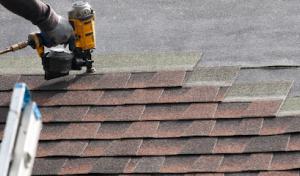
Provided local cost ranges per square are: asphalt shingles 350 to 700, metal 550 to 1100, clay tile 900 to 2500, concrete tile 800 to 1800, wood shingles or shakes 700 to 1400, and synthetic or composite shingles 450 to 900. These figures reflect the area's mix of older, multi-layered roofs and newer builds with low-slope transitions, plus the frequent need to work around attached garages and additions. When a roof has several tear-offs or deck repairs due to long-term winter leaks, prices move toward the higher end, no matter the material.
Compton sees hot summers and winter rain, so timing reroofing around the dry season helps reduce rain risk and disruption. Plan major work in late spring or early summer, finishing before the fall wind season ramps up. If a project is already overdue, expect higher costs and tighter scheduling, since crews balance ongoing residential demand with the higher complexity of tile and metal installations. Consider staggering work when possible: remove and replace the upper sections first, then tackle attached garage or additions to avoid back-to-back water exposure on sensitive areas.
Tile projects-both clay and concrete-drive higher costs in this market due to specialized labor and longer installation times. Clay tile ranges from 900 to 2500 per square and is particularly sensitive to roof geometry and transitions; expect extra for underlayment and a precise scaffold setup. Metal roofs run 550 to 1100 per square but often require exacting detailing around vents, chimneys, and low-slope sections. Asphalt shingles remain the most price-competitive option at 350 to 700 per square, though long-term performance and wind resistance should be weighed against a higher upfront cost for tile or metal. Wood shingles or shakes sit mid-to-high, with 700 to 1400 per square, reflecting their aesthetic and moisture management needs. Synthetic or composite shingles offer a middle ground at 450 to 900 per square, with quicker installation and decent durability in dry-season heat.
If fall wind events loom, stage a temporary cover or quick-seal around the most exposed edges during the final weeks of the dry season. Budget for fast-response crew availability to address any lingering leaks from prior winters and to ensure transitions around dormers or low-slope zones are tight. For older roofs with multiple layers, factor in the added deck repairs and potential tear-offs, which can push per-square pricing upward and extend the project timeline.
The most popular roofing material in the US. Find pros who install, repair, and replace asphalt shingles.
Solid Compton Roofs
(424) 260-0009 rooferscompton.city
739 Rosecrans Ave #289, Compton, California
4.8 from 72 reviews

A building permit is typically required in Compton for a full reroof and is issued through the City of Compton building department. Even when plan review isn't needed for standard reroofs, the permit must still be obtained and posted on the job site during the work. The posted permit is a sign that the city is aware of the project and that work may proceed under local code, safety, and ventilation requirements. Make sure the permit is visible from the street or sidewalk and remains posted until the final inspection is complete. If the permit becomes damaged or lost, contact the building department to replace the notice and keep the project compliant.
Compton's hot, dry summers create solid conditions for roof work, but the transition to fall brings increased wind risk and the winter months bring more moisture and potential leaks. Plan reroof work to take advantage of the dry season windows, aiming to avoid the peak of the hot summer heat and the late-winter rain. For a standard reroof, you should target a stretch with minimal rain probability and workable daytime temperatures that keep shingles or tiles from overworking in heat or contracting in cold. If possible, align material deliveries and crew schedules to complete the bulk of the work before fall winds pick up and before winter storms become more frequent. This helps reduce the chance of wind uplift on loose edges and helps with proper ventilation installation while the attic is more accessible.
Compton inspections include a final roofing inspection focused on verifying material installation and ventilation compliance before the job is considered complete. During the final inspection, the building inspector will check that shingles or tiles are properly fastened, underlayment is correctly laid, and any vents, flashing, and roof penetrations meet code. Ensure all roof penetrations for vents, plumbing stacks, and exhausts are sealed and flashed according to manufacturer and code requirements. Ventilation is a common compliance focus; verify attic vents and soffit vents are clear, unobstructed, and balanced to prevent condensation and heat buildup. If a retrofit involves changing attic ventilation or adding new vents, have documentation ready that confirms the system meets local ventilation standards. A clean, well-sealed edge and proper alignment of ridge lines help the inspector confirm that installation follows best practices and will perform well through Compton's wind events and seasonal moisture transitions. Keep notes of contractor touch-ups and any warranty-required details, as these can simplify the final review and ensure a smooth path to project completion.
Compton homeowners are affected by California's broader insurance tightening, where carriers increasingly scrutinize roof age, prior repairs, and maintenance history before approving claims or renewing coverage. That reality makes proactive documentation essential, because a history of well-kept roofs can influence both claim outcomes and renewal decisions when a policy comes up for review.
Localized wind and rain losses in the Los Angeles area often require photo documentation taken immediately after the event because adjusters may distinguish between sudden storm damage and long-term deferred maintenance. If a hail or wind event hits, take clear pictures from multiple angles, including close-ups of any damaged shingles, flashing, and underlayment. Preserve evidence of temporary protections you put in place to limit further damage, and note the date and time of the storm when you file a claim.
Because insurer pullback has made underwriting stricter across California, Compton owners benefit from keeping permit records, final inspection signoff, invoices, and before-and-after repair photos in one file. A single, organized folder makes it easier to demonstrate a consistent maintenance history and timely responses to issues, which can smooth discussions with adjusters and support a steadier coverage path.
After a storm or noticeable leak, assemble the file immediately: dated photos, repair receipts, contractor notes, and any temporary mitigation work documented on the day it happens. Store copies in a digital folder and a physical binder. If questions arise about damage scope or repair timelines, having a ready-to-share, comprehensive record set reduces back-and-forth and clarifies what was addressed and when.
Connect with contractors who help homeowners navigate the claims process from damage assessment to final approval.

Solid Compton Roofs
(424) 260-0009 rooferscompton.city
739 Rosecrans Ave #289, Compton, California
4.8 from 72 reviews
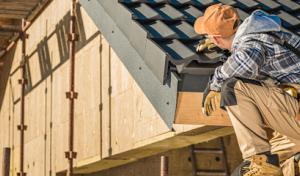
In hot, sunny stretches of the county, you want the reroof completed before the winter rains arrive. A dry-season window minimizes wind-driven debris and helps contractors set and seal penetrations with proper flashing. When the roof is being prepared, list every skylight, vent, and solar mount so flashing can be cut in cleanly and tested with a light rainfall before the final inspection.
Many leak calls in this market come from flashing at penetrations that only show up during winter rain after long dry periods. Do not assume a surface seal is enough. Confirm that step-flashing at chimney and vent flashings ties into the base flashing, and that skylight collars sit flush with the surrounding roof plane. After work, do a controlled soak test if rain isn't available, so small drips can be caught and corrected.
When reroofing around existing rooftop equipment, sequencing matters because penetrations and mounts can complicate final inspection and warranty documentation. Plan the order so penetrations are integrated into a single, continuous flashing plane rather than fighting seams later. If solar penetrations are present, ensure racking is removed or vacated as needed, and that the new flashing accommodates the confirmed mounting pattern.
Before signing off, verify that all skylight and solar penetrations have been flashed with the same standard, then recheck after a few days of wet weather. Maintain a simple record of the penetrations replaced or resealed, so the final inspection finds a coherent, weather-tight roof and the warranty file stays tidy. This approach keeps you aligned with the common leak patterns observed after dry spells.
Find contractors experienced in skylight installation, flashing, and leak repairs to bring natural light into your home.
Solid Compton Roofs
(424) 260-0009 rooferscompton.city
739 Rosecrans Ave #289, Compton, California
4.8 from 72 reviews