Last updated: Apr 19, 2026
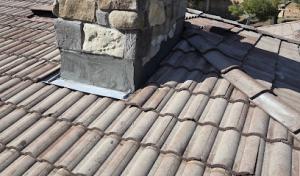
In this corner of the Inland Empire, the roof endures a harsh cycle: brutal, sun-baked summers followed by seasonal Santa Ana winds. South- and west-facing slopes soak up prolonged UV and surface heat, which accelerates asphalt shingle granule loss and ages the underlayment faster than calmer markets see. The heat also stresses sealants, starter courses, and flashing details that sit exposed on those exposed faces. Tile roofs contend with different stresses: once heat softens or expands clay or concrete tiles, wind-driven gusts can lift edges and loosen fasteners, especially along ridges and rake lines. The net effect is a shorter life expectancy for aging materials and a tighter window for timely replacement before a more serious failure happens.
Start by inspecting the most sun-exposed zones on south and west aspects each year before the peak heat arrives. Look for bare granules accumulating in gutters, bare asphalt matting showing through, or granule loss that leaves the shingle with a chalky, rough feel. For tile roofs, pay attention to cracked, chipped, or displaced tiles near ridges and at perimeters where wind uplift is strongest. Uplift risk grows with age, so a roof that has seen several hot seasons should be evaluated more frequently, even if no leaks are yet reported. If fasteners on tile roofs show signs of loosening or if flashing along valleys and hips sits proud or corroded, plan for more immediate attention to fastening details and sealant integrity.
Fall Santa Ana wind events in the Pomona Valley bring gusts that can abruptly stress edges, rakes, and perimeter detailing. Those winds increase uplift potential where tiles overhang eaves, where shingles butt against chimneys, and where flashing is integrated with roof penetrations. When a sequence of strong winds is forecast, check the roof after the gusts subside for displaced tiles, popped nails, or uplifted shingles. Pay special attention to ridges and hip joints, where misalignment can propagate through the roof system if not addressed promptly. Because these events are both rapid and forceful, proactive resealing and reseating of fasteners can prevent small problems from turning into leaks.
Winters here are usually mild, but concentrated rainfall can reveal weaknesses that summer-aged materials already stressed. Leaks might appear after a storm when the roof is pressed with water as the first line of aging materials reacts to moisture after long exposure to sun. A practical approach is to schedule a post-storm inspection focused on joints, penetrations, and edge details. If a leak is detected, avoid waiting for a second storm; confirm whether it traces to compromised underlayment, flashing, or tile alignment. For asphalt, a shallow depression or soft spot in the decking may surface after winter rains compound heat-weakened seams. For tile roofs, keep an eye on any movement in tile rows after windy, wet weather, as that movement often signals the need for re-fastening or re-seating.
Implement a seasonal inspection cadence: a pre-summer check to catch granule loss and sealant wear, a fall wind-focused inspection to verify tile fastenings and ridges, and a post-storm evaluation after heavy rains. For tile roofs, treat fastener security as a top priority: loose tiles and edge detachments are the telltale signs that wind uplift is catching up with aging fastening systems. For asphalt, monitor granule wear and flashing integrity, especially along roof-to-wall transitions and around penetrations. A proactive maintenance plan that accounts for heat and wind reduces the chance of unexpected leaks and helps extend the life of both tile and asphalt systems under these local conditions.
In this area of San Bernardino County, the suburban mix often means you're choosing between preserving a tile look and trimming replacement costs with asphalt shingles. The heat-and-wind cycle in Montclair shapes how long different roof systems actually last, and it can push replacement timing in ways you wouldn't expect if you only considered surface wear. Attic temperatures spike in summer, and thermal cycling from day to night accelerates material aging differently than you'd see in cooler inland markets. That dynamic matters whether your roof is clay tile, concrete tile, or asphalt shingles.
Tiles can look solid even when the structure underneath is ready for attention. In practice, many tile roofs outlast the underlayment, so visible tile condition alone can mislead homeowners about true replacement timing. If your tiles show high color fading, cracking at edges, or broken units, you might not see the full story unless you assess the underlayment and flashings. In Montclair's climate, you should plan periodic underlayment checks every couple of decades, especially after several hot seasons or strong Santa Ana events. Replacing only the tile surface while the underlayment nears its end can cause mismatched performance and limited warranty coverage.
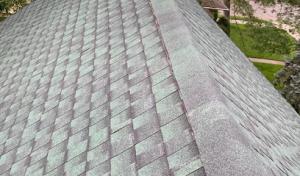
Asphalt shingles respond quickly to heat and wind exposure. In hot months, the asphalt can become brittle at the edges and lose granules faster, while wind uplift challenges can loosen fasteners and expose underlayment sooner than expected. The practical takeaway is to watch for curling edges, loss of granules in the gutter, and accelerated fading, which signal that the system near its practical service limit. Asphalt roofs generally compress the timeline between visible surface aging and full replacement needs, making timely inspection after peak summer and after the windy season especially important in this market.
If you prioritize a tile look and long-term durability under heat stress, concrete or clay tiles offer solid performance in Montclair's climate when paired with a compatible underlayment and proper ventilation. However, the upfront investment is higher, and the replacement interval may hinge on the age and condition of the underlayment and flashings rather than the tiles alone. If cost and speed of replacement are primary concerns, asphalt shingles stay appealing, but require diligent maintenance of attic ventilation and wind-resisting installations to extend the roof's life through multiple hot seasons.
Focus on attic temperature control through moisture management and ventilation to reduce thermal cycling effects across all roof types. Schedule a mid-life inspection to evaluate not just the surface materials but the underlayment, decking condition, and flashing integrity. In neighborhoods where tile is common, consider an assessment that includes potential underlayment replacement with a tile-support compatible product, ensuring the system remains balanced against wind uplift and heat exposure. For asphalt roofs, prioritize sealing and re-sealing around penetrations and ensuring the edge details resist wind-driven leaks during Santa Ana events.
Kaliber Roofing
(909) 631-0310 www.kaliberroofinginc.com
11182 Poulsen Ave, Montclair, California
4.8 from 82 reviews
Kaliber Roofing is a trusted, family-owned roofing company proudly serving residential and commercial clients with expert roofing solutions. Based in Montclair, CA, we specialize in roof installation, repairs, inspections, maintenance, leak repair, and re-roofing. Our experienced team uses high-quality materials and delivers craftsmanship that stands the test of time. As an Owens Corning Preferred Contractor, we’re committed to durability, safety, and customer satisfaction. Fully licensed and insured, Kaliber Roofing brings integrity, transparency, and care to every project. Contact us today for dependable roofing services you can count on.

Competition Roofing
(909) 599-6270 www.competitionroofingco.com
Serving
4.8 from 49 reviews
Competition Roofing is a full-service roofing company in Upland, California, We specialize in Composition, Tile & Flat Roofs. We service Residential, Commercial, Industrial & HOA's.
ND Roofing
Serving
5.0 from 9 reviews
ND Roofing is distinguished by its commitment to excellence and customer satisfaction. For 15 years, we have provided high quality roofing and construction solutions, prioritizing trust, professionalism and meeting the highest standards on every project.
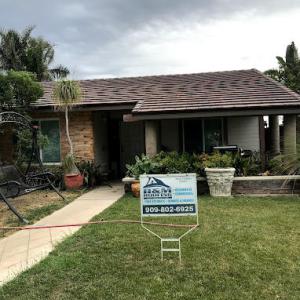
B & M Roofing
Serving
5.0 from 26 reviews
B & M Roofing provides residential and commercial roofing services to the West Inland Empire and surrounding areas.
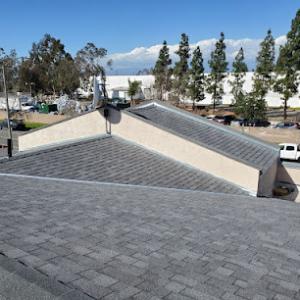
West Meridian Roofing
Serving
5.0 from 44 reviews
West Meridian Roofing is a family owned business, formerly known as Oshcon, now rebranded as West Meridian Roofing. Still run by the same great team: Jeremiah, Eli Estrada and David Kauffman. We have crews to service the commercial and residential roofing projects as well as decks, porches, and patio structures. Our quality and customer service is reflected in our projects and customer reviews! We’re also partnered with a couple American based Solar Companies and have great options for solar/roof finance packages, call us for a free estimate.
A-MRK Roofing
(909) 314-1185 roofinguplandca.com
Serving
5.0 from 8 reviews
A-MRK Roofing provides dependable residential and commercial roofing services backed by skilled craftsmanship and honest service. From roof repairs and replacements to new installations and inspections, our licensed and insured team delivers long-lasting protection for your property. We use premium materials and proven techniques to ensure every project meets the highest quality standards. Whether you’re dealing with leaks, storm damage, or planning a full roof upgrade, trust A-MRK Roofing for reliable solutions and clear communication every step of the way. Call today for your free roof estimate.

Custom Roof Company
(909) 623-7753 www.customroofcompany.com
Serving
4.7 from 17 reviews
Custom Roof Company has been providing professional roofing in Pomona and surrounding areas for 25 years. We are one of the most established and trusted name for roofing services in Pomona, and are accredited by the Better Business Bureau as an A+ roofing contractor. We offer some of the best roofing warranties in Pomona, because we stand behind the quality of our work. In the unlikely event that you need to utilize your roof’s warranty, you can rest easy knowing we’ve been in business for over 25 years, so we will still be around to make sure your home or business is protected. If you need roofing installation, roof leak repair, roofing maintenance, commercial roofing, industrial roofing or residential roofing, call us today!
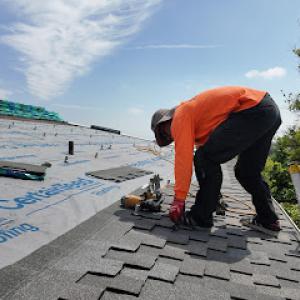
Micasa Pro Roofers - Upland
(909) 294-7600 www.uplandroofer.com
Serving
4.6 from 19 reviews
As a family owned roofing business based in Upland, you can trust us to provide quality services at fair prices, all without cutting any corners. We make the whole process easy to understand, and share your warranty options with every estimate so that you can stay informed. With every job, we provide contracts, share photos of the progress, and lay protective tarps to keep everything nice and tidy. After we finish, you’ll receive a certificate that outlines your warranty for both materials and our workmanship. Our hardworking team is skilled in installing all types of roofs, including flat roofs, shingle roofs, asphalt roofs, metal roofs, clay or concrete tiles, and more. Get started on your roofing project.
True Price Roofing of Pomona
(909) 413-5572 truepriceroofing.com
Serving
5.0 from 5 reviews
True Price Roofing of Pomona provides professional roofing services for residential and commercial properties throughout Pomona, CA. Our roofers perform roof repair, roof replacement, roof installation, roof inspections, commercial roofing work, and emergency roof repair for a variety of building types. Through consistent work in Pomona, our roofing professionals have developed familiarity with local construction styles, inland climate conditions, and roof system wear common in the area. We support property owners across Pomona, CA by maintaining durable, weather-ready roof systems designed for long-term performance.
Pomona Roofing Group
(909) 365-2295 rooferspomonaca.com
Serving
5.0 from 9 reviews
Pomona Roofing Group works closely with property owners throughout Pomona, CA to address everyday roofing needs and long-term roof care. Our roofers take on roof repair, roof replacement, roof installation, roof inspections, commercial roofing projects, and emergency roof repair for homes and commercial buildings. Having worked on properties across Pomona, our team is familiar with local construction styles, inland climate conditions, and the types of roof systems common in the area. We provide roofing services across Pomona, CA with a practical, detail-focused approach to maintaining reliable roof performance.
Vantage Roofing
(909) 248-5054 vantageroofingca.com
Serving
5.0 from 13 reviews
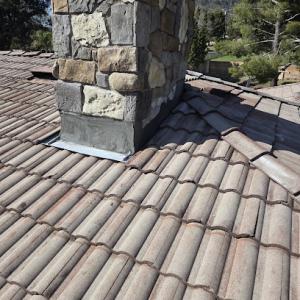
Family owned Specializing in Residential and commercial Roofing thru all aspects
Escandon construction
(909) 278-6548 www.escandon-construction.com
Serving
5.0 from 8 reviews
ESCANDON CONSTRUCTION INC .#1123673 license remodeling work and demolition , KITCHEN,SHOWER,FLOORS,PLUMBING,DRYWALL,CARPENTRY FINISH,ROOF REPAIR,STOCCO,CONCRETE,PAINT EXT AND INT INSOLACION,FENCE&HVAC REPAIR
The real danger in this neighborhood is wind-driven rain during winter storms and component loosening during Santa Ana periods, not hail. Heat and dry spells push shingles and tiles to curl and lift, then a strong gust can push moisture straight into roof seams. When winter storms arrive, that combination becomes a direct route for water intrusion. If a roof over a low-elevation suburban tract at the foothills suddenly buckles under pressure, it's often not a single event but a cascade of wind, rain, and tired sealants that fails first.
Homes near open corridors and exposed neighborhood streets feel wind differently. Shingles at the edges can peel up, ridge material can shift or crack, and field tiles can slide or crack under pressure. In Montclair, that means some roofs develop micro-gaps where wind channels through the attic, accelerating moisture intrusion even before a visible leak appears. If you notice shingles that look slightly raised after a Santa Ana, that's a signal to investigate fast, because the next gust could push moisture into the vulnerable joints.
Leaks here usually trace to flashings, valleys, skylight transitions, and aged underlayment that stayed hidden through the dry season. Flashings around chimneys and dormers are common failure points after a windy season, especially if sealants have aged or been weathered by sun. Valleys can collect debris and allow water to back up during a heavy rain, while skylight transitions are notorious for dry-rot at the fasteners and edge seals. Underlayment damage often hides beneath worn shingles and tiles until a winter storm reveals the failure with a steady drip or a sudden wet patch along interior walls.
Walk the ridge line and edges after Santa Ana events or heavy windstorms to look for lifted shingles or displaced ridge cap. Inspect valleys and flashing where water would flow; look for rust, corrosion, or missing sealant. If you see any gaps, gaps widening, or soft spots in underlayment, treat it as a red flag that moisture is already inside the roof system. Address issues promptly with a professional who can reseal flashings, reseat ridge components, and upgrade aging underlayment before the next round of winter rain.
Find local contractors experienced in assessing and restoring roofs after hail, wind, and severe weather events.
Kaliber Roofing
(909) 631-0310 www.kaliberroofinginc.com
11182 Poulsen Ave, Montclair, California
4.8 from 82 reviews

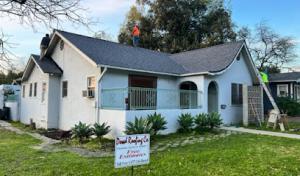
Clay and concrete tiles sit at the higher end of the local replacement spectrum, but they're a common choice for Montclair homes that endure intense sun and seasonal wind. In this climate, heat and wind cycles shorten roof life and push some replacements earlier than you'd expect elsewhere. When you're budgeting, start with the provided local cost ranges: asphalt shingles run from about $350 to $750 per square, clay tile from $700 to $1200 per square, concrete tile from $800 to $1400, wood shingles or shakes from $500 to $1100, synthetic or composite shingles from $450 to $900, and slate from $1200 to $1900 per square. The first step is to match the roof's weight, durability needs, and color choice to how much UV exposure and wind your home actually faces in summer and fall Santa Ana patterns.
Costs in Montclair can rise when older tile roofs need underlayment replacement, tile reset labor, or a structural review for heavier systems, especially if the project goes beyond a straightforward re-roof. If you're dealing with a 20-year-old tile roof that has worn underlayment or flashing failures, plan for extra days of labor and a potential structural check, since tile systems add weight and subtle framing changes can matter for longevity. In some cases, a lighter asphalt or synthetic option may be considered to avoid costly structural modifications, though that's a trade-off against the long-term performance you get from tile.
Pricing can also move with Inland Empire summer demand surges and post-storm scheduling pressure, while simpler suburban rooflines and common re-roof work can keep some projects more competitive than in denser urban cores. As you compare bids, look for timing notes: a contractor who can fit you in soon after a heat spell or a storm lull may save overall project time and surcharge charges. For tile installations, factor in the potential for tile resets or re-seating, which adds to labor but helps prevent future leaks through seasonal cycles.
Match your proposal to the home's specifics: a clay tile re-roof may approach the higher end of its range if underlayment and a full tile reset are needed after a wind event, while asphalt might stay toward the lower end if the deck is sound and only requires new shingles and basic underlayment. If you're weighing heavier systems, be prepared for additional structural evaluation costs, and remember that the heavier the system, the more critical it is to confirm framing integrity before ordering materials.
Get a clear picture of your project costs upfront - no commitment required.
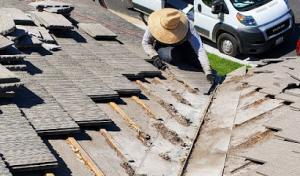
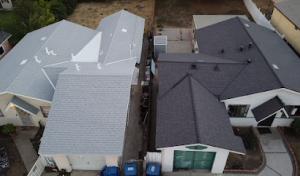
Full roof replacements in Montclair require a permit through the City of Montclair Building & Safety Division. Before any shingles are lifted, your project plan should be filed with the building department, and the permit should be issued to proceed. The process starts with filling out the application and submitting a scope of work that clearly describes the roof type, the number of layers to be removed or replaced, and any near-by structures that could be affected. Plan on the permit being tied to the property address and the project level, so have your survey or parcel map handy to confirm setbacks and eaves are compliant.
For a standard re-roof, plan review is typically not required unless structural work is part of the project. If the replacement involves modifying support members, changing roofing substrate, or altering attic ventilation paths, expect a quick plan check to verify framing integrity and roof-to-wall connections. In practice, most residential re-roofs in this area proceed with permit issuance after a straightforward set of drawings and manufacturer specifications are submitted. Keep in mind that a review may be requested if unusual attic configurations, skylights, or vent stacks require adjustments to maintain local wind and heat performance.
Inspections usually occur at rough-in and final stages for roof replacement work. The rough-in inspection confirms structural readiness, roof deck condition, and underlayment placement before the new shingles or tiles go on. The final inspection verifies proper installation, flashing details, ventilation, and that all penetrations meet code and manufacturer guidelines. Expect the inspector to check ridge vents, eave details, and any transitions to gutters or parapets. If your project includes tile counters or special underlayment for heat and wind exposure, have documentation ready for the inspector to review.
Coordinate with the roofing contractor to align the permit number on all job-site paperwork, including material deliveries and waste disposal. Schedule inspections promptly by requesting an appointment window in advance and ensuring the site is accessible for the inspector during the agreed time. If any changes occur after permit issuance, such as switching materials or altering nail patterns, obtain any required addenda or amended drawings and submit them through the Building & Safety Division to avoid delays. Remember that adherence to local code language and manufacturer installation requirements will smooth both the inspection process and the eventual long-term performance of the roof.
Montclair homeowners are operating in California's tighter insurance market, where carriers have raised scrutiny on roof age, condition, and replacement documentation. That scrutiny isn't about fear of storms alone; it reflects a pattern of how the Inland Empire heat and Santa Ana winds interact with roofing materials over time. When a claim is considered, insurers may question whether the roof has reached the end of its useful life or if a replacement was completed to modern standards. Being prepared with clear, well organized records helps you navigate these conversations without delay.
For roof claims or underwriting reviews, insurers may ask for detailed before-and-after photos, material specifications, and proof of completed replacement work. Before a repair happens, take high-resolution photos showing the entire roof surface, flashing, and any visible wear. After a project, document the new materials, color, and installation details, including underlayment and attic ventilation. Collect product datasheets or manufacturer specifications for the roofing system you chose, and keep contractor invoices and lien releases in a single, easily accessible folder. If a claim hinges on roof age, keep a copy of the installation date, contractor license number, and warranty language. Clear, timestamped records reduce back-and-forth and help establish a credible narrative for the adjuster.
Even though hail or hurricane exposure isn't a defining feature here, California carrier pullbacks and higher deductibles still affect whether you repair, replace, or delay roofing work. The heat-wind cycle accelerates wear on both tile and asphalt in ways that aren't always visible from ground level. If you anticipate a claim or an underwriting review, plan replacements or major repairs in alignment with documented life expectancy for your chosen system and the expectations of your carrier. A proactive, well-documented approach minimizes the chance that a claim is delayed or that coverage is narrowed by gaps in your file.
Connect with contractors who help homeowners navigate the claims process from damage assessment to final approval.

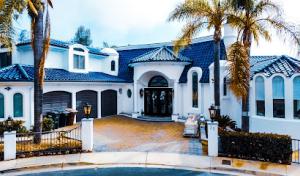
Montclair's contractor market shows meaningful flat-roof and commercial activity, reflecting the city's retail corridors, multifamily properties, and low-slope sections on mixed-use buildings. That concentration means you have ready access to specialists who understand the unique demands of low-slope assemblies in this climate, from large-area membrane systems to updated drainage strategies. You'll often find experienced crews that balance quick turnaround with attention to flashing details and edge restraints, which matters on urban-style rooftops where access and parapets can influence performance.
On low-slope roofs, summer heat can intensify membrane stress, especially on HX- or granule-fed cap sheets and single-pply membranes. The Inland Empire heat profile combines with Santa Ana exposure to push these materials toward accelerated aging, so seams and flashings deserve extra scrutiny during inspection. In Montclair, you may notice faster edge deterioration or subtle gloss changes along a previously treated seam. Winter ponding or slow drainage can expose weak seams and flashing details, revealing chronic failure points around penetrations, curbs, and transitions to higher-slope sections. Regular checks after the hottest months help catch issues before them propagate.
Because roof coating services are active locally, some owners compare restoration options against full tear-off when the roof is low-slope and structurally suitable. A coating approach can extend life for specific membrane types and may be the most cost- and time-efficient route when deck integrity remains solid and drainage remains adequate. If the substrate shows signs of fatigue, or if ponding is persistent and drainage is compromised, a full or partial tear-off might be the more durable long-term choice. Local crews typically tailor the plan to both the roof's age and the building's use, ensuring that traffic, planters, and HVAC penetrations are factored into any restoration.
Find specialists in TPO, EPDM, and built-up flat roofing systems for residential and commercial properties.