Last updated: Apr 19, 2026
The foothill location at the southern edge of the San Gabriel foothills pushes roof temperatures higher than coastal southern California. That means heat-related degradation shows up sooner, especially with dark tile or composite materials. In practice, choose roofing systems and underlayment with higher heat resistance and strong UV stability. If a reroof involves clay or concrete tile, plan for the extra weight and ensure the structural framing can handle it without sacrificing attic ventilation. In hot afternoon spells, you'll want ridge vents or continuous soffit intake that keeps a steady airflow across the attic space, preventing trapped heat that can bake underlayment and degrade seals around penetrations.
Fall Santa Ana events are a real staging and material-handling issue in Upland. High gusts complicate the installation sequence and increase the risk of loose underlayment, exposed nails, and shingle blow-off during the work window. When scheduling a tile-heavy reroof, prioritize a stable sequence: secure all underlayment seams first, then install the tile after a dry, calm spell. If an early wind event is forecast, plan for a temporary wind barrier and avoid leaving exposed underlayment or lightweight components overnight. Dependable temporary fastening and extra sealant at eaves and hips become worth the effort during these shoulder-season swings.
The mild but wetter winter pattern means leak problems often show up during the Nov-Feb rain window rather than during summer. That translates to more careful emphasis on moisture barriers before the first rains and a thorough, staged water-test phase once roofing is complete. For tile roofs, ensure all flashing around valleys, chimneys, vents, and transitions has continuous continuity and is back-sealed ahead of the rainy season. During the wet months, prioritize drip edge and gutter readiness; if gutters overflow or downspouts back up, even small leaks can track along tile laps and into roof decks.
Clay and concrete tiles perform well in the foothills when properly installed, but the weight and seasonal load shifts demand precise framing checks. If existing structure shows signs of prior movement or undersized rafters, a shake-up of supports or a structural engineer's opinion may be prudent before committing to a heavy tile upgrade. For asphalt and metal options, consider reflective or lighter-colored finishes to mitigate heat gain, while still pairing with a robust underlayment system. Regardless of material, plan for expanded inspection windows after installation: heavy fall winds may reveal fastener vulnerabilities that summer heat would mask.
A predictable maintenance rhythm helps catch issues before winter leaks become visible. In Upland, schedule a fall pre-winter inspection that focuses on tile alignment, sealant integrity around penetrations, and flashing condition. After the wet season, a quick post-rain check can uncover discreet leaks that traveled along roof edges or along ridges. Keep an eye on the eave line for wind-driven debris during Santa Ana events, as accumulated debris can trap moisture and compromise edge seals over time.
Clay tile and concrete tile are the dominant roof types in this foothill and Inland Empire context, shaping the appearance of established neighborhoods with a warm, durable silhouette. That tile-heavy built environment influences repair strategies, replacement matching, and how quick fixes integrate with the home's overall look. Asphalt shingles remain a common choice as the mainstream, lower-cost option when replacement or reroofing is needed, but they bear a heavier heat load in the hot, dry summers that characterize this region. Wood shingles and shakes exist in the market, but as a smaller specialty segment, they present unique maintenance and matching considerations when a repair is needed, or when homeowners aim to preserve a particular architectural texture.
In the foothill heat, clay and concrete tiles excel at shedding heat and resisting color fading, especially when lighter hues are selected. The mass and profile of tile roofs help keep attic temperatures steadier, which can reduce cooling loads if ventilation is properly designed. However, tile installations must account for expansion and contraction driven by summer heat and winter cool-downs. Proper underlayment, correct batten spacing, and adequate ridge ventilation become crucial to prevent microcracks and water intrusion around fasteners. If a roof is nearing the end of its tile life, consider whether the current underlayment is compatible with the tile type and climate-older synthetic underlayments can become brittle under high heat and need to be replaced with a product rated for hot climates.
Asphalt shingles respond differently to Upland's climate. They can absorb more heat, which accelerates aging and can shorten service life in hot inland summers. Look for reflective, cool-roof shingle options that help reduce heat gain, especially on roofs with limited shade or high sun exposure. If the reroof choice is asphalt, pairing it with improved attic ventilation and, where possible, radiant barrier measures can make a meaningful difference in interior comfort and long-term performance.
Santa Ana wind events introduce a unique set of challenges. Tiles that are not properly fastened can be lifted or cracked, creating vulnerable gaps for wind-driven debris and rain. When replacing or repairing tile, ensure that tile clips, batten systems, and fasteners are appropriate for high-wind conditions and match the existing roof geometry. Tiles with proper lapped alignment and intact sealants around penetrations-vent stacks, skylights, and chimneys-offer better defense against gusts and moisture intrusion. For asphalt, inspect edge rows and flashing closely after strong winds, since loose shingles can fail in a Santa Ana scenario.
Winter rain brings another dimension. Tile roofs can shed water efficiently when installed with a suitable pitch and a reliable underlayment, but any damage to tile integrity or underlayment can lead to localized leaks. If repairs are needed, consider whether the work will affect the roof's overall drainage performance or create new leakage paths. For wood shingles and shakes, moisture sensitivity is more pronounced. In regions where wood shingles exist, ensure that treatment, sealing, or replacement considers both moisture resistance and insect prevention, while recognizing that this material remains a smaller slice of the market and repairs may require specialty sourcing.
When choosing between tile and shingle reroofing, evaluate how well each option matches the home's architectural language and how it will age under Inland Empire conditions. If tile is chosen, verify compatibility of the underlayment and flashing with a high-heat environment, and plan for a maintenance routine that includes checking for chipped edges, cracked tiles from wind, and consistent sealant around penetrations. If asphalt shingles are selected for a retrofit, prioritize reflective options and ensure the roof structure can support potential attic cooling improvements and radiant barrier installation.
Consider the long-term repair ecosystem: tile roofs tend to require specialty trades for matching replacements or repairs, whereas asphalt shingles benefit from a broader local repair network. In neighborhoods where tile is the norm, maintaining material continuity helps preserve curb appeal and property value, while in areas where asphalt is common, a visually compatible transition can still be achieved with careful color and texture selection.
Spring and fall are the favored reroofing windows for a foothill town with hot interior days and Santa Ana wind patterns. In these seasons the temperatures sit in a more moderate range, which keeps crew pace steadier and material handling smoother. You'll notice that asphalt shingle crews can push a clean install without the risk of rapid heat damage to bundles or fasteners, while tile roofs-whether clay or concrete-benefit from manageable heat that reduces expansion and contraction surprises. If you can plan around blooming landscapes and the tail end of Santa Ana events, you'll minimize heat-related delays and keep crews from burning late into the afternoon. In practical terms, aim for a stretch from late March through early June, and then September through mid-November to line up dry days with predictable daylight.
Winter rain is a real factor that shows up in the foothill foothill climate, and it rarely waits for your calendar. When storms roll through, roofing work pauses, and even forecasted drizzle can trigger slowdowns as crews tarp, seal, and stage materials more carefully. Homeowners who postpone projects into the "active leak season" may find the start of work dragging out, since weather windows collapse and emergencies take priority. Plan for flexible blocks in late fall and winter, recognizing that a few wet days can shift a weeklong timeline. If a leak alert is active, dry-in needs become the priority, which can add on-site visits and temporary shoring while waiting for clearer weather.
Summer heat in the foothills can slow installation pace and complicate rooftop safety, particularly on dark or heat-retaining roof surfaces. Tile systems-especially darker clay or concrete-absorb more heat, making quick work uncomfortable and potentially unsafe for crews and residents inside the attic. Plan work slots for cooler mornings and early afternoons, and consider staged progress if interior temperatures rise above comfortable levels. For shingle or metal options, heat still matters: handling and sealing materials in the peak heat can affect adhesive work and the pace of ridge-vent or vent cap installation. If a roof is scheduled during heat waves, expect longer daily timelines and build in additional temporary shade and water breaks to keep the crew productive without compromising safety. In practice, align summer projects to start earlier in the day and wrap before the hottest hours, avoiding the peak heat zone whenever feasible.
When you can't wait, these contractors offer fast response times to stop leaks and prevent further damage.


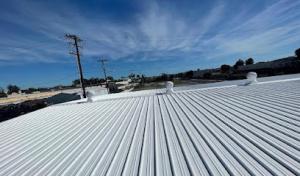
Provided local pricing ranges run from about $450-$900 per square for asphalt shingles, $800-$1,800 for metal, $1,200-$2,600 for clay tile, $900-$1,800 for concrete tile, and $800-$1,500 for wood shingles or shakes. Those numbers are a baseline, and actual bids can drift depending on the house-especially in foothill neighborhoods where tile profiles and heavier roof assemblies come into play.
Tile-heavy reroofs in this area often cost more because the local housing stock includes many homes where tile profile matching, broken tile replacement, and heavier roof assemblies affect labor and logistics. Matching a new tile to a long-standing look isn't just about color; it means finding the right profile, weight, and mounting details so the roof looks seamless from curb view and functions well in wind and rain. Expect crews to budget extra time for careful tile removal and reattachment, plus careful re-flashing around chimneys and dormers where tiles sit higher or lay out differently.
Seasonal demand spikes after winter leak periods or wind events can tighten scheduling in Upland, especially among quick-response reroof and repair contractors. If a storm or Santa Ana wind event hits, plan for a backlog of calls and shorter windows to lock in a start date. That can push some projects into busier spring slots or lead to morning-only work windows when roof temperatures are more forgiving. If you're in a hurry after a leak, expect bids to include faster mobilization fees or staged work to prevent further interior damage.
Begin with a precise assessment of tile condition and replacement needs, then compare bids that explicitly itemize tile matching, underlayment, and flashing. For tile options, weigh clay vs concrete and factor in potential weight-related alterations to the support structure. Ask for a labeling of seasonal surcharges and labor-hour estimates tied to the local scheduling reality. Finally, set aside a contingency for unexpected tile or ridge-vent repairs, since each time a tile is removed, the chance of incidental damage inches up.
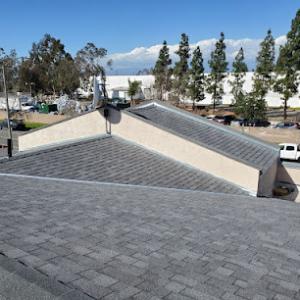
West Meridian Roofing
600 N Mountain Ave BLDG C, Upland, California
5.0 from 44 reviews
West Meridian Roofing is a family owned business, formerly known as Oshcon, now rebranded as West Meridian Roofing. Still run by the same great team: Jeremiah, Eli Estrada and David Kauffman. We have crews to service the commercial and residential roofing projects as well as decks, porches, and patio structures. Our quality and customer service is reflected in our projects and customer reviews! We’re also partnered with a couple American based Solar Companies and have great options for solar/roof finance packages, call us for a free estimate.

Competition Roofing
(909) 599-6270 www.competitionroofingco.com
101 N Loma Pl, Upland, California
4.8 from 49 reviews
Competition Roofing is a full-service roofing company in Upland, California, We specialize in Composition, Tile & Flat Roofs. We service Residential, Commercial, Industrial & HOA's.
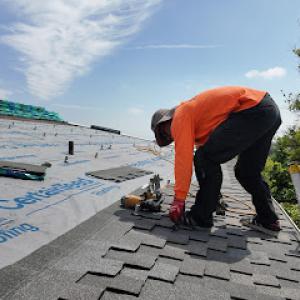
Micasa Pro Roofers - Upland
(909) 294-7600 www.uplandroofer.com
1474 W 9th St A-3, Upland, California
4.6 from 19 reviews
As a family owned roofing business based in Upland, you can trust us to provide quality services at fair prices, all without cutting any corners. We make the whole process easy to understand, and share your warranty options with every estimate so that you can stay informed. With every job, we provide contracts, share photos of the progress, and lay protective tarps to keep everything nice and tidy. After we finish, you’ll receive a certificate that outlines your warranty for both materials and our workmanship. Our hardworking team is skilled in installing all types of roofs, including flat roofs, shingle roofs, asphalt roofs, metal roofs, clay or concrete tiles, and more. Get started on your roofing project.
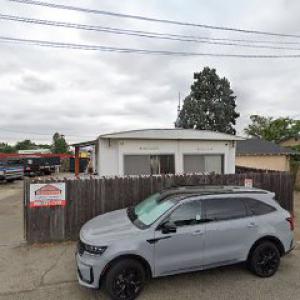
A-MRK Roofing
(909) 314-1185 roofinguplandca.com
280 S Vista Pl, Upland, California
5.0 from 8 reviews
A-MRK Roofing provides dependable residential and commercial roofing services backed by skilled craftsmanship and honest service. From roof repairs and replacements to new installations and inspections, our licensed and insured team delivers long-lasting protection for your property. We use premium materials and proven techniques to ensure every project meets the highest quality standards. Whether you’re dealing with leaks, storm damage, or planning a full roof upgrade, trust A-MRK Roofing for reliable solutions and clear communication every step of the way. Call today for your free roof estimate.
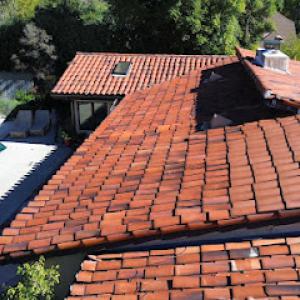
Hyt Pros
Serving
5.0 from 11 reviews
Having over 24 years of experience in the construction industry HYT Construction, Inc., is here to serve you as a specialized Roofing Contractor and also licensed as a General Contractor. With affordable pricing, using top quality materials, and pride in our work you can count on HYT Construction to get the job done. Please reach out via text/call or email to the following phone number 626)316-9456, or to Hector@hytconstructioninc.com. We offer both residential and commercial services. Let us know what your project consists off and we can determine the best approach to get it completed.
Obie's Roofing
(919) 823-6733 roofingcucamonga.com
Serving
5.0 from 9 reviews
Obie’s Roofing provides dependable residential and commercial roofing services designed to protect your property and boost curb appeal. From minor leak repairs and roof inspections to full roof replacements, our experienced and licensed team ensures every job is done safely, efficiently, and with long-lasting results. We work with asphalt shingles, tile, metal, and flat roofing systems—using quality materials backed by expert craftsmanship. With honest pricing, clear communication, and a strong commitment to customer satisfaction, Obie’s Roofing is the local roofer homeowners and businesses trust. Call today for a free quote and discover why our roofs stand the test of time.
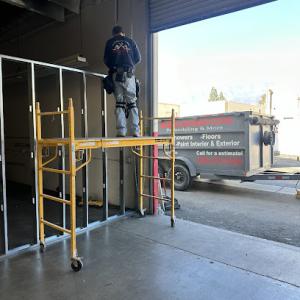
Escandon construction
(909) 278-6548 www.escandon-construction.com
Serving
5.0 from 8 reviews
ESCANDON CONSTRUCTION INC .#1123673 license remodeling work and demolition , KITCHEN,SHOWER,FLOORS,PLUMBING,DRYWALL,CARPENTRY FINISH,ROOF REPAIR,STOCCO,CONCRETE,PAINT EXT AND INT INSOLACION,FENCE&HVAC REPAIR

Weatherguard Company
(877) 761-5387 weatherguardroofs.com
Serving
5.0 from 23 reviews
Weatherguard is Southern California's trusted partner for roofing repair and installation services. With over 40 years of experience, we specialize in keeping homes and businesses safe and secure. Our team of experts is committed to providing high-quality craftsmanship and exceptional customer service, ensuring that your roofing needs are met with precision and care. Whether it's a repair job or a complete installation, you can rely on Weatherguard to protect your investment and provide peace of mind for years to come.

Rocket Roofing
(800) 720-0775 rocketroofingca.com
Serving
4.9 from 56 reviews
Rocket Roofing Contractors are the most experienced commercial roofing company in California. We know how to fix your leaky roof so that you can focus on running your business. You need a reliable roof over your head if you want to run a successful business. Let us take care of your roof repairs so you can rest easy knowing the job is done right.
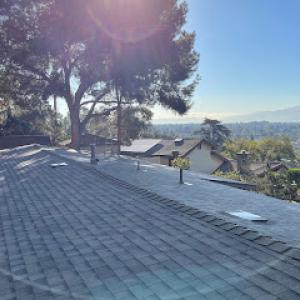
Kaliber Roofing
(909) 631-0310 www.kaliberroofinginc.com
Serving
4.8 from 82 reviews
Kaliber Roofing is a trusted, family-owned roofing company proudly serving residential and commercial clients with expert roofing solutions. Based in Montclair, CA, we specialize in roof installation, repairs, inspections, maintenance, leak repair, and re-roofing. Our experienced team uses high-quality materials and delivers craftsmanship that stands the test of time. As an Owens Corning Preferred Contractor, we’re committed to durability, safety, and customer satisfaction. Fully licensed and insured, Kaliber Roofing brings integrity, transparency, and care to every project. Contact us today for dependable roofing services you can count on.

Reliance Roofing
(888) 799-9220 www.relianceroofinginc.com
Serving
4.8 from 43 reviews
Protect your home with Reliance Roofing, trusted for quality roof repairs, replacements, and free inspections. We’re here for all your roofing needs, from leaks to full replacementWith more than 30 years of experience, Reliance Roofing is a trusted name in Southern California for comprehensive roofing and property maintenance solutions. Their skilled team delivers exceptional craftsmanship for projects of any size, from meticulous waterproofing to large-scale roof installations. Committed to quality and customer satisfaction, Reliance Roofing provides reliable service and expert care to protect your property and exceed your expectations.
La Rocque Better Roofs
(909) 460-5341 larocquebetterroofs.com
Serving
4.1 from 21 reviews
La Rocque Better Roofs, Inc. has been serving Southern California since 1981 and holds contractor’s licenses in three categories: “B” - General Contractor, “C-39” - Roofing Contractor and “ASB” - Environmental Remediation specializing in Asbestos Abatement. Our main office is situated in Rancho Cucamonga, centrally located so that we can serve you and any of your upcoming roofing projects throughout the IE, Orange and Los Angeles County with ease and confidence. We specialize in all roofing construction, from HOA/COA Residential Communities to Commercial/Industrial to Single-Family Residences. WE’VE GOT YOU COVERED!
A full reroof in Upland typically requires a permit through the City of Upland Building & Safety. That permit is not just a formality; it sets the rhythm for the project and stakes out the milestones you must clear before you can call the job complete. Before any shingle or tile moves onto the roof, you'll be navigating the city's permitting process, so it pays to plan for it from the outset and be ready for the paperwork and approvals to unfold alongside the work.
Upland uses plan review and staged inspections, including a pre-underlayment inspection and a final inspection. The plan review looks at the roof's design, venting, underlayment choices, and nailing patterns to ensure they align with code and local conditions. The staged inspections are not optional check-ins; they are the control points where the city confirms that the project is progressing to code-compliant standards. Expect to schedule each inspection in step with the construction timeline, not as an afterthought. If a delay happens, it can cascade into the permit's timeline and complicate coordination with subcontractors.
Inspectors are verifying items such as nailing, underlayment, and venting before the job can be finalized. In foothill climates, heat exposure, wind events, and winter rain can stress the roof assembly, so the emphasis on fasteners, underlayment integrity, and venting accuracy is higher than in some other markets. Nail patterns, shingle or tile attachment, valley and drip-edge connections, and rooftop ventilation must meet the exacting standards the city requires. A failure to meet these checks at any stage can trigger reworks or additional inspections, which translates to delays and added exposure to weather and traffic on the structure.
Coordinate with the licensed contractor to maintain a clean, organized inspection trail-pull permits early, keep a current set of plans on site, and log inspection results as you go. Keep records of material approvals, underlayment manufacturer specs, and any amendments requested during plan review. Communicate anticipated inspection windows to all trades so that work aligns with the city's sequence. On the ground, understand that inspectors are not obstacles but milestones that protect your home's performance under Upland's mix of heat, wind, and rain. If a step is flagged, address it promptly with your contractor and the building department to prevent compounding delays.
In Upland, California's tighter homeowners insurance market, roof claims may receive closer scrutiny, especially where wind exposure or wildfire-adjacent risk is part of underwriting. A replacement roof can trigger detailed review, with underwriters examining how the new system will hold up to hot inland heat, Santa Ana wind events, and the region's winter rains. The consequence is that timely, clear documentation matters: fewer surprises means smoother progress toward coverage approval or renewal after a reroof.
Carriers may ask for updated roof condition details and wind-mitigation-related documentation before approving or renewing coverage after replacement. That can include evidence of roof deck condition, installation quality, nail spacing, and the presence of features that reduce wind uplift. In foothill neighborhoods with tile roofs, demonstrating proper attachment and resistance to uplift helps paint a favorable risk picture. Gather photos, service reports, and contractor attestations that show the roof was installed to current best practices, especially for high-wind periods.
Homeowners benefit from documenting roof condition before Santa Ana wind season and before winter rains to reduce later claim disputes. A pre-season inspection, notes on recent repairs, and a quick video or photo log create a record that can be referenced if a claim is needed after a storm. If a claim is filed, having this baseline helps the adjuster distinguish pre-existing wear from new damage. Keep a simple binder or digital folder with dates, contractor names, and the specific components inspected.
Be proactive about updating contact and policy details so the carrier can reach you quickly. After a replacement, expect questions about wind exposure, roof ventilation, and fire-resistance features tied to the home's location and terrain. Honest, organized documentation reduces friction and helps ensure a fair assessment when weather and wind events test the roof's performance.
Connect with contractors who help homeowners navigate the claims process from damage assessment to final approval.

During the dry season, underlayment and roof deck can dry out and degrade without obvious signs from ground level. When the winter rains arrive, leaks often reveal themselves first along seams, around penetrations, or where underlayment has thinned. In foothill climates, a long stretch of heat followed by a sudden cold rain can cause brittle underlayment to split or lose adhesion. The visible leak may be small at first, but water can travel unseen through the roof plane before appearing on ceilings or walls. Inspecting after the first heavy rain, particularly in corners, near skylights, and around chimney penetrations, helps catch hidden failures before interior damage expands.
Santa Ana winds stress the upper edge of the roof and the ridges more than the rest of the surface. When gusts slam against tile roofs, the failure pattern often shows up at the ridges, along eaves, around flashings, and where roof penetrations meet the waterproofing system. Even if the field tiles look intact from ground level, wind can displace tiles or lift edge fasteners enough to loosen the waterproof layers beneath. Pay special attention to ridge caps, mortar or sealant joints, and vent flashings after strong wind events. A quick check that tiles are fully seated and that sealants remain continuous can prevent nuisance leaks.
Tile roofs in this market frequently require more than surface tile replacement. Cracked or slipped units compromise the protective stack beneath, exposing underlayment and the roof deck to moisture and temperature swings. Cracks can propagate with heat cycling, and slipped units create small gaps that admit wind-driven rain. The waterproofing layers beneath tiles are just as critical as the tiles themselves; if those layers degrade, leaks may occur even when tiles appear serviceable. Routine inspection should include testing the integrity of the waterproof membrane, checking for loose or delaminated underlayment, and confirming that flashing around tiles and penetrations remains continuous and well-sealed.
Find contractors experienced in skylight installation, flashing, and leak repairs to bring natural light into your home.


Although pitched roofs dominate the local look, the contractor market here includes a meaningful flat-roof segment tied to commercial blocks and some lower-slope residential areas. In these settings, you'll notice asphalt-modified bitumen membranes, single-ply systems, and metal or concrete deck options that align with the hotter, drier months and the way Santa Ana winds howl across the foothills. The best choices balance rapid heat gain resistance, ease of maintenance, and reliable drainage on a roof that often shares the sky with tall palm trees and nearby foothill terrain.
Upland's hot dry summers make reflective restoration and coating discussions very relevant for certain low-slope assemblies, especially when a full tear-off isn't the first option considered. If a roof is still structurally sound but shows UV bleaching, chalking, or membrane wear, a high-reflectivity coating can reduce surface temperature, potentially extending membrane life and lowering cooling load. Choose coatings with proven long-term adhesion to the underlying substrate, and plan for a recoat schedule that aligns with local sun exposure and seasonal temperature swings.
Winter rain timing matters more on low-slope roofs in Upland because ponding or drainage defects are often exposed during the city's wetter months rather than year-round. Inspect for low spots, clogged scuppers, and ineffective edge drainage before the season's first downpour. Establish a maintenance routine that clears debris from troughs and gutters and tests drainage paths after heavy rain events. A small investment in adding or upgrading drains and scuppers can prevent water backup that would otherwise sit on the membrane and accelerate wear.
When sequencing a retrofit or reroof, consider materials that handle heat, wind, and occasional moisture without aggressive maintenance cycles. Concrete tile or metal options can offer strength against Santa Ana gusts, while still enabling a low-slope layout to blend with neighboring commercial or foothill-adjacent homes. For any low-slope project, ensure the chosen system provides robust UV resistance and reliable seam protection to withstand Upland's unique blend of sun, wind, and rain patterns.
Find specialists in TPO, EPDM, and built-up flat roofing systems for residential and commercial properties.