Last updated: Apr 19, 2026
In Rancho Cucamonga sits at the base of the San Gabriel Mountains, so homes near the foothill edge experience stronger downslope winds and Santa Ana wind events than inland valley neighborhoods. That combination of high heat, gusty winds, and erratic ember showers creates a harsh environment for roofs, especially in tile-heavy districts where Mediterranean and Spanish-influenced designs are common. The risk isn't theoretical: insurers and adjusters are tracking roof age, material class, and the defensible-condition details that reduce exposure to fire spread. A roof that looks fine from the street can be a vulnerability if its components and fasteners aren't up to the task.
High-wind days in foothill neighborhoods stress roofing systems in two ways. First, fast-moving air can lift and pry roofing tiles if the underlayment and battens aren't secured or if edges aren't properly sealed. Second, embers can enter gaps around roof penetrations, chimneys, vent stacks, and along slope transitions. For tile-heavy homes, that means evaluating the securement of all tiles, the integrity of the underlayment, and the presence of metal flashings that can shrug off ember contact. You want a roof that resists loosening under gusts and blocks ember intrusion without creating a furnace of trapped heat beneath the surface.
Clay and concrete tiles are naturally more fire-resistant than many other roofing types, and they align with the region's architectural palette. In practice, the best choices maximize ember resistance, edge-to-edge coverage, and robust underlayment. If an upgrade is on the table, prioritize systems with reinforced deck protection, heat-rated underlayment, and corrosion-resistant metal flashings around chimneys and vent pipes. Venting should be designed to avoid creating hot channels that could funnel embers into attic spaces. For Mediterranean-inspired homes, consider profiles and colors that shield roof edges and reduce heat gain during scorching Santa Ana days, while maintaining the aesthetic that defines the neighborhood.
A proactive maintenance plan is your best defense. Schedule a fall inspection to check for cracked tiles, loose fasteners, and degraded underlayment. After wind events, perform a quick, safe walkaround to verify tile alignment and the condition of ridge caps and eave details. Clear any debris along roof edges and in gutters so embers don't accumulate and sit ready to ignite. Document repairs with clear photos and keep a simple log that notes tile type, deck condition, and flashing integrity. Insurers will favor homes that show a disciplined approach to defensible-condition details, so make the log easy to share when asked.
Tile systems installed with proper attic ventilation, solid deck prep, and correct bed and grout technique are less prone to lift and crack under wind load. Choose accessories designed for high-wind environments, including corrosion-resistant metals and securely attached ridge and hip tiles. Ask for a test of tile adhesion and a wind-load rating for the chosen system, and ensure the installer provides a weather-tight install sequence that prioritizes continuous edge closure and secure fastening at all pitch changes. A disciplined, informed installation matters as much as the material choice.
Find local contractors experienced in assessing and restoring roofs after hail, wind, and severe weather events.


Rocket Roofing
(800) 720-0775 rocketroofingca.com
9480 Utica Ave #608, Rancho Cucamonga, California
4.9 from 56 reviews
Rocket Roofing Contractors are the most experienced commercial roofing company in California. We know how to fix your leaky roof so that you can focus on running your business. You need a reliable roof over your head if you want to run a successful business. Let us take care of your roof repairs so you can rest easy knowing the job is done right.

Weatherguard Company
(877) 761-5387 weatherguardroofs.com
10722 Arrow Route STE 406, Rancho Cucamonga, California
5.0 from 23 reviews
Weatherguard is Southern California's trusted partner for roofing repair and installation services. With over 40 years of experience, we specialize in keeping homes and businesses safe and secure. Our team of experts is committed to providing high-quality craftsmanship and exceptional customer service, ensuring that your roofing needs are met with precision and care. Whether it's a repair job or a complete installation, you can rely on Weatherguard to protect your investment and provide peace of mind for years to come.

Reliance Roofing
(888) 799-9220 www.relianceroofinginc.com
9431 Haven Ave, Rancho Cucamonga, California
4.8 from 43 reviews
Protect your home with Reliance Roofing, trusted for quality roof repairs, replacements, and free inspections. We’re here for all your roofing needs, from leaks to full replacementWith more than 30 years of experience, Reliance Roofing is a trusted name in Southern California for comprehensive roofing and property maintenance solutions. Their skilled team delivers exceptional craftsmanship for projects of any size, from meticulous waterproofing to large-scale roof installations. Committed to quality and customer satisfaction, Reliance Roofing provides reliable service and expert care to protect your property and exceed your expectations.
Hyt Pros
6046 Carol Ave, Rancho Cucamonga, California
5.0 from 11 reviews
Having over 24 years of experience in the construction industry HYT Construction, Inc., is here to serve you as a specialized Roofing Contractor and also licensed as a General Contractor. With affordable pricing, using top quality materials, and pride in our work you can count on HYT Construction to get the job done. Please reach out via text/call or email to the following phone number 626)316-9456, or to Hector@hytconstructioninc.com. We offer both residential and commercial services. Let us know what your project consists off and we can determine the best approach to get it completed.
Obie's Roofing
(919) 823-6733 roofingcucamonga.com
8837 Grove Ave Unit 810, Rancho Cucamonga, California
5.0 from 9 reviews
Obie’s Roofing provides dependable residential and commercial roofing services designed to protect your property and boost curb appeal. From minor leak repairs and roof inspections to full roof replacements, our experienced and licensed team ensures every job is done safely, efficiently, and with long-lasting results. We work with asphalt shingles, tile, metal, and flat roofing systems—using quality materials backed by expert craftsmanship. With honest pricing, clear communication, and a strong commitment to customer satisfaction, Obie’s Roofing is the local roofer homeowners and businesses trust. Call today for a free quote and discover why our roofs stand the test of time.

La Rocque Better Roofs
(909) 460-5341 larocquebetterroofs.com
9077 Arrow Route Ste 100, Rancho Cucamonga, California
4.1 from 21 reviews
La Rocque Better Roofs, Inc. has been serving Southern California since 1981 and holds contractor’s licenses in three categories: “B” - General Contractor, “C-39” - Roofing Contractor and “ASB” - Environmental Remediation specializing in Asbestos Abatement. Our main office is situated in Rancho Cucamonga, centrally located so that we can serve you and any of your upcoming roofing projects throughout the IE, Orange and Los Angeles County with ease and confidence. We specialize in all roofing construction, from HOA/COA Residential Communities to Commercial/Industrial to Single-Family Residences. WE’VE GOT YOU COVERED!

Ridgeline Roofing
(909) 987-2353 www.ridgelineroofingca.com
8780 19th St, Rancho Cucamonga, California
4.1 from 9 reviews
Family owned and operated since 2000. We have been in the industry since 1993. We have established ourselves based on quality and excellence in the roofing industry. We pride ourselves on honesty and quality workmanship. We will always do whatever is necessary to do the best possible job on your roof whether it is a full re-roof or small repair.

Fontana Roofing Experts Pro
(840) 217-7622 fontanaroofingexpertspro.com
Serving
5.0 from 43 reviews
With years of experience serving Fontana and surrounding communities, Fontana Roofing Experts Pro is your trusted partner for all roofing needs. We pride ourselves on quality workmanship, exceptional customer service, and competitive pricing. Our team of certified professionals is available 24/7 to handle any roofing emergency or scheduled service. We use only the highest quality materials and the latest techniques to ensure your roof stands the test of time.
Fernandez Roofing
(714) 504-3290 fernandezroofingcorp.com
Serving
5.0 from 15 reviews
Welcome to Fernandez Roofing CORP, your trusted provider of top-notch roofing services. With 30 years of experience, we have built a reputation for excellence in both residential and commercial roofing. Our team of skilled professionals is dedicated to delivering high-quality workmanship and exceptional customer service. Whether you need a new roof installation, repair, or maintenance, we have the expertise and resources to get the job done right. We use the best materials and the latest techniques to ensure your roof is durable, reliable, and aesthetically pleasing. At Fernandez Roofing CORP, we are committed to protecting your property with roofs that stand the test of time.

Ontario Roofing
(909) 330-4661 roofingontario.net
Serving
4.9 from 48 reviews
Ontario Roofing is the best roofing contractor in the Ontario, California area that you could have work on your home. We are able to work on any kind of residential or commercial roofing project.Whether you need roof repairs or a new roof installation we have a variety of options and pricing to fit your specific needs.Give us a call today and we offer a no cost, completely free estimate on your next roofing project.
West Meridian Roofing
Serving
5.0 from 44 reviews
West Meridian Roofing is a family owned business, formerly known as Oshcon, now rebranded as West Meridian Roofing. Still run by the same great team: Jeremiah, Eli Estrada and David Kauffman. We have crews to service the commercial and residential roofing projects as well as decks, porches, and patio structures. Our quality and customer service is reflected in our projects and customer reviews! We’re also partnered with a couple American based Solar Companies and have great options for solar/roof finance packages, call us for a free estimate.
Legend Construction Services
(909) 321-0989 lcservicesinc.net
Serving
5.0 from 15 reviews
We are Licensed Contractors we obtain a C-39 for Roofing and our B for General Construction. We have been in business for 21 years! LCS Is Bonded, Insured, Licensed and obtains Workers Comp to ensure that our customers get a job well done and that our employees are safe! Give us a call on your next project we do it all!
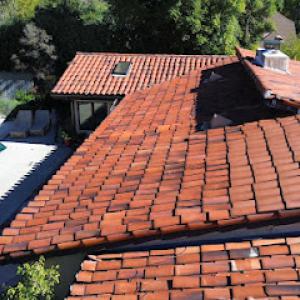
Clay and concrete tile dominate roofscapes in these foothill neighborhoods, where wide, suburban roof planes are common. That scale makes cracked field tiles, slipped tiles, and failing valley flashing more than just occasional nuisances; they're part of the daily maintenance picture after a wind event or a hot spell. When tiles crack or slip, underlayment and flashing are exposed, and that vulnerability compounds quickly if the rest of the roof is aging gracefully. Focus on areas where field tiles meet hips, valleys, and parapet walls, since those junctions see the most movement and wear.
Hot, dry summers push thermal cycling to the limit. In two to three weeks of extreme sun, underlayment and any aging felt or synthetic layers underneath tiles begin to break down, even if the tiles themselves remain sound. This is where weak spots show up: delaminating underlayment, rusted or worn valley flashing, and marginal sealants around penetrations. Over time, the combination of heat and Santa Ana-like winds increases the risk of wind-driven tile damage, particularly on high edges and exposed eaves. Expect more frequent checks of rapidly changing conditions after a string of heat waves.
Ranches-style and suburban layouts often create vast, uninterrupted roof planes. That geometry complicates access for crews, staging equipment, and material handling, especially when tiles must be removed and replaced in a controlled sequence to prevent water intrusion. Plan for multiple access points, clear staging zones on the gutter line, and careful coordination with yard space to avoid tripping hazards or damage to landscaping. When tiles are large and heavy, additional crew members and equipment time can be required to move materials without fracturing nearby tiles.
Begin with a tile-by-tile survey of cracks, chipped edges, and any slipped installations along hips and valleys. Pay special attention to underlayment seams and suspected valley flashing wear, as these are common failure points in the face of relentless sun and wind. Create a targeted plan that prioritizes critical areas first-valleys, penetrations, and any sections with prior repairs. If a section shows multiple compromised tiles, address the underlayment and flashing in the same pass to minimize future exposure risk.
For wildfire- and wind-ready re-roofs, select tiles and fasteners that respond well to heat cycles and movement. Concrete tile often provides robust fire resistance and long service life but must be installed with proper laps and compatible underlayment. Fastener selection should emphasize corrosion resistance and secure seating to prevent micro-movements that loosen tiles during gusts. Ensure flashing details-especially at hips and valleys-are continuous and well-sealed, with durable sealants capable of withstanding high heat and wind pressures. Pair these choices with an underlayment that exhibits strong heat tolerance and proven wind uplift resistance to stretch the interval before replacement becomes critical.
Find contractors who specialize in clay and concrete tile roofs, known for their durability and curb appeal.

Rocket Roofing
(800) 720-0775 rocketroofingca.com
9480 Utica Ave #608, Rancho Cucamonga, California
4.9 from 56 reviews

Reliance Roofing
(888) 799-9220 www.relianceroofinginc.com
9431 Haven Ave, Rancho Cucamonga, California
4.8 from 43 reviews
Rca Roofing
(714) 519-4272 www.rcaroofinginc.com
6281 Kinlock Ave, Rancho Cucamonga, California
5.0 from 6 reviews
Spring and fall are typically the preferred replacement windows in Rancho Cucamonga because they avoid the worst summer heat while reducing the chance of winter rain interruptions. Plan projects to start after the most brutal heat has cooled but before winter storms begin to rise. Moving the tear-off and installation into these shoulder seasons helps crews maintain steady progress, keeps materials from baking or sweating moisture in, and minimizes heat-related worker risk on steep tile streets and driveways.
Winter rainfall in this foothill corridor is not constant but can disrupt tear-off schedules and expose homes to moisture risk if dry-in is delayed. If a forecast shows a wet spell approaching, schedule with a two-week buffer for material checks, tarp placement, and flashings. Have a clear plan for wind-driven debris and possible short-notice weather holds. Communicate a realistic dry-in target to avoid moisture intrusion behind work areas, especially on homes trimmed with clay or concrete tile, which can trap moisture more easily during a lengthy delay.
Autumn wind events and occasional spring storm cells can affect debris control, material handling, and day-to-day crew productivity on active roofing jobs. Implement a robust debris containment plan: seal gutters, use safety screens on valleys, and stage tiles away from streets to limit project shutdowns. On windy days, secure bundles, minimize on-roof tile movement, and adjust the schedule to lighter tasks such as underlayment prep or tile removal in sheltered sections. Keep a dedicated flagger or site liaison to manage gusty windows and maintain access routes for supply trucks.
Choose timing that aligns with roof geometry common to foothill neighborhoods-sloped, tile-heavy roofs benefit from dry conditions for flashing detail work and tile reseaming without rain-impacted resealing. Coordinate a staggered approach: begin with non-porous, moisture-sensitive layers when forecasts are clear, then finish with tile reinstallation once winds calm and afternoon temperatures moderate. This reduces the chance of weather-driven setbacks and keeps the project moving toward a clean, watertight dry-in before the next heat spike.
When you can't wait, these contractors offer fast response times to stop leaks and prevent further damage.
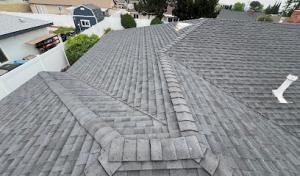
Local planning often begins with asphalt shingles, even in tile-heavy neighborhoods, because the upfront price is lower and the installation pace can be steadier in tight schedules. For asphalt, the typical cost range is about 350 to 700 USD per square. In foothill zones with Santa Ana wind exposure, this option can be appealing for rapid re-roofing, but it may not hold up as long as tile systems in heat and wind years, which means more frequent maintenance or earlier replacement cycles. When budgeting, plan for the possibility of higher accessory costs if your home already features vents, flashings, or roof deck details that require careful integration with the existing structure.
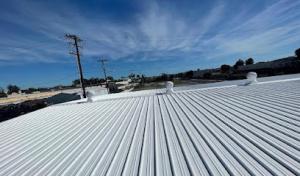
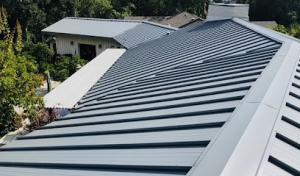
Metal roofing can be a solid match for wind-prone days and tall foothill eaves, delivering durability with a modern look. The cost range runs roughly from 600 to 1,100 USD per square. Labor for metal can be more specialized, particularly if the roof includes multiple planes or complex transitions. In Rancho Cucamonga, where setup needs to accommodate heat-intensive installation windows, you may experience slower progress or scheduling pauses during peak heat hours. Factor in longer timelines and higher labor rates on days when crews must stage equipment or protect heat-sensitive components.
Clay tile remains a common choice in tile-heavy neighborhoods, with costs typically between 1,000 and 1,800 USD per square. The premium reflects both material and the additional labor required for careful tile layout, underlayment, and precise ridge and valley work. Clay tile installations are sensitive to summertime heat, which can slow production and affect setting times for mortars and fasteners. Wind exposure and multi-plane roof designs further push up crew setup complexity and safety measures, translating to higher labor scheduling costs. For many Rancho Cucamonga homes, a clay tile roof also demands reinforced decking and enhanced fastener detail, particularly on gables and valley intersections.
Concrete tile sits in the mid-to-upper range, about 700 to 1,200 USD per square. This material offers excellent fire resistance and long-term performance in hot climates, but it comes with weight considerations and more intensive field work in multi-plane layouts. Expect careful coordination with rafters, underlayment, and flashing on steep or irregular roof lines. In foothill settings, concrete tile installations can incur more access challenges and safety precautions, raising labor costs relative to simpler roofs.
Wood shingles or shakes typically run 650 to 1,200 USD per square, while synthetic or composite shingles hover around 700 to 1,100 USD per square. Wood options are less common on actively fire-prone parcels, but when present, they require meticulous maintenance planning and extra sealing work in wind-prone zones. Synthetic alternatives offer some fire-resistance advantages and predictable performance, yet installation requires attention to flashing and airflow details around vents and skylights in multi-plane layouts.
The most popular roofing material in the US. Find pros who install, repair, and replace asphalt shingles.

A permit is typically required for a full re-roof in Rancho Cucamonga through the City of Rancho Cucamonga Building & Safety Department. This is not merely a formality; the local authority checks for compliance with fire safety, wind resistance, and roofing material suitability given foothill exposure. The department also coordinates with water and drainage codes that affect how tile and underlayment perform in hot summers, Santa Ana wind events, and the occasional post-fire insurance review. The process begins with an application that outlines the proposed roof system, including materials, underlayment, ventilation, and flashing details. Expect standard plan review steps that ensure the project aligns with the city's adopted codes and the neighborhood's tile-heavy character.
Local inspections are typically scheduled at dry-in or underlayment stage and again at final, with attention to underlayment, flashing, and ventilation details. At dry-in, inspectors verify that the roof deck is sound, the underlayment type and installation meet code, and that roof penetrations for vents, plumbing, and skylights are properly flashed. During the final inspection, the focus shifts to the completed roof surface, confirming tile or shingle seating, hip and ridge treatments, and the adequacy of eaves, soffits, and ventilation. In foothill environments, inspectors in Rancho Cucamonga pay particular attention to how the chosen system handles wind uplift and fire-rated barriers, ensuring that edge details and underlayment seams maintain performance under Santa Ana-style gusts. Preparation for inspection should include clear access to the roof, organized documentation of material specifications, and a visible nail pattern or fastening method when required.
Homeowners should expect a review cycle before work proceeds, so permit timing should be built into spring and fall scheduling plans. The city's review window can influence project start dates, especially if additional documentation or revisions are requested to address wind resistance, fire-safety ratings, or compatibility with tile assemblies. If a reroof involves heavy clay or concrete tile, coordinate with the contractor on anticipated inspection milestones and any required temporary protection for landscaping and gutters during the dry season. It helps to have a pre-inspection checklist that aligns with the dry-in and final inspection criteria so the project stays on track even when Santa Ana conditions arise.
California insurer pullbacks and tighter underwriting have made roof condition a bigger issue for homeowners here than in more stable markets. When a carrier sees a tile-heavy roof perched on foothill slopes, with Santa Ana exposure and a history of wind events, the odds of tougher scrutiny rise. This isn't about guilt or blame; it's about reality: underwriting decisions increasingly reflect the long-term risk profile of this terrain. Expect more questions about age, previous repairs, and the condition of flashing, underlayment, and venting, and plan for decisions that hinge on the current state of your roof rather than idealized assumptions.
Wildfire-related underwriting pressure can affect deductibles, coverage terms, and how carriers evaluate older roofs or combustible materials. If your tiles show chalky wear, cracked edges, or signs of vented debris, an insurer may respond with higher deductibles or more conservative loss projections. Concrete and clay tiles perform well in high heat, but if underlayment or decking has moisture issues from prior winds or ember exposure, those weak points become focal in a claim. Understanding that shifts in coverage terms can materialize even without a single visible incident helps you approach conversations with honesty and specific evidence.
Detailed photo records of tile breakage, flashing damage, underlayment exposure, and wind-related debris impacts are especially important when documenting claims in this region. Take clear, dated photos after any wind event or hail-like impact, and keep a running log of observed changes over time. Insurers will look for progressive deterioration as much as for a single catastrophic hit, so routine documentation can support future claim decisions and help a contractor tailor repair strategies to the actual roof condition.
Maintain a visible record of the roof's condition, especially on tile-heavy sections and flashing details. Consider a professional inspection after severe Santa Ana winds or wildfire-season activity, focusing on fasteners, hip-and-valley intersections, and seam integrity. When presenting a claim, provide a concise, organized set of photos paired with a simple narrative of the events and any maintenance history. This approach reduces back-and-forth delays and helps the process reflect the true risk profile of the roof.
Connect with contractors who help homeowners navigate the claims process from damage assessment to final approval.
Reliance Roofing
(888) 799-9220 www.relianceroofinginc.com
9431 Haven Ave, Rancho Cucamonga, California
4.8 from 43 reviews

In the Inland Empire climate, many homes rely on rooftop solar, so flashing and reroof coordination must be treated as a joint project with the solar installer. Plan for panel footprints, rafter layout, and the exact transition points where penetrations occur. A well-sequenced plan reduces the risk of leaks after a replacement.
Skylight penetrations and transitions between steep tile sections and lower-slope roofs are common leak points. Inspect all skylight flanges, curb heights, and flashing configurations during a pre-roof inspection. Ensure the chosen roofing system has compatible flashings for tile roofs and that sealant joints around skylights are continuous across seasonal expansion and contraction.
Flat and low-slope sections appear alongside pitched roofs on mixed property types, creating different drainage and membrane needs. Check for proper pitch, drainage outlets, and edge detailing where the low-slope area meets the main roof. In these zones, verify that underlayment and membrane seams are continuous and terminated correctly at transitions to prevent ponding and water migration during Santa Ana wind events.
High winds and wildfire concerns demand robust transitions around penetrations and along roof edges. Use mechanically fastened ballast or approved flashing methods for solar rails and skylight curbs, and confirm that all penetrations have corrosion-resistant, heat-tolerant sealants suited to long, hot summers. Regular inspections after peak fire season help catch micro-leaks before they become bigger issues.
Find contractors who integrate solar panels or solar shingles into your roof for long-term energy savings.