Last updated: Apr 19, 2026
In a Mediterranean climate with most rain concentrated from November through February, a winter tear-off in San Pablo becomes a high-stakes gamble. Every exposed deck, ridge cap, or underlayment seam is a potential leak point once the first storm hits. The urgency is twofold: not only can a single winter downpour flood a home interior, but weather windows can collapse in hours, leaving crews idle and homeowners chasing dry days. Before the first forecasted storm, prepare by tying down loose accessories, securing materials, and scheduling tarp protection for vulnerable valleys and penetrations. If a prolonged wet spell looks likely, consider delaying major tear-off until a reliable dry spell opens up, because even small rain events can ruin freshly installed underlayment or adhesive layers. Quick, decisive decisions on weather fronts are essential; a late-season rain event can undo weeks of work in minutes.
Fall Diablo wind events in the East Bay create uplift concerns during tear-off and installation, especially on exposed roof edges and ridges. The gusts can pull sheathing, shingles, and fasteners loose long enough to require rework, increasing risk for crews and homeowners alike. When a wind advisory is issued during this period, schedule the critical, high-risk tasks-like deck removal, underlayment application, and early shingle or tile installation-only during the calmest windows. If the project sits on an exposed ridge line or along a bluff, anticipate temporary edge protection measures and consider timing the most fragile steps for morning hours when winds tend to be lighter. Long, continuous uplift events demand flexibility: a confirmed plan to pause and reassess can prevent costly rework and water intrusion.
Late spring marine layer fog and humidity can slow adhesive-dependent roofing tasks even when there is no rain. In this pocket of coastal microclimate, sealants, membranes, and certain fasteners cure or set more slowly, extending project timelines and introducing subtle failure modes if timelines slip. If the forecast calls for humid mornings or persistent fog, begin with non-adhesive tasks first-sheathing, flashing, and mechanically fastened components-then allow the day's cooler, moister air to clear before adhesives are laid. Build in drying time and avoid forcing adhesive cures under damp conditions; a rushed job under fog can compromise wind-uplift resistance and water tightness down the line. Keep a close eye on humidity stripes and adjust nightly work limits to the most forgiving hours of the day.
The timing logic here is simple: identify the longest stretch of dry, wind-sheltered days in a calendar window and lock in the critical, moisture-sensitive stages for those days. If a major roof replacement must occur during the wet season, compensate with additional protective layers, accelerated sequencing, and pre-installed temporary edge barriers. For roofs facing open exposure, prioritize fastener schedules, waterproof underlayment overlaps, and ridge vent integration during calmer periods. In all cases, maintain a day-by-day watch on forecast shifts and be prepared to consolidate tasks into a tighter, higher-efficiency sprint when windows open. The upside is meaningful: fewer leaks during storms, fewer call-backs for rework, and a finished roof that stands up to San Pablo's winter, wind, and fog without nagging moisture concerns.
Exposed edges, hips, and ridges deserve heightened attention in this climate. Uplift-prone configurations require secure fastening and competent sealing at every seam, with attention to how edge treatments behave in winter rain and fall winds. Nails, fasteners, and adhesive joints must be selected to endure both moisture and uplift loads, not just the aesthetic look of the new system. Consistent inspection of penetrations-vent pipes, skylights, and chimneys-during the project reduces the chance of overlooked leaks after the first storm. In tight, irregular neighborhoods with variable wind patterns-common in this city-local experience matters: lean on crews who have weathered multiple cycles of San Pablo seasons and understand how microclimates affect timing and performance.
San Pablo homeowners commonly choose among asphalt shingles, metal roofing, clay tile, concrete tile, synthetic/composite shingles, and slate. Each option sits on a spectrum of UV exposure, moisture shedding, and wind resilience that plays out differently across the Bay Area microclimate. The dry summer sun can bake exposed surfaces, while wet winter storms demand quick shedding and robust flashing for gutters, chimneys, and penetrations. This combination means material performance hinges on both how the product handles UV over time and how well the roof drains and resists water infiltration as seasons change. When comparing options, look for a system that balances daytime heat tolerance with a reliable moisture barrier and a roof edge detail designed for Bay fog and wind.
Clay tile, concrete tile, and slate bring long-term durability, but they also introduce heavier loads and more complex installation. In the Bay Area wind corridors, heavier coverings can trigger added review attention and structural considerations even on otherwise standard homes. If you own a smaller or older structure, verify that the existing rafters, sheathing, and fastener pattern can safely support the additional weight without compromising underlayment or ventilation. Heavier materials tend to require meticulous detailing at hips, crickets, and around penetrations to prevent lift during gusts. In practice, you'll want to compare how each heavier option works with your roof geometry and current attic ventilation to avoid wind-driven leaks and hot spots under seams.
Timing reroof work around wet winters is essential in this climate. Plan for dry spells to allow accurate decking inspection, proper underlayment installation, and an uninterrupted seal along eaves and rake edges. A winter-heavy schedule increases the risk of weather delays, which can push flashing and sealant work into more challenging moisture conditions. When you schedule, prioritize days with a low chance of rain and moderate temperatures, especially during the first 24 hours after installation when sealants set and edges begin to cure. If a heavier roof is chosen, coordinate with the contractor on a staged plan that ensures critical waterproofing is completed before any extensive sheathing exposure to rain.
Regardless of material choice, a solid underlayment and proper ventilation are non-negotiable in this region. The roof deck should be sound, dry, and free of rot before laying any covering. In areas with mixed sun and fog, a breathable but watertight underlayment helps manage condensation and seasonal humidity without trapping moisture. Ensure flashing details at chimneys, skylights, and vent stacks are compatible with the chosen material, and that hip and ridge lines receive continuous, wind-resistant coverage. A well-vented attic reduces heat buildup that can otherwise amplify UV aging on the roofing layer and shingles, particularly for lighter-weight options.
When weighing options, match the roof's pitch and exposure to the product's weight and wind rating. Asphalt shingles deliver straightforward install and good wind resistance for many homes, while metal offers durability with lighter weight and robust uplift performance. Clay and concrete tiles excel in heat tolerance and water shedding but demand structural confirmation and precise layout to avoid lift. Synthetic/composite shingles can provide modern resilience with mid-range weight, and slate offers longevity with a premium approach to installation. In all cases, discuss color fading and glare with the supplier-sun exposure in the dry months can influence both aesthetics and roof temperature.
In this city, reroof pricing is anchored to a spread of per-square costs you'll see across most local projects: asphalt shingles 450 to 900, metal 650 to 1300, clay tile 1000 to 2300, concrete tile 900 to 2000, synthetic/composite 380 to 700, and slate 1400 to 2800. That framing helps you compare bids without getting lost in unusual line items. The goal is to map your roof's square footage to a realistic total and keep expectations aligned with the material's performance in our wet winters and fall winds.
Asphalt shingles remain the most flexible starter option, especially for budget-conscious projects that need to close quickly after winter storms. Expect roughly 450 to 900 per square for asphalt, including basic underlayment and fasteners. Metal roofing sits higher, typically 650 to 1300 per square, but offers better wind resistance and lighter lifting in fall's gusty days. Clay tile and concrete tile sit at the upper end of the range, with clay commonly between 1000 and 2300 per square and concrete from 900 to 2000; both bring durability but can trigger heavier structural considerations. Synthetic or composite shingles run about 380 to 700 per square, delivering decent longevity at a mid-range price. If slate is chosen, anticipate 1400 to 2800 per square, reflecting substantial handling, weight, and specialized installation needs.
Costs in this area can rise when projects are scheduled after winter storm demand spikes or when fall wind conditions disrupt labor efficiency and staging. If a crew has to stage equipment around saturated soils or tarp-sensitive entrances, you may see a temporary uptick in labor and delay-related charges. Planning nearby windows with drier days helps keep the project on track and reduces the chance of weather-related material damage or re-lay costs. When a shift in the schedule is unavoidable, getting a firm updated timeline and price horizon from the contractor helps prevent sticker shock.
Heavier tile or slate replacements can add cost through structural review, added documentation, and more complex handling than a straightforward asphalt reroof. Expect possible extra charges for engineering calculations, curb appeal reinforcements, and careful crane or staged-lift logistics if your home's geometry or overhangs complicate installation. If you're weighing clay or concrete tile, you'll also want to verify existing roof framing is rated for the added weight; some houses in this area rely on upgrades that can elevate scope and pricing moderately.
Start with a square count from your old roof to map to the per-square ranges above, and ask for a material-by-material breakdown so you can compare apples to apples. If you're leaning toward heavier tile options, request a lightweight tile alternative or a hybrid approach that preserves aesthetics while minimizing structural adjustments. Finally, keep a buffer for staging and access on weeks with windy or wet forecasts, since those conditions consistently influence labor efficiency and project pace.
Planchon Roofing
(510) 235-4056 www.planchonroofing.com
2207 Emeric Ave, San Pablo, California
4.5 from 30 reviews
Planchon Roofing is a reliable roofing company in San Pablo, CA, providing fast and professional solutions to protect your home or business. We specialize in emergency roofing service, responsive roof repairs, and comprehensive maintenance to prevent future damage. Our licensed team works with quality materials and proven techniques to ensure lasting results on every project. Unique advantages include rapid response times, honest estimates, insurance assistance, and craftsmanship backed by experience. From minor leaks to major repairs, we prioritize safety, durability, and customer satisfaction. Contact Planchon Roofing today for prompt, dependable roofing support when you need it most.
Apex Line Roofers Service
13728 San Pablo Ave, San Pablo, California
4.9 from 7 reviews
Apex Line Roofers Service, located at 13728 San Pablo Ave, San Pablo, CA 94806, United States, stands as a premier roofing supply store. We are dedicated to providing top-quality materials for all your roofing needs. From durable shingles to essential accessories, our extensive inventory ensures professionals and DIY enthusiasts alike find exactly what they require for a successful project. Trust Apex Line for reliable products that build lasting roofs.
Jimenez Roofing
1981 Mason St, San Pablo, California
4.4 from 7 reviews
Jimenez Roofing has worked hard to rise to the top of the roofing and waterproofing industry in our local area. Over the years, our company has installed hundreds of roofs, facing every roofing challenge imaginable with dedication, professionalism, and commitment. Our services are guaranteed because we work with premium materials to ensure top-quality solutions and durability.
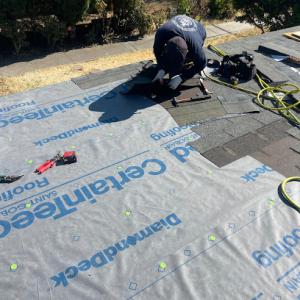
Pablo Restorations Roofing
(510) 671-6161 pabloroofingca.com
Serving
5.0 from 23 reviews
Pablo Restorations Roofing is your trusted roofing contractor serving Richmond, CA, and surrounding areas. Specializing in asphalt shingle roofs, flat roofing, and metal roofing, we provide tailored solutions to meet your roofing needs. Whether you need expert roof leak repair, a thorough roof inspection, or a full roof installation, our experienced team delivers exceptional craftsmanship and reliable results. Committed to quality and customer satisfaction, we ensure durable, long-lasting roofs that protect your home or business. With Pablo Restorations Roofing, you can expect prompt service, competitive pricing, and peace of mind. Contact us today to secure your property with a roof built to last!
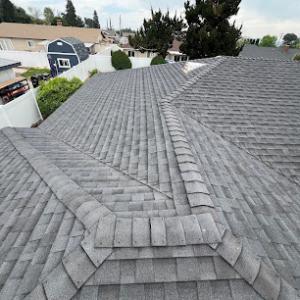
Frontline Roofing
(530) 402-3246 frontlineroofing.com
Serving
4.8 from 20 reviews
Frontline Roofing, located at 12669 San Pablo Ave Suite 107, is your trusted roofing contractor providing top-notch roofing services in Lake Elsinore, California. Specializing in both residential and commercial roofing, our dedicated team excels in roof repair, replacement, and maintenance, ensuring lasting durability and aesthetic appeal. We proudly offer diverse solutions including metal roofing, flat roofing, and energy-efficient commercial systems. Rated 4.9 stars by our clients, our expert craftsmanship, prompt service, and free quotes make us the go-to choice for "roofing near me." Contact us today for reliable roofing solutions tailored to your needs.

Pinole Roofing
(341) 348-8847 pinoleroofing.site
Serving
4.8 from 6 reviews
Pinole Roofing is a professional roofing service company located in Pinole, CA. We focus on roof repairs, inspections, and ongoing roofing maintenance for residential and commercial properties. Our experienced team handles roof leaks, damaged materials, and age-related roofing issues using proven methods and quality materials. We are committed to clear communication, reliable workmanship, and prompt service from start to finish. Proudly serving Pinole and surrounding California communities, we help property owners protect and maintain their roofs with trusted roofing solutions.
Atlas Roofing
(415) 625-4567 atlasroofingpro.com
Serving
5.0 from 83 reviews
Atlas Roofing is your trusted roofing expert in the San Francisco Bay Area. We specialize in new roof installations, roof replacements, roof repairs, and re-roofing services. Our team of skilled professionals is dedicated to providing top-quality craftsmanship and exceptional customer service. Whether you need a new roof for your home or a repair to extend the life of your existing roof, we have the expertise to get the job done right. At Atlas Roofing, we use only the highest quality materials to ensure your roof stands the test of time. Contact us today for a free estimate!
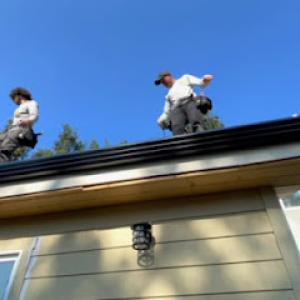
Sunshine Gutters
(510) 525-0880 www.sunshinegutters.com
Serving
5.0 from 5 reviews
We offer Seamless gutter installation, repair, and maintenance in Contra costa county, San Francisco , Alameda county, Marin County and the surrounding areas. We offer a 5 year workmanship guarantee! Our gutters are guaranteed not to leak for as long as you own your home. The Bay area , Northern California is full of trees of all types, deciduous and fir. Leaves, needles, and debris are constantly falling into your gutters. Before the rain starts have us come out and inspect your gutter system and clean out the gunk in your gutters, this will allow them to flow smoothly and keep rain water away from damaging your house, foundation and landscaping.
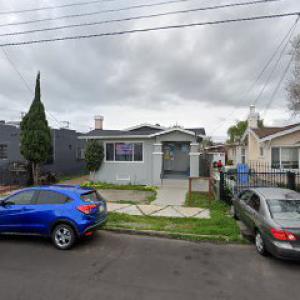
VRC Roofing
Serving
5.0 from 9 reviews
VGR Roofing is your local and family operated roofing contractor and we are here to serve you as you deserve. We are specializing in metal roof, torch down roof, asphalt shingles, roof tiles, slate. etc etc, we are professional, clean. we love the work we do and will always strive to provide the best customer experience with best quality possible

Advanced Roofing El Cerrito Works
(341) 230-1042 advancedroofingelcerritoworks.com
Serving
5.0 from 36 reviews
Advanced Roofing El Cerrito Works proudly serves El Cerrito, CA with reliable roofing and professional plumbing solutions, available 7 days a week. We handle roof inspections, leak repair, new roof installations, and long-term maintenance to keep homes protected. Alongside our roofing expertise, we provide complete plumbing services, including leak detection, pipe repair, drain cleaning, water heater service, faucet and fixture work, and full system troubleshooting. Our team focuses on honest service, quality workmanship, and fast response, helping local homeowners stay safe, comfortable, and stress-free. If you need trusted roofing or plumbing in El Cerrito, we’re here to help.
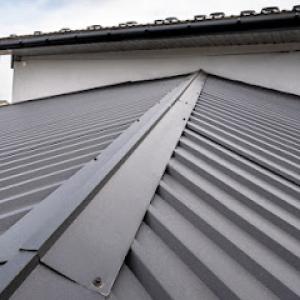
Roof City
(916) 540-6876 roofcityprofessionals.com
Serving
5.0 from 23 reviews
At Roof City, we are trusted roofing contractors serving Rio Linda, CA, providing expert solutions for both residential roofing and commercial roofing needs. From minor roof leak repair to full roof replacement, our skilled team ensures your property stays safe and protected. We specialize in emergency roof repair, flat roof repair, and shingle roof replacement, delivering fast, reliable service when you need it most. Our comprehensive roof maintenance programs help extend the life of your roof and prevent costly damage. Whether it’s routine inspections, repairs, or complete installations, Roof City provides professional, high-quality roofing services tailored to your home or business. Contact us today for more information and
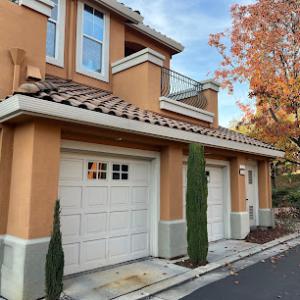
Bay Area Roofing Master
(510) 373-3161 www.bayarearoofingmasters.com
Serving
5.0 from 45 reviews
Bay Area Roofing Master has been recognized as a top Roofing Contractor in the Bay Area. We provide a wide range of services for all kinds of roofing needs. Whether you’re looking to work on an existing space or undertake a bigger project, we guarantee that we can help you achieve the results you seek. Our number one priority is happy customers through quality work. Contact your friends at Bay Area Roofing Master for a quote.
Reroof projects in this area go through the City Building Division, which handles online permit applications and plan review. Before any tear-off or new installation begins, you'll want to submit the project details through the city's online portal and ensure plans show roof assembly, underlayment, flashing, and venting clearly. The permit process aims to confirm that the proposed materials and methods meet local code requirements and are appropriate for the Bay Area climate-where wet winters, seasonal winds, and foggy humidity can impact roof durability. Expect some back-and-forth if the plans involve unusual roof geometry, large tile, or radiant barriers, so plan accordingly for review timelines.
Inspections are scheduled at two key milestones: rough-in and final. At rough-in, the inspector checks that roof deck conditions, underlayment, fasteners, and flashing are installed according to approved plans and code standards. This is your early chance to catch misalignments that could affect uplift resistance in wind-prone conditions or moisture management during wet months. The final inspection verifies that the completed roof matches the approved plan and that all penetrations, venting, and drainage work function properly. Since San Pablo experiences wet-season challenges, the inspector will look closely at waterproof integrity where tiles meet chimneys, vents, and skylights, as well as at any penetrations through hip and valley intersections.
The city may request documentation that demonstrates the chosen materials and installation methods meet structural and weather-related requirements. For standard re-roofs, simple product data sheets and installation details may suffice, but larger installations or heavy-weight tile projects often require more information. Plan review can include wind uplift testing, fastening schedules, and manufacturer-approved underlayment specifications. Be prepared to provide product datasheets, installation manuals, and a clear sequence of work. Submitting comprehensive information up front can reduce delays and keep the project moving through the permit process efficiently.
When the project involves heavy-weight tiles such as clay or concrete, anticipate additional scrutiny. The Building Division may request structural calculations, staged installation plans, or additional documentation on roof framing and fastener patterns to ensure the roof can safely carry the load and resist uplift in Diablo winds. For any deviations from standard re-roof procedures-such as retrofits or non-standard sheathing-local officials might require extra engineering notes. Coordinating with your contractor to assemble a complete, city-ready package will smooth the review and support a smoother permit path.
In the compact East Bay setting, winter rainfall tends to expose underlayment fatigue, flashing weaknesses, and drainage issues that may stay hidden through the dry season. A roof that looks solid in October can show its true colors after a series of storms-leaks around chimneys, vents, and transitions that seemed fine on a sunny day suddenly demand attention. The trouble spots aren't always dramatic; it's often the quiet seepage along joints and the subtle wobble at rake edges that announce itself only after a wet spell. You'll want to pay attention to areas where water tends to pool or back up, such as low spots on the deck, around skylights, and where earlier repairs fractured the continuity of sealant or primer. If you skip these signs, you'll pay for it later with faster deterioration, more interior staining, and the kind of drips that undermine drywall and ceilings.
East Bay fall wind events can worsen shingle uplift, ridge vulnerability, and edge detailing failures. When Santa Ana-like gusts sneak in or the infamous Diablo winds sweep through, even well-installed shingles can peel at edges, loosen along ridges, or expose fasteners along eaves. The most vulnerable spots are along long, uninterrupted run lines where wind can grab and twist, and at intersections where two planes meet. A quick check after a windy stretch should focus on ridge caps, hip shingles, and the first row behind any vent flashing. If a roof's edge detailing isn't continuous or the cap tiles aren't sitting flush, you'll see a cascade of small failures that compromise the whole system. The consequence isn't merely cosmetic: uplifted sections invite moisture intrusion and accelerated wear, which compounds over a season and compounds your vulnerability to future storms.
Fog and humidity near the Bay can prolong damp conditions on roof surfaces and around penetrations compared with inland-only climates. Moist air lingering around chimney bases, vent stacks, and exhaust stacks can corrode metal flashing and soften sealant over time. Humidity keeps underlayment and plywood that much closer to failure, especially in shaded or poorly ventilated attic spaces. On a San Pablo roof, condensation can creep into the attic and its immediate surroundings, feeding microbial growth and complicating dry-weather inspections. The telltale signs aren't always visible from the ground-slow leaks, staining around penetrations after a cool, foggy night, and a persistent musty odor deserve attention. Regular, careful probing during dry periods can catch these issues early, sparing you surprise storms and their downstream costs.
Find contractors experienced in skylight installation, flashing, and leak repairs to bring natural light into your home.
Apex Line Roofers Service
13728 San Pablo Ave, San Pablo, California
4.9 from 7 reviews
California's insurance market has seen carrier pullbacks and stricter underwriting, affecting Bay Area homeowners replacing or documenting roofs. In a place with wet winters and wind-prone fall seasons, carriers are paying closer attention to roof age, roof-to-wall connections, and potential uplift risks. The reality is that a straightforward claim or renewal may hinge on how thoroughly a roof project is presented, especially when hail, wind, or moisture exposure has left the surface uneven or vulnerable. If a carrier senses gaps in records or gaps in durability, the result can be longer timelines or tighter terms.
San Pablo homeowners may be asked for detailed roof condition reports, before-and-after photos, and documentation of materials and upgrades. The more you can demonstrate a well-planned upgrade-from upgraded underlayment to secure fasteners and wind-rated details-the better your position. In practice, having a dated professional report, high-quality photos from multiple angles, and a clear narrative of what failed and what was improved reduces back-and-forth. Expect requests for specifics on how a chosen system mitigates moisture intrusion and uplift, especially on slopes exposed to Bay fog and winter rain.
Coverage terms, deductibles, and scrutiny of wind-related improvements can vary by carrier and zip code even within the broader East Bay. That means the same roof replacement can be treated differently depending on the insurer and the exact neighborhood. The prudent approach is to align your documentation with the expectations of your chosen carrier-anticipate questions about rake edges, overhang protection, and attic ventilation-and respond promptly to any requests to keep the process moving without surprises.
Connect with contractors who help homeowners navigate the claims process from damage assessment to final approval.
Planchon Roofing
(510) 235-4056 www.planchonroofing.com
2207 Emeric Ave, San Pablo, California
4.5 from 30 reviews
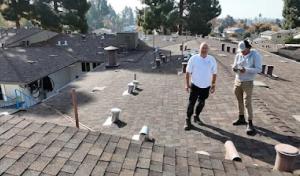
In this compact East Bay setting, the long dry summer window is the most practical period to coordinate reroofing with solar-related roof work because weather delays are lower. Plan to align panel installs after roof decking and underlayment are in place, and avoid heavy winter rain as much as possible. If you need a fall start, expect tighter margins and potential delays from Santa Ana-like wind gusts.
Roof replacement planning should account for penetrations and flashing details before panels are installed or reinstalled. Siliconized sealant, step flashing, and valley details must be finished cleanly so that PV racking sits square and water flows uninhibited. In homes with clay or concrete tile, extra attention to flashing around racking feet prevents lift and leaks when wind storms sweep through Diablo corridors.
Material choice matters for future service access, especially when comparing asphalt systems with tile or metal assemblies. Asphalt can offer easier retrofits, but tile and metal decks demand careful clearance for wiring runs and panel mounting hardware. Consider the ease of panel removal for maintenance when selecting a roof profile, particularly on roofs with limited attic or eave access.
Coordinate a single work crew to handle both the roof and the solar trades in phases that minimize traffic across freshly laid underlayment. Keep a clear plan for temporary protection of exposed decking during the gap between roof completion and PV mounting. Pay attention to wind exposure and fall protection, which are pronounced in the Diablo wind corridors.
When coordinating with PV installers, keep a shared calendar and a weather contingency plan that acknowledges San Pablo's wet-winter rhythm and its wind-prone seasons. This helps prevent last-minute material swaps and keeps the project from stalling while ambitious solar projects meet a reroof. Clear communication with the roofing crew reduces missteps and weather-driven downtime for everyone involved.
Find contractors who integrate solar panels or solar shingles into your roof for long-term energy savings.