
Last updated: Apr 19, 2026
This inland Polk County town sits amid summer afternoon thunderstorms and microbursts that push shingles, ridge caps, and flashing to the test far more often than most neighbors expect. Summer wind-driven rain can arrive in a hurry, and a roof that looked fine at noon might be leaking by dusk if it isn't prepared for the force of a sustained squall. The risk is real for every roof type common in the area, from budget-friendly asphalt to hardy tile and metal, because wind can lift edges, loosen fasteners, and drive water under the seams. The threat persists even when the sky looks calm, so routine checks after every big storm matter as much as pre-storm prep.
Hurricane season from June through November intensifies this dynamic in practice. The focus shifts from surge concerns to wind-driven rain, lifted shingles, displaced ridge materials, and project interruptions as crews respond to a busy market. You may see more temporary tarps, more triage on damaged sections, and longer timelines for restoration as insurers and contractors juggle demand. Treat each wind event as a potential trigger for an insurance review, even if the roof appeared unscathed at first glance.
Florida insurers serving this market expect clear, date-stamped evidence of damage, repair history, and wind-mitigation-related documentation because storm and wind claims are common statewide and coverage options have tightened. After a storm, take comprehensive photos from multiple angles: the entire roof line, mid-roof sections, the ridge, and any interior signs of water intrusion around ceilings, walls, or attic spaces. Keep a dated record of all home maintenance and prior repairs; insurers will want to see a history that demonstrates the roof's current condition and how it has been cared for. If a contractor has performed prior work, preserve receipts, specifications, and any warranty language that ties to wind resistance or hail impact resistance. A concise narrative that links each photo to what emerged from the storm helps adjusters quickly map damage to policy coverage.
In addition, document wind-mitigation measures that can influence your claim favorably. Evidence might include the presence of hurricane clips, taped seams on metal installations, upgraded underlayment, or installed attic vents that reduce pressure on the roof deck. If a roof replacement is planned or underway, keep staged photos and notes showing the sequence of repairs and any temporary protections you implemented in the interim. The more you show a clear chain of events-storm occurrence, visible damage, and subsequent repairs-the smoother the claim review tends to move.
When a storm passes, you should initiate a watchful inspection with daylight to identify obvious failures: lifted shingles, torn flashing, or gaps in ridge lines. If you discover damage, contact your insurer promptly and confirm preferred documentation formats and submission channels. Do not wait for a claim to "prove itself" through ignored leaks or unseen attic stains; early notification and organized records reduce back-and-forth and minimize hold times. If you work with a contractor, request a written assessment that documents observed damage, a proposed scope of work, and a realistic schedule. Maintain a copy of all correspondence, including emails and text messages, so everything in the claim file has a dated trail. In Davenport, where storms can re-ignite the market, staying organized protects your home and your timeline.
Keep date-stamped photos cataloged by weather event; retain repair history and warranties; gather wind-mitigation documentation; document interior signs of water intrusion; start communications with the insurer early after a storm; request written scopes from contractors; preserve every receipt and order in a single accessible folder. This approach helps you navigate the season's disruptions with confidence.
Find local contractors experienced in assessing and restoring roofs after hail, wind, and severe weather events.
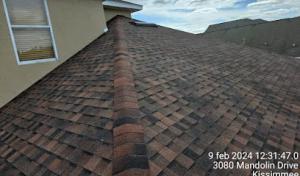
Vortex Roofing Solutions
(786) 801-7667 www.vortexroofingsolutions.com
2062 Southern Breeze Dr unit 105, Davenport, Florida
4.8 from 23 reviews
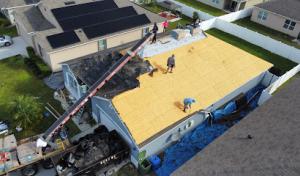
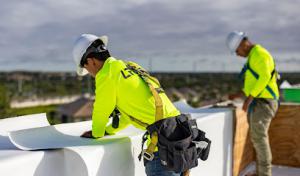
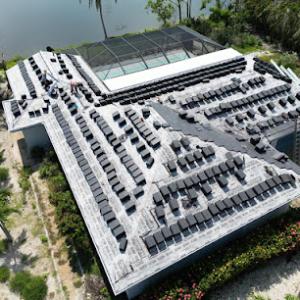
JHI Roofing
147 N Hampton Dr, Davenport, Florida
5.0 from 32 reviews
JHI Roofing offers premier roofing services in Davenport, Orlando, FL, and surrounding areas. Specializing in installation, repair, and replacement with top-notch craftsmanship and tailored solutions. With years of experience and a commitment to excellence, we ensure peace of mind and superior results for every project.
Vortex Roofing Solutions
(786) 801-7667 www.vortexroofingsolutions.com
2062 Southern Breeze Dr unit 105, Davenport, Florida
4.8 from 23 reviews
We are a licensed and insured roofing contractor serving Orlando, FL and surrounding areas. We specialize in roof repair, roof replacement, storm damage roofing, and insurance claim assistance for residential and commercial properties. Our team provides free roof inspections and quality workmanship you can trust.
Trust Quality Group
(321) 276-7009 www.trustqualitygroup.com
Davenport, FL
5.0 from 12 reviews
At Trust Quality Group, we specialize in delivering top-notch roofing solutions tailored to meet the unique needs of each client. With years of experience and a commitment to excellence, we provide roofing installation, repair, and maintenance services using high-quality materials and skilled craftsmanship. Our goal is to ensure every project is completed on time, within budget, and with the highest standards of safety and quality. Trust us to protect your home or business with reliable and durable roofing systems. Contact us today for a free consultation!
J&E Roofing Ink
Davenport, Florida
4.6 from 9 reviews
J&E Roofing Ink, LLC specializes in roofing solutions in Davenport, FL. Our expert team delivers top-notch services for commercial and residential properties, covering shingle, metal, flat, and tile roofs. Trust us for quality craftsmanship and reliable roofing solutions.
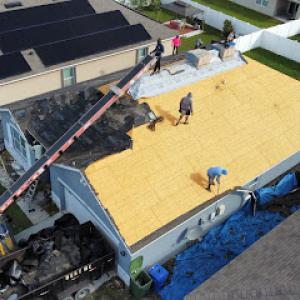
Paradise Commercial Roofing
(407) 725-2875 paradiseroofingfl.com
Serving
4.9 from 125 reviews
We are a leading Commercial Roofing Company in the Orlando area. We have been in business since 2010 and have developed extensive knowledge and experience in a wide range of roofing including TPO, Metal, Tile, Shingle and Modified Bitumen. No matter why you hire us, We are committed to making sure we give 100 percent to each job we take on. Contact us to set up a no-obligation consultation today.

Fred Fein Construction & Roofing
541 Brookeshire Dr, Davenport, Florida
5.0 from 1 review
Schedule an appointment today for your free estimate. 1 of our specialists will set a time and see if you have any existing damage we can cover through insurance. If you don't good news we can build the correct affordable package for you and get the roof installed quickly and correctly with over 40 years experience this is the right company. Rated number 1 on the east coast and now avaiable in central Florida. Dont wait call now.
Lloyd Roofing
(863) 220-6390 lloydroofingservices.com
Serving
4.8 from 30 reviews
With decades of experience and a long list of satisfied customers, the highly skilled Lloyd Roofing team provides high-quality, professional roofing services for a variety of commercial and residential clients throughout the state of Florida. Credentialed, experienced and capable, you can count on Lloyd Roofing to provide the roofing solutions that address your problems and exceed your expectations.
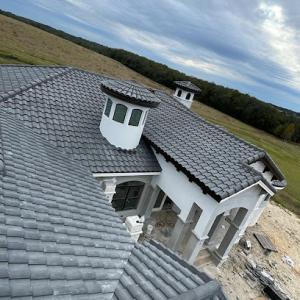
Florida Roofing Team
Serving
4.8 from 19 reviews
Florida Roofing Team, located in Kissimmee, FL, is a trusted roofing contractor specializing in residential and commercial roofing services. Our experienced team handles everything from new roof installations to repairs and maintenance. We pride ourselves on providing high-quality, reliable roofing solutions, ensuring your home or business is protected. Whether you're dealing with roof leaks, storm damage, or need a complete roof replacement, Florida Roofing Team is here to help with expert service and exceptional results. Contact us today for all your roofing needs in Kissimmee, FL!
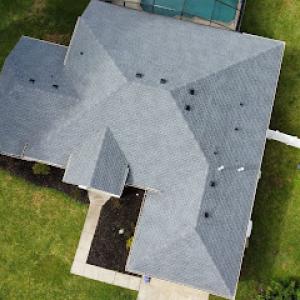
Southeast Roofing & Contracting
(407) 201-3419 www.se-roofing.com
Serving
5.0 from 98 reviews
We replace roofs. Shingles. Tile. Metal. TPO. Flat Roofs and More
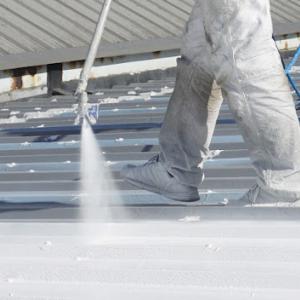
Troyer Commercial Roofing
(941) 564-5614 troyercommercialroofing.com
Serving
5.0 from 44 reviews
Specialising in the installation and repair of commercial roofs, Troyer Commercial Roofing is your trusted roofing contractor for reducing energy costs and eliminating disruptions caused by roof leaks. Proudly serving much of Florida, including Sarasota, Jacksonville, and Fort Myers, our skilled team will enhance the durability and energy efficiency of your roof. We combine cutting-edge techniques with premium materials, including trusted Conklin roofing products, to extend your roof’s lifespan and protect your investment. Discover why businesses across Florida rely on Troyer Commercial Roofing as their go-to roofer for dependable, professional service. Contact us today for a free inspection or to explore our custom roofing solutions.
Sun State Roofing
(407) 777-6338 www.sunstateroofingllc.com
Serving
5.0 from 18 reviews
We are a locally owned and operated certified roofing contracting business servicing Winter Garden, FL and the surrounding areas. Contact us today!
Sun Pro Contracting
(407) 837-5247 sunprocontracting.com
Serving
4.6 from 11 reviews
SunPro Contracting handles roofing jobs of all sizes. With over 100 years of combined experience in the roofing and general contracting industry, we can handle all types of roofing projects from small roofing repairs to large commercial reroof projects. We are a full-service residential and commercial roofing company that has built its reputation by working closely with our customers to provide the best possible solutions to their roofing problems.
In this inland Central Florida market, the mix of asphalt shingles, metal roofing, clay tile, concrete tile, wood shingles or shakes, and synthetic or composite shingles is common. The climate is hot and humid, and summer storm bursts are frequent. Your choice should balance storm durability, insurance considerations, and how the appearance of newer suburban homes will look over time. The decision is not abstract here-heat, humidity, and wind loads all creep into how a roof ages and how long it stays effective.
Davenport's hot, humid climate accelerates asphalt adhesive aging in late spring and summer. If you lean toward asphalt shingles, you'll want to examine the roofing system as a whole, not just the shingles' color. Look for shingles with a high heat resistance rating and robust underlayment. A lighter color can help reflect more sun, but that choice should be paired with a quality shingle line and attic insulation that keeps the deck temperatures down. If your attic lacks ventilation, heat buildup can shorten the life of the roof adhesive and premature aging of the shingles. Consider improvements to soffit vents, ridge vents, and sealing gaps around penetrations to reduce heat-driven wear.
Metal roofs are highly durable in high-wind events and can be a strong fit for storm resilience in this climate. In a market where homeowners value insurance considerations, metal can help with wind resistance and hail tolerance, depending on the panel type and fastening method. The appearance of metal-whether standing-seam or exposed-fastener-can also align with newer suburban aesthetics. If budget allows, metal can deliver long-term longevity with relatively simple maintenance. Pay attention to flashings around chimneys, dormers, and transitions to other materials, as improper sealing can become a weak point during heavy storms.
Clay tile and concrete tile are especially relevant here because they deliver a distinctive look that appeals to newer suburban homes while offering strong wind performance when properly installed. Concrete and clay tiles differ in weight, cost, and breakage risk, so your tile choice should reflect roof slope, attic support, and the talent of local installers who understand Florida wind loads. Tile roofs are less forgiving of improper underlayment or substructure weaknesses, so ensure the roof deck and fasteners are rated for the local wind codes and that tile layout minimizes the risk of cracking during hail or gusts.
Wood shingles and shakes bring a classic appearance but require careful maintenance in humid climates to prevent rot and moss buildup. They can be a good aesthetic match for certain neighborhoods, but they demand precise installation and ongoing maintenance. Synthetic or composite shingles can be a strong compromise, offering improved resistance to weather and lower maintenance while mimicking the look of natural materials. If choosing synthetic options, verify UV stabilization, warranty terms, and the system's installation compatibility with local climate realities such as humidity and heat.
Start with the home's orientation, roof pitch, and existing structure. Assess wind exposure, the likelihood of heavy rain, and potential for impact from hail. Match these realities with a material that provides reliable wind performance, suitable underlayment, and a compatible attic ventilation strategy. For most Davenport homes, pairing a durable outer material with a robust underlayment and solid ventilation yields the best balance between performance and aesthetics in this climate. When in doubt, consult a local contractor who understands how Florida winds and humidity interact with the chosen roof system and how that translates into long-term resilience.
Explore specialists in steel, aluminum, and standing seam metal roofs built to last 50 years or more.
In Davenport, replacements are often easier to schedule in the drier part of the year because frequent afternoon storms can interrupt tear-off and dry-in work. The window from late fall through early spring tends to be steadier, with fewer volatile shower bursts that can stall progress. If the calendar allows, aim to start after the first cool fronts and before the heat of late spring. That creates a more predictable pace for removing old materials, laying down underlayment, and bringing the new roof up to a dry-in state before the wet season ramps back up.
Heavy rainfall and high humidity in this area can expose underlayment and roof decking to moisture during installation if projects are not tightly sequenced. The contractor should coordinate tear-off, dry-in, and interior protection so that deck exposure is minimized. Expect longer cycles if a storm front arrives mid-tear, and plan for temporary tarping and efficient waste removal to keep the roof deck from staying exposed. A well-sequenced crew will tie in gutters and flashings promptly to reduce wind-driven moisture intrusions during the installation phase.
Late spring and summer heat in Davenport can increase material stress and make weather delays more likely during active replacement work. High temperatures can affect asphalt shingles and sealants, while elevated humidity can slow down the curing of some underlayment products. When possible, choose start times earlier in the day to avoid the peak heat window. If heat waves persist, a shorter, tightly managed daily schedule can help keep materials stable and reduce the risk of warping or back-foam issues on the deck.
A replacement becomes more compelling when multiple risk indicators line up. Look for widespread shingle granule loss, curling edges, or repeated leaks through the ceiling, especially after summer storms. If structural rot or compromised decking is found during inspection, replacement may be the safer option rather than patching, since moisture damage can progress behind the scenes. When the roof is near the end of its expected life and the attic shows signs of continuous moisture intrusion, consider replacing rather than repairing to restore long-term protection against future storms.
Homeowners should align on a realistic project window that accounts for Davenport's typical storm bursts. Ask the contractor about a best-case dry-in plan that minimizes exposure of the deck and avoids extended timelines due to weather. A firm start date with a clear sequence-tear-off, deck inspection, underlayment installation, flashing and vent work, then final roof covering-helps keep the project on track. Ensure the plan includes a contingency for an additional short rain delay, with arrival of a crew ready to resume the moment conditions improve.
After the new roof is installed, a thorough inspection should verify that all penetrations, edges, and hips are properly sealed to withstand the next storm cycle. In Davenport, a brief test of attic ventilation and a quick check of interior insulation can confirm that the installation remains effective against moisture buildup in humid conditions. Finally, ensure that gutters are reattached and sealed to protect the roof edge from wind-driven water before the first heavy shower of the season arrives.
A full roof replacement in Davenport typically requires a permit through the Polk County Building Division. The permit process starts with submitting an overall roofing plan that clearly shows the project scope, roof slope, storefronts or overhangs if applicable, and the proposed roofing material. You must provide material details such as shingles, underlayment type, ice-and-water shield, and any venting or reflective coatings. The county often expects a site plan or layout that identifies the home's footprint and any adjacent structures that could be affected during work. Before work begins, make sure the permit is issued in the property owner's name or properly authorized to protect insurance and lien rights.
The local process generally involves completing inspections at decking or underlayment and again at final stages after the roof is in place. The decking inspection confirms structural integrity and proper nailing patterns, while the underlayment inspection ensures the correct installation of felt or synthetic layers, flashing, and any storm-resilient components. In Davenport, inspectors will look for proper ventilation details, attic access, and the absence of gaps that could compromise wind resistance. Plan ahead for these inspections by keeping a clean, accessible work area and ensuring that attic spaces are safe for entry. A successful final inspection verifies that the installation matches the approved plans and that all components are in place and ready for occupancy in terms of weather protection.
Wind mitigation documentation may be part of the local roofing paperwork trail because it can support insurance credits for Davenport homeowners. If the contractor can provide proper wind-rated components, such as reinforced underlayment, upgraded nailing patterns, and properly installed clips or fasteners for tile or metal systems, these details should be recorded in the permit package and any supplemental wind mitigation form. When your project nears completion, coordinate with the contractor to compile necessary documents: product manufacturer specifications, installation manuals, and photos showing key milestones from decking to final sealant and flashings. These records help streamline future claims and may improve long-term coverage after a storm.
In this market, typical local pricing is about 350 to 650 USD per square for asphalt shingles, 600 to 1100 for metal, 900 to 1800 for clay tile, 950 to 2300 for concrete tile, 500 to 1100 for wood shingles or shakes, and 500 to 900 for synthetic or composite shingles. This range reflects inland Polk County dynamics and a mix of quicker-budget repairs alongside heavier, storm-resilient options. Material choice matters more than usual here because the demand spans economical re-roofing and premium systems like clay or concrete tile.
Costs in Davenport can rise after major storm periods when demand spikes across Polk County and nearby Central Florida communities at the same time. When a cluster of storms hits, roofing crews, crews' material shortages, and insurance workflow can push per-square prices higher, especially for premium systems. Plan ahead if a storm season or post-storm repairs are anticipated, and be prepared for shorter project windows that can shift scheduling and overall costs.
Material choice is a primary cost driver in this market. Asphalt shingles remain the most budget-friendly, but metal delivers wind resilience and longer service life for a comparable installation window. Clay and concrete tiles carry higher upfront costs but offer superior impact resistance and longer life, which can be favorable in a storm-prone area with Florida wind exposure. Wood shingles and synthetic/composite shingles sit between price tiers, with synthetics often delivering good wind performance at moderate cost. For Davenport homes with mixed housing stock, a mismatched or overly heavy system can complicate installation and insurance considerations, so alignment with roof structure and wind codes matters.
If budget is tight and wind resistance is a priority, metal or architectural asphalt can be strong mid-range choices. For homes with higher exposure or insurance incentives, clay or concrete tile deliver enhanced resilience at a higher upfront price. Consider the long-term value alongside storm-season timing to balance immediate needs with future protection.
Get a clear picture of your project costs upfront - no commitment required.

Fred Fein Construction & Roofing
541 Brookeshire Dr, Davenport, Florida
5.0 from 1 review
Straight Forward Construction
(863) 289-6654 straightforwardconstruction.com
Serving
4.9 from 108 reviews
Davenport sits in Florida's high-claim insurance environment, where storm, wind, and hail activity strongly influence roof underwriting and renewal decisions. The pattern is clear: insurers scrutinize how a roof performs in a severe storm, how likely it is to fail under wind load, and how old the installation is. If a roof shows signs of aging or hasn't kept up with wind-resilience standards, coverage options can tighten quickly after a claim window opens.
Some Florida carriers have narrowed coverage options in recent years, which can push homeowners to replace aging roofs sooner or choose materials with stronger wind-mitigation appeal. Tile and metal systems often carry advantages in this market, especially when paired with well-executed installation details that address proper nailing, underlayment, and edge protection. The consequence is that a roof renewal can influence both premiums and the breadth of coverage you can secure.
Homeowners should gather inspection photos, material details, and wind mitigation documentation because insurers may request detailed proof after a loss. Record-keeping becomes a practical shield: dated pictures of shingles or tiles, manufacturers' specs, and any upgrades to fasteners or attachment methods all matter. Having these on hand can speed the claim process and reduce second-guessing about the roof's wind performance.
If a roof is nearing the end of its expected life, consider how a wind-minded upgrade could impact post-loss outcomes. Features such as a tight edge seal, accelerated underlayment, and modern fastener patterns can show a proactive commitment to resilience. In an environment where underwriting decisions are frequently revisited after storms, demonstrating solid wind mitigation through documentation and durable materials is a prudent, less-arduous path than facing coverage gaps later.
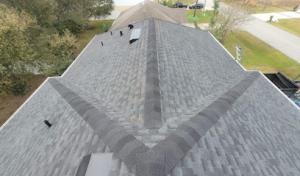
In Davenport's storm pattern, shingle blow-offs, lifted edges, and water entry after wind-driven rain are recurring concerns for asphalt systems. You'll notice edges curling or gaps where wind finds its way under the tabs. The consequences aren't just cosmetic: missing shingles can expose underlayment to sun and subsequent leaks, especially during the next passing front. After a heavy squall, inspect the most windward elevations first-hip roof valleys and rakes are common weak points. If you see a string of loose tabs or missing granules, don't delay a professional check. A small, early repair today can prevent a larger roofline track of damage later, and it preserves the system's wind resistance for the season ahead.
Tile roofs common in this market can create repair complexity because cracked or displaced pieces may be visible after storms while underlayment condition remains the larger hidden issue. Cracked clay or concrete tiles can threaten waterproof performance even when the surface appears only lightly damaged. Look for displaced tiles, cracked edges, or gaps at hips and ridges after a wind event. Because tiles are heavy and brittle, professionals often need to address the substrate and underlayment in tandem with tile replacement. A seemingly small crack can invite moisture intrusion that sits below the surface long enough to compromise insulation and attic air flow, so timely assessment matters.
Low-slope sections on additions, lanais, or mixed-roof homes in this area need extra attention during heavy rain events because ponding and flashing failures can show up quickly in humid weather. Check for pooled water near transitions, edging, and roof-to-wall flashings after storms. Humidity accelerates corrosion and wear on flashing, so a compromised seal here often progresses faster than on steeper sections. If you notice damp spots along low-slope areas or damp attic smells after rain, have a specialist evaluate the flashing, sealant integrity, and drainage to head off bigger leaks.
Find specialists in TPO, EPDM, and built-up flat roofing systems for residential and commercial properties.
The local contractor market leans heavily toward re-roofing rather than only new construction, matching Davenport's fast-growing but already substantial existing-home base. That specialty means crews are experienced in handling storm-related damage, rapid dry-ins, and post-storm follow-up work. When shopping, look for firms that advertise storm response, not just general roofing. A contractor who treats emergency dry-in as a core service will be easier to reach during a weather event and more likely to stand behind subsequent repairs.
Before committing, confirm who handles emergency dry-in, documentation, and follow-up repairs. In Davenport, weather events drive a steady stream of claims and inspections, so the right crew should clearly outline their process for securing tarps or temporary coverings, preserving damaged materials for insurance, and scheduling quick-on-site assessments. Ask for references from similar local homes and request the exact response window after a storm. Ensure the crew will stay engaged through the claim cycle, not disappear after the initial install.
Because storm response is a major local business line, a dependable Davenport crew will offer rapid mobile work crews, on-site leak assessment, and transparent communication on progress. Expect them to document the roof's condition with photos, keep a written timeline, and provide a staged plan for repairs if more time is needed. A solid crew will also coordinate with any ongoing claims, explaining what they need from the insurer and what you should submit.
Ask potential contractors to describe their dry-in process, the typical timeframe for first exposure protection, and how they handle warranty follow-up. Favor teams that demonstrate a clear, written follow-up protocol for repairs and a designated point of contact. In a market where cleanup and quick response are priorities, clarity on responsibilities reduces stress and helps ensure the job remains on track after the initial installation.