Last updated: Apr 19, 2026
Plant City sits in Central Florida where frequent afternoon summer storms create repeated wind-and-rain exposure even outside named hurricanes. The consequence is not a distant risk but a pervasive, neighborly concern: roofs take a pounding and water intrusion can show up in quiet ways-a ceiling stain after a thunderstorm or a damp attic airing out. When a storm is forecast or a system stalls your area, the clock starts ticking on potential interior damage, compromises to decking, and expedited claims. In this climate, delay can turn a manageable repair into a larger, more disruptive project that clashes with the peak storm season.
The city's roofing demand is strongly storm-driven, reflected by the high prevalence of local contractors advertising storm damage repair, emergency response, and insurance claim help. When a gusty line rolls through, crews respond quickly, often worksites multiply, and schedules tighten. The nearby availability of rapid-response teams means you may hear about same-day assessments, temporary tarping, and a push toward immediate mitigation. That urgency is real, and it creates a practical tension: protecting your home now versus waiting for a preferred contractor or a calmer week. Understanding this dynamic helps you navigate choices without getting caught in the churn of a crowded market.
In Plant City, short-notice tropical system activity and summer thunderstorm interruptions can delay tear-offs, dry-in work, and final scheduling. A sudden tropical cyclone or a fast-moving storm cell can force a contractor to pause a tear-off, hold off on new roofing waste removal, or push back insulation and interior work until winds die down and rain eases. This is not a sign of failure; it's a logistical reality in a community where storm bands arrive with little warning and last-minute changes to your project calendar are common. Expect gaps in progress, and plan as if you may need to adapt week by week during the height of storm season.
To keep your project on track, start with a rapid, prioritized assessment after the first heavy shower or wind event. If you've experienced hail or high wind, request a storm-damage evaluation from a locally trusted roofer who specializes in quick, accurate damage checks and documentation for insurance. Document visible leaks, displaced shingles, lifted edging, and any attic signs of moisture-photos dated with the storm event help when timing is tight. Communicate clearly about your tolerance for temporary fixes (tarps, sealants) versus a full tear-off, and align expectations with the contractor on how weather windows influence sequencing. If a storm is forecast in the next 24 to 48 hours, coordinate a plan that allows for rapid mobilization once the skies clear, so that vulnerable areas are protected without delaying the overall schedule.
Insurance-driven roof replacement timing is a practical reality in this market. Claims often hinge on timely documentation, independent adjuster visits, and the ability to proceed with a covered scope before rain returns. When a claim is opened, you may be asked to prioritize a sequence that minimizes exposure to further weather damage. It helps to have a candid discussion with both your insurer and your roofer about what constitutes an acceptable dry-in window, what temporary protections will be deployed, and how the project will be sequenced around storm forecasts. The aim is to secure a reliable, weather-conscious path from assessment to completion, even as the florida sun and showers test the resilience of every roof.
In this area, asphalt shingles, metal, clay tile, concrete tile, wood shingles or shakes, and synthetic or composite shingles all compete in the local market. Asphalt shingles are the most common entry point for homeowners due to price and quick availability. Metal roofing is favored for its durability and hurricane-season resilience, while clay and concrete tiles offer long life and a distinctive look, with concrete tiles generally carrying a lower weight and cost compared to clay. Wood shingles or shakes are less common in newer homes but still appear in some older, ramble-style roofs. Synthetic or composite shingles present a more modern option that can mimic traditional materials while offering potential weight and wind performance advantages. Each option shows up in Plant City projects at different frequencies depending on neighborhood and roof condition.
Provided local cost ranges show asphalt shingles at 350 to 700 USD per square, metal at 700 to 1200, clay tile at 1000 to 3000, concrete tile at 800 to 1800, wood shingles or shakes at 800 to 1600, and synthetic or composite shingles at 600 to 1100. These figures reflect the typical bidding landscape in a market where storm response and insurance-driven timing can influence pricing. Asphalt shingles stay the most budget-friendly upfront choice, but taking long-term performance and storm resistance into account matters in this climate with its heat, humidity, and thundershowers. Metal, while a higher initial outlay, often delivers quicker installation windows and stronger wind resistance. Tile options bring a premium but can offer excellent lifespan when paired with proper underlayment and attic ventilation. Synthetic options can strike a balance between cost and performance, particularly if a lighter or more resilient profile is desired. Prices fluctuate with supply, the severity of post-storm demand, and contractor scheduling.
Costs rise during or after major storm periods when re-roof demand spikes across Central Florida and contractor schedules tighten. The combination of summer thunderstorm damage and the hurricane season creates a tighter market, which can push material and labor quotes higher than typical off-season levels. The weight of certain materials, especially clay and concrete tile, requires structural checks that may add to the project scope and cost. In neighborhoods with older roofs or homes with unique rooflines, extra labor for detailing, hatch access, or ventilation adjustments can add to the bottom line. When insurance involvement is active, timelines and scope can shift, affecting both material choices and cost outcomes.
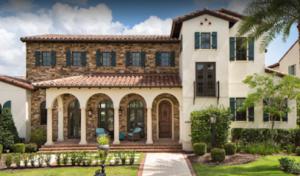
Since asphalt shingles are the most common starting point, many Plant City homes can reach budget-friendly protection quickly, with a straightforward replacement that minimizes disruption. If wind and hail exposure is a concern, metal or synthetic options may deliver better long-term value despite higher installed costs. For homes with a Mediterranean or Spanish aesthetic, clay or concrete tile align with curb appeal and weight-bearing considerations, though the install usually necessitates evaluating roof framing and potential reinforcement. Wood shingles or shakes offer a classic look for certain neighborhoods but can require more maintenance and may be less common in modern builds due to fire code considerations. In all cases, obtaining multiple bids and confirming warranty coverage-both for materials and workmanship-helps ensure the chosen path aligns with the home's exposure to storms and the homeowner's insurance expectations.
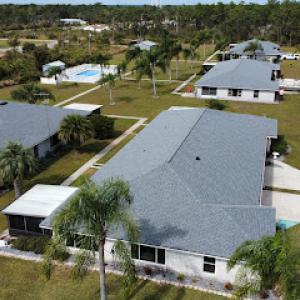
Bolt Roofing
(813) 364-2587 boltroofingfl.com
2303 S Wiggins Rd, Plant City, Florida
5.0 from 151 reviews
Bolt Roofing is a roofing contractor based in Plant City, FL. They offer a wide range of roofing services, including roof repair, roof replacement, and new roof construction. They are licensed and insured, and they use only the highest quality materials. Bolt Roofing is committed to providing their customers with the best possible service and experience.
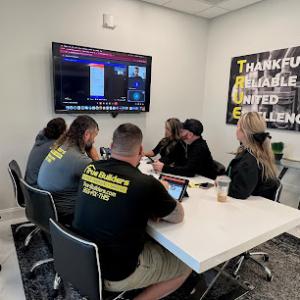
True Roofers
(813) 800-1800 www.trueroofers.com
4000 N Frontage Rd, Plant City, Florida
4.9 from 204 reviews
Roofers in Lakeland, Plant City & the surrounding areas. We are the fastest growing roof repair services & roofing contractor company in Central Florida, offering a complete list of roofing services from roof repairs to total replacements, and we'll handle the roof repair insurance claim process for you, so you don't have to argue with an insurance company.
Wayne Gonzalez Roofing Contractor
(813) 653-2279 waynegonzalezroofing.com
Plant City, Florida
4.9 from 138 reviews
At Wayne Gonzalez Roofing Contractor, Inc., we are dedicated to our customers’ satisfaction. Whether you need roof installation, maintenance, repair, or replacement in Tampa, Florida or the surrounding areas, we use high-quality materials from reputable manufacturers and offer exceptional workmanship. Leave it to us to provide unparalleled results, clean up the site when we’re done, and answer your questions. We also guarantee all our work and put our name on the line in doing so. Our goal is to maintain our longstanding reputation as skilled experts who have been committed to roofing with a conscience since 1981. Contact us for a free estimate.
Jenkins Roofing Tampa
(813) 321-3700 jenkinsroofingtampa.com
2402 W Baker St, Plant City, Florida
5.0 from 16 reviews
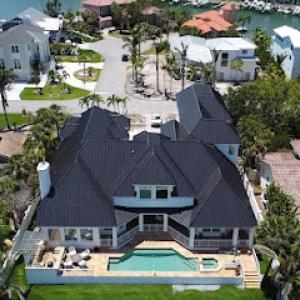
Jenkins Roofing Tampa is a trusted, family-owned roofing contractor serving all of Florida with reliable residential and commercial roofing services. Backed by decades of experience, we specialize in roof replacements, repairs, inspections, and storm damage restoration. From durable shingles to modern metal roofing and flat roof systems, our licensed and insured team brings expert craftsmanship and dependable service to every job. At Jenkins Roofing, we’re committed to protecting your home, your business, and your peace of mind.
ZMC Roofing
5006 Duck Wallow Ln, Plant City, Florida
5.0 from 15 reviews
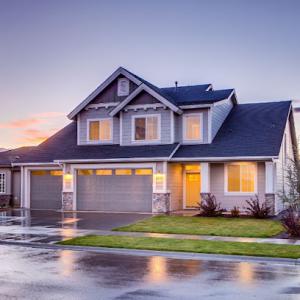
ZMC Roofing is a trusted roofing business in Plant City, FL, renowned for its exceptional roofing repair and roof replacement services. As premier roofing contractors, we specialize in comprehensive roof inspections, ensuring your home remains protected. Our skilled team is adept at handling various roofing repairs, from minor fixes to extensive roof damage repair, including storm wind damage repairs. With a commitment to quality craftsmanship, we’ve established ourselves as one of the leading roofing companies in the area. Whether it’s a fresh roof installation or urgent roof repair needs, ZMC Roofing is your go-to partner for reliable roofing solutions. Choose us for unmatched expertise and dedicated service from top-notch roofers.
Backbone Construction & Roofing
(813) 580-8611 www.backbonefl.com
110 E Reynolds St, Plant City, Florida
4.5 from 49 reviews
Backbone Construction & Roofing is a family-owned construction and roofing ontractor providing dependable roof replacement, roof repair, kitchen remodeling, bathroom remodeling and home construction services across Plant City, Brandon, Valrico, Lakeland, and the Greater Tampa Bay area. Backbone Construction & Roofing 1607 S Alexander St, Suite 102 Plant City, FL 33563 (813) 580-8611
Top Quality Roofing
(407) 782-2442 www.topqualityroofingco.com
Plant City, FL
5.0 from 3 reviews
Top Quality Roofing is a State Licensed Roofing Company (CCC-057500) that has been providing roof repair services since 1996.. We are now extending our roof repair business to include Clearwater , and Tampa Bay Area, Polk, Hillsborough and Pinellas County. Call today 407-782-2442 to schedule a free estimate.
Restoration Roofing of Holiday
Plant City, FL
5.0 from 3 reviews
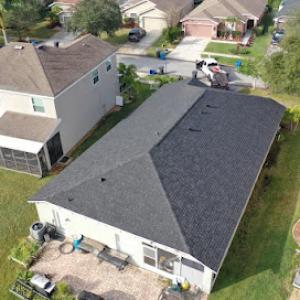
Restoration Roofing of Holiday is the #1 roofing contractor when it comes to residential and commercial roofing projects. We offer new roof installation, roof repair, roof maintenance, roof replacement, roof tarping, free roof inspections & much more. Our Tampa roofing company consists of a team of licensed professionals providing fast turnaround times on all roofing services. With over 25 years experience, Camilo Skinner brings has been providing homeowners and businesses with the best roofing services in the Tampa Bay area. Serving Hillsborough, Pasco, Pinellas, Polk, Manatee & Hernando Counties with all your roofing needs. Have storm damage to your roof? Call our roofing specialists now for a free roof inspection.
Code Red Roofing
Plant City, Florida
5.0 from 2 reviews
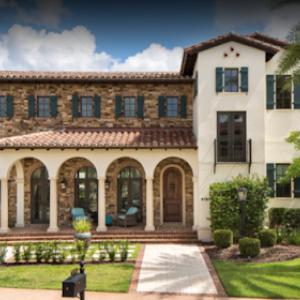
Welcome to Lakeland Roofing Company Polk Counties Best Roofing Contractor. We are a fully licensed and insured roofing company servicing Polk County's roofing needs. The areas of Polk County we work in are Lakeland, Winter Haven, Auburndale, Mulberry, Bartow, Lake Wales, Dundee, Haines City and Davenport. We pride ourselves on being the best at what we do and we pay attention to the details. Some or our services include, Residential Roofing, Tile or Clay Roof, Asphalt Roof, Roof Replacement, Insurance claims, Storm Damage Repair, Leak Detection, Roof Inspection, Gutter Replacement, Commercial Roofing, Metal Roofs, Single Ply Membrane Roofs, Modified Bitumen Roofing. Contact Lakeland Roofing Company Today for a free estimate. Thank you
Plant City Roofer
(813) 336-1039 plantcityroofers.com
702 N Merrin St, Plant City, Florida
5.0 from 2 reviews
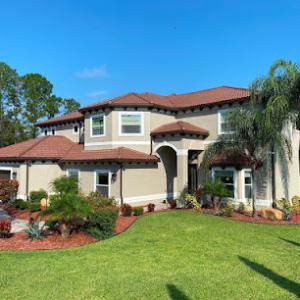
At Plant City Roofers, we have the professionals that recognize roof rot and damage – and can catch it before it’s too late. With decades of experience and a superior skill set, we can roof even the steepest of roofs throughout Florida. We offer services in both residential and commercial properties. From roof inspections, to roofing repairs, to brand new roofing installations, Plant City Roofers is here to serve you! We offer affordable and quality roofing services to all of our Plant City neighbors! Give us a call for a FREE quote on any of our roofing service!
Plant City Skyline Roofing Contractors
1101 N Gordon St, Plant City, Florida
5.0 from 1 review
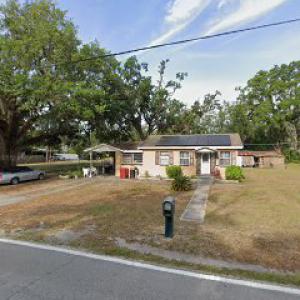
At Plant City Skyline Roofing Contractors, our goal is simple: to offer high-quality, long-lasting solutions that not only shield your property from harsh weather but also boost its value and curb appeal. We strive to lead the way in the industry, setting high standards with our selection of superior products and our unwavering focus on fine craftsmanship. From the premium materials we use to the professional installations we perform, everything we do is with the goal of providing unparalleled customer support. Choose us, and look forward to an experience that not only meets but surpasses your highest expectations.
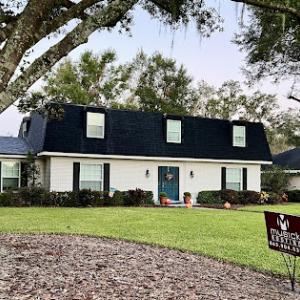
Musick Roofing
(863) 904-5350 www.musickroofing.com
Serving
4.9 from 205 reviews
Musick Roofing is a trusted roofing contractor proudly serving Lakeland and the Central Florida area with expert roof repair, replacement, and installation services since 2003. With over 20 years of experience, our licensed and insured team specializes in shingle roofing, metal roofing, flat roofs, and emergency roof repairs. Whether you're dealing with storm damage, leaks, or planning a full roof upgrade, Musick Roofing delivers high-quality workmanship, dependable service, and competitive pricing. We offer free estimates, honest recommendations, and guaranteed satisfaction—because protecting your home or business starts at the top. Contact Musick Roofing today for reliable, local roofing services you can count on.
When you plan a full re-roof in Plant City, a building permit is required. The process is designed to keep storms, heat, and humidity from compromising the home's structure, especially after a severe summer thunderstorm or a hurricane season incident. Your project will begin with submitting plans to the local building department, which will guide the work from framing to finish. A permit helps ensure that changes to the roof deck, underlayment system, and flashing meet code and local standards for this area's climate and wind loads.
The building department performs a plan review to verify drainage, attic ventilation, and roof assembly details before any sheet metal, underlayment, or shingles go on. Once the plans are approved, on-site inspections are scheduled at key stages: framing, underlayment, and final. Framing inspection checks the roof structure and any structural alterations, ensuring existing members and new attachments are properly supported. Underlayment inspection confirms the chosen material and installation method provide adequate moisture control and breathability for the hot, humid conditions that prevail in summer storms. The final inspection confirms the roof system is complete, weather-tight, and secure against typical Central Florida wind events.
In Plant City, documentation travels beyond the visible roof surface. Insurers and the permitting office may request specifics about the roof assembly, including the type of underlayment, fastener pattern, and attachment to the deck. Photos of the installation process and a written description of wind-rated components can smooth the plan review, especially if there were storm-related repairs or a partial re-roof. If the project includes any changes to attic vents, soffits, or ridge vents, be prepared to provide details on airflow and vent sizing. The local staff pay close attention to how the roof meets wind resistance and moisture control requirements, not just how it looks when complete.
Wind mitigation documentation may be requested for new roof installations, making paperwork and installation details important beyond the final appearance. This means you should keep records of fasteners, nailing schedule, and attic ventilation strategies, as well as any upgraded components such as secondary water barriers or impact-resistant shingles if applicable. Having a ready folder of product data, installation manuals, and inspection results can expedite the review and avoid delays caused by missing or unclear information.
Start early with the permit application, especially during peak storm season when inspections can stack up. Coordinate with the contractor to align roof decking, underlayment, and shingle installation with inspection windows, so weather interruptions don't trigger rework. If a storm damages the roof during or after the permit process, document the damage promptly and communicate with the building department and insurer to determine whether a permit adjustment or a storm-related amendment is needed. Keep a clear line of communication with the inspector assigned to your project, and have all required documentation ready for each milestone to minimize pauses and keep the project moving toward a solid, wind-resilient roof.
Central Florida heat, humidity, and strong sun exposure accelerate weather-related wear on any roof. In Plant City, the combination of long, hot summers and sudden thunderstorms means shingles and tiles must tolerate repeated wet-dry cycles, thermal expansion, and wind-driven rain. Material choice is not simply about curb appeal; it determines how quickly aging signs appear, how well the roof sheds rain during a passing storm, and how easily repairs can be staged during the busy storm-season window. For homes facing daily sun, a roof system should resist ultraviolet degradation, maintain color stability, and manage heat absorption to keep attic temperatures in check.
Plant City's roofing stock spans asphalt shingles, metal roofing, clay and concrete tiles, wood shingles or shakes, and synthetic or composite shingles. Asphalt shingles are popular for their balance of cost, ease of installation, and repairability, but in this climate they benefit from good attic ventilation and a solid underlayment to handle heavy rains. Metal roofs offer excellent wind performance and rapid water shedding, and they can help with cooler attic temperatures if paired with reflective coatings. Clay and concrete tiles provide long life and strong resistance to sun exposure; however, their weight and installation requirements demand careful structural assessment, especially on homes with older framing. Wood shingles or shakes deliver classic curb appeal but may require more maintenance in humidity-rich air to prevent moisture-related issues and Mold growth. Synthetic or composite shingles bring tested durability and improved impact resistance, often with lighter weight and better moisture tolerance. Each option interacts with local weather differently, so the best choice balances storm resilience, heat management, and long-term maintenance needs.
During Plant City's summer thunderstorm pattern, repairability and ease of patching become practical considerations. A roof that supports fast diagnostics, rapid water control, and accessible underlayment inspection helps when storms arrive in quick succession. When evaluating options, prioritize roofs with robust wind resistance, strong underlayment systems, and materials known for maintaining integrity under repeated wet-dry cycles. A durable system will also simplify future leak response, should a storm cause incidental damage. In practice, the best roof for this area is one that gloves you against heat, handles heavy rains without compromised seams, and allows clear access for timely inspections after each storm.
Explore specialists in steel, aluminum, and standing seam metal roofs built to last 50 years or more.
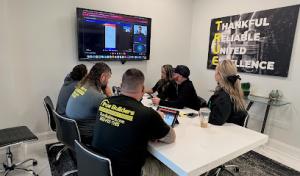
True Roofers
(813) 800-1800 www.trueroofers.com
4000 N Frontage Rd, Plant City, Florida
4.9 from 204 reviews
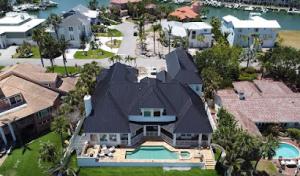
Jenkins Roofing Tampa
(813) 321-3700 jenkinsroofingtampa.com
2402 W Baker St, Plant City, Florida
5.0 from 16 reviews
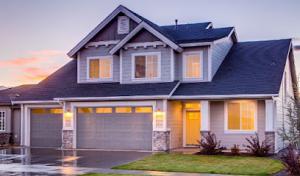
ZMC Roofing
5006 Duck Wallow Ln, Plant City, Florida
5.0 from 15 reviews
Florida's elevated storm-claim climate shapes Plant City insurance in real ways. Expect tighter underwriting and more scrutiny on roof age, material type, and overall condition when policies are renewed or adjusted after a thunderstorm or hurricane. This market lives on near-term claim experience, which translates into closer attention to whether a roof is near the end of its life or has structural vulnerabilities that could amplify wind and rain damage.
Documentation of roof age and material type matters more here because carriers weigh the risk of wind-driven damage differently from year to year. Metal, clay or concrete tiles, and asphalt shingles each carry distinct wind-resistance profiles, and a roof's age can shift a claim's trajectory from approval to denial. What you present helps the adjuster and underwriter see the true risk, not just the visible damage after a storm.
Storms in this market arrive with a flurry of activity, and claim timelines can tighten quickly once a weather event rolls through. Homeowners benefit from having dated photos, clear records of previous repairs, and a trackable history of inspections. When a loss occurs, these documents become not just evidence, but a bridge to a smoother claim process and less guesswork about pre-existing conditions.
Because storm-related roof work is common, it helps to assemble permit records, inspection notes, and contractor documentation both before and after loss events. A well-organized folder of this information supports faster assessments, better negotiation leverage, and a clearer path through the insurance review when a replacement or major repair is on the table.
The reality is that many roofs near midlife or with past wind exposure will face enhanced scrutiny after a severe storm. Staying proactive with records and understanding how age, material, and wind features interact with coverage can help avoid surprises when the next storm threatens. Being prepared is not alarmist; it's prudent in an environment where claim outcomes are shaped by documentation and detailed condition assessments.
Connect with contractors who help homeowners navigate the claims process from damage assessment to final approval.
True Roofers
(813) 800-1800 www.trueroofers.com
4000 N Frontage Rd, Plant City, Florida
4.9 from 204 reviews
Backbone Construction & Roofing
(813) 580-8611 www.backbonefl.com
110 E Reynolds St, Plant City, Florida
4.5 from 49 reviews
Flat and low-slope roofing is a meaningful specialty in this market, with enough local residential and mixed-use work to support dedicated crews. In the heat and humidity of inland Central Florida, drainage performance matters more than on steep roofs. Plan for how water will shed from every low-slope area after a thunderstorm and during the height of hurricane season. When sealing the dry-in, use high-traction underlayment and a deliberate sequence that ties in gutters, scuppers, and edge metal first, then bring the field membranes across the slope in a continuous fashion. In Plant City's frequent downpours, gaps or mis-sequencing at roof-to-wall transitions become leak routes quickly. Schedule tests after installation with a controlled sprinkler or hose-out test that mirrors a summer downpour, focusing on corners, transitions, and penetrations.
Skylight-related repair capability appears in the local market, so leak tracing around penetrations is a practical concern for some homes. Pay extra attention to flashing around skylights, vent pipes, cable trays, and HVAC curbs on low-slope sections. In humid conditions, sealants can move with daily heat cycles and seasonal rain, so choose products with compatibility to asphalt, metal, and concrete substrates common in Plant City homes. Use pre-flashed boots or integral flashings where possible, and confirm fastener grip through the membrane at each penetration. If a skylight sits on a low-slope base, verify the counter-flashing angle and ensure internal drainage paths aren't blocked by debris or insulation compression during repairs.
After a summer soak or a sudden downpour, start outside and trace water marks back to the highest probable entry point on low-slope sections. Look for blisters in the membrane, scuffing along edge details, or lifted seams near vents and skylights. Inside, follow damp spots or staining to their source, then test suspected penetrations with controlled water application to confirm the leak path. In all cases, document the exact location, angle of water intrusion, and recent repair history to guide the next step, whether resealing, reseaming, or replacing a failed low-slope panel.
Find specialists in TPO, EPDM, and built-up flat roofing systems for residential and commercial properties.
Jenkins Roofing Tampa
(813) 321-3700 jenkinsroofingtampa.com
2402 W Baker St, Plant City, Florida
5.0 from 16 reviews
Plant City homeowners value quick response and cleanup almost as much as price, a reflection of the storm-driven repair cycle that keeps crews busy through the summer. The market leans toward firms that can mobilize fast, fix lean-to leaks promptly, and leave a clean site once the job is done.
Long-established, family-owned and locally owned firms have a visible presence and steady referrals in town. Trust and continuity matter when a roof needs emergency attention or a temporary patch during hurricane season. When you ask around, you'll hear about neighbors who've used the same few teams for decades.
Warranty offerings exist, and some manufacturers maintain certified installers in the area. Yet the typical Plant City contractor operates with a strong repair-and-response focus. A capable crew can back up work quickly after a storm, but the landscape favors firms that prioritize rapid issue diagnosis and on-site cleanup over flashy, fixed-price promises.
Reliability shows in how a crew handles storm damage: how fast they return calls, how promptly they tarp or seal, and how thoroughly they protect landscaping and driveways. Look for a crew that documents damage with photos, provides a clear timeline, and follows through on debris removal within 24 hours when possible.
When interviewing, ask for recent storm-response timelines, a simple written cleanup plan, and references from nearby blocks with similar roof types. Favor firms that blend steady family-run service with flexible scheduling to accommodate urgent leaks and rapid re-roofs after inspections.
Solar roofing appears in the Plant City contractor market but is far less prevalent than storm repair, emergency service, metal, asphalt, or tile work. The typical home stock-think metal, asphalt shingle, and concrete or clay tile-tends to dominate the reroofing conversations, with solar considered only after the basic roof is sound and weather-ready. For most homeowners, solar projects are a secondary concern tied to longer-term plans rather than a first-pass upgrade.
In Plant City, solar-related roof planning should be secondary to getting the roof assembly, permit approvals, and wind-related documentation right first. The region's intense sun and recurring summer storms mean the roof must be capable of withstanding wind uplift, heavy rain infiltration, and sustained heat before any solar components are attached. A roof that leaks or shows signs of wind damage will complicate or invalidate solar work, so address shingles, underlayment, flashing, and ventilation as a foundation. A solid, properly ventilated, and wind-resilient deck reduces risk for future solar energy systems and helps ensure the system's efficiency over time.
Because Plant City's climate includes intense sun and storm exposure, roof replacement timing matters when homeowners are considering integrated solar work. If a roof is planned or needed, completing the roof replacement before mounting solar panels minimizes the chance of roof penetrations or panel rework later. In hurricane-season windows, temporary mitigations may be necessary, but the priority remains finishing the primary roof first, with solar following once new decking, underlayment, and flashing are confirmed to be up to current standards. The pattern of summer thunderstorms means any solar plan should include a flexible schedule to accommodate late-season repairs or insurance-driven adjustments without delaying the roof's integrity.
Begin with a clear assessment of the roof's condition, focusing on leaks, flashing integrity, and venting. If a storm event has occurred, verify that all repairs restore the roof to a dry, wind-resistant state before considering solar work. When solar enters the plan, choose equipment and installation that align with the roof's materials-metal, asphalt, or tile-since each has distinct mounting considerations and wind performance implications. Work with a contractor who understands local weather patterns and has a track record of coordinating roofing and solar timelines so that the final system stands up to Plant City's sun and storms.
Find contractors who integrate solar panels or solar shingles into your roof for long-term energy savings.
True Roofers
(813) 800-1800 www.trueroofers.com
4000 N Frontage Rd, Plant City, Florida
4.9 from 204 reviews
Jenkins Roofing Tampa
(813) 321-3700 jenkinsroofingtampa.com
2402 W Baker St, Plant City, Florida
5.0 from 16 reviews