
Last updated: Apr 19, 2026
North Fort Myers sits in Lee County on the north side of the Caloosahatchee River, placing homes in a Southwest Florida hurricane corridor where wind-driven rain and tropical systems are the defining roof threat. The combination of gusty winds, stiff rain bands, and surge-prone coastal moisture means a roof is only as strong as its weakest connection. In this environment, shingles or tiles can fail not just from impact but from wind-lift and poor underlayment details that let rain travel underneath, even when the sky looks calm. The result is rapid progression from a small leak to widespread interior damage if a storm sits overhead or brushes through the area.
The local rainy season overlaps with Atlantic hurricane season from June through October, so homeowners often face both storm damage risk and weather delays during the same months. That overlap creates a double threat: a fast-moving weather pattern that can hammer a roof with wind one day and soak the interior the next. Roofers in this region expect a steady cadence of post-storm inspections, emergency repairs, and temporary leak control. Planning ahead for these months is not optional-it's a practical shield against escalating damage when rain arrives with hurricane-force winds or when a quick-moving front robs you of time for proper repairs.
When a storm threat is imminent, the first priority is stopping active water intrusion. If leaks appear after heavy rain or wind-driven rain arrives, focus on reducing interior exposure by creating a dry tarp strategy over the most vulnerable roof sections, ensuring tarps extend well beyond damaged edges to shed water away from the home. Keep a simple roof kit handy: heavy-duty tarps, duct tape, roofing granules, and plastic sheeting for temporary coverage over damaged valleys or flashing. Never delay roof vent or flashing exposure repairs, because even small gaps can become a fast drain for moisture that travels into ceilings, walls, and attics. In this climate, addressing leaks quickly preserves interior finishes and buys time for more permanent restoration when conditions allow.
Insurance-ready roof documentation matters more here than almost anywhere else. After a storm, photographs should capture the ridge line, flashing, and any visible uplift along edges, valleys, and penetrations. Document the surrounding property, including photos of exterior damage, downed branches, and the condition of gutters and drip edges. Maintain a dated log of all inspections, temporary repairs, and communications with the insurer or claims adjuster. If a contractor is engaged for emergency work, obtain a detailed, itemized scope of repairs and a written estimate that demonstrates the scope aligns with observed damage. Keep digital copies of all documents, including weather advisories and any post-storm inspection notes, ready for rapid submission when an insurer requests evidence. In this corridor, timely documentation can accelerate claims, support resilient repairs, and help homeowners recover more quickly from a damaging event.
Tile roofing is especially relevant here because Southwest Florida housing stock commonly uses Mediterranean and Florida-style architecture that pairs naturally with clay and concrete tile. In many of the older neighborhoods and newer Mediterranean-inspired builds, the look isn't just aesthetic-it's a real performance match for the climate. When selecting tile, focus on weight, profile, and edge detailing that helps resist wind-driven rain. In practice, you should verify a tile system that includes a durable batt or rack layout, reinforced eave connections, and a robust set of fasteners designed for hot, humid conditions. The goal is a surface that sheds rain quickly and resists cracking from afternoon storms without added maintenance.
Metal roofing is a major local alternative because it is widely marketed in this Lee County area for wind resistance and long-term performance in hot, humid coastal-adjacent conditions. If you lean toward metal, look for a profile with a proven wind uplift rating and corrosion-resistant coating suited to tropical salt air. In practice, you should evaluate hidden fasteners versus through-fastened panels, and consider a standing-seam system for continuous rain runoff in long-duration downpours. Panels should have dimensional stability under heat and repeated humidity cycles, with properly sealed panel-to-panel seams and ridges that protect against wind-driven water intrusion.
Afternoon summer storms and prolonged humidity in North Fort Myers make attachment details, flashing quality, and underlayment performance especially important beneath both tile and metal systems. A tile roof needs batt system integrity and an underlayment that can tolerate high humidity without deteriorating. Pay attention to hip and valley detailing, where moisture pockets form during heavy downpours. Flashings around chimneys, vents, and roof-to-wall transitions must be continuous and compatible with tile or metal, using sealants that remain flexible in heat and will not degrade after a Florida storm.
Metal roofs require meticulous flashing at eave edges, penetrations, and ridge caps. Inspect for continuous sealant layers, ground-application coatings for salt exposure, and correct slope compatibility to prevent water pooling at fastener lines. In both systems, verify that fasteners are corrosion-resistant and rated for heat and humidity, with proper washer sizing to prevent leaks during summer convection and storms.
After a storm, a quick, careful assessment is essential. For tile, look for cracked or displaced tiles, loose underlayment, and compromised flashing at transitions. For metal, inspect for loose panels, lifted edges, and compromised seals around penetrations. In either case, document visible damage immediately and prepare a simple, organized record of findings, including photos of connections, flashing, and underlayment access points. Early evidence supports rapid emergency leak control and insurance-ready documentation, minimizing downtime and facilitating swift post-storm repairs.
Find contractors who specialize in clay and concrete tile roofs, known for their durability and curb appeal.
Gulf Lyfe Roofing & Construction
(239) 327-1936 www.gulflyfe.com
4601 W Coral Cir, North Fort Myers, Florida
4.7 from 56 reviews
First Service Roofing & Construction
(239) 652-5784 www.myfirstservice.net
Serving
4.7 from 217 reviews
Gulf Lyfe Roofing & Construction
(239) 327-1936 www.gulflyfe.com
4601 W Coral Cir, North Fort Myers, Florida
4.7 from 56 reviews
Gulf Lyfe Roofing & Construction stands as a beacon of excellence and reliability in the roofing industry, catering to both commercial and residential sectors. Our roots in roofing extend deep, driven by a passion that originated in North Carolina and flourished in the vibrant community of Fort Myers, FL, and surrounding areas. We pride ourselves on a unique blend of traditional values and modern efficiency, ensuring every project is imbued with integrity, quality, and unparalleled craftsmanship.
Hinspeter Roofing
(239) 455-1216 www.roofingguy.net
Serving
4.8 from 29 reviews
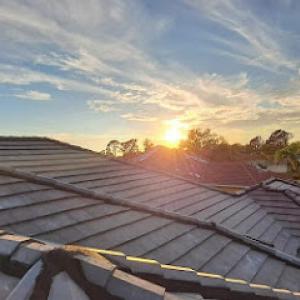
Here at Hinspeter Roofing we pride ourselves on providing long lasting, quality roofs for businesses and families! Not only, have we built lasting roofs for the coldest of climates but also for the hottest, providing us with a vast knowledge on how to ensure your roofs stability for the years to come! Norman Hinspeter, Owner/President of Hinspeter Roofing is a licensed and insured contractor with certifications in Polyglass, Stone coated Metal, Velux Skylights and is a certified installer for the GAF Corporation. As a husband and father of three, Norman takes pride in his work, providing only the best quality and treating your roof as if it were his own. Ensure your homes stability with Hinspeter Roofing today!
First Service Roofing & Construction
(239) 652-5784 www.myfirstservice.net
Serving
4.7 from 217 reviews
First Service Roofing & Construction is a veteran-owned and operated company proudly serving Fort Myers and the surrounding Southwest Florida areas. We specialize in providing exemplary roofing, painting, and restoration services to both residential and commercial clients. Our services include new roof installations, roof repairs, interior and exterior painting, and comprehensive restoration services. Trust our dedicated team for reliable and professional craftsmanship. We welcome the opportunity to exceed your expectations, contact our office today for a complimentary estimate for your next project!
Swift Roofing Services
(239) 314-6237 swiftroofingservices.com
Serving
4.9 from 92 reviews
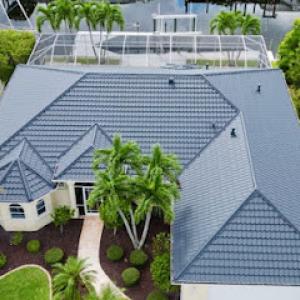
Swift Roofing Services specializes in roof repairs, replacements, and new installations serving all of Southwest Florida with commercial and residential services.
Trademark Roofing
(239) 323-9984 www.trademarkroofingllc.com
Serving
4.8 from 272 reviews
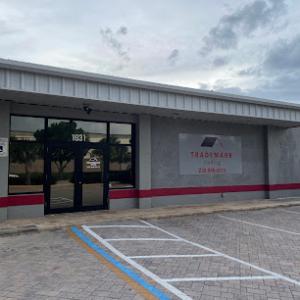
Trademark Roofing, based in Cape Coral, FL, is a trusted provider of residential and commercial roofing solutions. They pride themselves on delivering transparent and honest pricing, giving clients peace of mind with clear quotes and no hidden surprises. Known for their speedy response and 24/7 emergency support, they are always ready to protect homes and businesses when it matters most. Their team handles a wide range of roofing systems, from asphalt shingles and tile to metal and stone-coated steel, ensuring durable results tailored to every property. With a commitment to quality, reliability, and client-focused service, they have built a strong reputation as the go-to roofing experts in Southwest Florida.
Vega Roofing Solutions
(239) 745-9187 vegaroofingsolutions.com
Serving
5.0 from 157 reviews
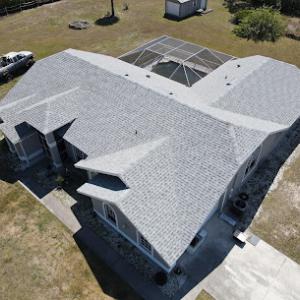
Vega Roofing Solutions is a family-owned roofing company. The Golden Rule, treating others the way in which one wants to be treated, is a principle that we strongly believe in. We provide beginning-to-end solutions that address our customers' needs and requests. As we expand throughout Florida, our quality will never be compromised, and our commitment to assisting you in getting the job done right will always be at the top of our priority list. We are located in Cape Coral, FL and serve all of SW Florida.
Roman Roofing
(239) 458-7663 romanroofing.com
Serving
4.7 from 1125 reviews
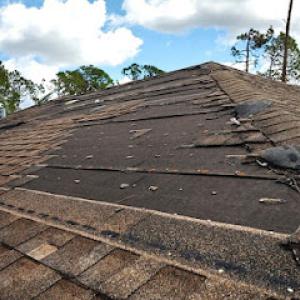
Over 200+ years of roofing experience stands behind the leadership of the Roman name. Whether it's shingle, tile, metal, or flat roofs, Roman Roofing is here to shield you from the elements.
MooreCorp Roofing & Property Maintenance
(239) 399-6000 moorecorproofinginc.com
Serving
4.7 from 58 reviews
Welcome to MooreCorp Roofing & Property Maintenance, your trusted partner for quality roofing and property care solutions. With years of expertise and a commitment to excellence, we take pride in providing top-notch services tailored to meet the unique needs of homeowners and businesses alike. At MooreCorp, our mission is simple: to deliver reliable, high-quality roofing and property maintenance services that protect and enhance the value of your property. We believe in building lasting relationships with our clients through professionalism, integrity, and exceptional results.
Resolute Roofing
(239) 488-2113 resoluteroofs.com
Serving
4.9 from 473 reviews
Welcome to Resolute Roofing, a premier Veteran Owned and Operated roofing company serving Southwest and Central Florida. We provide top-notch roofing services for residential and commercial clients, delivering expert repair, installation, and replacement solutions. Our team of seasoned professionals is dedicated to precision, care, and excellence in every project. As a respected roofing contractor, we are committed to earning the trust of homeowners and business proprietors alike. With our GAF Master Elite Contractor status, you can trust Resolute Roofing for the highest quality roofing solutions. License # CCC1332887

Roof Smart of SW Florida
(239) 549-7663 roofsmartflorida.com
Serving
4.7 from 272 reviews
Roof Smart is dedicated to providing not only the highest quality in roofing and Gutter needs, but also backing it with our superb customer service. We stand behind our products and Roofing service with our exceptional warranties! All of our estimates are provided free of charge with no pressure! You are just one call away from an honest evaluation of your roof. We go above & beyond your expectations. From the first call to the final roof inspection, our process is seamless! Our knowledgeable staff will guide you every step of the way. ~ Roof, Roofing, Roof repair, Metal Roof, Shingle Roof, Tile Roof ~
Roof EZ
Serving
4.8 from 228 reviews
Roof EZ is an award-winning, top Florida roofing company known for quality and dependability. We offer a range of reliable roofing services from roof repairs to reroofs for residential homes, businesses, and communities looking for premier service. Searching for a trusted roofing contractor with proven expertise? We deliver top quality and reliability with every project. From rubber to metal roofing, we use the highest-quality materials for lasting protection. Along with roofing, our gutter services, like full gutter installation and gutter repair, can help you prevent water damage. Let us help extend your roof’s lifespan with our roof repair and maintenance services.
SCM Roofing
(239) 385-0214 scmroofingfl.com
Serving
4.9 from 60 reviews
At SCM Roofing, we take pride in being a leading roofing contractor with over 25 years of experience, serving the beautiful Gulf Coast of Florida. Our Cape Coral office is dedicated to serving the Lee County area. SCM Roofing offers a comprehensive range of services, including shingle roof replacement, metal roofing, tile roofing, and commercial roof replacement or maintenance. We are also experts in roof repair and inspections, providing free written estimates upon request. As a GAF Master Elite Certified Roofing Company, we assure the highest standards in every project we undertake, whether residential or commercial. We proudly support our local community and offer discounts to teachers, first responders, and military (retired & active).
In this community, most reroof projects fall under the Lee County building department because the area is largely unincorporated. That means the process is centralized rather than routed through a city permit office. When planning a reroof, you typically start by confirming your project scope with your chosen contractor, who will help initiate the permit application, or you can elect to place the permit in your name as the owner. The distinction matters, especially during the busy storm season when scheduling and inspections can back up. If the contractor handles the permit, ensure you receive a copy of the application and the inspection schedule, and verify exactly which company is responsible for obtaining and pulling permits in your name or theirs.
inspections in unincorporated Lee County follow a predictable sequence, with specific attention paid to wind-resistive features when the project requires them. A common rhythm is: a tear-off inspection to verify that the old roof is completely removed and the deck is prepared, followed by a mid-project or rough-in check if any structural or attachment work is performed, and finally a completion inspection after installation. In many cases, the most critical window for wind-resistance verification is at the deck and underlayment stage, so scheduling concise inspections around weather windows helps prevent delays.
For homeowner peace of mind, plan for the early tear-off inspection to occur soon after the old roof is removed and the underlayment, fasteners, and starter systems are in place. If the project includes upgraded barriers, boost protection against wind-driven rain, or uses specific fastener patterns or tile-metal interfaces, the inspector will pay particular attention to those details. After the final installation, the completion inspection confirms that the new roofing system meets applicable codes and meets the county's wind-resilience expectations, which can be especially relevant after severe storms or in areas with high wind exposure.
Labor and material demand during storm season can push inspection timing out of sequence. Expect some variance in when inspections occur, and plan around potential weather delays. If a scheduling mismatch occurs, communicate promptly with both the contractor and the county permit office to explore the earliest feasible inspection window without compromising the integrity of the work. It helps to have a clearly labeled set of documents on site: the permit number, a copy of the approved plan, and a concise list of the inspected milestones. Keeping the inspection team's contact information handy reduces back-and-forth and expedites approvals.
Documentation is a pivotal part of the process in unincorporated Lee County. Before the project begins, ensure the permit packet includes the scope of work, the expected start date, and the anticipated completion date. During inspections, provide access to the deck, fasteners, underlayment, and any wind-resistance details specified in the permit. If wind-resistive features are required, the inspector will look for proper attachment methods, corrosion protection, and adherence to the chosen system's wind standard. Clear, proactive communication with the contractor about which party is responsible for submitting documents in your name helps avoid delays and keeps the project on track.
On site, designate a clear workspace for tarps, tools, and temporary containment to minimize disruption. Have a dedicated contact number for the inspection line and a plan for weather-related contingencies. While the county system is robust, the timing still depends on the smooth handoff between the homeowner, contractor, and the inspection staff, so establish expectations early about who coordinates the inspections and how often updates will be provided during the process. This proactive approach supports a faster, more predictable path from tear-off to completion, with the added confidence that the new roof is wired to perform under the region's humidity, storms, and wind conditions.
Provided local cost ranges run about $350-$650 per square for asphalt shingles, $700-$1200 for metal, $1000-$1800 for clay tile, $900-$1500 for concrete tile, $500-$900 for wood shingles or shakes, and $600-$1100 for synthetic or composite shingles. These baselines reflect the mix of housing stock found in the area, from low-slope ranches to taller Southwest Florida style homes with heavier tile systems. When evaluating bids, use these figures as a sanity check to spot unusually low or high estimates that could signal hidden extras or subpar workmanship.
In the busy hurricane season and after named storms, tear-offs, dry-ins, tarping, and inspection scheduling can surge, pushing prices upward and shortening lead times. The market in Lee County tightens quickly, and contractors may charge a premium for expedited response or for work crews that can start within a tight window. If a storm is forecast, expect bids to shift upward, and plan for a buffer in both timing and cost to accommodate the spike.
The choice of material matters more in this market due to wind resistance and the local climate. Heavier tile systems common in Southwest Florida architecture can increase both material and labor costs, but they may offer longer life and better wind performance in a storm. Metal roofs, while pricier upfront, can provide favorable wind ratings and faster post-storm recovery. Synthetic or composite shingles sit between asphalt and higher-end systems in both performance and price, and may be chosen for a balance of resilience and value.
Work scheduled in the drier November through April window tends to stay on target more reliably and can help minimize weather-related delays and costs. In practice, planning a reroof during this period may reduce the risk of weather-driven price bumps and permit smoother material delivery, especially for heavier tile or metal systems that require careful handling.
When obtaining quotes, request a clear breakdown of tear-off costs, disposal fees, and any necessary wind-detail upgrades. Ask how many sheets or tiles are expected to be replaced per area and confirm the exact underlayment and fasteners specified for high-wind performance. Document all inspections and post-storm assessment timelines to keep insurance-ready communications in order.
Get a clear picture of your project costs upfront - no commitment required.
First Service Roofing & Construction
(239) 652-5784 www.myfirstservice.net
Serving
4.7 from 217 reviews

North Fort Myers homeowners operate in Florida's tightened insurance market, where hurricane exposure in Lee County can lead to stricter underwriting and closer review of roof age and condition. That means carriers may scrutinize whether a roof is nearing the end of its expected life, whether maintenance has been performed consistently, and whether there are visible signs of damage or wear. The consequence is that a seemingly minor leak or a handful of missing shingles can shift a policy from straightforward renewal to a more complex underwriting decision. Understanding how your roof aged and what has been done to maintain it can prevent a surprise during a renewal late in the hurricane season.
Insurers commonly want wind mitigation documentation and clear roof-condition photos, which is especially important after Southwest Florida storms when claim files are heavily scrutinized. In practice, this means gathering and preserving detailed records: dated photos that show the roof surface, flashing, penetrations, and any recent repairs; notes on gutter and fascia condition; and records of attic ventilation and insulation where relevant to wind resilience. If a storm has flashed through the area, a prompt, high-quality set of after-storm photos can be the difference between a straightforward claim and a dispute that drags on for weeks. A simple, organized file now can translate into faster processing later and less guesswork for an adjuster.
Because some carriers have reduced exposure in high-risk Florida markets, North Fort Myers roof replacement decisions are often shaped not just by leaks but by insurability and documentation quality. A roof that performs well against wind loads, with solid fasteners, intact underlayment, and minimal deck exposure, stands a better chance of maintaining coverage or securing favorable terms after a major event. Conversely, a roof with evident age-related failures, recurrent leaks, or inconsistent maintenance can become a roadblock to securing new policy terms or even eligibility for coverage. The path forward typically benefits from a proactive approach: address obvious weaknesses, document improvements and current condition meticulously, and anticipate what a claim review might demand.
Start by photographing the roof from multiple angles, focusing on the integrity of shingles or tiles, flashing around chimneys and vents, and the condition of gutters and soffits. Create a simple ledger that records last maintenance, last storm-related repair, and any contractor notes about wind-resistance features such as reinforced underlayment, hip rafters, or attic ventilation. If a storm has occurred, prioritize rapid, professional inspections to identify and address potential vulnerabilities before an insurer asks for proof. Keeping this documentation organized and readily shareable minimizes the risk that underwriters or adjusters flag your roof as uncertain risk, helping you stay on solid footing when a claim or renewal comes due.
Connect with contractors who help homeowners navigate the claims process from damage assessment to final approval.
Gulf Lyfe Roofing & Construction
(239) 327-1936 www.gulflyfe.com
4601 W Coral Cir, North Fort Myers, Florida
4.7 from 56 reviews
First Service Roofing & Construction
(239) 652-5784 www.myfirstservice.net
Serving
4.7 from 217 reviews
Summer afternoon thunderstorms routinely roll in with little warning, and roofing crews in this area know to expect sudden interruptions. Tear-off and underlayment work can stop mid-day, then resume once the storm passes. Scheduling should include flexible windows and a plan for tying off exposed decking quickly if a storm moves in.
The dry season from November through April usually offers the most predictable reroofing window in this part of Southwest Florida, though brief cold fronts can still disrupt schedules. Plan to push major work during the dry spell, but have contingency days buffered on the calendar for late-season fronts or late-day heat spikes.
High heat and humidity can shorten the service life of some materials and complicate workmanship timing during installation. Humidity can affect adhesive cures and fastener performance, so crews may adjust application sequences. Ensure temporary shading and adequate air circulation around the work site to help maintain consistent conditions.
Rapid removal of old roofing is critical when storms threaten. Ensure the property is prepared: clear access for equipment, protect landscaping, and verify that containment measures are in place to control debris and dust during roof strip and disposal phases. Quick access to tarping and temporary leak control matters for immediate needs.
Clear, ongoing contact with the crew helps navigate storm delays and heat days. Have a single point of contact, confirm daily start times, and agree on how weather flags will trigger rescheduling. A well-communicated plan reduces the risk of weather-driven setbacks in this climate.
Although tile and metal are highly visible in this market, asphalt shingles remain a dominant local material and are more vulnerable to accelerated aging in Southwest Florida heat and humidity. The combination of high sun, humidity, and rapid weather shifts takes a toll on the mat and the sealant tabs, especially on older roofs. If you notice curling edges, cracking, or a blotchy wear pattern on the slope under the attic vents, plan for a careful inspection that weighs the long-term resilience of the shingle choice against the heat-driven wear.
Low-slope and flat roof sections are relevant in this market because many local contractors actively advertise flat-roof work, suggesting homeowners frequently need help on lanais, additions, porches, and commercial-style sections. Those areas tend to hide problems until a heavy rain, so pay attention to surface blisters, ponding, and slower drainage near transitions. If a flat or low-slope area looks aged, consider reinforcing or upgrading flashing and edge details at the perimeter to reduce the chance of slow leaks that can migrate into adjoining finishes.
In this area, leak sources often concentrate at transitions between steep-slope main roofs and low-slope add-ons where heavy summer rain can expose flashing and drainage weaknesses. Check the intersection for hairline cracks in sealant, loose step flashing, and failed kickout details where the roof meets walls or parapets. During storms, water can seek the path of least resistance through even small gaps, so frequent checks after major rain events are essential.
After a storm, walk the roof with a flashlight to identify lifted shingles, loose flashings, or pooled water on the low-slope sections. Keep an emergency spare of sealant and acceptable flashing tape handy for temporary fixes that buy time until a professional can complete a proper seal and re-flashing. Document every visible issue with photos and dates, as insurance-ready documentation can hinge on timely evidence of damage and the work needed to restore the roof's integrity.
The most popular roofing material in the US. Find pros who install, repair, and replace asphalt shingles.
Elevate Roofing & Exteriors South Florida
(239) 317-3117 www.elevateexteriors.com
Serving
4.2 from 36 reviews