
Last updated: Apr 19, 2026
The Atlantic shore pushes direct wind, salt spray, and humidity onto every roof in this area. From June through November, tropical storms and hurricane remnants slam the coast with gusts that can lift shingles, loosen tiles, and peel metal roofing if it isn't secured and engineered for wind loads. In older coastal homes you'll see smaller eave overhangs and lighter deck structures that, under pressure, can fail first. The immediate priority is to ensure your roof system is a cohesive, hurricane-ready package: wind-rated underlayment locked to a solid deck, fasteners chosen for corrosion resistance, and attachment points that resist uplift rather than just wind-driven rain intrusion. If your roof isn't rebuilt with these specifics, the risk of sudden loss-whether from a named storm or a vigorous non-tropical squall-is real and immediate.
In this market, weathering becomes visible fast. Tile roofs, including clay and concrete, perform well under wind when properly anchored and with continuous underlayment coverage. Metal roofs are favored for their potential wind resistance and long service life, but only when fasteners are corrosion-resistant and panels are edge-fastened to prevent panel blow-off. For homes with asphalt or synthetic shingles, wind-resisting layers, sealed edges, and a robust drip edge help avoid wind-driven leaks that can morph into interior water damage after a summer storm. Roofs exposed to salt air experience faster fastener corrosion and flashing degradation, so choosing materials and installation methods that address corrosion resistance, deck integrity, and proper termination at hips, ridges, and hips is essential. In practical terms, that means carefully planned nailing patterns, continuous binding of underlayment, and attention to the unique flashing around chimneys and HVAC penetrations common to coastal homes.
Summer in the coastal corridor brings sudden, intense downpours that can interrupt work and create a dangerous window where a small leak becomes a big problem in days. A dry-in, if delayed, may leave vulnerable gaps that allow rain to wick through to interior ceilings and walls. Prioritize a secure temporary enclosure during any roof transition, and aim to complete the dry-in quickly when a storm front advances. For homes under re-roof, ensure all penetrations are sealed and that the underlayment is integrated with the roof deck to prevent soaking through during a sudden storm, even if the crew is temporarily delayed by rain. Coastal roofs frequently involve multiple penetrations-vents, skylights, and exhausts-that must be flashed and sealed with coastal-grade materials to withstand salt exposure and wind gusts.
Engineered decking upgrades, when appropriate, add a margin of safety against gusts. If the existing deck shows wear or soft spots, upgrading to pressure-treated or capped composites and ensuring proper drainage between sheathing layers reduces the risk of moisture infiltration and warping that can compromise wind resistance. Attachment methods matter just as much as the roof material itself: continuous fastener patterns, corrosion-resistant screws or nails, and mechanical connections that resist uplift at critical points around overhangs and ridges. In storm-prone corridors, the combination of a reinforced deck, a well-sealed underlayment, and a wind-rated roof covering creates a robust barrier against both rain intrusion and wind uplift.
Inspect gutters, downspouts, and drainage pathways to ensure water is directed away from the fascia and along the roof edge. Check for signs of corrosion, especially around flashings, vents, and metal components, and plan for replacement of any worn components before the next storm season. If you're considering re-roofing, discuss with your contractor how the chosen insulation, underlayment, and deck upgrades interact with wind load calculations specific to St. Johns County's coastal wind profiles. Finally, document and photograph the condition of your roof's key components-this helps with insurance documentation and can expedite claims after a storm, ensuring you're not scrambling when a hurricane threat looms.
Dominant local materials include asphalt shingles, metal roofing, clay tile, concrete tile, wood shingles or shakes, and synthetic or composite shingles, reflecting the area's mix of coastal production homes and higher-end custom residences. In this climate, the look matters as much as the wind performance, so homeowners often weigh aesthetics, longevity, and service life together. Asphalt shingles are common for quick, clean lines, while metal offers a modern coastal edge with excellent wind resistance. Clay and concrete tiles suit the upscale, sun-bleached look many new builds aim for and handle salt spray well when properly installed. Wood shingles or shakes provide a classic texture but demand careful maintenance in salty air. Synthetic or composite shingles give a compromise between cost, appearance, and durability, with better resistance to salt corrosion in some formulations. The right choice hinges on how you balance curb appeal with long-term resilience.
Salt exposure is a defining local factor, so fasteners, flashings, and metal components can become the weak point even when the field material still looks serviceable. In a salt-air environment, corrosion protection isn't automatic just because the roof surface appears sound. Pay close attention to fasteners, especially those near eaves and penetrations, and to flashings around walls, chimneys, and skylights. Metal roofing delivers strong wind performance, but without proper coating and sealant maintenance, fasteners and edges can deteriorate. Tile roofs rely on underlayment and proper grout or bedding to keep wind-driven rain out; compromised installation shows up as cracked tiles or loose edges long before the surface color fades. Regular inspections after tropical storms or high-wind events help catch these issues early. For higher-end coastal homes, a seasoned installer who understands salt-tested coatings and corrosion-resistant hardware is worth the extra vigilance.
Tile and metal are especially relevant in Ponte Vedra Beach because many homes are designed for a coastal aesthetic and owners often weigh appearance, wind performance, and longevity together rather than choosing on price alone. Clay or concrete tile pairs well with the light-reflective exterior finishes common here and provides durable wind resilience when the layout and fasteners are chosen for uplift. Metal roofing stands out for its sleek lines and excellent wind rating, with modern coatings that resist salt spray more than older profiles. If you favor long-term color stability and straightforward maintenance, metal may edge out tile in high-salt neighborhoods. If the visual texture and classic silhouette are non-negotiable, clay or concrete tile can be the better fit, provided installation accounts for coastal wind zones and salt-laden air.
Maintenance routines should target salt-stressed elements first: check for loose fasteners, corroded flashings, and any signs of underlayment wear after major storms. For tiled roofs, inspect ridges, hip seams, and perimeter tiles for cracking or dislodgement caused by wind gusts. For metal roofs, look for lifted panels and sealant degradation around penetrations. In all cases, keep gutters clear to prevent standing salt-laden water near the roofline, and schedule twice-yearly inspections to catch corrosion or wear before it becomes a leak. A locally trusted contractor with coastal experience can tailor inspections to the exact mix of materials already on the house, ensuring the roof stands up to salt air, heat, and hurricane-season winds.
For asphalt shingles, typical local pricing runs about 350 to 650 per square. Metal roofing ranges from 700 to 1100 per square, while clay tile spans roughly 900 to 1800 per square. Concrete tile sits in the 800 to 1500 per square band, wood shingles or shakes run about 600 to 1100 per square, and synthetic or composite shingles are generally 450 to 800 per square. These figures reflect the coastal context: longer-lived materials and higher-end profiles are common on landscapes with upscale coastal architecture, where precise detailing influences cost as much as raw material type.
Costs in Ponte Vedra Beach can skew upward when coastal specifications require upgraded corrosion-resistant components or when storm-season demand tightens scheduling and labor availability. If a roof needs enhanced fasteners, higher-grade coatings, or more robust underlayment to cope with salt spray and hurricane winds, budget additions can push prices beyond the base ranges. Scheduling efficiency matters too: if a project hits peak season, crews prioritize coastal jobs, which can compress timelines but raise labor costs or lead times. Plan for a cushion so material deliveries and crew availability don't derail critical storm-season protection.
Homes in this area often feature higher-end roof profiles and materials than inland neighborhoods, so replacement budgets are frequently driven by tile, metal, and architectural details rather than basic shingle-only pricing. Tile roofs-whether clay or concrete-deliver longevity and distinctive curb appeal but require careful matching of underlayment, fasteners, and flashing to salt exposure. Metal roofs offer excellent wind performance when installed with properly rated components, yet the premium per square reflects complex installations and coastal hardware. Asphalt remains a practical option in some cases, but for many homes in this market, the decision tilts toward tiles or metal to meet both aesthetic expectations and wind mitigation considerations. Synthetic or composite shingles can provide a balanced choice, often delivering a mid-range price with some durability advantages. In all cases, demand for storm-ready configurations tends to push overall costs higher than inland pricing, especially when premium detailing or color coordination with coastal architecture is involved.
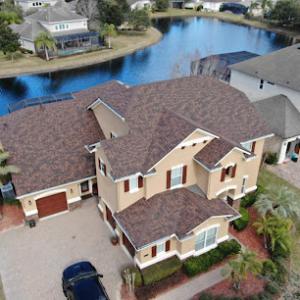
Mighty Dog Roofing
(904) 867-7859 www.mightydogroofing.com
10895 Old Dixie Hwy Unit 95-5-6, Ponte Vedra Beach, Florida
5.0 from 191 reviews
Mighty Dog Roofing, located in Ponte Vedra Beach, FL, is your trusted roofing contractor specializing in residential and commercial roofing solutions. We offer a wide range of services including roof inspections, maintenance programs, skylight installation, gutter repair, emergency roofing services, and more. With expertise in asphalt, shingles, metal, tile, and flat roofing, our team is committed to delivering top-quality craftsmanship and exceptional customer satisfaction. Proudly serving Ponte Vedra Beach, St. Augustine, and surrounding areas, we treat every project with the care it deserves.
1 Roof
(904) 679-3583 www.1roofllc.com
33 Panther Lane STE 4, Ponte Vedra Beach, Florida
5.0 from 161 reviews
1 Roof is a full service Roofing Company that specializes in the insurance restoration process. 1 Roof is a Roofing Contractor and General Contractor that can provide services beyond Roof Installation and Re-Roof Restoration services. Please call 1 Roof today to discuss your project today 904-679-3583
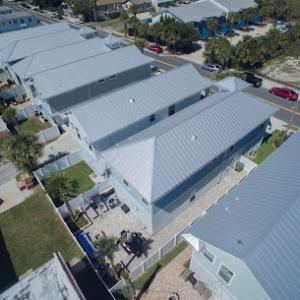
Weatherlock Roof Systems
(904) 204-4650 weatherlockroofsystems.com
425 Town Plaza Ave, Ponte Vedra Beach, Florida
4.8 from 42 reviews
As a family-owned and operated residential roofing company, Weatherlock Roof Systems will treat you as family and your home as our own! We are very involved in our local Jacksonville Beach FL community and we want all our friends and neighbors to have the best possible roofs over their heads. Our main mission is, therefore, to provide safe shelter to all our clients by giving them a roof that will stand strong against all weather conditions. Don’t hesitate to call your best roofing company in Jacksonville Beach Florida for any type of roofing services that you may need. We are at your disposal anytime!

Evergreen Building & Construction
(833) 357-7663 evergreenbcc.com
822 A1A N #310, Ponte Vedra Beach, Florida
4.2 from 286 reviews
Evergreen Building and Construction prioritizes sustainability and energy efficiency in Jacksonville. They combine top-quality roofing with solar energy systems, aiming to create eco-friendly homes.
A1A Roof & Repair
(904) 735-9913 www.a1aroofandrepair.com
Serving
5.0 from 14 reviews
A1A Roof & Repair was founded on our belief in the importance of professional service standards. We are fully licensed, insured and accredited by the Better Business Bureau. Our trained roofers are highly experienced and care deeply about protecting your home. We promise our people will show up to your door on-time and get you taken care of right, the first time. We also help with insurance claims and locating storm damage.
Neligan Construction & Roofing
(904) 247-3777 www.neliganconstruction.net
Serving
4.9 from 141 reviews
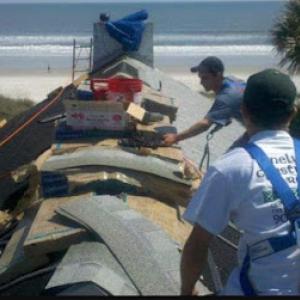
Neligan Construction & Roofing, LLC, based in Jacksonville Beach, FL, is a trusted name in roofing and construction since 1988. We specialize in residential and commercial roofing, offering durable roof installation, roof leak detection, and energy-efficient solutions. Our expertise extends to metal roofing, reflective coatings, and elastomeric coating. We also provide professional siding installation, including fiber cement and vinyl siding, as well as gutter, downspout, soffit, and fascia installation. From home renovation and custom builds to construction consulting and insurance claim, we deliver precision and quality.
Heritage Roofing of North Florida
(904) 962-7663 heritagenfl.com
Serving
5.0 from 135 reviews
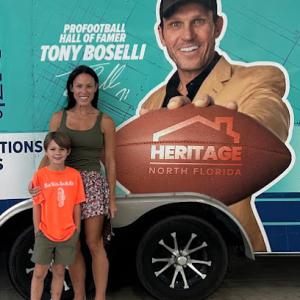
Heritage of North Florida's goal is to create the best possible experience for you and your family by providing exceptional service and craftsmanship. We have over 30 years' experience in roofing and remodeling. We keep our overhead low so we can give you the best possible pricing in Jacksonville. We are also proud partners with Tony Boselli, Jacksonville’s only NFL Hall Of Fame member. License #: 1335410
K&D Roofing & Construction Company
(904) 541-1700 www.kanddroofing.com
Serving
4.9 from 224 reviews
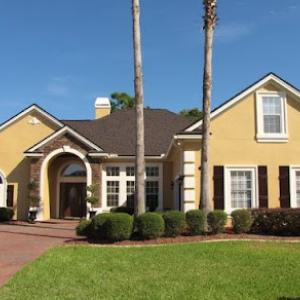
K&D is the most highly accredited GAF Master Elite Contractor in Northeast Florida. We specialize in residential, commercial, insurance claims and multifamily roofing projects. The owner is a HAAG certified residential inspector specializing in wind and hail damage. In the roofing and insurance industries, the phrase "Haag Certified" carries a lot of weight. It indicates that you can effectively and efficiently inspect and assess damage. K&D is a member of Angie's List with an A+ rating and a member of the BBB with an A+ rating. K&D is family owned and operated since 1994. K&D prides themselves on exceptional workmanship and customer service.
Apex Roofing & Contracting
(904) 867-7574 apexroofingfl.com
Serving
4.7 from 15 reviews
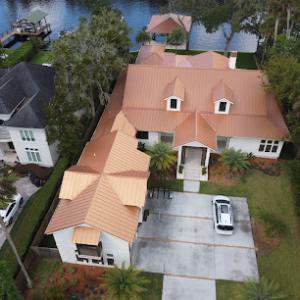
We are a fully licensed, insured, and certified Roofing and Contracting company with extensive experience meeting the roofing, building & contracting needs of single/multi family residential & commercial complexes. We pride ourselves in our superior workmanship, quality employees, and relationships with homeowners and local management companies.
Shore Roofing
(904) 241-8842 www.shoreroofingjax.com
Serving
5.0 from 5 reviews
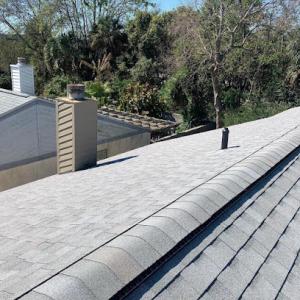
Shore Roofing Company is a locally owned and family-operated business. Owner Tom Shore has over 40 years of experience in roofing. Our office is staffed by mature and knowledgeable professionals. Our sales representatives have over 22 years of experience in the home improvement industry. Shore Roofing Company team is led by a production supervisor with over 28 years of experience. Our jobs foremen are skilled and experienced in their respective fields. All contracted work is completed in a clean, courteous and professional manner by our own trained installers. Job sites are cleaned daily and all debris is removed. Shore Roofing Company only uses top quality materials - America's Finest Brands! We obtain all building permits.

Ecobuild Roofing
(904) 643-3686 ecobuildjax.com
Serving
5.0 from 155 reviews
We've been handling roofing work in Jacksonville and surrounding areas for over 7 years. At Ecobuild Roofing, we know roof problems are stressful - whether it's storm damage, leaks, or needing a full replacement. That's why we work to make the process smooth. We offer 24/7 emergency repairs because damage won't wait for business hours. We also do maintenance, repairs, complete replacements, and new construction. Our free inspections help catch problems before they become major headaches. If severe weather has damaged your property, we respond quickly with storm restoration services. We use quality materials and proven techniques because your roof needs to protect your home for years. At Ecobuild Roofing, we prioritize exceptional servic.
James Neill Roofing Repair
(904) 221-5981 jamesneillroofing.com
Serving
4.8 from 54 reviews
James Neil Roofing Repair is a reputable, reliable and locally owned roofing repair service company in Jacksonville Florida serving Arlington, East Arlington, Hidden Hills, St Johns Bluff, Girvin and surrounding areas in Jacksonville FL. We have been the Roofing Contractor of choice for over 40 years providing Roofing Repair, Chimney Repair, Carpentry Work, Siding, Painting, Gutter Cleaning and more. We are a Florida State Certified Licensed Roofing Contractor. We solve Jacksonville Florida Roofing Repair issues by employing focused expertise, and ethical workmanship standards, plus the application, and use of only the right quality materials for durable watertight results. James Neill Roofing Repair Service with over 45 Years Experience!
Full re-roofing projects in this coastal area typically fall under St. Johns County rather than a stand-alone city roofing department. That means the process is led by county building services, and the permitting flow mirrors the county's standard steps for larger renovations. The goal is to ensure that roofs facing salt spray, wind, and storm exposure meet current code and hold up under hurricane-season conditions. The permit pathway starts with the contractor, who coordinates the initial submission and plan set, and it continues through plan review, permit issuance, and the formal inspections.
In practice, you will see the contractor assume responsibility for applying for the permit and compiling the necessary plans. Expect the submission to include structural details, roof material specifications, and attachment methods designed to withstand local wind loads. County reviewers will scrutinize hangers, fasteners, and nailing patterns with the same rigor demanded by storm weather in this area. The review process can take a little time, especially if unique roof forms or modern underlayment systems are involved, so planning ahead helps keep your project on track.
Inspections occur at several milestones, and the final inspection marks the official closeout of the permit. On a coastal roof, inspections often verify that wind-resistant assemblies, moisture barriers, and proper venting are in place. Inspections may also confirm that the installation follows the approved plan and that every layer-from decking to underlayment to the chosen roofing material-meets county standards for performance in salty air and high winds. Scheduling ahead of the installation window reduces delays that can stem from weather-driven hold-ups.
Because county reviewers may request wind mitigation information, homeowners should anticipate documentation beyond basic material selection. Prepare a complete package that demonstrates wind-resistant features, such as roof framing details, roof-to-wall connections, and certified anchors where applicable. Having manufacturer-cut, code-compliant product data and installation affidavits ready can speed review. In a coastal setting, this documentation often proves pivotal for a smooth permit process and a durable, insurance-ready roof.
This is a high-scrutiny Florida coastal insurance environment where roof claims are common and carriers often want photos, age information, and proof of wind-mitigation features before or after a loss. The coastal exposure to salt, humidity, and hurricane risk means insurers expect you to have a well-documented roof history, including recent maintenance records and visible aging on exterior surfaces that could affect risk assessment.
When documenting a roof replacement in this market, photos should start the moment tear-off begins and continue through to the final inspection. Local adjusters expect clear, step-by-step visuals of underlayment, decking, and any fastener patterns, especially if wind resistance features were updated or added. Keep a dated log that ties each image to a specific stage: removal, deck repair or replacement, installation of underlayment, and the completed roof with close-ups of hips, ridges, and penetrations. This focused record helps prevent delays in claim processing and supports wind-mitigation certification.
In this market, the exact nailing pattern, substrate condition, and even deck sealing quality can determine claim outcomes and post-loss settlement. Roofers should align tear-off notes with what the adjuster will see during inspection: consistent nailing at prescribed intervals, proper underlayment orientation, and solid, intact decking free of soft spots. Ensure that any retrofits or upgrades-such as continuous ridge venting or updated moisture barriers-are explicitly documented with diagrams or annotated photos to minimize questions during review.
Statewide insurer pullbacks and premium increases are especially consequential in hurricane-prone coastal communities like Ponte Vedra Beach, so roof condition can influence both insurability and renewal costs. A well-documented reroof that clearly demonstrates wind resistance features, code-compliant construction, and proactive maintenance reduces the risk profile and supports smoother future renewals. Keep communication open with your agent, provide timely updates after any weather event, and retain a complete claim file even if no immediate action is taken.
Connect with contractors who help homeowners navigate the claims process from damage assessment to final approval.
Mighty Dog Roofing
(904) 867-7859 www.mightydogroofing.com
10895 Old Dixie Hwy Unit 95-5-6, Ponte Vedra Beach, Florida
5.0 from 191 reviews
1 Roof
(904) 679-3583 www.1roofllc.com
33 Panther Lane STE 4, Ponte Vedra Beach, Florida
5.0 from 161 reviews
Weatherlock Roof Systems
(904) 204-4650 weatherlockroofsystems.com
425 Town Plaza Ave, Ponte Vedra Beach, Florida
4.8 from 42 reviews
Dryer winter months are generally the most predictable installation window in this part of coastal northeast Florida. You can plan for fewer rain interruptions and steadier workdays in those cooler, drier stretches. That predictability helps crews keep a tighter schedule, which matters when materials and storm-season crews are in high demand.
Hot, humid summers in Ponte Vedra Beach can accelerate aging in some shingle systems while also making installation days more vulnerable to sudden afternoon thunderstorm shutdowns. If a roof is scheduled for midsummer, expect more heat-related discomfort for crews and more frequent afternoon pop-up storms that can halt progress. Clear, early-morning start times and built-in buffer days help keep the project on track without sacrificing quality.
Scheduling a non-emergency reroof before peak tropical activity is especially important here because hurricane-season backlogs can quickly affect material lead times and crew availability. If a roof is aging or showing early signs of wear, lining up the project in late winter or early spring can reduce delays when storms start forming offshore. This approach also helps ensure that your transition to a storm-ready roof is complete before the next round of seasonal forecasts raises demand.
Coastal winds and salt exposure don't wait for perfect weather. In a home with exposure to salty air, choosing a time with predictable humidity and minimal thunderstorm risk helps preserve underlayment and fasteners during installation. For best results, align shingle or panel selections with expected seasonal moisture and wind patterns, and plan for a mild window that avoids peak storm activity but still leaves enough seasonal dry days to finish a complete, high-quality roof.
If you are weighing timing, target a non-emergency reroof in a dry, cool spell that precedes the busiest spring and early summer weeks. This keeps crews available and reduces the chance of weather-related delays. In this market, a deliberate pre-storm-season schedule often yields the smoothest installation experience and the most durable early-life performance.
In this coastal environment, premature deterioration often shows up first at exposed metal accessories, flashings, and fasteners because salt air attacks components differently than inland conditions. The salt mist can corrode seams and connectors even when the main roof covering still looks solid from ground level. Pay close attention to rooftop screws, fastening plates, and metal vent collars after each hurricane season; signs of rust, staining, or loosened fit are early warning indicators. A small offset at a flashing corner or a barely visible lift along a seam can become a larger leak as rain-driven spray penetrates beneath the roof system during a storm. Regular inspection from a ladder on a calm day is essential, especially around where the roof meets the edge, vent pipes, and metal skylight frames. If any component feels loose or begins to corrode, address it promptly before a storm exposes the flaw to salt-laden winds.
Wind-driven rain from Atlantic storms can expose weaknesses at roof penetrations, edges, and transitions even when the main roof covering appears intact from the ground. In practice, that means ridge caps, gable ends, and the transitions around vents and flanges deserve extra scrutiny after heavy wind events. Look for imperfect seals where shingles or tiles meet vertical surfaces, as a small gap can funnel water into underlayment layers. Over time, repeated gusts push moisture into seams that seemed sealed in calm weather. Regular checks after storms, especially along drip edges and eaves, help catch hairline failures before they ripple into larger leaks that reach attic spaces or ceilings.
Skylight and chimney intersections deserve extra attention in Ponte Vedra Beach because repeated thunderstorm exposure and coastal moisture can turn small flashing defects into persistent leak sources. Inspect the flashing around skylights for gaps, warping, or cracked sealant that worsens with heat and salt exposure. Chimney cricket and step flashing are common failure points where water can back up behind roofing material if not maintained. After a storm, run a careful eye along these intersections-tiny pooling on interior ceilings often traces back to a compromised seal or misaligned flashing. Timely resealing and, when needed, flashing replacement, can prevent a slow drip from becoming a major interior issue.
Find contractors experienced in skylight installation, flashing, and leak repairs to bring natural light into your home.
Mighty Dog Roofing
(904) 867-7859 www.mightydogroofing.com
10895 Old Dixie Hwy Unit 95-5-6, Ponte Vedra Beach, Florida
5.0 from 191 reviews
1 Roof
(904) 679-3583 www.1roofllc.com
33 Panther Lane STE 4, Ponte Vedra Beach, Florida
5.0 from 161 reviews
Weatherlock Roof Systems
(904) 204-4650 weatherlockroofsystems.com
425 Town Plaza Ave, Ponte Vedra Beach, Florida
4.8 from 42 reviews
Even on steep-slope homes in Ponte Vedra Beach, low-slope sections over porches, additions, and transitions can become the first place where ponding or membrane wear shows up after repeated summer rains. Plan for these zones to shed water quickly, not just during a heavy storm but across routine afternoon showers. Inspect the deck or porch-grade transitions to ensure slope is maintained toward the primary drainage outlets. If a seam or membrane shows signs of standing water after a brief shower, address it before the next storm season. Regular checks after heavy rain can catch early signs of ponding that would otherwise collect dirt, leaves, or salt spray and accelerate wear.
Coastal humidity and frequent storm moisture make drainage details especially important on these sections because they dry more slowly than the main roof planes. Materials in low-slope zones sit in a fixed humidity environment longer, so sealants and flashing need to be chosen for slower drying cycles. Use weather-stripping or leveling compounds that resist salt-laden air and stay flexible as temperatures swing. When inspecting, look for soft spots, peel-back at flashings, or micro-voids where moisture can linger. A practical practice is to dry-sweep and visually verify that no moisture remains in corners or around penetrations within 24 to 48 hours after a rain event.
Homes mixing tile or shingles with low-slope tie-ins need careful detailing in this market so wind-driven rain does not enter at material transitions. Favor continuous, overlapped seals at transitions where tile or shingle roofs meet low-slope membranes. Pay attention to fastener corrosion risk from salt exposure and use corrosion-resistant hardware. For sheeted or membrane-based sections, confirm edge detailing ties smoothly into the adjacent roof surfaces, with robust caulking and mechanically-fastened edge clips. In all cases, keep transitions clean of vegetation debris that can trap moisture and disguise early signs of wear. Regularly re-check seam integrity after hurricane season or vigorous summer storms.
Find specialists in TPO, EPDM, and built-up flat roofing systems for residential and commercial properties.
Mighty Dog Roofing
(904) 867-7859 www.mightydogroofing.com
10895 Old Dixie Hwy Unit 95-5-6, Ponte Vedra Beach, Florida
5.0 from 191 reviews
In Ponte Vedra Beach, solar planning has to be coordinated with reroof timing because coastal wind exposure raises the importance of attachment and waterproofing details. When a roof is nearing the end of its life or showing signs of aging, it is practical to plan a reroof before mounting any solar arrays. This approach reduces the risk of perforations, flashing failures, or resealing challenges once panels are in place and maximizing the system's performance under Florida's storm conditions.
Homeowners considering solar on older roofs in this market should weigh whether a reroof first is smarter than removing and reinstalling panels later under Florida storm conditions. Removing panels to reflash or resecure mounting points after a hurricane or severe wind event can introduce additional wear and price increases. A coordinated plan that sequences reroofing with the solar retrofit minimizes downtime and helps ensure long-term reliability during peak storm seasons.
The local material mix of asphalt, metal, tile, and composite roofs means solar mounting approaches vary widely from house to house in this coastal community. Each roof type presents unique attachment, waterproofing, and load considerations-especially under gusty, salt-laden coastal winds. Working with a solar contractor who understands these nuances helps specify anchor points, sealants, and ballast or tracking systems that maintain performance while preserving roof integrity.
Because wind-driven rain and salt exposure are persistent realities, the best solar solutions align with a roof's existing strengths and potential vulnerabilities. Prioritize roof edge protection, corrosion-resistant hardware, and robust flashing details. A thoughtful plan that threads solar goals with reroofing readiness yields a solution that stands up to annual storm cycles while keeping the home's coastal character intact.
Find contractors who integrate solar panels or solar shingles into your roof for long-term energy savings.
Evergreen Building & Construction
(833) 357-7663 evergreenbcc.com
822 A1A N #310, Ponte Vedra Beach, Florida
4.2 from 286 reviews
Floridian Roofing & Solar
(904) 772-4986 www.floridianroofingandsolar.com
Serving
4.8 from 59 reviews
Stonebridge Roofing, Energy & Exteriors
(904) 262-6636 www.stonebridgebuilt.com
Serving
4.6 from 214 reviews