Last updated: Apr 19, 2026
In Sebring, the timing of a re-roof matters as much as the materials you choose. The rainy season and frequent tropical storms from June through September can interrupt tear-off and dry-in schedules, leaving you with exposed decking and a window where wind-driven rain can creep under loose edges. If your roof is aging or has already shown signs of wear, delaying until the storm season is a real risk to the interior and to the roof structure itself. Plan for potential weather interruptions and set a completion deadline that accounts for sudden downpours and brief, heavy gusts that blow through Highlands County.
August through October brings the height of hurricane-season risk, and unfinished or aging roofs are especially vulnerable to wind-driven rain during that period. If a storm shifts your re-roof plan, you could be faced with secondary damage-wet attic spaces, mold, and accelerated wear on underlayment. The goal is to have a secure, properly installed roof in place before the strongest part of hurricane season arrives. That means coordinating a tear-off, installation crew, and material deliveries to arrive and complete before late summer storms become a near-daily obstacle.
Dryer winter conditions in the Sebring area are generally the preferred replacement window because moisture-related installation delays are reduced. Target a start date outside of the June-to-September core storm months, when possible, and build in a buffer for the inevitable pop-up showers. If you must schedule during the shoulder months, choose a plan that prioritizes rapid tear-off and a tight, watertight dry-in. Have a contingency day or two set aside for delays caused by unreliable afternoon thunderstorms, and coordinate with a local crew who can respond quickly to weather updates and swapping in tarps or temporary coverings as needed.
Before work begins, clear the area of loose debris and secure nearby siding or trim that could be damaged by wind gusts. Discuss with your contractor the sequence that minimizes exposure: a prompt tear-off, a fast, thorough dry-in, and a dependable rain plan if a storm rolls in mid-crew. Ensure underlayment choice aligns with Florida exposure to heat and wind-sealed or self-sealing options can reduce wind uplift risk. For tile and metal roofs common around Highlands County, insist on consistent fastener patterns and compliant wind-rated membranes to meet the season's wind challenges. If the forecast shifts toward heavy rain, don't push for a late-stage finish-prioritize securing the structure and protecting interior spaces.
Sebring's typical residential mix includes asphalt shingles, metal, clay tile, concrete tile, wood shingles or shakes, and synthetic or composite shingles. Each material sits on a different combination of deck strength and underlayment, so the starting point is knowing what sits above your attic space. The hot, humid subtropical climate pushes moisture into underlayments and roof assemblies, especially during the long summer months. If your home already leans toward tile or metal, your reroof decision should respect the weight and wind performance those systems demand while keeping a compatible look with surrounding houses.
In this climate, underlayment choice matters as much as the visible material. Asphalt shingles rely on a solid vented attic or breathable underlayment to prevent heat buildup, while tile systems benefit from continuous underlayment and properly sealed penetrations to deter moisture leaks as storms roll in. When choosing a replacement, consider an underlayment that resists blistering and allows moisture to escape without soaking through. For homes with metal or tile, a high-quality synthetic or rubberized membrane beneath the panels or tiles can extend life by reducing heat transfer and water intrusion.
Heavier tile systems common in Central Florida require attention to structure, fastening, and wind performance when switching materials. If upgrading from asphalt or wood to clay or concrete tile, double-check deck span, nailers, and rafters to handle the added load. Ensure the fasteners are specified for high-wind climates and that the roof-to-wall connections are reinforced. When metal roofs are on the table, prioritize panels with strong coastal or hurricane-grade fastening options and sealant systems that resist wind-driven rain.
Wind-resistance is not an afterthought. In a season with gusts and downpours, roofing must resist uplift and edge lift. For asphalt or synthetic shingles, look for wind-rated shingles and a solid nailing pattern. For metal, verify panel seams and ridge caps are integrated with a wind-rated clip system. Tile installations should feature mechanical fasteners and ring shank or improved accessories at seams and penetrations. The goal is a cohesive system where underlayment, fasteners, and roof deck work in concert to resist the dynamic stresses of hurricane-season winds.
Seasonal checks after the heavy rains help catch damage before it becomes a leak. Inspect for loose shingles, lifted edges, or compromised underlayment, and treat any corrosion or oxidation on metal surfaces promptly. In clay or concrete tile, watch for cracked or dislodged tiles after storms and replace them quickly to prevent underlying deck damage. A proactive approach in the hottest stretches of summer reduces the risk of weather-induced failures during peak storm activity.
Sebring's inland location means roofs face strong wind-driven rain and uplift rather than salt-air corrosion. That combination stresses flashing, edges, and roof penetrations long before a roof shows the telltale signs of age. In practice, a single summer downpour can exploit even minor gaps around vent pipes, skylights, and HVAC curbs, pushing water into attic spaces and along rakes and eaves. If your roof has bundled valleys or flat sections, those seams are especially vulnerable to uplift and water intrusion during quick, high-velocity gusts. The result is a slow, creeping exposure that undermines upper layers, sometimes without obvious exterior damage until leaks appear inside the living space.
Repeated summer storms are unkind to roofs that rely on flashing and underlayment as a first line of defense. In Sebring, small flashing or underlayment failures can become interior leaks long before the roof reaches half its useful life. This is not a signal to panic, but it is a signal to inspect after heavy storms and after unusually windy days. Keep an eye on ceiling discoloration, staining near chimneys or roof-to-wall transitions, and any musty smells that linger in attic or upper rooms. A small repair here-before it becomes a larger intrusion-can prevent interior damage and costlier fixes down the line.
Florida insurers in markets like this region closely review wind, hail, and hurricane claims, so photo documentation after storms matters. If a shingle edge lifts or a flashing seam shows exposed gaps, photograph immediately from multiple angles, both close and distant. Document moisture on ceilings, attic insulation, and visible roof lines from the exterior. Clear, dated pictures help support a claim if a claim is needed, and they establish a record of what occurred when the weather turned. A proactive approach to capturing this evidence also helps you gauge whether a professional inspection is warranted sooner rather than later.
In practice, focus on the most vulnerable areas: edges, penetrations, and transitions between roof planes. Seasonal inspections after the spring and early summer storms can catch developing issues before a larger problem forms. If a wind event shakes loose a bay or vents, address it promptly with a proper seal and flashing repair. Given Sebring's pattern of storm activity, treating minor vulnerabilities as potential leaks rather than minor irritants saves time, frustration, and interior disruption when the next storm system moves through.
Find local contractors experienced in assessing and restoring roofs after hail, wind, and severe weather events.
American Roofing Central Inc Licensed & Insured #CCC1333226
(863) 381-1453 americanroofingcentralinc.com
5805 Wolf Lake Rd, Sebring, Florida
4.5 from 46 reviews
David J. Marley Roofing Contractors
(863) 452-1208 www.marleyroofingflorida.com
4214 Commercial Dr, Sebring, Florida
4.8 from 11 reviews
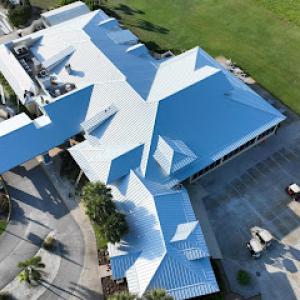
Quality Roofing & Sheet Metal
(863) 202-8200 www.qualityroofingusa.com
2719 ALT US-27 S, Sebring, Florida
4.6 from 44 reviews
Your roof is one of the most important parts of your home. Not only does it need to protect you from wind, rain, snow and hail, but it also needs to look good. You might be surprised by how much of an impact your roof has on the overall appearance of your home. In order for your property to look its best, you need a dependable roofing company on call. Quality Roofing & Sheet Metal of CFL, LLC is a preferred provider of roofing services in the Sebring, FL area. Ask about our convenient financing options when you contact us today.
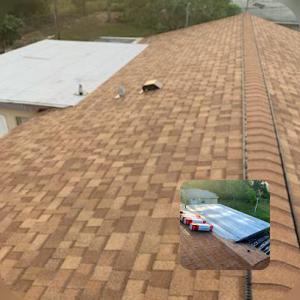
American Roofing Central Inc Licensed & Insured #CCC1333226
(863) 381-1453 americanroofingcentralinc.com
5805 Wolf Lake Rd, Sebring, Florida
4.5 from 46 reviews
American Roofing Central is a family owned and operated roofing company that has been in business since 2004 serving central Florida and surrounding counties call today for your free inspection
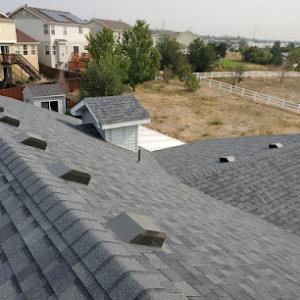
David J. Marley Roofing Contractors
(863) 452-1208 www.marleyroofingflorida.com
4214 Commercial Dr, Sebring, Florida
4.8 from 11 reviews
David J. Marley Roofing has been proudly serving Sebring and the surrounding areas since 2012. We believe that honesty and quality are essential in construction, and we strive to embody both in every project we undertake. As a small, locally owned business, we are dedicated to delivering exceptional craftsmanship at reasonable prices. Our full-service offerings include roof repairs, replacements, and inspections, along with expert installations. We specialize in various roofing types, including metal roofs, shingle roofs, and flat roofs, as well as ventilation and ridge vent solutions. We take pride in our work and stand behind it with a workmanship warranty. Fully licensed, insure
Storm Life Restoration
(810) 294-8276 www.stormlifepros.com
Sebring, Florida
5.0 from 1 review
Our goal is to make your roofing project as painless as possible, and help you find the best option for repair or replacement. We have significant experience and expertise in all types of roof systems, both residential and commercial. We have extensive knowledge of the insurance claim process. We are also bilingual. Hablamos Espanol. Being a local, family-owned company, everyone on our team at Storm Life Restoration shares the same philosophy; We feel that it is a truly rewarding experience being able to assist so many people in our own communities. FL Roofing Contractor License #CCC1333486.
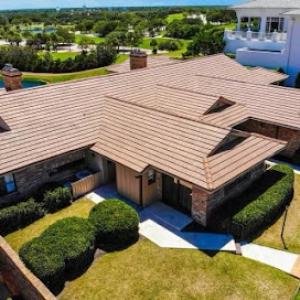
Storm Team Construction
(888) 918-3245 www.stormteamusa.com
1843 US Hwy 27 N Suite 1, Sebring, Florida
5.0 from 1 review
The best local roofing contractor in the area! Here to help you prepare your home for the incoming storm season and to help restore your property following a storm. Specializing in all roofing systems! Whether it is a metal roof, tile roof, shingle roof, or flat roof we have you covered. Servicing our customers for 15 years and over 10,000 projects completed. From hail damage to a devastating hurricane we have given 5 star customer service to all of the homeowners and commercial properties we have helped along the way. We take pride in our A+ installation practices with our storm proof roofs and our impact windows and doors. Free inspections, free estimates, and a dedicated team to help you through your next project! Give us a call!
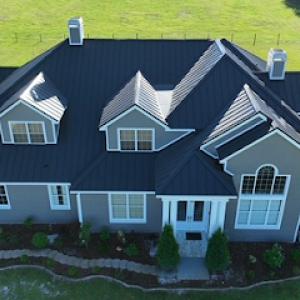
Spires Roofing
(863) 402-9161 www.spiresroofing.com
Serving
4.9 from 27 reviews
Spires Roofing is here to make your roof ready for whatever Mother Nature throws at it next. As a second-generation contractor based in Lake Placid, Florida, our team prepares residential and commercial roofs for the worst of Florida?s weather. We can repair and replace metal, shingle, and flat roofs. Whether you?re a homeowner or a commercial property owner, we?re here to help you. Call today!
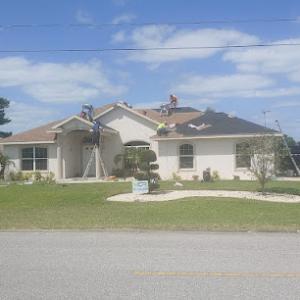
Simpson Construction & Roofing
(863) 312-9236 simpsonconstructionandroofingfl.hibuwebsites.com
Serving
4.9 from 49 reviews
Simpson Construction and Roofing provides residential roofing, metal roofing, asphalt roofing, tile roofing, siding, vinyl siding, fiber cement siding, storm damage and repairs, and commercial roofing to the Avon Park, FL area.
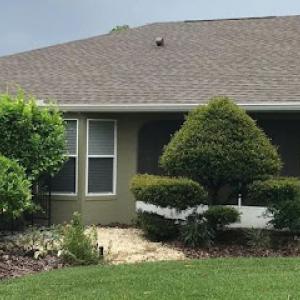
Morel Roofing
(863) 452-5959 morelroofingincfl.com
Serving
4.2 from 58 reviews
Morel Roofing has been a beacon of roofing excellence in Avon Park, Florida, for several decades. Our journey began with a simple mission: to offer the community unparalleled roofing solutions tailored to the unique climate and demands of Florida. Today, our legacy is not just built on roofs but on the trust and appreciation of thousands of satisfied clients. From meticulous planning to flawless execution, we ensure every step in the roofing process is completed to perfection. Our reputation in Avon Park isn't just about our impeccable craftsmanship, but also our dedication to educating our clients, offering transparent pricing, and providing personalized solutions for each unique roofing challenge.
American Roofing & Gutters
(786) 406-2236 americanroofinggutters.com
Serving
5.0 from 6 reviews
We are a family run company that services Martin, St Lucie, and Palm Beach counties. You, the customer is our number one priority. We offer Roof Replacement, Roof Repair, Roof Inspection, & Insurance. We treat your home like is our home
Lemay Roofing
(863) 453-4555 lemayroofinginc.com
Serving
4.9 from 79 reviews
Family owned business that specializes in roof construction. We replace, repair, and install the roofs of homes/buildings with a variety of materials, including shingles, metal, and TPO.
Cobb Roofing
(863) 453-6595 cobbroofinginc.com
Serving
3.9 from 27 reviews
Family owned and operated roofing company proudly serving Highlands and surrounding counties since 1959. We offer residential, commercial, and industrial roofing. Call us today for your free estimate.
Central Florida Roofing
Serving
5.0 from 6 reviews
CFRA was established in April 2000 Since inception our goal has been to be the best in the roofing industry. We offer residential & commercial solutions to flat or sloped roof systems. Our residential workmanship warranty is second to none, 10 years. Please call for your free roof estimate. Our crews of professionals will complete your roof in generally one day. We want to be your roofer, call today. 239-295-7338
For Sebring-area homes, a building permit is mandatory when performing a full roof replacement. This ensures that the new roof structure, underlayment, and attachment methods meet Highlands County and Florida Building Code standards, which is particularly important given the hurricane-season winds that can stress tile and metal roofs. The permit process flags not only material choices but the roof's overall wind-resistance design, fastening method, and deck condition before replacement proceeds.
Permit submissions are reviewed by the Sebring-area building department. Before work starts, a complete package should include project plans, material specifications, and any required wind-resistance details. Expect the plan review to verify roof deck condition, underlayment type, and fastener schedules appropriate for high-wind areas. The review timeline can vary, so coordinate with the permit office to avoid delays that push weather windows into hurricane season.
Inspections are performed during the job, and another inspection is scheduled at final completion. Typical inspections track progressive milestones: demolition clearance, deck and underlayment installation, roof assembly and flashing details, and the final roof covering. In Sebring's climate, inspectors pay close attention to attic ventilation and moisture control-critical factors for long-term performance under heavy summer downpours and heat.
The permit must be closed out with a final inspection, confirming the project meets all applicable codes and the work is completed to the approved plans. Some projects can trigger Florida-code review specifically around wind resistance, attic ventilation, or underlayment details. If the project is selected for review, be prepared to provide documentation of wind-rated components, joist and rafter connections, and evidence of proper attic insulation and ventilation.
Keep a dedicated folder for all permit-related documents: initial permit application, plan submittals, inspection notices, and final approval. Mark the anticipated timelines around hurricane season, ensuring that inspections line up with windows when weather conditions are most favorable. If a change order occurs, promptly update the permit record and re-file as needed to avoid gaps in compliance. Finally, after the final inspection, verify that the permit closure notice is received and retained with the project records for future reference.
Typical Sebring-area pricing runs about $350 to $550 per square for asphalt shingles, $450 to $900 for metal, $800 to $1400 for clay tile, $700 to $1200 for concrete tile, $400 to $750 for wood shingles or shakes, and $450 to $800 for synthetic or composite shingles. Those figures reflect what homeowners in Highlands County routinely see on bids, with the understanding that project specifics-like existing roof pitch, attic venting, and space for material storage-will nudge the price either up or down a bit. In practice, a mid-range metal job or a concrete-tile replacement often lands toward the higher end of the listed neighborhood, especially if curbs or clean-up require extra equipment or longer ladder reach.
Costs in Sebring can rise when storm-season demand surges after tropical weather, tightening contractor schedules and extending project timelines. If a line of storms packs the month you plan to replace the roof, anticipate tighter crew availability and possible premium days for expedited materials delivery. For tile and metal options, that premium can be more pronounced because the crews and specialty gear needed are less interchangeable than for standard shingles. Planning ahead for the late-summer and early-fall window helps avoid rushed decisions that lead to overruns or cutting corners on wind resistance.
Material choice matters more in this area because tile and metal are both active local categories, and each can change labor needs, dry-in details, and structural considerations compared with basic shingle re-roofs. Clay and concrete tiles bring notable weight, so the existing structure may require extra reinforcement or a stronger deck, anchors, and fasteners. Metal roofs demand careful attention to panel seams and edge details to resist hurricane-season winds, plus proper underlayment to handle heat and downpours. Asphalt shingles sit closer to a straightforward install but still benefit from a tight underlayment and secure flashing. Wood shakes add their own concerns with fire codes and swelling in humidity, while synthetic shingles can offer a balance of weight and wind resistance with often simpler installation. If wind-resistance is a priority, discuss with the contractor how each option performs at the 130 mph-plus ranges seen in severe storms and how that ties to your home's slope, overhangs, and nearby obstructions.
Get a clear picture of your project costs upfront - no commitment required.
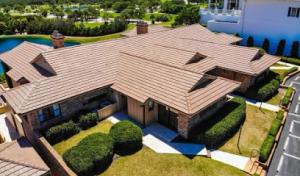
Storm Team Construction
(888) 918-3245 www.stormteamusa.com
1843 US Hwy 27 N Suite 1, Sebring, Florida
5.0 from 1 review
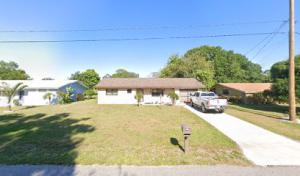
Florida's insurance market directly shapes how a Sebring roof is designed, installed, and later cared for. The pattern of variable wind, hail, and hurricane claim activity means insurers scrutinize roof choices with an eye toward resilience and durability. If a storm brews and reveals weak spots, the resulting adjustments to coverage or claim handling can surprise homeowners who did not factor in wind performance and long-term durability. Your roof's ability to resist uplift, withstand sudden pressure changes, and recover from impact can shift how an insurer views risk after a storm.
Pre- and post-installation photos play a pivotal role when adjusters arrive after a downpour or hurricane season. In this market, photograph both the roof's condition before work starts and the final state after completion, especially noting any upgrades or code-related improvements that affect performance. Collecting clear images of valleys, hips, eaves, and fasteners helps demonstrate that the roof was installed to withstand Sebring's wind-driven rain and hail exposure. When damage occurs, these visuals can streamline repair scope discussions and reduce ambiguity about what was originally present versus what was added or upgraded.
Wind-mitigation features on a re-roof can influence eligibility for certain coverage credits or adjustments, depending on the insurer. If upgrades such as enhanced underlayment, sealed or impact-resistant components, or reinforced fasteners are included, be prepared to share documentation with the insurer. The presence or absence of these features may affect how a claim is processed and how recoveries are calculated after a storm. Be proactive: discuss potential wind-resistance enhancements with your contractor and your insurer so the file reflects your roof's true resilience in the context of Sebring's coastal-inland risk profile.
Connect with contractors who help homeowners navigate the claims process from damage assessment to final approval.
American Roofing Central Inc Licensed & Insured #CCC1333226
(863) 381-1453 americanroofingcentralinc.com
5805 Wolf Lake Rd, Sebring, Florida
4.5 from 46 reviews
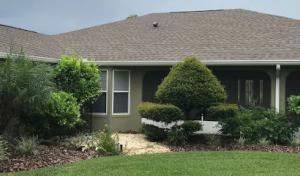
In Sebring, hurricane-season timing drives careful planning for low-slope roofing projects. The heat and humidity of midsummer can complicate membrane handling and adhesion, so most installs are scheduled to minimize mid-day heat exposure and allow for cooler overnight or shoulder-season work windows when possible. Plan the dry-in sequence to avoid long dry spells between membrane placement and flashing installation, and coordinate with crews who can work in the early morning hours when air and surface temperatures are lower. If a re-roll or repair needs to ride through peak summer, ensure temporary protection-such as edge tarps or temporary roofing membranes-that keeps sun and rain from compromising fasteners and seams during delays.
Low-slope systems in this market rely on precise drying times and clean adhesion surfaces. Summer humidity can slow adhesive cure and affect seam bonding, so surface prep must be meticulous and weather checks must be strict. Use compatible primers and bonding agents that tolerate Florida humidity, and confirm that flashings and terminations are fully seated before heat and sun harden the membrane. Dry-in sequencing should favor back-to-back daylight blocks that avoid long exposure on exposed laps. During periods of heavy rain, protect the substrate and keep deck surfaces dry to prevent blisters or compromised adhesion when rain ends and sun returns.
Sebring experiences intense summer downpours, so drainage performance on low-slope roofs matters more than ever. Ensure scuppers, drains, and parapet terminations are clear and positioned to encourage rapid water shedding. Address ponding potential with a sloped taper where feasible and confirm that deck drains stay free of debris during install. When wind events loom, verify that edge details, flashing terminations, and membrane overlaps are double-checked for uplift resistance. A well-sealed drip edge and wind-rated fasteners reduce the risk of wind-driven leaks after a storm passes. Regular inspections after heavy rain help catch early seam issues before a storm season takes full hold.
Find specialists in TPO, EPDM, and built-up flat roofing systems for residential and commercial properties.
David J. Marley Roofing Contractors
(863) 452-1208 www.marleyroofingflorida.com
4214 Commercial Dr, Sebring, Florida
4.8 from 11 reviews
Storm Team Construction
(888) 918-3245 www.stormteamusa.com
1843 US Hwy 27 N Suite 1, Sebring, Florida
5.0 from 1 review