
Last updated: Apr 19, 2026
In this part of Georgia, you feel the difference of the Savannah-area weather corridor. Late spring through fall brings thunderstorm interruptions and hurricane-season wind events even without direct coastal landfall. That pattern means your roof endures repeated hits from blown shingles, branches, and driving rain. In a neighborhood like yours, a storm can turn into a claim quickly, and the timing matters: the sooner you act, the tighter your documentation will be when the adjuster reviews the loss.
Right after a drive-by or a storm, safety comes first, but then you pivot to documentation. Take comprehensive photos and videos of every angle of the roof, the gutters, siding, and any interior staining or ceiling damage caused by leaks. Focus on visible billowing granules, lifted shingles, missing cresting, and dented vent pipes or flashing. If you can access the attic, capture evidence of moisture intrusion and any signs of roof deck exposure. The key is dated, weather-accurate visuals that show the roof's condition before and after the event. In Effingham County, spring hail and wind events are a known trigger for claim activity, and Georgia carriers typically want these dated photos, damage documentation, and evidence of roof age before approving wind or hail losses. Keep a running folder with the storm date, time, wind speeds if available, and any neighborhood notes (downed trees, power outages) that corroborate the event. If you're able to document pre-storm maintenance or prior repairs, include that as well. This accelerates the insurer's review and helps prevent disputes about pre-existing issues.
You are building a dossier that insurer adjusters will rely on. Photograph the entire roof from multiple angles, then zoom in on any suspected damage: lifted edges, curled shingles, punctures, and granule loss. Photograph interior ceilings and walls where leaks appeared, ideally with a dated note on each photo. Gather maintenance records: service calls, re-fastening or resealing work, prior patch jobs, and any roof-age estimates from installers or previous claims. If you've had a recent storm in the same season, collect police or fire reports or insurance notices that reference the event. Create a simple timeline: when the storm happened, when damage was first noticed, when repairs were attempted, and any contractor assessments you've had. Because insurers in Georgia have tightened underwriting on older roofs, you must document maintenance history and prior repairs before a storm claim is evaluated. If your roof is near the end of its typical life for its material, that history becomes especially important to support the claim's validity.
When the adjuster arrives, present your organized dossier and walk through the photos in chronological order, pointing to discrepancies between pre-storm photos (if you have them) and post-storm damage. Be clear about the roof's age and known vulnerabilities for your shingle or tile type, plus any prior repairs that may affect performance during a wind event. If an urgent temporary repair is needed to prevent further damage, document that work with receipts and photos, then inform the insurer promptly. In this market, claim outcomes hinge on solid documentation and timely communication; delays can complicate coverage determinations, especially for aging roofs. Stay proactive, stay precise, and keep your records ready for the adjuster to review.
When planning a roof in this area, use these local ranges per square: asphalt shingles 350 to 550, metal 700 to 1200, clay tile 1000 to 1800, concrete tile 800 to 1400, wood shingles or shakes 600 to 1100, and synthetic or composite shingles 450 to 900. These figures reflect the inland-coastal Georgia climate, where humidity and year-round rain push up material and labor needs during peak demand. In practice, a typical re-roof in this storm-prone market often runs higher than quiet-season prices because crews juggle tighter windows and compressed schedules after big storms.
Costs in Guyton can rise after regional storm outbreaks when Effingham County and nearby Savannah-area demand compresses scheduling and pushes up labor availability for re-roofing crews. When a hurricane-season swell hits, you'll notice longer wait times for crews to be available, and that can push day rates, debris disposal, and hauling out of damaged decks into a single project. If a claim is involved, expect a quicker start once the insurer issues an assignment, but watch for changes in material availability and temporary contingencies that insurers sometimes require. The practical effect is that a storm spike often translates into higher labor charges and occasional price bumps for expedited delivery of materials.
Year-round rainfall and humid conditions make tear-off timing, deck drying, underlayment staging, and weather protection more important here than in drier inland markets. Plan for additional contingencies: extra days of protection against rain, targeted fan-and-dehumidifier use for deck drying, and a slightly larger waste-management buffer. On a typical re-roof, a dry window in late spring or early fall helps, but in this climate, sudden showers are a constant. If the roof must be replaced during a wetter spell, discuss with the contractor about staged tear-off and quick underlayment (with temporary tarps) to keep the job moving without compromising the interior.
When storm damage is evident, assemble a straightforward photo log: exterior elevations showing missing shingles or hail marks, close-ups of gutter and fascia damage, and attic photos showing any staining or moisture intrusion. Keep a dated record of weather events and any prior repairs, plus a copy of the insurance claim form and adjuster notes. Insurers in this market frequently request a detailed scope of work and a breakdown of material selections early in the process, so having your material choices aligned with local ranges-shingles vs. metal vs. tile-and corresponding square footage helps speed the claim. For a practical edge, track your square footage by material type and pair it with the per-square costs above to generate an initial estimate you can share with the adjuster.
Rewis Roofing
(912) 644-0931 www.rewisroofingllc.com
Zipperer Rd, Guyton, Georgia
5.0 from 114 reviews
Experienced and trusted roofing company serving Georgia and South Carolina
RDGE Roofing
(912) 259-4220 www.rdgeroof.com
137 Palmetto Rd, Guyton, Georgia
5.0 from 27 reviews
RDGE Roofing specializes in storm damage repair and restoration, providing fast, reliable roofing solutions to protect your home or business. Our expert team ensures quality service and works closely with insurance companies to simplify the claims process, getting your roof back to its best in no time.

South Shore Roofing
(912) 417-5418 www.southshoreroof.com
Serving
5.0 from 34 reviews
South Shore Roofing in Rincon, GA is a leading and well-established local roofing company with substantial experience in this business area. When employing our professional services, you are becoming a part of our wide client base that has been entrusting us with their roofs for years. We are comprised of professional roofing contractors and emphasize their continuous training and education. We employ the latest and innovative roofing techniques and methods and provide premium quality products and services. These include roof repair roof replacement and new roof installations for both residential and commercial purposes. For your convenience, our services also include free inspections and detailed estimates.
Patriot Pros Roofing
(912) 665-3338 patriotprosroofing.com
Serving
4.9 from 301 reviews
GAF Master Elite and the Lowcountry's first FORTIFIED Roof hurricane certified company. Veteran and woman owned roofing and siding contractor with over 40 years of professional experience in the construction industries. Integrity is our quality!

Beau Dossey Roofing
(912) 272-7973 savannahslocalroofer.com
Serving
4.7 from 58 reviews
Over 20 years experience in the area. We specialize in all types of roofing. We are family owned and operated. We use top quality materials and have experience like no other. Go with someone that you can trust and the locals know. Beau Dossey Roofing.
Affordable Roofing & Gutter
(912) 234-6330 affordableroofinggasc.com
Serving
4.1 from 14 reviews
For a HOLE in your roof or a WHOLE new roof give us a call! FINANCING OPTIONS AVAILABLE!!
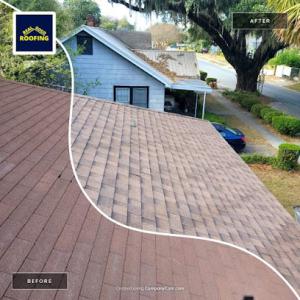
Real Good Roofing
(912) 405-9178 realgoodroofing.com
Serving
5.0 from 160 reviews
Real Good Roofing is a trusted roofing company serving both residential and commercial clients. Our team is committed to delivering high-quality workmanship on every project, no matter the size. We take pride in doing things the right way — with attention to detail, clear communication, and a strong focus on customer satisfaction. We work with a wide range of roofing materials and systems, and we specialize in roof installation, repairs, replacements, and ongoing maintenance. Using modern techniques and high-quality products, we ensure durable, long-lasting results that also look great. Known for our reliability and professionalism, Real Good Roofing has become a preferred choice for homeowners and businesses looking for dependable roofin
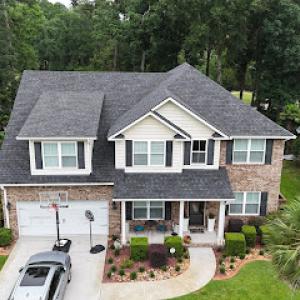
Divine Roofing & Restoration
(689) 688-5755 divineroofingrestoration.com
Serving
4.9 from 44 reviews
Divine Roofing & Restoration is a local, certified and insured Georgia contractor based out Savannah and Pooler, Georgia. We provide residential, commercial, and multi-family roofing, restoration, and remodeling services. Roofing services include roof inspections, leak and storm damage repair, insurance claims, roof replacement and restoration, asphalt shingle, metal, flat and low-slope systems, protective coatings, and seamless gutter installation. We also provide siding repair and replacement, window and door upgrades, decks, exterior paint, and interior remodeling such as kitchens, baths, flooring, drywall, trim, and paint. Serving Chatham, Bryan, Effingham, Liberty, Bulloch, McIntosh, Glynn, Camden, and surrounding Georgia counties.
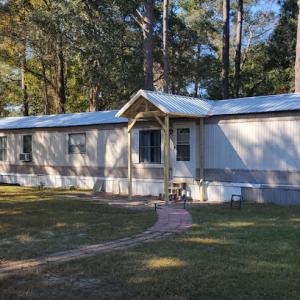
Greg Day Roofing
(912) 748-3088 gregdayroofing.com
Serving
5.0 from 5 reviews
WORK WITH OUR EXPERT ROOFING CONTRACTOR BASED IN POOLER & SAVANNAH, GA Your roof stands between your home and the rain and wind outside. That's why you need an experienced roofing contractor to keep your roof in peak condition and keep your interior protected. You can rely on Greg Day Roofing to be here for you. We've been serving local home and business owners anywhere within 100 miles of Pooler & Savannah, GA for more than 32 years. OUR ROOFING COMPANY OFFERS: *Residential roofing services, including roof replacement services *Commercial roofing services, including roof coating services *Gutter services, including gutter installation services *Roof insurance claim services, including roof inspection services
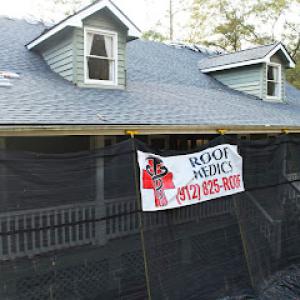
Roof Medics Roofing
(912) 231-7338 roofmedicsroofing.com
Serving
4.8 from 64 reviews
Roof Medics prioritizes customer satisfaction. Known for top-notch service and honest pricing, we're a premier roofing company focused on delivering value and quality craftsmanship. With a mission centered on reliability, transparency, and excellent customer service at fair prices, Roof Medics provides peace of mind for all your roofing needs.
Victory Roofing
(912) 800-1544 www.victory-roofing.com
Serving
4.9 from 144 reviews
Let us take care of that "Roofing Honey-Do" list. We will handle anything from debris removal, soft washing, gutters, to repairs and replacements. Let us come do a FREE inspection so you can plan for the longevity of your most prize investment.
Pooler Roofing Company
(912) 330-2094 poolerroofingcompany.homes
Serving
4.8 from 20 reviews
In search of a roofing company you can depend on in Pooler? Look no further than Pooler Roofing Company. We specialize in both residential and commercial roofing services. Backed by years of experience, we offer complimentary roof inspections to identify any potential issues before they escalate. Whether it's a minor repair or a complete roof replacement, our skilled roofers are ready to handle it all with precision and expertise. In the unfortunate event of storm damage, we're your trusted partner for swift and reliable repairs. We understand the urgency of such situations and strive to provide prompt assistance to restore your home. Trust Pooler Roofing Company to protect your investment and keep your property protected for years to come.
Cooler, drier months are generally favored because hot, humid summers and frequent rain make installation sequencing and adhesive performance less predictable. For most projects, aim for a window when daily highs stay comfortably below the mid-80s and overnight humidity is down. In inland coastal Georgia, that means late fall through early spring is often the calmest fit for a steady dry-in. Planning around a predictable stretch of weather reduces the risk of shingles lifting, nail pop, or adhesive failure once the roof is sealed. Even if a project starts in late fall, anticipate a possible warm spell that could slow progress; build in extra dry days for the critical sealing stage.
Heavy summer rain and thunderstorms commonly delay active roofing jobs in this area, increasing the importance of dry-in planning and same-day weather monitoring. Create a daily plan that prioritizes asphalt, metal, or concrete tile sequences during windows of no rain and minimal wind. Before any lift or starter course, confirm that the roof deck is dry and free of dew, and that gutters and downspouts are clear so water won't pool around the eaves during the critical first hours. Have a tarp plan ready for sudden showers, but avoid prolonged tarp exposure that can trap moisture under underlayment. Assign a designated crew member to monitor forecasts and halt work promptly if a substantial shower is forecast within the next 24 hours. In practice, a two-to-three day dry-in buffer around a typical storm pattern in late spring or early fall can save days of rework.
Occasional winter freezes and cold snaps in inland southeast Georgia can affect shingle sealing and adhesive behavior even though winters are usually mild. Target a installation window where nighttime temperatures remain above freezing for at least 24 hours after the first sealant is set. When a cold spell is forecast, adjust the schedule so the most sensitive stages-underlayment, starter strip, and first rows of shingles-occur during a warmer day, with interior spaces cleared of moisture-bearing activities during the coldest periods. If a freeze comes during the dry-in stage, allow extra curing time and monitor adhesive performance as daytime temperatures rise. This approach helps ensure a solid seal across the entire field and reduces the risk of early-edge lifting as temperatures fluctuate.
Asphalt shingles dominate the market here because they fit the local price point and the typical homeowner's project timeline. In this humidity-heavy climate, the granule layer takes more abuse from heat and tropical downpours, so choosing a shingle with good granule retention and a robust algae resistance rating matters more than in drier regions. Local homes often see faster granule loss on south and west exposures, so you'll want high-quality laminates and a narrative on warranty coverage that includes your hillside or tree-lined lot. Regular inspections after the wet season pay off, because early granule wear can shed more than the eye catches when the sky finally clears.
In practice, you'll hear about shingles that resist staining from algae and mold, a common challenge in Effingham County's humid air. Look for products with a recognized algae-killer or copper-oxide blend embedded in the asphalt that slows dark streaks along eaves and gutters. Color choice matters here: mid-tone browns and muted grays tend to hide staining longer and stay visually balanced in the steady sun and heat. Proper attic ventilation and underlayment compatibility matter to prevent moisture from turning a routine repair into a replacement sooner than expected.
Metal roofs align well with Guyton's wind-prone, rain-heavy summers. They shed water quickly, resist wind uplift, and can outperform shingles during severe storms. However, the upfront impression is that metal is a pricier option, and the market here often reflects that in contractor availability and material options. If choosing metal, focus on concealed-fastener or standing-seam systems that minimize fastener exposure to storm-driven debris and salt-spray from humid air. In coastal-inspired inland Georgia, finishing coatings should target color durability and corrosion resistance for long-term performance. For homes with tall screens or mature oaks, the glare from metal panels during dawn and dusk can be a minor consideration, so plan for both shading and roof color cohesion with siding and trim.
Clay and concrete tile are available in this market, offering durable, fire-resistant options and strong curb appeal. They require careful attention to structural loading, because their weight is substantial. In a county market where re-roofing and storm response are the dominant contractor focus, those loads intersect with emergency access and repair logistics after a hurricane or severe wind event. If considering tile, verify the attic framing is rated for the additional weight and that the roof deck is reinforced accordingly. Tile's tendency to crack under shock or severe impact from debris means you'll want to plan for prompt storm-repair contingencies and ensure you have a trusted crew ready for quick, coordinated replacements if storm damage happens.
Wood brings a distinctive texture that fits many older homes, but humidity and heavy rain accelerate decay and insect exposure. In this climate, wood requires regular treatment and proactive inspection for cupping, splits, and mold growth on the shaded side of the house. If you lean toward wood, select pressure-treated or naturally durable species, and pair with a protective sealant that's appropriate for the frequent rain. Understand that replacement cycles may be sharper here than in drier regions, and storm-driven debris can exacerbate splitting and moisture ingress around edges and fascias.
Synthetic and composite options offer a versatile blend of durability, lighter weight, and often enhanced algae resistance. They can perform well in Guyton's heat and rain when paired with a compatible underlayment system and proper ventilation. Look for products designed to minimize thermal expansion and contraction, and check color stabilization against long sun exposure. In storm-prone periods, a seamless warranty and a dependable local installer network help ensure quick recoveries when wind-driven debris or hail tests the material.
A full roof replacement in Guyton generally requires a building permit through Effingham County rather than being handled only at the city level. That distinction matters after a wet season or hurricane wind event, when storm claims push projects through the queue and you want the work done by code. Without the permit, a contractor may cut corners or skip inspections, and the county can delay closeout when you try to file insurance or certificate of occupancy. The permit acts as a shared checkpoint between you, your contractor, and local inspectors, especially when high humidity and persistent rain pressures schedules.
The permit application typically requires project details and proof of licensure from the contractor or homeowner pulling the permit. In practical terms, have ready a clear scope of work, the planned materials, and the anticipated timeline. The county will want to see licensing for the crew or a defined responsible party, plus any special considerations for storm damage if applicable. If the project involves a storm-related claim, keep copies of the claim number and the adjuster's contact information as part of the submission. Missing or incomplete paperwork can stall approval and complicate insurance documentation later on.
Inspections generally occur during and after the work, with a rough underlayment inspection followed by a final inspection before closeout. The rough underlayment check is your early signal that the roof deck is sound and prepared for the next layers, which matters after heavy downpours that can reveal hidden moisture. The final inspection confirms everything meets local building codes and wind load requirements that are crucial in Effingham County's climate. If the inspector spots deficiencies, there's a defined path to correct them before the permit is closed. Expect some coordination with the contractor to accommodate access and scheduling, especially during hurricane season or when storm damage claims are active in the county.
Before filing, confirm your contractor's license is current and tied to the project, and gather your storm claim documents if applicable. Schedule the permit handoff early in the process to avoid hold-ups that could stretch into the wet season's peak. Keep a folder of all inspection notices and responses, and be prepared to coordinate interim visits if weather or access windows change. That proactive stance helps keep a Guyton roof replacement moving smoothly through Effingham County's system, even when wind-driven rain tests the new layers.
Georgia insurers commonly send adjusters to verify roof age, condition, and whether damage is recent. In this market, many claims follow wind and hail events rather than catastrophic total losses, which means the age and current state of the roof can swing a claim one way or another. If the roof shows long-standing wear, a claim can be scrutinized more closely, even after a strong storm.
Coverage decisions in this market can vary by roof material and age, so homeowners with older asphalt roofs may face more scrutiny than owners of newer systems with clear documentation. The adjuster will weigh both how the roof was installed and how it has held up through repeated Georgia rain and heat. A newer, well-documented system often travels smoother through the claim process than a weathered one.
Photo records taken before and after storms are especially important in this area because repeated rain and quick temporary repairs can blur the line between fresh storm damage and pre-existing wear. When storms show up, keep a dated photo trail of the entire roof and any visible damage, including attic signs like leaks or stains. Clear photos can help prove what happened and when.
Develop a simple, consistent routine: photograph each major section of the roof after a storm, note the date, and keep copies of any communication with the insurer. If a claim is filed, you'll want to show both the condition before the event and the condition after, along with any professional assessments you obtain. This practice can reduce surprises when the adjuster reviews the file.
Connect with contractors who help homeowners navigate the claims process from damage assessment to final approval.
Rewis Roofing
(912) 644-0931 www.rewisroofingllc.com
Zipperer Rd, Guyton, Georgia
5.0 from 114 reviews

In this rain-prone market, small flashing failures can become interior leak problems quickly because roofs may stay wet for extended periods between storms. A single mis-sealed corner or worn step flashing around a chimney or vent can let water wend its way into attic spaces and ceiling planes before you spot the stain from below. When dark storm clouds roll in, assume any sign of moisture near the ridge or eaves could cascade into the living space if not addressed fast.
Emergency tarping matters locally during thunderstorm and hurricane-season interruptions when replacement schedules slip but interior water intrusion cannot wait. If a rainfall event is underway and you're waiting for a contractor or replacement, secure a heavy-duty tarp with treated roofing nails or screws and a wide drip edge over the affected area. Keep a utility knife, rope, and a ladder ready. Do not climb onto a saturated roof for non-emergency patching; use gutters and overhangs to channel water away until a pro arrives.
Skylight penetrations deserve extra attention in this market because repeated heavy rain exposes weak curb, flashing, and seal details faster than in drier parts of Georgia. Inspect around skylights after storms for condensation, staining, or edge lifting. If a skylight shows moisture wicking around seals, cover the interior side with a dry towel to reduce wall staining and arrange a prompt seal or flashing repair. Proactively re-seal loose frames and replace compromised gaskets before the next storm surge.
If interior water shows up, capture it with buckets and protect ceilings with plastic if needed. Lightly reseal any obvious edge gaps with exterior-grade sealant only as a temporary measure, and document all affected areas with photos. Keep note of dates, times, and storm intensity to help a contractor diagnose the sequence of failures and prevent recurring leaks after the next front passes.
When you can't wait, these contractors offer fast response times to stop leaks and prevent further damage.
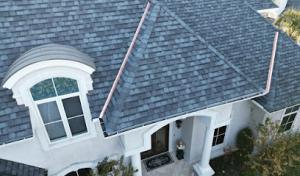

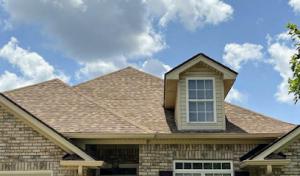
In this area, the market skews toward re-roofing rather than specialty new-construction roofing. Homeowners should expect many bids to center on tear-off, replacement, and cleanup logistics, not just shingle layouts. When a storm leaves leaks or shingle gaps, a contractor's ability to move quickly, manage debris, and coordinate with your schedule becomes as important as the roof itself. Look for crews that describe a clear sequence: tarp and temporary fixes, tear-off, deck inspection, bulk replacement, and meticulous cleanup. That sequence matters when rain is possible at any moment and the yard fills with windblown debris.
Quick response matters here, and cleanup is a top hiring priority. Ask for a firm timeline from first contact to finish, and get a concrete plan for weather delays. Request references from local homeowners who faced similar wet-season conditions and storms, and call to confirm how the crew handled leaks, material shortages, and on-site safety. Confirm the crew will bring a mobile workstation, tarping materials, and a guaranteed cleanup plan that includes weekly haul-away if the job stretches through multiple rain days. In a neighborhood with tight driveways, note how the crew protects landscaping and drive surfaces during material staging.
Because several long-established, smaller operators exist, you should confirm who is pulling the Effingham County permit and who will be present for required inspections. Ask for a specific project leader who will be on-site daily, not a rotating subcontractor roster, so you know exactly who to contact if a sudden leak reappears. Ensure the crew will photograph every stage of the tear-off and replacement, and provide a concise post-completion packet with warranty details and care instructions that reflect our climate's humidity and hurricane-season exposure.
Expect crews to propose a tight, weather-aware schedule that prioritizes rapid tarp-up after a storm, safe removal of damaged shingles, and efficient disposal. Insist on a container or daily debris removal plan, and demand that staging areas keep trash and nails off driveways and sidewalks. The right crew will communicate clearly about daily progress, what weather windows they're banking on, and how they will handle temporary fixes if another storm hits before final completion.
Get a clear picture of your project costs upfront - no commitment required.
Rewis Roofing
(912) 644-0931 www.rewisroofingllc.com
Zipperer Rd, Guyton, Georgia
5.0 from 114 reviews