Last updated: Apr 19, 2026
This area sits in Northeast Georgia where warm-season thunderstorms, heavy rain, and wind-driven events are a primary trigger for roof leaks and replacement decisions. In this market, storm-damage work tied to insurance is unusually prominent, with storm-related claims and insurer-approved repairs showing up across a large share of local contractor listings. When a thunderstorm rolls through and hail or high winds hit, you need to move quickly to protect valuables, document the damage, and start the claims process before moisture penetrates decking or insulation.
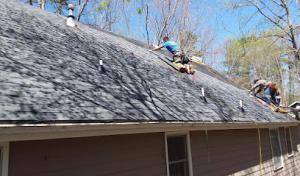
Storms in this region can produce sudden leaks that seem to appear overnight. After a wind or hail event, walk the roof's edge, attic, ceilings, and upper walls for signs of trouble. Look for hairline cracks around shingles, lifted tabs, missing granules, or dented metal flashing. Inside, check for painted or ceiling spots, ripple marks in drywall, and damp insulation. Photograph damage from multiple angles-shingles, flashing, vent boots, gutters, and any debris. In Jefferson, insurers commonly ask for clear, timestamped photos that show both the external roof surface and visible interior effects. If insulation or rafters show dampness, capture that as well. The more comprehensive your album, the more smoothly a claim moves through adjuster review.
Georgia insurers frequently request roof age, material type, and evidence of workmanship when wind or hail triggers a claim. Keep a written record of the roof's approximate install date, the roof system type (asphalt, metal, clay tile, concrete tile, synthetic/composite, or slate), and any previous repairs or upgrades. If you have contractor or manufacturer warranties, gather those documents and any maintenance logs. A tidy file with dates, contractor names, and the scope of prior work helps the adjuster understand the roof's baseline condition and whether the damage aligns with a storm event or an existing failure. In Jefferson neighborhoods with a mix of architectural styles, this clarity can prevent disputes over what constitutes storm-related damage versus preexisting wear.
In this market, it is common to see storm-damage and insurance-claims services listed by many local roofing pros. When selecting a contractor, prioritize those who are experienced with insurance documentation, rapid storm response, and transparent communication. A qualified contractor should visit promptly, perform a professional assessment, and help prepare a detailed write-up for the insurer that delineates what is damaged, what requires replacement, and what repairs are temporary versus permanent. Expect to receive a scope of work with itemized tasks and an explanation of why certain components need replacement rather than repair. Having this level of detail reduces back-and-forth with the insurer and accelerates approvals.
Some claims may escalate to an engineer review, particularly if there is a question about the roof's load path, the adequacy of flashing, or the integrity of underlying decking. If an engineer review is requested, timely cooperation is essential. Provide the engineer with the same photos and documentation you gave the insurer, plus any requested access to the attic or crawlspace. A professional engineer can help validate the damage assessment and support a fair settlement. This can be especially important for higher-end materials or complex roof configurations common in newer Jefferson-area homes, where a straightforward evaluation may not capture nuanced performance issues.
During the claims process, take temporary measures to minimize further damage. If active leaks are present, use tarps or heavy-duty plastic sheeting secured with roofing nails or staples to cover exposed areas. Keep interior spaces dry by moving furniture away from affected walls and placing buckets under active drips. Document these temporary fixes with photos and dates to show that action was taken to mitigate loss. Coordinate with the contractor on a follow-up plan that aligns with insurer expectations, and avoid extensive non-emergency repairs until approved. Acting decisively after a storm helps preserve structural integrity and supports a smoother insurance experience for Jefferson homeowners.
Top Tier Roofing
(833) 867-8137 www.thetop-tier-roofing.com
1351 Washington St, Jefferson, Georgia
5.0 from 110 reviews
With over 30 years of experience, Top Tier Roofing offers a full range of roofing services for both residential and commercial clients. For years, we’ve prided ourselves on being the best roofing company in Jefferson, Georgia. We’re offer our services in Athens, Atlanta, Pendergrass, Bogart, and more. Honest, Dependable, 100% Satisfaction Guaranteed. Call us today or fill out our form for a free estimate!
Platinum Property Maintenance
Jefferson, GA
5.0 from 48 reviews
Platinum Property Maintenance, LLC is owned & operated by Chapin & Taylor Brookshire of Jefferson, Ga. We offer a variety of services ranging from Roofing, Gutters, Siding, Painting & Pressure Washing. Roof replacement & repairs. 6” Seamless Gutter installation. Gutter guards, repairs & cleaning. Fascia, Soffit & Siding. Exterior Painting & Staining. Pressure Washing. • Commercial & Residential. • Licensed and Insured. • Platinummaintenance01@gmail.com 📞706-362-5565
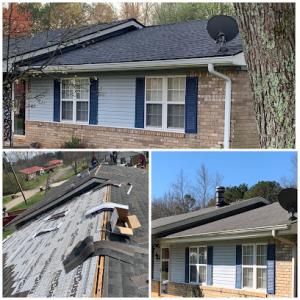
SLM Exteriors
Serving
5.0 from 15 reviews
We are A GAF Factory Certified Contractor And Proud Installer of Owens Corning Shingles! SLM Exteriors is a leading and reputable roofing company based in Maysville GA. Ever since we opened for business in February of 2014, we’ve taken a comprehensive approach to project management, providing our clients with a wide range of services to cover their needs and insure your project is completed to satisfaction from start to finish. We believe you the customer is the key to a successful business, Get in touch today to learn how you can become part of the SLM family and what we can offer you and to receive your free estimate.
Hewatt Roofing
(770) 525-8658 hewattroofing.com
Serving
5.0 from 299 reviews
Hewatt Roofing, based in Hoschton and serving Gainesville and the metro Atlanta area, is a family-owned roofing company specializing in roof replacements. Founded in 1997 by Jerry Hewatt, who brings over 35 years of roofing experience, our team is committed to helping homeowners protect their properties from Georgia’s heavy rains, storm damage, and aging shingles. We provide thorough roof inspections, explain repair or replacement options clearly, and offer detailed written estimates to ensure confidence in every decision. Fully insured and backed by an A+ Better Business Bureau rating, Hewatt Roofing is recognized as trusted roofing contractors dedicated to professional service and long-lasting results.
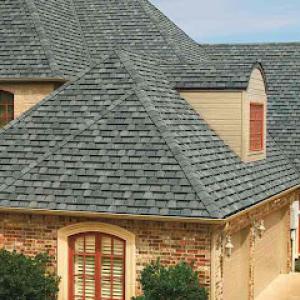
Bulldog Roofing & Repairs
Serving
4.8 from 100 reviews
Whether you need repair, inspection, or a complete replacement, Bulldog Roofing Repair is the right team for the job. We provide not only the best services but also the best parts and materials for all our customers. Our local company has a strong partnership with several trusted suppliers and manufacturers in the area. We also have in-depth knowledge regarding all your options and can guide you on the kind of roof that is most suitable for your property.
Denali Roofing & Restorations
(706) 574-3455 www.denalirandr.com
Serving
5.0 from 63 reviews
At Denali Roofing and Restorations, integrity isn't just a promise, it's our priority. We believe in transparent communication every step of the way, ensuring you'll always be an informed part of the process. With experienced specialists and a focus on quality, we offer exceptional residential and commercial roofing solutions while keeping your best interest top of mind. From asphalt shingles to metal, and coatings to TPO, we provide unmatched quality and experience, along with our professional opinion that will best fit your needs. Contact us today and experience the Denali difference. Where our goal is to exceed the peak of your expectations.
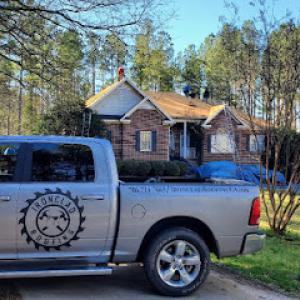
Ironclad Roofing
(706) 714-7663 ironcladroofingga.com
Serving
4.9 from 77 reviews
Ironclad Roofing - Your Trusted Roofing Contractor Experience Top-Quality Craftsmanship and Exceptional Customer Service. Protect Your Home with Ironclad's Reliable Roofing Solution Ironclad Roofing specializing in shingle, metal roofing, gutter installation and siding. With our extensive experience and commitment to exceptional craftsmanship, we are here to protect your home and provide you with peace of mind. Roofing Contractor, Roofer Shingles, Metal Roofing Repairs, Commercial, Gutter Replacement, Insurance Accepted. Serving Athens, Atlanta, Arcade, Buford, Braselton, Carnesville, Commerce, Hartwell, Homer, Hoschton, Jefferson, Lavonia, Maysville, Nicholson, Pedergrass, Toccoa, Suwanee, Winder and other cities around North Georgia

TRiO Construction Exteriors & Remodeling
Serving
4.9 from 159 reviews
TRiO Construction is locally owned and operated. We have several divisions to serve your construction needs: -Metal and shingle roofing: we are Owens Corning preferred contractors. -Siding: We proudly install James Hardie or Vinyl siding. -Water/ Mold: We are open 24/7 for water emergencies, busted pipes, tree damage or any type of water intrusion as well as mold remediation, We are IICRC certified. -Remodeling services, basement buildouts, kitchens and bathrooms. -Sunrooms, decks, and porches - Window and door installation Our crews are trained to our standards and we do not use labor brokers. TRiO is fully insured TRiO services Residential & Commercial clients. We look forward to serving your construction needs!
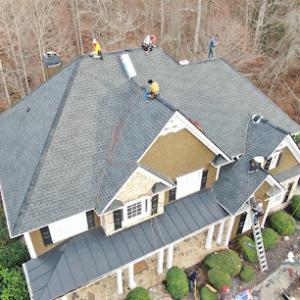
Cobra Roofing & Restorations
(404) 801-7451 www.cobraroofingandrestoration.com
Serving
4.9 from 124 reviews
Cobra Roofing & Restoration provides expert installation, repair and maintenance on all residential roofs throughout the South. We service Georgia, Alabama, South Carolina, North Carolina, and Tennessee. Cobra Roofing & Restoration, is known for providing Reputable Reliable Results. At Cobra Roofing & Restoration we understand how stressful it could be to find a good dependable roofing contractor to assist you with your hail or wind damage claim, that’s why its important to find a licensed, and accredited and insured contractor with exemplary service. Cobra Roofing & Restorations specialty is insurance claims and processing, with over 10 years experience in working with all major insurance companies.
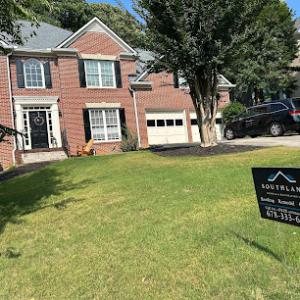
Southland Roofing & Restoration
(678) 815-7535 www.southlandroofingandrestoration.com
Serving
5.0 from 25 reviews
"Southland Roofing & Restoration: Your trusted experts for quality roofing and restoration services. From repairs to complete replacements, our skilled team delivers exceptional results using premium materials and cutting-edge techniques. Experience the difference of our craftsmanship and enjoy a secure, beautiful roof that stands the test of time. Contact us today for a free consultation!"
Bishop JD Roofing
(706) 983-5557 bishopjdroofing.com
Serving
5.0 from 89 reviews
Welcome to Bishop JD Roofing, your premier provider of roofing services in North Georgia. Our comprehensive offerings include roof inspection, analysis, installation, and repair, as well as expert handling of storm and wind damage. We also specialize in gutter installation and repairs and are adept at managing insurance claims. Trust Bishop JD Roofing for exceptional craftsmanship and dedicated customer service that protects and enhances your property.
Ignite Roofing
(404) 915-1920 www.igniteroof.com
Serving
5.0 from 15 reviews
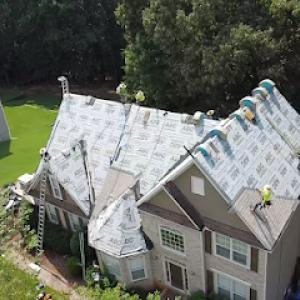
Ignite Roofing is a trusted local roofing company based in Hoschton, Georgia, renowned for its commitment to quality and customer satisfaction. Specializing in residential and commercial roofing solutions, Ignite Roofing offers a comprehensive range of services, including roof repairs, replacements, and free inspections.
In Jefferson, the roofing calendar centers on hot, humid summers, spring rain, and milder winters that can still throw a cold snap. The heat drives labor fatigue and can affect sealant performance, so plan high-production tasks for cooler parts of the day. Spring brings thunderstorms that can interrupt tear-off windows and expose decking, so readiness and a tight schedule matter. Fall remains a favorable window because the weather tends to be cooler and drier, reducing heat-related delays and helping adhesive set more consistently. For a homeowner scanning a two-season approach, these patterns translate into targeted timing for tear-offs, underlayment, and shingle or panel installation.
During the peak of Jefferson's summer, practical pacing matters. Start critical work early and build a daily rhythm around shade and air flow. If a roof requires extensive tear-off, plan for shorter shifts with well-timed breaks to protect crew energy and material performance. Consider temporary cooling measures at the site-shade tarps, good ventilation in attic spaces, and hydrated crew members. Material handling benefits from staging near the work area to minimize heat exposure and reduce handling time. Roofing components like sealants and underlayment can lose effectiveness in direct heat, so align a portion of the work with the cooler morning hours when possible. When a storm front rolls in, have a rapid inspection check ready to verify decking integrity and confirm fasteners comply with the latest design specs.
Spring in Jefferson carries frequent rain interruptions that raise the risk of exposed decking and moisture intrusion during tear-off windows. Safeguard by establishing a weather buffer plan: designate a tarp-ready spread to cover exposed decking quickly, and ensure flashing details are pre-ordered and staged for rapid installation when weather breaks. If a tear-off must proceed in the face of a forecasted shower, pause before the first drop and re-check the roof deck for any moisture that could compromise adhesive or fastener performance. Keep interior spaces dry with temporary barriers and ensure interior ceilings are protected during any walkthroughs. A clear, lockstep sequence with a contingency day or two helps prevent cascading delays when multiple spring storms roll through.
Fall brings relief from summer heat, but the season can still include windy days and the first hard frosts that slow adhesive activation. Favor longer, steady work blocks in the early and mid-fall when temperatures hover in a favorable range for flashings and sealants. By mid-fall, crews can push through slope changes or penetrations with less stress on material handling. Prepare for a potential late-season cold snap by keeping a small stock of cold-weather sealants and ensuring that HVAC-related condensation does not affect interior spaces where roof work is coordinated with interior inspections.
Begin with a late-spring assessment to map tear-off windows that avoid the heaviest spring storms, then schedule a solid fall window for final shingles, underlayment, and flashing inspections. Build a two-pass approach: a primary tear-off and deck assessment during the cooler morning hours, followed by a secondary installation block once temperatures moderate. Maintain flexibility to shift up or back a day if a forecasted storm threatens, and keep communication clear with the crew and the homeowner about expected weather impacts and essential protective measures. In Jefferson, coordinating around these seasonal cues minimizes moisture risk, protects sealant performance, and supports a smoother, more predictable replacement timeline.
Get a clear picture of your project costs upfront - no commitment required.
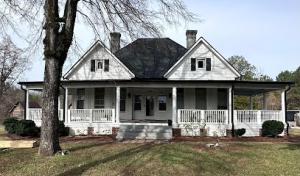
Top Tier Roofing
(833) 867-8137 www.thetop-tier-roofing.com
1351 Washington St, Jefferson, Georgia
5.0 from 110 reviews
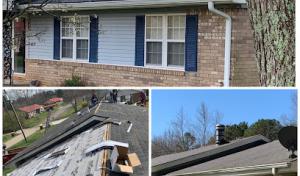

Asphalt shingles are the dominant practical choice for Jefferson-area homes because they align with the suburb's large stock of single-family houses and the broadest local contractor support. They're easy to install, familiar to crews, and widely available from nearby suppliers. In this market, shingles perform well against the hot, humid summers and the frequent thunderstorm-driven downpours that come through Jackson County. When choosing asphalt, look for UV resistance and asphalt granule durability to help weather not only the heat but the occasional hail risk typical of stormy spring and fall periods. A good match is a product that offers a balance of wind resistance and a strong warranty, since Jefferson's windy storms test roof edge fasteners and ridge lines.
Metal roofing has a meaningful local presence in the contractor market and is often considered by homeowners looking for better rain shedding and durability during repeated storm cycles. In Jefferson, metal panels or shingles provide rapid shedding of heavy rain and can resist wind-driven debris better than some lighter options. They also tend to hold color longer in the sun and can extend a roof's life in a climate that swings from hot to stormy. The right metal system should include proper underlayment and a robust flashing plan around chimneys, vents, and dormers to prevent leaks during rapid temperature changes and driving rain. If storm events are a seasonal concern, metal can offer a tangible performance edge, but it requires precise installation to fully realize its benefits in this market.
Heavy materials such as clay tile, concrete tile, and slate are available in this market but require closer attention to structure, flashing details, and replacement cost in a city where asphalt remains the mainstream baseline. Clay and concrete tiles bring excellent longevity and distinct curb appeal, yet they demand a sufficiently reinforced roof deck and careful attic ventilation. Slate, while elegant and long-lasting, brings substantial weight and cost, and its installation hinges on accurate rafter spacing and flashing integration to handle storm-driven moisture. For homes with existing framing that wasn't upgraded for heavy roofing, these options may require structural assessment before committing. In practical terms, consider whether the underlying deck, attic access, and roof plan can support the load without compromising ventilation or water control.
The spring and fall thunderstorm seasons in this area emphasize the need for proactive storm readiness. Whatever material you choose, invest in robust flashing around roof penetrations, ridge ventilation, and edge detailing to minimize wind uplift and wind-driven rain entry during severe cells. Regular inspections after major storms help catch loose fasteners, lifted shingles, or damaged underlayment before leaks develop. Keep gutters clear and ensure downspouts direct water away from fascia and foundations. For homeowners weighing material choices, align the selection with local contractor familiarity, roof geometry, and the expected storm cycle cadence to maximize performance across the lifespan of the roof.
In this market, the practical choice balances availability, contractor familiarity, and the local climate. Asphalt shingles remain a strong baseline because they fit most Jefferson homes and the local service network. If the priority is enhanced rain shedding and a longer interval between major resealing, metal offers meaningful advantages with correct detailing. Heavier tiles and slate can deliver distinctive aesthetics and long life, but they demand structural readiness and careful flashing strategies. Regardless of material, emphasize a comprehensive flashing plan, attic ventilation, and storm-ready edge details to navigate the region's frequent thunderstorm activity.
When planning roof replacement, start with the local range for materials. Asphalt shingles sit at the entry point, typically around 350 to 600 USD per square, while slate sits at the high end, around 1500 to 2800 USD per square. Metal roofing, clay or concrete tile, and synthetic options fall in between, with metal often between 550 and 1100 per square and concrete or clay tile generally in the 700 to 1800 per square area. This spread reflects the variety of homes in the area and the performance expectations for a humid Georgia climate with heavy spring and fall storms.
Storm-driven demand spikes in this area can push pricing upward after widespread wind and hail events. When crews are scarce or schedules extend due to damage assessments, you'll see not only higher material costs but longer lead times for installation. If a neighborhood experiences a major derecho or series of hail events, expect quotes to rise and timelines to stretch. Planning ahead, scheduling during calmer windows, and choosing a project window with flexible timing can help keep costs more predictable.
Costs in Jefferson can move based on decking repairs found during tear-off. If rotten or damaged decking is uncovered, expect additional material and labor charges beyond the roof itself. Ventilation corrections required at inspection also affect cost, especially in hot, humid summers where proper attic ventilation matters for long-term performance and energy efficiency. When an up-front assessment identifies these needs, you'll have a clearer picture of total project cost before work begins.
Labor differences between standard shingle roofs and specialty systems like metal or tile also impact price. While asphalt remains the most budget-friendly option, metal and tile deliver durability and storm resistance that matter in frequent thunderstorm scenarios. A metal roof may carry higher upfront costs but can offer longer service life and different maintenance needs. Tile systems, including clay or concrete, bring distinct installation challenges and weight considerations that can influence both price and schedule. In this market, allocating a contingency for potential decking or ventilation adjustments helps avoid last-minute price shocks.
Don't let upfront costs delay a critical repair - these contractors offer payment plans to fit your budget.
In this climate, the exposure from wind and hail drives how policies are written and renewed. The carrier will weigh the likelihood of future damage based on recent storm history and the roof's condition, which means a yard of guarantees can shift after a severe thunderstorm. When a home shows signs of wear, carriers may tighten wind and hail coverage or adjust endorsements, and those changes can arrive during renewal season with little notice. Your local weather patterns mean these decisions are not theoretical; they affect your out-of-pocket costs and access to replacement materials after a loss. Understanding that dynamic helps you prepare rather than react.
Older roofs may encounter reduced claim flexibility or coverage limitations depending on carrier rules, especially after storm-related losses. Some policies treat aged roofs as higher risk for repeated damage, which can limit payout scope or require stricter depreciation schedules. If a storm hits, a claim on an older roof can look different than a claim on a newer one, potentially affecting settlement timelines and options for repair versus replacement. Recognizing this reality helps you set expectations and plan accordingly before damage occurs.
Because adjusters in this region often request dated photos and installation history, Jefferson homeowners benefit from keeping records on roof age, prior repairs, and contractor invoices before a claim ever happens. A well-organized file reduces back-and-forth during a claim and can clarify what is eligible for replacement or repair. Think of this as a practical, proactive step to protect leverage when thunderstorms produce damage. Staying prepared lowers stress when weather again moves in from the hot, humid summer patterns.
In heavy-rain environments, flashing transitions and drainage details are recurring weak points since inspections specifically focus on those assemblies. For homes in this area, metal step flashing along chimneys and walls, roof-to-wall transitions, and gutter outlets should be probed for loose fasteners, corrosion, and sealant deterioration after storm events. When a storm hits, water can back up at roof valleys or spill over flashing seams where shingles meet a vertical surface. A focused look at the first three feet of each wall line helps catch latent leaks.
High summer heat followed by storm exposure can accelerate wear on sealants, pipe boots, and shingle bond lines in Northeast Georgia conditions. Look for hairline cracks in sealant beads, lifted or shrunk boot rubber, and dark staining at penetrations indicating moisture intrusion. Shingle bond lines near exhaust vents and plumbing vents are common failure sites after repeated heat cycles and wind-driven rain. Prioritize resealing or replacing compromised components before the next storm season, and carry a few replacement boots and sealant compatible with the existing roof.
Moisture intrusion risk rises in Jefferson during spring rain periods when aging roofs already have minor wind damage or deferred maintenance. Areas to watch include roof edge leakage, vent flashings, and attic condensation patterns. After a heavy rainfall, inspect ceilings for new drips, and check attic access, soffit vents, and ridge lines for moisture trails. Early detection during spring storms minimizes interior damage and helps preserve insulation and decking integrity.
Start with a weather-aware checklist tailored to local conditions: valleys, roof-to-wall flashings, chimney steps, vent flashing, gutters, and downspouts. Inspect from ground using binoculars, then proceed on the roof after a light rain when shingles are dry enough to walk. Document every finding with timestamps and photos for insurance review and repair planning, and coordinate with a trusted local contractor who understands the area's typical storm cycles.
Jefferson homeowners often value contractors who can clean up after the job and respond quickly when a storm hits. Re-roofing and residential work dominate the local scene, so look for teams with solid track records on existing homes rather than flashy new-construction portfolios. Practical speed and reliable cleanup win real trust here.
In this market, a balanced mix of hands-on experience, strong communication, and visible reliability matters most. Prioritize crews that can document progress clearly, show licensed status, and carry proper insurance. A contractor who can explain the scope, timeline, and expected disruption in plain terms will help you manage spring and fall storm seasons with less stress.
A smaller share of Jefferson-area contractors advertise manufacturer certification and drone inspections; those that do often separate the good from the average. Ask for manufacturer credentials, inspection methods, and a written, staged plan for the project. Clear change orders, material warranties, and a predictable inspection cadence after work finish are practical signals of dependable processes.
Storm damage response should include rapid assessment and transparent reporting. Seek a contractor who can quickly identify roof vulnerabilities exposed by thunderstorms, provide documented damage notes, and coordinate timely communications with your insurance adjuster. A contractor with a documented approach to secure temporary protection and debris control will reduce post-storm stress.
Match a contractor who demonstrates strong residential experience, steady staffing for phased work, and dependable aftercare. In this market, the best choice combines solid workmanship with disciplined documentation and reliable follow-through, ensuring your roof stands up to the region's hot, humid summers and frequent thunderstorms.
In Jefferson, low-slope roofing exists but it's not the dominant concern for most homeowners, especially when storms drive the need for steep-slope reroofing after a hail or wind event. Porches, additions, or properties with mixed-slope sections require extra scrutiny because those flatter or gently inclined areas behave differently under heavy rain and driving wind. When a project includes these flatter segments, details matter: the transition from steep to flat, drainage paths, and how edge details meet the rest of the roof.
Flat-roof service is not the core focus for many local crews, so a homeowner should screen more carefully if flat sections are involved. Look for a contractor who can demonstrate experience with surface prep, seam integrity, and compatible coating systems. Ask for recent project photos of low-slope roofs or porch covers, and verify that they understand the local climate's humidity and thunderstorm cycles. A site visit that includes a written assessment of the flat area, fascia, and flashing details helps avoid surprises after a storm.
Roof coating and restoration services exist in the contractor base but tend to be a secondary niche rather than the city's main replacement pathway. Coatings can provide temporary or mid-term protection for low-slope portions or for projects where a full roof replacement isn't immediately necessary. If considering a coating, evaluate the condition of the underlying deck, the presence of any leaks, and how the coating will handle expansion joints or penetrations from vents and skylights. A coating plan should include a clear maintenance interval and a plan for addressing penetrations that often become trouble spots after heavy spring storms.
For homes with both steep and low-slope sections, prioritize robust transitions and flashing at the joints. Storm events in this area stress fasteners and sealants where roof planes meet; a thorough inspection should verify that edge caps, valleys, and parapets on flat portions are sealed and capable of shedding water efficiently. Maintenance visits should focus on ensuring that debris isn't building up at low-slope drainage paths, which can compound leak risk during rapid rain bursts.
When storms threaten a mix of slopes, document the exact areas affected by wind or hail, including any flat roof portions. Photos taken after a storm, along with notes on observed damage and age of coatings or past repairs, help substantiate claims if a future insurance review becomes necessary. A clear, written record of the condition of flat sections alongside steep-slope components reduces ambiguity during claims and supports timely restoration decisions.
Find specialists in TPO, EPDM, and built-up flat roofing systems for residential and commercial properties.