Last updated: Apr 19, 2026
Spring and summer thunderstorm season in this area brings frequent wind-driven rain that can hammer roofs in a matter of minutes. A single afternoon storm can loft shingle granules, lift edge nails, or drive water under flashing where it's hardest to spot. In practice, this creates a steady roofing claims environment in this part of Georgia, so you should treat every heavy storm as a potential claim trigger. If you notice a sudden drip inside the attic, dark ceiling spots, or moisture at the attic knee walls, act fast. The goal is to stop the leak now and protect the interior before further wind-driven rain comes through. Quick attention to damaged vents, missing shingles, or compromised drip edge can prevent water from traveling along the roof deck and into living spaces.
Local contractor signals show storm damage, emergency repair, and insurance-claims help are the most prevalent specialties in the market, indicating post-storm response is a primary homeowner need here. If the roof shows missing shingles, curling edges, or visible daylight from the attic, arrange an on-site assessment within 24 hours of the storm. A temporary dry-in-utilizing tarps or a metal panel patch over the most vulnerable areas-can stop ongoing leakage while a full plan is shaped. The best approach is to pair temporary containment with photographic documentation: wide exterior angles of the roof, close-ups of damaged areas, attic moisture readings, and any interior staining or buckling. This gallery will be essential when filing with the insurance carrier. Keep a dated log of every storm event, every leak observation, and every temporary repair you authorize. When a contractor arrives, have them identify the most critical failure points first-typically around valleys, chimney step flashing, roof-to-wall intersections, and edge drip edges-and confirm how long a dry-in will hold under future spring and summer deluges.
Insurance claim outcomes hinge on clear, timely information. After a storm, obtain an incident report from the storm event, and request repair estimates that show a phased plan: emergency temporary measures followed by a full replacement schedule if needed. Take contemporaneous notes during every inspection and secure written estimates that break out materials, labor, and any expedited emergency work. Communicate your claim status with the insurer at each milestone: initial evaluation, approval for emergency work, and progress toward permanent replacement. In this market, adjusters expect to see well-organized files and fast, cooperative action. If an assessor cites unknown damage or missing information, provide the missing items quickly-clear photos, roof schematic drawings, and a concise summary of observed issues. The faster you document the damage and implement a reputable emergency repair, the smoother the claim process will proceed toward a complete and timely roof replacement when warranted.
Find local contractors experienced in assessing and restoring roofs after hail, wind, and severe weather events.
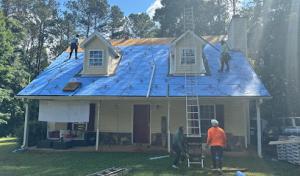
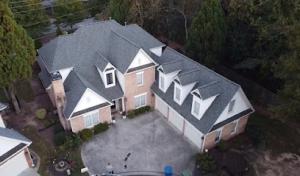
ProShield Roofing
(678) 635-9403 proshieldroofing.net
1071 Jamestown Blvd # D3, Watkinsville, Georgia
5.0 from 323 reviews
Atlas Roofing & Restoration
1431 Twin Oaks Trail, Watkinsville, Georgia
5.0 from 145 reviews
Findlay Roofing
(706) 989-8037 www.findlayroofing.com
1071 Jamestown Blvd Ste 603, Watkinsville, Georgia
5.0 from 166 reviews
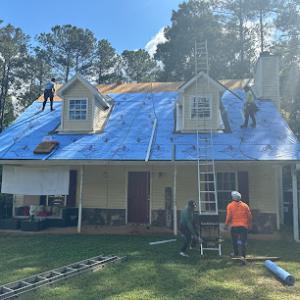
ProShield Roofing
(678) 635-9403 proshieldroofing.net
1071 Jamestown Blvd # D3, Watkinsville, Georgia
5.0 from 323 reviews
ProShield Roofing is dedicated to protecting what matters most for both residential and commercial property owners. We handle everything from minor roof repairs and small leaks to full on replacements and new construction installs. Our roofing team helps property owners with the entire process from initial inspection to final walk through. When it comes to hiring an expert roofing contractor, you need a professional. ProShield Roofing is experienced in all aspects of roofing. From basic asphalt shingles to metal roofing, we have a team that is ready to help. If you or anyone you know is in need of expert roofing services for their property, reach out to ProShield Roofing today and let us help you with "Protecting what matters most"!
Atlas Roofing & Restoration
1431 Twin Oaks Trail, Watkinsville, Georgia
5.0 from 145 reviews
Atlas Roofing & Restoration is a top-rated roofing and home improvement contractor serving all of Georgia. We specialize in commercial & residential roof repair and replacement, insurance claims for storm damage, seamless gutters and gutter guards, carpentry of all sorts, interior & exterior painting, soft & pressure washing, and full-scale renovations including bathroom & kitchen remodels. We operate with dedicated lifetime experienced crews for each service and use premium materials to ensure the highest quality on every project. All of our work is backed by a lifetime warranty. We are licensed, insured, and always aiming for perfection. Schedule your complimentary home inspection today!
Findlay Roofing
(706) 989-8037 www.findlayroofing.com
1071 Jamestown Blvd Ste 603, Watkinsville, Georgia
5.0 from 166 reviews
Findlay Roofing, Georgia's most trusted roofing contractor, has been serving Watkinsville, Athens, Marietta, Atlanta, and the surrounding areas, since 1995. We specialize in roof repair, replacement, gutter installation, windows installation, attic insulation, and commercial roofing. Backed by our Leak Free Warranty, we offer top-quality workmanship and materials with no payment until the job is complete. Available 24/7, we provide free roof analyses and use advanced technology like SureNail for added durability. Call our Watkinsville roofers today for expert roofing solutions for your home or business!
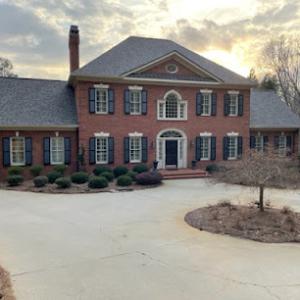
Premier Home Solutions Roofers Of Athens
(706) 206-9677 www.premierhomesolutionsinc.com
1120 Mars Hill Rd Suite #19, Watkinsville, Georgia
5.0 from 139 reviews
9+ Fantastic years in the roofing business. Athens, Clarke /Oconee county roofer working North Georgia and North Atlanta locations. Residential and commercial roof replacement and repairs. Also siding and gutter work. We are Insurance claim specialist that help you get your new roof covered because we know what they look for and what their requirements are. Quality is our top priority. Roof leaks, hail/ wind damage, missing or lifted shingles? Damage can't always be seen from the ground. You may qualify for insurance to replace your roof. Contact for information and a free inspection. References available. We are a GAF Certified Contractor. Warranties available. Only high quality materials are put on your home.
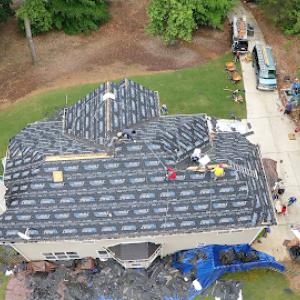
Milledge Roofing Company
(706) 391-6564 www.milledgeroofs.com
2 S Main St #207, Watkinsville, Georgia
5.0 from 90 reviews
Do you need a roofing company in Watkinsville & Bogart, GA area? Milledge Roofing Company offers reliable residential and commercial roof repair, replacement and installation services in Athens, Watkinsville, Bogart, GA and all nearby towns. Hire local roofers today.
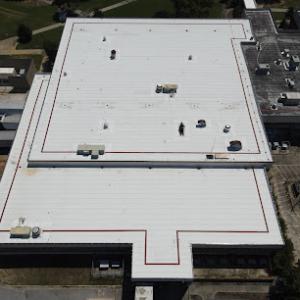
Roof Tech Solutions
(706) 308-4940 rooftechsolutions.net
137 VFW Dr, Watkinsville, Georgia
5.0 from 4 reviews
Roof Tech Solutions is a Commercial and Residential Roofing Company based out of Oconee County, serving Greater Atlanta and Athens area. We specialize in roof repair, roof replacement, roof inspections, gutter services and regular maintenance to extend the life of your roof. We pride ourselves on finding and fixing hard to locate roof leaks the first time around, before it becomes a major repair. Whether your roof is a steep slope shingle roof, a metal roof or a flat roof, with over 30 years of experience in the industry, Roof Tech Solutions has the knowledge, experience and superior workmanship you can trust.Just give us a call for a free estimate. “Protecting what’s inside starts with the outside”.
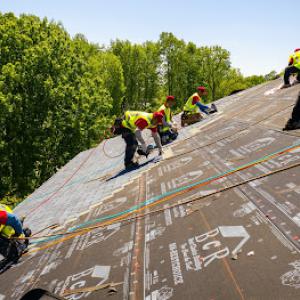
Best Choice Roofing
(762) 216-5417 bestchoiceroofing.com
Serving
4.9 from 73 reviews
Best Choice Roofing is your trusted roofing expert and the Best Choice when it comes to choosing an Athens, GA roofing company with a commitment to impeccable customer service and expert roof replacement, roof repairs, and custom roofing services. Since 2009, Best Choice Roofing’s industry-leading contributions to the roofing industry include a customer-first mentality, a dedication to top-quality products and a leadership team focused on the growth of its people. Because of this framework, we have created a loyal base of customers all over the United States.
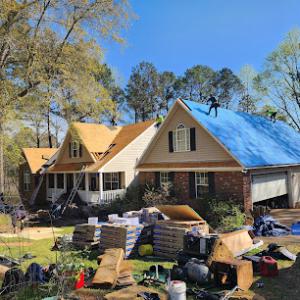
Black Dog Roofing
(706) 342-6285 www.blackdogroofingandgutters.com
Serving
5.0 from 263 reviews
Black Dog Roofing is a top-rated gutter and roofing company in Athens, GA. Our team of highly skilled professionals provides expert roofing installation, repair, and replacement, as well as gutter installation and repair services. We use the highest-quality materials and state-of-the-art techniques to ensure precision and expertise in every project. Contact us today to schedule your free estimate and experience our exceptional customer service.
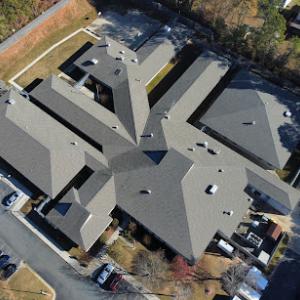
Mission Construction
(706) 647-7466 www.missionconstructionco.com
Serving
5.0 from 82 reviews
Established in Athens, Georgia in October 2021, Mission Construction specializes in residential and commercial roofing services including repair, replacement, installation, and preventative roof maintenance programs. Their construction expertise extends to exterior repairs and concrete repairs. Mission Construction is committed to customer satisfaction and prioritizes honesty, integrity, and fairness in all their projects. They support local missionaries and mission-minded organizations by donating a portion of their profits.
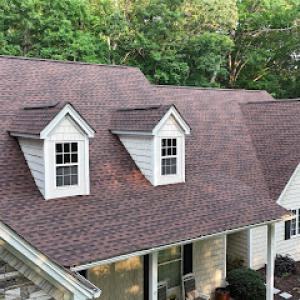
Concept Roofing & Gutters
(706) 612-4386 www.conceptroofingllc.com
Serving
5.0 from 33 reviews
Concept Roofing & Gutters is a trusted roofing contractor serving Athens, GA and surrounding areas. We specialize in roof repair, roof replacement, and gutter installation for residential and commercial properties. Our team is known for quality craftsmanship, honest inspections, and reliable service. Whether you need storm damage repairs or a full roof replacement in Athens, GA, we’re here to help. Contact us today for a free estimate.
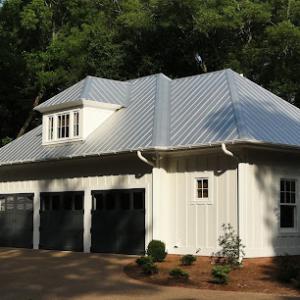
Athens Roofing
(706) 338-0472 athensroofing.com
Serving
4.8 from 76 reviews
Since 1996, Athens Roofing has been providing dependable residential and commercial roofing services to homeowners and businesses in the Athens and Northeast Georgia area. As one of the region's leading roofing companies, Athens Roofing has built a solid reputation by focusing on complete customer satisfaction. Today, Athens Roofing works throughout the region to service a wide variety of roofing needs.
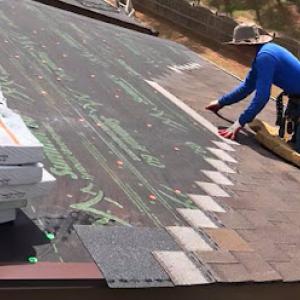
Eastside Roofing
(706) 308-0890 www.eastsideroofs.com
Serving
5.0 from 158 reviews
Whether your roof has seen better days due to natural aging or it’s taken a beating from a recent storm, it’s important to ensure your home is protected from water leaks and damage. Eastside Roofing in Athens, GA, provides home and business owners the peace of mind by offering free roof inspections and thorough repairs and roof replacements when the situation calls for it. If you’ve noticed some of your shingles are lifting or there’s a leak in your home, it’s important to act fast to get these roof repairs completed before the problem worsens. This BBB-accredited team will provide a thorough inspection to find the source of the problem and will work to fix it from all sides.
In this part of Oconee County, the hot, humid summers push asphalt shingles hard. Areas with existing granule loss or attic ventilation that isn't doing its job tend to age more quickly because the sun's UV rays and high heat drive faster surface degradation. Metal roofs handle the heat differently, but you'll still see panels expand and contract with summer thunderstorms if there are fastener or seam issues. The frequent spring and summer storms also mean more repeated wetting and drying cycles, which accelerates underlayment wear and can invite hidden moisture intrusion if flashing isn't solid. In short, Watkinsville roofs experience a harsher aging curve when heat-laden months align with storm events, especially on steeper pitches where sun exposure is intense.
Regular rainfall and those sudden downpours during storm season mean you're often weighing when to replace a roof around wet periods rather than winter snow. That wet-weather window matters: roofing crews perform best with dry days above and below freezing, and moisture on decking during work can slow progress and expose nail holes or seams to more weather exposure. In practical terms, when planning replacement after storm damage, expect shorter windows for full vapor barriers and flashing installation, because a streak of sunny, dry days is the exception rather than the rule. This is why many projects in the area bunch their shingle or metal replacements toward late spring or early fall, when the likelihood of heavy, continuous rain eases and temps remain tolerable for adhesive-driven products.
Mild winters bring fewer prolonged freeze-thaw cycles than colder regions, which helps reduce some brittle failure modes. However, rare winter freezes still matter. Exposed decking and fastener performance can be challenged during active projects if a sudden cold snap hits after decking is exposed and before underlayment and shingles are fully protected. For homeowners, that means you want a plan that prioritizes quick protection during the first cold fronts in late fall and a coherent timetable that minimizes prolonged decking exposure. If a project must pause for weather, ensuring temporary protections and secure trim work prevents wind-driven moisture or ice backing into vulnerable seams.
Living with Watkinsville's climate means you want to catch aging signs early. Look for accelerated granule loss on asphalt shingles after a hot, dry spell followed by a heavy rain, which can push loose granules into gutters and reduce surface protection. Check attic ventilation regularly: even a modest improvement in airflow can significantly slow heat buildup, extending shingle life and reducing attic moisture risks. For metal roofs, inspect seams and fasteners after major storm passages; loose screws and small gaps can become leak pathways when temperatures swing. If you notice unusual heat in the attic or damp rafters after a storm, address it promptly-delays compound wear and can lead to more invasive damage.
Because replacement timing is often tied to wet periods, align your project to the driest possible stretch in late spring or early fall when crews can work efficiently without weather-induced setbacks. For asphalt and metal, ensure substrate prep is thorough: on asphalt, address any granule loss and verify granule adhesion; on metal, test for panel warping and confirm flashing continuity. A thoughtful approach to ventilation upgrades or retrofits can pay dividends in longevity, especially on older homes with signs of attic heat buildup or moisture accumulation. In neighborhoods with steep slopes, prioritize straight, precise shingle alignment and secure fasteners to resist wind uplift after storm events.
Storm damage often exposes underlying vulnerabilities-impaired underlayment, compromised decking, or flashing gaps that weren't obvious before a heavy rain. In Watkinsville, those findings tend to surface soon after a major thunderstorm season, making timely inspections after storms essential. A careful post-storm assessment can differentiate between cosmetic granule shedding and structural concerns, guiding you toward the most durable repair strategy and helping your roof age with fewer surprises in the years ahead.
Asphalt shingles dominate the local roofscape, and for good reason: they're familiar, approachable, and fit the typical steep-slope homes found around Oconee County. In this climate, the heat-humidity cycle tests ventilation, underlayment, and installation quality more than some other climates. If asphalt is your path, prioritize a well-ventilated attic, a sealed and properly lapped underlayment system, and quality starter and ridge vents to encourage airflow on hot, humid days. After a North Georgia thunderstorm, you'll want a roof that dries quickly and sheds water efficiently, so confirm that shingles are installed with uniform seams, correct nail spacing, and no exposed fasteners on the surface. When leaks occur after storms, you'll often trace them to compromised flashing around dormers, vents, or chimneys rather than the shingles alone, so ensure those details were sealed during installation and rechecked during any repairs. In neighborhoods with similar massing and color schemes, sticking with a trusted local installer who understands attic ventilation and shingle compatibility with heat is the best route to longer service life.
Metal roofing has a meaningful local market presence and is often considered by homeowners looking for better performance under repeated rain and storm exposure. In Watkinsville, metal roofs can shed water quickly and resist impact from hail better than standard shingles, which matters after severe spring and summer storms. If choosing metal, pay attention to panel fastening methods and the quality of sealant around edges and through-wall interfaces. Properly installed metal systems require accurate roof-to-wall details and flashing that resists wind uplift. Ventilation remains important, even with metal, to avoid heat buildup in the attic that can accelerate shingle-like degradation of nearby components. For a storm-focused home, metal can offer reduced maintenance cycles, but ensure the roof structure can support the weight and that contractors use corrosion-resistant fasteners in humid conditions.
Clay tile, wood shakes, synthetic/composite shingles, and fiber cement exist in the market but are less common than asphalt and metal. Material choice here is tightly linked to neighborhood style, roof framing capacity, and contractor availability. Clay tile and fiber cement can be heavier, so confirm the rafters and sheathing can handle the load without modification. Wood shakes bring a distinctive look but demand consistent maintenance against moisture and beetle activity, which can complicate leak response after storms. Synthetic/composite shingles aim to mimic slate or cedar while offering improved durability in humid air, but installation quality remains critical. In most Watkinsville blocks, these options are best pursued when the existing roof geometry, attic access, and local contractor familiarity align with the material's installation nuances.
Storm damage in this area often reveals itself as water entry around penetrations or along ridge lines after heavy spring and summer downpours. When leaks appear, document the damage with dated photos, focusing on flashing, valleys, and vent surrounds. If an insurance claim is involved, clear photos of exterior roof features, interior ceiling spots, and any displaced insulation help speed the process. For best results, work with a local contractor who can provide written assessments detailing ventilation, underlayment condition, and flashing integrity after a storm event, and who can translate findings into an actionable repair plan that preserves the roof's intended performance. Although asphalt remains the staple, the choice of material should align with how well the system can handle Watkinsville's thunderstorm cycles, and how realistically the installation supports long-term leak resistance and maintenance.
Explore specialists in steel, aluminum, and standing seam metal roofs built to last 50 years or more.
ProShield Roofing
(678) 635-9403 proshieldroofing.net
1071 Jamestown Blvd # D3, Watkinsville, Georgia
5.0 from 323 reviews
Milledge Roofing Company
(706) 391-6564 www.milledgeroofs.com
2 S Main St #207, Watkinsville, Georgia
5.0 from 90 reviews
Roof Tech Solutions
(706) 308-4940 rooftechsolutions.net
137 VFW Dr, Watkinsville, Georgia
5.0 from 4 reviews
For a full roof replacement in Watkinsville, a building permit is typically required through Oconee County rather than a separate city-only roofing process. The process hinges on the county's building department, so your first step is to verify your project with that office before any shingles come off or new underlayment goes on. The county uses standard permit applications for steep-slope roofs, and having the correct paperwork in place helps avoid delays if a thunderstorm rolls in mid-project.
The contractor commonly submits the permit to the county building department, not the homeowner. This helps ensure the submission includes the required drawings, roof type, and framing considerations for Oconee County's inspection criteria. Keep a copy of the permit and any approvals on site during the project, and make sure the contractor understands the local expectations for inspections as the work progresses.
Inspections occur after work begins and a final inspection at completion. Local inspectors focus on installation details that matter in this climate-proper flashing around chimneys and vents, adequate attic ventilation to manage heat and moisture, and the integrity of decking and underlayment. This is especially important in spring and summer when sudden storms can test water barriers. Expect at least one interim inspection during critical phases, such as after roof deck installation and after underlayment before shingles go down.
Processing can range from a few business days to a couple of weeks depending on department workload. Weather windows matter here; a dry spell helps the inspection line stay clear. If the project faces weather-related delays, keep the county informed through your contractor so inspections aren't left waiting unnecessarily. Planning ahead with the permit timeline helps you minimize exposure to leaks and keeps the project moving smoothly.
For asphalt shingles, expect roughly 320 to 560 USD per square. Metal roofing sits higher, in the 700 to 1100 USD per square range. Clay tile is typically 900 to 1500 USD per square, while wood shingles or shakes fall around 550 to 900 USD per square. Synthetic or composite options run about 500 to 900 USD per square, and fiber cement shingles come in around 420 to 800 USD per square. These figures reflect Watkinsville pricing patterns, where steep-slope homes and common asphalt or metal systems keep typical bids tight within these bands. If a contractor suggests a material outside these ranges, ask for a line-by-line breakdown so you can compare apples to apples later when storm-season demand eases.
Spring and summer storms drive a lot of activity in this area. When hail or strong winds sweep through, several homes can need roof work within a short window, which compresses scheduling and can push prices higher, especially for crews who are already booked. If you're weighing bids after a severe storm, expect some variability in lead times and a few firms offering faster start dates paired with a premium for expedited service. Factor in that the first good window after a storm may come with higher demand-driven costs, so plan for slightly longer lead times and a reserve budget to avoid rushed decisions.
Final cost is rarely the sticker price alone. Decking repairs are a common finding once tear-off begins, and in this area that can nudge the total upward, particularly on older homes with compromised underlayment or warped boards. The steep slope common to many homes here adds to labor time and safety considerations, which can modestly raise both material handling and crew daylight hours. If existing roof geometry includes complex intersections, chimneys, or vents, expect more flashing and detailing work, which also moves the bid away from the base material cost. When comparing bids, verify whether decking, underlayment, and flashing are included as line items, and confirm how any discovered repairs will be priced if they arise during tear-off.
Begin with the base material range for your preferred system, then build in a contingency of about 5-15% for storm-season scheduling pressure and potential decking repairs. If the bid is notably below others, ask for a justification: is it a lighter square-foot price, or are some components left out (underlayment, waste disposal, or flashing)? Conversely, a higher bid might reflect faster scheduling, extended warranties, or premium materials; weigh these against your long-term needs and the typical weather pattern in your neighborhood. In practice, you'll often end up selecting a material that balances price, durability, and the likelihood of a rapid, storm-season re-roof without compromising the decking and flashing integrity.
Get a clear picture of your project costs upfront - no commitment required.
Roof Tech Solutions
(706) 308-4940 rooftechsolutions.net
137 VFW Dr, Watkinsville, Georgia
5.0 from 4 reviews
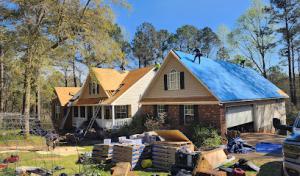
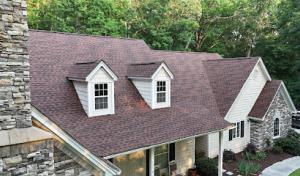
In Watkinsville, the Georgia storm season brings more wind and hail days than some nearby towns, and insurers know that. After a severe outburst, detailed roof-condition records are often the difference between a smooth claim and a drawn-out dispute. When insurers see a well-timed photo journal and a simple timeline, they understand the damage pattern and urgency without guessing. This is especially true after a spring or summer storm when rain can leak through temporary fixes and obscure key evidence.
Damage evidence should be collected quickly, while the memory of the event is fresh and before any temporary repair changes the roof's appearance. Start with wide shots of the entire roof, then zoom into damaged areas, edge tiles, vents, and flashings. Include photos showing gutters, downspouts, and any interior signs of water intrusion on ceilings or attics. Note dates of storms and any immediate steps taken, such as tarping or temporary patching. Keep a simple log that pairs each photo with a location and brief description.
Documentation of pre-loss conditions matters. If the roof has prior wind-related damage or repairs, gather old inspection notes, contractor reports, or maintenance records. Insurers consider prior damage history and mitigation details when evaluating a claim, so having a baseline helps demonstrate what was addressed and what is new damage from the recent storm. For best results, create a steady, chronological archive rather than scattered notes across devices.
Store copies of all photos and reports in a cloud folder labeled by year and storm event. Share the folder with the insurer and the contractor when requests come in, and keep backups of every communication. If a claim is filed, insist on a thorough, itemized assessment that matches the observed damage on the roof and any interior signs. A careful, locally accurate record can prevent frustrating delays and help reach a fair settlement more quickly.
Connect with contractors who help homeowners navigate the claims process from damage assessment to final approval.
ProShield Roofing
(678) 635-9403 proshieldroofing.net
1071 Jamestown Blvd # D3, Watkinsville, Georgia
5.0 from 323 reviews
Atlas Roofing & Restoration
1431 Twin Oaks Trail, Watkinsville, Georgia
5.0 from 145 reviews
Premier Home Solutions Roofers Of Athens
(706) 206-9677 www.premierhomesolutionsinc.com
1120 Mars Hill Rd Suite #19, Watkinsville, Georgia
5.0 from 139 reviews
In Watkinsville, spring storms and heavy rain can stretch across several days, which often delays tear-off and increases moisture exposure risk during replacement. If a weather window opens, plan for a faster, staged approach rather than a long, continuous tear-off. Have tarps and drip edges ready to protect nearby landscaping and siding, and confirm the crew's ability to cover openings quickly if a downpour starts. Schedule around forecasts that show consecutive dry days, and be prepared for a sudden rain delay that shifts work to temporary interior protectors and moisture management strategies.
Summer heat combined with afternoon thunderstorms can shorten productive work windows and affect material handling on exposed roofs. Prioritize roof work for mornings when temperatures are cooler and winds are steadier. Communicate clear turnaround expectations with the contractor for material staging, especially in steep pitches where heat can impact shingle to nail interactions. If a storm rolls in, have a plan for securing exposed underlayment and battens and resuming work as soon as drying conditions return, avoiding exposed decking during peak sun and rain cycles.
Fall often offers workable conditions but still brings sporadic rain. Use the opportunity to complete high-risk tasks first, such as roof decking inspection and nailing through underlayment, when skies are stable. Keep a contingency buffer for late-season showers and wind events, and ensure crews have reliable access to drainage and debris management. Fall's cooler days help with comfort and safety, but quick rain bursts can interrupt progress, so coordinate a flexible schedule that can absorb sudden pauses.
Rare winter freezes can complicate decking evaluation and fastening during installs. If temperatures approach or dip below freezing, postpone critical fastening work and focus on non-critical tasks that can tolerate cold conditions. When a cold snap breaks and days look dry, recheck decking integrity and ensure fasteners are set to the correct standards once conditions are safe. A cautious, weather-aware plan minimizes the risk of decking damage and rework during the season.
Oconee County final inspections specifically checking flashing and ventilation reflects how often edge details and penetrations determine whether a roof performs well in repeated rain events. In many Watkinsville roofs, the edge line along the eave and rake is where storms leave the lasting trace if flashing is aged, misaligned, or not properly integrated with the underlying decking. Pay attention to corner trims, step flashing at each seam, and the transition from roof to fascia. Small laps or gaps here can become big leaks after a heavy downpour.
Local contractor market signals show recurring demand for chimney-related roof work, suggesting flashing transitions around masonry penetrations are a practical concern in this area. Chimneys, masonry walls, and vent pipes demand durable flashing that can handle seasonal expansion and contraction. If you notice rust stains, loose shingles near a chimney, or damp spots trailing down the brickwork after storms, that's a sign the flashing may be failing and needs professional resealing or replacement.
Skylight-related service is active but not dominant in Watkinsville, making it a secondary leak source that still deserves attention after storms. Look for condensation on the glass, impaired curb flashing, or water entry at the edges where the skylight meets the surrounding roof. After a thunderstorm, a quick exterior inspection around skylights can reveal raised shingles or worn seals that might let moisture travel inward during the next round of rain.
After each heavy rain, walk the perimeter with a flashlight at dusk if possible. Look for damp patches on ceilings in the attic, displaced shingles, or pooled moisture along edge flashings. Addressing these issues promptly helps prevent costly interior damage and preserves the roof's performance through Georgia's frequent spring and summer storms.
Find contractors experienced in skylight installation, flashing, and leak repairs to bring natural light into your home.
Warranty offerings appear with meaningful frequency in the local roofing market, and that matters because repeated spring and summer thunderstorm exposure makes workmanship details more consequential over time. A straightforward warranty helps you track what is covered if a leak or flashing issue appears after a heavy storm. In this climate, small gaps and imperfect sealants can become noticeable quickly, so understanding what a contractor guarantees for the long haul is practical protection.
In a market dominated by re-roofing and quick-response contractors, homeowners should distinguish between manufacturer material coverage and the installer's workmanship commitment. Manufacturer coverage typically guarantees the integrity of the shingles or panels themselves for a defined period. The installer's workmanship warranty covers the precision of installation-how flashing, ventilation, fasteners, and underlayment were applied. For Watkinsville homes with steep slopes and mixed climates, both layers matter: material defects may be rare, but improper installation can lead to leaks well before a material warranty expires.
Final county inspection does not replace the need for a clear written warranty covering flashing, ventilation-related corrections, and leak callbacks. Ask for a documented workmanship warranty that explicitly covers flashing details, attic ventilation integration, and a scheduled protocol for identifying and addressing leaks that show up after storms. Ensure the warranty spells out what triggers a callback, the expected response time, and any exclusions tied to unusual attic conditions or previous repairs.
When storms arrive, you want a plan you can rely on. A solid warranty should outline how follow-up service is requested, who handles it, and how long the contractor commits to remaining responsive after a storm event. In practice, you should receive a written summary of what was installed, where flashing was placed, and how any ventilation-related work is safeguarded against future moisture intrusion. This keeps you aligned with the contractor's commitments long after the initial project is complete.
In this area, flat-roof specialization exists but is not the dominant market, indicating that low-slope sections are more often found on additions, porches, and mixed residential-commercial properties than on the main roof plane of most homes. Regular spring and summer rainfall means those low-slope areas are among the first targets for leaks after a storm, so appreciating how these pieces fit with steeper shingle roofs is essential in any replacement plan.
Watkinsville homes frequently pair a steep main roof with a low-slope addition or porch. Transition points where the flat or near-flat section meets the steeper shingle roof deserve extra scrutiny. Mixed layouts-homes with small commercial touches or detached structures-para-dress the local contractor mix, so a firm with experience handling both residential and light commercial details can be especially helpful. Expect to find low-slope areas around skylights, dormers, and roof-to-wall transitions that catch runoff from the steeper sections.
During storms, pay extra attention to the flashing where low-slope sections meet steeper roofs. Look for edge terminations, loose seams, and pooled water that lingers after rain. Regular inspection should include the underside of eaves near these transitions for signs of moisture intrusion or condensation buildup in attic spaces. Keep drainage pathways clear and verify that scuppers or drip edges are secure, as blockages in Watkinsville's rainfall pattern can worsen slow leaks.
When replacing or renewing a low-slope area, prioritize a coherent membrane solution that integrates with the adjacent steep-slope system. Ensure flashing, seam treatments, and drip edges are matched to the main roof's materials to minimize mismatches at transitions. For mixed layouts, choose a contractor comfortable with both residential shingles and compact flat- or low-slope installations to maintain a seamless, weather-resistant envelope.
Because commercial roofing activity is meaningful locally, some Watkinsville firms can handle these mixed-scope layouts confidently. Confirm experience with both the low-slope section and its connection to the main roof, and request detailed plans for flashing details, drainage, and warranty terms that cover the entire system, including transitions.
Find specialists in TPO, EPDM, and built-up flat roofing systems for residential and commercial properties.
Findlay Roofing
(706) 989-8037 www.findlayroofing.com
1071 Jamestown Blvd Ste 603, Watkinsville, Georgia
5.0 from 166 reviews
Roof Tech Solutions
(706) 308-4940 rooftechsolutions.net
137 VFW Dr, Watkinsville, Georgia
5.0 from 4 reviews