Last updated: Apr 19, 2026
Antioch homeowners face a two-part roof risk pattern: winter snow and freeze-thaw conditions that can back water up at eaves, followed by spring hail and strong thunderstorms that can damage shingles soon after winter. That means you are dealing with moisture intrusion first from ice damming, then from wind-driven hail and saturated patches that can compromise the roof surface within days after a storm. Stay alert as the season shifts from snow to thaw to storm to warm-up, and plan for rapid assessment and quick temporary fixes when damage is spotted.
Because Antioch sits in far northern Illinois near the Wisconsin line and the Chain O'Lakes area, roofs here are exposed to colder winter stretches than many inner-ring Chicago suburbs, increasing concern about ice damming and moisture intrusion. As snow piles on and melts, water can back up at eaves where soffits and gutters meet the roofline, potentially seeping under shingles and into the attic. Freeze-thaw cycles can widen underlayment gaps and ridge lines, letting moisture travel where it shouldn't. Your plan should prioritize keeping an ice dam from forming and preventing water from penetrating into living spaces.
Local contractor demand signals strongly center on storm damage, insurance claims, and emergency repair, showing that post-storm assessment and temporary leak control are a major part of the real roofing market in Antioch. After a hail event or a severe thunderstorm, do a rapid exterior check from the ground: look for missing shingles, dented metal edging, lifted flashing, and granule loss along gutters. If you notice water staining in the attic or visible daylight in the attic roof deck, treat it as urgent. Temporary measures-like placing a tarp over a damaged section and sealing obvious leaks with roof-approved materials-can keep interior damage from escalating while awaiting a professional inspection. Do not delay calling a local roofer who understands the unique seasonal sequence here and can schedule site visits quickly after a storm.
In this market, a quick after-storm assessment matters. Photograph all affected areas, especially ice dam locations and any visible mastication where shingles show wear or hail impact. Keep a simple storm diary noting date, time, wind direction, and rainfall intensity. Insurance documentation hinges on timely, detailed records. If a roof leak appears or accelerates after a thaw or hail event, arrange for a certified inspector to confirm damage types-ice damming, wind-related shingle uplift, or flashing failure-and to distinguish pre-existing wear from new storm damage. Scheduling a professional evaluation within the first 24 to 72 hours after a storm yields the strongest insurance-support position and helps you lock in temporary leak-control services sooner.
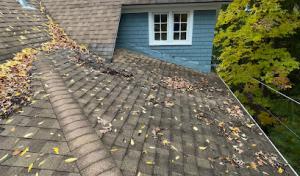
Watch for new ice dams along the eaves during thaws, damp patches in the attic, weeping stains on ceilings below the roof line, and sudden granule loss on shingles after a hail event. If rolling or loose shingles are present, or if gutters sag under old ice and snow load, treat this as urgent. Your goal is to arrest moisture intrusion before it migrates to insulation and framing, and to ensure that after a storm the roof has a plan for secure temporary measures while permanent repairs are arranged. Acting quickly now minimizes the risk of long-term interior damage and more complex repairs later.
A&M Roofing
(844) 277-5423 www.amroofing.info
301 Main St Ste 102, Antioch, Illinois
4.9 from 52 reviews
A&M Roofing provides roofing, gutters, siding, windows, and storm damage services to Southern WI and Northern IL.
Perkins All-Star Exteriors & Construction
(847) 838-9331 www.perkinsallstar.com
425 Lake St Unit F, Antioch, Illinois
4.5 from 27 reviews
Perkins All-Star Exteriors & Construction is your one-stop-shop for all of your needs. Whether it is Residential or Commercial. Perkins All-Star has the professionals to complete your Roofing, Siding, remodel or even additions. Perkins All-Star Exteriors & Construction is licensed in Illinois and Wisconsin, serving the northern suburbs of IL and southern Wisconsin for over 30 years.
TW Roofing
(847) 561-5931 twallaceroofing.wixsite.com
24126 W Bayview Rd, Antioch, Illinois
5.0 from 3 reviews
TW Roofing is a locally owned and operated company with more than 35 years of successful experience in Northern Illinois and Southern Wisconsin. We know the roofing business, if you want the job done right come to us. TW Roofing is Fully Insured, & Bonded.
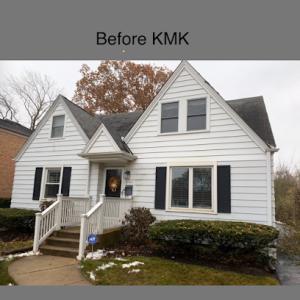
KMK Residential
(847) 752-4022 www.kmkrrinc.com
Serving
4.7 from 107 reviews
Our Business is making the exterior of your home beautiful again. We provide new full replacement on roofing, siding, all other exterior coverings, and window installation. We are your one stop exterior contractor top to bottom of the house! Give us a call for free quote on your project whether it be Roofing,Siding,Windows, gutters, exterior trim or all of the above. We also do smaller exterior repairs and interior repairs such as drywall,painting,carpentry too!
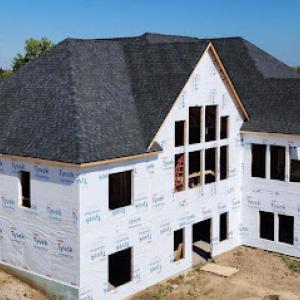
Roofs by Wayne
(262) 298-7022 roofsbywayne.com
Serving
5.0 from 25 reviews
Locally owned and operated! Wayne is a hands on type of business owner that always makes himself available to all customers. Whether it’s Wayne himself or one of our crew members, he is always just a phone call or quick text away
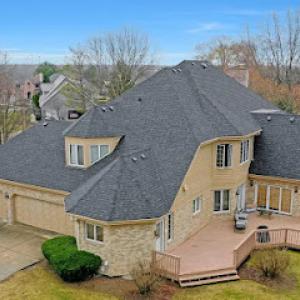
Sergio Esco Construction
(847) 477-0962 sergioescoconstruction.com
Serving
4.6 from 36 reviews
Sergio Esco Construction has been a trusted name in roofing, siding, windows, doors, and interior remodeling for over 20 years. Based in Round Lake Beach, IL, we proudly serve Chicago, the Northwest suburbs, and the Southwest suburbs, including Naperville, Hinsdale, and Barrington. Our expert team specializes in durable roof replacements, seamless gutters, energy-efficient windows, and custom interior renovations to enhance and protect your home. Whether you need a new roof, kitchen remodel, bathroom update, or siding installation, we deliver quality craftsmanship and unmatched customer satisfaction. We also have a 24/7 emergency line for any home damage it goes directly to our insurance claim division.

TZ Roofing Company
Serving
4.8 from 20 reviews
TZ Roofing Company is a leading provider of high-quality roofing in Chicago. Since day one, we have specialized in working with the most experienced and well-qualified roofing contractors to offer a full array of excellent services. Whether you’re looking for re-roofing, roofing repair, installation, or general maintenance, our roofing contractors have the know-how and the skill to get it done. Our services are more affordable than other roofing companies, as well, including our huge selection of styles and materials. Our roofing contractors will help you find exactly what you’re looking for. At TZ Roofing Company, we pride ourselves on our excellent customer service, as well.

Hetman Enterprises
(847) 796-8710 hetmanexteriors.com
Serving
4.8 from 67 reviews
At Hetman Enterprises, we're dedicated to providing quality home improvement services in the Gurnee area. From siding and gutters installation to window and roof replacement, we can help you get your home or business looking the way you want it. Our goal is to provide superior service at competitive rates, and we do our best to ensure that each customer's needs are met. We take pride in our ability to deliver quality work. We understand that your home is an investment and we want to ensure that it stays safe when it comes to weathering the elements. We have been trained by some of the best professionals in their field so we can offer our customers the best quality workmanship and installation available.
SkyRise Roofing Contractors
(224) 225-0454 roofingfoxlake.com
Serving
5.0 from 26 reviews
SkyRise Roofing Contractors is your top choice when it comes to your roof installation in Fox Lake. Thanks to our many years of practice, we are proud to call ourselves specialists in roofing area. We offer various kinds of roofing so as to every customer can find something proper. Shingle, Cedar Shake or Metal roofing - it depends only on you which of them will be the final choice. Our company serves you with both residential and commercial roofing in Fox Lake. Our mission is to provide you also with professional roof replacement in accordance with the highest standards. Expert roofing contractors in Fox Lake wait for your call. We are ready to serve you with any roofing job that you already need.
Rogan’s Construction
Serving
5.0 from 23 reviews
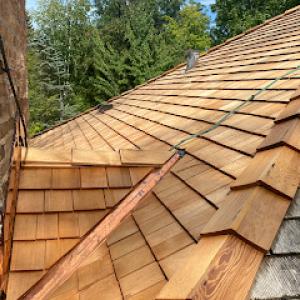
cedar shake roofs Davinchi roofs, asphalt roofs , gutters, metal roofs , siding, exteriors painting, fence work , decks , windows, trims, wood flooring, tile work, snow plowing (residential)
D & H Construction Management
Serving
5.0 from 15 reviews
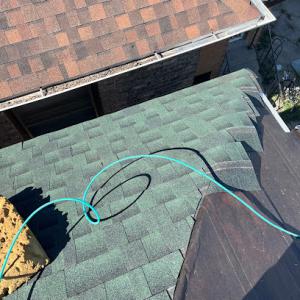
D & H Construction Management has over 20 years in the roofing and construction business. We are a GAF Certified roofing company, and have built our business on three values: quality, fairness, and doing exactly what we say we will. With us, you can expect nothing but the highest quality of materials and craftsmanship.

Correct Roofing & Construction
(847) 740-2450 www.correctrc.com
Serving
4.8 from 71 reviews
We are the local experts in roofing and home improvements with over 30 years of experience. We provide roofing, siding, windows, painting and more to Lake County, Cook County, McHenry County & Southern Wisconsin. Call us today for a free estimate!
Replacement work in this area is typically pushed into spring through early fall because cold, snowy winters can interfere with shingle sealing and make tear-offs riskier. The edge-of-chain lakes setting means roof systems face extra moisture and freeze-thaw cycles, so waiting for a milder stretch reduces the chance of a rushed job that invites future leaks. When planning, think of the thaw as the practical starting line: once the snow is gone and the ground is workable, crews can move efficiently without tracking water indoors or dealing with frozen fasteners. If a project drifts into late fall, there's a higher chance of early-season weather surprises, so a firm plan with a weather buffer helps.
Spring in this corner of the metro area comes with a built-in calendar of hail and thunderstorm activity. That means two realities for scheduling: ideal installation conditions and surge demand after storms. If a roof shows signs of significant aging or prior hail impact, the window waits for a stretch with dry days and moderate temperatures, but you may still face competition for crew availability in the weeks after a major weather event. To navigate this, prioritize inspections soon after the last major storm of the season, so you can distinguish between weather-induced damage and pre-existing wear. Having a concrete backup date with a chosen contractor helps keep the project from being squeezed into a narrow, unpredictable weather slot.
Summer heat and UV exposure in this area can accelerate shingle aging, making late-summer inspections useful for roofs that made it through winter but may have hidden granule loss or heat-related wear. If a replacement is on the books, plan for a mid-to-late-summer check that confirms decking integrity, flashing condition, and attic ventilation. Poor attic ventilation compounds heat stress, especially on older stock mixed with newer overlays. For homes that endured a harsh winter and a spring hail event, a summer review helps identify subtle issues-like discoloration, curled edges, or granule loss-that might not have been evident during fall walk-throughs.
Start with a two-step planning approach: first, secure a preferred replacement window based on typical weather patterns-prefer spring or early fall when rain is less likely and temperatures are moderate. Then build a short list of trusted local contractors who understand the area's mix of older homes and newer overlays. Reserve a firm start date with a contingency buffer of two weeks to accommodate late-season storms or an unexpected cold snap. Schedule a preliminary inspection during the shoulder seasons-late winter or early spring-so that any cold-weather damage, ice dam indicators, or moisture seepage can be documented before the heavy spring rains begin.
Because ice damming is a frequent concern after snowy winters, focus onmenting eaves and overhangs for insulation and ventilation improvements as part of the plan. When documenting storm damage for insurance purposes, take clear photos from multiple angles, note date and time, and capture any deflection, missing flashing, or granule loss visible on the shingles. Keep records of prior repairs and ice-dam indicators, as they help establish the extent of damage and the necessity for a full replacement rather than a patch. If weather disrupts the start, don't abandon the project; instead, set a precise contingency date and keep communication open with the contractor about early mobilization as soon as conditions improve.
Asphalt shingles dominate practical re-roofing in this market because they fit the mainstream housing stock and are easier to replace after hail and wind events than heavier specialty systems. In areas where you'll see varied roof lines and older homes with mixed ages, asphalt offers straightforward patchwork repair and predictable performance. When selecting shingle types, look for high-wind and impact-resistant options that balance durability with ease of maintenance. Proper attic ventilation remains essential to prevent moisture buildup under the shingles, which is particularly relevant after heavy winter melts and spring thaws that push the dew point toward the attic airspace. In storms, quick recovery from impact and simpler roof-life management translate into fewer complications on both repair timelines and insurance documentation.
Cedar shake remains locally relevant in the market signals, which matters because older or more distinctive homes in this part of Lake County may need contractors familiar with wood-roof weathering, ventilation, and selective repair. Cedar offers a traditional look that pairs well with rustic or cottage-style homes and can shed snow more effectively in certain configurations. However, wood roofs demand vigilant maintenance: regular inspections after winter snow and spring hail, prompt replacement of damaged shakes, and attention to soffit and ridge ventilation to prevent moisture entrapment. When choosing cedar, consider fiber or synthetic coatings that extend service life in moisture-prone microclimates, and align fastener and underlayment choices with a roofing contractor who understands cedar's expansion and contraction with temperature swings. Proper sealing around vents and chimneys reduces ice-dam risk in the colder months and helps maintain a longer, more uniform surface life.
Metal roofing is active but still secondary in Antioch, often appealing to homeowners focused on snow shedding, durability, and longer-term performance through repeated freeze-thaw and thunderstorm cycles. Metal stands up well to hail relative to some shingles, and its reflective surface can help with attic heat gain in milder seasons. For homes where a lighter reroof is desirable or where a steep pitch could benefit from metal's shedding properties, panels or standing-seam options are worth evaluating. The trade-off is a higher initial investment and the need for precise installation to avoid panels loosening in heavy wind events. If choosing metal, insist on a contractor with experience in snow-load considerations, proper sealant detailing at intersections, and integrated ventilation strategies to prevent condensation within the attic.
Across all materials, the patterns of winter snow followed by spring hail emphasize a consistent focus on moisture management. Ensure attic and roof deck ventilation is balanced to prevent ice damming and to maintain shingle longevity, especially for asphalt and cedar configurations. Regular inspections after severe weather help identify micro-cracks, lifted edges, and fastener corrosion before they escalate. When selecting a material, pair it with a plan for seasonal inspections and a reliable local contractor who can tailor a maintenance schedule to the year-round freeze-thaw and storm cycles typical of this locale.
In this Chain O'Lakes area, storms in spring and after winter hail can tighten scheduling and labor availability. When a hail event hits northern Illinois, crews swing from routine maintenance to urgent repairs, and that shifts pricing up for several weeks. You'll often see higher mobilization fees, shorter lead times, and experienced crews prioritizing storm damage work over standard re-roofs. If your project can wait a few days after a storm, you may avoid the day-rate premiums that show up with rush jobs.
The local market spans standard asphalt to cedar, metal, and occasional tile systems, each with distinct labor needs. Asphalt shingles stay the most economical, but even here, you'll see variability tied to seasonal demand and the contractor's backlog. Metal roofs demand specialized crews and longer lead times, which can push the project from a single-week window into a multi-week schedule. Cedar and tile bring heavy handling, added deck considerations, and often stricter weather windows for installation.
Older homes can incur extra costs when decking repairs, flashing updates, or minor plan review documentation are triggered during a full re-roof. If the deck shows moisture damage, or flashing around chimneys and skylights needs upgrading, expect additional materials and labor. Insurers sometimes require updated flashing or underlayment details for storm claims, and those steps can influence both timing and price.
Asphalt replacements typically anchor projects, with other materials moving the total by a wider margin when storm-driven demand is high. You'll see cost swings not just from the chosen material but from scheduling, crew availability, and any added edge work to improve ice-dam resistance. Track weather patterns and hail reports, and build a contingency for unexpected decking or flashing work. In practice, get a few bids, confirm weather windows, and ask about storm surcharge policies. A transparent scope that covers underlayment, flashing, and ice-dam barriers tends to limit disputes after winter claims.
Get a clear picture of your project costs upfront - no commitment required.
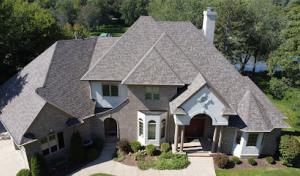
A full re-roof in this community generally requires a permit issued through the Village building department rather than being treated as informal maintenance. If you overlook the permit step, you risk delays, fines, and the need to halt work until paperwork catches up. The local focus on flashing, venting, and proper connections means a permit isn't just paperwork; it signals that the project will be reviewed with the neighborhood's climate realities in mind-snow, moisture, and wind exposure among them. Treat the permit as a binding part of the job, not an afterthought.
The permit review can introduce scheduling constraints, especially when several homes share the same storm season window. In this jurisdiction inspections are typically scheduled after completion, with attention on flashing details, venting arrangements, and compliance with local requirements. If structural connections are altered, on-site checks may be added to verify that the roof still ties correctly to bearing walls and attic systems. For older homes, plan for the possibility of minor plan review or extra documentation depending on project scope; that can slow the pace before work starts but helps avoid surprises once the crew is on site.
Inspection focus centers on ensuring the new roof meets local standards for weather-resilience and proper installation practice. Expect a representative to verify underlayment quality, ice-dam prevention measures in vulnerable valleys, and proper chimney and vent terminations. If the project includes alterations to rafters or attic access, inspectors may perform additional checks for safe, code-compliant connections. A clear, accurate submittal packet that reflects the actual work installed helps keep the process smooth and reduces the chance of follow-up visits.
Older homes can trigger extra scrutiny, which can affect scheduling before work starts. If the project touches historic details, retrofitting, or repair of degraded sheathing, be prepared for additional documentation and possibly longer lead times. The goal is to ensure that storm resilience remains intact in areas prone to winter snow and spring hail, without compromising the structural integrity of aging framing. Treat every inspection as a step toward long-term peace of mind rather than a hurdle to clear.
After a harsh winter and spring storms, adjusters in this area often scrutinize prior claim history, roof photos, and contractor notes. When a hail or wind event hits, the goal is to separate new storm-created damage from pre-existing wear. If a roof has already weathered multiple seasons, the line between original condition and subsequent damage can become blurry. You should expect the adjuster to review past maintenance records and any prior repairs with a careful eye, and to look for consistency between photos and notes from both you and the contractor.
Older roofs commonly shown in this market develop wear along valleys, eaves, and vent openings. In practice, that means storm-related damage may be found alongside long-standing granule loss or flashing deterioration. The risk is that what seems like new damage could be misclassified as pre-existing wear, or vice versa. Document every issue you observe after a storm, and be prepared to explain background conditions if an adjuster questions whether a problem existed before the event.
Proper flashing and venting matter beyond performance: workmanship quality can influence how issues are viewed during review. In this climate, poor flashing at chimneys, skylights, and roof-to-wall transitions invites water intrusion that might be attributed to storm activity or to installation flaws. If a repair is made, insist on high-quality flashing details and venting accuracy, and keep records of the methods used. Accurate notes and clear photos showing flashing terminations, sealant choices, and vent clearances can significantly affect the adjustment discussion.
After a hail or wind event, collect current photos of the entire roof, close-ups of damage, and notes from any contractor assessments. Include dates, the specific locations of damaged areas, and explanations of how each issue developed. This documentation helps support your case during the insurance review and clarifies the distinction between storm damage and existing wear on an aging roof.
Connect with contractors who help homeowners navigate the claims process from damage assessment to final approval.
A&M Roofing
(844) 277-5423 www.amroofing.info
301 Main St Ste 102, Antioch, Illinois
4.9 from 52 reviews
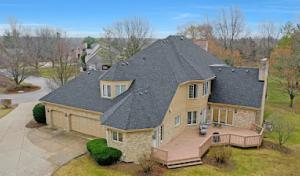
You are most likely to encounter flashing transitions that were standard decades ago but aren't common in newer subdivisions. In practice, that means corroded step flashing at dormers, chimney penetrations, and wrap-downs where the roof meets a wall. When re-roofing older assemblies, documentation needs become part of the project-photos of prior details, notes on underlayment continuity, and any past repairs that affect how the new system should be installed. Expect more careful coordination with the existing deck and gutter systems to prevent hidden leak paths from re-emerging after a replacement.
Skylights show up more often in Antioch's contractor market than in newer areas, and their penetrations are a focal point for leaks. Consider how surrounding flashing, curb height, and flashing boot transitions integrate with the new roof surface. Replacement coordination is common, so ask your contractor to review flashing continuity, curb sealing, and shingle-to-flashings interface. A well-planned skylight detail reduces the chance of a moisture pathway forming along a previously vulnerable seam.
Where structural connections are modified on older homes, a simple shingle swap may not be enough. Expect additional inspection attention to verify decking integrity, joist alignment, and roof-to-wall connections. If rafters or bearing points have been altered, the project may require adjustments to reinstate proper loads and ventilation. This is more than cosmetic; it affects long-term performance against snow loads, ice damming, and moisture intrusion.
Keep thorough records of any changes to roof details, including photos of transitions, skylight installations, and modified connections. These notes help with insurance documentation after winter storms or spring hail and support any future repairs. When storms test a roof, clear, dated documentation makes it easier to verify what was originally installed versus what was added or repaired.
Find contractors experienced in skylight installation, flashing, and leak repairs to bring natural light into your home.