
Last updated: Apr 19, 2026
In this market, hail and wind events are not seasonal curiosities-they're frequent, high-impact events that trigger insurance activity and surge demand for local roofs. When a hailstorm rolls through, you'll see quick upticks in roofs needing inspection, and a rapid shift from "possible" to "must-do." The best defense is a prompt, documented assessment from a trusted roofer who understands how insurers evaluate storm damage: looking beyond a cosmetic bruise to hidden damage in edges, flashing, and underlayment. If you've got a suspected impact dip or granule loss, don't wait for a long inspection window or a harsh weather lull to schedule an appointment. In the days after a hail event, moisture can seep into micro-cracks and flashing seams, evolving into bigger issues that complicate a claim or stretch out a repair timeline. Your goal is to secure a clear scope of work and a realistic replacement plan before the next storm season adds pressure on approvals, scheduling, and material availability.
Cold winters in this area mean storm-damaged roofs can worsen quickly due to ice damming and repeated expansion at flashing and shingle edges. Freeze-thaw cycles push water under shingle overlaps and at flashing joints, which accelerates deterioration and can compromise attic ventilation and underlayment. The risk isn't just surface damage; it's structural and attic-level moisture intrusion that becomes more expensive to remediate if left unchecked. When a roof shows hail impact, plan for a meticulous evaluation of flashing integrity, valley and drip-edge conditions, and any metal components that may have been bent or loosened. A proactive approach now minimizes the chance of ice dam-related water intrusion later, saves disruption during the core repair window, and supports a cleaner, longer-lasting installation once replacement work proceeds. If the roof has already endured several freeze-thaw cycles since the storm, treat any sealant failures or edge separations as urgent flags that require attention before sealing performance deteriorates further.
Late spring through early fall is the practical replacement window in this market because winter snow, ice, and low temperatures can delay tear-offs and affect sealing performance. Planning around this window helps ensure proper ventilation after installation, optimal shingle adhesion, and reliable flashing sealing. The timing strategy should prioritize completing inspection, securing approvals, and coordinating with installers before the mid-summer schedule fills up. If a claim is in play, align your roofer's timeline with the insurer's processing cadence, but keep room for contingencies if weather or material backorders arise. Prioritize a phased plan: begin with the most compromised sections, ensure proper roof ventilation and underlayment installation, then schedule the full tear-off and replacement during optimal dry spells. A well-timed approach reduces exposure to late-season cold snaps that can stress new seals and edge materials, and it minimizes the risk of returning moisture after the job is deemed complete. Communicate clearly with neighbors about progress, especially during peak weeks, to avoid street-level delays and ensure access for equipment. By coordinating thought-out sequencing with weather forecasts and claim timelines, you protect the roof's performance through next winter's freeze-thaw cycle and set up the new system for durable, long-term protection.
Asphalt shingles remain the dominant lower-cost option, typically ranging from about 350 to 700 USD per square in this market. That broad spread reflects variations in underlayment choices, warranty levels, and the specifics of including ventilation and flashing upgrades when needed. If a homeowner is balancing budget with reliability, asphalt can deliver solid protection for a standard gable or hip roof without pushing the project into higher prices. When storm activity or roof age pushes toward a full replacement, the price ladder tightens toward mid-range options like synthetic shingles, which generally run 700 to 1200 USD per square, and then up to metal, tile, or specialty products that escalate quickly from there. Metal roofing sits higher, typically 900 to 1700 USD per square, while clay and concrete tiles push well above asphalt, often in the 1000 to 2000 USD per square range for a complete install. Wood shakes and shingles occupy a middle-to-high tier, roughly 600 to 1200 USD per square, depending on the product and finish. In this climate, choosing material involves balancing initial cost, expected wind and hail resistance, and the long-term maintenance profile for your roof type.
Spring hail and summer thunderstorms can drive a noticeable spike in demand for roof work. When a string of hail events hits the region, both homeowners and insurers push for faster assessments and repairs, which can squeeze available local contractor slots and compress lead times. In practical terms, this means that pricing can drift upward after a busy hail season, and scheduling may require more advance planning than in quieter months. If a roof is already close to replacement, that seasonal pressure can make it worth moving decisions up earlier in the year to lock in a preferred contractor and avoid post-storm price bumps.
In Gurnee, the inspection mindset for a full replacement often centers on flashing, ventilation, and underlayment. If the project requires upgrades in these areas to pass an inspection, costs can rise beyond the basic material and installation price. Upgraded flashing around valleys, dormers, and penetrations adds tangible value for long-term performance. Enhanced attic ventilation can improve energy efficiency and roof longevity, particularly in hotter summers, and a higher-grade underlayment can provide better moisture resistance during freeze-thaw cycles. These components are not optional if the goal is a durable, code-conscious replacement that withstands our freeze-thaw regime and the seasonal hail pattern.
Ridge Top Exteriors
(847) 718-8084 www.ridgetopexteriors.com
1810 N Delany Rd Ste J, Gurnee, Illinois
4.8 from 125 reviews
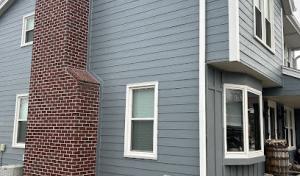
Ridge Top Exteriors in Gurnee provides professional roofing, siding, window, and gutter solutions for Illinois homeowners looking to improve and protect their homes. We use top-rated materials, including vinyl and fiberglass windows and durable LP SmartSide siding, installed by factory-trained professionals who deliver quality workmanship you can count on. With over 20 years of award-winning service and thousands of satisfied customers, we are proud to serve Gurnee and surrounding communities. From free consultations and transparent pricing to flexible financing, Ridge Top Exteriors is here to help you make your home look and perform its best.
CasGo Roofing
(847) 922-8374 casgoroofing.com
1800 Nations Dr Suite 117-7, Gurnee, Illinois
5.0 from 31 reviews
We are a Licensed, Insured business and Certified Installers by GAF in the Chicago-land area and a full service company, trusted to meet your roofing and needs for commercial and your residential properties.

Hetman Enterprises
(847) 796-8710 hetmanexteriors.com
1499 Greystone Dr, Gurnee, Illinois
4.8 from 67 reviews
At Hetman Enterprises, we're dedicated to providing quality home improvement services in the Gurnee area. From siding and gutters installation to window and roof replacement, we can help you get your home or business looking the way you want it. Our goal is to provide superior service at competitive rates, and we do our best to ensure that each customer's needs are met. We take pride in our ability to deliver quality work. We understand that your home is an investment and we want to ensure that it stays safe when it comes to weathering the elements. We have been trained by some of the best professionals in their field so we can offer our customers the best quality workmanship and installation available.
Brandon Roofing Contractor
(224) 541-8320 roofinggurnee.com
3598 Grandmore Ave, Gurnee, Illinois
4.9 from 27 reviews
If you are looking for one of the best roofing companies in Gurnee, B&J Roofing Company is your answer. Our roofing contractors can provide roof repair, roof installation, and roof replacement services that you may need for your home. We only use the highest quality of materials for our leaking roof repair service so that you can make sure that it can face any weather conditions in the future. We are one of the roofing companies in Gurnee that provide affordable roofing to our customers. We make sure to inspect your roofing thoroughly so that your roof will be in its best shape. B&J Roofing Company is the one that you can trust.
Mateos Roofing
(847) 623-4612 mateosroofing.com
541 Waveland Ave, Gurnee, Illinois
4.7 from 13 reviews
Roofing & Gutters.
Promar Exteriors
(847) 496-3322 promarexteriors.com
4212 Old Grand Ave, Gurnee, Illinois
4.6 from 5 reviews
Promar Exteriors is a leading exterior remodeling company in Gurnee, IL 60031 with emphasis on the Windows Replacement, Siding Replacement, Roofing Replacement, Gutters Replacement and related products. We have proudly served the Chicagoland Community since 2000 and have a superb reputation for providing the highest quality for the best price. At Promar our primary focus is on you, our customer. We are passionate about providing our customers caring and consultative service, only quality products and superior workmanship. Our experienced and professional team is ready to assist you throughout the project and geared to a most satisfactory completion. We guarantee it. Best Rooer in Gurnee, IL 60031 !
Local Roofing
(847) 244-0500 www.localroofing.net
1394 St Paul Ave, Gurnee, Illinois
3.4 from 13 reviews
Local Roofing, Inc. is an award winning full service roofing company. Specializing in Commercial & Industrial roofing. We offer a wide range of roof systems, repairs, maintenance and warranties. Our trained and experienced staff is available to consult with you. Contact us today to schedule your free roof inspection.We specialize in: Commercial & Industrial roofing, Management Companies, Full roof replacement, Re-roof, Roof repair & Maintenance Agreements. We have been recognized by GAF, Carlisle and Johns Manville, three of the leading
Quality Home Restorations
(708) 965-9308 www.myhomerestorations.com
Serving
5.0 from 20 reviews
Quality Home Restorations, established in 2011, is a trusted home exterior contractor serving the Chicago area. With over a decade of experience, we specialize in roof replacement, siding installation, storm restoration, and seamless gutters. We are licensed, insured, and dedicated to delivering top-quality restoration services. Having helped over 2,000 clients restore their homes after storm damage, we prioritize using the best materials and ensuring exceptional workmanship. Choose us for reliable, professional service and a home that looks its very best. Trust Quality Home Restorations to make your home as good as new!
TZ Roofing Company
Serving
4.8 from 20 reviews
TZ Roofing Company is a leading provider of high-quality roofing in Chicago. Since day one, we have specialized in working with the most experienced and well-qualified roofing contractors to offer a full array of excellent services. Whether you’re looking for re-roofing, roofing repair, installation, or general maintenance, our roofing contractors have the know-how and the skill to get it done. Our services are more affordable than other roofing companies, as well, including our huge selection of styles and materials. Our roofing contractors will help you find exactly what you’re looking for. At TZ Roofing Company, we pride ourselves on our excellent customer service, as well.
Shakes Roofing
(224) 772-9948 www.shakesroofing.com
Serving
4.8 from 82 reviews
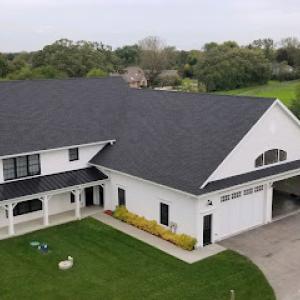
Shakes Roofing is more than just where we work – it's our home. We're the Shakes family, and we've been proudly serving our neighbors with top-quality roofing and siding for 16 years. We're not just a business; we're part of the fabric of this community. Our kids go to the same schools as yours, we cheer for the same sports teams, and we're committed to making our neighborhoods even more beautiful, one home at a time.
RoofRise Roofing Contractors
(224) 504-3424 roofinglibertyville.com
Serving
5.0 from 23 reviews
Make sure you get the protection you need for your home or business with the best in professional roofing in Libertyville, IL from RoofRise Roofing Contractors. Our team has been providing high-quality roofing to Libertyville for years and we can handle residential or commercial roofing projects with incredible professional care. Our roofing contractors in Libertyville know the finer details of roof replacement and roof installation for a shingle roof, metal, rubber, or a flat roof. Don’t wait and let your roofing needs be neglected. Call RoofRise Roofing Contractors today and let our expert roofing contractors give you the guidance you need to ensure solid roofing in Libertyville.
Rebel Exteriors
(847) 529-2022 rebelexteriors.com
Serving
5.0 from 19 reviews
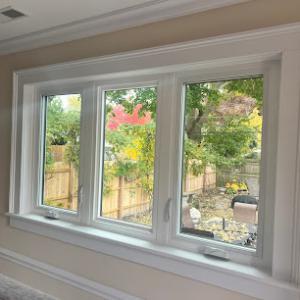
Professional Exterior Renovations and Restorations.
A full roof replacement requires a permit through the Village of Gurnee Building Department. Before any shingle tear-off or new installation begins, you or your contractor should submit the project plans and roofing specifics for review. The Village does not treat reroofing as a no-review job; plans are checked for proper flashing details, vent placement, and the sequence of work. This means you should expect at least one formal plan review and scheduled inspections as the project progresses, not just a single end-check. The permit sets the tone for how the job must be carried out and documented, so coordinate with your contractor to align on the timeline and required documents early.
During the plan review, focus on how flashing will be integrated around chimneys, vents, and skylights, as these are common trouble spots after winter freezes and spring storms. The Village emphasizes correct underlayment installation, which means your contractor should show a continuous, wind-rated layer beneath the shingles or metal. Ventilation is also a key point-adequate attic airflow helps prevent ice damming and reduces the risk of moisture damage once the heavy hangar winds of spring hit. Expect questions about attic access, eave detailing, and any added insulation or vent baffles. A careful submission can prevent delays during the inspection phase and help ensure that the work adheres to local standards rather than relying on generic practices.
Inspections occur both during the project and after completion. The Village checks that the installation follows the approved plan, with particular attention to flashing transitions around features like dormers and close-fit flashing at eaves and rakes. Temporary protection against weather during the tear-off is sometimes reviewed, especially to prevent water intrusion during mid-season thaw cycles. After installation, the inspector will verify that all penetrations are sealed, flashing is properly integrated, and underlayment is continuous with proper overlaps. Scheduling inspections is usually handled by the contractor, but you should confirm the timing and which stages require inspection. If a problem is found, the permit department will require corrections before final approval, so keep communication clear and timely with both your contractor and the village inspector.
If hail or wind damage triggered the project, have your contractor pull the permit early and provide a detailed material and flashing plan aligned to local expectations. Ask the contractor to mark critical flashing points on the plan so the inspector can compare on-site installations to the submission. Ensure that venting strategies account for the roof's pitch and attic space, since improper ventilation is a common post-work concern in this climate. On the day of inspections, have access ready for the inspector to walk the roof edge and attic access points. A well-documented project with compliant flashing, ventilation, and underlayment minimizes the risk of delays and helps the replacement move smoothly through the Village's review process.
In this part of the country, your roof faces a pattern of freeze-thaw cycles that can press out leaks through vulnerable spots. Flashing transitions, fasteners, and aging or brittle coverings are most at risk when temperature swings push materials to expand and contract. That repeated movement can open small pathways for water, especially at valleys, chimneys, and sidewall intersections. Summer heat and strong thunderstorms further test the system, accelerating wear on shingle edges and the underlayment beneath. The combination means choosing a roof system that tolerates both winter stress and summer exposure is essential. In practice, this means prioritizing reliable flashing details, durable fasteners, and underlayment that remains protective as temperatures rise and fall over many seasons.
Gurnee's dominant residential materials include asphalt shingles, metal roofing, clay tile, concrete tile, wood shingles or shakes, and synthetic or composite shingles. Each has strengths and potential vulnerabilities in our climate. Asphalt shingles are common for their balance of cost and performance, but the key is a high-quality underlayment and precise flashing for transitions, since the area's freeze-thaw cycles can stress those junctions. Metal roofing offers excellent resistance to wind and rapid heat swings but benefits from proper panel overlap and robust sealant choices around fasteners. Clay and concrete tiles bring long life in hot weather, yet their weight and brittle edges require careful support structure and correct fastener patterns to handle cold-induced cracking. Wood shingles or shakes provide aesthetic appeal and good insulating value, but they demand careful moisture management to prevent swelling and splitting when wet and cold. Synthetic or composite shingles aim to combine resilience with light weight, yet need appropriate underlayment and flashing to handle the seasonal shifts. The best match for many homes is a system that pairs a durable underlayment with thorough, well-sealed flashing transitions and a fastener layout designed for movement.
Timing work around the freeze-thaw season matters for minimizing disruption and ensuring long-term performance. Scheduling roof work after extended freezes or before the next spring thaw can help crews properly seal penetrations and verify that ventilation, underlayment, and flashing are set with warm, dry conditions in mind. For hail-impacted homes, immediate attention to damaged flashing and fasteners is prudent, as impact sites can become entry points once temperatures fluctuate. Regular inspections in late spring and mid-fall-when temperatures are moderate and precipitation is typical-allow early detection of aging underlayment or loose fasteners before a harsh winter cycle begins. Treat gutter and downspout connections as part of the system, since clogged or damaged lines amplify moisture risks during rapid thawing. A thoughtfully chosen roof assembly, paired with proactive maintenance tuned to our climate, sustains performance across Gurnee's seasonal extremes.
The most popular roofing material in the US. Find pros who install, repair, and replace asphalt shingles.
Ridge Top Exteriors
(847) 718-8084 www.ridgetopexteriors.com
1810 N Delany Rd Ste J, Gurnee, Illinois
4.8 from 125 reviews
Cedar Roofing Company LLC - CRC
(847) 247-4400 www.cedarroofingcompany.com
Serving
4.8 from 116 reviews
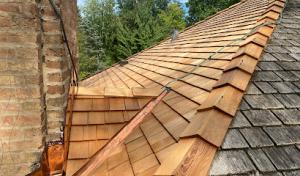
Winter ice dams and snow load are a stated seasonal risk in Gurnee and can both shorten roof life and delay replacement work. When temps swing above and below freezing, melted snow refreezes at the eaves, creating dams that back up onto the roof. That backed-up water finds its way under shingles, undersiding, and flashing if the roof isn't fully prepared. The result is accelerated wear on edges, faster deterioration of underlayment, and the kind of interior staining that triggers urgent repair conversations in the neighborhood. Knowing this pattern helps you spot weak points before a storm drills home the damage.
Because the Village inspection process checks ventilation and underlayment, winter leak prevention in Gurnee is tied directly to details that inspectors review on replacement jobs. Proper attic ventilation keeps dew and meltwater moving toward safe outlets rather than lingering near the deck; a solid membrane and appropriate flashing seal the transition where the roof meets walls, chimneys, and skylights. If a replacement project overlooks these elements, even a small leak can become a winter headache. In practice, that means ensuring attic vents are clear, soffit intakes are not blocked by insulation, and the underlayment is continuous without gaps or punctures-especially around protrusions. The result is a roof that sheds meltwater efficiently rather than pooling it at critical seams.
Autumn temperature swings and wind in Gurnee can stress fasteners and flashing before winter, making late-fall minor defects more likely to become cold-season leaks. Gutters and downspouts that aren't aligned or secured can shove ice into eaves, while loose or shallow-seated flashing around vents and chimneys invites water to work behind the siding during the first heavy thaw. A practical approach is to address visible flashing flaws, reseal where necessary, and re-secure any fasteners that feel loose after seasonal wind gusts. This is not the time for a "wait and see" attitude-small gaps now translate into bigger consequences once the snow starts.
The core idea is to treat winter as the test for a roof's core defenses: ventilation, underlayment integrity, and flashing reliability. If those pieces aren't robust before the weather turns, the probability of ice-dam formation and moisture intrusion rises sharply. When you plan any replacement or significant repair, tie the work to these critical details so the roof can hold up through the freeze-thaw cycle and the inevitable winter storms that arrive with late snowfall.
Illinois carriers active in this region commonly require pre-work documentation when hail or wind damage is claimed. Before you even file, gather basic records: a recent photos of the roof from ground and attic vantage points, the latest roof condition report if you have one, and notes on any observed interior leaks or attic moisture. Having these on hand streamlines conversations with the insurer and reduces back-and-forth delays.
In the Gurnee market, adjusters may ask for photos, roof condition reports, and timely claim documentation before approving scope or payment. Be prepared to provide a clear timeline of when you first noticed damage, any temporary repairs you've implemented, and contact details for your roofer or contractor. If you already have prior inspection notes from last year, share those to help the adjuster distinguish old wear from storm-caused damage.
Submit a concise package that includes: recent exterior photos showing damaged shingles, flashing, vents, and any hail impact marks; attic or ceiling photos where leaks are evident; a labeled sequence of damage by area on the roof; and a written summary of the weather events and dates. Keep copies of all correspondence with the insurer, including emails, claim numbers, and the names of agents or adjusters you spoke with. Timeliness matters; send documentation promptly after storms.
Carrier availability can vary by company and policy in Illinois, so Gurnee homeowners need to confirm coverage terms before authorizing full replacement after a storm. If an initial scope is limited, request a documented rationale and a timeline for re-evaluation after diagnostic work. Stay proactive: once the claim is approved, ensure the agreed scope aligns with what was observed and documented during your pre-claim and post-claim examinations.
Connect with contractors who help homeowners navigate the claims process from damage assessment to final approval.
Hetman Enterprises
(847) 796-8710 hetmanexteriors.com
1499 Greystone Dr, Gurnee, Illinois
4.8 from 67 reviews
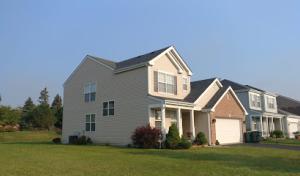
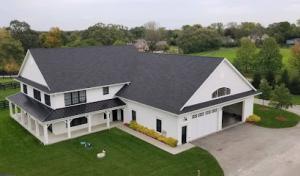
In Gurnee, flashing quality matters more than usual because the Village specifically inspects flashing on full replacement projects. That meticulous scrutiny means any misstep around skylights or chimney penetrations can become a costly headache if not addressed correctly. The combination of long winters with freeze-thaw cycles and dramatic spring hail makes these points especially vulnerable. When sealants age or metal details loosen, a small leak can escalate into interior damage that is visible only after a thaw or a strong wind storm.
Skylights and chimney intersections are the most common trouble spots. Heat cycling and shifting framing from freeze-thaw can pull up flashing that once seemed sturdy. Metal flashings corrode or separate at corners and transitions, while the sealants that keep them watertight shrink and crack with temperature swings. In spring, hail impact can nick or deform flashing, creating micro-leaks that only reveal themselves after a heavy rain or when the attic air is particularly still. Summer thunderstorms can push water into gaps you didn't know existed, especially if the surrounding shingles have aged or leaked earlier in the season.
Inspect visible flashings after severe weather, looking for any lifted edges, corrosion, or gaps around skylights and chimneys. If a flashing issue is spotted, address it sooner rather than later; waiting often allows damage to spread to sheathing or interior walls. Ensure there is proper attic ventilation and underlayment that can accommodate Gurnee's freeze-thaw cycles, since good underlayment helps slow water intrusion even when flashing is imperfect. For full replacements, plan a thorough flashing check as part of the project, and align repairs with the timing of peak freeze-thaw vulnerability to prevent repeating leaks in the following season.
Find contractors experienced in skylight installation, flashing, and leak repairs to bring natural light into your home.
Ridge Top Exteriors
(847) 718-8084 www.ridgetopexteriors.com
1810 N Delany Rd Ste J, Gurnee, Illinois
4.8 from 125 reviews
Mateos Roofing
(847) 623-4612 mateosroofing.com
541 Waveland Ave, Gurnee, Illinois
4.7 from 13 reviews
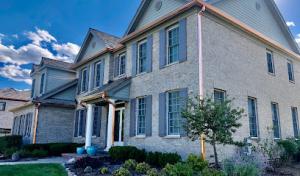
Flat and low-slope roofing is an active specialty in the Gurnee market even though the city's dominant materials are steep-slope residential systems. When additions, porches, or attached garages are built, the roof detail often becomes the weak link if proper drainage and ventilation aren't planned from the start. Drainage, flashing transitions, and underlayment selection should be treated as essential design elements, not afterthoughts. In this climate, slow drainage leads to ponding in winter and accelerates aging in summer heat.
Gurnee's snow load and ice buildup risks are more punishing on low-slope sections where drainage is slower and winter ponding can linger. Pay attention to how the new or repaired flat roof integrates with surrounding grades and downspouts. A small misalignment can create ice dams that back up onto penetrations and flashings, forcing costly repairs later. Consider a tapered insulation approach or a targeted slope to promote shedding of snow and water, and verify that scuppers, crickets, and edge details are robust enough to handle long periods of freezing temperatures.
Summer heat in Gurnee also accelerates aging of exposed low-slope membranes and underlayments on additions, porches, and attached garages. Choose a membrane system with proven UV resistance and a durable granule or cap sheet finish for glare reduction and long-term solar stability. Ventilation remains critical; a ventilated attic or appropriate soffit-to-ridge airflow prevents heat buildup that can delaminate membranes and undermine substrate integrity. If the roof ties into existing steep-slope systems, ensure flashings blend seamlessly to avoid discrete failure points.
Plan for proactive maintenance before the spring hail window and the fall freeze-thaw cycle. Inspect sealant joints, flashing transitions, and edge metal after severe storms, and schedule a mid-year check to catch creeping edge leaks before they become bigger problems. In all cases, ensure that any additions or garage roofs receive a deliberate, coordinated detailing package that matches the main roof's performance goals. Here in Gurnee, thoughtful planning today reduces disruption when winter storms arrive.
Find specialists in TPO, EPDM, and built-up flat roofing systems for residential and commercial properties.
Cedar Roofing Company LLC - CRC
(847) 247-4400 www.cedarroofingcompany.com
Serving
4.8 from 116 reviews
Mighty Dog Roofing of Northwest Chicago
(847) 649-6732 www.mightydogroofing.com
Serving
4.9 from 38 reviews
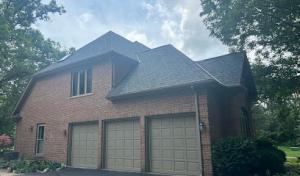
The Gurnee contractor scene is dominated by re-roof projects driven by aging roofs and storm damage, not new construction. When you're facing hail-season repairs or a freeze-thaw cycle, quick response and thorough cleanup become stand-out hiring priorities. Look for firms that can guarantee on-site arrival within 24-48 hours after a claim is filed and that leave the yard spotless at day's end. Long-standing, family-owned firms are common, but the best option clearly identifies who will handle permits and inspections with the Village.
Ask how the contractor coordinates with insurance adjusters and the timing of the replacement around the region's cold snaps. Confirm who will be your point of contact for weather-related delays and who supervises the crew each day. Demand a written project plan with a start date, daily cleanup expectations, and a clear sequence for flashing, ventilation, and underlayment-items the Village carefully scrutinizes on full replacements. Request references from recent Gurnee jobs that involved storm repairs and hail claims, and take the time to drive by a nearby completed project if possible.
Inspect the salesperson's materials list for a full-coverage underlayment and properly vented soffits, plus accurate flashing details around chimneys, skylights, and roof-to-wall transitions. Inquire about wind-rated fasteners and the contractor's protocol for protecting landscaping and driveways during heavy debris cleanup. Ensure the crew will perform a roof-to-soil inspection at completion to catch hidden hail damage and to confirm proper sealant and shingle alignment in line with local expectations.
Choose a contractor with clear communication, a realistic weather plan, and a demonstrated track record of meticulous cleanup and thorough inspections. In this market, the best choice blends attentive service, reliable scheduling, and accountable workmanship that can stand up to Gurnee's spring storms and winter cycles.