Last updated: Apr 19, 2026
Libertyville roofs are stressed by cold winters with repeated freeze-thaw cycling and warm, humid summers, a combination that accelerates wear differently than in milder Illinois markets. That back-and-forth expands and contracts shingles, underlayment, and flashing, nudging small leaks into bigger problems faster than homeowners expect. The consequences aren't just cosmetic: attic warmth leaks, moisture intrusion, and premature shingle degradation can sneak in between checkups if attention slips during the busy seasons. Recognize that the same weather cycle that protects your lawn in late spring also punishes roofing edges and penetrations where water can grab hold.
Summer hail events are a meaningful local scheduling trigger, often creating bursts of claim activity and tighter contractor availability after storms. Hail can damage multiple roof planes in a single afternoon, leaving curled edges, granule loss, and microfractures that aren't obvious from the ground. After a big hail event, inspectors, adjusters, and crews converge in waves, sometimes delaying non-emergency repairs for weeks. If a major hailstorm hits, expect a temporary spike in materials and labor lead times, and plan for that window to fill quickly with urgent work, not routine maintenance. Proactive communication with a trusted local roofer becomes essential when storm season nears, because late spring through early summer is the prime period for coordinating full or partial replacements.
Winter ice damming is a named seasonal risk in Libertyville, making eave-edge leakage and moisture intrusion a recurring homeowner concern. Ice dams form when heat from the attic escapes to the roof deck, melting snow at the eaves while colder higher-up sections refreeze, creating a dam that forces melting water to back up under shingles. The result can be hidden leaks that show up as staining on ceilings or inside attic dormers long after a storm passes. Preventive steps matter: ensure attic insulation is sufficient, venting is balanced, and soffit and gutter systems are clear before heavy snows arrive. A proactive approach minimizes the chance that a minor melt turns into a costly interior repair.
Short reroofing seasons in this market amplify the importance of timely decisions. As soon as a weather pattern signals persistent freeze-thaw cycles or a forecasted hail event, set a plan with a local contractor that outlines inspection dates, waterproofing checks, and material readiness. If a storm hits and damage is suspected, request a same-season assessment to separate cosmetic issues from structural concerns. Keep gutters and downspouts clear, and verify attic access and ventilation ahead of the first cold snap. When the thaw returns, revisit critical flashing details around chimneys, skylights, and roof transitions to prevent incremental leaks from turning into water in the attic.
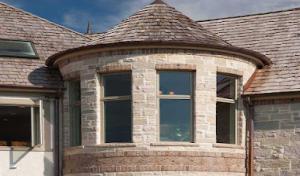
Libertyville homeowners typically see a mix of asphalt shingles, metal roofing, clay tile, concrete tile, synthetic/composite shingles, and slate. That variety matters because each material responds differently to the town's seasonal challenges. When choosing a roof type, focus on how your home's slope, exposure, and attic layout interact with the dominant local materials. If your neighborhood leans toward asphalt or synthetic shingles, you'll find restoration and short-replacement cycles are usually smoother in spring or fall. Homes with metal, clay, or concrete tiles demand attention to fastener compatibility and the way weight distribution interacts with existing rafters and eaves.
The short reroofing window in this area is driven by a winter pattern of freeze-thaw cycles and spring wind and hail events. Heavier, brittle materials-clay tile, concrete tile, and slate-face cracking risk as temperatures swing quickly from freezing nights to warm days. If a hail event hits late in the season, a full replacement might stretch toward late spring or early fall, tightening both scheduling and warranty follow-through. For asphalt and metal options, day-to-day performance during the volatile March through May period hinges on a robust underlayment and secure seam protection, since windy days can expose vulnerable edges and panel joints. The key practical takeaway: plan for inspections and potential rapid triage of damaged sections after hail or heavy winds, and consider how each material handles a batch of subsequent freeze-thaw days.
Warm, humid summers influence underlayment choice and ventilation strategy across the Libertyville roofscape. Asphalt shingles pair well with modern synthetic underlayments and vented soffits, especially when attic insulation is on the lean side. Metal roofing often benefits from a continuous vented barrier and a breathable, moisture-tolerant underlayment to manage condensation during hot spells. Clay and concrete tiles require careful attention to underlayment that can tolerate intermittent high moisture while preserving tile integrity. Slate demands precise installation and continuous ventilation to reduce heat buildup in the attic, which helps slow expansion and contraction across seasons. In all cases, ensure that ridge and soffit ventilation are balanced to keep the attic closer to outdoor temperatures during the peak summer heat.
Because the dominant local material mix is broad, the choice often comes down to tailoring a system to the home's specific exposure and roof geometry. For steeper pitches, slate or concrete tile deliver long-term service but demand skilled installation and a compatible substrate. If the roof planes are shallow or heavily shaded, asphalt or synthetic shingles can provide a forgiving combination of ease of repair, wind resistance, and maintenance access. Metal roofing offers excellent wind resilience and a modern look, but requires careful detailing at joints and penetrations to avoid water intrusion and thermal bridging. In a neighborhood with varied stock, a well-integrated roof assembly that matches existing materials in appearance and performance tends to result in the lowest lifetime maintenance burden for most homes in Libertyville.
Reroof projects in this area follow a clear rhythm: replacement work is concentrated from late spring through early fall, because winter conditions and spring moisture can interfere with installation quality and scheduling. If a hail event or a windy week occurs late in the season, crews can get stretched thin, pushing some start dates into the early part of the fall window. Understanding this pattern helps you plan around cloudy days, post-storm inspection windows, and crew availability. In practice, the late spring through early fall window becomes the natural pace for most homes with standard asphalt shingles, and it often governs when you'll see the most competitive pricing and quickest scheduling.
Provided local cost ranges run about $450 to $750 per square for asphalt shingles, $700 to $1200 for metal, $900 to $1800 for clay tile, $800 to $1500 for concrete tile, $550 to $1000 for synthetic/composite shingles, and $1200 to $2500 for slate. In Libertyville, these numbers can shift upward subtly when a hail event tightens labor availability, when heavier tile or slate systems require more specialized handling, or when project timing collides with the village permit-review queue. If a roof presents unusual angles, multiple dormers, or accessory structures, expect additional labor hours and corresponding cost bumps. For a straight, typical ranch or two-story home with standard attic access, you'll generally land within the lower-to-mid ends of these ranges in calm scheduling periods.
Hail, wind, and freeze-thaw cycles press the exact timing of replacements in this climate. Hail events often trigger more inspections, more material handling, and sometimes a handful of extra per-project tasks that extend the work into the early fall. Freeze-thaw cycles at the tail end of the season can complicate shingle adherence and sealant work, nudging the crew toward starting earlier or wrapping up sooner to avoid cold-weather setbacks. If a storm is followed by a busy week of availability, the calendar can fill quickly, underscoring the value of early planning and a realistic backup schedule.
Choosing asphalt shingles keeps the project on the tighter end of the calendar and budget, with predictable lead times and wide contractor availability during the peak season. Heavier tile options-clay or concrete-tend to require more staging space, hoisting, and seasoned installers, which can tighten schedules and push costs upward. Synthetic or composite shingles offer a middle ground on both cost and ease of installation, while slate delivers the most complexity and longest install time, reflected in higher end pricing. Each material path has its own timing quirks, especially when weather compresses the installation window.
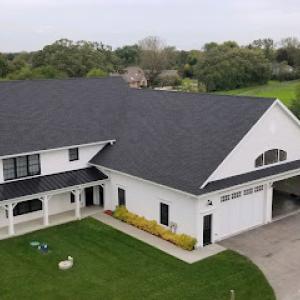
Shakes Roofing
(224) 772-9948 www.shakesroofing.com
19091 W Casey Rd, Libertyville, Illinois
4.8 from 82 reviews
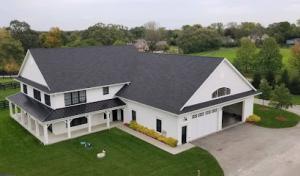
Shakes Roofing is more than just where we work – it's our home. We're the Shakes family, and we've been proudly serving our neighbors with top-quality roofing and siding for 16 years. We're not just a business; we're part of the fabric of this community. Our kids go to the same schools as yours, we cheer for the same sports teams, and we're committed to making our neighborhoods even more beautiful, one home at a time.
RoofRise Roofing Contractors
(224) 504-3424 roofinglibertyville.com
514 North Ave, Libertyville, Illinois
5.0 from 23 reviews
Make sure you get the protection you need for your home or business with the best in professional roofing in Libertyville, IL from RoofRise Roofing Contractors. Our team has been providing high-quality roofing to Libertyville for years and we can handle residential or commercial roofing projects with incredible professional care. Our roofing contractors in Libertyville know the finer details of roof replacement and roof installation for a shingle roof, metal, rubber, or a flat roof. Don’t wait and let your roofing needs be neglected. Call RoofRise Roofing Contractors today and let our expert roofing contractors give you the guidance you need to ensure solid roofing in Libertyville.
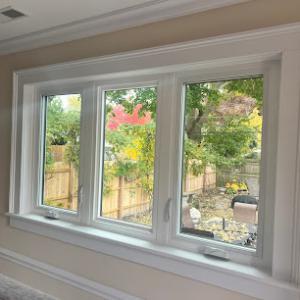
Rebel Exteriors
(847) 529-2022 rebelexteriors.com
426 S Milwaukee Ave Unit C, Libertyville, Illinois
5.0 from 19 reviews
Professional Exterior Renovations and Restorations.
Redhawk Roofing
(847) 477-3509 www.redhawkroofinginc.com
872 S Milwaukee Ave 265 265, Libertyville, Illinois
5.0 from 5 reviews
Welcome to Redhawk Roofing, Inc., the leading roofing company based in Libertyville, IL, providing all the roofing services your home will ever need. Whether you're looking for a roof replacement or repair, you are in the right place. Our professional and experienced team offers reliable roofing services for homeowners who have cedar shake, metal, slate, or asphalt shingle roofs. With a focus on excellence, we are dedicated to providing exceptional craftsmanship and customer satisfaction to customers throughout Northern Illinois and Southern Wisconsin. Contact Redhawk Roofing, Inc. today for comprehensive solutions to protect and enhance the beauty and durability of your property!
GroupXL
(224) 400-9500 www.groupxl.com
872 S Milwaukee Ave # 183, Libertyville, Illinois
3.8 from 10 reviews
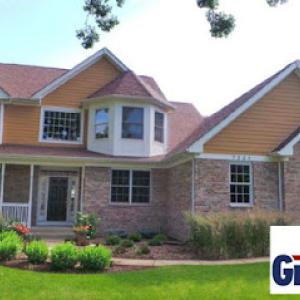
GroupXL is a minority owned, full-service, home improvement contractor servicing residential and commercial clients in Chicago, Northern Chicagoland suburbs and communities surrounding the Illinois /Wisconsin border since 2003. We are fully licensed, bonded and insured roofing contractor in Illinois and dwelling contractor in Wisconsin. We supply everything you need for your business or home repairs and/or remodeling under one roof. Our reputation is built on craftsmanship and trust. You have one single point of contact, from design to permitting to construction. You can enjoy lasting peace of mind knowing every aspect of your project is coordinated and managed by an experienced professional looking out for your needs.
TZC Roofing Company
(224) 509-6722 roofingmundelein.com
Serving
4.9 from 42 reviews
For over 29 years, our roofing company has been at the pinnacle of the industry. The premiere roofing service provider in the area of Mundelein, IL, we differ from other roofing companies due to the fact that we were founded on the principles of excellence in service and customer satisfaction above all. We offer a wide range of licensed and highly-rated services that cater to both commercial and residential clients. We ensure you reasonable rates, along with the use of the highest quality materials and utilizing of the latest techniques available. Our highly trained roofing staff in Mundelein are always prepared to answer your roofing concerns. We’ll earn your trust with reliable service you can always depend on.
Custom Installations
(847) 786-5559 www.custominstallations.com
Serving
4.9 from 196 reviews
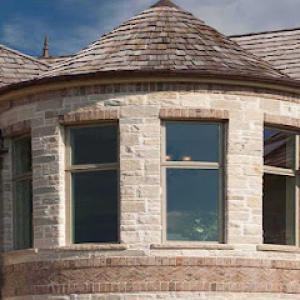
Since 1969, Custom Installations has provided homeowners, builders, and architects with an unparalleled commitment to our craft. Specializing in exterior remodeling, our services include roofing, siding, windows, gutters and sheet metal. From high-end custom homes to tract housing, to historic restoration and insurance renovation, we have the knowledge and experience to get the job done right the first time, on budget, with a goal of surpassing your expectation. Considered one of the most knowledgeable & dependable exterior contracting firms in the Chicagoland area, our culture is built on and embodies integrity, knowledge, reputation, and relationships.
Patriot Builders
(847) 778-4523 www.patriotbuildersgroup.com
Serving
4.8 from 27 reviews
Patriot Builders Group serves as your reliable partner for exterior repairs and renovations for both homes and businesses. Originating as a roofing company, we adhere to the commitment of utilizing top-quality roofing and exterior products while delivering exceptional services. Additionally, our expertise extends to assisting homeowners in navigating insurance claims through our Public Adjuster License.
Mighty Dog Roofing of Northwest Chicago
(847) 649-6732 www.mightydogroofing.com
Serving
4.9 from 38 reviews
When it comes to your home’s exterior, Mighty Dog Roofing delivers top-of-the-line services matched with the neighborly customer care our clients have come to love. Our team of skilled experts will conduct a free, detailed inspection of your home, treating it as our own. Whether your home needs a simple repair or a full roof replacement, expect to receive the transparent guidance you deserve. Whatever the case, our team will work to meet your safety and budget needs. We take pride in operating with quality materials, hiring skilled roofers, and providing our customers with a high-quality experience. See for yourself; our reviews say it all. Schedule your free, home inspection today!
Cedar Roof Repair
(847) 496-0620 www.cedar-roofs.com
Serving
5.0 from 84 reviews
Cedar Roof is a roof repair and cedar roof treatment company. We specialize in cedar roof repairs, oil treatments, roof cleaning, roof inspections, roof coating for flat roofs and gutter cleaning. Our services area is Chicago Suburbs, Wisconsin and surrounding areas. For Cedar Shake roofs, we repair the roof with quality grade shake whether it’s heavy, medium or perfection. We replace all rotted, bad or missing shakes. We replace all bad or missing ridge-caps. We patch all holes. We caulk skylights, flashing, pipe jackets, and vents. Once the roof is repaired, we treat any moss, mildew or algae then scrub it with a brush.
Cedar Roofing Company LLC - CRC
(847) 247-4400 www.cedarroofingcompany.com
Serving
4.8 from 116 reviews
CRC is family owned and operated, proudly serving Illinois and Wisconsin communities since 1982. Although we began as Cedar Roofing Company, we quickly found that our customers were looking for much more than just cedar products. Over the years, our company's services have expanded to include asphalt, slate, tile, metal, flat and commercial roofing as well as custom metalwork, gutters, siding, skylights and more.
Diamond Lake Exteriors
(217) 673-0939 diamondlakeexteriors.com
Serving
4.8 from 32 reviews
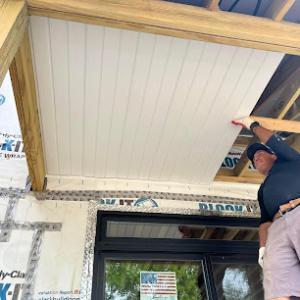
Diamond Lake Exteriors, located in Long Grove, IL, is a trusted roofing and public adjusting company offering top-tier roofing services throughout the area. As GAF CERTIFIED roofing contractors in Illinois, we specialize in roofing, siding, gutters, and windows, delivering high-quality workmanship for both residential and commercial projects. We also provide roof financing options to help our clients achieve their goals without financial stress. Our team of experts is dedicated to providing the best roofing services with customer satisfaction. As a leading roofing company, we serve Long Grove, IL, and the surrounding areas. Reach out to Diamond Lake Exteriors today for a free estimate.
For a full re-roof, the action is typically treated as a permit item rather than maintenance. This means you cannot skip the permit step and should expect the project to be reviewed as part of the village's building code process. The Libertyville Village Building Department handles roofing permits after a plan review, and a typical turnaround runs about 1 to 2 weeks depending on workload. Planning ahead is especially important when the late spring through early fall reroofing window aligns with hail seasons and busy contractor schedules.
Before any physical work begins, your chosen contractor should submit the plan package to the Building Department for review. In Libertyville, the review looks at the roof type, ventilation compliance, attic insulation considerations, and flashing details that affect water intrusion risk during freeze-thaw cycles. Expect questions about roof edge detailing, valley protection, and any desired skylight or chimney flashing modifications. Submitting complete, accurate plans helps avoid delays caused by missing specifications or conflict with local amendments. If you are coordinating with storm-damaged repairs after hail or wind events, have documentation ready to illustrate the scope and necessary material changes.
Projects are typically inspected once installation is complete, with the final inspection used to verify compliance before closeout. The final inspection confirms that the roof system, underlayment, vents, and penetrations meet current code requirements and that the installation is suitable for Libertyville's freeze-thaw cycles. Depending on weather and the contractor's pace, the final inspection may be scheduled a few days after completion. If inspectors identify any nonconformities, you'll be guided to address them before the permit can be closed, so keeping the site accessible and organized for the inspector speeds the process.
Because the permit review window is finite and the reroof season can tighten around late spring, aligning your project timeline with the village's review cadence helps avoid hold-ups. If you expect hail or wind-driven damage, communicate promptly with the Building Department and your contractor to ensure the plan reflects necessary material upgrades and protective details. During peak seasons, plan for potential minor delays in inspection slots and prepare to accommodate any requested follow-up item quickly to maintain a smooth closeout.
Underestimating the plan review time or submitting partial plans are frequent silos that延 slow motion in Libertyville. Ensure your contractor provides complete roof diagrams, venting calculations, and flashing details. Keep access clear for the inspector, and confirm that any deck or attic hatch paths remain unobstructed. By coordinating permits and inspections with the local schedule, you minimize the risk of rework and ensure the finished roof is resilient through the region's harsh winter freezes and spring hail cycles.
After a major hail or wind event, the insurance landscape in this area shifts quickly, with claim volume spiking and then leveling off in fits and starts rather than staying persistently low. That pattern means your homeowner's policy may face a temporary surge of simultaneous claims, which can stretch adjuster schedules and slow responses. When a storm hits, expect a flurry of phone calls, site visits, and document requests that arrive in waves rather than all at once.
Insurers commonly request detailed damage documentation plus contractor-prepared scope and pricing. In practice, that means photo records that clearly show damaged shingles, granule loss, soft spots, or flashing failure, and a line-item estimate that aligns with the scope of work. If you have a trusted local roofer, obtain a clearly itemized estimate that maps each repair task to specific areas of your roof. Keep a dated folder of every photo, note, and receipt; these files help an adjuster quickly see the scope and justify the recommended repairs.
Adjuster access and timing can directly delay repair scheduling after storm events, especially when many homeowners are filing at once. You may encounter longer wait times for on-site assessments, and later windows for repairs due to weather, material availability, and contractor workload. In Libertyville, the late spring through early fall window tends to be the busiest, which can squeeze the time you have to secure temporary protection or plan a full replacement. Expect some back-and-forth as your adjuster requests additional documentation or a revised scope.
Coordinate quickly with a local contractor who understands how the local adjusters typically review Libertyville claims. Capture close-up and wide-angle roof photos from ground level and from the ladder line, then compile a concise line-item estimate that ties each image to a specific repair task. When an adjuster arrives, have your documentation organized and ready to share so the review can move efficiently and you can minimize unnecessary delays in scheduling the fix.
Connect with contractors who help homeowners navigate the claims process from damage assessment to final approval.
Shakes Roofing
(224) 772-9948 www.shakesroofing.com
19091 W Casey Rd, Libertyville, Illinois
4.8 from 82 reviews
Rebel Exteriors
(847) 529-2022 rebelexteriors.com
426 S Milwaukee Ave Unit C, Libertyville, Illinois
5.0 from 19 reviews
Spring rain and moisture are a stated Libertyville seasonal risk that can delay tear-off and expose underlayment performance issues during installation. Cool, damp days slow work crews, limit asphalt adhesion, and increase the chance of moisture trapped under the new underlayment. In practical terms, a late snowmelt or persistent showers can push a planned tear-off into periods with higher humidity and sudden temperature shifts, making the first warm window feel more fragile than it looks. If overcast days stretch into midweek, the roof deck may stay damp enough to reduce shingle bite or cause bridging of underlayment seams. The result is a domino effect: installers wait; materials sit on the roof; and a weather lull in spring becomes a tighter squeeze in the calendar.
Because the local reroofing season is compressed into warmer months, weather interruptions in spring can push projects deeper into the busier summer calendar. A practical plan is to front-load the scheduling with a robust weather buffer-prioritize a forecasted dry week for tear-off and underlayment installation, then anticipate a few buffer days for incidental delays. A realistic milestone is to secure a delivery window that aligns with the first dry spell after a stretch of wet days, followed by a rapid sequence of tile or shingle installation. Do not assume a wide open installation season; instead, build in contingency days for potential spring storms and the occasional hot, humid stretch that slows crew pace.
On arrival, expect the crew to perform a careful moisture check of the roof deck before removing existing layers. If the deck shows signs of prolonged dampness or staining, the underlayment may need additional drying time or a temporary protective layer to bridge the gap. Communicate preferred sequencing to the foreman: remove damaged sections first while adjacent areas dry, then proceed to underlayment and shingle or tile installation in contiguous sections to minimize re-wet exposure. After each rain event, request a quick moisture recheck to confirm the deck is ready before continuing, ensuring the long stretch of spring does not compromise underlayment performance.
Flat-roof sections and skylight surrounds show meaningful local prevalence, making leak-prone transitions and low-slope details a real part of the service demand. Homes in this area often rely on flat or nearly flat portions that drain toward interior edges or into parapet gaps. That geometry, combined with seasonal temperature swings, means small issues can quietly accumulate into larger headaches if not caught early.
Freeze-thaw cycling in this climate makes flashing details around skylights and roof penetrations more consequential. Tiny openings that might seem insignificant during mild spells can widen as water expands and contracts with winter movement. Over multiple cycles, those gaps become pathways for moisture, especially where sealants have aged or metal flashings have loosened. The result can be slow leaks that show up only after a string of cold snaps or during spring thaws.
In low-slope drainage zones, look for unusual damp spots along interior ceilings, especially beneath skylight planes or along chimney-to-roof transitions. Exterior indicators include puckering shingles at edge details, granular loss near penetration flashings, or staining along the parapet wall. Even when exterior runoff seems adequate, a marginal slope paired with a minor flashing imperfection can push water to the wrong side of a seam during heavy rains or rapid temperature shifts.
Maintenance should target skylight caulking and flashing joints with attention to material aging and previous repairs. If a skylight or penetrations sit on a flat plane, consider a careful re-seal or reevaluation of the flashing stack to ensure a continuous water barrier. For roofs with marginal slope, verify that drainage channels are unobstructed and that scuppers and edge details are intact. When hiring a pro, prioritize those with proven experience in flat-roof systems and skylight installations, and ask for a careful inspection of all transitions around penetrations rather than a generic roof check. In these scenarios, timely attention prevents interior moisture complaints that spike as summers heat up and humidity rises.
Find specialists in TPO, EPDM, and built-up flat roofing systems for residential and commercial properties.
RoofRise Roofing Contractors
(224) 504-3424 roofinglibertyville.com
514 North Ave, Libertyville, Illinois
5.0 from 23 reviews
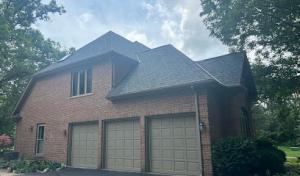
Mighty Dog Roofing of Northwest Chicago
(847) 649-6732 www.mightydogroofing.com
Serving
4.9 from 38 reviews